industrial energy cable
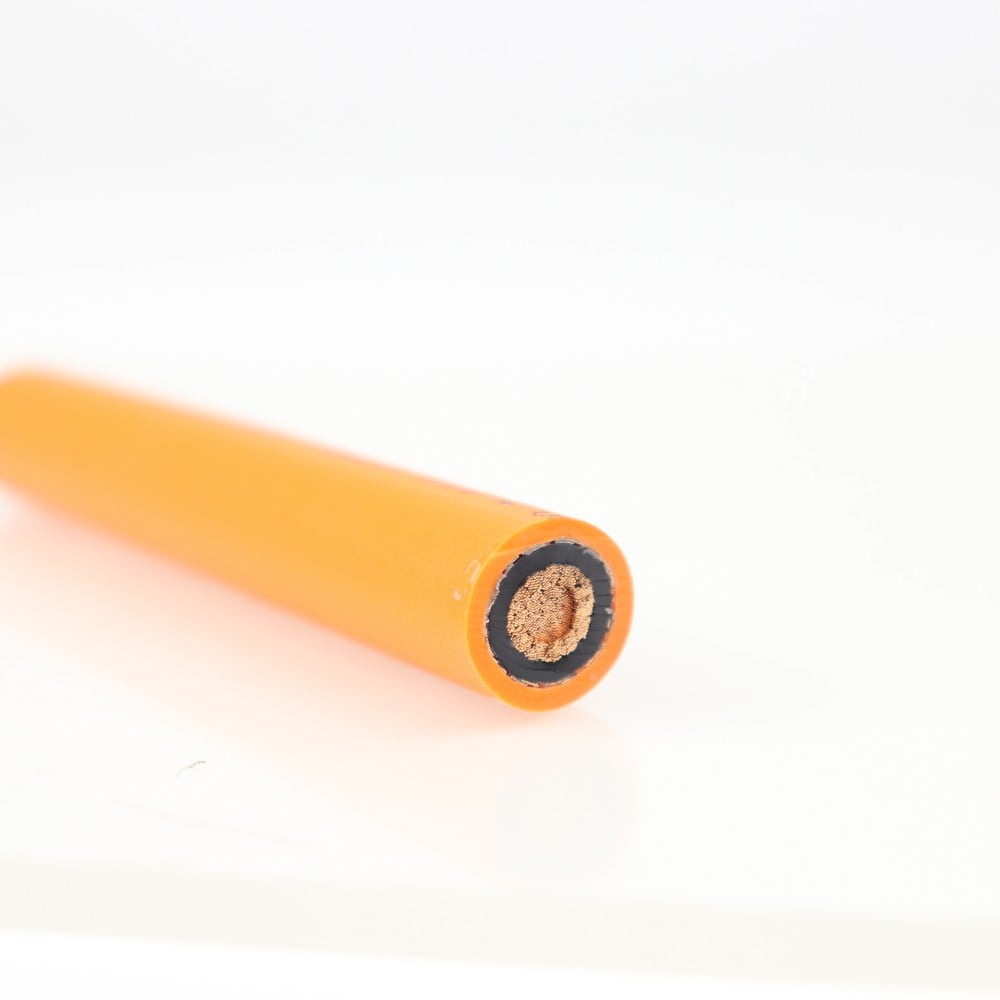
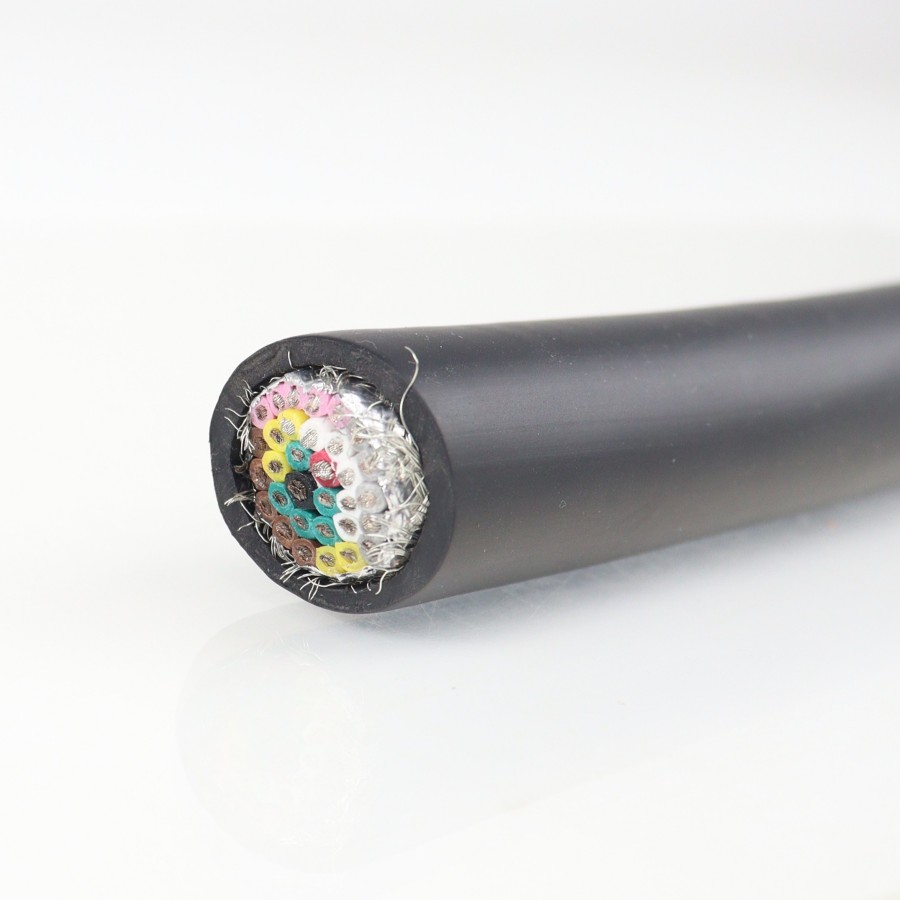
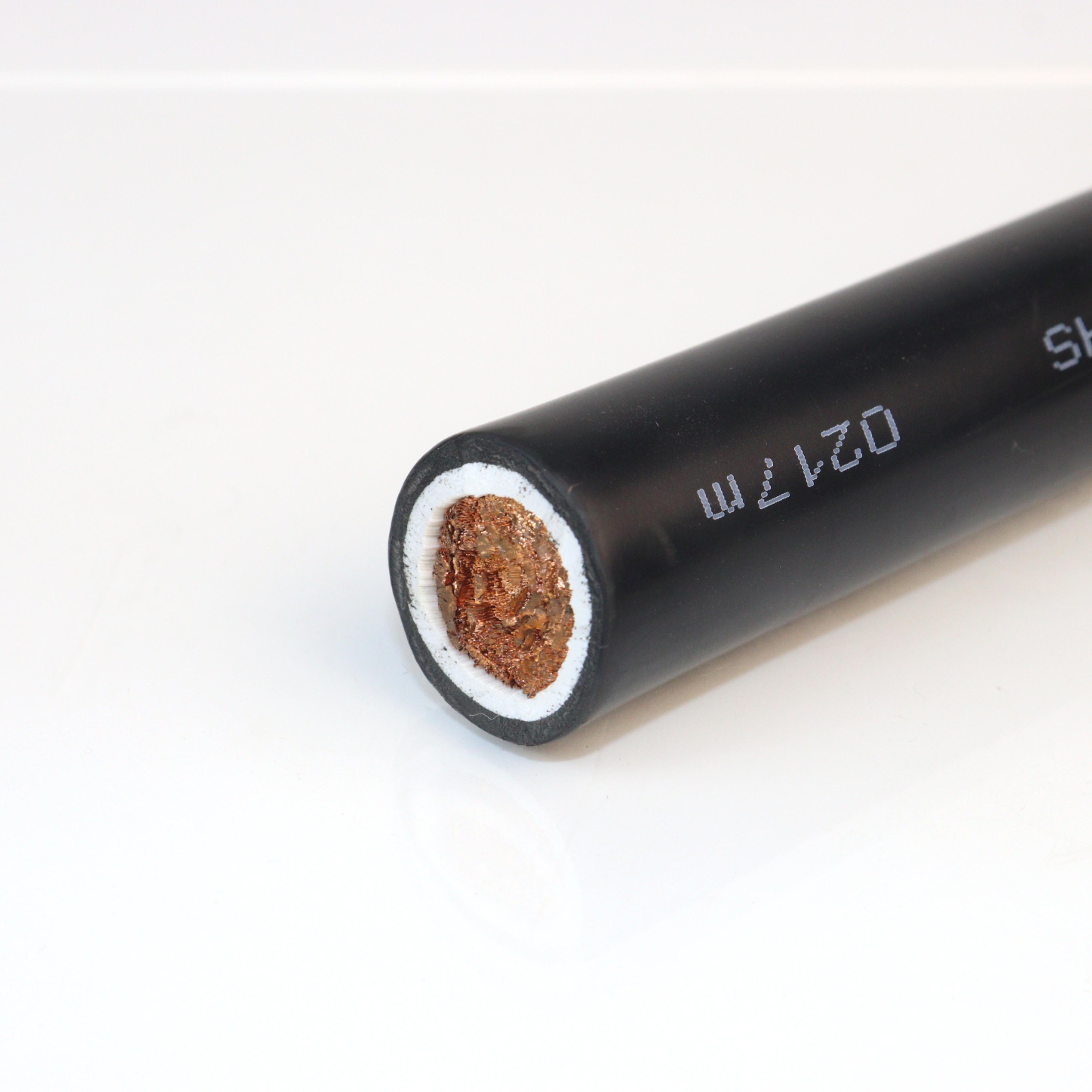
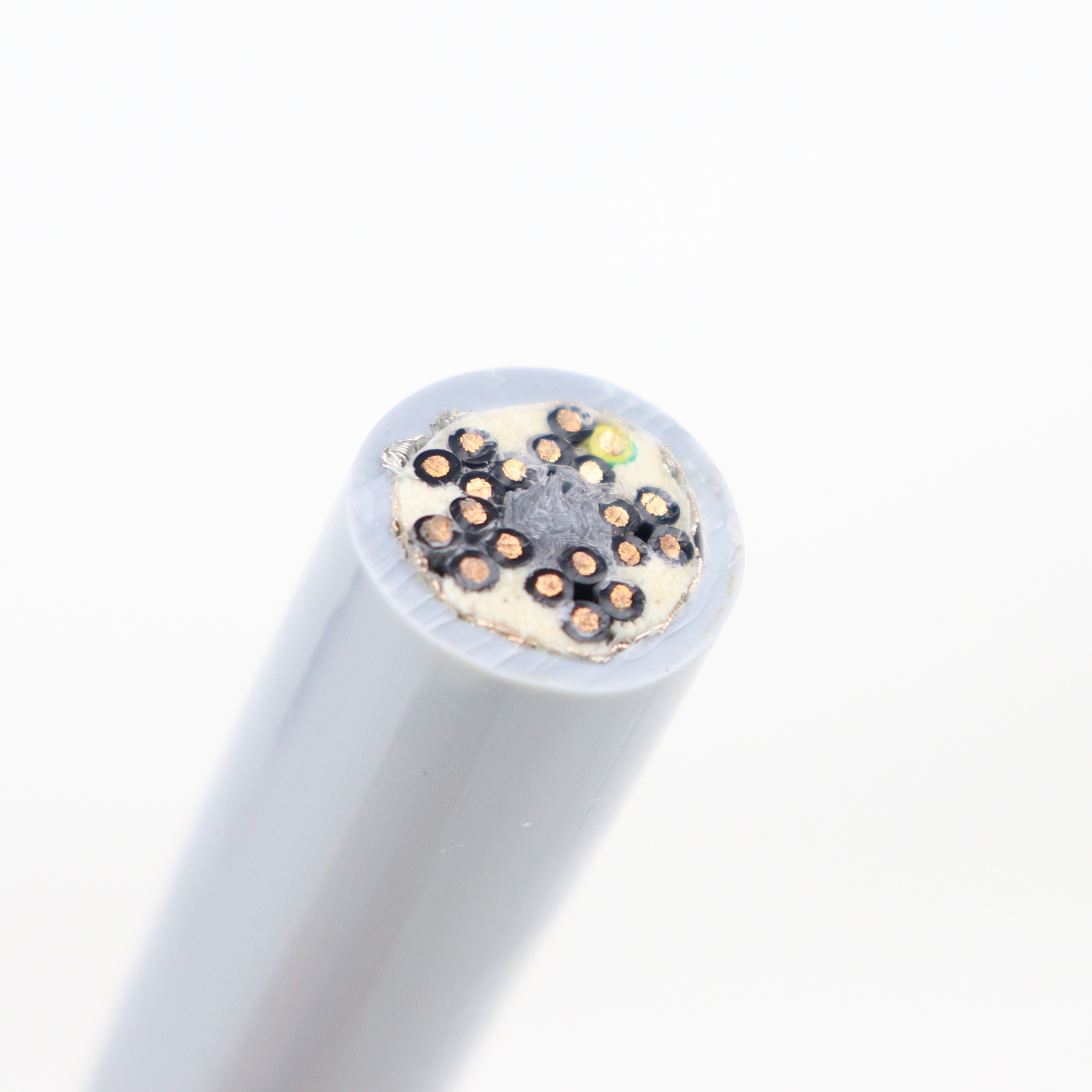
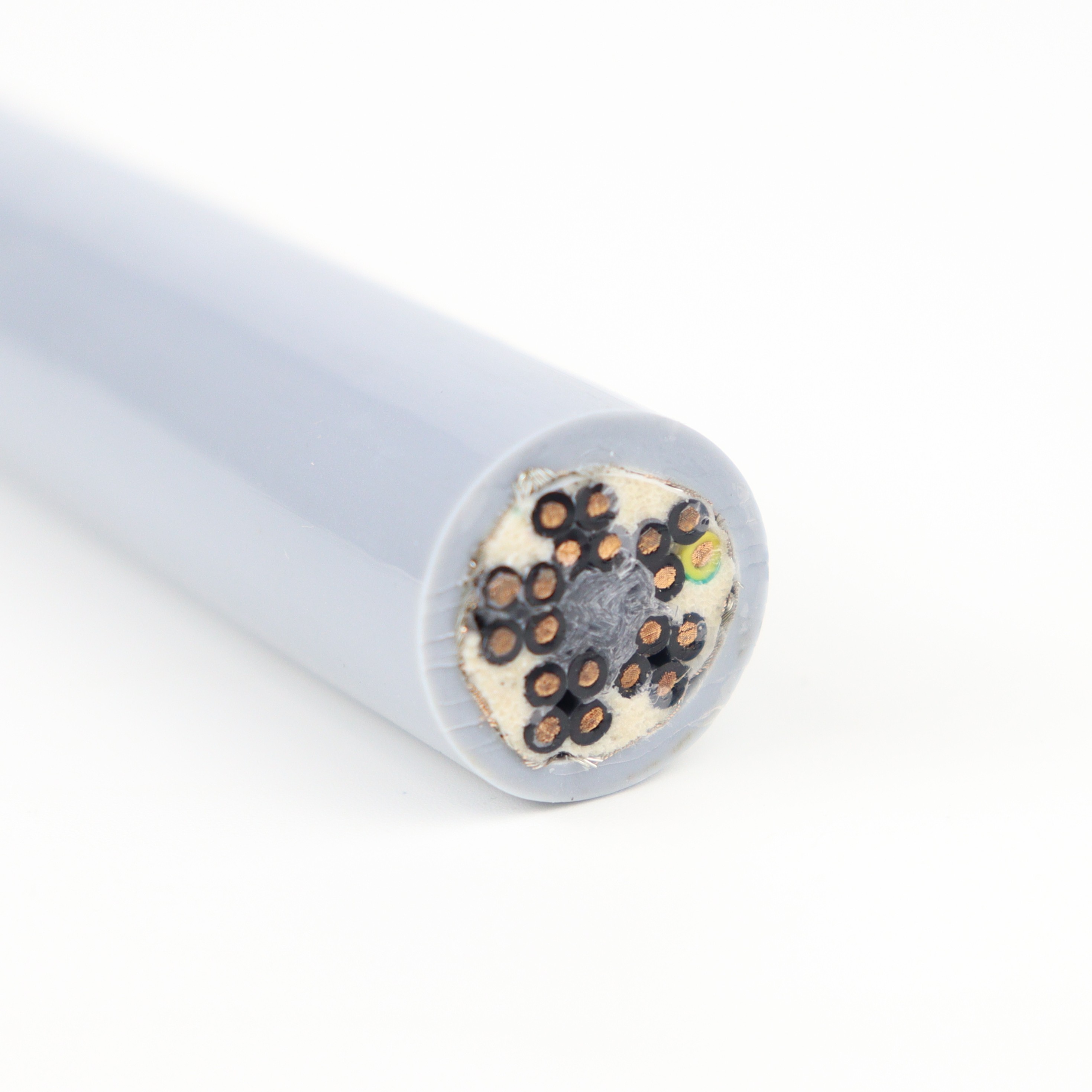
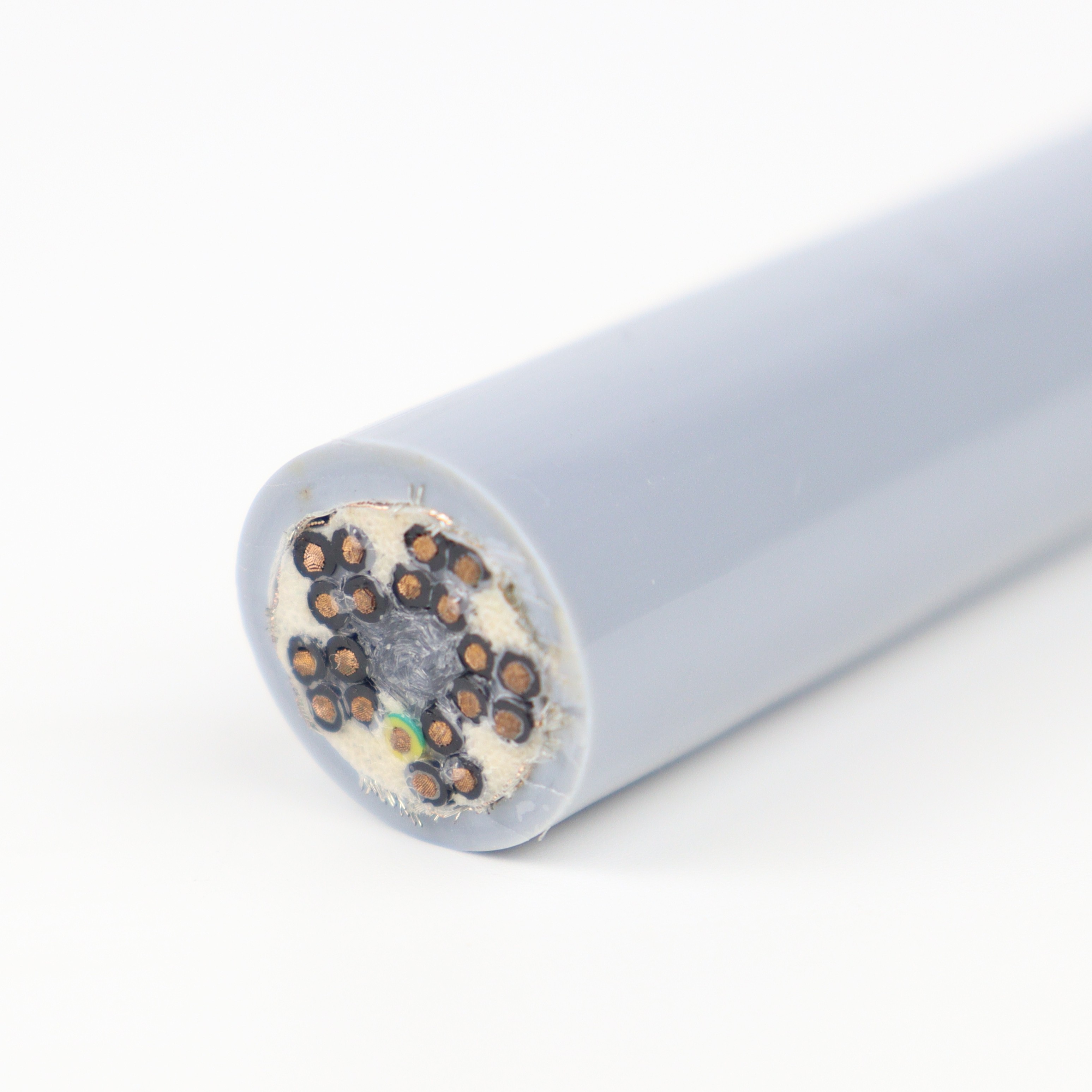
An industrial energy cable is a purpose-built power cable that transfers electricity safely and continuously across factories, processing sites, warehouses, utilities, and other demanding work areas. The industrial energy cable connects power sources with motors, control cabinets, machines, lighting systems, and distribution equipment. Its main function is to deliver stable power while resisting heat, moisture, oil, vibration, impact, and repeated movement. Unlike a standard building wire, an industrial energy cable supports the tougher conditions found around production equipment and outdoor installations. A well-selected industrial energy cable helps maintain reliable machine operation, reduces unplanned stoppages, and supports safer electrical layouts. Construction usually combines copper or aluminum conductors, insulation, protective fillers, and an outer jacket. Copper provides strong conductivity and flexibility, while aluminum can reduce weight and material cost in suitable fixed installations. The insulation controls current flow and withstands the rated voltage. The jacket protects the industrial energy cable from abrasion, chemicals, water, sunlight, and temperature changes. Many designs include shielding to limit electrical interference near sensitive controls or communication circuits. Flexible versions use fine-stranded conductors and reinforced layers for robotic arms, cranes, conveyors, and moving equipment. Fixed versions suit power distribution, motor feeders, and permanent plant wiring. Depending on the model, an industrial energy cable may support low, medium, or higher voltage systems and may meet recognized safety and flame-resistance standards. Buyers should compare voltage, current capacity, conductor size, bending needs, environmental exposure, installation method, and required certifications. Choosing the right industrial energy cable improves power quality, simplifies maintenance, and creates dependable service over its working life.