industrial electrical cable
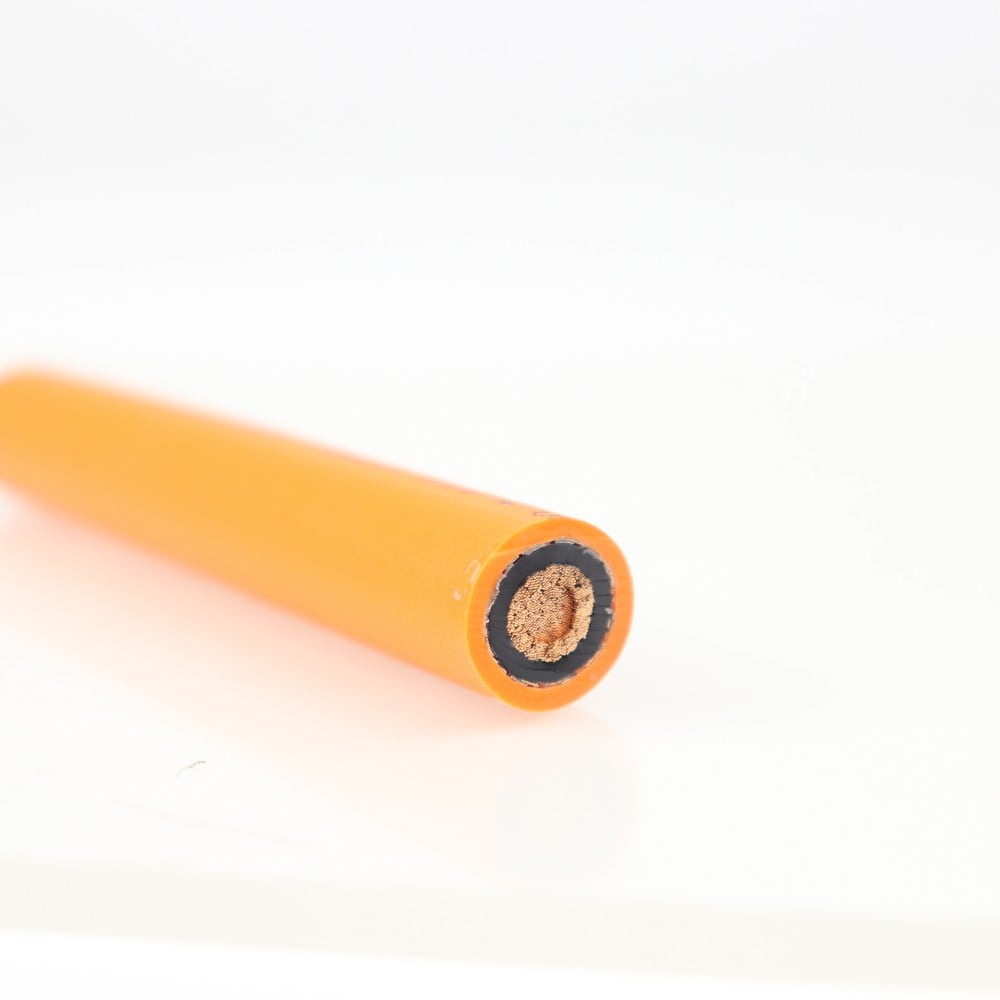
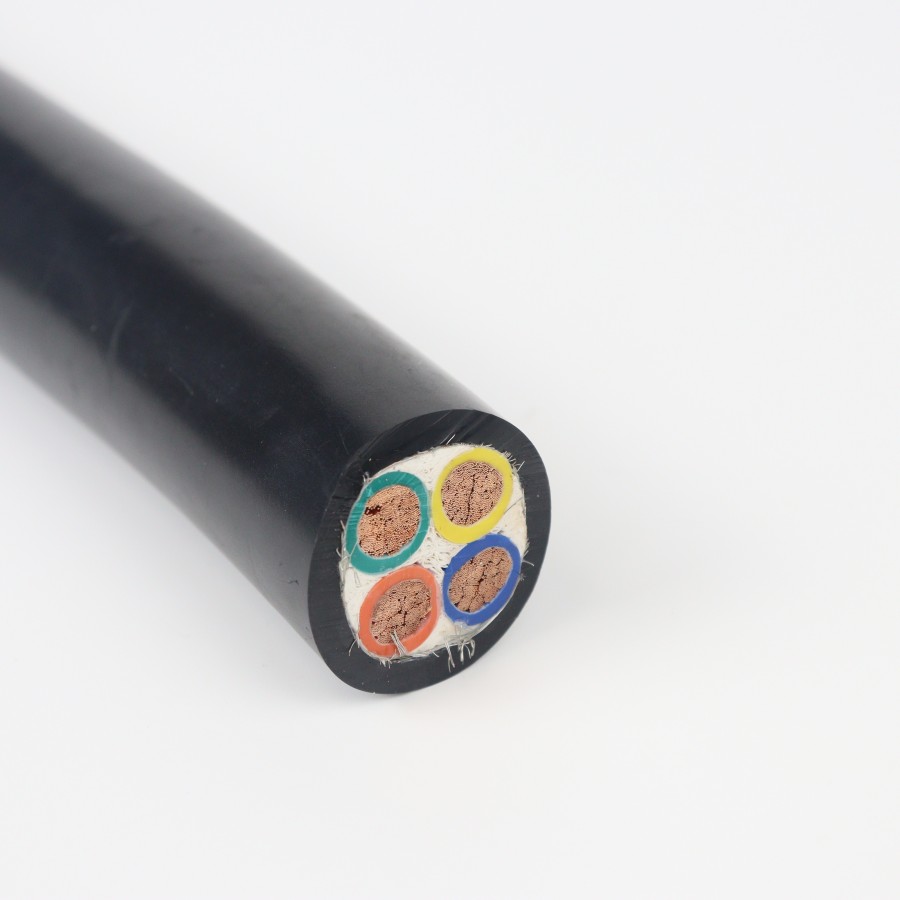
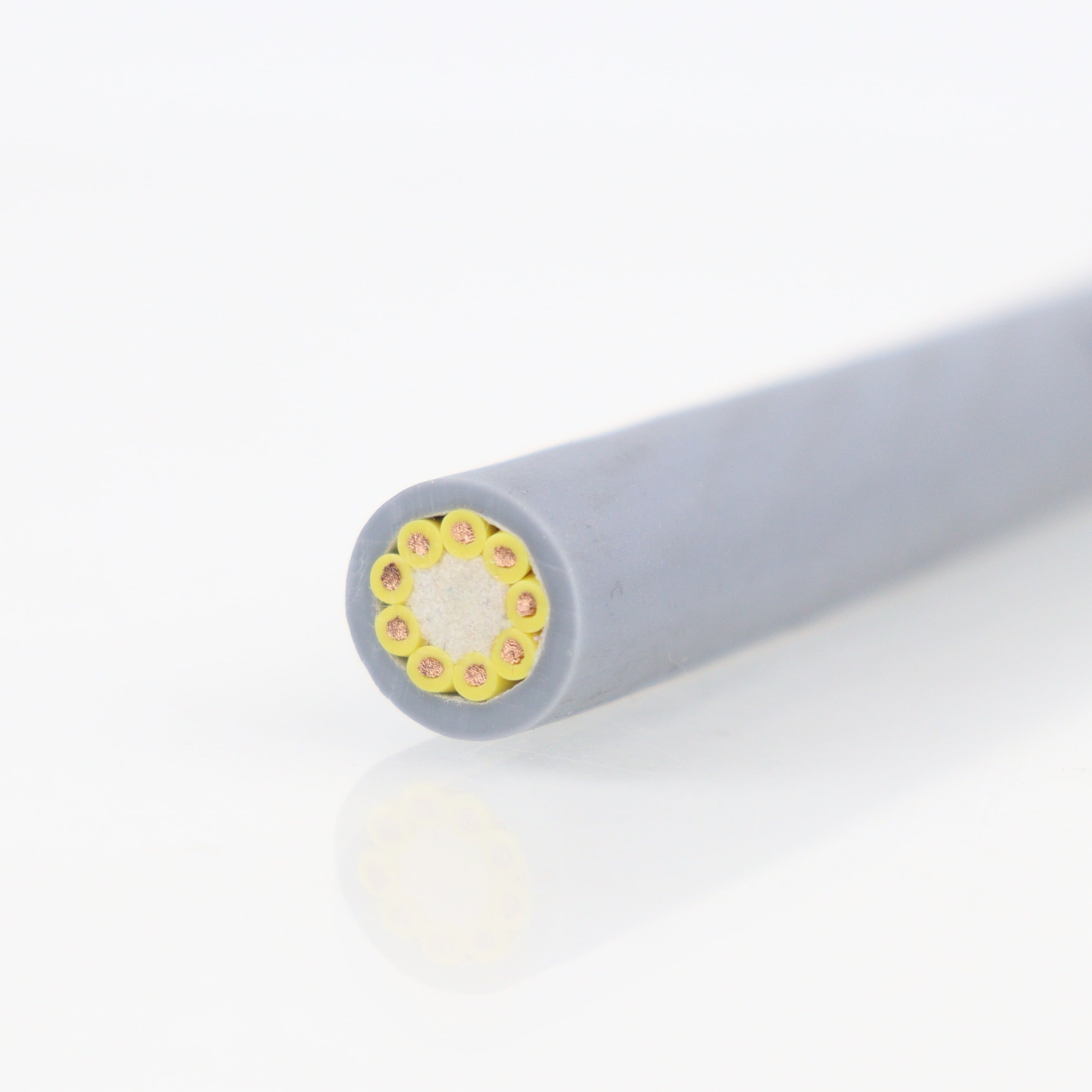
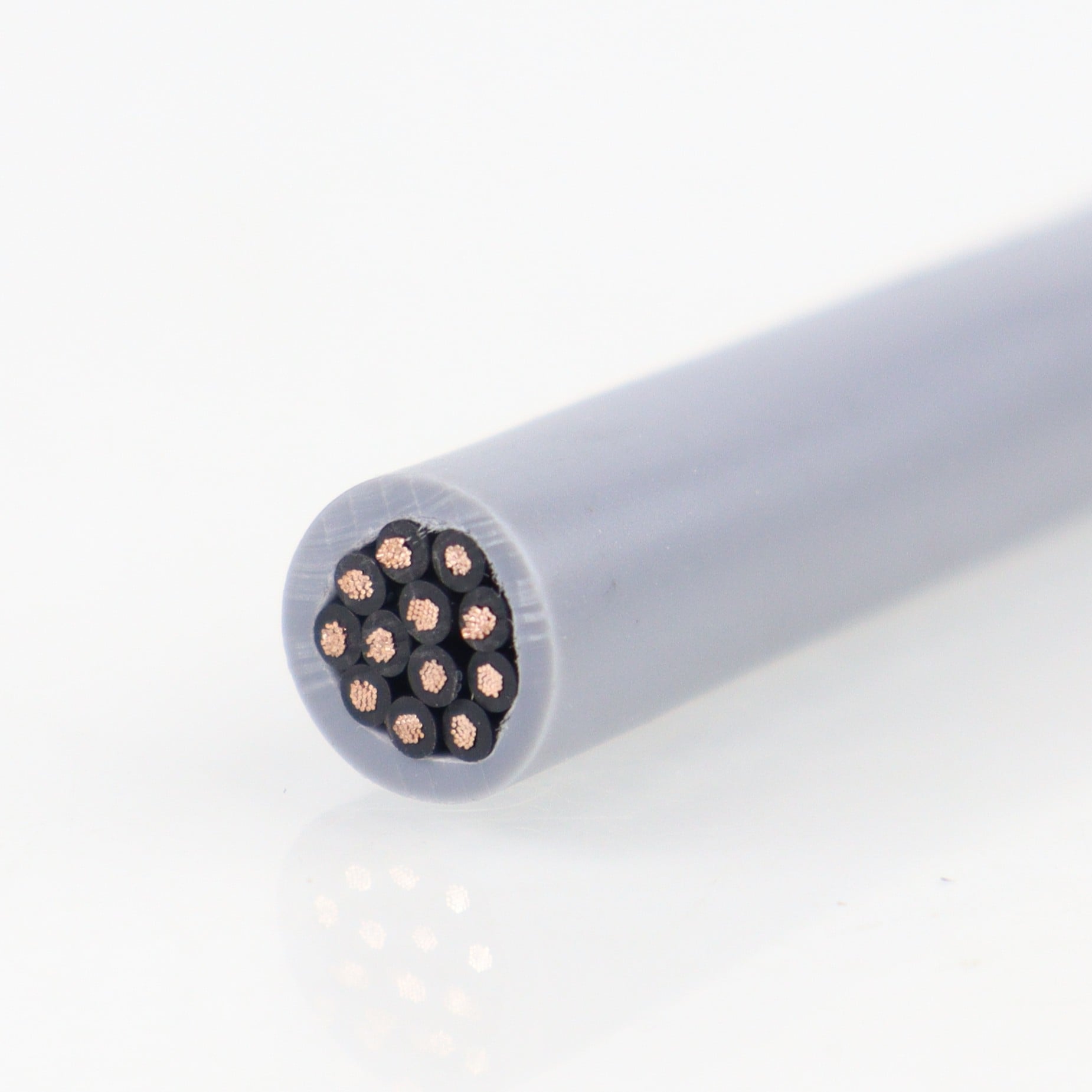
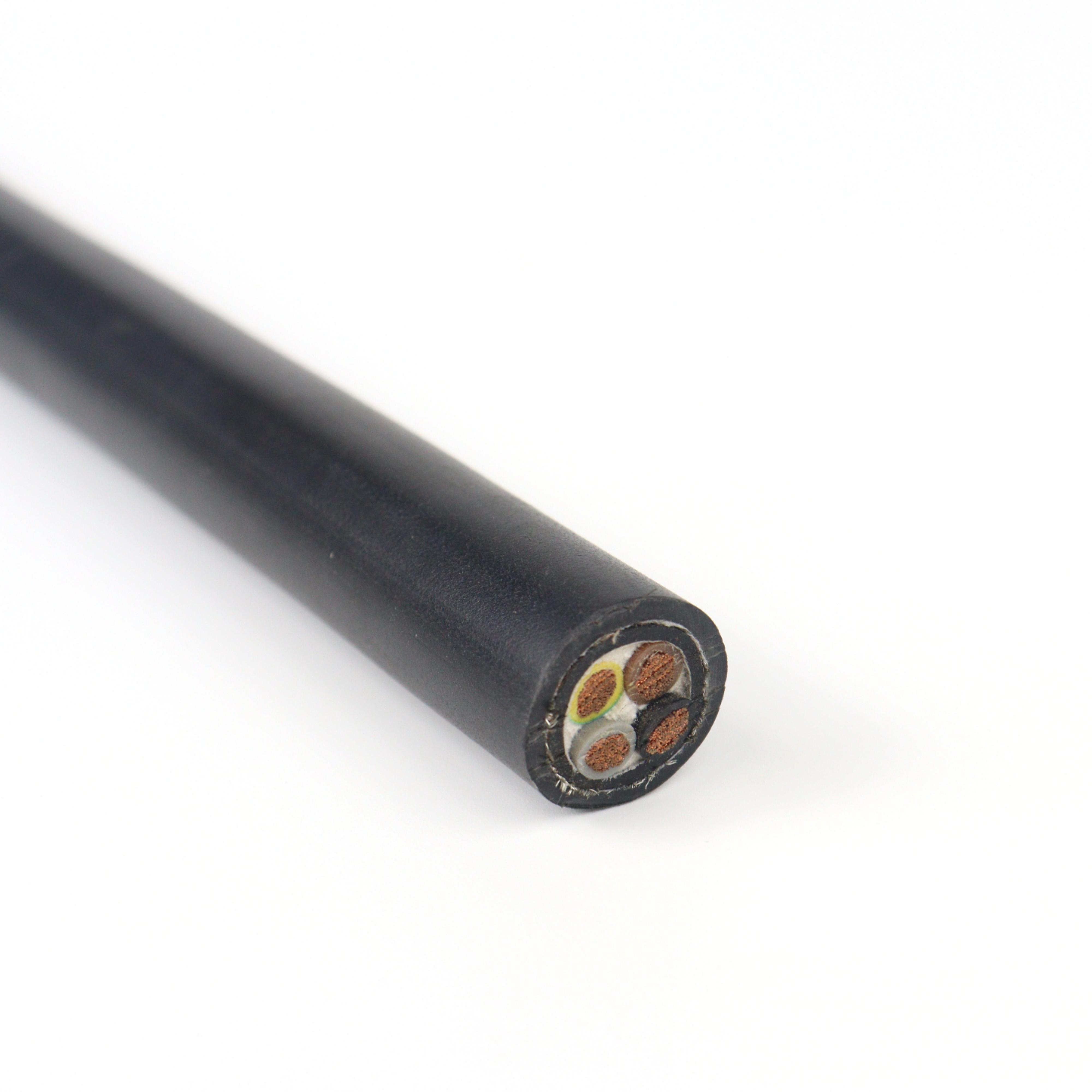
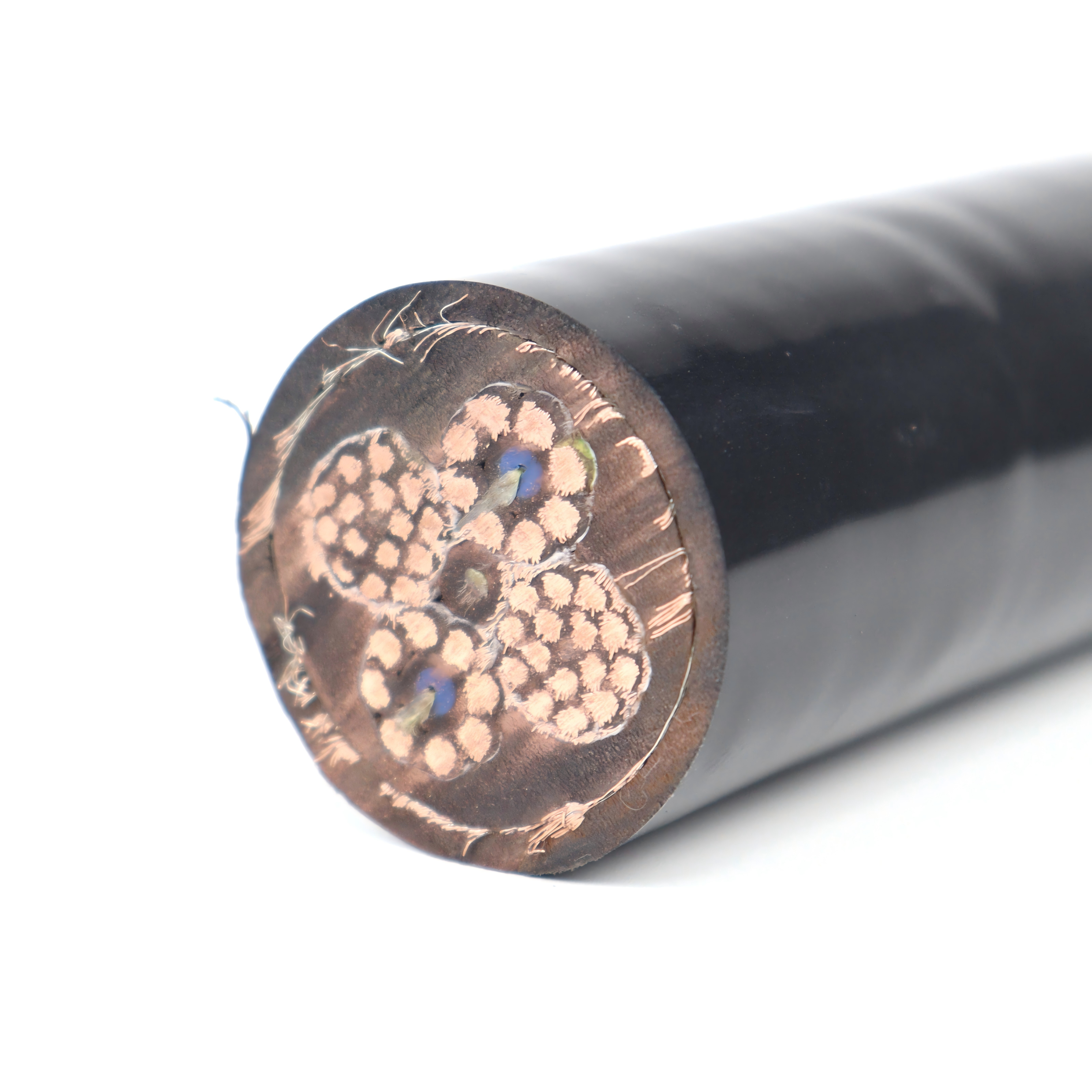
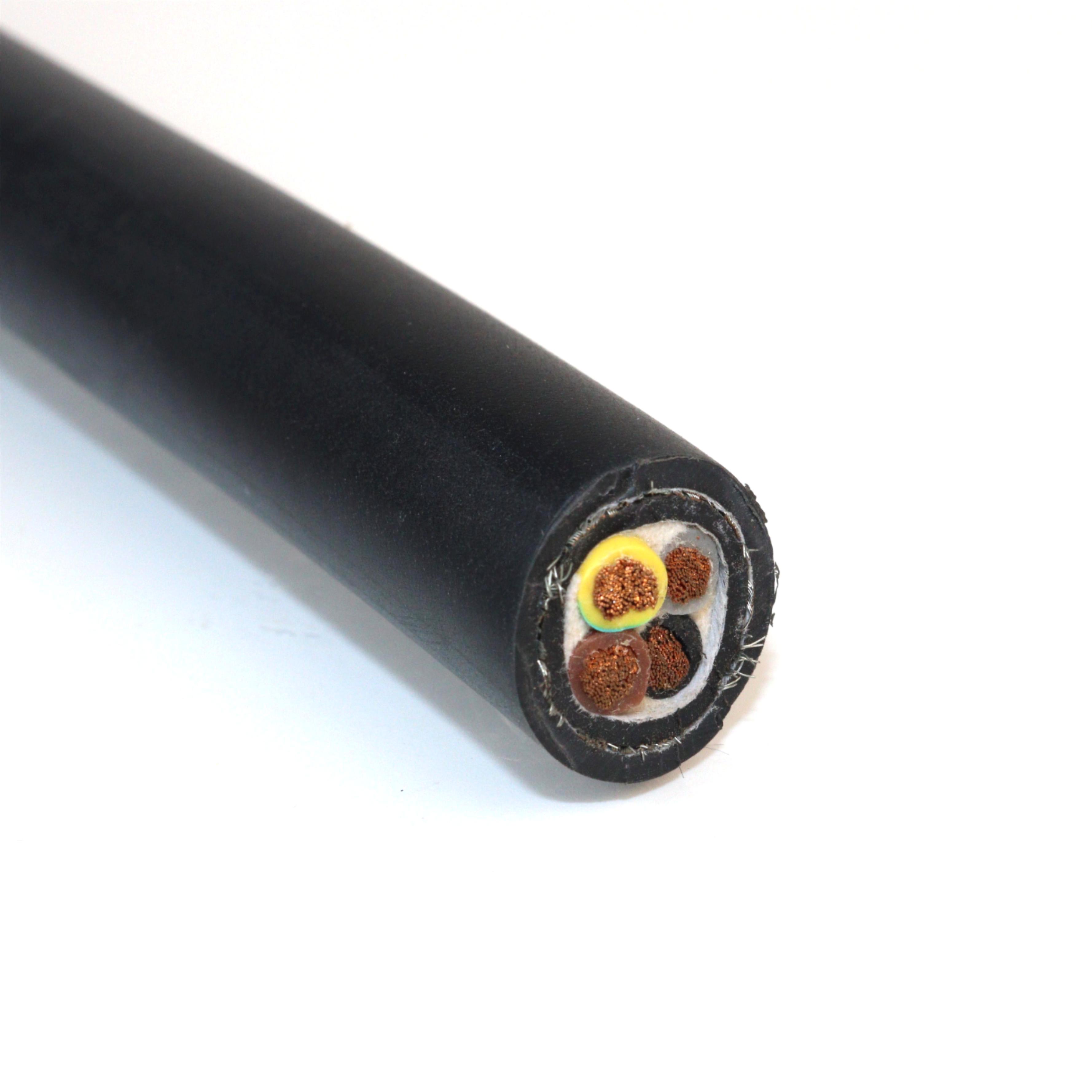
Industrial electrical cable is a purpose-built power and control solution for factories, workshops, warehouses, processing plants, construction areas, and other demanding locations. An industrial electrical cable carries electricity safely between generators, switchboards, motors, machines, lighting systems, sensors, and distribution panels. This industrial electrical cable can support fixed installations, movable equipment, robotic systems, production lines, and temporary site connections, depending on its construction and rating. The industrial electrical cable typically combines copper or aluminum conductors with insulation, fillers, shielding, bedding, and a protective outer jacket. These layers help control heat, resist moisture, reduce electrical interference, and protect the conductors from impact, oil, chemicals, abrasion, and sunlight. Because industrial electrical cable products come in different conductor sizes, voltage ratings, bending limits, and jacket materials, buyers can select a design that matches the load and working environment. A well-selected industrial electrical cable improves power transfer while helping prevent overheating, voltage drop, short circuits, and unplanned equipment stoppages. Modern industrial electrical cable designs may include flexible stranding for repeated movement, braided or metal shielding for signal protection, and flame-retardant materials for safer buildings. When industrial electrical cable is installed correctly, it supports stable machine operation and simpler maintenance. Each industrial electrical cable should match the system voltage, current demand, installation route, ambient temperature, and local safety requirements. For buyers, industrial electrical cable is more than a connection component: it is a key part of reliable power distribution, equipment protection, and long-term plant performance.