industrial cable wire
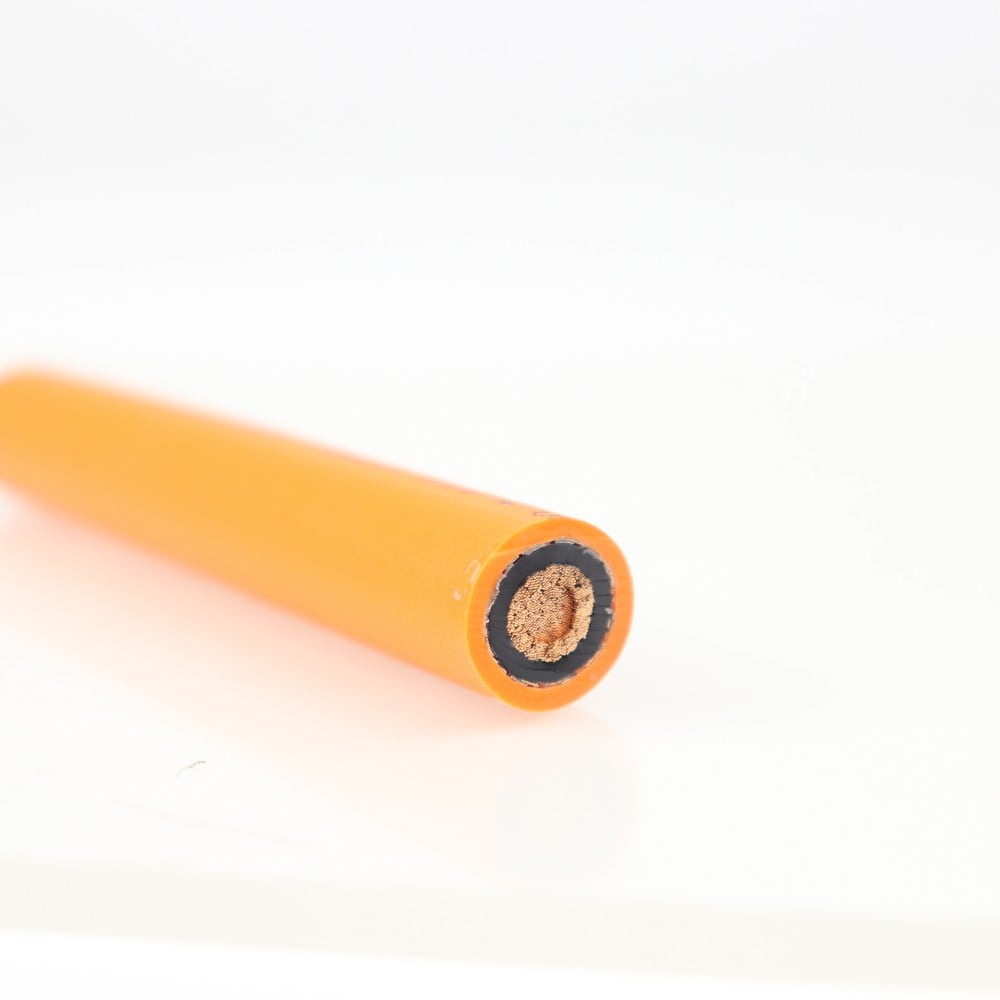
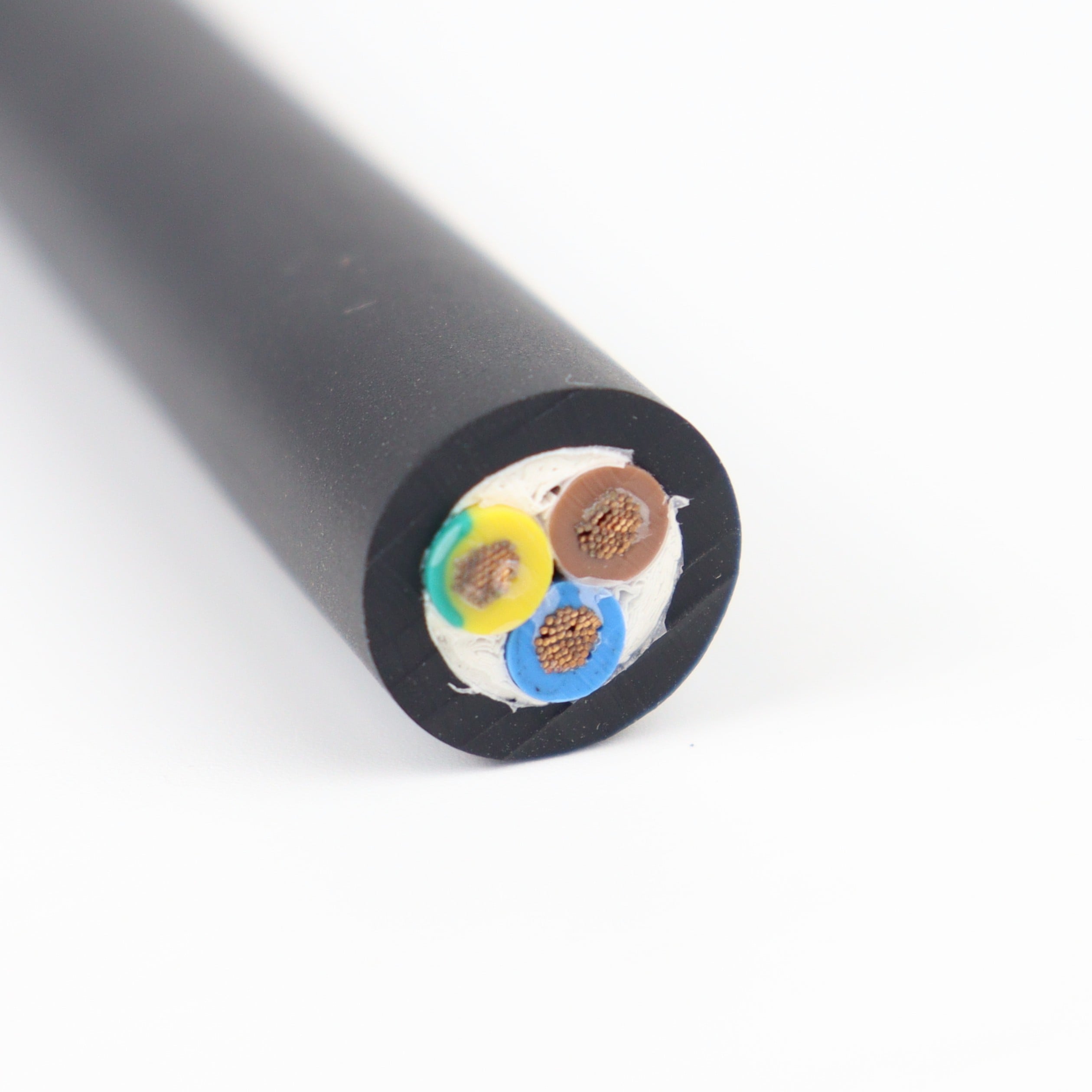
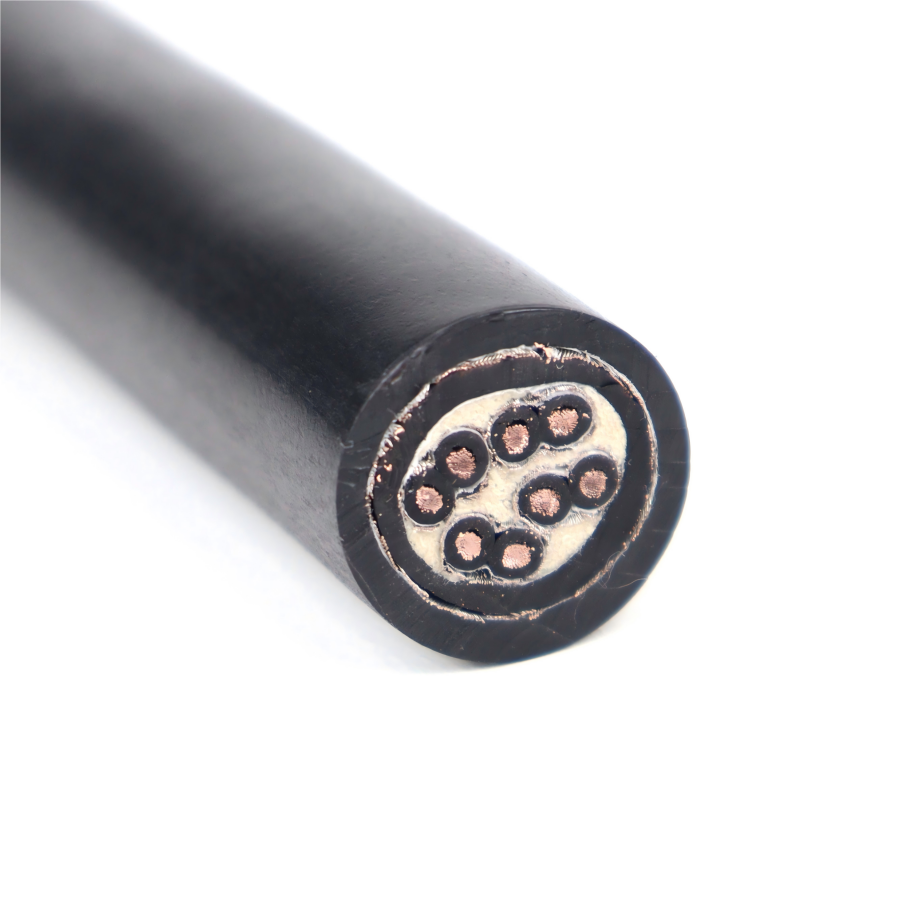
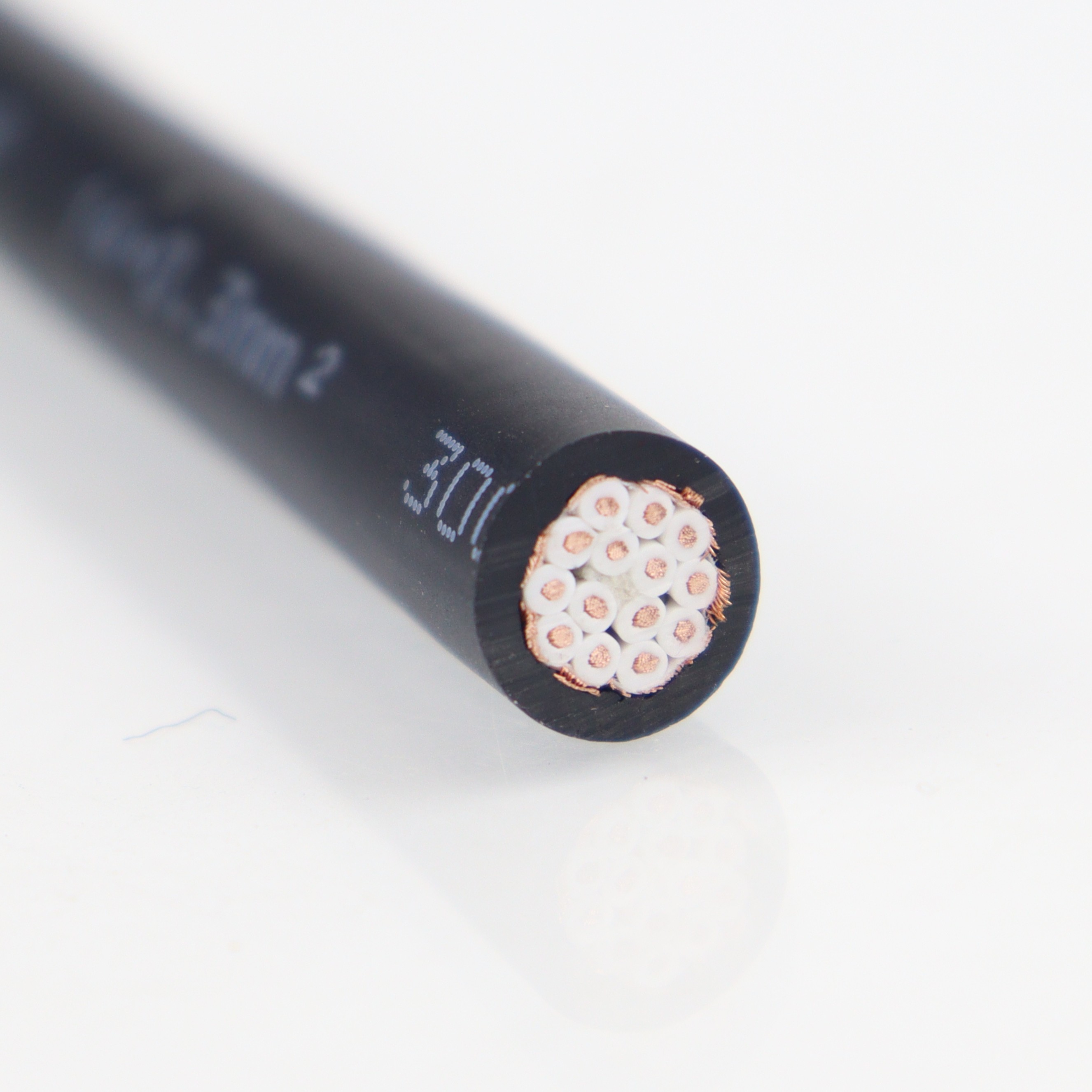
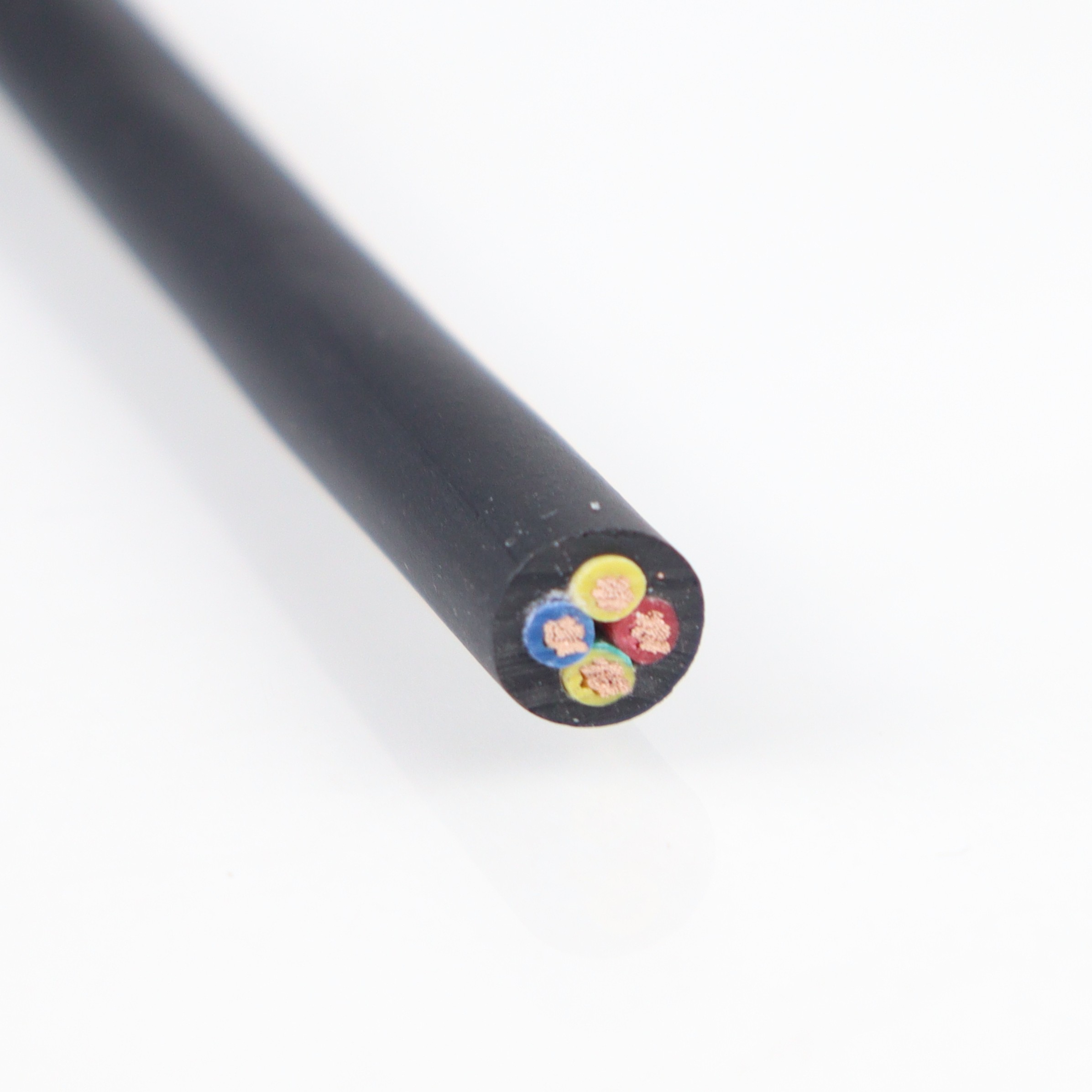
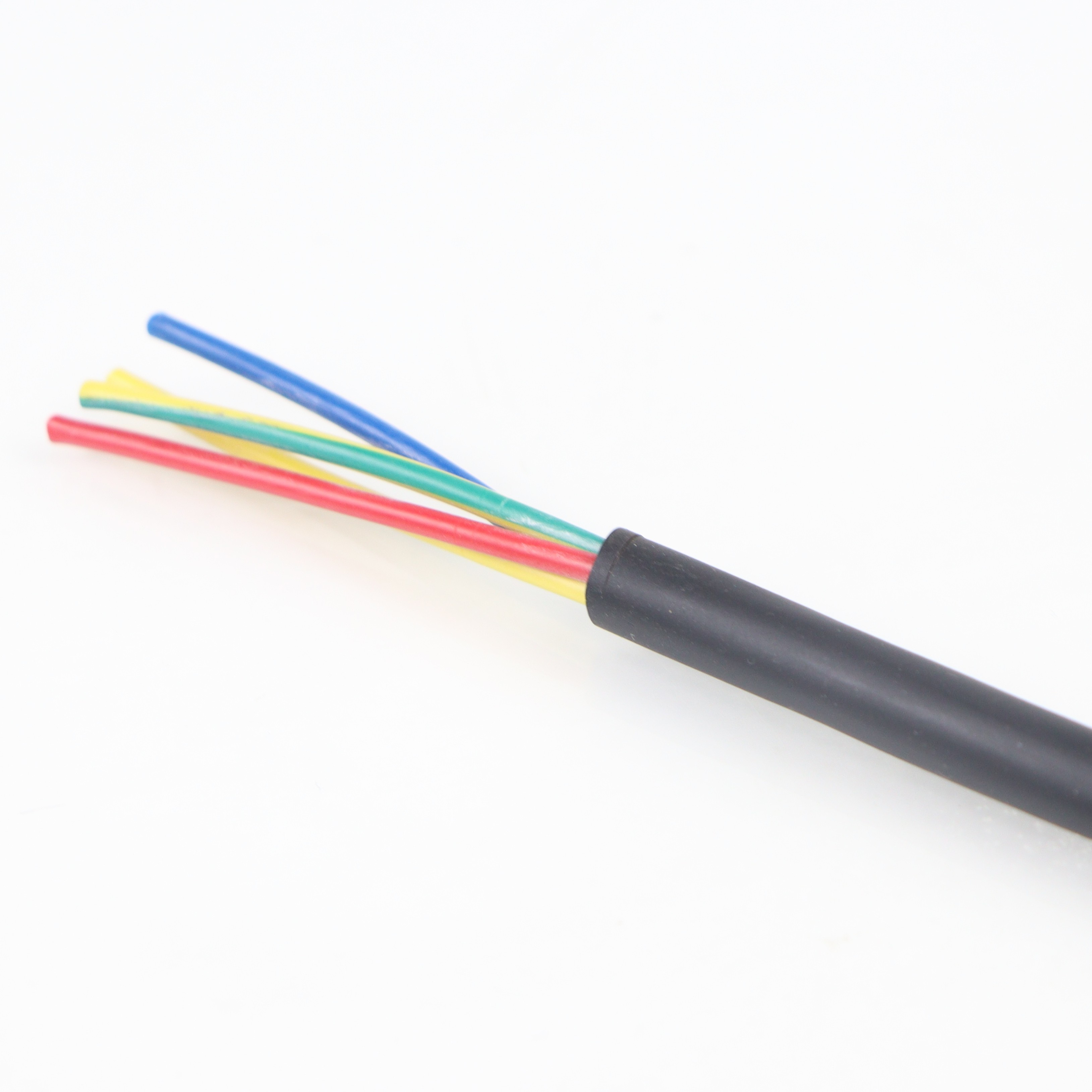
Industrial cable wire is a purpose-built electrical product used to carry power, control signals, or data through demanding industrial environments. Unlike ordinary household wiring, industrial cable wire must handle vibration, heat, moisture, chemicals, oil, abrasion, and continuous movement. It connects motors, control panels, sensors, robots, production equipment, lighting systems, and distribution points while supporting stable and safe operation. Industrial cable wire can contain one conductor or multiple insulated cores, depending on the required circuit and installation method. Copper provides strong conductivity and easy termination, while aluminum can reduce weight and material cost in suitable power applications. The cable jacket protects the inner conductors from physical damage and environmental exposure. Industrial cable wire may also use colored cores, printed markings, drain wires, fillers, or grounding conductors to simplify identification and installation. Industrial cable wire often includes insulation made from PVC, XLPE, rubber, polyurethane, or other engineered materials. Each option offers a different balance of flexibility, temperature resistance, chemical protection, and cost. Shielded industrial cable wire reduces interference in sensitive control, communication, and automation circuits. Armored designs add protection where cables face impact, crushing, or direct burial. Flexible versions suit robotic arms, cable tracks, and moving machinery, while fixed installation types support trays, conduits, and panels. The main functions of industrial cable wire include reliable energy transfer, signal transmission, equipment grounding, and safe circuit separation. Customers should select industrial cable wire according to voltage, current, temperature, bend radius, installation location, movement, and applicable safety standards. The right choice improves uptime, protects equipment, and supports long-term maintenance planning.