industrial cable manufacturer
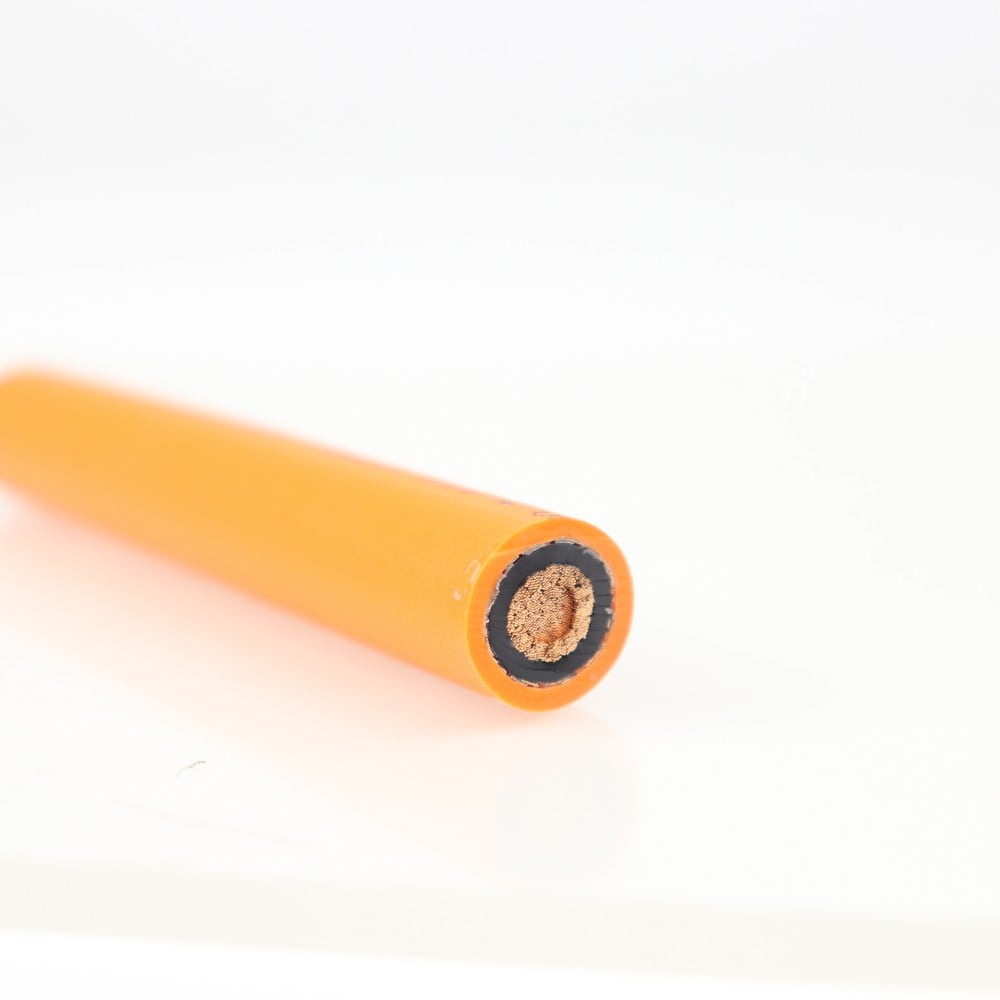
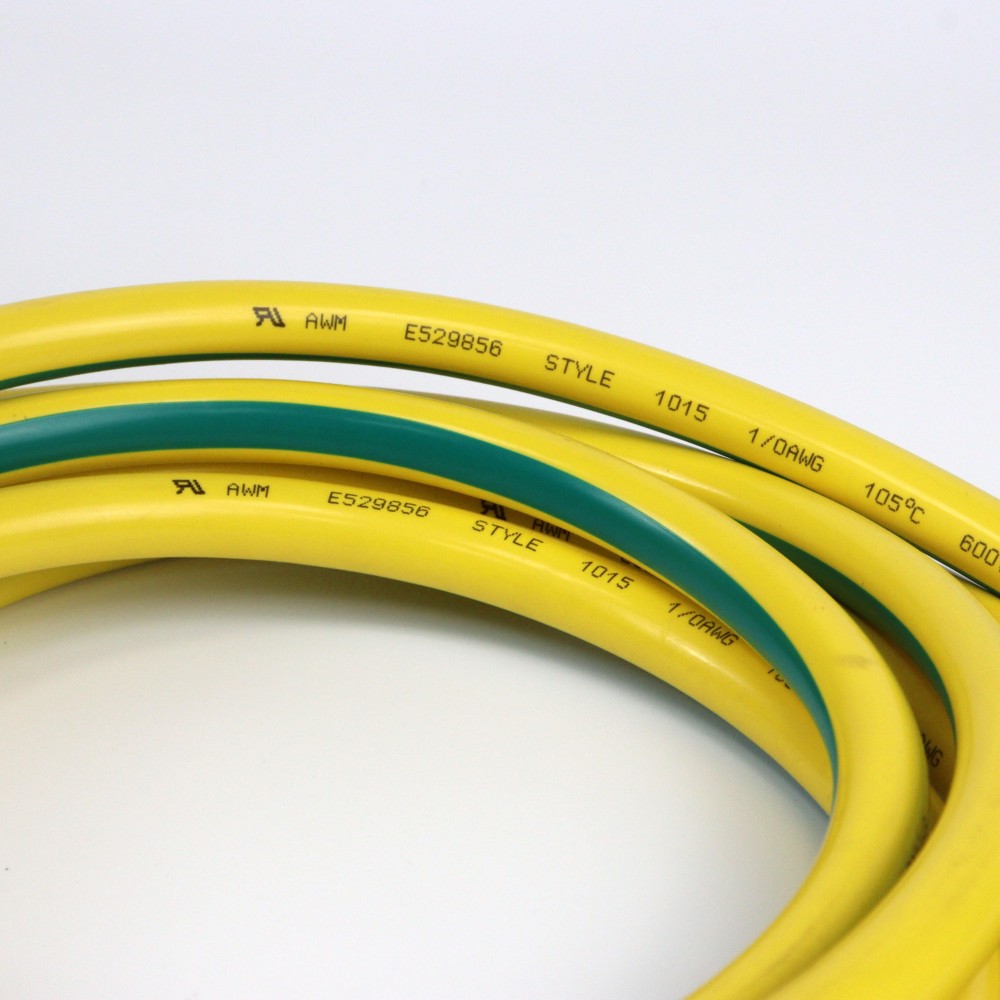
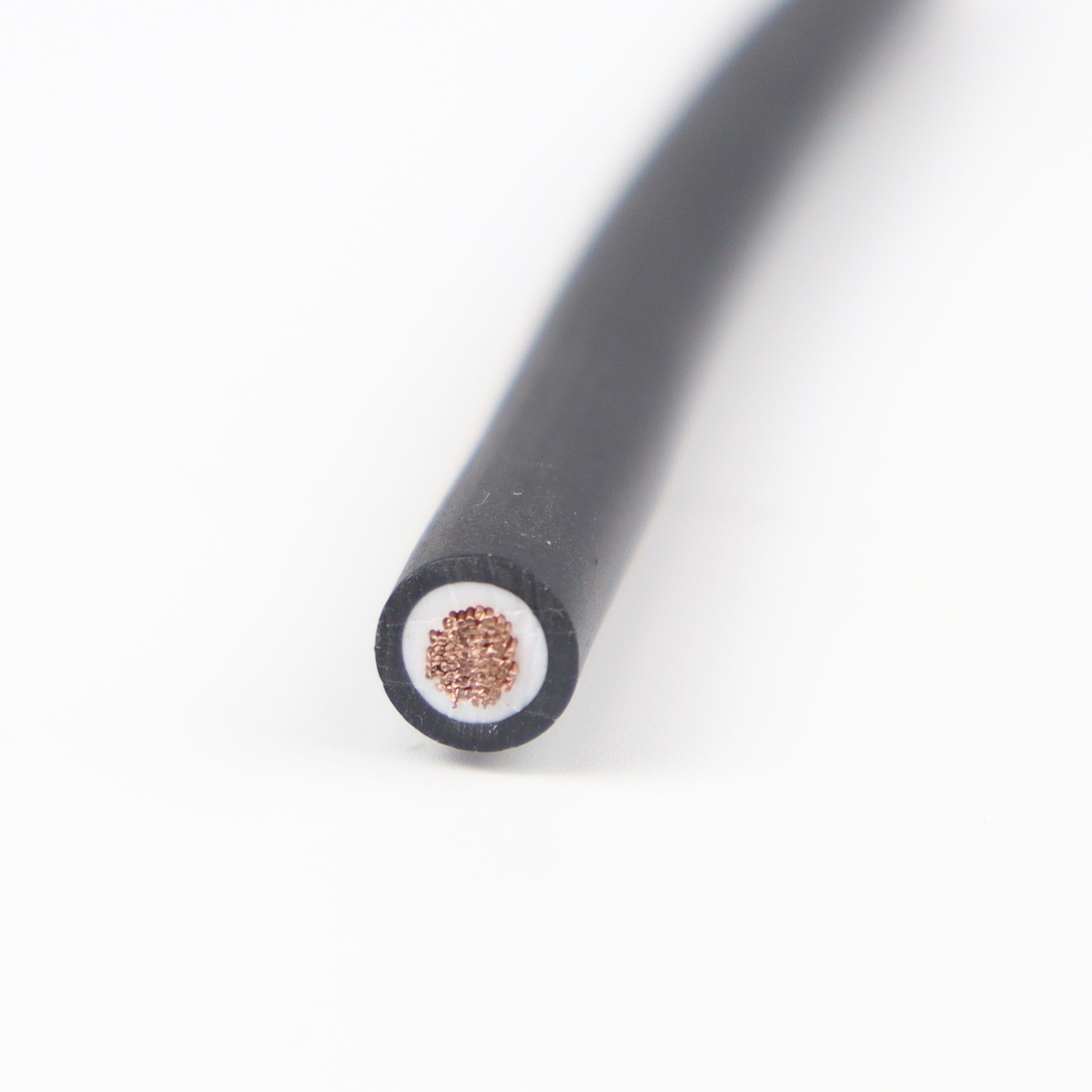
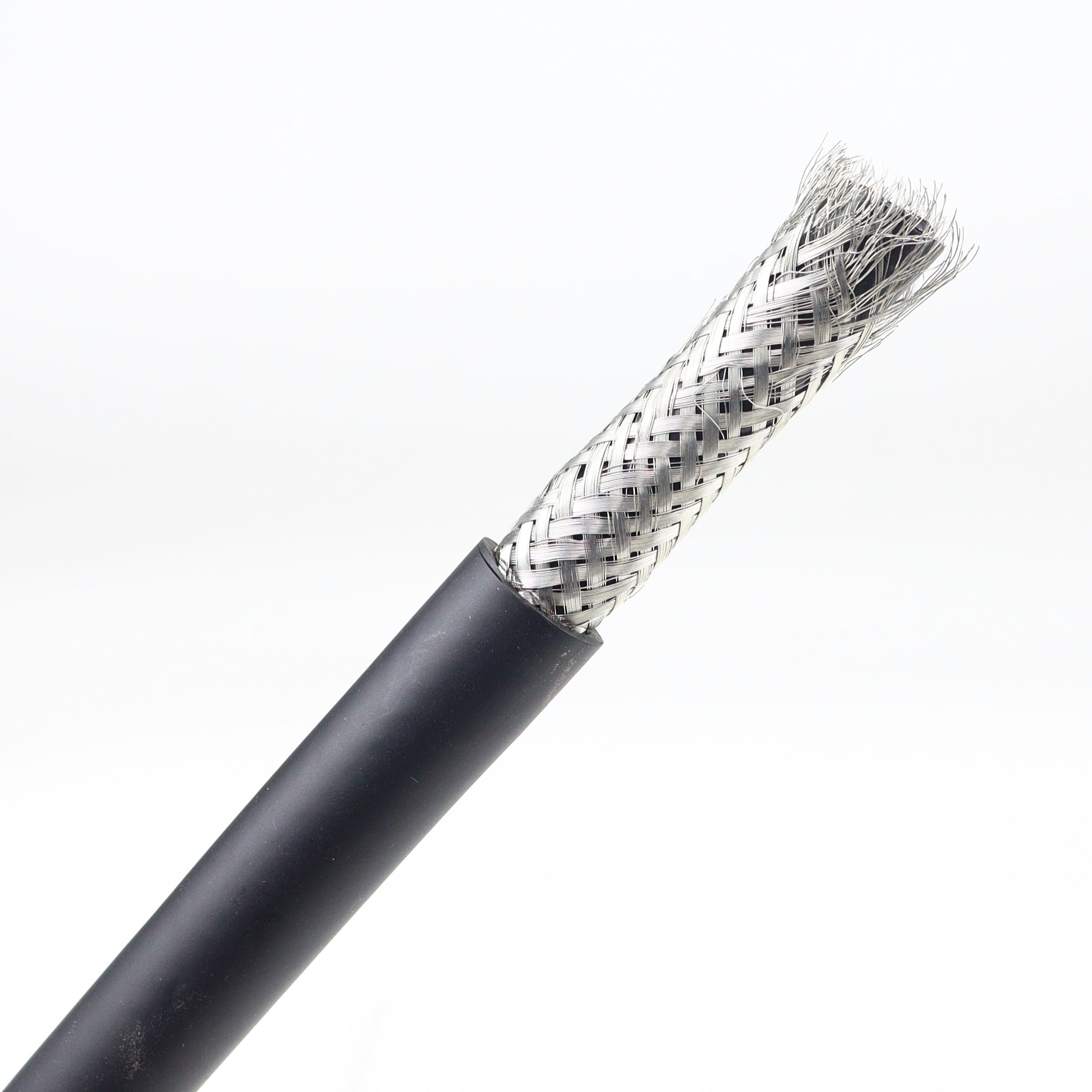
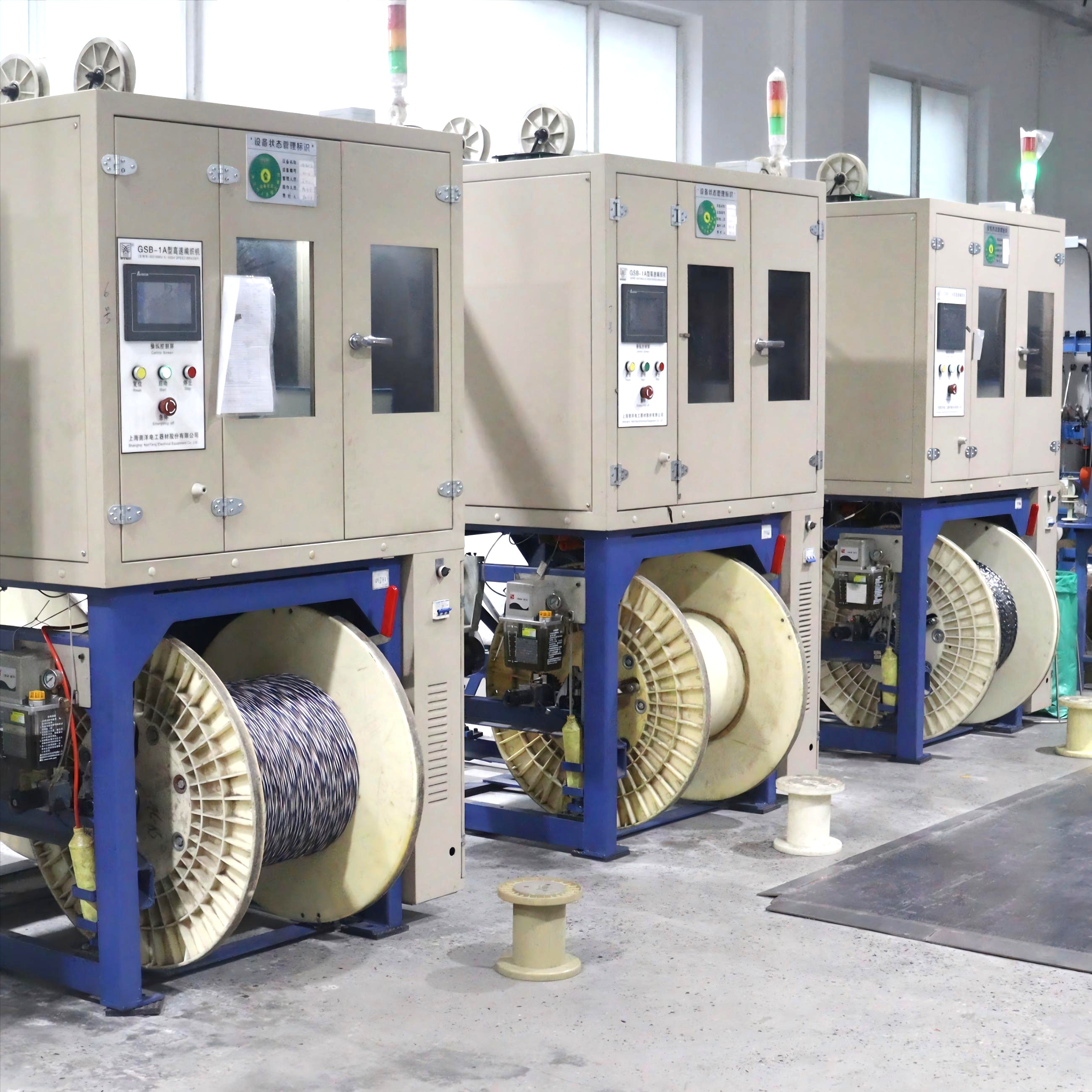
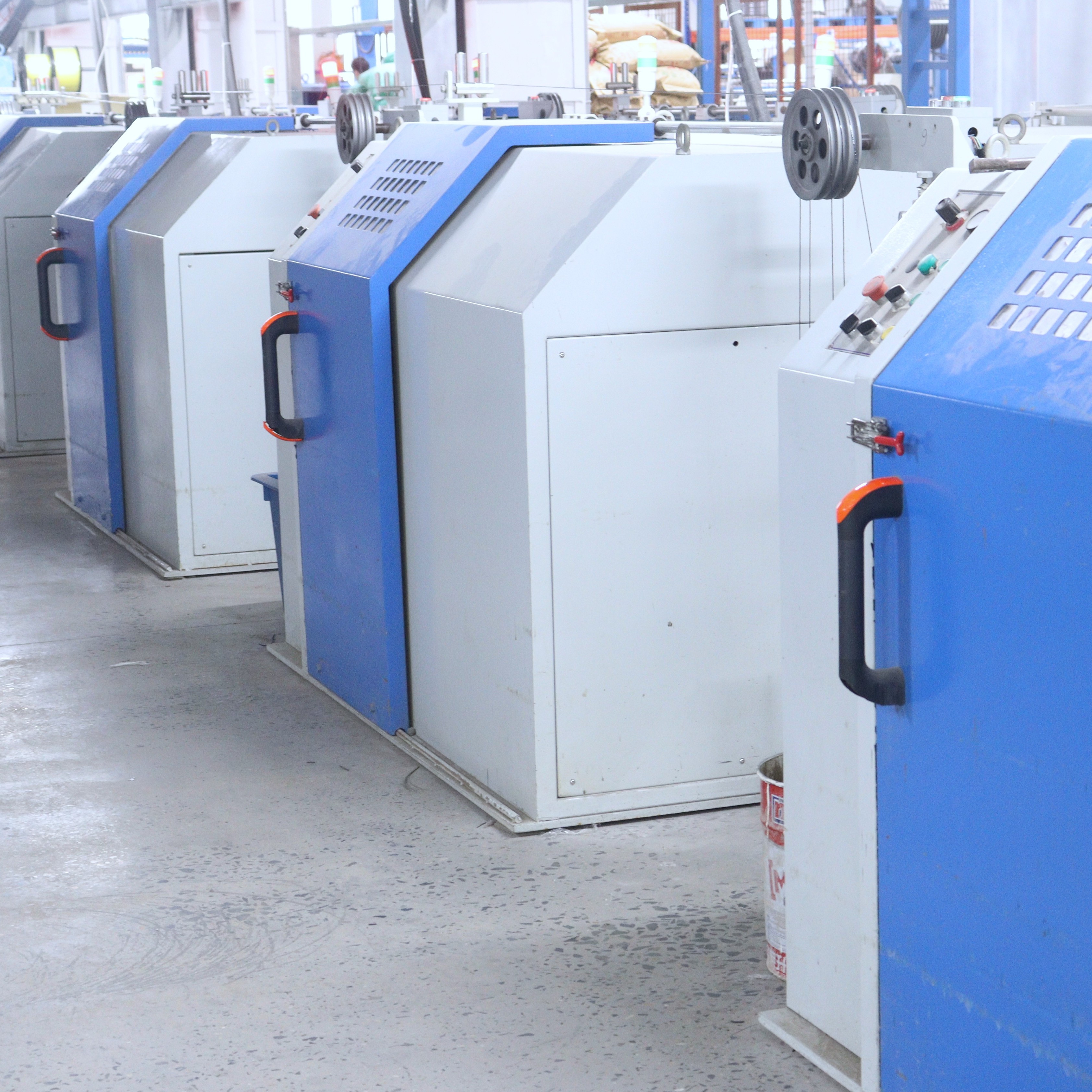
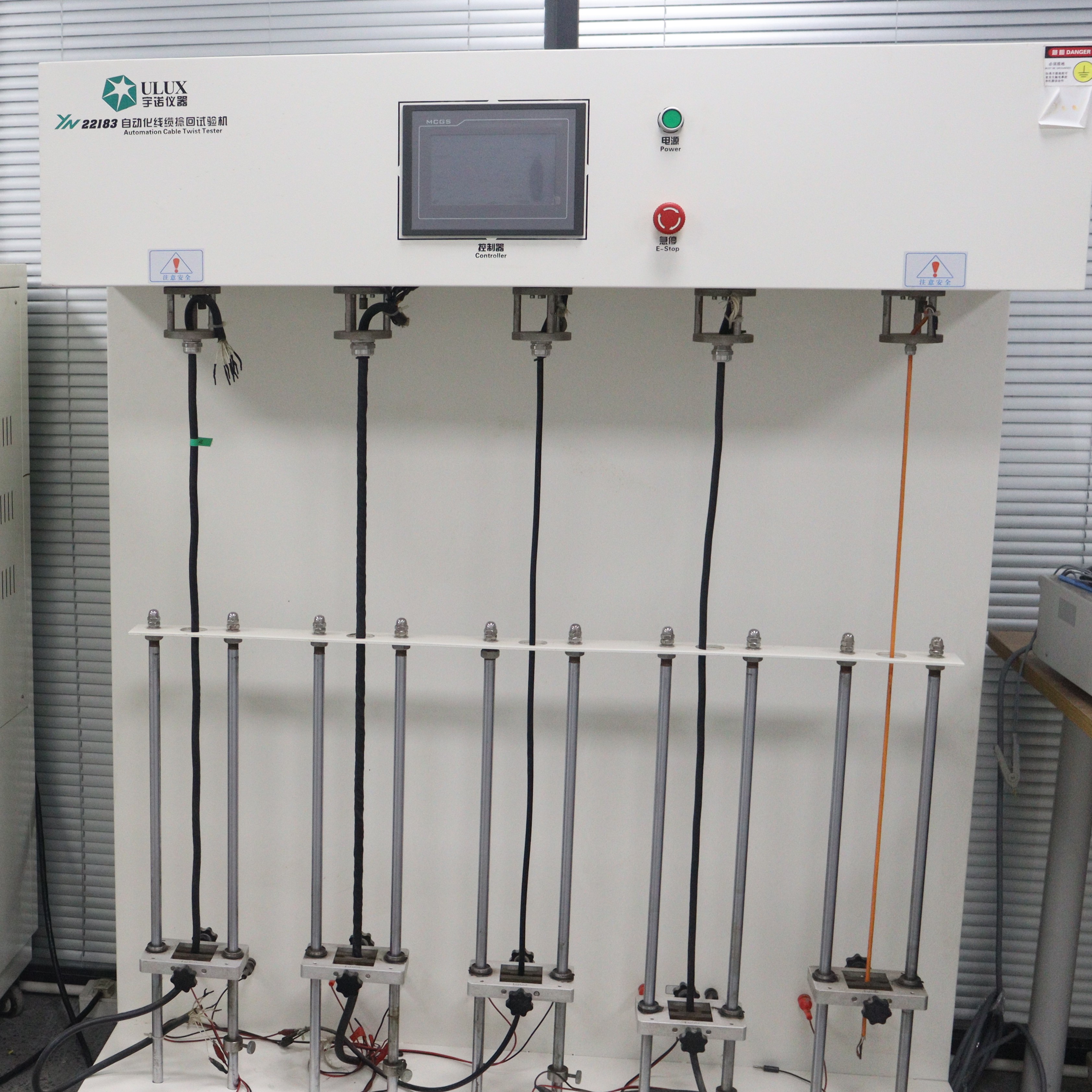
An industrial cable manufacturer designs, produces, and tests cables for demanding power, control, communication, automation, and data applications. An industrial cable manufacturer typically manages the full process, from conductor selection and insulation design to shielding, jacketing, assembly, inspection, and shipment. This integrated approach helps an industrial cable manufacturer match each cable to voltage, current, temperature, movement, moisture, chemical exposure, and installation conditions. The industrial cable manufacturer may supply standard products, engineered assemblies, or fully customized cable systems. An industrial cable manufacturer uses copper or aluminum conductors, protective insulation, braided or foil shielding, flexible jackets, and reinforced layers to achieve the required balance of performance and durability. A modern industrial cable manufacturer also applies automated production equipment, precision extrusion, controlled twisting, accurate stranding, and computer-supported testing. These technologies help an industrial cable manufacturer maintain consistent dimensions, electrical performance, and batch quality. For each project, an industrial cable manufacturer can adjust conductor size, core count, shielding, jacket material, bend radius, connector type, and length. Working with an industrial cable manufacturer gives equipment builders one source for cable design, prototyping, production, and technical support. A responsive industrial cable manufacturer can also provide samples, drawings, compliance documents, and installation guidance. By choosing an industrial cable manufacturer with reliable production controls, buyers gain cables that support stable machine operation and longer service life. Applications include factory automation, robotics, renewable energy, transportation, mining, oil and gas, medical equipment, elevators, packaging lines, and control cabinets. The right industrial cable manufacturer helps connect equipment safely while reducing maintenance and replacement risks.