Cable for Drag Chain | Flexible Motion Control

application/cable-for-drag-chain, application/cable-for-drag-chain, 
Inquiry
Inquiry

cable for drag chain

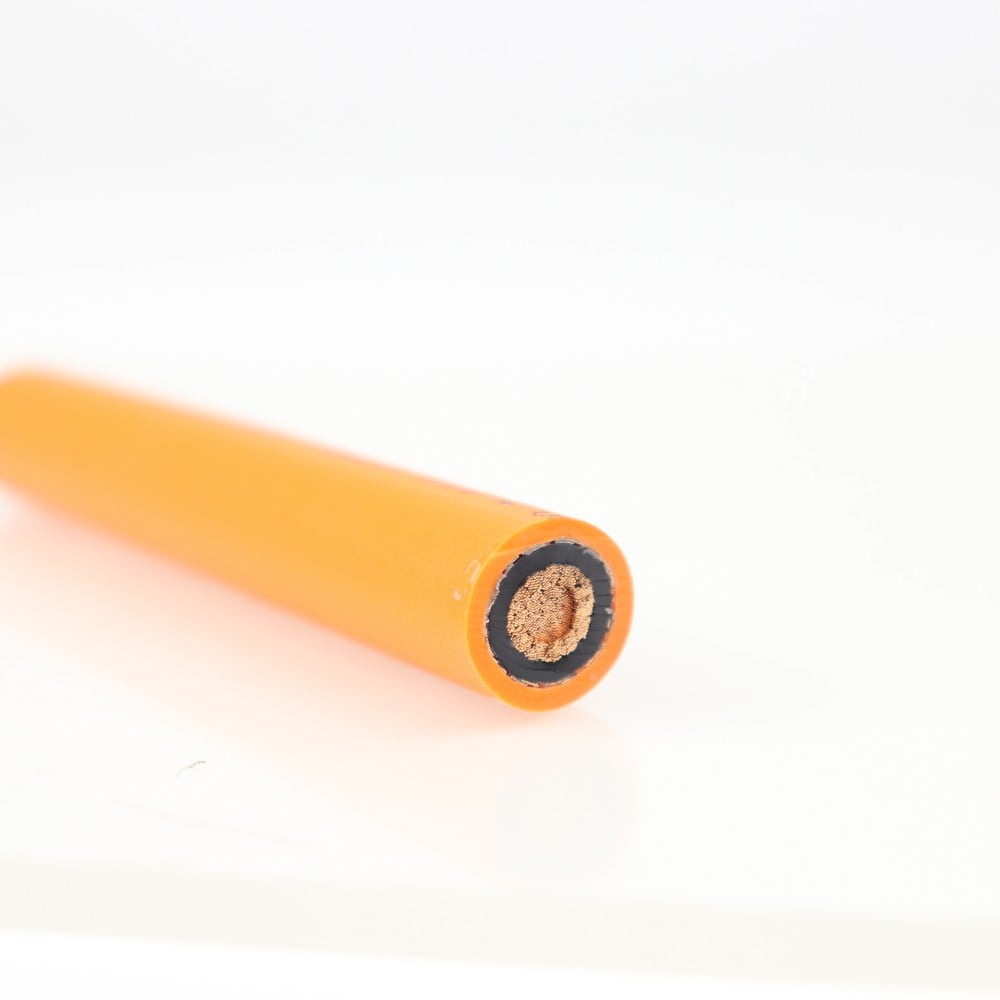
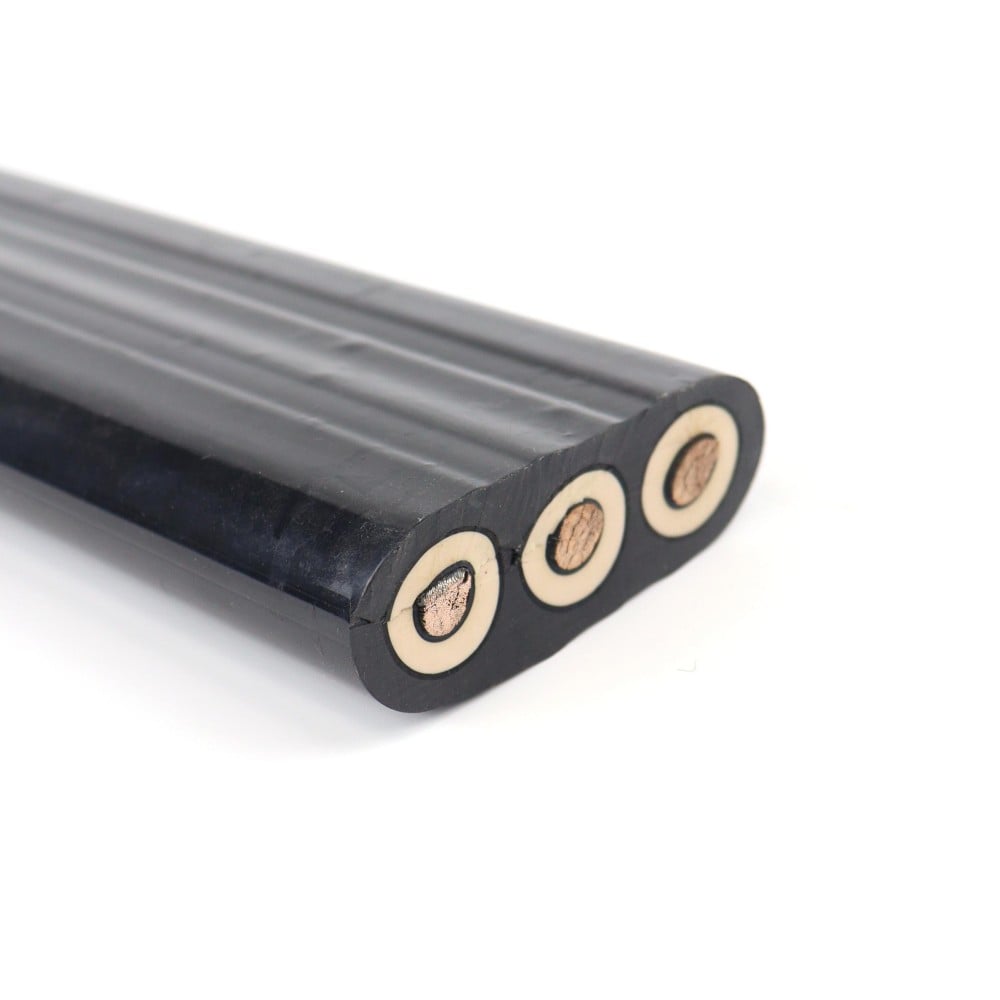
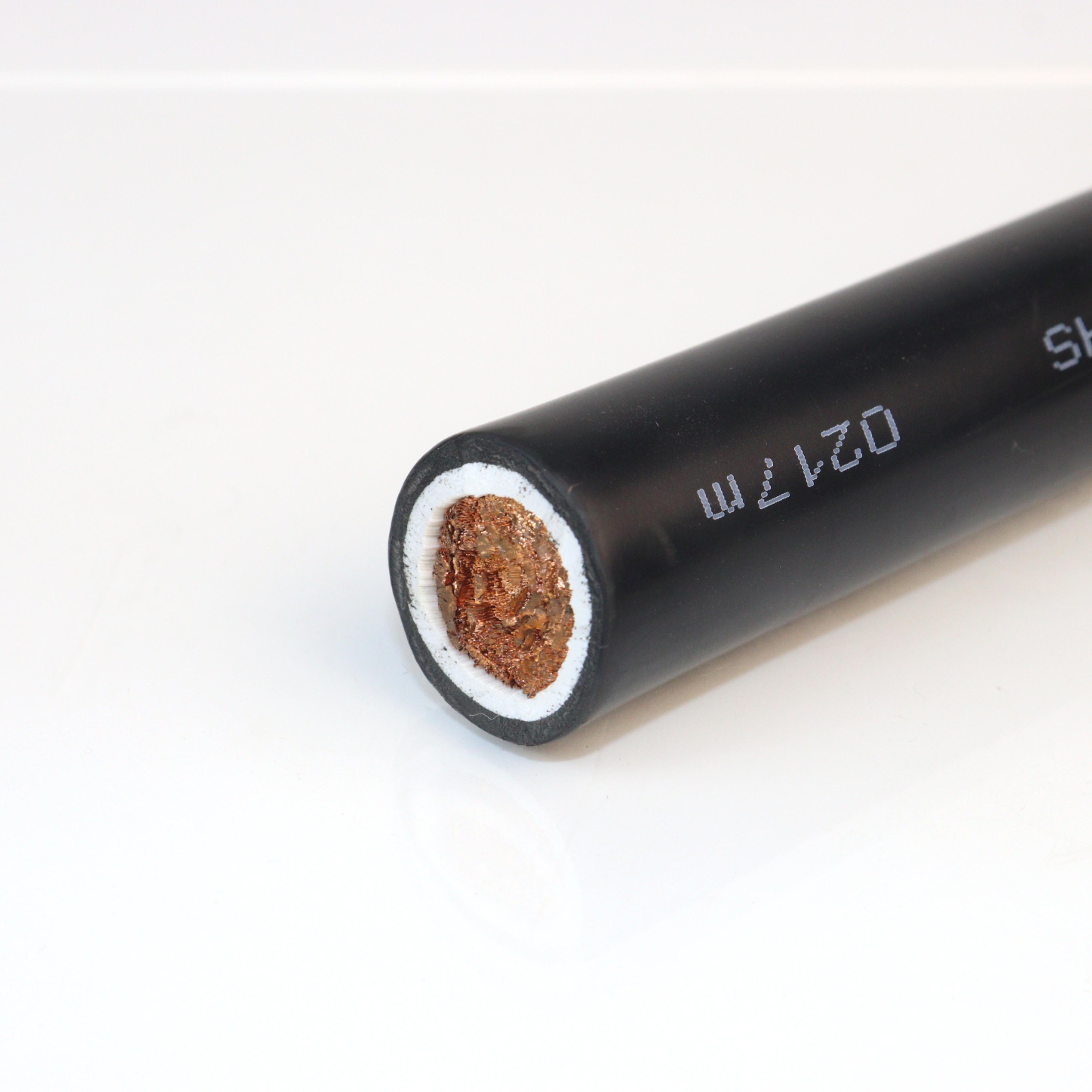
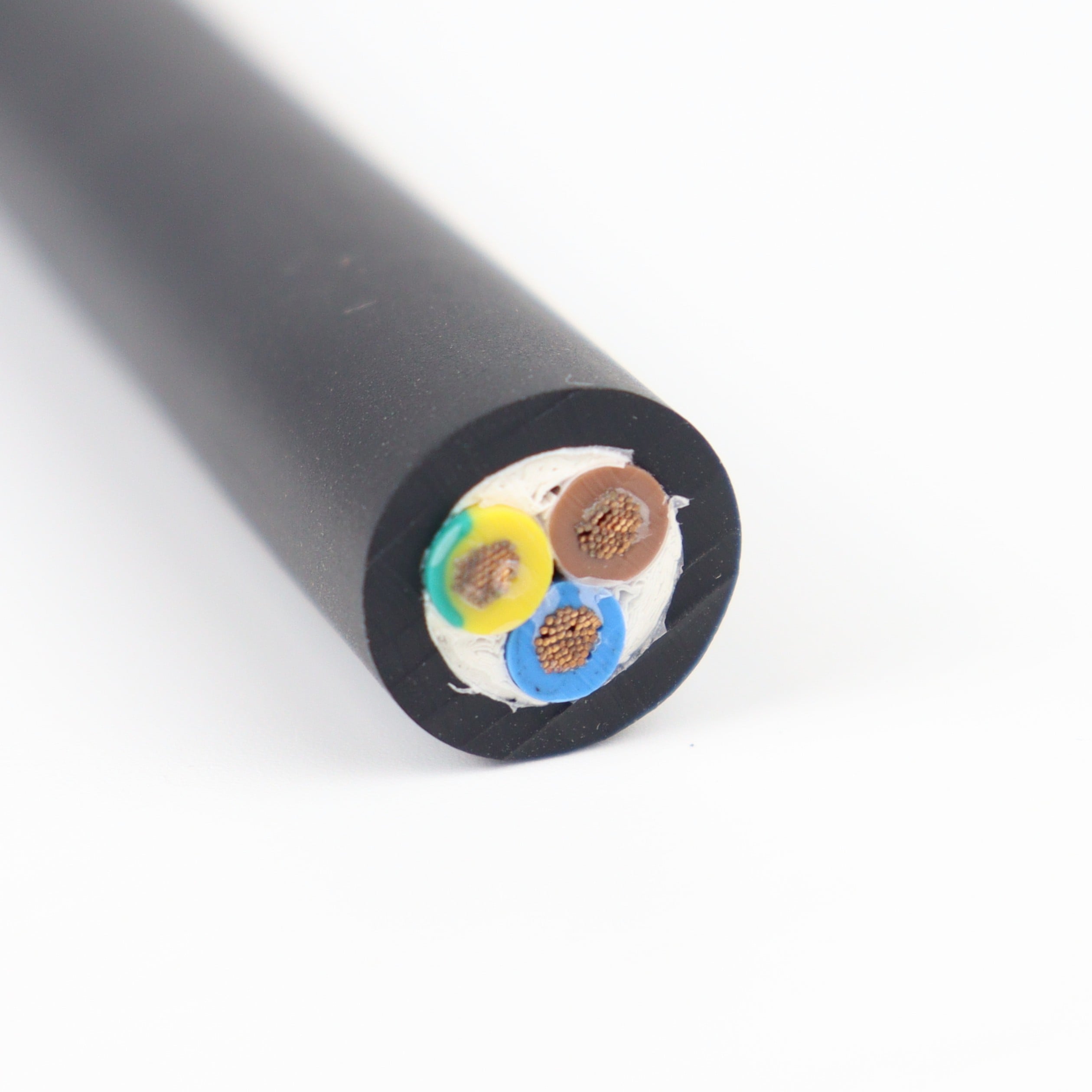
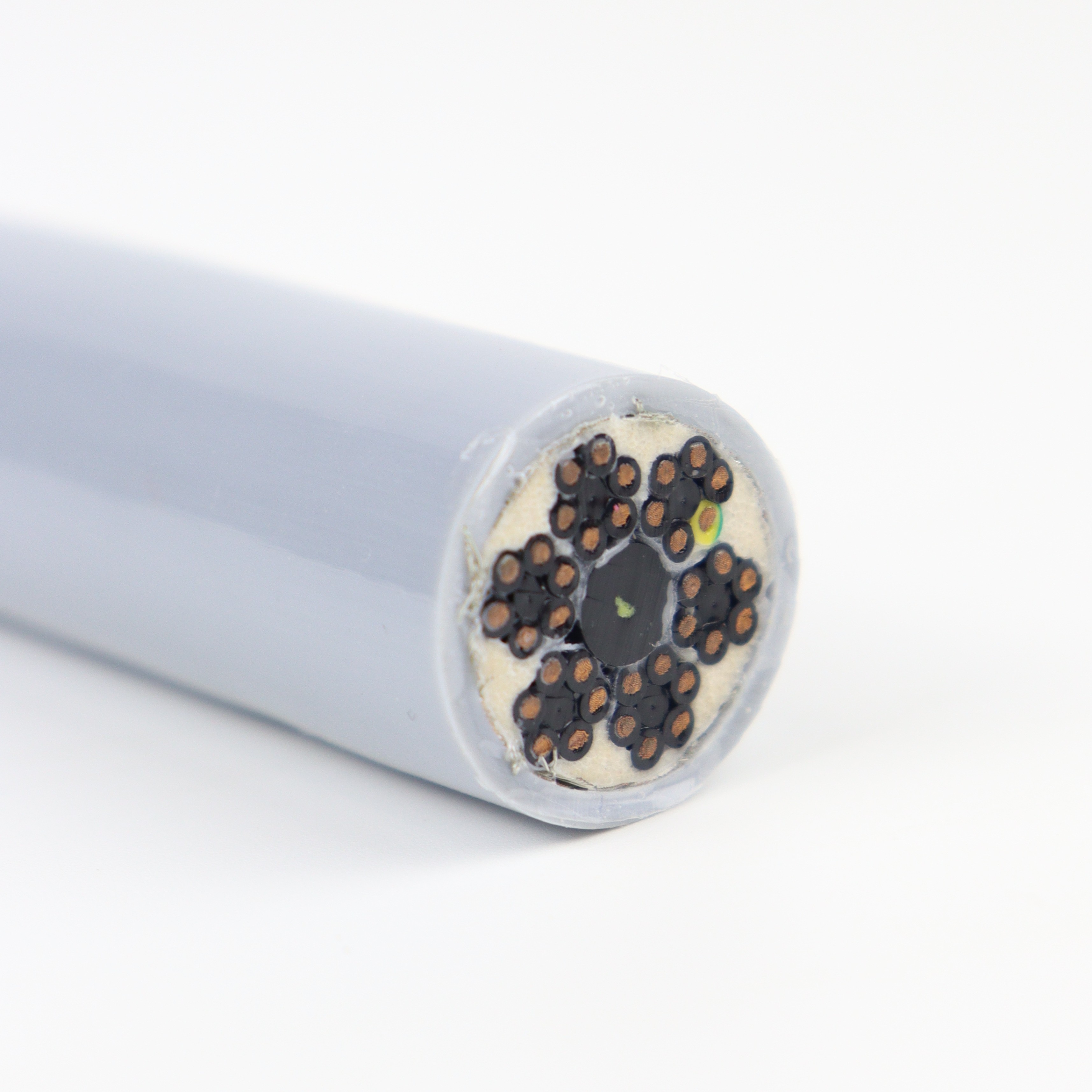
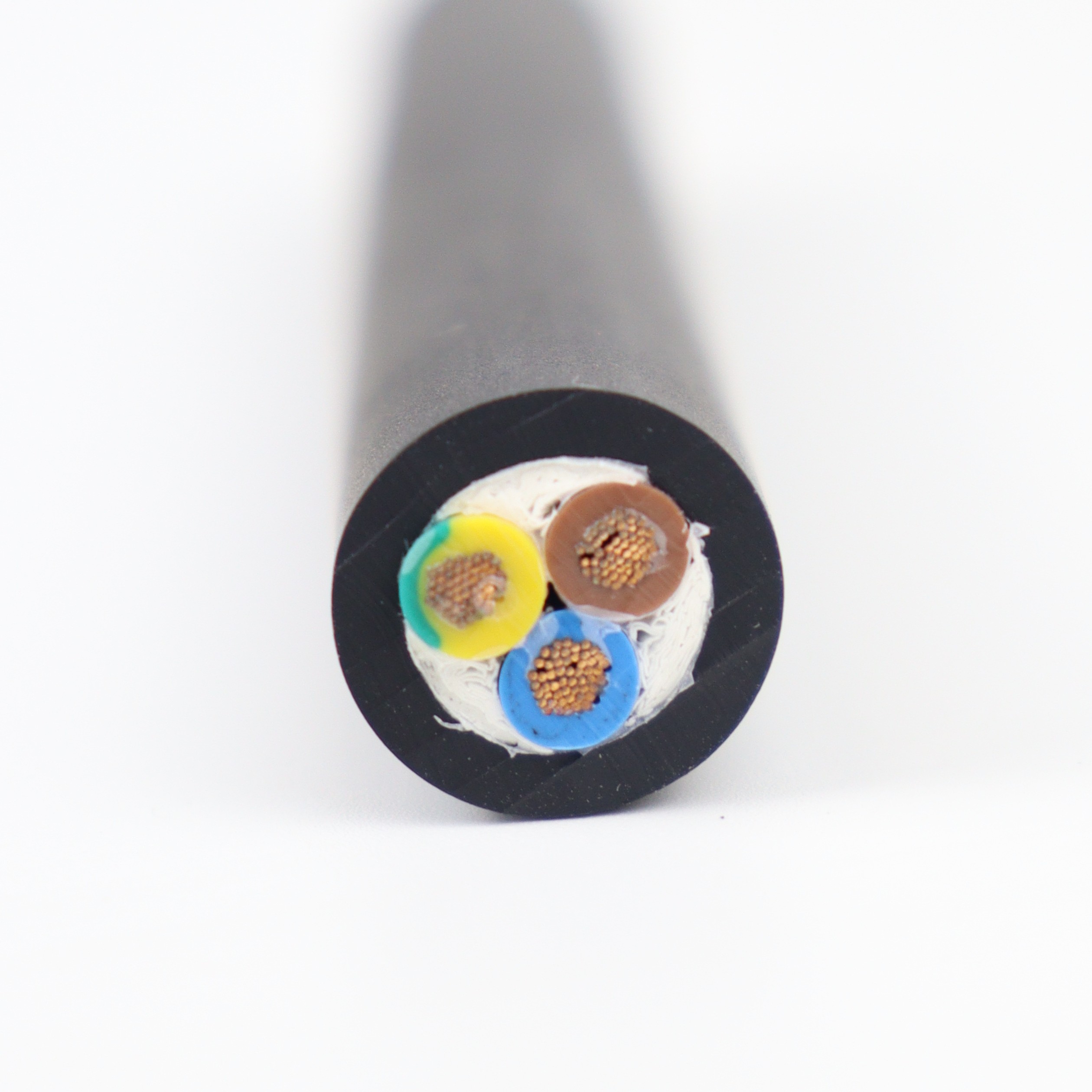
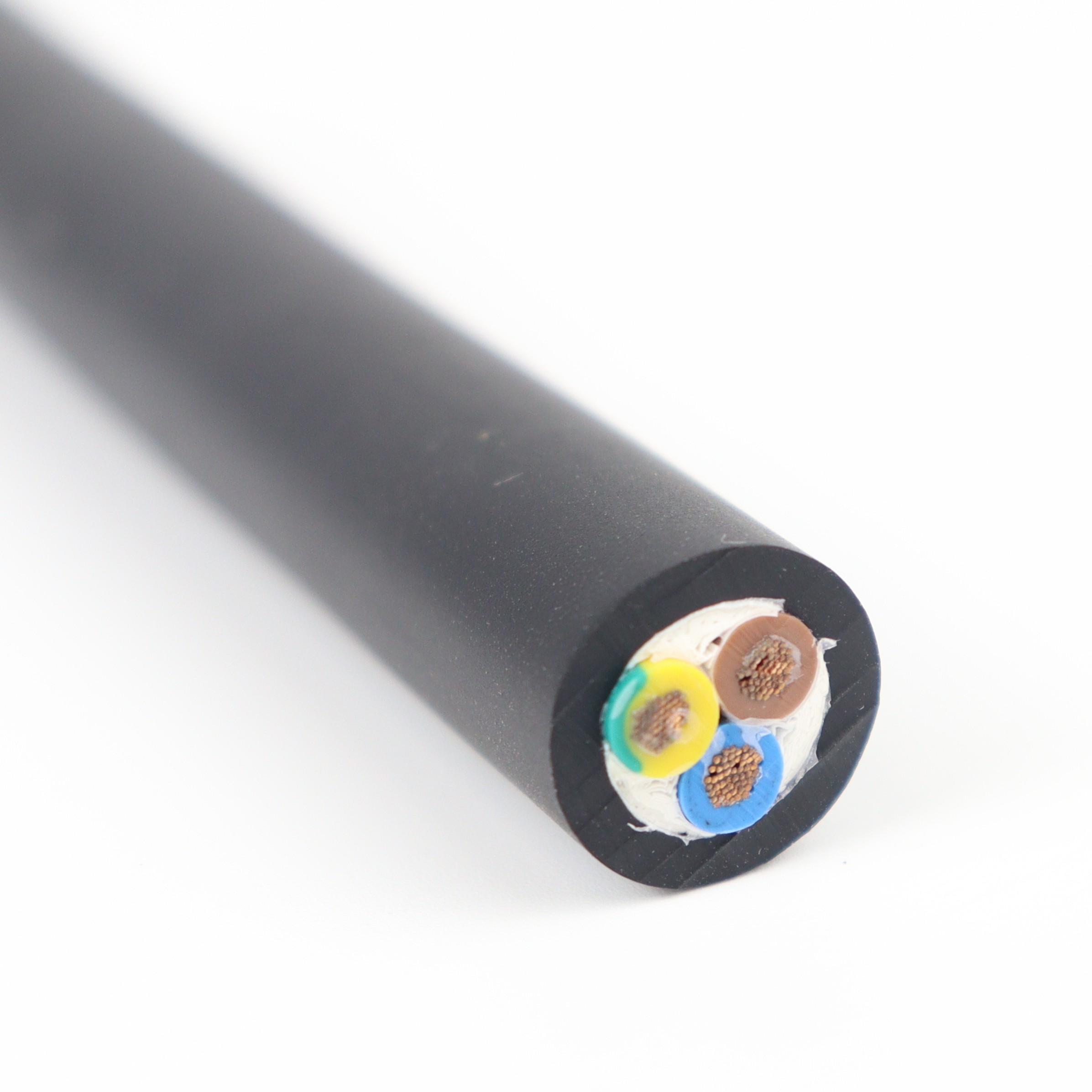
A cable for drag chain is a flexible power, control, or data cable designed to move repeatedly inside an energy chain. The chain guides the cable along a defined path while protecting it from sharp bending, impact, abrasion, and contact with nearby machine parts. Unlike a standard fixed-installation cable, a cable for drag chain uses flexible conductors, strong insulation, and a durable jacket to handle continuous motion. A cable for drag chain can carry motor power, sensor signals, encoder data, pneumatic valve control, or network communication, depending on its internal construction. Many designs use finely stranded copper conductors that reduce fatigue during fast travel. Special insulation helps prevent cracking, while a smooth outer jacket limits friction between the cable and the chain cavity. A cable for drag chain may also include shielding to reduce electrical interference in automated equipment. Its structure supports bending in one direction, allowing clean routing on linear slides, robotic axes, machine tools, packaging systems, and warehouse equipment. The correct cable for drag chain should match voltage, current, travel distance, speed, bend radius, temperature, and signal type. Some versions support torsion for robotic applications, while others focus on long travel and high cycle counts. By combining controlled flexibility with mechanical protection, this product keeps moving equipment connected and reduces failures caused by cable fatigue. For manufacturers seeking dependable motion wiring, a cable for drag chain provides a practical foundation for safe, organized, and efficient machine operation.
The main advantage of a cable for drag chain is dependable service under repeated movement. A cable for drag chain bends along a planned route instead of twisting randomly, which lowers stress on conductors and extends useful life. This can reduce emergency repairs, unplanned downtime, and the labor needed to replace damaged wiring. A cable for drag chain also keeps power and signals organized inside the energy chain, helping technicians inspect, install, and maintain equipment more easily. The protected route reduces exposure to chips, dust, oil, vibration, and accidental rubbing. For buyers, that means a clearer installation and a lower risk of paying for frequent cable replacement. Flexible copper strands let the assembly follow high-speed travel without the stiffness found in ordinary industrial cables. Carefully selected jackets also support reliable performance across workshops, factories, clean production areas, and outdoor machinery. Shielded versions can improve signal stability for sensors, encoders, drives, and communication systems, especially where motors create electrical noise. A cable for drag chain can be specified for power, control, data, or combined use, so customers can choose one product that fits the machine function rather than adapting a general cable. Before purchase, compare conductor size, rated voltage, bending radius, travel length, cycle life, temperature range, shielding, and chemical resistance. A cable for drag chain is especially suitable for CNC machines, material handling systems, automated assembly lines, 3D printers, robotic equipment, and packaging machines. Selecting the right construction improves machine availability, simplifies routing, protects connected components, and supports predictable operating costs. It also helps designers build cleaner systems because the cable follows the chain without loose loops or interference with moving parts. These practical benefits make the product a sensible choice when motion reliability matters.

Practical Tips

Shanghai Libin Cable Showcases Robot and Automation Cable Solutions at CMES Shanghai Industrial Automation & Robotics Exhibition

16

Oct

Shanghai Libin Cable Showcases Robot and Automation Cable Solutions at CMES Shanghai Industrial Automation & Robotics Exhibition

View More
Shanghai Libin Cable Showcases Crane Cable Solutions at the 11th China (Changyuan) International Crane Equipment Expo

16

Oct

Shanghai Libin Cable Showcases Crane Cable Solutions at the 11th China (Changyuan) International Crane Equipment Expo

View More
Why Drag Chain Cables Fail: Four Common Causes and How to Select Correctly

16

Oct

Why Drag Chain Cables Fail: Four Common Causes and How to Select Correctly

View More
Industrial Robot Combination Cable: Routing Power and Signal Together in a Small-Bend-Radius Drag Chain

16

Oct

Industrial Robot Combination Cable: Routing Power and Signal Together in a Small-Bend-Radius Drag Chain

View More

Get a Free Quote

Our representative will contact you soon.
0/1000
Built for Continuous Bending

Built for Continuous Bending

The defining strength of a cable for drag chain is its ability to withstand repeated flexing without early conductor breakage. A cable for drag chain uses fine-stranded copper conductors that move smoothly as the machine travels. Flexible insulation gives each core room to bend, while the outer jacket resists abrasion from contact with the guide. This construction matters on machines that cycle thousands or millions of times. Instead of treating movement as an occasional event, the cable is designed for motion as part of normal operation. Buyers benefit from longer service intervals and fewer interruptions caused by cracked insulation or broken cores. The cable for drag chain also maintains a controlled bend radius, which helps installers avoid sharp turns that can shorten life. This makes it a strong fit for linear slides, machine tools, pick-and-place equipment, and automatic production cells. Choosing a motion-rated design gives maintenance teams greater confidence that wiring will keep working as the axis moves.
Reliable Power and Signal Transfer

Reliable Power and Signal Transfer

A cable for drag chain can combine mechanical flexibility with stable electrical performance. Its conductor layout supports consistent power delivery to motors, valves, brakes, and other moving devices. Separate cores can carry control signals from sensors, switches, and actuators, while shielded designs help limit interference from nearby drives. For communication systems, a cable for drag chain may use carefully arranged pairs or dedicated data elements to preserve signal quality during motion. This feature is important because a damaged or noisy connection can stop an entire automated process, even when the mechanical system remains healthy. Customers can select a cable for drag chain based on current, voltage, signal frequency, and network requirements. That makes planning more accurate and helps prevent overloading or unnecessary overspending. A well-matched cable supports dependable machine feedback, smoother control, and faster troubleshooting. It is suitable for robotics, conveyors, inspection systems, packaging lines, and other equipment where moving power and data must work together.
Protection for Demanding Work Areas

Protection for Demanding Work Areas

A cable for drag chain provides more than flexibility; it creates a durable connection for harsh industrial conditions. The outer jacket can resist rubbing, oil, coolant, dust, moisture, and common workshop contaminants, depending on the selected material. The chain itself adds physical guidance and helps keep the cable away from cutting tools, sharp edges, and other moving components. This protection reduces the chance of jacket damage that could expose conductors or create a safety concern. A cable for drag chain may also support a wide working temperature range, making it useful in heated production zones, cold storage equipment, and outdoor machinery. Buyers should review the exact chemical, temperature, and environmental ratings rather than assume every model offers the same protection. With the right specification, the cable for drag chain helps maintain orderly routing, safer machine movement, and more predictable maintenance. It suits CNC equipment, automated storage systems, robotic cells, and production lines that demand reliable operation in active workspaces.