Flat Flex Cable: Features and Applications

application/flat-flex, application/flat-flex, 
Inquiry
Inquiry

flat flex

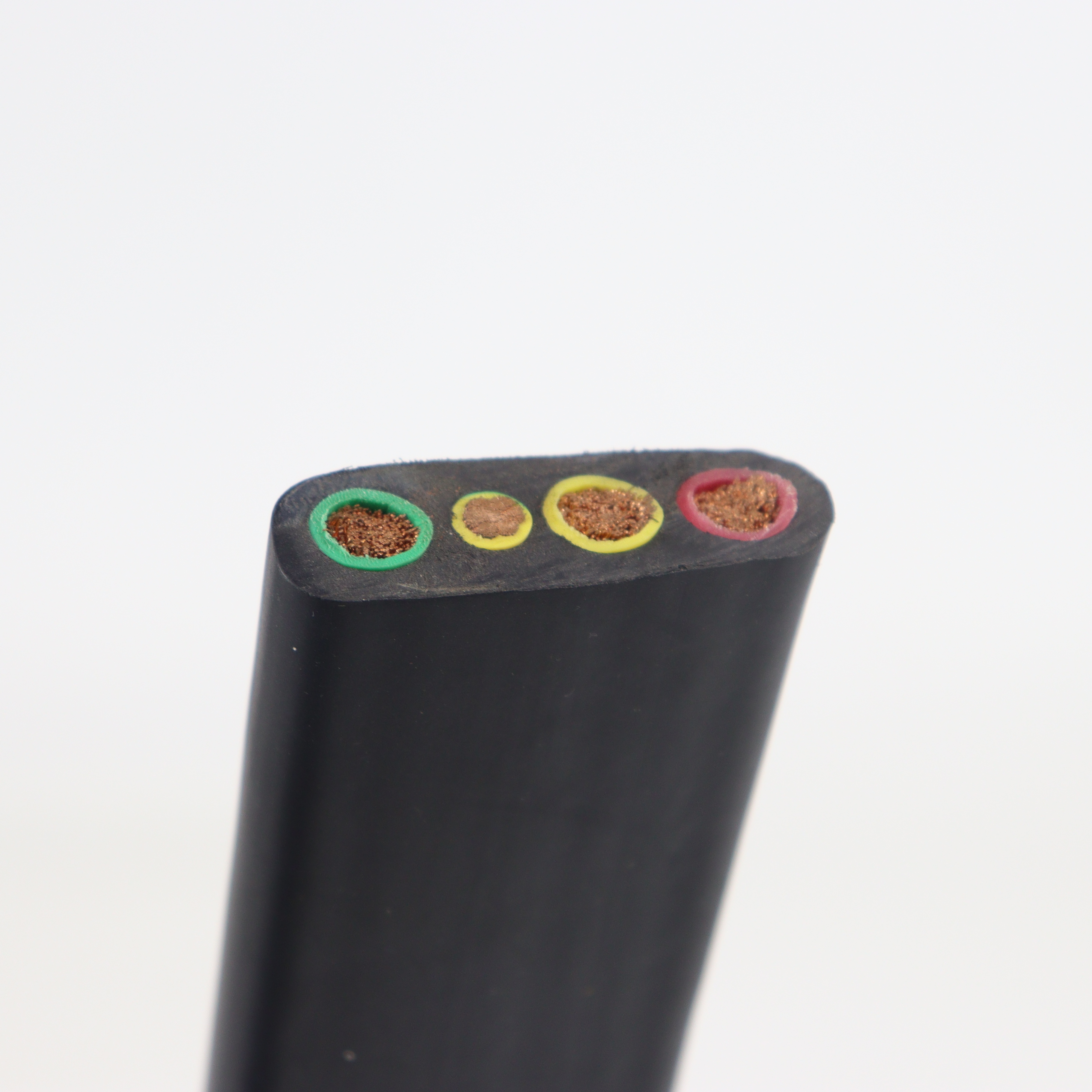
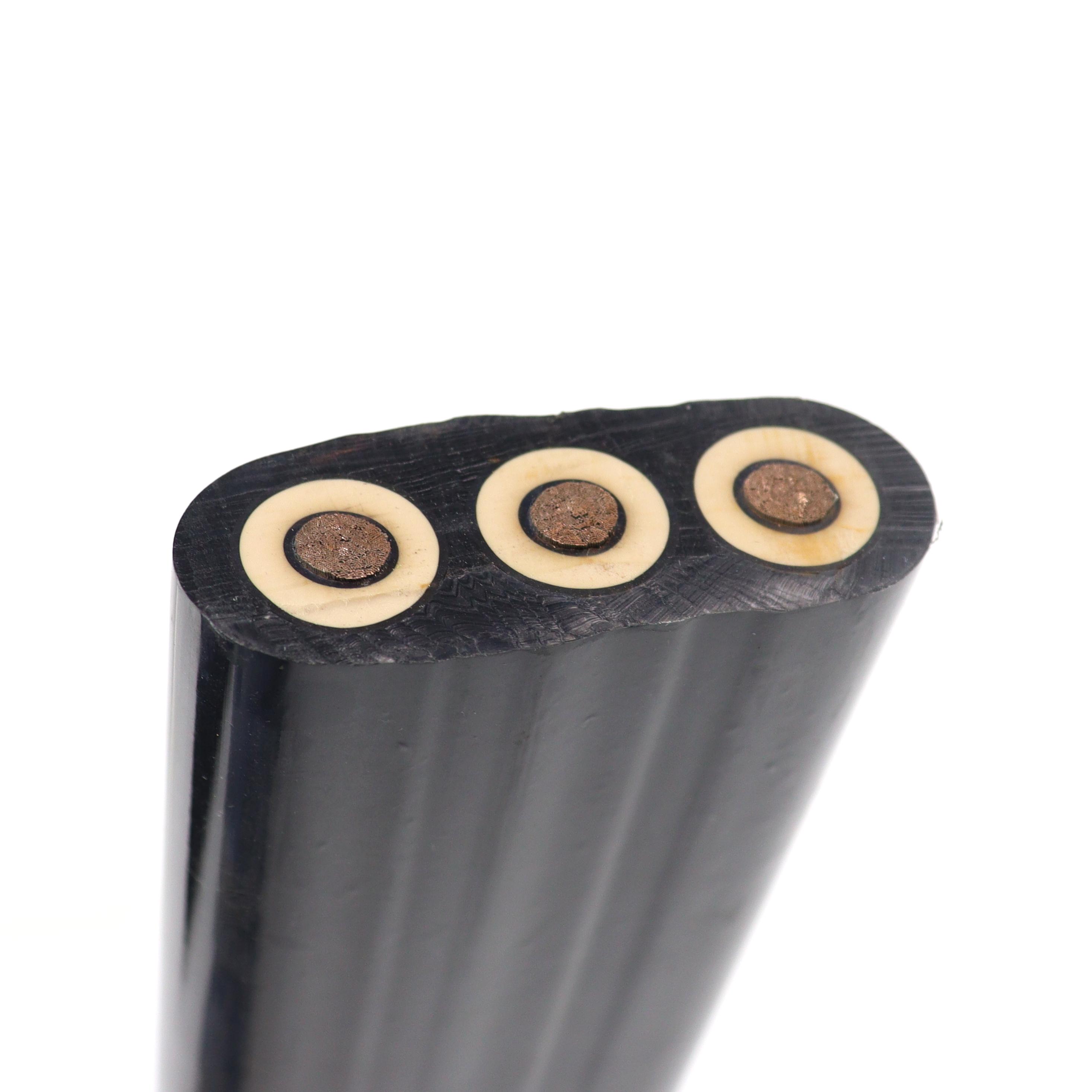
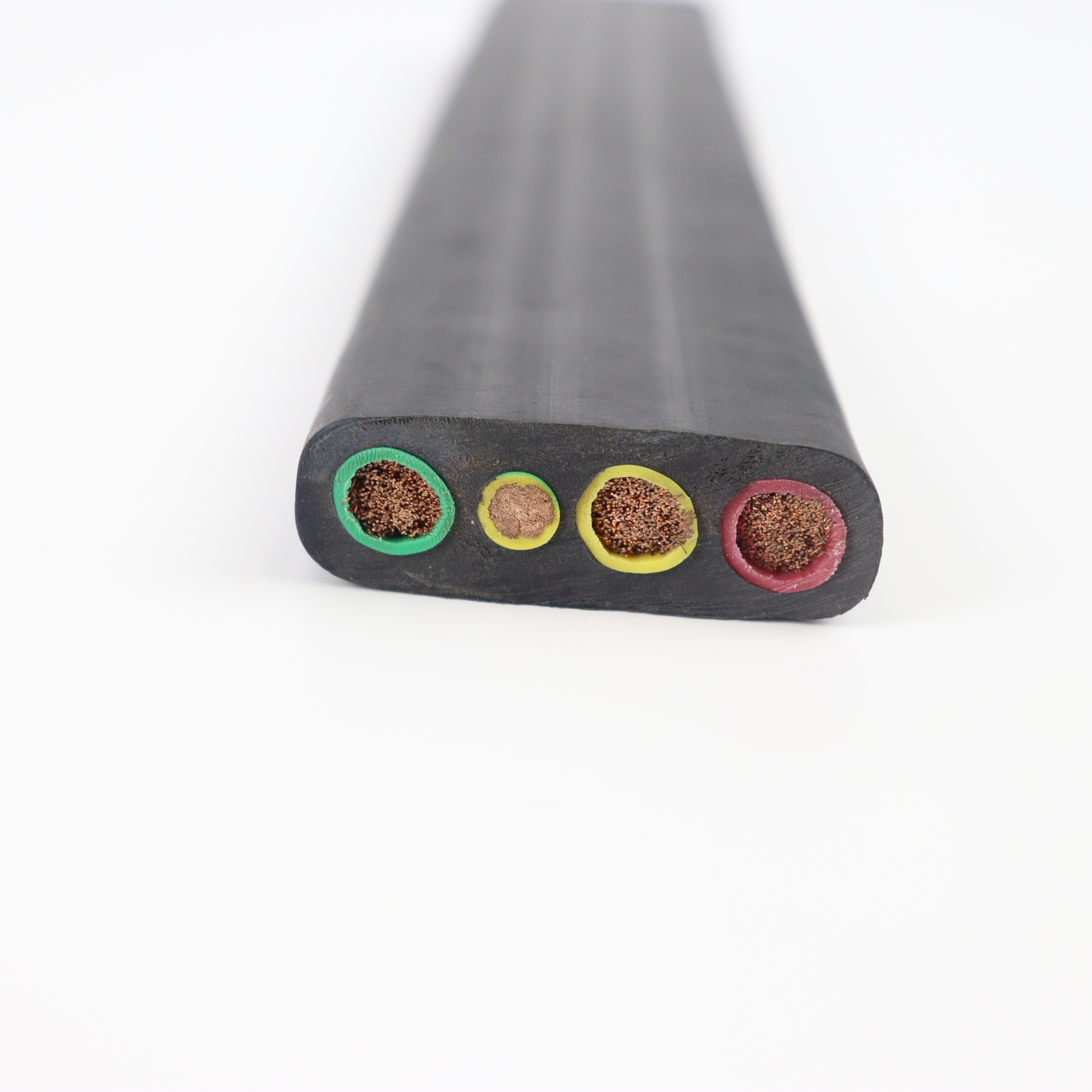
The flat flex is a thin, flexible cable assembly designed to carry electrical power and signals where space is limited. Unlike round wire bundles, the flat flex uses parallel conductors arranged in a broad, low-profile format. This shape lets a flat flex bend, fold, or slide through compact equipment without taking valuable room. Depending on the design, it may use copper traces, insulated wires, protective film, connectors, stiffeners, or exposed contact ends. Many flat flex products support controlled routing, making them suitable for moving parts and tightly packed circuit layouts. At its core, the flat flex provides a dependable path between boards, displays, sensors, motors, batteries, and control units. The flat flex can be produced in different lengths, pitches, conductor counts, thicknesses, and contact styles to match a specific assembly. Because a flat flex has an organized conductor layout, it can simplify installation and reduce wiring clutter. Manufacturers build these cables for repeated movement, steady signal transfer, and reliable connection in demanding products. During operation, flat flex designs can maintain performance while passing through hinges, sliding mechanisms, or narrow channels. For buyers, selecting a flat flex means choosing a connection method that balances compact size, routing freedom, and electrical consistency. A well-specified flat flex can also support automated assembly, helping manufacturers improve production speed and reduce manual wiring work. Whether used in consumer electronics, industrial controls, medical devices, vehicles, or office equipment, the flat flex offers a practical alternative to bulky cable harnesses. Its combination of low weight, clean routing, and configurable construction makes it a useful component for modern product design.
The main advantage of a flat flex is efficient use of space. Its slim profile fits behind screens, under covers, and through narrow channels where a conventional cable bundle would create pressure or interfere with moving parts. A flat flex can also follow a defined route, so designers spend less time arranging loose wires and more time optimizing the product enclosure. For customers, this can lead to smaller equipment, cleaner internal layouts, and fewer assembly complications. The flat flex reduces the number of separate wires needed for many connections, which may lower material use and simplify inventory management. It can arrive with connectors already attached, allowing technicians to install it quickly and consistently. This reduces cutting, stripping, crimping, and inspection work during production. A flat flex also supports repeatable electrical performance because each conductor remains positioned at a known pitch. That structure helps limit wiring mistakes and makes testing easier. In applications with hinges, sliders, or rotating sections, the flat flex can bend along a planned path while maintaining a connection, provided the product uses the correct bend rating and installation method. Buyers should review conductor size, voltage, current, signal speed, bend cycle life, temperature range, connector type, and required length before ordering. These details determine whether the flat flex will perform reliably in the intended environment. The design suits printers, scanners, laptops, cameras, appliances, instrumentation, control panels, and many automated machines. It also works well when weight matters, such as portable equipment or battery-powered products. For maintenance teams, an identified flat flex is generally easier to replace than a tangled harness, which can shorten service time. The flat flex is not automatically the best choice for high-abuse areas, extreme heat, or uncontrolled movement, so application testing remains important. When selected to match the mechanical and electrical demands, it delivers practical value through compact routing, faster assembly, dependable connections, and simpler service.

Tips And Tricks

Shanghai Libin Cable Showcases Robot and Automation Cable Solutions at CMES Shanghai Industrial Automation & Robotics Exhibition

16

Oct

Shanghai Libin Cable Showcases Robot and Automation Cable Solutions at CMES Shanghai Industrial Automation & Robotics Exhibition

View More
Shanghai Libin Cable Showcases Crane Cable Solutions at the 11th China (Changyuan) International Crane Equipment Expo

16

Oct

Shanghai Libin Cable Showcases Crane Cable Solutions at the 11th China (Changyuan) International Crane Equipment Expo

View More
Why Drag Chain Cables Fail: Four Common Causes and How to Select Correctly

16

Oct

Why Drag Chain Cables Fail: Four Common Causes and How to Select Correctly

View More
Industrial Robot Combination Cable: Routing Power and Signal Together in a Small-Bend-Radius Drag Chain

16

Oct

Industrial Robot Combination Cable: Routing Power and Signal Together in a Small-Bend-Radius Drag Chain

View More

Get a Free Quote

Our representative will contact you soon.
0/1000
Space-Saving Routing for Compact Products

Space-Saving Routing for Compact Products

A key strength of the flat flex is its low-profile construction. The broad, thin body can pass beneath covers, around frames, and beside other components without creating the bulk associated with round cable bundles. This gives designers more freedom to reduce enclosure size or use the saved space for batteries, cooling, shielding, and functional hardware. The flat flex also follows a predictable path, which helps prevent loose wires from rubbing against sharp edges or blocking ventilation. In a display hinge, camera module, printer carriage, or control panel, the cable can connect separated parts while keeping the internal layout neat. This organized routing brings value during both design and assembly. Engineers can reserve channels and mounting points with greater confidence, while production workers can position one prepared part instead of sorting several wires. The result is a cleaner product, quicker installation, and lower risk of routing errors. For buyers seeking compact equipment without sacrificing connection access, the flat flex offers a simple and adaptable layout solution.
Reliable Performance Through Repeated Movement

Reliable Performance Through Repeated Movement

Many products need a connection that moves every time a lid opens, a carriage travels, or a panel adjusts. A properly selected flat flex can serve this purpose by bending along a controlled path instead of allowing wires to twist randomly. Its layered construction and defined conductor arrangement support stable signal and power transfer during normal movement. The flat flex is especially useful in printers, scanners, medical instruments, robotics, and adjustable displays, where consistent motion occurs throughout the product's service life. Buyers should match the cable to the bend radius, movement direction, cycle count, temperature, and connector design specified for the equipment. Correct support and strain relief are equally important because they prevent excessive force at the contacts. When these conditions are met, the flat flex can reduce intermittent faults and maintenance interruptions. This creates practical value for operators: equipment remains available, service teams face fewer unexplained connection problems, and manufacturers can build movement into the product without adding a bulky harness. The flat flex therefore combines routing freedom with dependable mechanical operation.
Configured Connections for Faster Assembly

Configured Connections for Faster Assembly

A flat flex can be configured with the conductor count, contact pitch, length, insulation, shielding, and connector style required by a particular product. This customization helps buyers avoid forcing a standard cable into an unsuitable space or adding adapters that increase failure points. A prepared flat flex may arrive with contacts formed, ends reinforced, and connectors installed, allowing it to connect directly to boards or modules. That approach shortens assembly steps and makes each installation more consistent. It can also support automated placement, reducing manual handling in higher-volume production. For purchasing teams, the flat flex offers clearer specification control because length, orientation, contact side, and electrical ratings can be defined before production begins. This improves repeat ordering and helps quality teams compare incoming parts against a documented design. The cable can support both power and signal requirements when its conductor size and insulation are chosen correctly. As a result, the flat flex gives manufacturers a practical way to improve build speed, reduce wiring variation, and maintain a clean connection strategy across different equipment models.