High Flexible Cable for Reliable Motion

application/high-flexible-cable, application/high-flexible-cable, 
Inquiry
Inquiry

high flexible cable

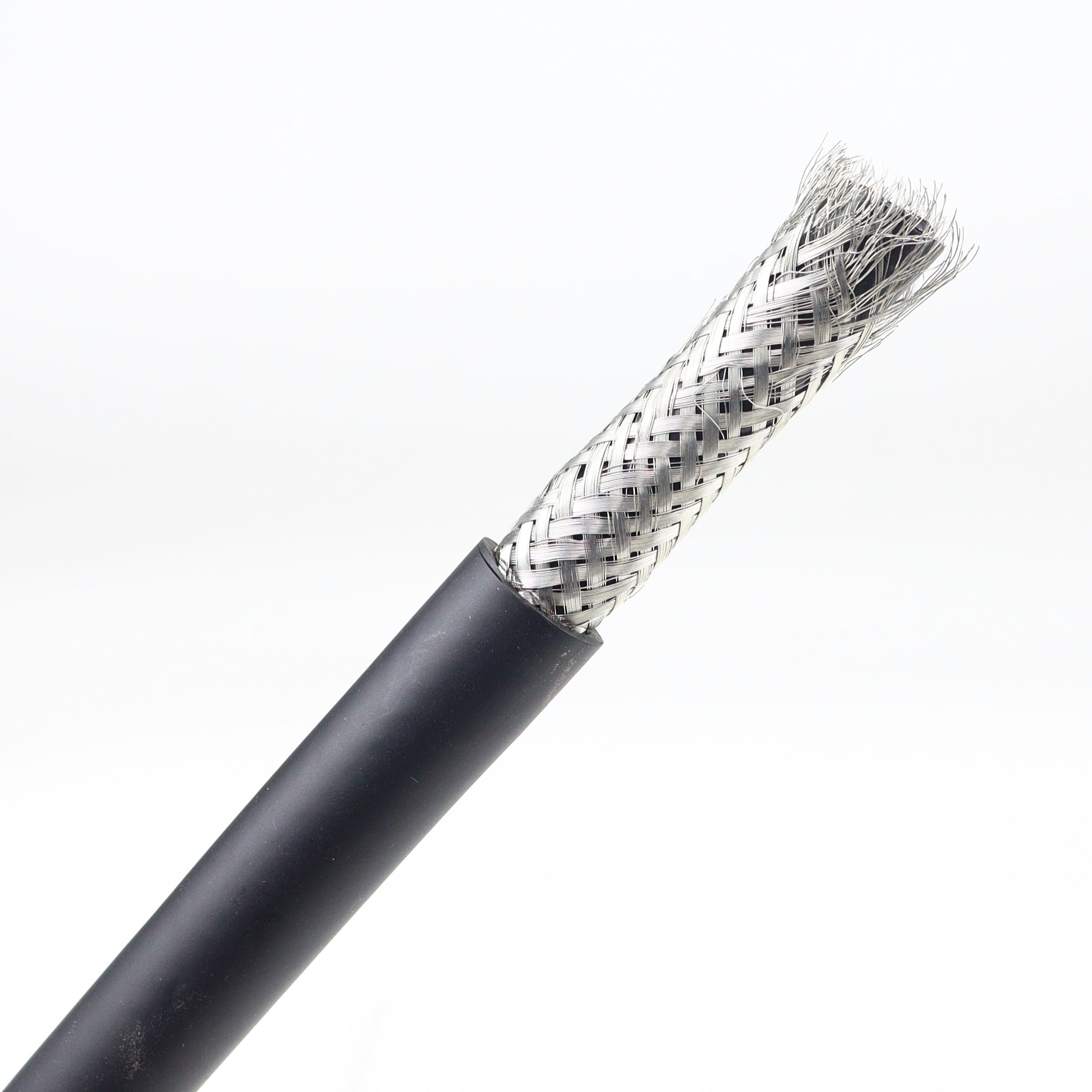
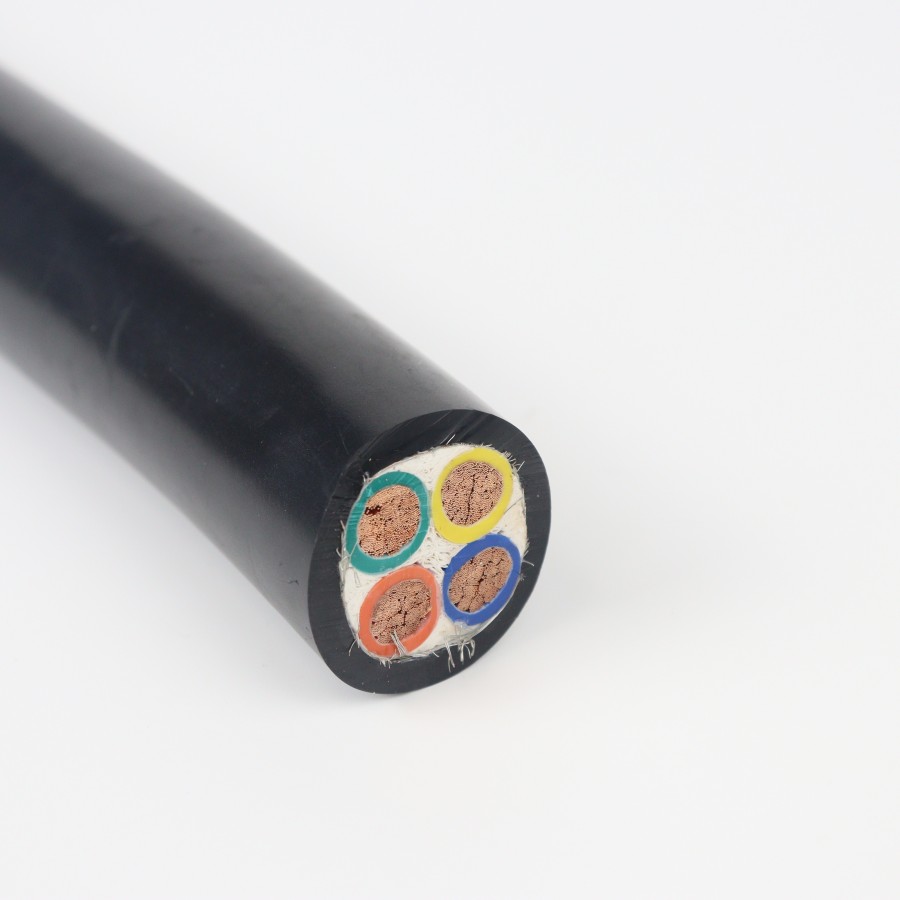
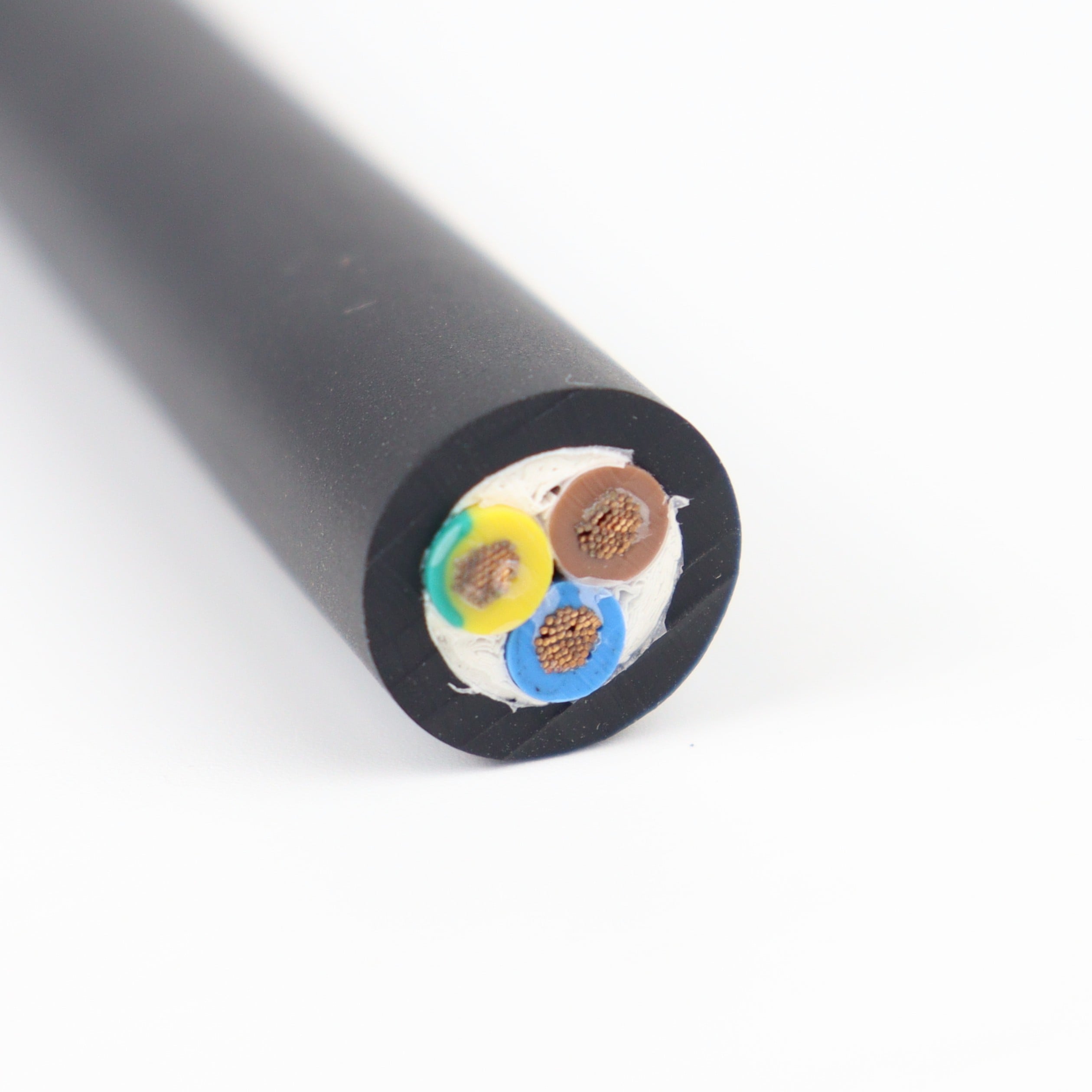
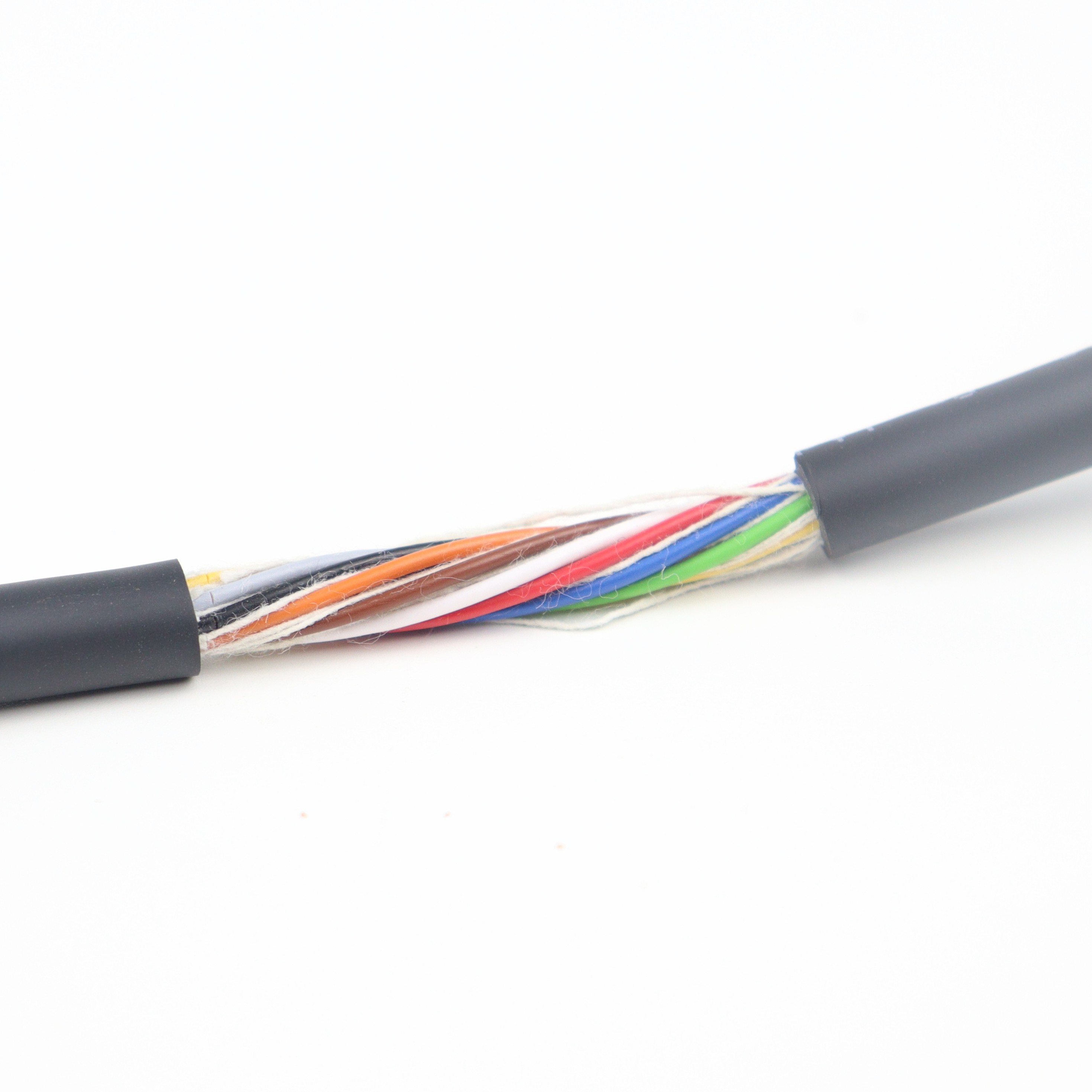
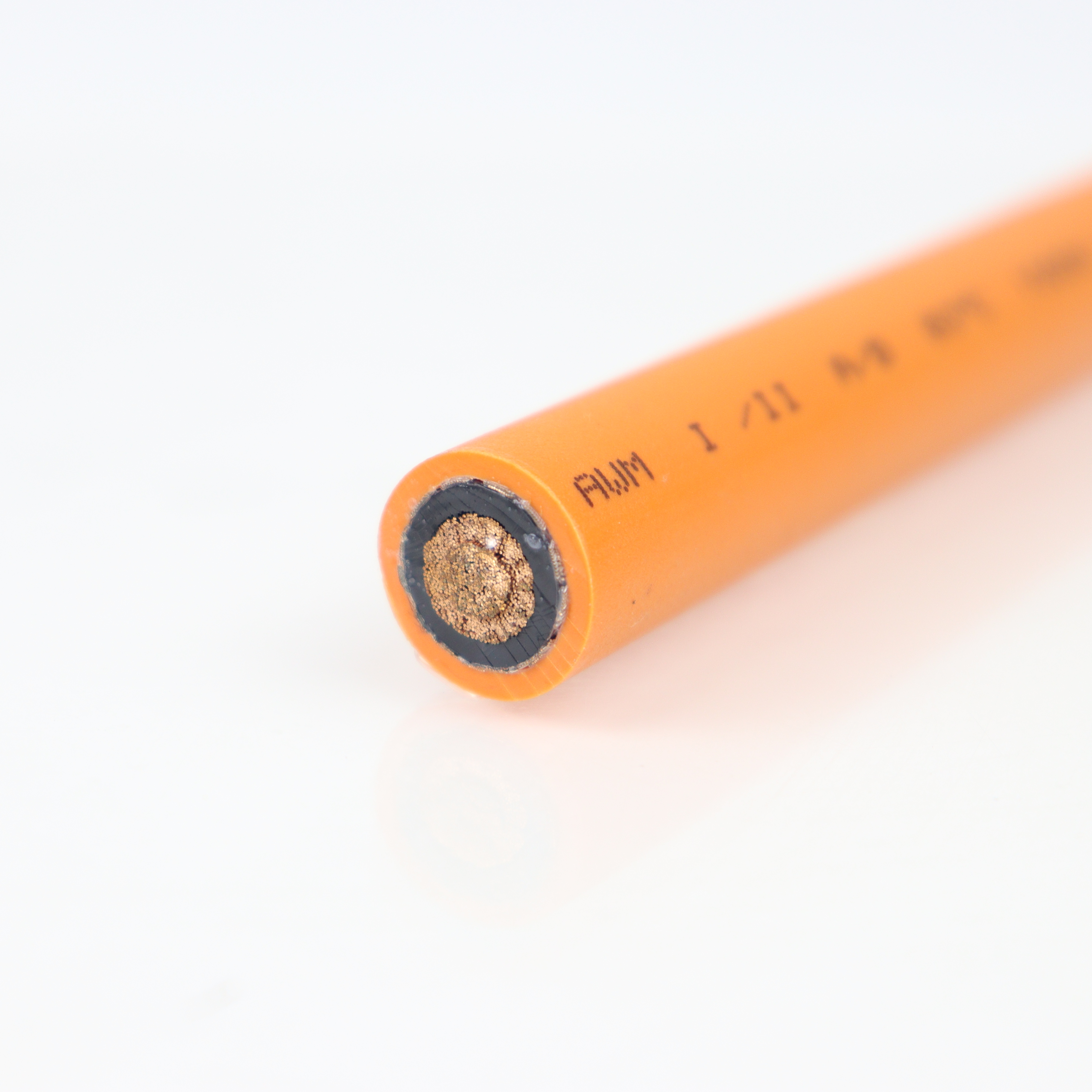
A high flexible cable is an electrical cable designed to carry power, control signals, or data while moving repeatedly. Unlike a fixed cable, a high flexible cable can bend, twist, and travel through tight machine routes without quickly cracking or losing performance. Manufacturers build the high flexible cable with fine-stranded copper conductors, flexible insulation, and a protective outer jacket. These materials let the cable move smoothly and support frequent motion in demanding equipment. Depending on the model, a high flexible cable may include shielding to reduce electrical noise, oil resistance for factory environments, flame-retardant materials, or a reinforced jacket for extra wear protection. The high flexible cable can also support drag-chain travel, robotic movement, automated production lines, and compact control cabinets. Its bend radius shows how tightly the cable can turn, while its travel rating indicates how well it handles continuous movement. A properly selected high flexible cable helps maintain stable power and signal transmission as equipment accelerates, stops, and changes direction. The high flexible cable is available in different conductor sizes, voltage ratings, core counts, jacket materials, and temperature ranges. Buyers can choose a high flexible cable for motors, sensors, servo systems, machine tools, packaging equipment, or material-handling systems. In each case, the high flexible cable reduces stress at connection points and supports dependable operation. For best results, match the high flexible cable to the machine speed, travel length, bend radius, load, environment, and installation method.
Choosing a high flexible cable helps businesses keep moving equipment reliable and productive. A high flexible cable withstands repeated bending better than many standard fixed cables, so users face fewer unexpected breaks and less unplanned downtime. This direct reliability benefit can protect production schedules and reduce the labor needed for emergency replacement. The cable also moves smoothly inside a drag chain or robotic arm, which helps limit friction, noise, and strain on connectors. Because a high flexible cable uses fine-stranded conductors, it maintains electrical continuity during constant motion. When equipment carries sensitive signals, a shielded version can reduce interference and help sensors, controllers, and drives communicate clearly. A high flexible cable can also simplify installation. Its flexible body makes routing easier around corners and through narrow spaces, while clearly specified cores allow installers to connect power, control, and data circuits correctly. For buyers, this can shorten installation time and reduce the risk of wiring errors. A high flexible cable suits many applications, from small automated machines to large production systems. Different jackets can handle oil, coolant, abrasion, heat, cold, or outdoor exposure, allowing customers to select protection based on real operating conditions. Compared with replacing a conventional cable repeatedly, a high flexible cable may offer better lifetime value, even when its purchase price is higher. Buyers should review conductor size, voltage, current, shielding, bend radius, travel distance, temperature, and compatibility with cable carriers before ordering. A high flexible cable selected with these factors in mind can improve machine availability and extend service life. This high flexible cable also supports future equipment upgrades when the chosen specification allows additional control or signal capacity. Selecting the correct product balances performance, safety, maintenance cost, and application suitability rather than focusing only on the initial unit price.

Practical Tips

Shanghai Libin Cable Showcases Robot and Automation Cable Solutions at CMES Shanghai Industrial Automation & Robotics Exhibition

16

Oct

Shanghai Libin Cable Showcases Robot and Automation Cable Solutions at CMES Shanghai Industrial Automation & Robotics Exhibition

View More
Shanghai Libin Cable Showcases Crane Cable Solutions at the 11th China (Changyuan) International Crane Equipment Expo

16

Oct

Shanghai Libin Cable Showcases Crane Cable Solutions at the 11th China (Changyuan) International Crane Equipment Expo

View More
Why Drag Chain Cables Fail: Four Common Causes and How to Select Correctly

16

Oct

Why Drag Chain Cables Fail: Four Common Causes and How to Select Correctly

View More
Industrial Robot Combination Cable: Routing Power and Signal Together in a Small-Bend-Radius Drag Chain

16

Oct

Industrial Robot Combination Cable: Routing Power and Signal Together in a Small-Bend-Radius Drag Chain

View More

Get a Free Quote

Our representative will contact you soon.
0/1000
Continuous Motion Reliability

Continuous Motion Reliability

A high flexible cable is built for equipment that bends and travels throughout the working day. Its fine-stranded copper conductors distribute movement across many small strands instead of forcing one rigid conductor to absorb every bend. This construction helps the cable maintain electrical performance through repeated cycles in a drag chain, robotic arm, or moving machine axis. The high flexible cable also uses a flexible inner structure that reduces stress between the conductor, insulation, and jacket. As a result, users can lower the chance of conductor fatigue, intermittent faults, and sudden production stops. The high flexible cable gives maintenance teams a practical way to support automated equipment that cannot pause often. When buyers compare products, they should check the rated flexing cycles, travel direction, bend radius, and operating speed. Matching those values to the machine helps the cable deliver its intended service life. This feature is especially valuable for factories seeking predictable maintenance and stable output.
Protection for Demanding Environments

Protection for Demanding Environments

A high flexible cable can combine movement capability with protection against the conditions found around industrial machines. Its outer jacket may resist oil, coolant, abrasion, heat, cold, moisture, or flame, depending on the selected specification. This protection helps prevent surface damage when the cable rubs against guides, tools, or nearby parts. It also keeps the internal conductors protected when cutting fluid or industrial oil reaches the cable route. The high flexible cable is therefore suitable for machine tools, packaging lines, conveyors, and automated assembly systems where ordinary jacket materials may wear quickly. A reinforced high flexible cable can provide additional confidence in areas with frequent contact or demanding travel. Buyers should not assume that every model handles every environment; they should confirm the jacket material, temperature range, chemical resistance, and installation position. Selecting the right protection reduces replacement frequency and helps preserve reliable performance. The high flexible cable delivers stronger application value when its construction matches the actual workplace.
Stable Power and Signal Transfer

Stable Power and Signal Transfer

A high flexible cable supports dependable communication between moving equipment and its control system. Fine-stranded conductors carry power, feedback, sensor signals, or control commands while the cable changes position. For installations with motors, encoders, servo drives, or data devices, shielding can help reduce electrical interference from nearby power equipment. This allows a high flexible cable to help controllers receive cleaner signals and respond more consistently. Correct conductor arrangement and insulation also help separate circuits, limit accidental contact, and support safe machine operation. The high flexible cable can be ordered with different core counts, conductor sizes, voltage ratings, and signal designs, giving buyers more control over system planning. A high flexible cable with the correct electrical specification can reduce the need for extra adapters, extensions, or rewiring. Before purchase, confirm current demand, transmission type, connector style, and grounding method. This careful choice improves installation accuracy and helps protect sensitive automation functions. The result is a practical balance of dependable transfer, easier maintenance, and improved equipment availability.