Power Flexible Cable | Safe, Durable Power

application/power-flexible-cable, application/power-flexible-cable, 
Inquiry
Inquiry

power flexible cable

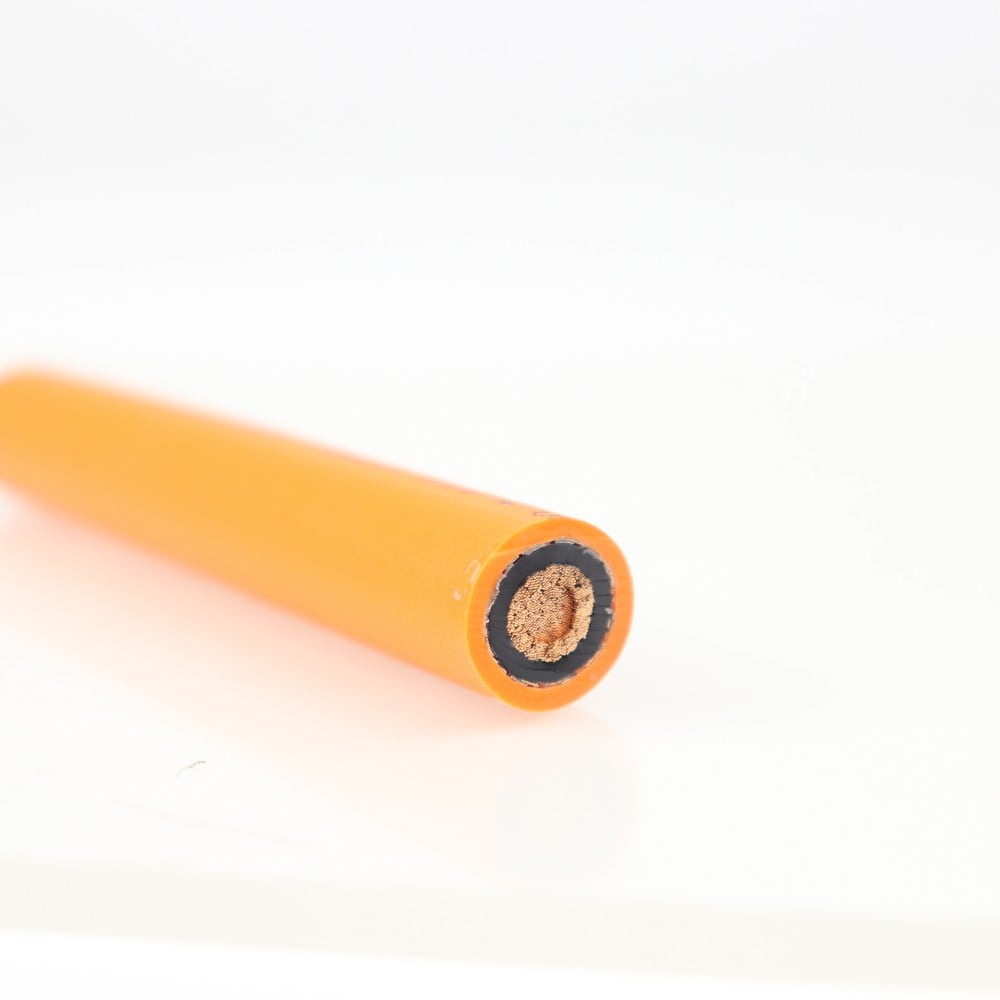
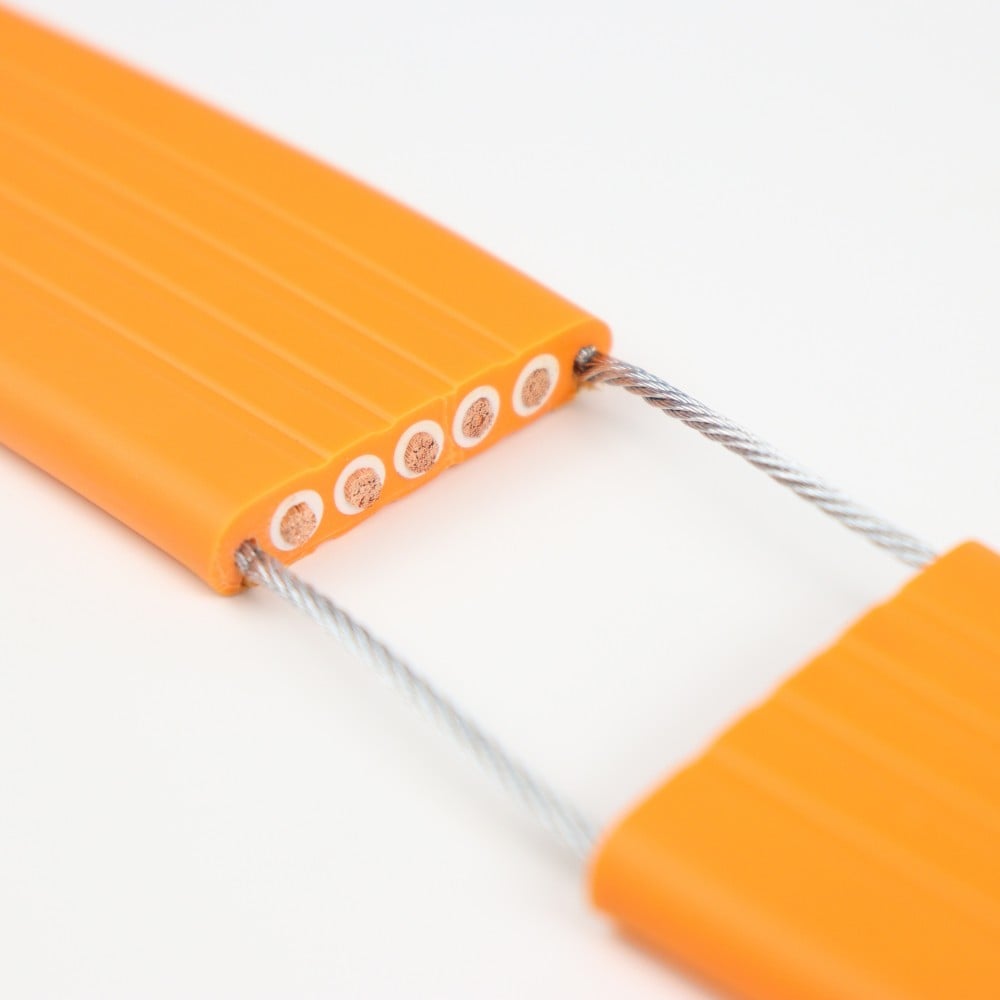
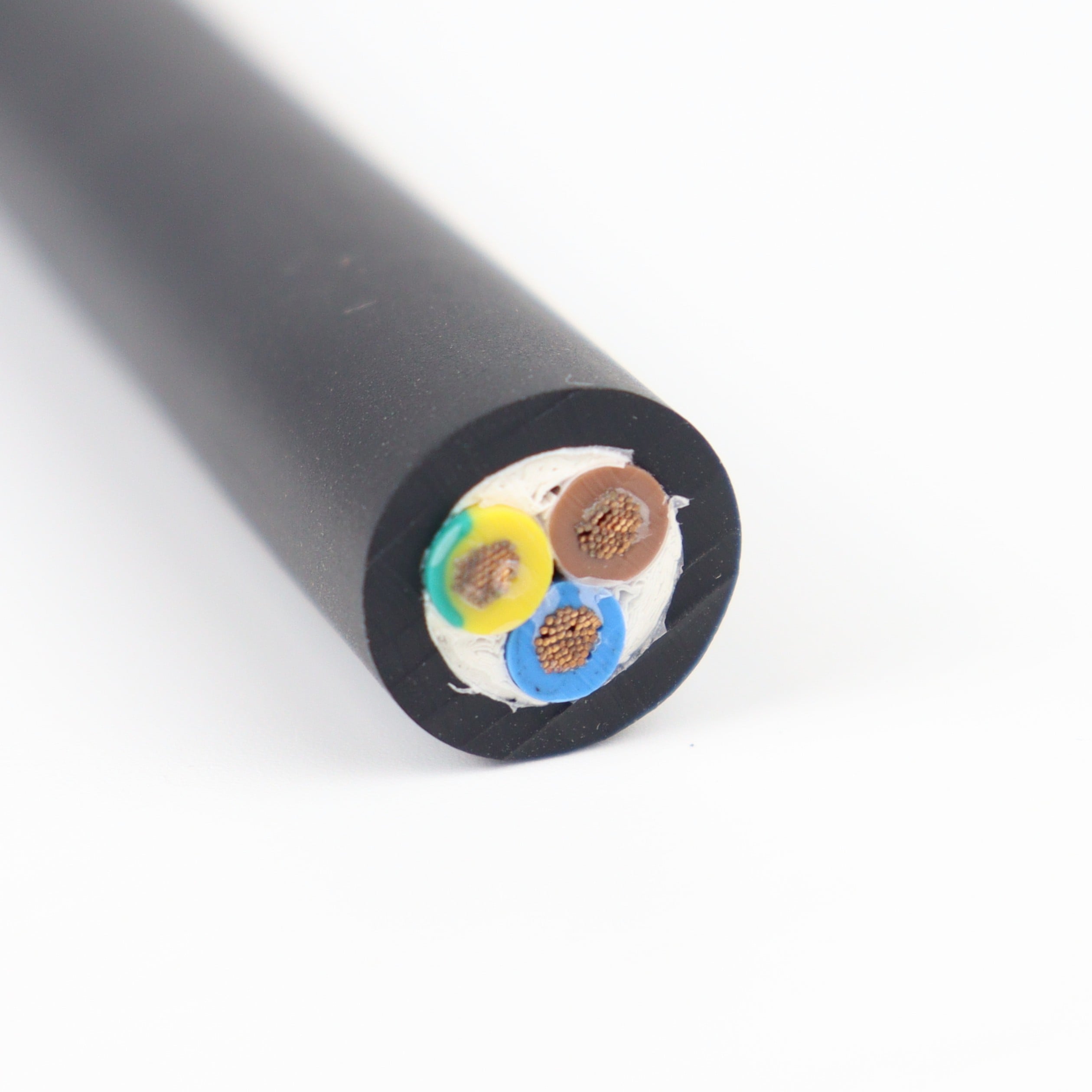
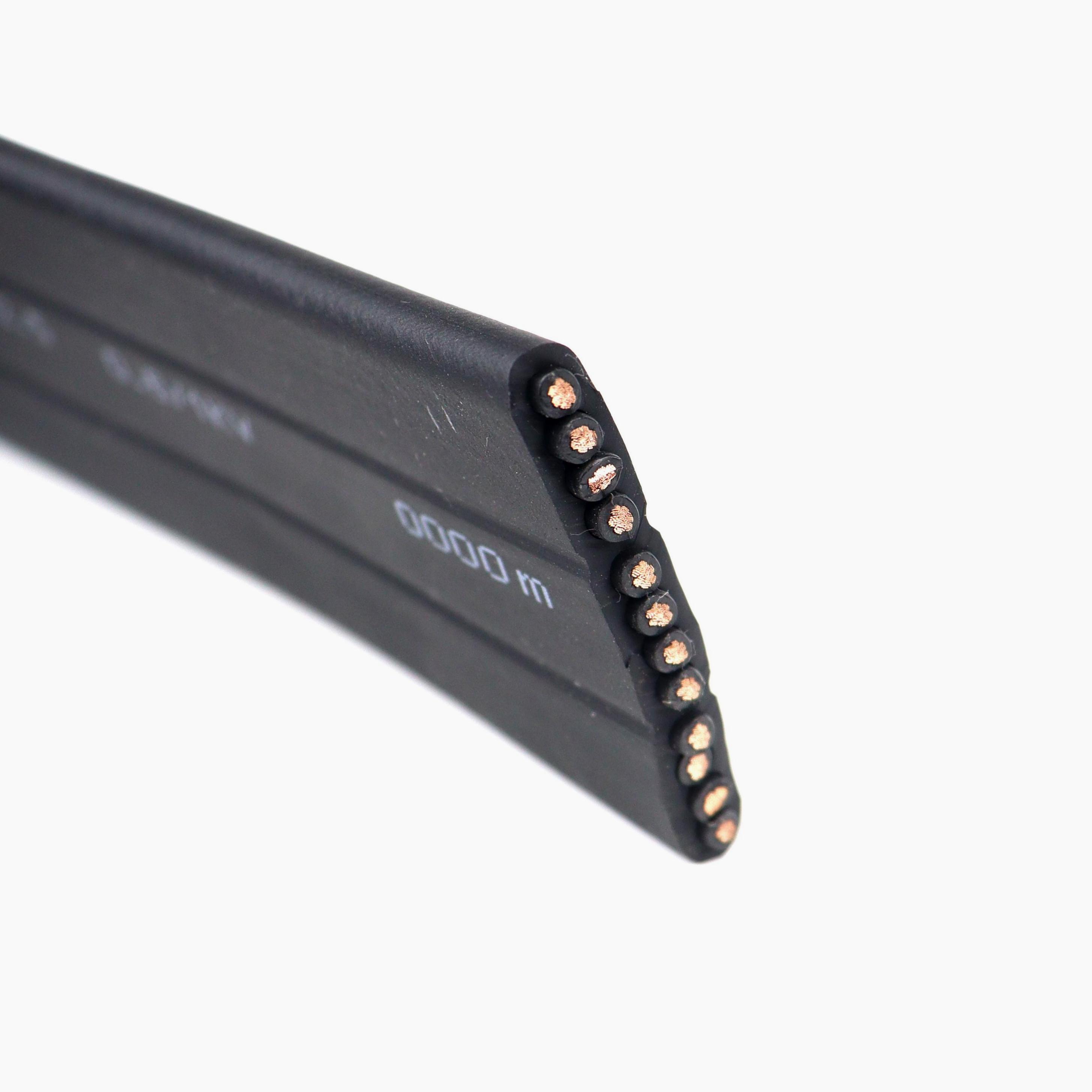
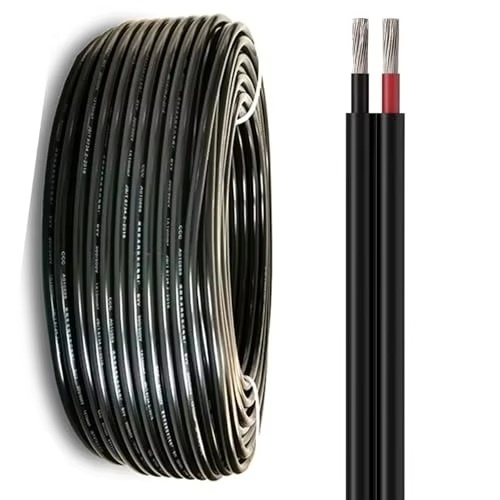
A power flexible cable is designed to carry electrical energy while bending, moving, or routing through confined spaces. Unlike a fixed wiring product, a power flexible cable supports repeated movement without quickly losing performance. It typically combines stranded copper conductors, insulation, an outer protective jacket, and, when needed, shielding or grounding layers. This construction allows a power flexible cable to deliver stable current to motors, tools, machines, and mobile equipment. A power flexible cable can be selected in different conductor sizes, voltage ratings, jacket materials, and lengths to match the installation. Some versions resist oil, sunlight, moisture, abrasion, heat, or cold, making them suitable for demanding work areas. The main function of a power flexible cable is dependable power transfer where equipment moves or where installers need an easy route around obstacles. A power flexible cable also simplifies connection and maintenance because its flexible structure supports quicker positioning and cleaner cable management. In factories, a power flexible cable can connect robotic systems, conveyors, cranes, and production equipment. In construction, a power flexible cable supplies temporary power to tools and site machinery. A power flexible cable may also serve in workshops, renewable energy systems, stage equipment, warehouses, and transport facilities. Choosing the right power flexible cable requires checking voltage, current, conductor size, movement frequency, environmental exposure, and required length. With the correct specification, a power flexible cable offers safe, reliable, and practical power delivery for both fixed and mobile applications.
The biggest advantage of a power flexible cable is reliable energy delivery in places where ordinary rigid wiring cannot move easily. Its fine stranded conductors bend more readily, so a power flexible cable can follow machinery travel, tight turns, and changing work positions. This reduces installation strain and helps prevent damage caused by forced bends. A power flexible cable also makes equipment placement more convenient because installers can route it around frames, walls, tracks, and other obstacles without building complex pathways. For buyers, that can lower installation time and reduce the need for extra fittings or support hardware. A power flexible cable supports safer operation when users choose the correct size and rating. Proper insulation separates live conductors, while a durable jacket helps protect against cuts, rubbing, moisture, and common workplace contaminants. Some designs add shielding to reduce electrical interference near sensitive controls and communication equipment. This makes a power flexible cable useful in automated production areas where signal stability matters. The product can also simplify replacement work. Because a power flexible cable is available in varied lengths and conductor configurations, maintenance teams can select a close match instead of making extensive alterations. A power flexible cable suits portable tools, moving platforms, control panels, industrial motors, pumps, lighting systems, and temporary distribution. Its application range gives purchasing teams more flexibility when standardizing supplies across different sites. A power flexible cable may also reduce downtime by tolerating regular movement better than unsuitable fixed cable. Buyers should still compare current capacity, voltage, temperature range, bend radius, jacket material, and certification needs before ordering. When these factors match the job, a power flexible cable provides a practical balance of safety, service life, installation ease, and operating value. That combination helps businesses control maintenance effort while keeping powered equipment ready for work.

Latest News

Shanghai Libin Cable Showcases Robot and Automation Cable Solutions at CMES Shanghai Industrial Automation & Robotics Exhibition

16

Oct

Shanghai Libin Cable Showcases Robot and Automation Cable Solutions at CMES Shanghai Industrial Automation & Robotics Exhibition

View More
Shanghai Libin Cable Showcases Crane Cable Solutions at the 11th China (Changyuan) International Crane Equipment Expo

16

Oct

Shanghai Libin Cable Showcases Crane Cable Solutions at the 11th China (Changyuan) International Crane Equipment Expo

View More
Why Drag Chain Cables Fail: Four Common Causes and How to Select Correctly

16

Oct

Why Drag Chain Cables Fail: Four Common Causes and How to Select Correctly

View More
Industrial Robot Combination Cable: Routing Power and Signal Together in a Small-Bend-Radius Drag Chain

16

Oct

Industrial Robot Combination Cable: Routing Power and Signal Together in a Small-Bend-Radius Drag Chain

View More

Get a Free Quote

Our representative will contact you soon.
0/1000
Built for Reliable Movement

Built for Reliable Movement

A power flexible cable uses multiple small conductor strands rather than one stiff metal core. This design lets the cable bend smoothly as equipment moves, while maintaining a dependable electrical path. For machines with sliding parts, rotating sections, lifting systems, or repeated repositioning, a power flexible cable can handle motion more effectively than standard rigid wiring. The benefit is practical: fewer forced bends, less installation stress, and lower risk of early conductor fatigue. The outer jacket adds another layer of protection against rubbing and everyday contact with equipment frames. Buyers can choose a power flexible cable with a bend rating suited to occasional movement or continuous travel. Selecting the correct version helps extend service life and supports consistent machine performance. It also gives maintenance teams a cleaner way to connect mobile equipment without relying on loose wiring or awkward extensions. For production managers, this flexibility can improve layout options and help keep moving workstations powered during normal operating cycles.
Protection for Demanding Sites

Protection for Demanding Sites

A power flexible cable can be built with insulation and jacket materials selected for the conditions around the installation. Options may resist oil, water, sunlight, abrasion, heat, cold, or common chemicals. This protection matters because exposed wiring can suffer when it contacts workshop fluids, outdoor weather, sharp edges, or heavy foot traffic. A power flexible cable with the right jacket helps preserve electrical insulation and reduces the chance of premature replacement. It also supports safer cable routing in factories, building sites, warehouses, farms, and outdoor service areas. Customers should match the jacket type to the actual environment instead of choosing only by price. A power flexible cable for a dry indoor tool may need fewer protections than one used beside hydraulic machinery or in wet conditions. This choice-focused approach avoids overbuying while still giving critical equipment suitable protection. The result is more dependable operation, clearer purchasing decisions, and fewer interruptions caused by environmental damage.
Broad Application and Specification Choice

Broad Application and Specification Choice

A power flexible cable is available in different conductor sizes, core counts, voltage levels, lengths, and protective constructions. This range lets buyers select a product that fits the electrical load and physical demands of a specific job. A power flexible cable can supply portable drills, pumps, generators, motors, welding equipment, conveyors, cranes, robotics, lighting, and temporary power systems. Multi-core designs can carry several circuits in one organized route, while grounding options support safer equipment connections. A power flexible cable may also include shielding when electrical noise could affect sensors, controls, or data signals. This specification choice helps businesses avoid using one unsuitable product across every application. Instead, purchasing teams can balance capacity, flexibility, durability, and cost for each installation. The right power flexible cable supports easier setup and replacement because technicians can identify the required format before work begins. For customers, that means better compatibility, fewer improvised connections, and stronger long-term value from the cable system.