Flex Welding Cable for Safe, Easy Welding

application/flex-welding-cable, application/flex-welding-cable, 
Inquiry
Inquiry

flex welding cable

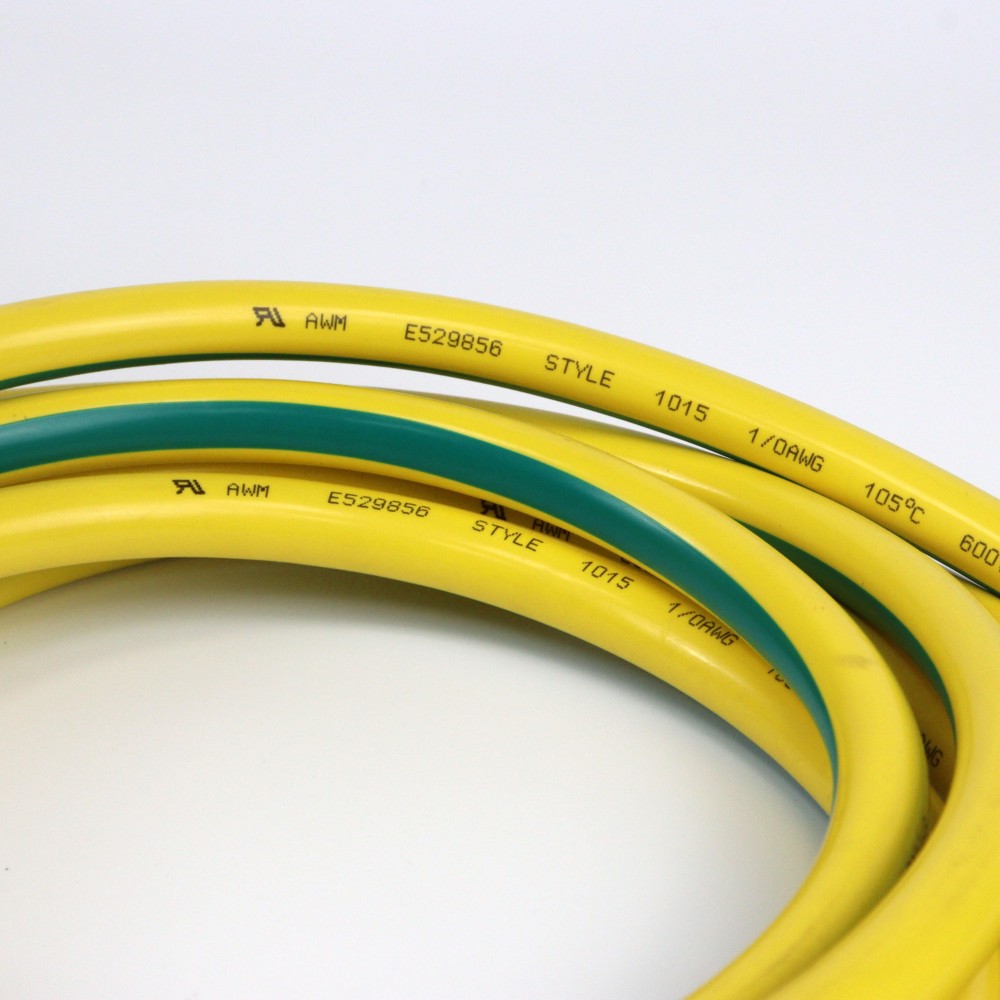
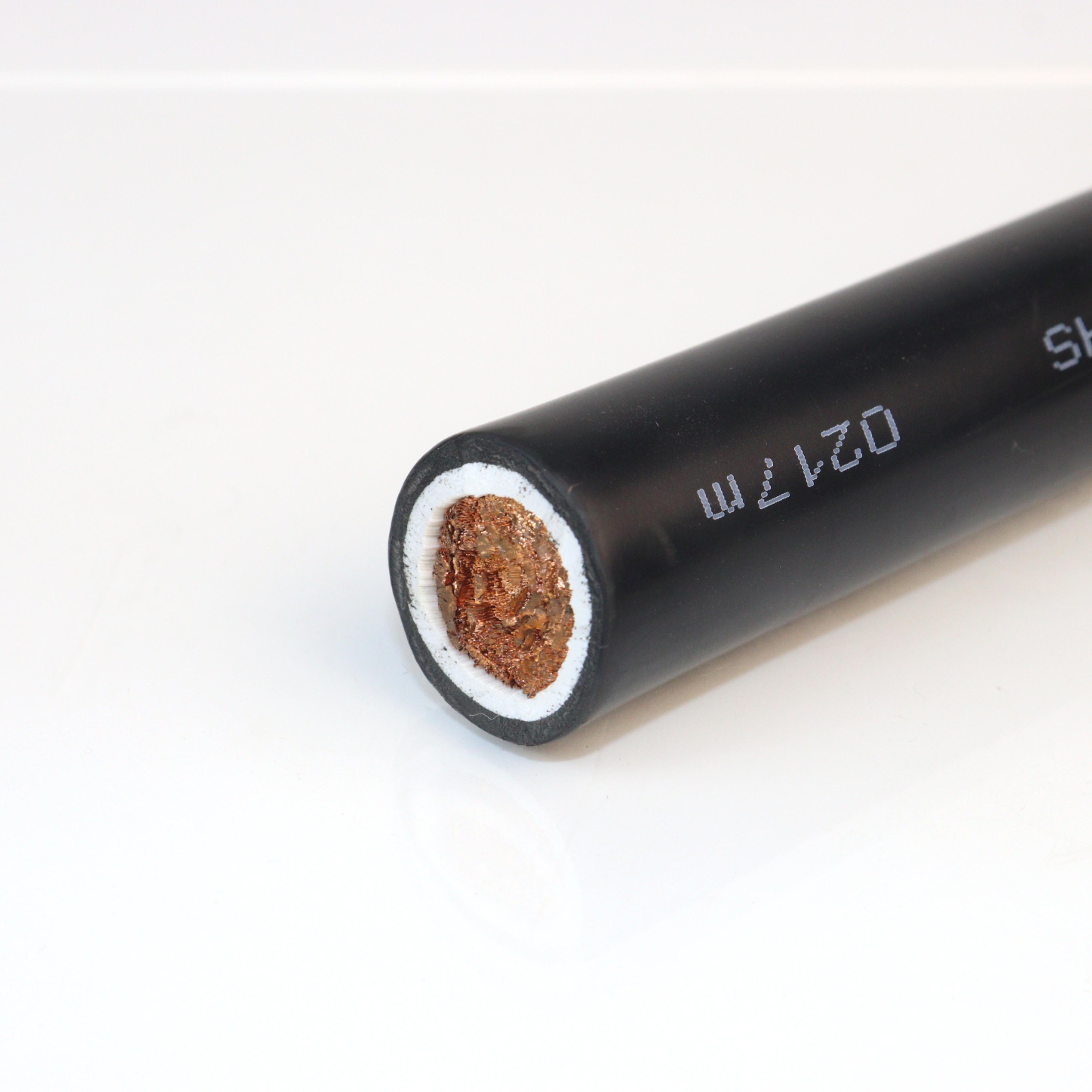
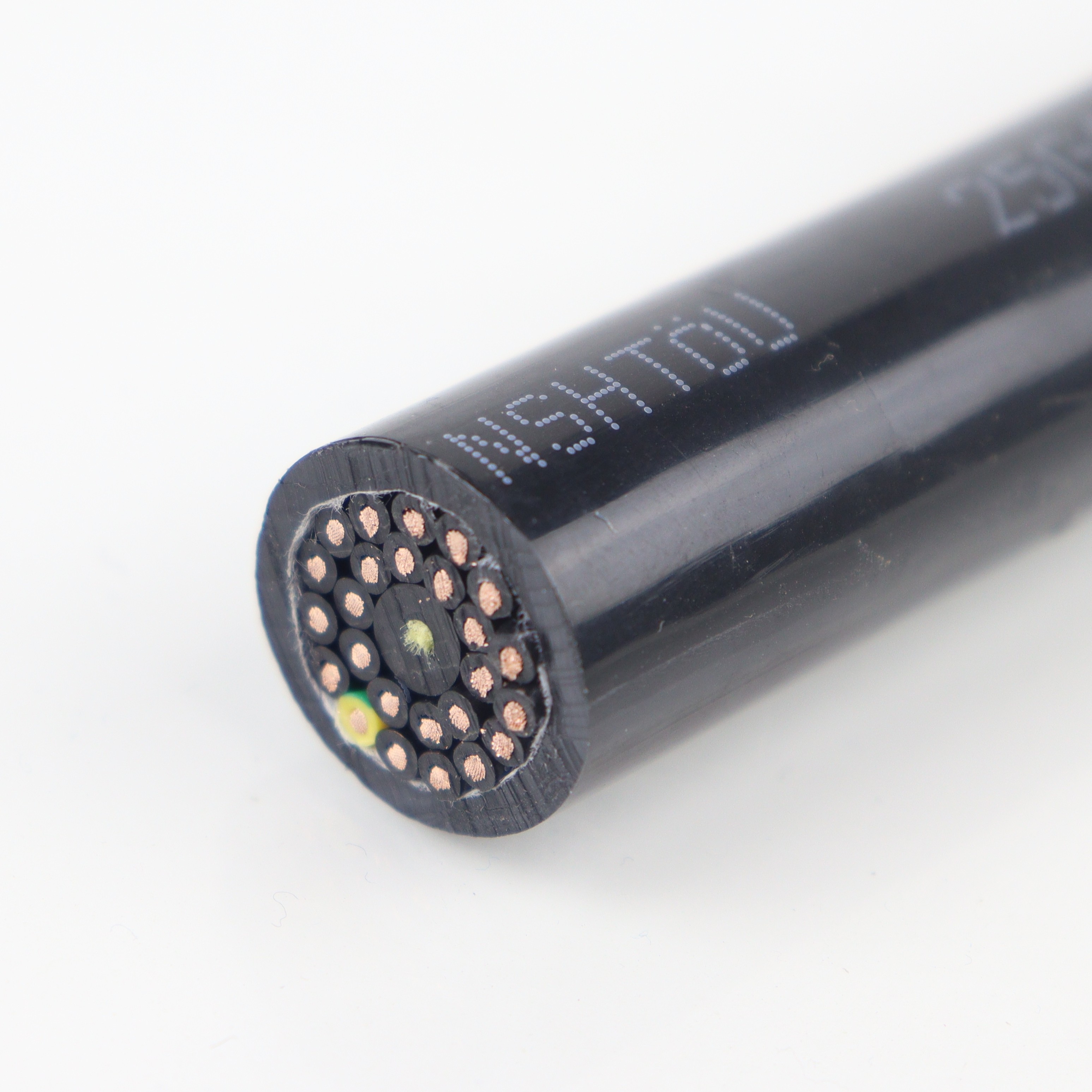
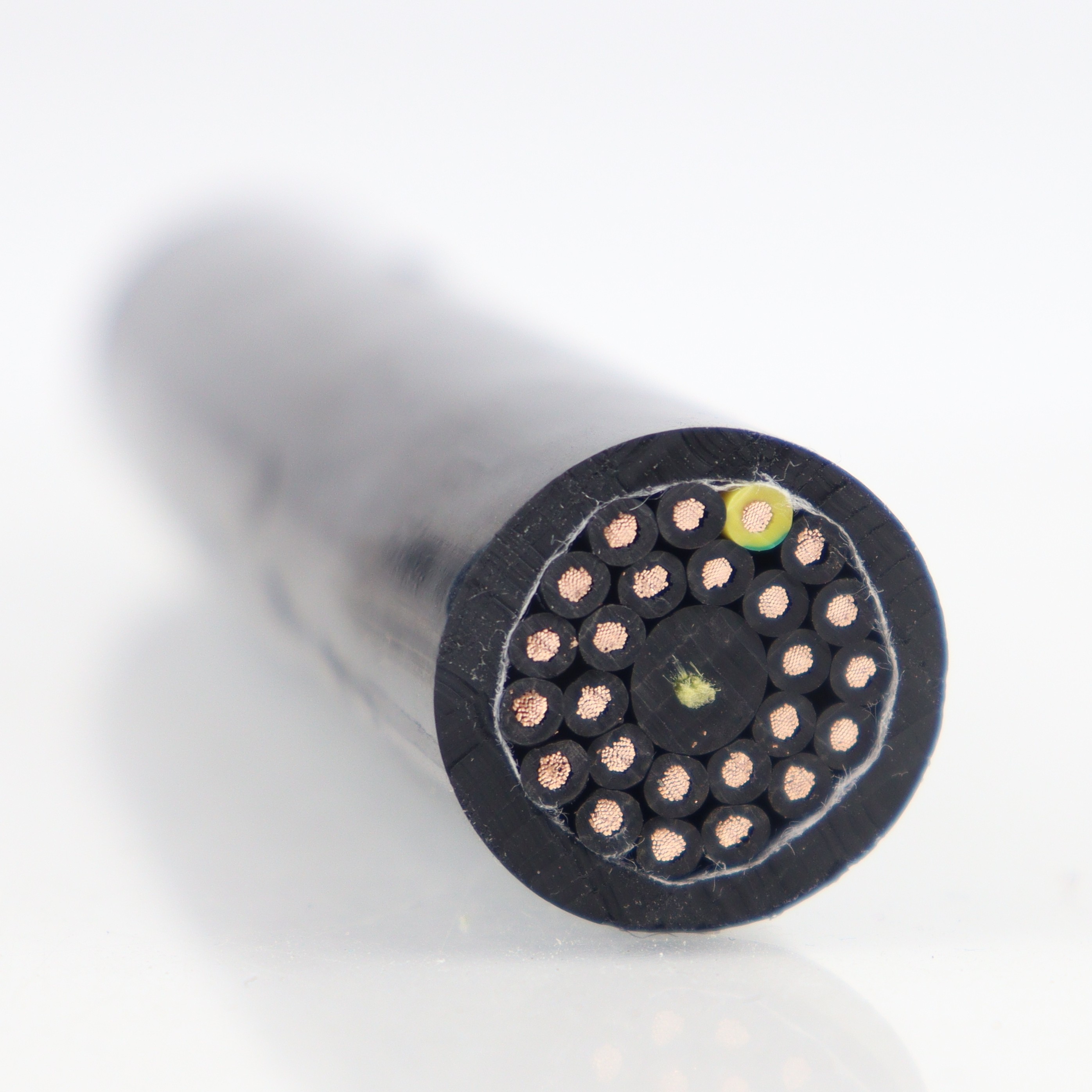
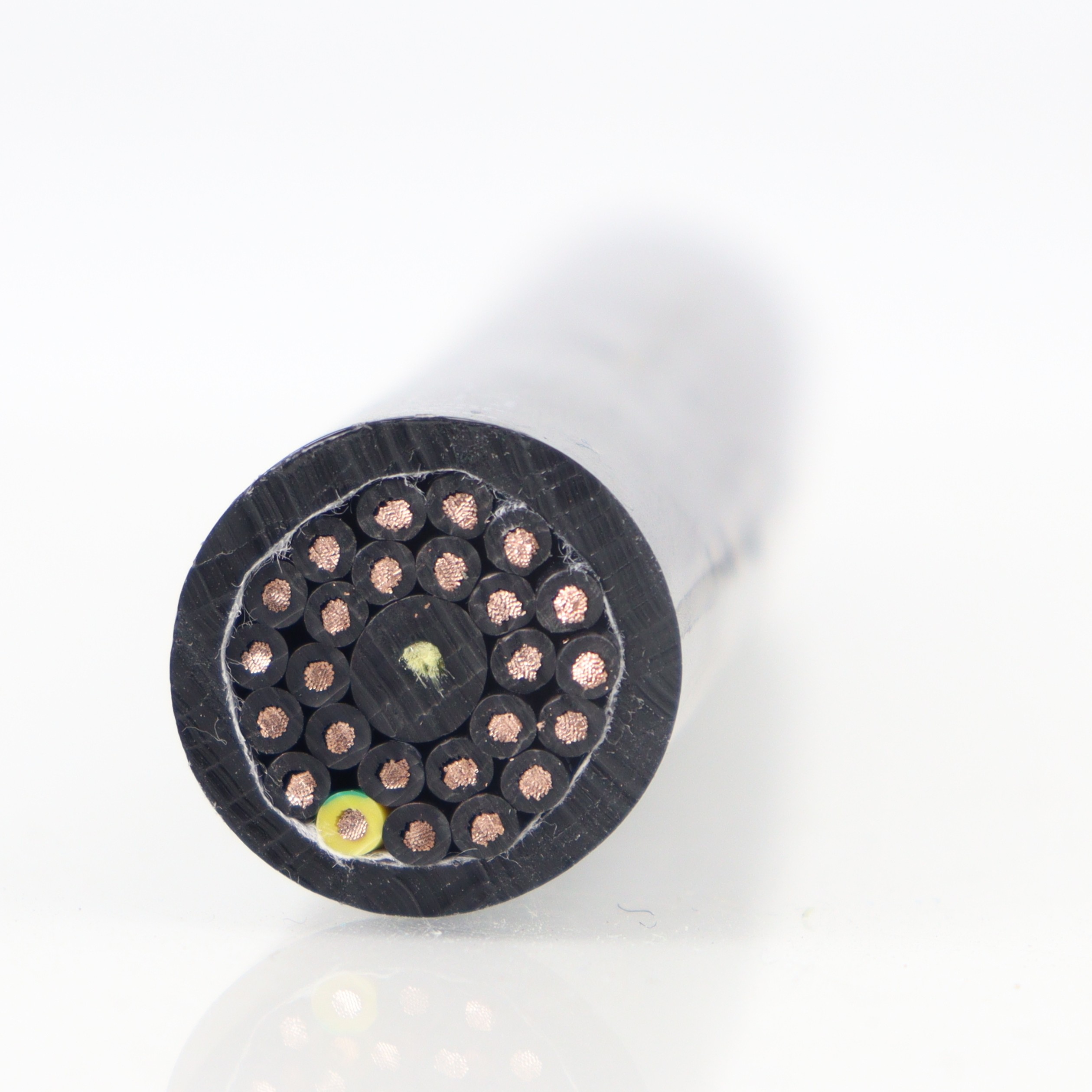
A flex welding cable is a heavy-duty electrical cable designed to carry welding current between a welding machine and an electrode holder, work clamp, or similar connection. The flex welding cable supports stable power transfer while allowing the operator to move freely around the work area. Its main function is to connect equipment safely and efficiently during arc welding, repair work, fabrication, maintenance, and construction. A typical flex welding cable uses finely stranded copper conductors. This construction gives the flex welding cable excellent conductivity and allows repeated bending without quickly becoming stiff. The conductor usually sits inside a strong rubber or thermoplastic jacket that resists abrasion, oil, moisture, sparks, and moderate heat. The flex welding cable can also include a protective separator and color-coded outer covering to simplify installation and daily identification. Its flexible design helps the flex welding cable follow the operator, machine, and workpiece instead of pulling against them. This reduces strain on connectors and makes positioning easier in tight or changing spaces. Available sizes support different current ratings and cable lengths, so buyers can match the flex welding cable to the welding process, duty cycle, and equipment output. Proper sizing remains important because a cable that is too small may overheat, lose power, or shorten service life. The flex welding cable suits workshops, mobile welding units, shipyards, factories, agricultural repairs, and outdoor job sites. When selected correctly, it delivers dependable electrical performance, practical handling, and a safer connection between the power source and welding tool.
The main advantage of a flex welding cable is easier movement. Operators can position the torch, holder, or clamp without fighting a rigid lead. A flex welding cable bends around benches, frames, vehicles, and machinery, which helps teams complete work faster and with less physical effort. Its fine copper strands carry current efficiently, helping maintain a steady arc and consistent weld quality. A correctly sized flex welding cable also limits unwanted voltage drop over practical working distances. The flexible jacket protects the flex welding cable during routine dragging, coiling, and repositioning. This toughness can reduce damage caused by rough floors, sharp edges, sparks, oil, and moisture. Buyers gain a cable that withstands demanding daily use instead of requiring frequent replacement. A flex welding cable also simplifies storage because workers can coil it after use without forcing hard bends. Good flexibility reduces kinks, keeps the work area more orderly, and makes inspection easier. The flex welding cable works well for fixed welding stations, mobile repair trucks, production lines, maintenance teams, and temporary outdoor setups. It supports common arc welding equipment when its size, length, temperature rating, and current capacity match the machine. Buyers should check the welding current, duty cycle, connection type, environment, and required reach before ordering. Choosing a flex welding cable with enough capacity improves safety and protects equipment from excess heat. The right product can also reduce downtime because workers spend less time replacing damaged leads or correcting unstable connections. For portable operations, the flex welding cable offers a useful balance of reach, strength, and manageable weight. For industrial users, it provides repeatable performance across frequent shifts. Its practical value comes from combining electrical efficiency with handling comfort, helping operators work confidently while supporting longer service life and lower ownership costs.

Tips And Tricks

Shanghai Libin Cable Showcases Robot and Automation Cable Solutions at CMES Shanghai Industrial Automation & Robotics Exhibition

16

Oct

Shanghai Libin Cable Showcases Robot and Automation Cable Solutions at CMES Shanghai Industrial Automation & Robotics Exhibition

View More
Shanghai Libin Cable Showcases Crane Cable Solutions at the 11th China (Changyuan) International Crane Equipment Expo

16

Oct

Shanghai Libin Cable Showcases Crane Cable Solutions at the 11th China (Changyuan) International Crane Equipment Expo

View More
Why Drag Chain Cables Fail: Four Common Causes and How to Select Correctly

16

Oct

Why Drag Chain Cables Fail: Four Common Causes and How to Select Correctly

View More
Industrial Robot Combination Cable: Routing Power and Signal Together in a Small-Bend-Radius Drag Chain

16

Oct

Industrial Robot Combination Cable: Routing Power and Signal Together in a Small-Bend-Radius Drag Chain

View More

Get a Free Quote

Our representative will contact you soon.
0/1000
Flexible Movement for Faster Work

Flexible Movement for Faster Work

The defining benefit of a flex welding cable is its ability to move with the operator. Fine-stranded copper gives the flex welding cable a supple feel, so workers can guide a holder or clamp around a vehicle, frame, pipe, or production fixture. Unlike a stiff lead, the flex welding cable does not strongly resist changes in direction. That makes it easier to reach awkward weld points and reposition equipment between passes. Less pulling also reduces fatigue during long shifts. A flex welding cable can be coiled for transport, laid across a shop floor, or routed around temporary barriers without becoming difficult to manage. This flexibility supports repair crews and mobile welders who change locations throughout the day. It also helps fixed workstations stay organized because the flex welding cable follows a controlled path to the workpiece. The result is smoother handling, quicker setup, and more comfortable operation without sacrificing reliable current delivery.
Strong Protection for Demanding Sites

Strong Protection for Demanding Sites

A quality flex welding cable combines a conductive core with a rugged outer jacket. This design helps the flex welding cable resist common workplace hazards, including abrasion, sparks, oil, moisture, and repeated contact with equipment. The jacket protects internal strands while keeping the flex welding cable usable in busy workshops, construction areas, factories, and outdoor repair locations. Better protection matters because cable damage can interrupt work, expose conductors, and create avoidable safety risks. A durable flex welding cable can tolerate regular dragging and coiling when workers handle it correctly. Its surface also makes inspection easier, allowing teams to spot cuts, crushing, or unusual wear before a failure occurs. Buyers can therefore plan replacement more effectively and reduce unexpected downtime. For demanding applications, the flex welding cable provides a practical layer of protection between the electrical path and the surrounding work environment. That supports dependable daily use and a longer working life.
Reliable Power with Practical Choices

Reliable Power with Practical Choices

A flex welding cable helps deliver stable current from the welding machine to the holder or work clamp. Its copper conductor supports efficient power flow, while the flexible structure allows the flex welding cable to maintain a usable connection during movement. When buyers select the correct cross-section and length, the flex welding cable can limit voltage loss and support a steady arc. This improves control and helps produce more consistent welds. Product choice remains important: a flex welding cable for light repair work may differ from one used for high-current industrial welding. Buyers should compare current capacity, duty cycle, insulation rating, connector fit, and working environment. The right flex welding cable can protect equipment, reduce heat buildup, and prevent interruptions caused by an undersized lead. Multiple lengths and sizes also let users avoid paying for unnecessary material or accepting too little reach. In this way, the flex welding cable combines reliable performance with a clear, practical buying decision.