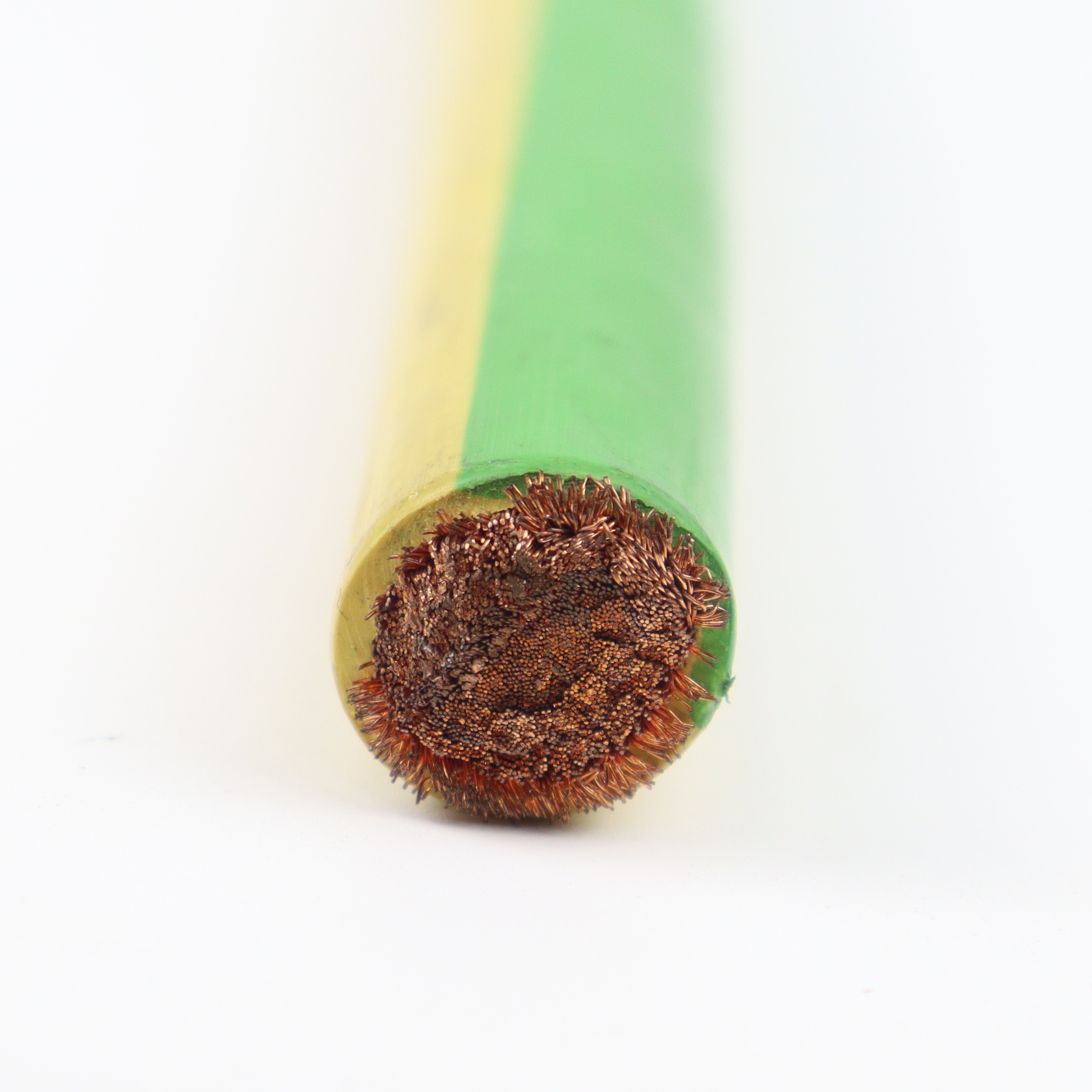
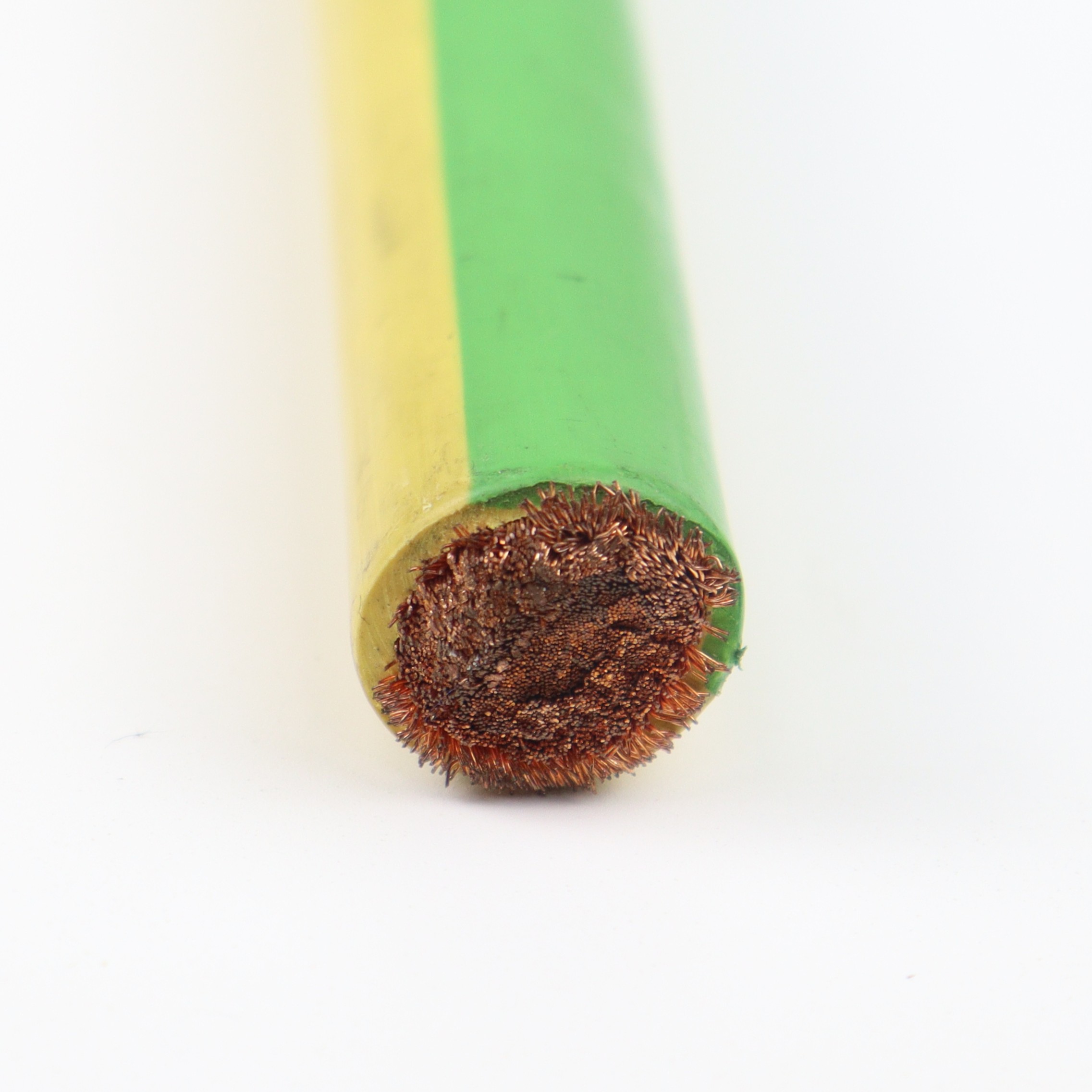
copper flexible cable
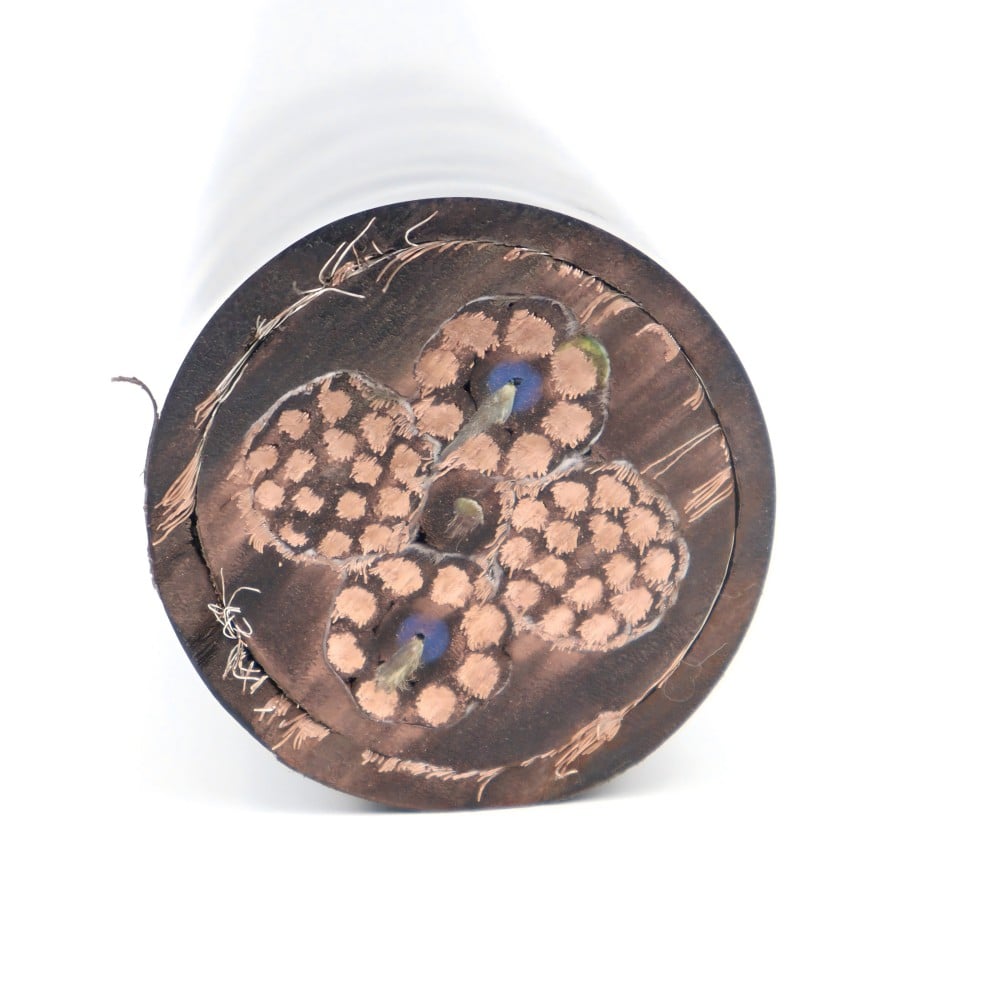
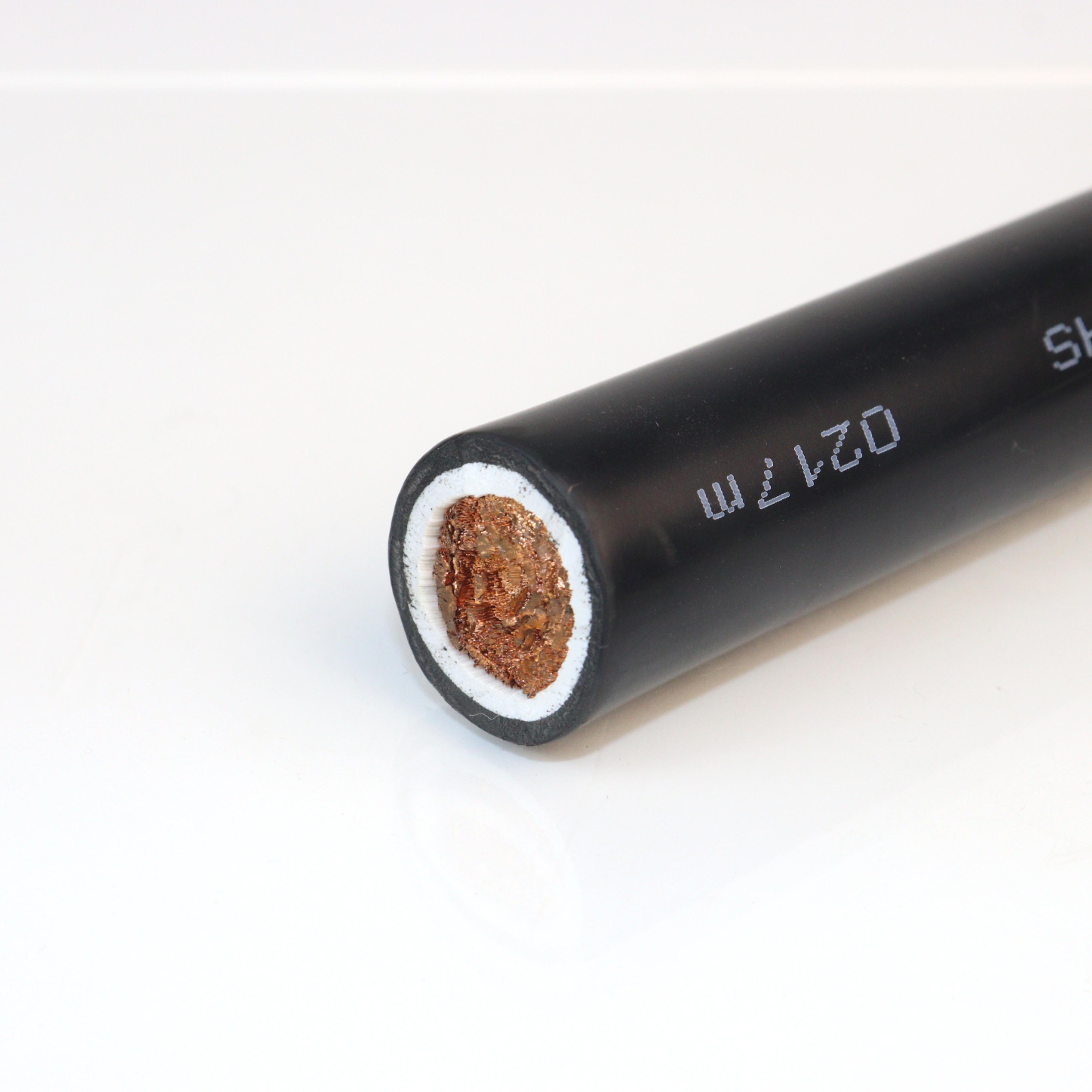
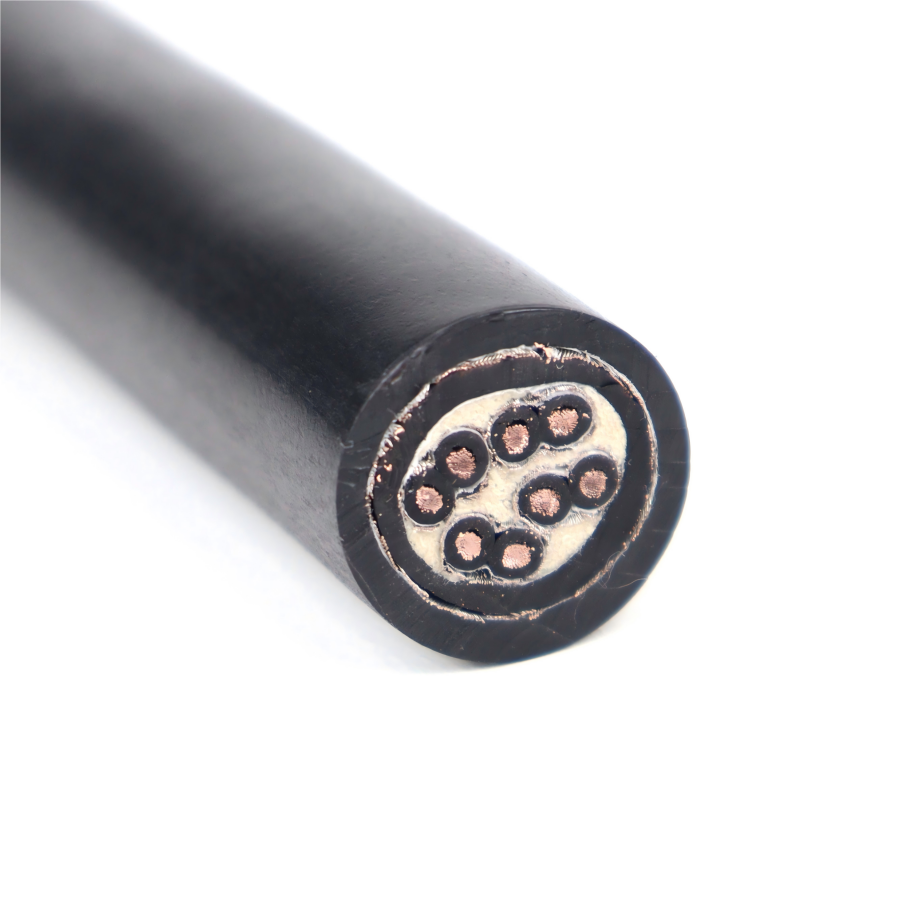
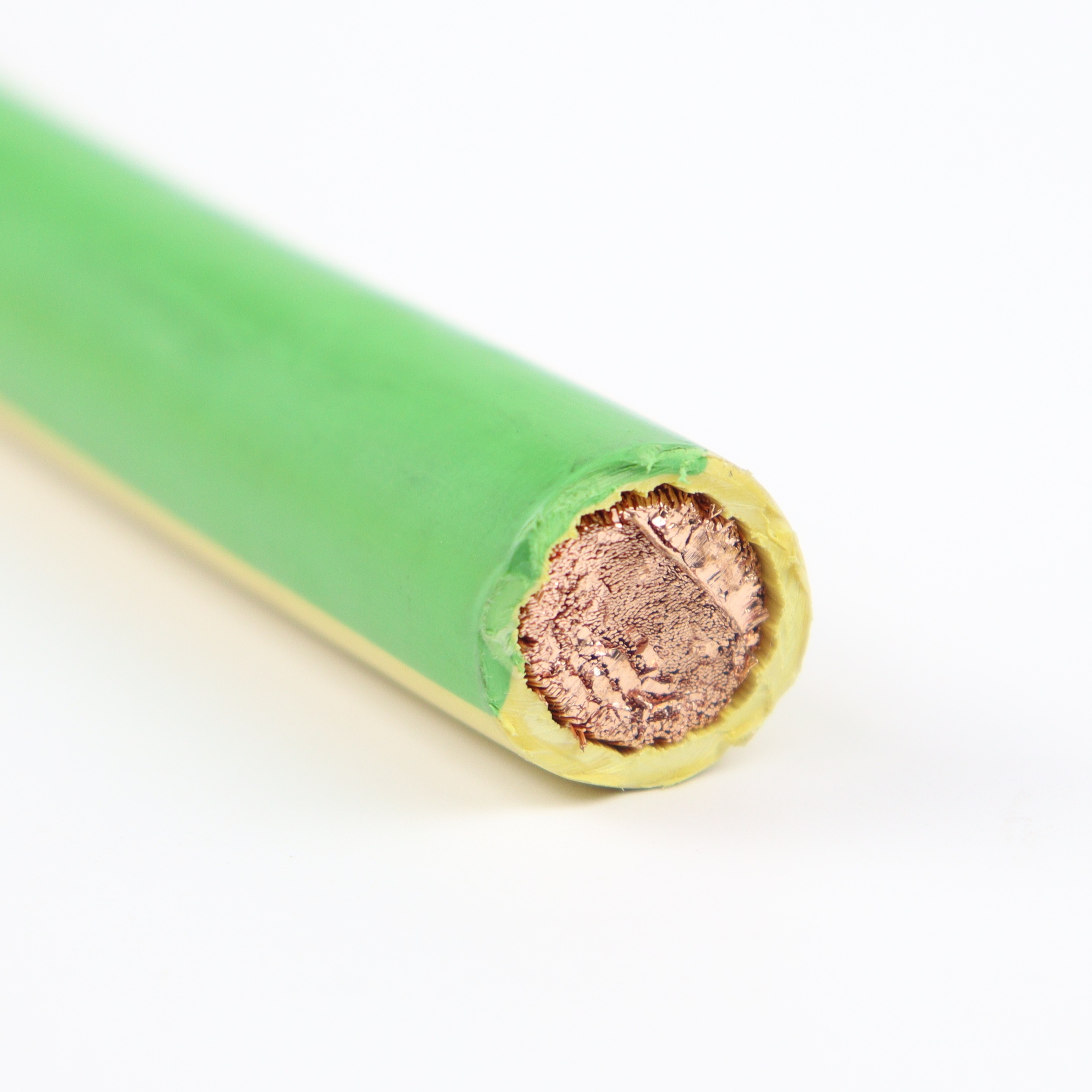
A copper flexible cable is a power and control cable designed to carry electricity while bending, moving, or routing through restricted spaces. Unlike rigid conductors, a copper flexible cable uses many fine copper strands instead of one solid core, allowing smoother installation and repeated movement. Its main function is to connect equipment, distribute power, and support reliable signal or control circuits in homes, buildings, factories, vehicles, and temporary installations. A copper flexible cable normally includes a stranded copper conductor, insulation, and, when needed, an outer protective sheath. The insulation separates the conductor from people, equipment, and nearby cables, while the sheath helps resist moisture, abrasion, oil, sunlight, and mechanical contact. A copper flexible cable may use PVC, rubber, silicone, or other insulation materials selected for temperature, voltage, and environment requirements. Available conductor sizes support low-current controls, general power distribution, and higher-load machinery connections. A copper flexible cable can also include multiple cores, color identification, shielding, or a protective armor layer for specialized installations. Its flexibility makes routing around corners, through cable trays, and inside moving systems easier. A copper flexible cable supports dependable current flow because copper offers excellent electrical conductivity and stable connection performance. Product selection should consider rated voltage, current capacity, operating temperature, bend radius, jacket material, and installation conditions. A copper flexible cable built to recognized safety standards can help reduce overheating, connection faults, and premature replacement. For buyers, the correct copper flexible cable balances electrical performance, movement capability, durability, and total installation cost.