high flex cable
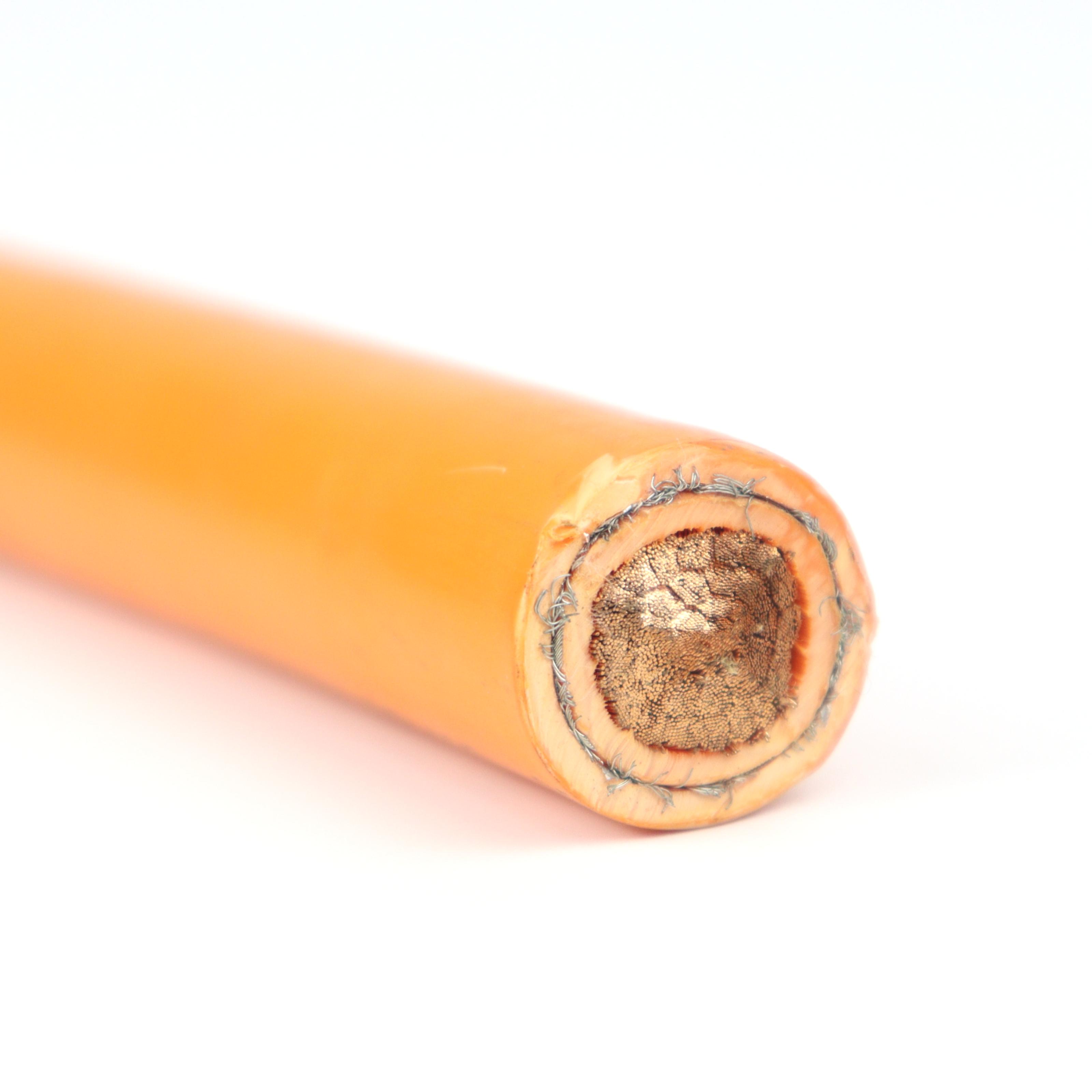
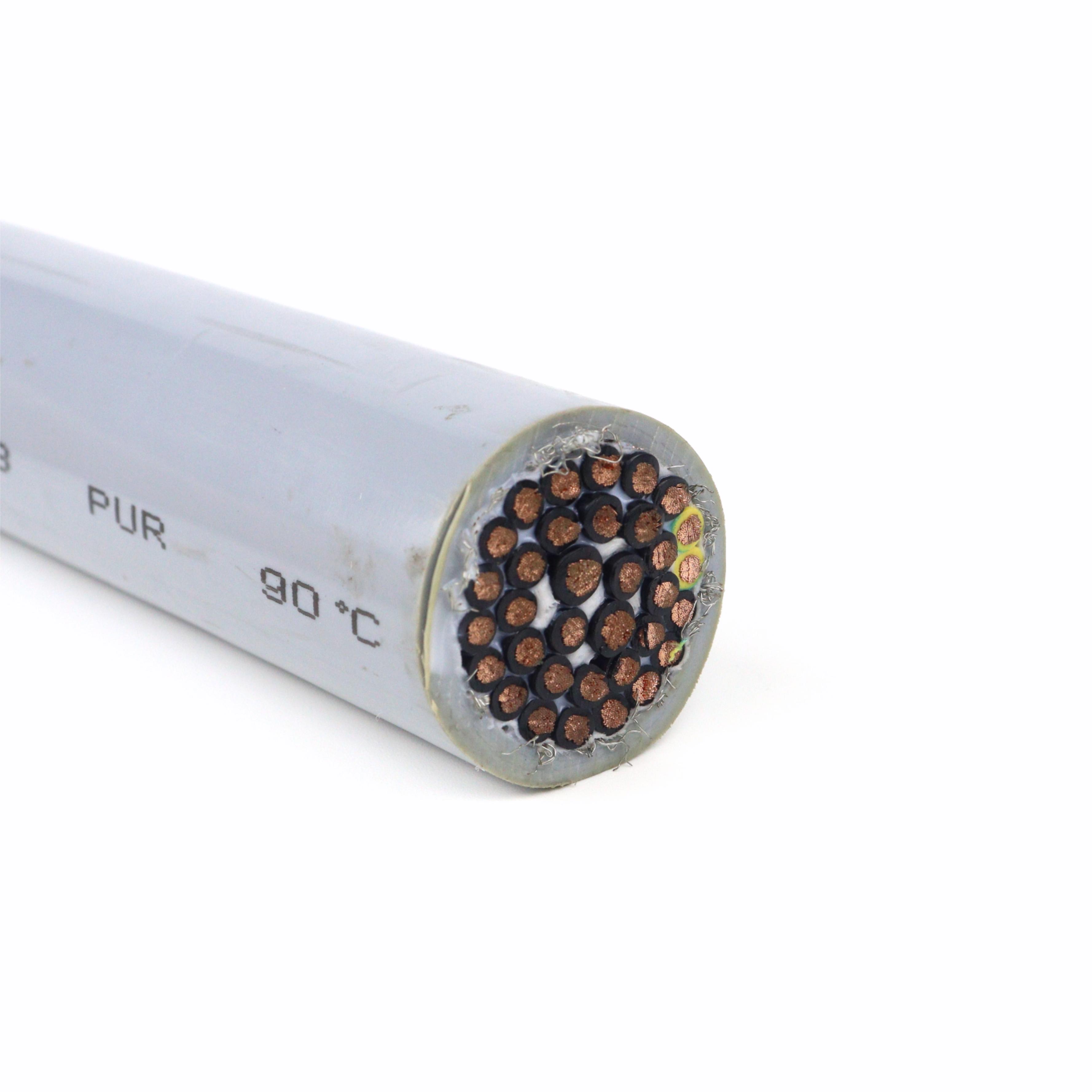
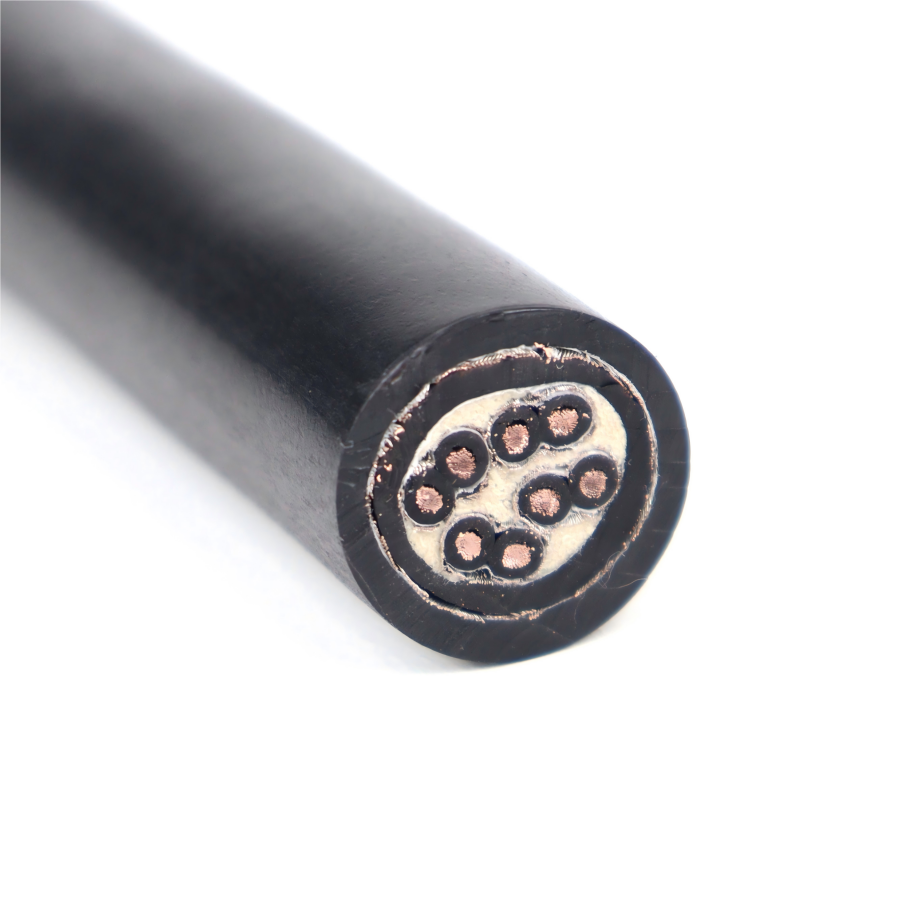
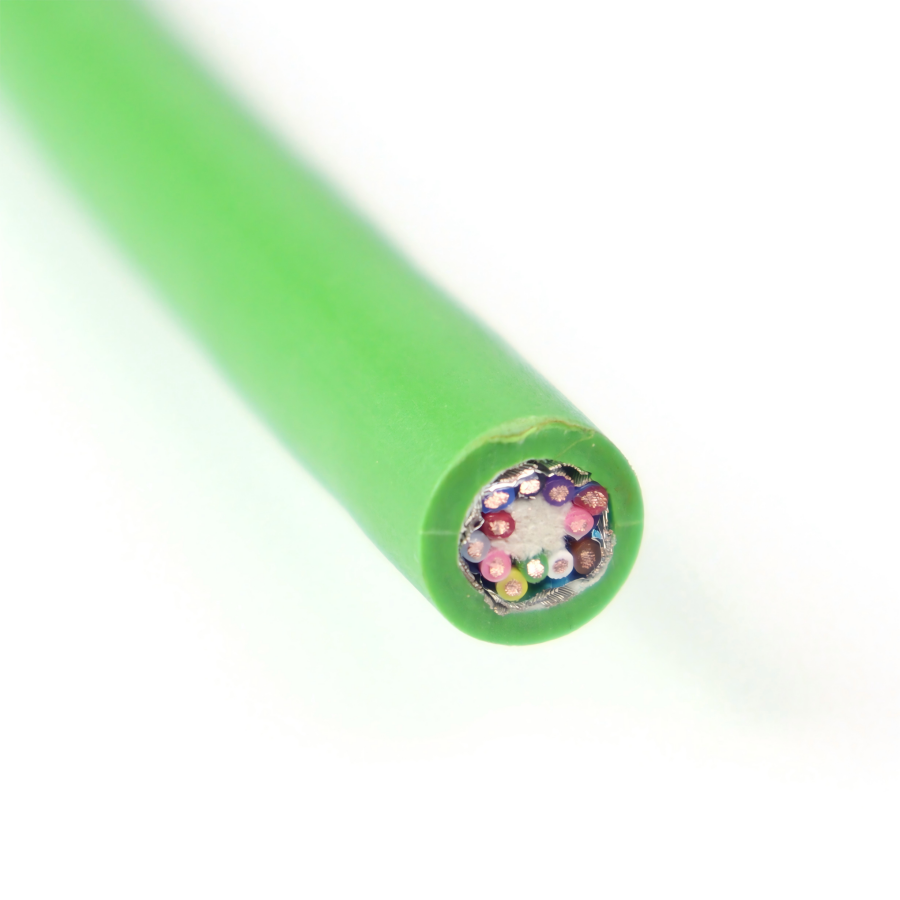
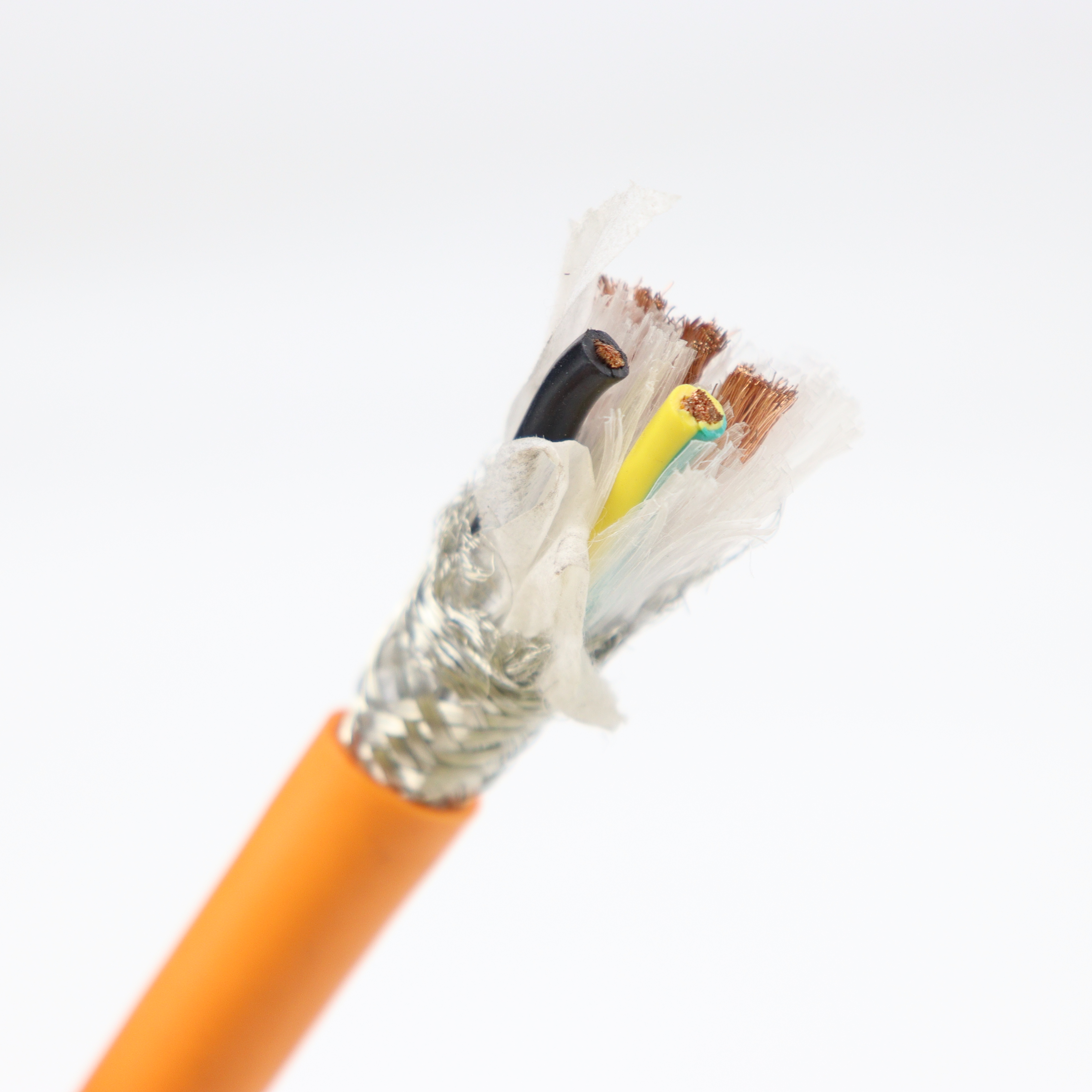
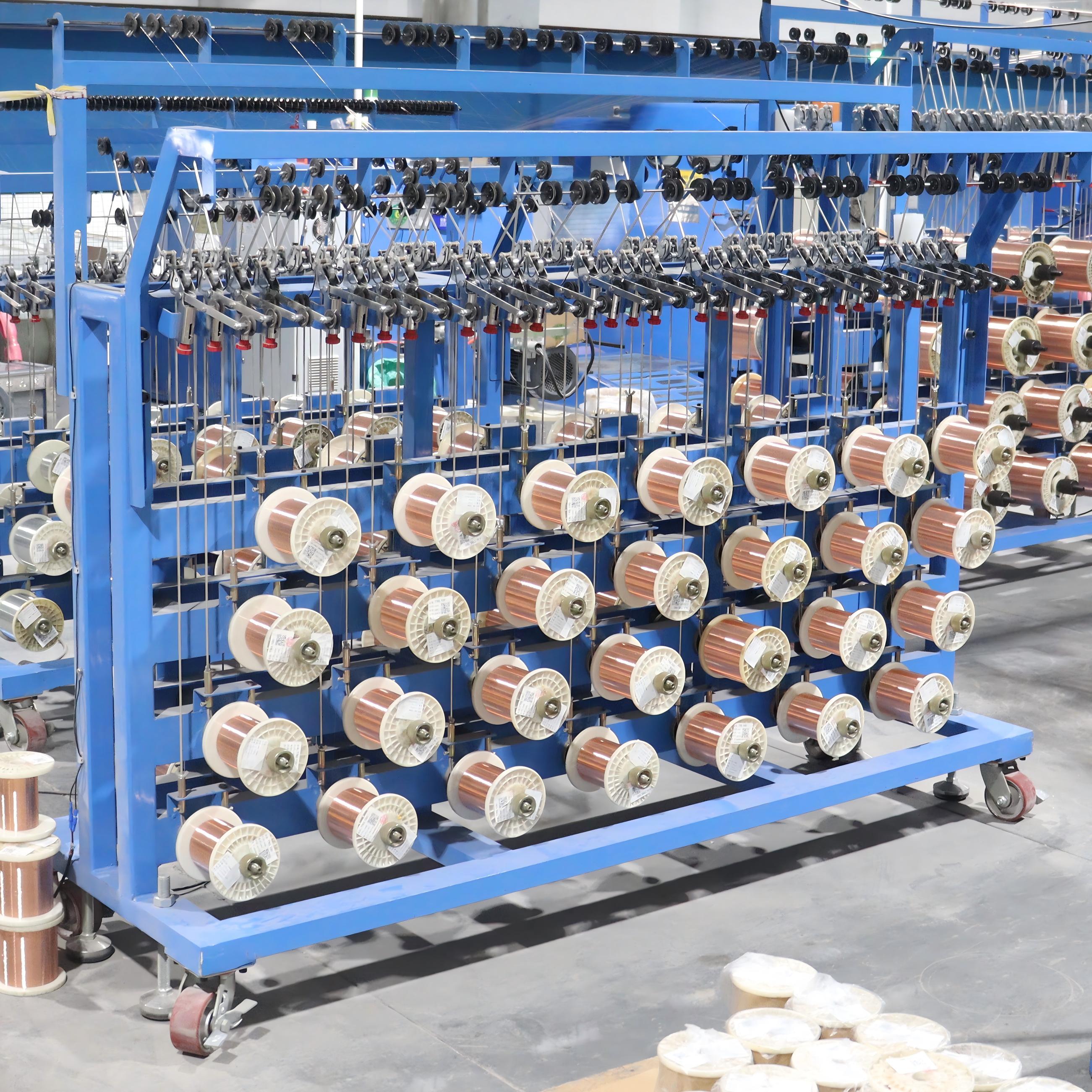
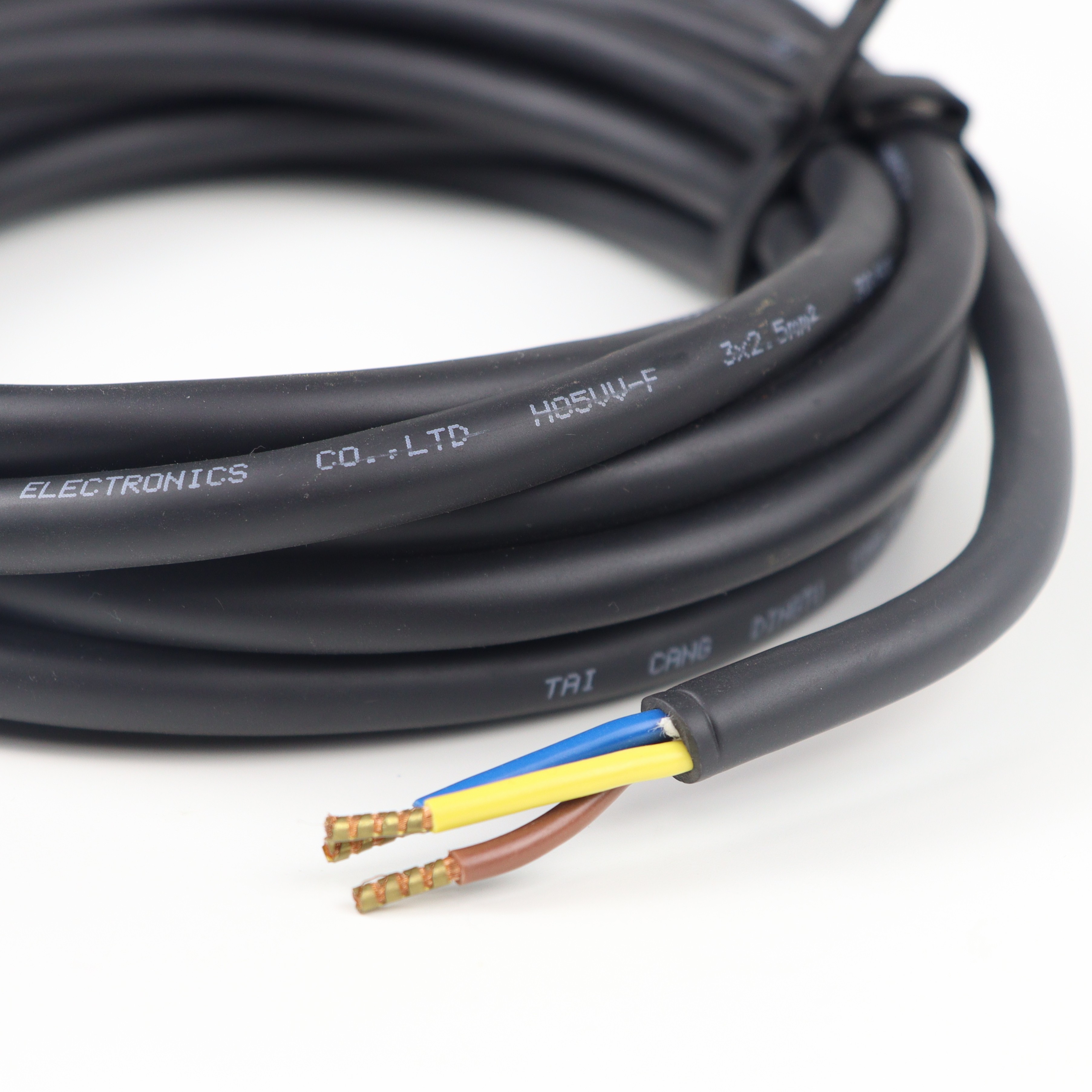
A high flex cable is designed to carry power, control signals, data, or sensor readings while bending repeatedly during machine operation. Unlike a standard fixed cable, a high flex cable uses finely stranded conductors, flexible insulation, and a carefully controlled internal structure to handle constant movement without early failure. This high flex cable suits equipment with drag chains, sliding sections, rotating joints, robotic arms, or compact moving assemblies. A high flex cable can move through a defined bend path thousands or millions of times, depending on its construction, installation, speed, and bend radius. Its main functions include stable electrical transmission, reliable communication, and safe power delivery in spaces where parts cannot remain still. The high flex cable may include copper conductors, shielding, fillers, separators, jackets, and protective layers selected for the working environment. These features help control electrical noise, reduce friction, and protect the core from oil, dust, moisture, abrasion, and temperature changes. A high flex cable is available with different conductor counts, voltage ratings, sizes, jacket materials, and connector options. For machine builders, the high flex cable supports clean routing and helps prevent unexpected cable replacement. For maintenance teams, a correctly specified high flex cable makes movement easier to inspect and troubleshoot. Unlike a basic flexible wire, this product is engineered for repeated mechanical stress rather than occasional repositioning. Choosing the correct high flex cable requires attention to travel length, bend radius, motion pattern, load, temperature, and chemical exposure. In short, the high flex cable provides dependable connection performance where ordinary cable designs may crack, twist, or wear quickly.