flexible cable
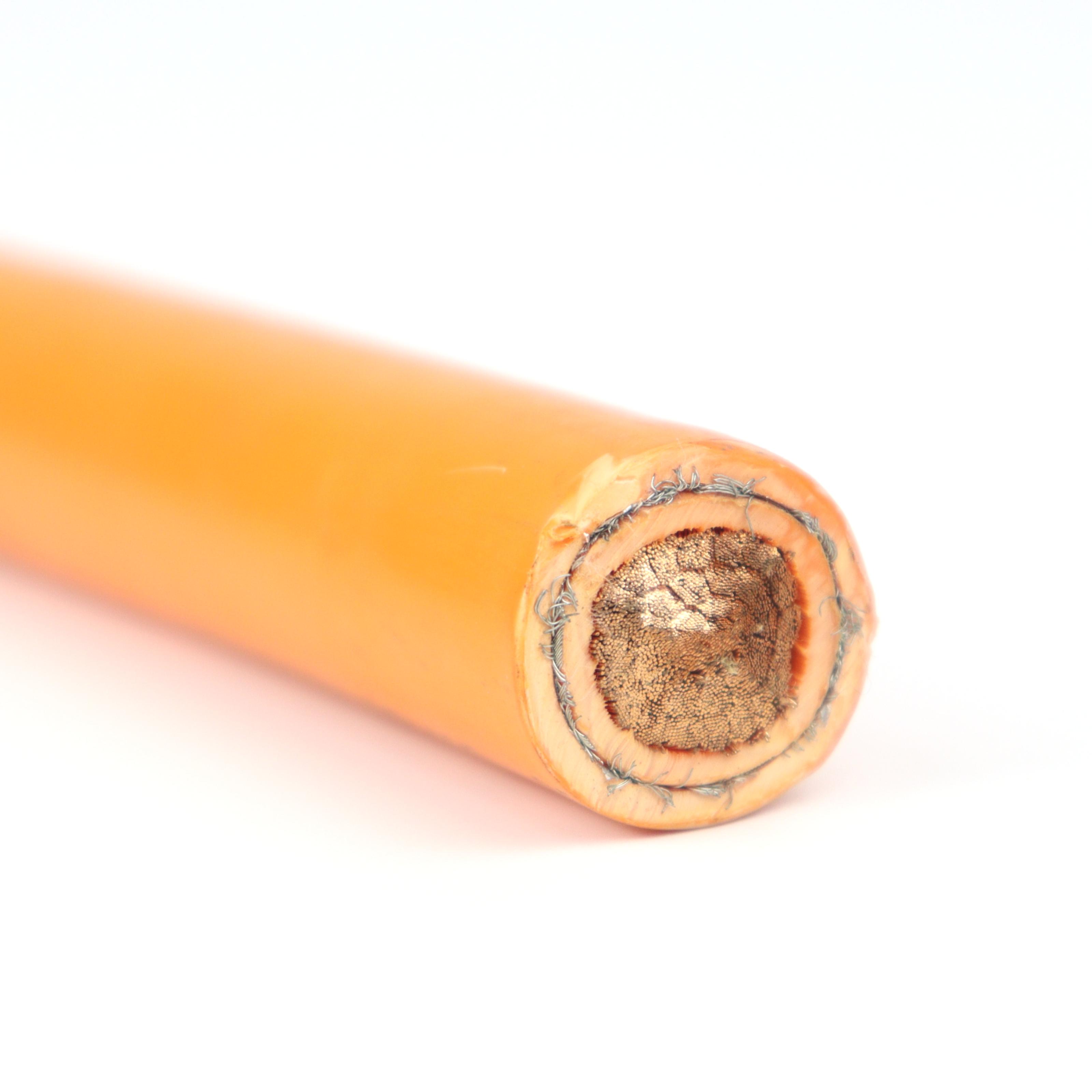
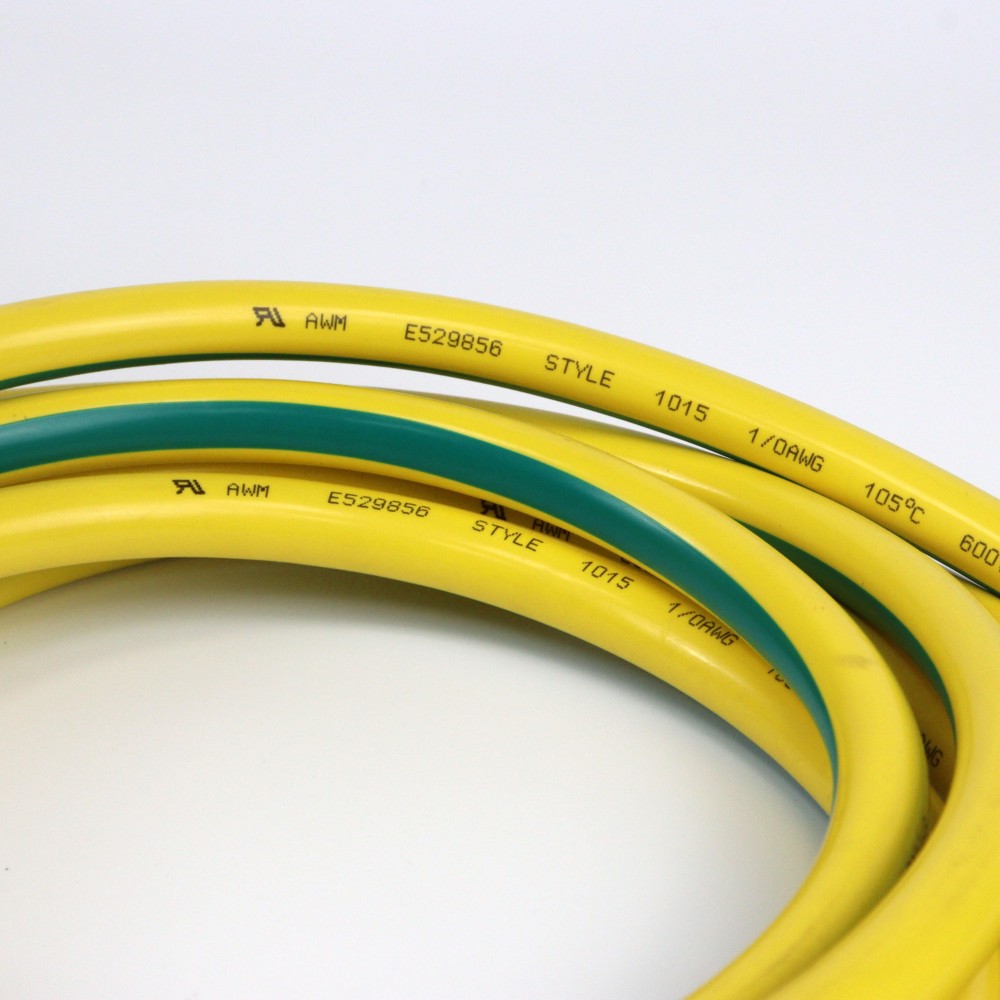
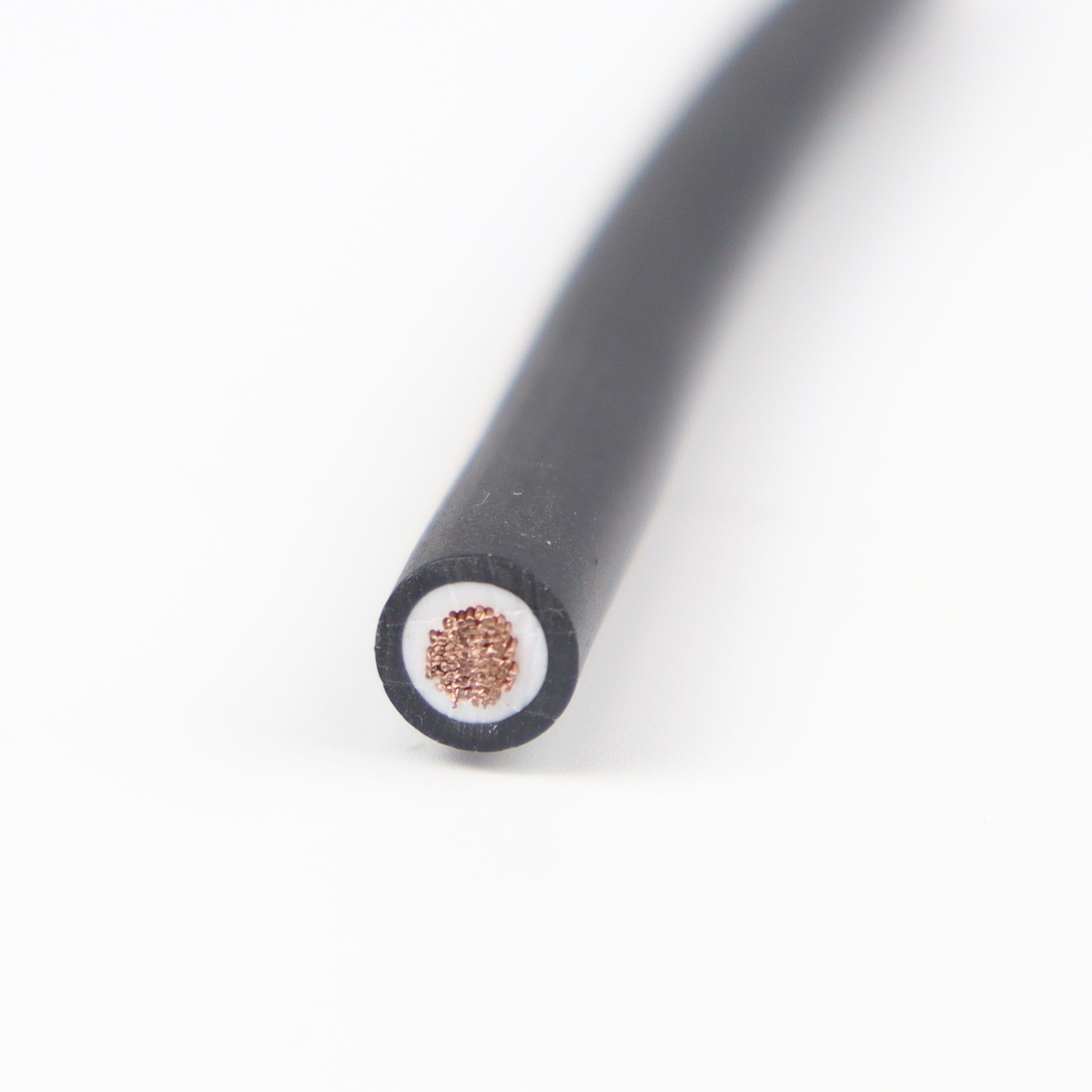
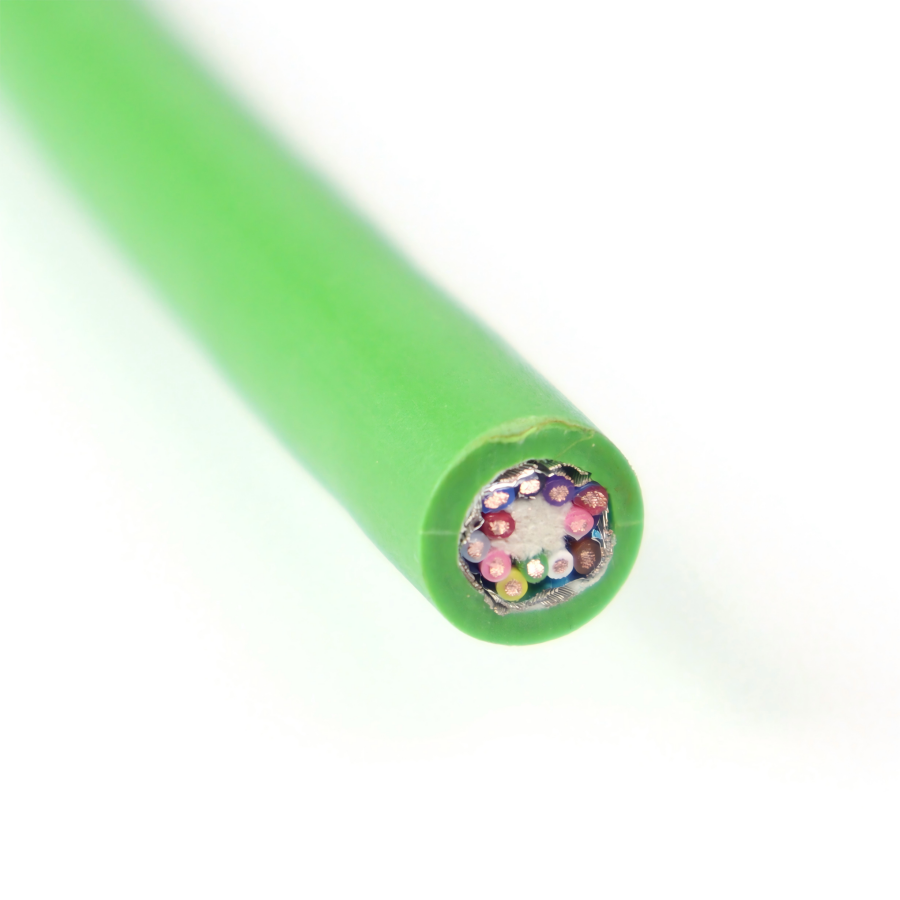
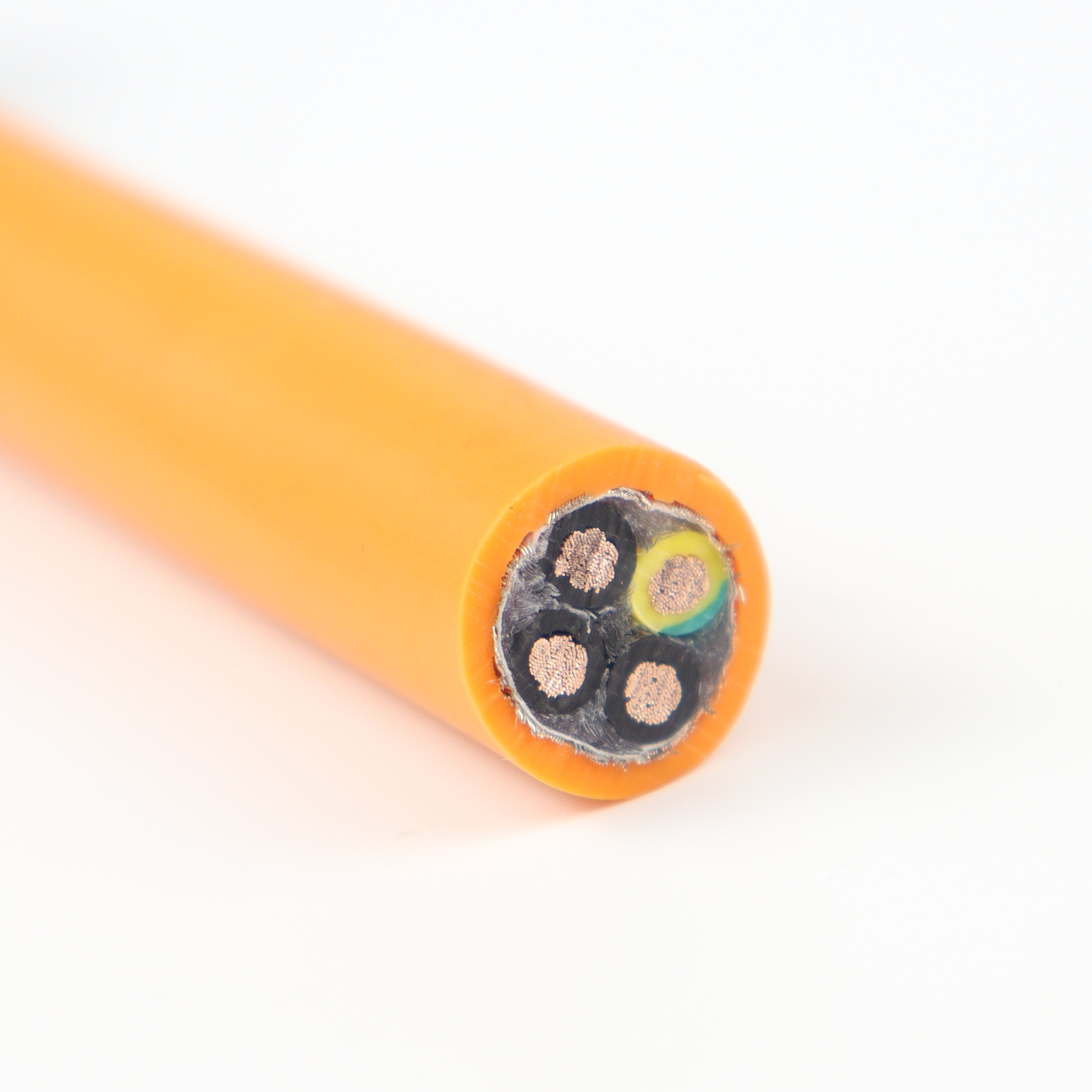
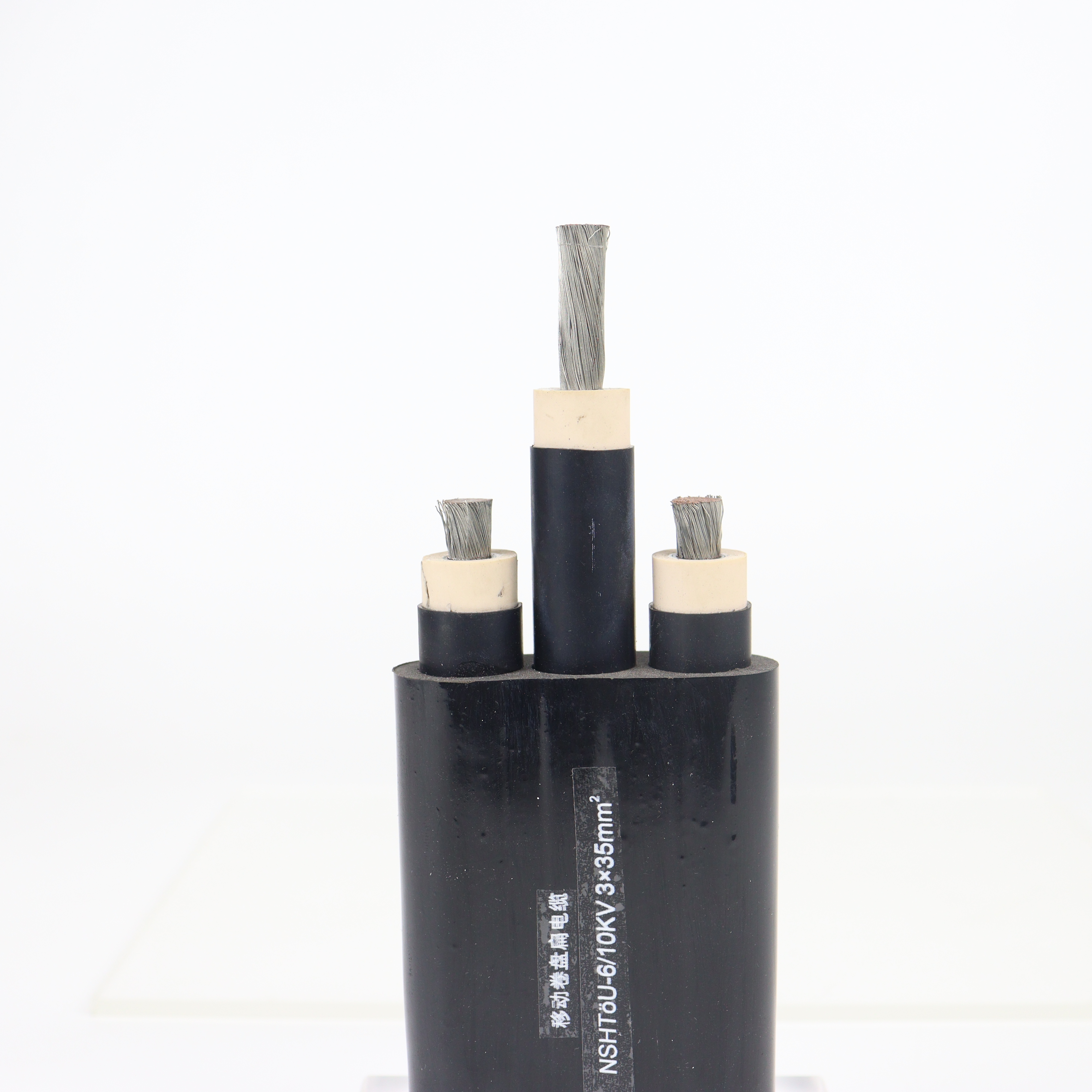
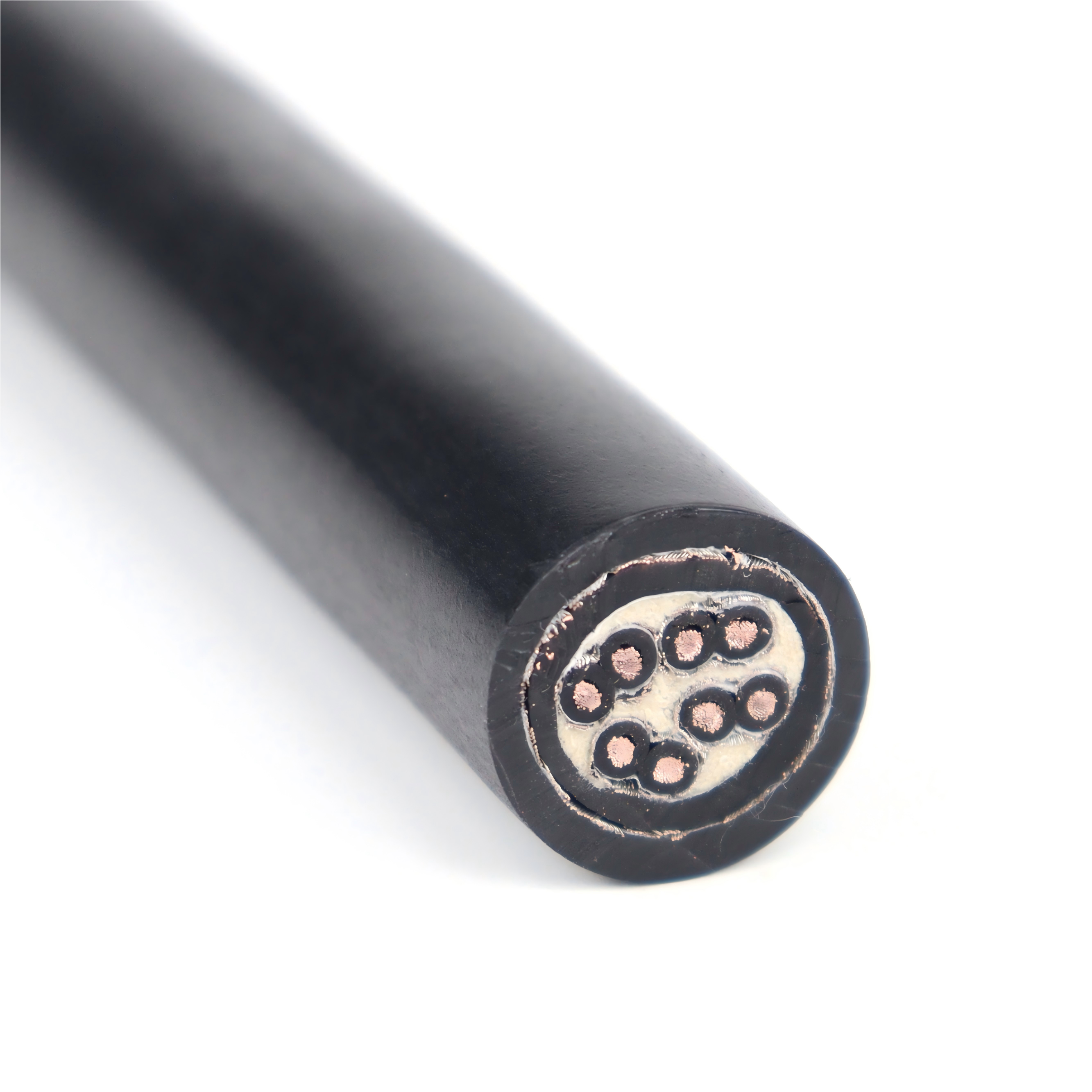
A flexible cable is an electrical cable designed to bend, twist, and move repeatedly while carrying power, signals, or both. Unlike a fixed cable, a flexible cable supports equipment that changes position during normal operation. It helps connect motors, sensors, control panels, tools, machines, and moving assemblies without restricting travel. The flexible cable can be selected for power transmission, data communication, control circuits, or combined duties, depending on conductor size and construction. Its main functions include delivering stable current, transferring accurate control signals, and maintaining a dependable connection through repeated movement. Common designs use finely stranded copper conductors, protective insulation, filler materials, and a durable outer jacket. Fine stranding gives the flexible cable better bending performance than a solid-core product. Many versions also include shielding to reduce electrical interference near motors, drives, and communication equipment. Special jackets can resist oil, abrasion, moisture, heat, cold, chemicals, and outdoor exposure. Some products suit continuous motion in drag chains, robotic arms, automated equipment, and portable tools, while others support occasional movement in machines and cabinets. Length, voltage rating, conductor count, bend radius, temperature range, and jacket material are important selection factors. A correctly matched flexible cable reduces connection stress and supports consistent equipment performance. It also simplifies routing in compact spaces because it can follow curves and move with the connected device. For buyers, the right flexible cable combines electrical safety, mechanical durability, and practical installation convenience in one connection solution. Before purchase, check the equipment rating, movement pattern, environment, connector type, and required certification. This ensures the flexible cable performs reliably throughout its planned service life.