2.5 mm flex cable for Reliable Connections

application/25-mm-flex-cable, application/25-mm-flex-cable, 
Inquiry
Inquiry

2.5 mm flex cable

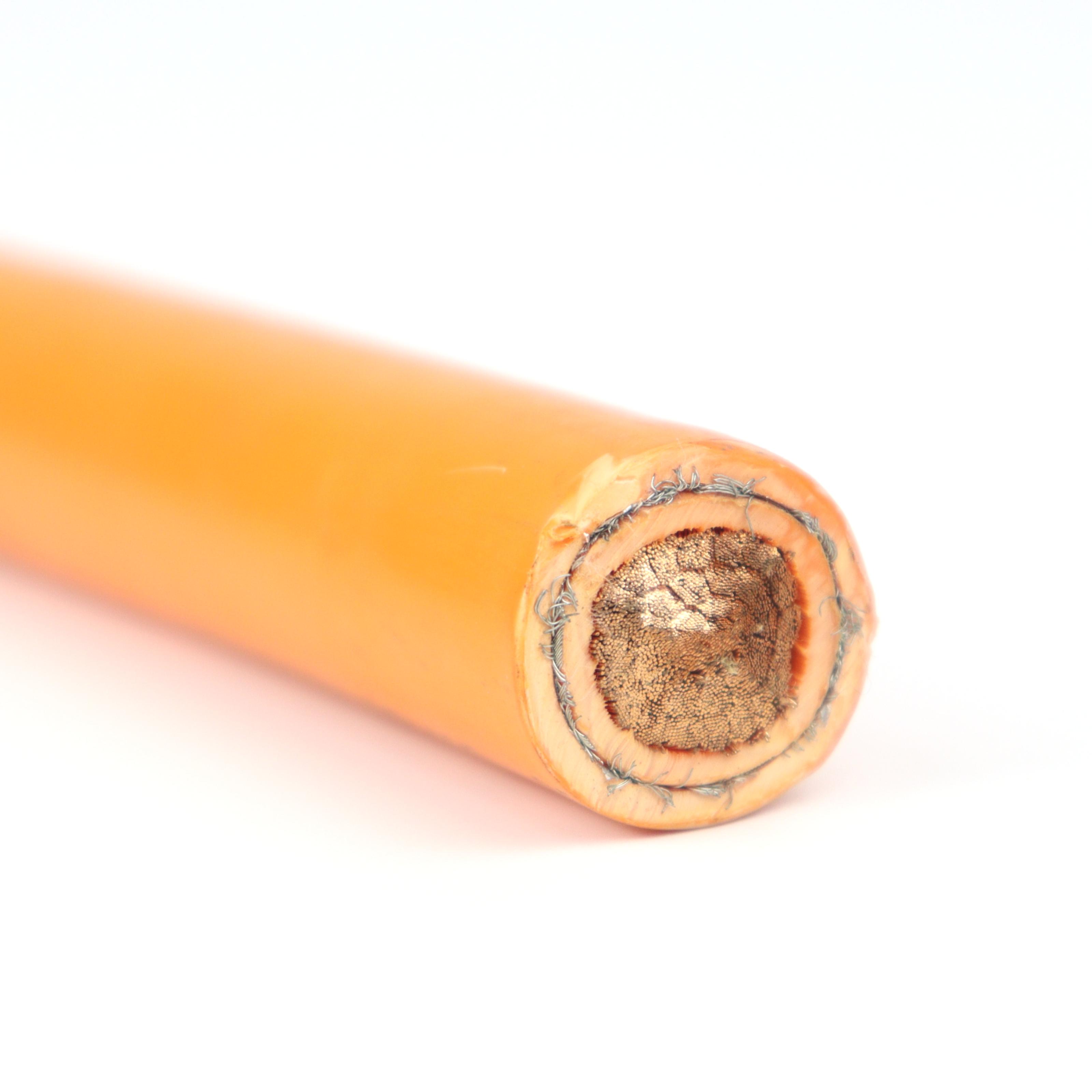
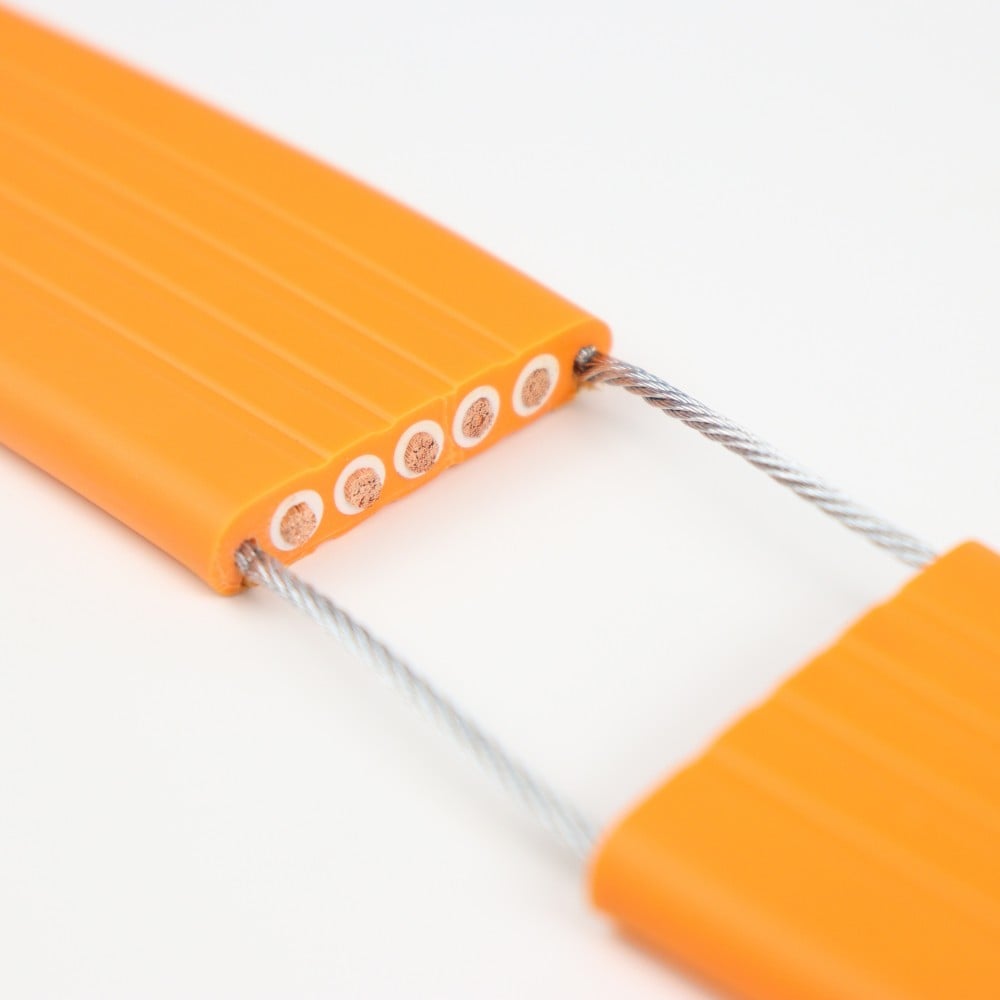
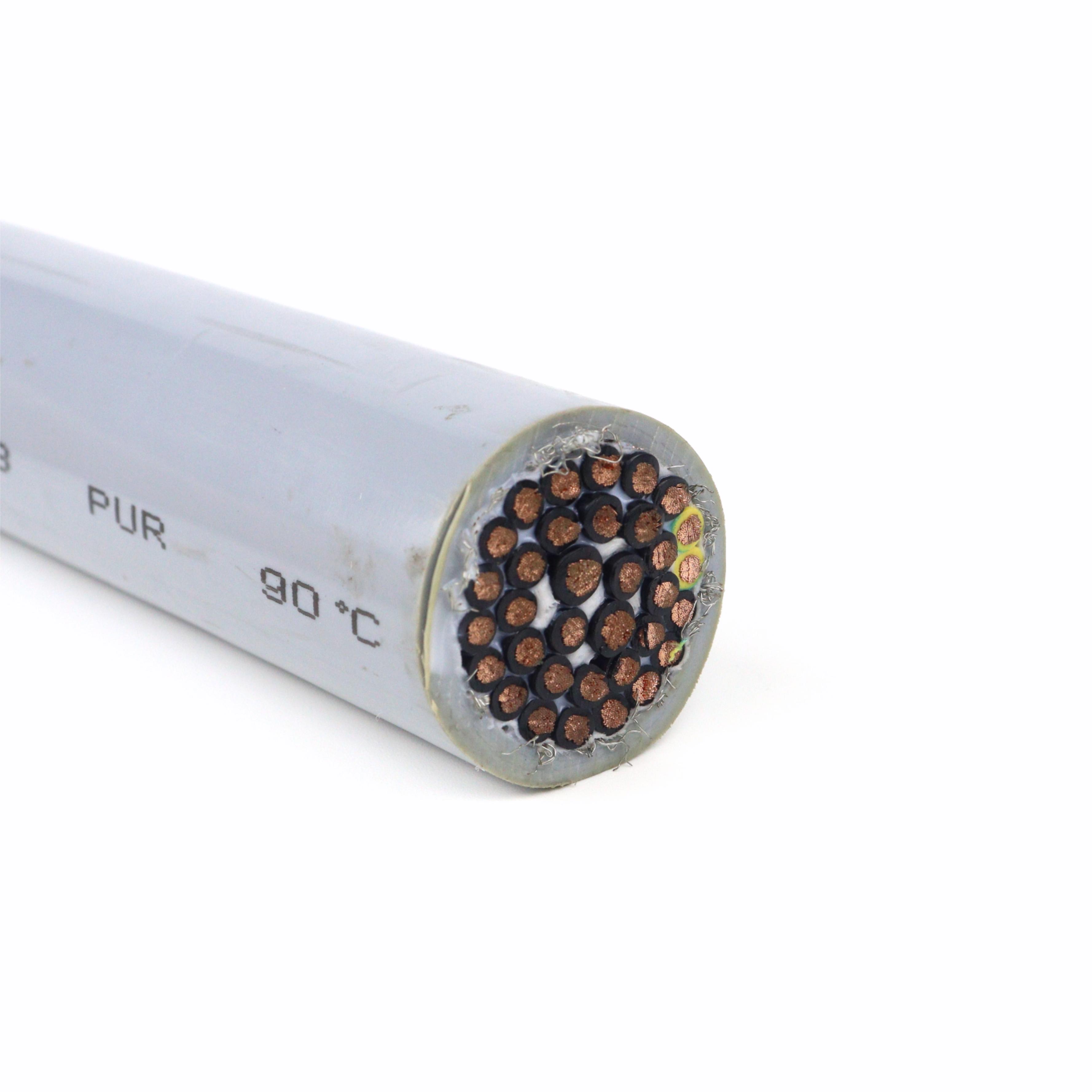
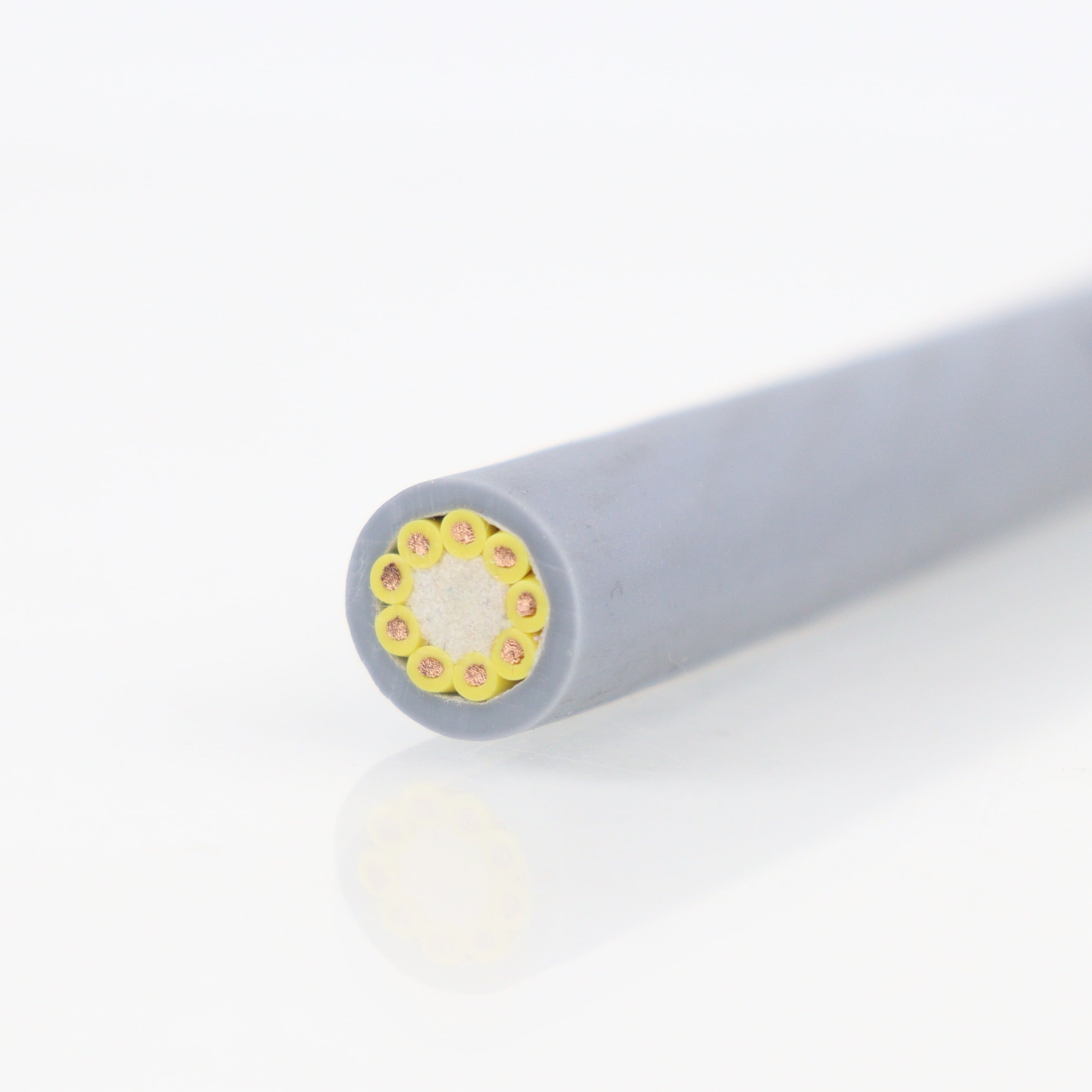
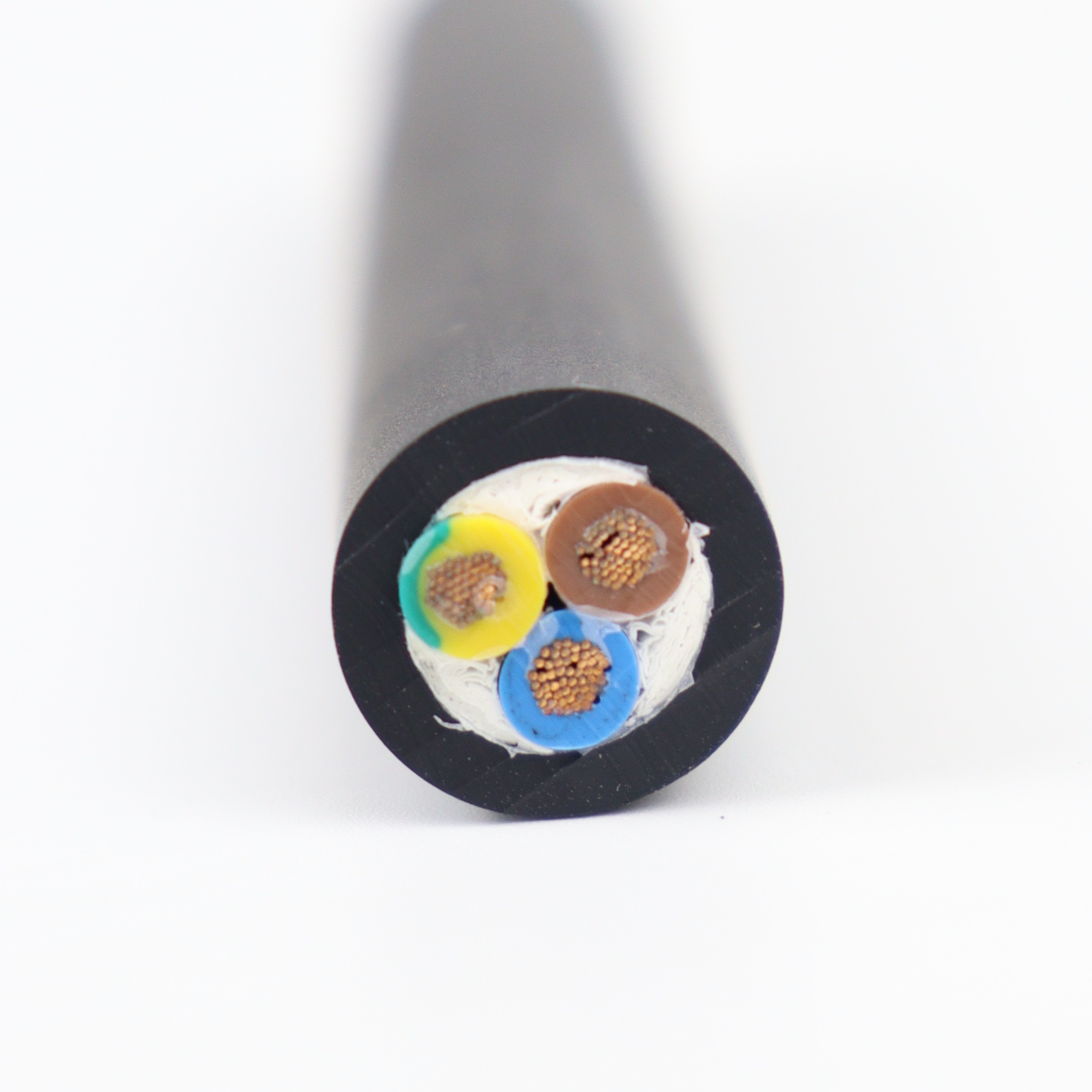
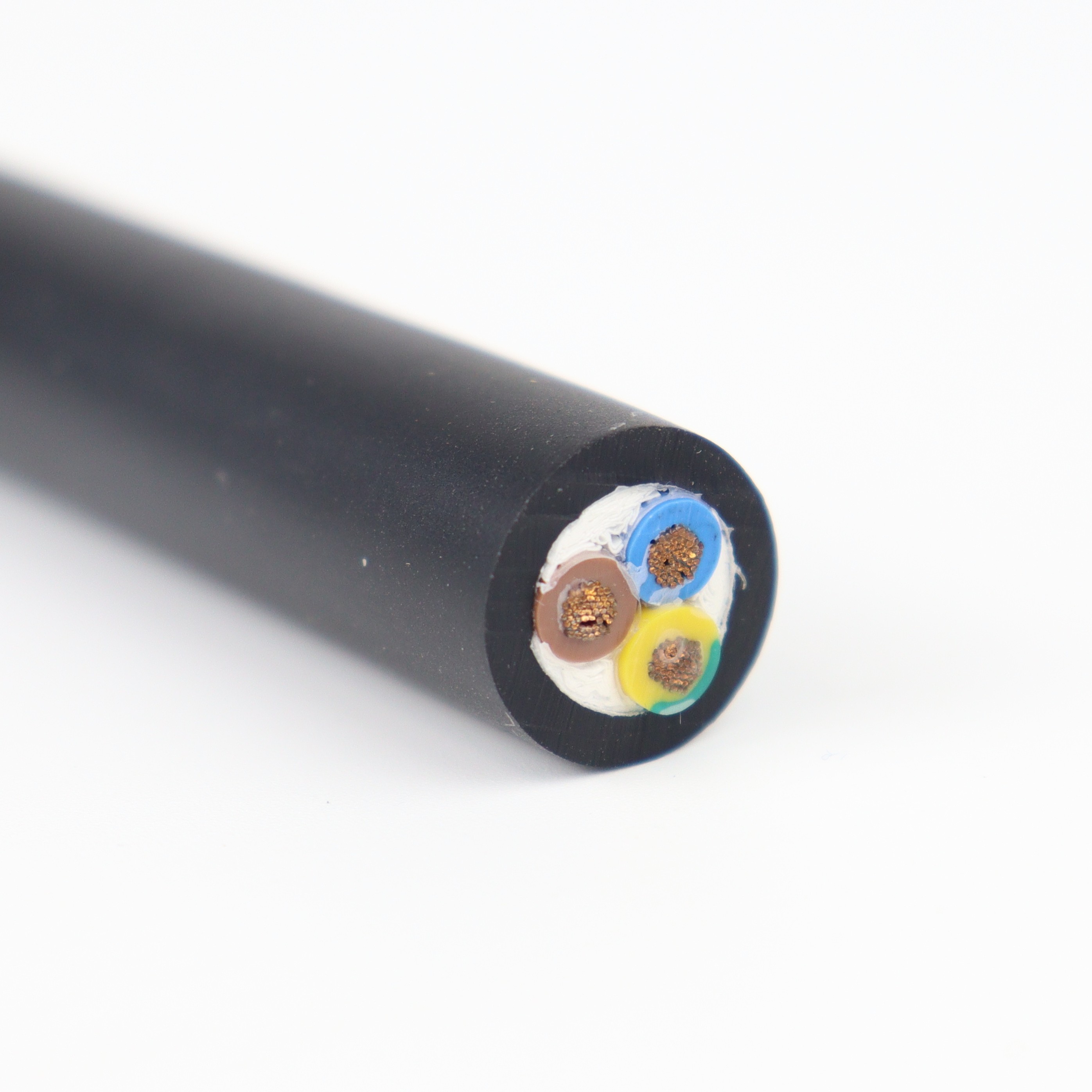
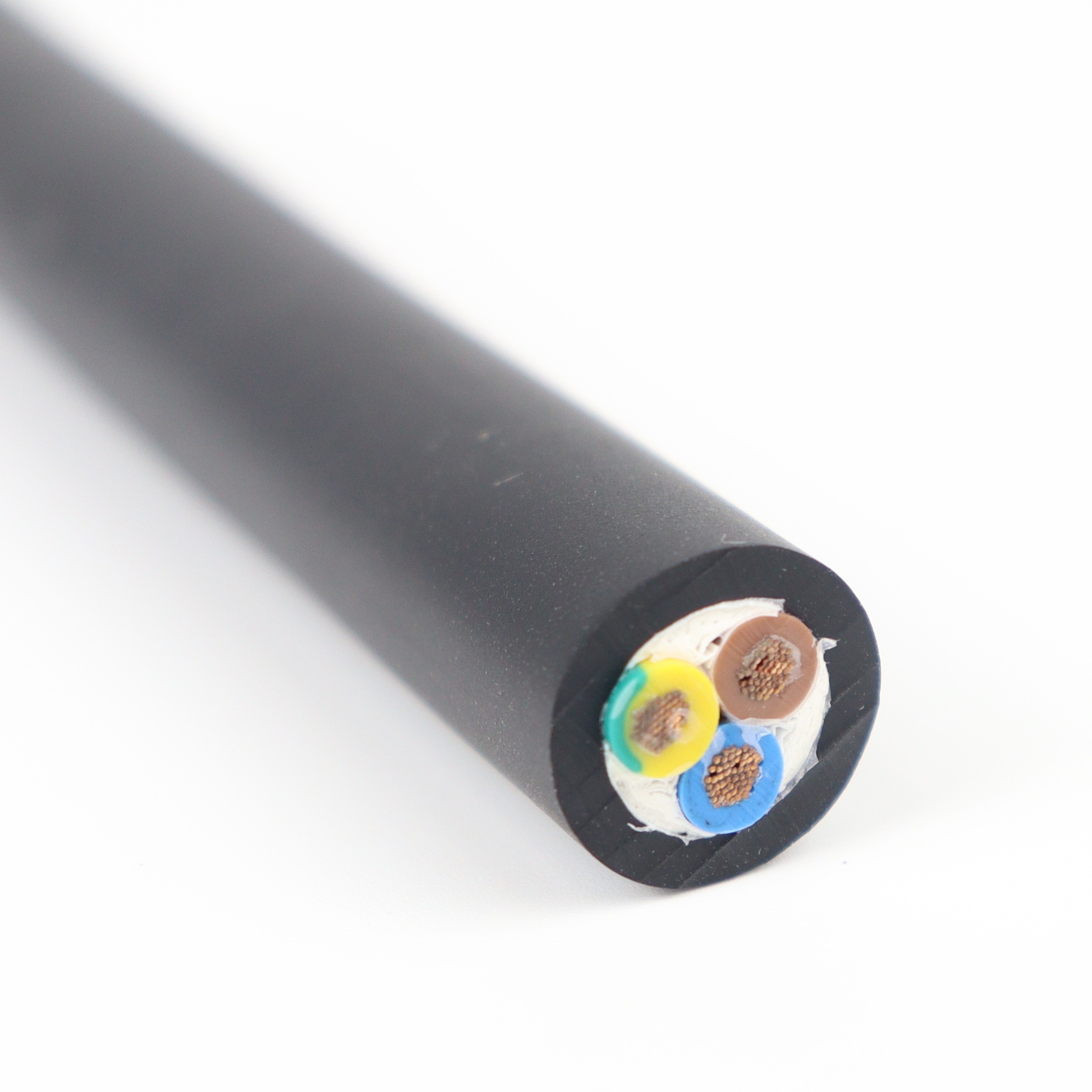
A 2.5 mm flex cable is a compact, bendable cable designed to carry electrical power or signals through equipment where space and movement matter. The 2.5 mm flex cable uses flexible conductors, protective insulation, and an outer jacket that supports repeated routing without taking up the space required by rigid wiring. Its size makes the 2.5 mm flex cable suitable for tight panels, moving assemblies, small devices, and organized control cabinets. Depending on the design, it may use copper conductors for efficient current flow, fine strands for easier bending, and a durable jacket that resists abrasion, moisture, heat, or common oils. The 2.5 mm flex cable can support power delivery, signal transmission, grounding, sensor connections, and internal device wiring. Connector choices may include bare ends, terminals, plugs, or custom molded ends, allowing the 2.5 mm flex cable to match different installation methods. Its technology focuses on reliable conductivity, controlled flexibility, and stable performance during motion. A well-made 2.5 mm flex cable also reduces bending stress by spreading movement across many fine strands instead of one stiff core. This helps protect connections and extend service life. Buyers should check voltage, current, conductor material, insulation rating, bend radius, length, connector type, and operating temperature before selection. The 2.5 mm flex cable offers a practical balance between compact size, dependable electrical performance, and easy installation for commercial, industrial, automotive, consumer, and automation equipment.
The main advantage of a 2.5 mm flex cable is easier installation in locations where rigid cable creates extra work. A 2.5 mm flex cable bends around corners, follows narrow channels, and fits behind covers without forcing nearby parts out of position. This saves assembly time and helps installers create cleaner cable routes. The 2.5 mm flex cable also supports moving applications, such as hinges, sliding parts, robotic arms, control panels, and equipment doors, when its stated bend rating matches the movement. Its fine-strand construction can reduce cracking caused by repeated flexing, helping the 2.5 mm flex cable maintain dependable service over time. The compact profile improves space use in crowded enclosures and can simplify airflow, access, and maintenance. A 2.5 mm flex cable can also reduce replacement effort because technicians can route it through existing spaces without major disassembly. For buyers, this means lower installation labor, fewer routing changes, and a more practical fit for compact equipment. Electrical options allow users to select a version for power, control, data, or grounding needs, rather than treating every project the same. The 2.5 mm flex cable suits prototypes, production equipment, appliances, lighting systems, vehicles, and automated machinery. It can improve appearance as well as function by keeping wiring close to the intended path. When the jacket matches the environment, a 2.5 mm flex cable can withstand ordinary rubbing, temperature changes, and light exposure to moisture or oils. Buyers should not choose by diameter alone. Confirm conductor count, current capacity, insulation material, connector style, length, bend radius, and approvals. Choosing the correct 2.5 mm flex cable prevents overheating, connection failure, and unnecessary replacement costs while supporting safer, more consistent operation.

Practical Tips

Shanghai Libin Cable Showcases Robot and Automation Cable Solutions at CMES Shanghai Industrial Automation & Robotics Exhibition

16

Oct

Shanghai Libin Cable Showcases Robot and Automation Cable Solutions at CMES Shanghai Industrial Automation & Robotics Exhibition

View More
Shanghai Libin Cable Showcases Crane Cable Solutions at the 11th China (Changyuan) International Crane Equipment Expo

16

Oct

Shanghai Libin Cable Showcases Crane Cable Solutions at the 11th China (Changyuan) International Crane Equipment Expo

View More
Why Drag Chain Cables Fail: Four Common Causes and How to Select Correctly

16

Oct

Why Drag Chain Cables Fail: Four Common Causes and How to Select Correctly

View More
Industrial Robot Combination Cable: Routing Power and Signal Together in a Small-Bend-Radius Drag Chain

16

Oct

Industrial Robot Combination Cable: Routing Power and Signal Together in a Small-Bend-Radius Drag Chain

View More

Get a Free Quote

Our representative will contact you soon.
0/1000
Flexible Routing for Tight and Moving Spaces

Flexible Routing for Tight and Moving Spaces

A key selling point of the 2.5 mm flex cable is its ability to follow compact and changing routes. Fine strands allow the 2.5 mm flex cable to curve around frames, pass through narrow gaps, and move with hinged or sliding components. This flexibility helps the 2.5 mm flex cable fit equipment that cannot accept stiff wire or bulky cable bundles. Installers can complete routing with fewer sharp bends and less pressure on terminals. The design also makes service work easier because technicians can reposition the 2.5 mm flex cable without removing surrounding hardware. In automation, instrument panels, small appliances, and vehicle systems, controlled movement protects connections from repeated strain. Buyers gain a cable that supports efficient assembly while using limited internal space. For best results, select a 2.5 mm flex cable with a bend radius and flex cycle rating suited to the application. That simple check helps turn flexibility into dependable long-term performance.
Reliable Electrical Performance in a Compact Design

Reliable Electrical Performance in a Compact Design

The 2.5 mm flex cable combines a space-saving profile with dependable current or signal transfer. Conductive copper strands provide a practical path for electricity, while the insulation separates the circuit from nearby parts and reduces accidental contact. A properly specified 2.5 mm flex cable can support power leads, sensors, controls, communication lines, or grounding connections. Its 2.5 mm flex cable format gives designers more room for other components inside compact housings and panels. Stable construction also helps limit interruptions caused by loose routing or conductor fatigue. Buyers can choose conductor count, strand arrangement, jacket type, length, and termination to match the actual system instead of overbuying a larger cable. This can reduce material use and make assembly more orderly. The 2.5 mm flex cable is especially useful when equipment needs reliable operation but has little room for wiring. Always compare rated voltage, current, temperature, and insulation details before installation to ensure the selected product meets the system's electrical demands.
Durable Protection for Practical Applications

Durable Protection for Practical Applications

A strong 2.5 mm flex cable protects its conductors during everyday installation and operation. The outer jacket helps guard the 2.5 mm flex cable against rubbing, handling, mild moisture, and contact with nearby surfaces. Depending on the specification, the 2.5 mm flex cable may use insulation designed for heat, cold, oil, flame resistance, or outdoor exposure. This gives buyers useful options for workshops, machinery, vehicles, lighting, appliances, and control equipment. A protected 2.5 mm flex cable is less likely to suffer early damage when installers pull it through a channel or route it beside moving parts. Better protection can reduce unplanned downtime, inspection frequency, and replacement work. The product also supports cleaner finished installations because the jacket keeps strands contained and presents a consistent exterior. Customers should match jacket material and environmental rating to the site conditions rather than assume every version has the same protection. With the right specification, the 2.5 mm flex cable delivers practical durability without adding unnecessary bulk.