Industrial Flexible Cable for Reliable Motion

application/industrial-flexible-cable, application/industrial-flexible-cable, 
Inquiry
Inquiry

industrial flexible cable

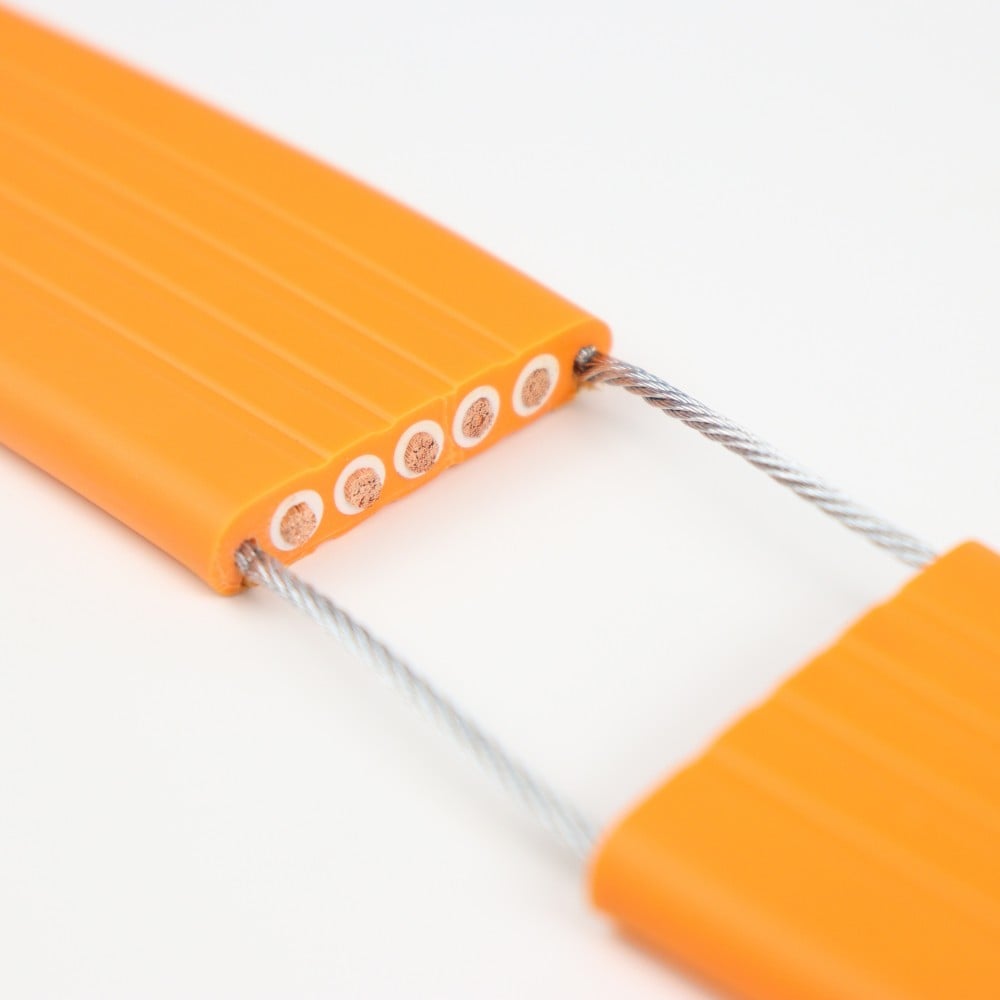
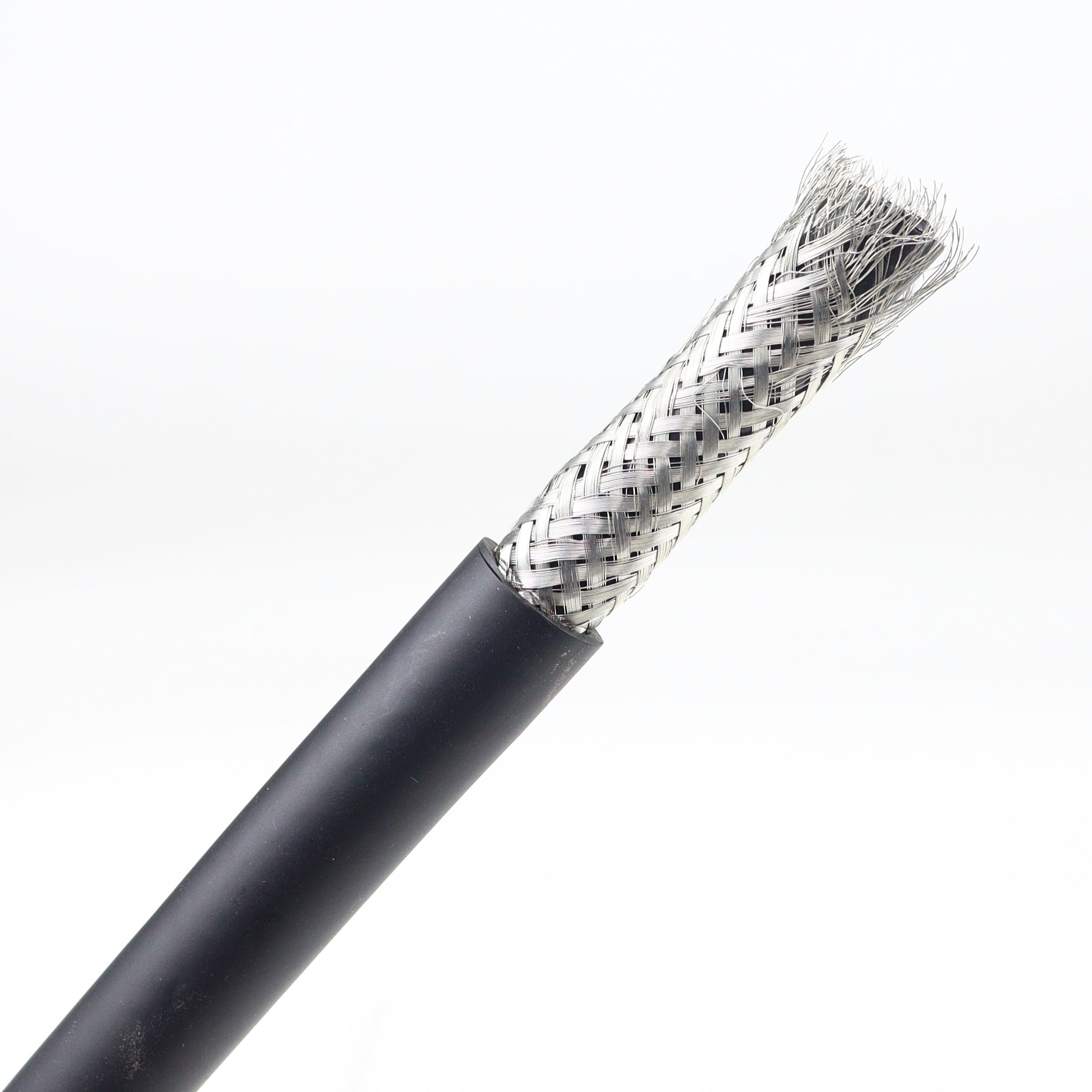
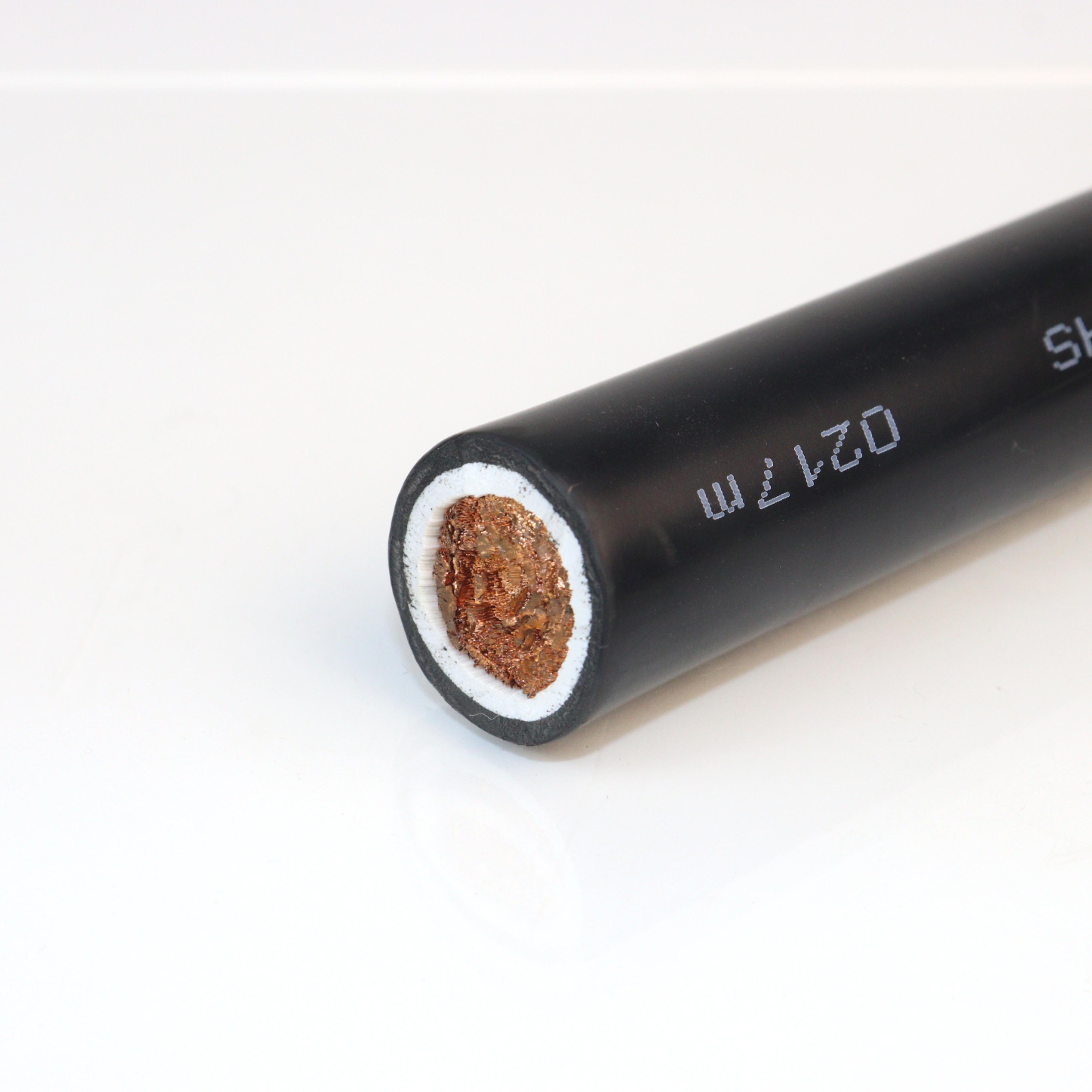
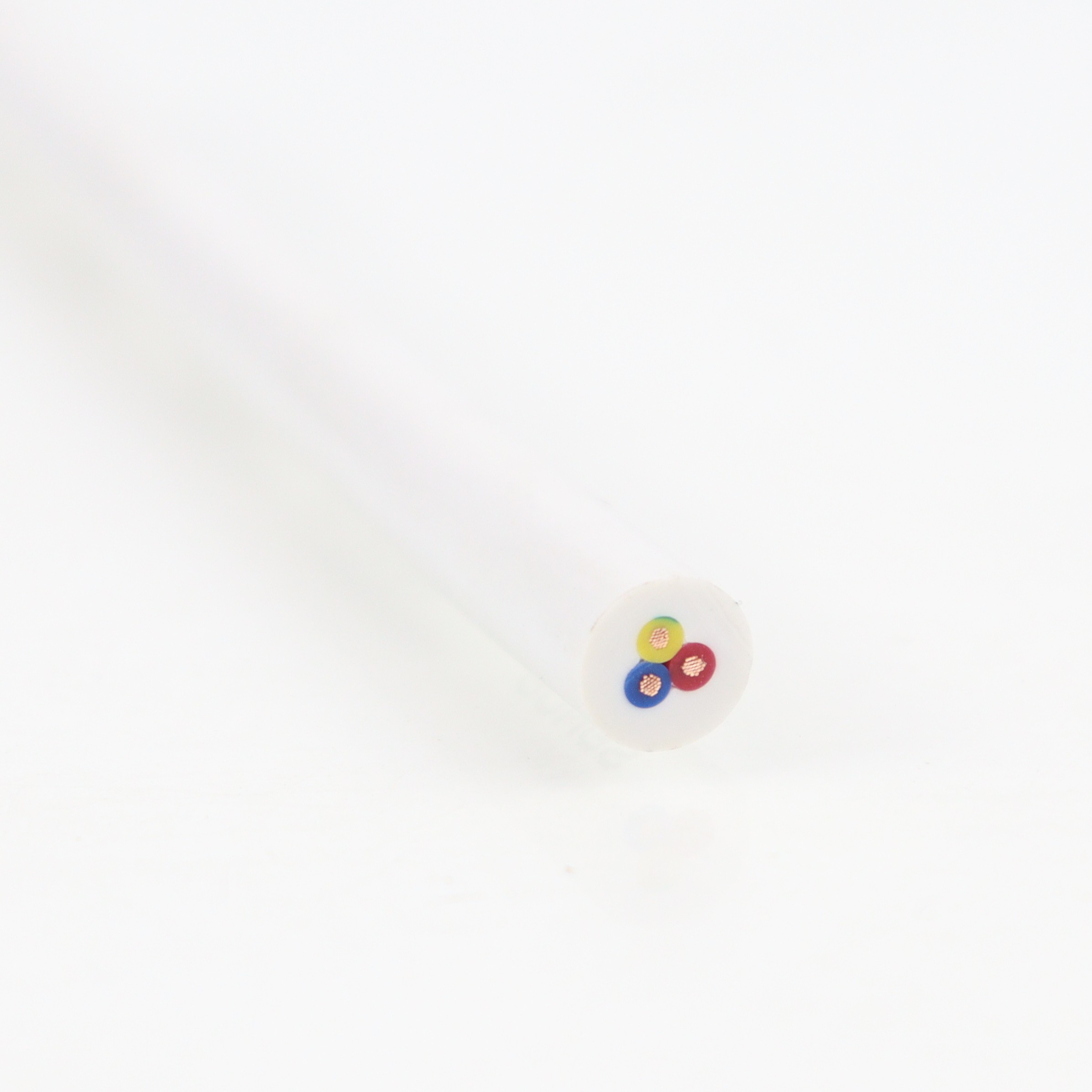
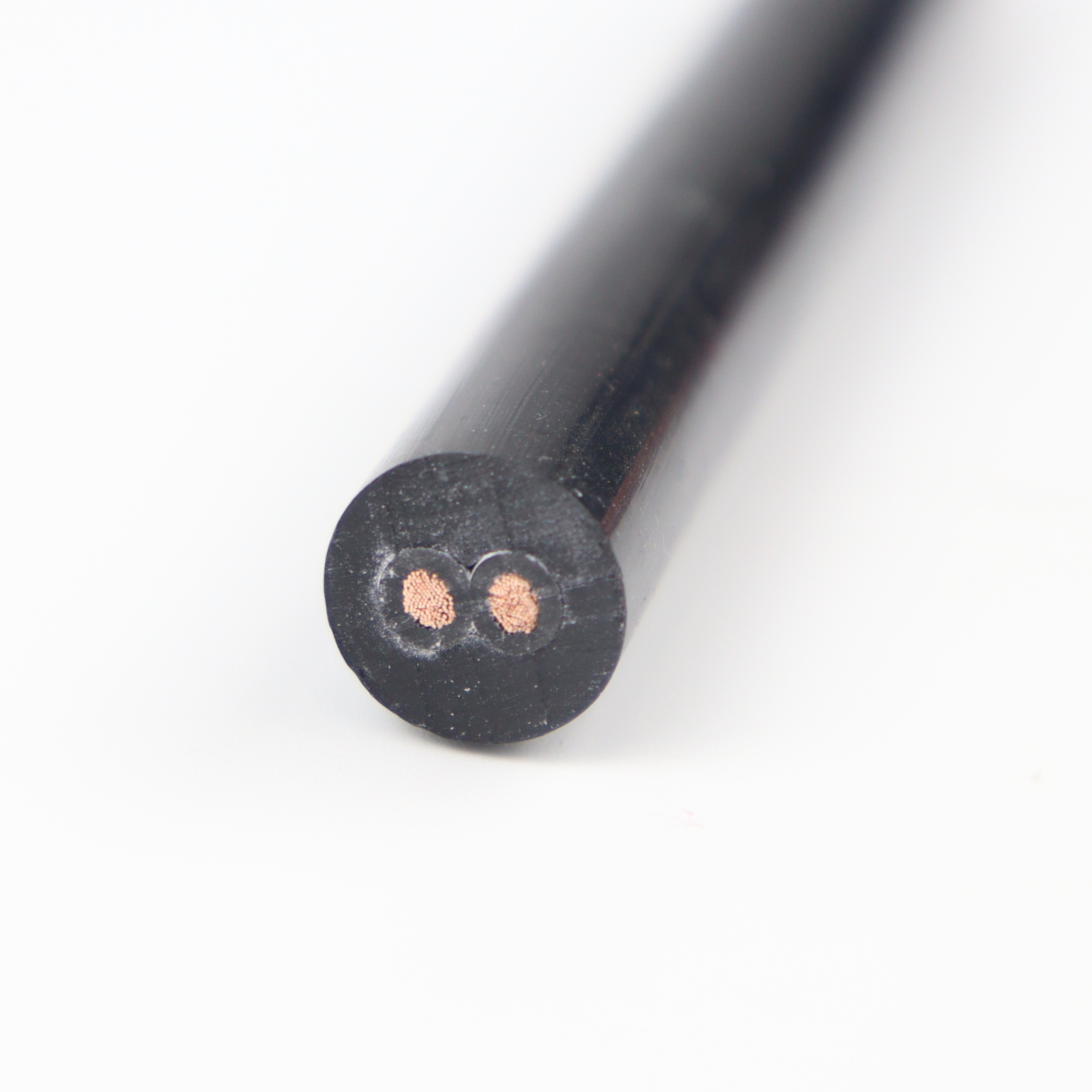
An industrial flexible cable is a power, control, or data cable designed to keep working while equipment moves, bends, twists, or vibrates. Unlike a fixed installation cable, an industrial flexible cable uses fine-stranded copper conductors and a flexible insulation system that supports repeated movement without early failure. An industrial flexible cable can carry electricity to motors, sensors, robots, drives, and control panels while maintaining stable performance. This industrial flexible cable may also include shielding to reduce electrical interference and improve signal quality near motors or switching equipment. Each industrial flexible cable is built with layers that protect the conductor from abrasion, oil, moisture, heat, chemicals, and mechanical stress. The industrial flexible cable can be supplied with different conductor counts, voltage ratings, jacket materials, bend radii, and temperature ranges. An industrial flexible cable for a drag chain may use a specially reinforced jacket and a small bend radius for continuous travel. For safety, an industrial flexible cable can include flame-retardant materials, clear identification, and insulation suited to its working voltage. When selected correctly, an industrial flexible cable supports reliable motion in demanding production environments. This industrial flexible cable can transmit power, control commands, feedback signals, or network data, depending on its construction. Overall, an industrial flexible cable helps connect moving machine parts without frequent rewiring, unexpected stoppage, or unnecessary maintenance. Buyers should match the cable to travel distance, movement speed, bend radius, load, environment, and installation method before ordering.
The main advantage of an industrial flexible cable is dependable operation on moving machinery. A fixed cable can crack, kink, or fatigue when it moves every cycle, while an industrial flexible cable is made to handle repeated bending and flexing. This reduces cable replacement, production interruptions, and maintenance labor. An industrial flexible cable also gives equipment designers more freedom. It can route through a robotic arm, drag chain, sliding table, packaging machine, or automated line without blocking movement. By choosing the correct industrial flexible cable, a buyer can protect power circuits, control signals, encoder feedback, or communication links in one planned installation. A suitable industrial flexible cable can also simplify machine layout because it combines practical flexibility with the required conductor size and voltage rating. Shielded versions help limit noise that could disturb sensors, drives, or data systems. This industrial flexible cable is useful where motors, inverters, and switching devices create a busy electrical environment. Strong outer jackets provide added resistance to oil, coolant, dust, water, abrasion, and temperature changes, so the industrial flexible cable remains suitable for workshops and production floors. Another benefit is easier servicing. Clear markings and organized cores help technicians identify connections and reduce wiring errors. An industrial flexible cable with the right bend radius places less stress on terminals and machine parts, supporting longer service life. Customers should still compare movement type, travel length, speed, temperature, chemical exposure, and minimum bend radius. The lowest purchase price may not deliver the lowest operating cost. A properly specified industrial flexible cable offers a practical balance of reliability, installation simplicity, safety, and long-term value for automated equipment.

Tips And Tricks

Shanghai Libin Cable Showcases Robot and Automation Cable Solutions at CMES Shanghai Industrial Automation & Robotics Exhibition

16

Oct

Shanghai Libin Cable Showcases Robot and Automation Cable Solutions at CMES Shanghai Industrial Automation & Robotics Exhibition

View More
Shanghai Libin Cable Showcases Crane Cable Solutions at the 11th China (Changyuan) International Crane Equipment Expo

16

Oct

Shanghai Libin Cable Showcases Crane Cable Solutions at the 11th China (Changyuan) International Crane Equipment Expo

View More
Why Drag Chain Cables Fail: Four Common Causes and How to Select Correctly

16

Oct

Why Drag Chain Cables Fail: Four Common Causes and How to Select Correctly

View More
Industrial Robot Combination Cable: Routing Power and Signal Together in a Small-Bend-Radius Drag Chain

16

Oct

Industrial Robot Combination Cable: Routing Power and Signal Together in a Small-Bend-Radius Drag Chain

View More

Get a Free Quote

Our representative will contact you soon.
0/1000
Built for Continuous Machine Movement

Built for Continuous Machine Movement

A key selling point of an industrial flexible cable is its ability to support repeated motion. Fine-stranded conductors allow the cable to bend more easily than a standard rigid design, while carefully selected insulation limits stress around each strand. In a drag chain or robotic joint, an industrial flexible cable can travel through thousands of cycles when the installation follows the recommended bend radius and routing method. This industrial flexible cable helps prevent conductor breakage, jacket cracking, and sudden signal loss. Buyers gain more than flexibility: they gain a connection designed for the real movement of modern equipment. An industrial flexible cable can keep motors, valves, sensors, and control devices connected as a carriage slides or a robot turns. That stability protects output and reduces the need to stop a line for emergency repairs. For customers comparing products, movement rating, cycle life, travel distance, and bend radius provide useful evidence of suitability. Selecting a cable for continuous motion from the beginning supports predictable maintenance and longer machine availability.
Protection Against Harsh Factory Conditions

Protection Against Harsh Factory Conditions

Production areas expose wiring to oil, coolant, dust, water, impact, heat, and constant vibration. An industrial flexible cable addresses these conditions through a tough outer jacket and layered construction. Depending on the model, an industrial flexible cable may use materials that resist oil, abrasion, flame, ultraviolet exposure, or low temperatures. That protection helps preserve insulation and prevents small surface damage from becoming an electrical problem. This industrial flexible cable gives equipment builders a practical way to connect moving systems without adding a separate protective solution in every application. It can serve machine tools, packaging lines, material handling equipment, and outdoor automation when its environmental rating matches the site. An industrial flexible cable with shielding can also reduce interference from nearby drives and motors, helping control and data signals remain stable. Customers should check jacket material, temperature limits, water resistance, chemical compatibility, and flame behavior before purchase. The right choice improves safety, lowers inspection frequency, and supports dependable performance in demanding workplaces.
Flexible Options for Power, Control, and Data

Flexible Options for Power, Control, and Data

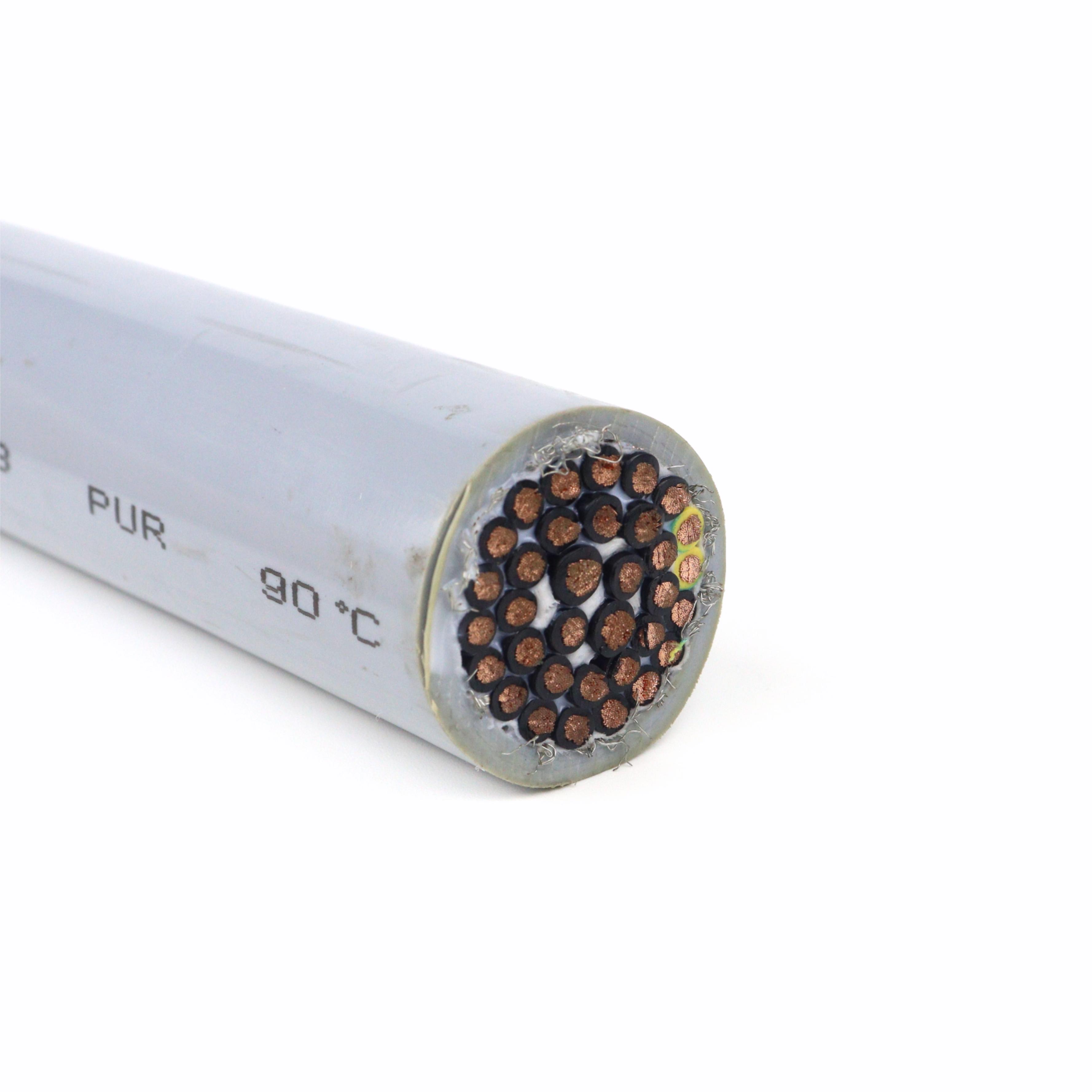
Modern machines need more than simple power wiring. They may require separate cores for control, feedback, braking, sensors, or high-speed communication. An industrial flexible cable can be configured to meet these different needs through conductor count, cross-sectional area, shielding, voltage class, and jacket design. One industrial flexible cable may provide motor power, while another carries precise encoder or network signals. This industrial flexible cable can help machine designers select a connection that fits available space and required performance instead of using a general-purpose product. An industrial flexible cable with individually identified cores supports faster installation and simpler troubleshooting. Shielded constructions can protect sensitive signals, while larger conductors can handle higher current without excessive heat. The result is a cleaner wiring plan and better compatibility with automated equipment. Buyers should confirm current demand, signal type, connector arrangement, bend radius, and installation length. Choosing the right industrial flexible cable from the start reduces redesign work, supports reliable commissioning, and creates a more serviceable machine for operators and maintenance teams.