flexible electrical cable
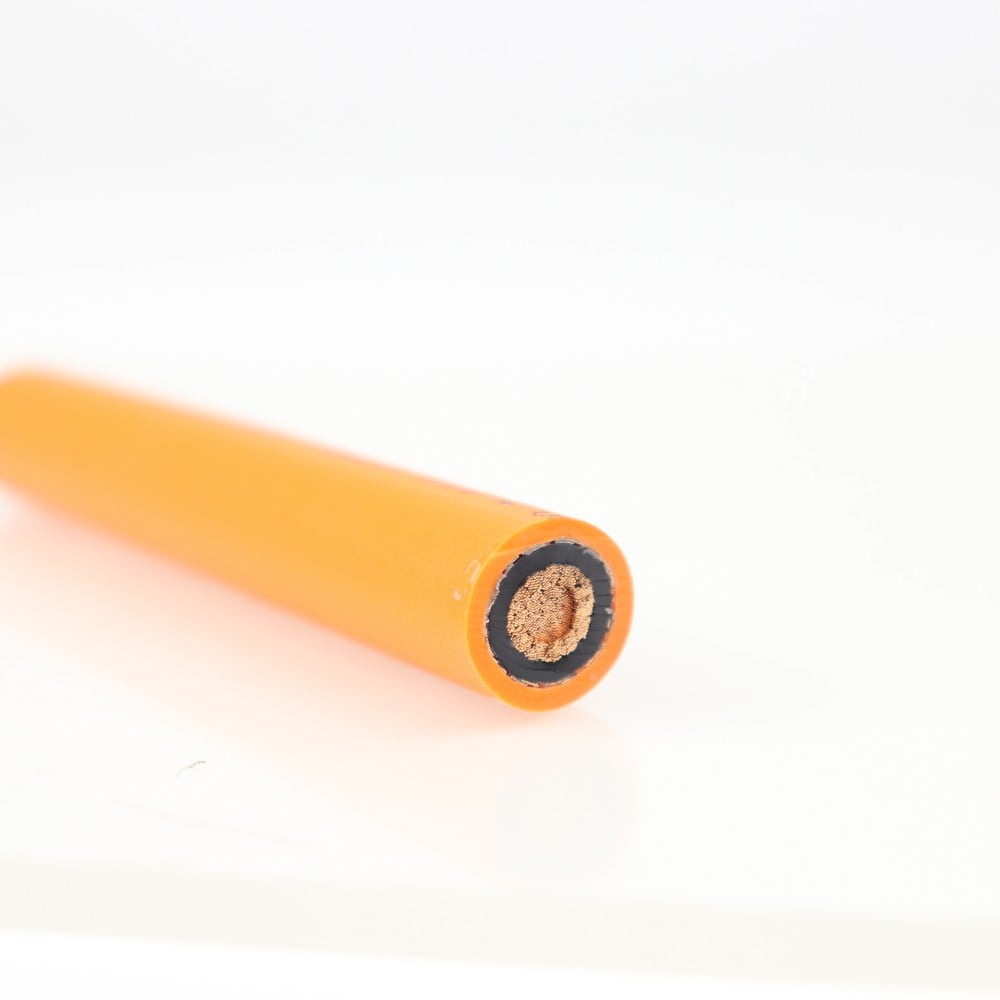
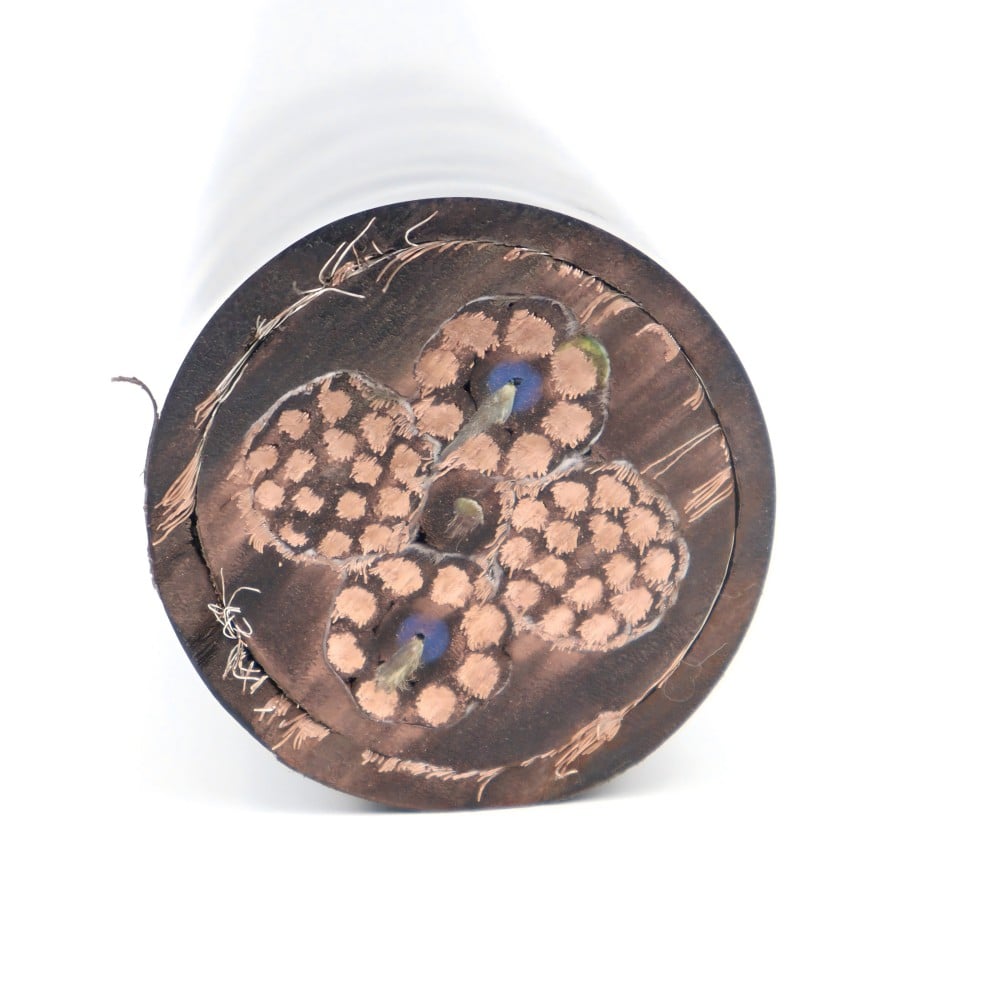
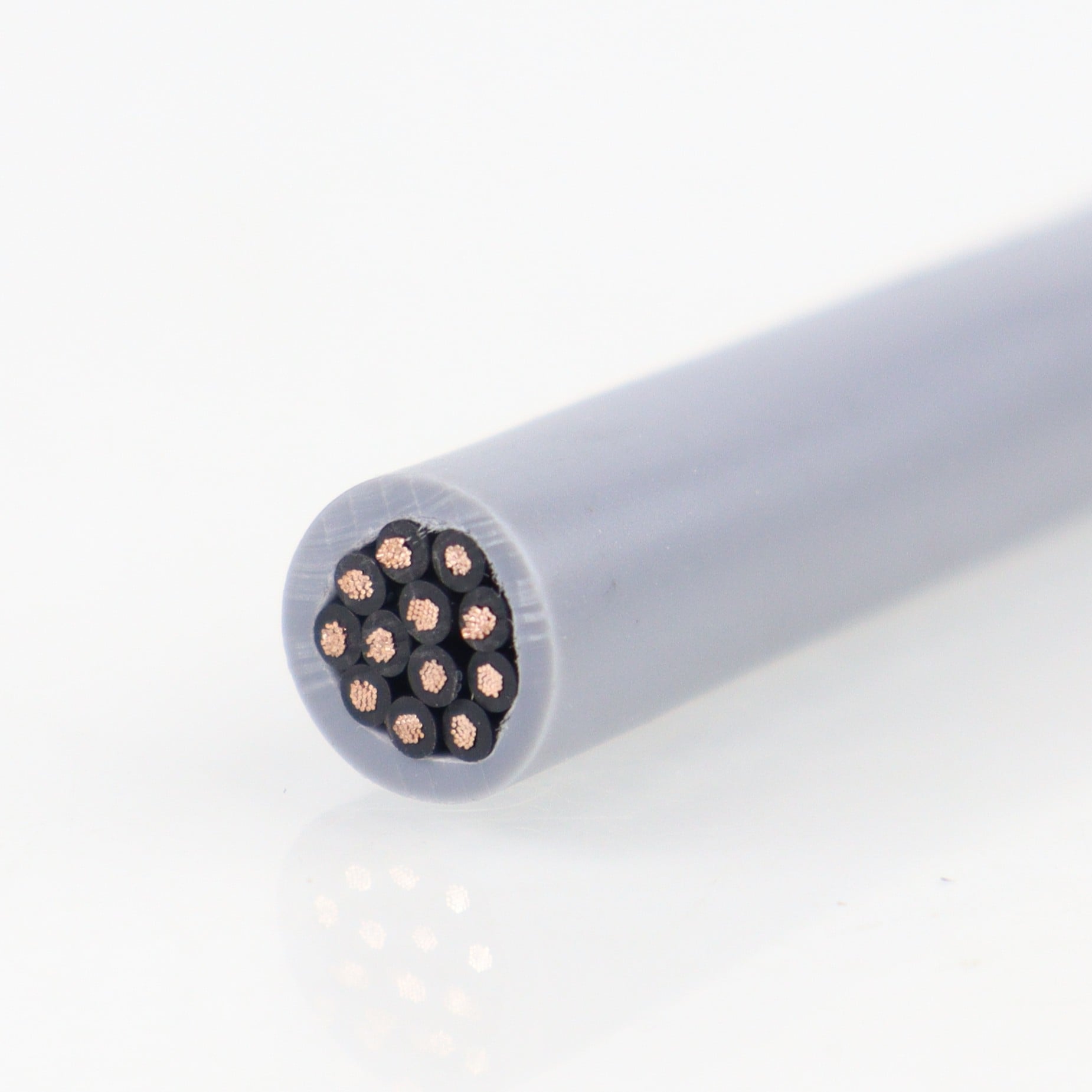
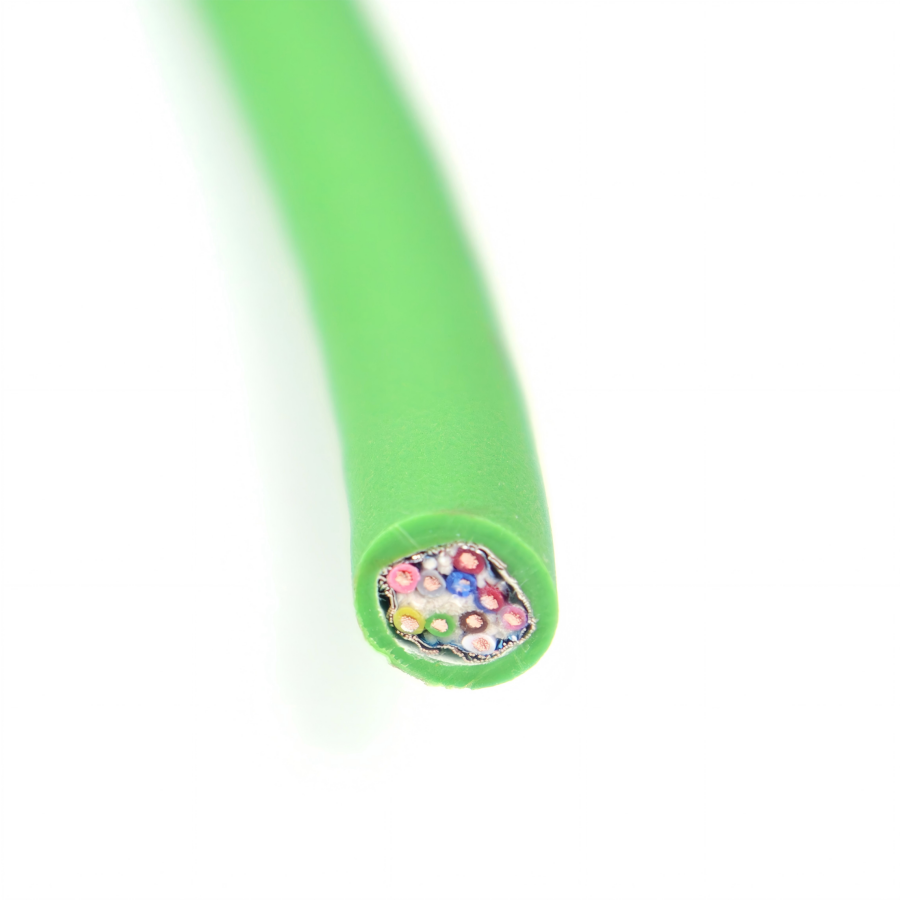
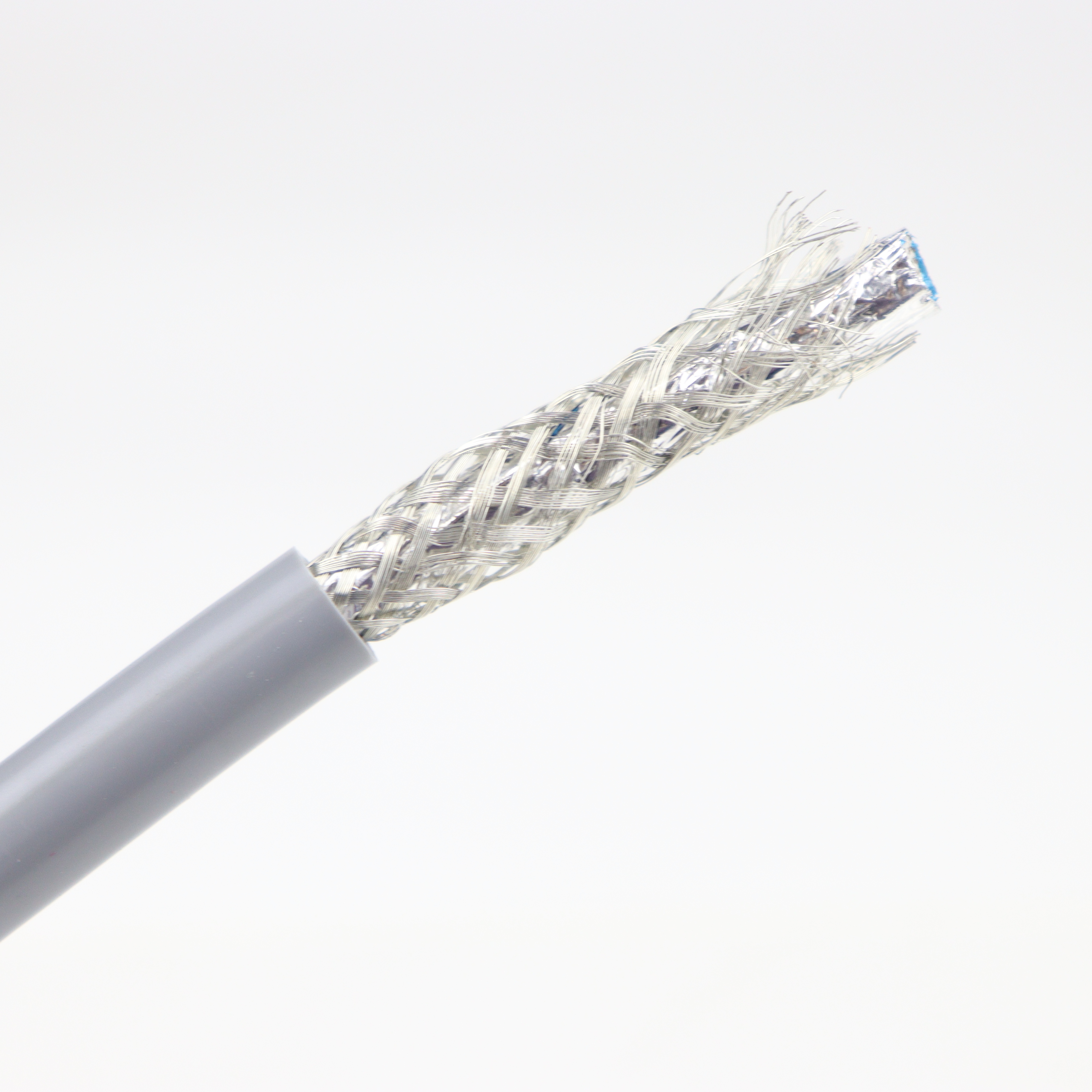
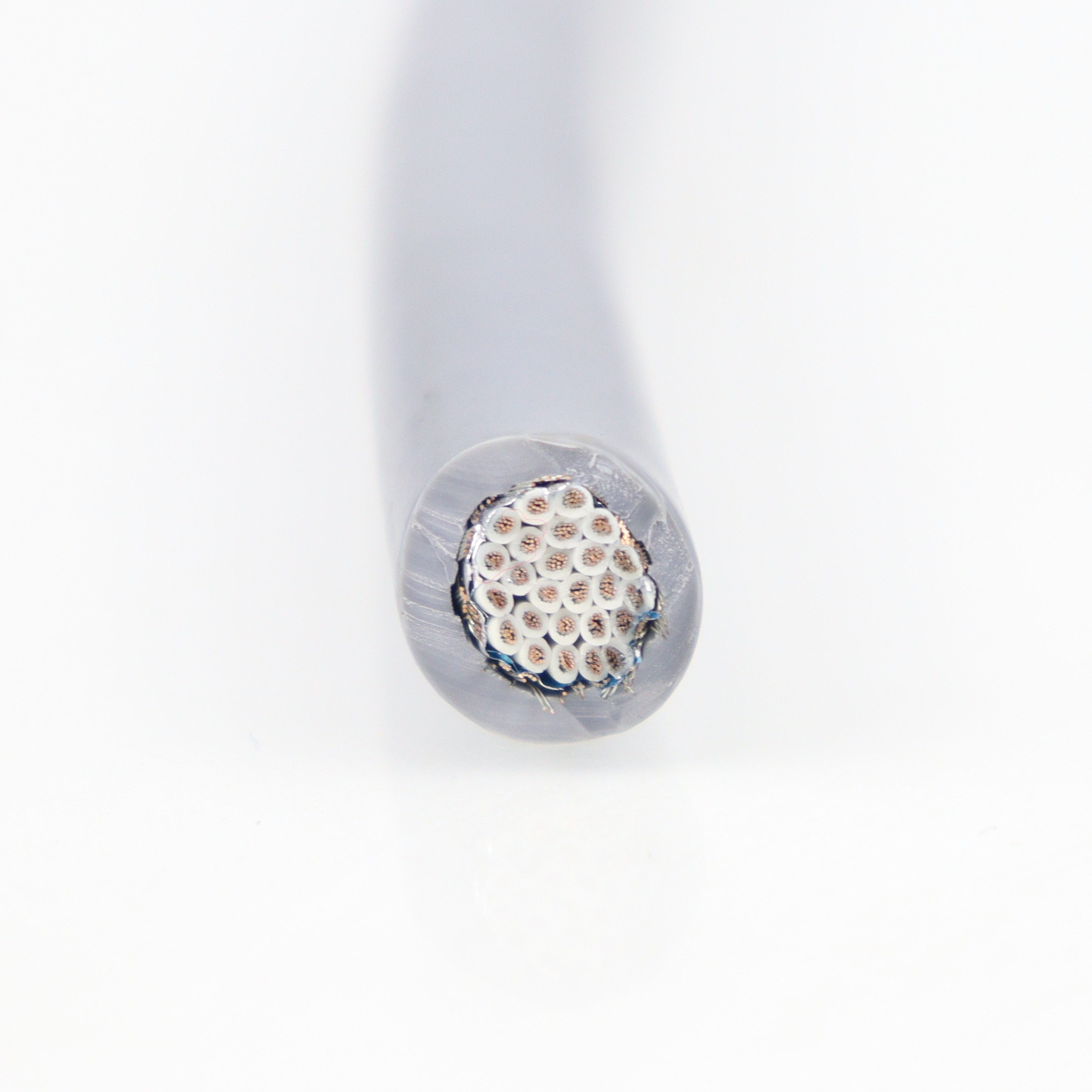
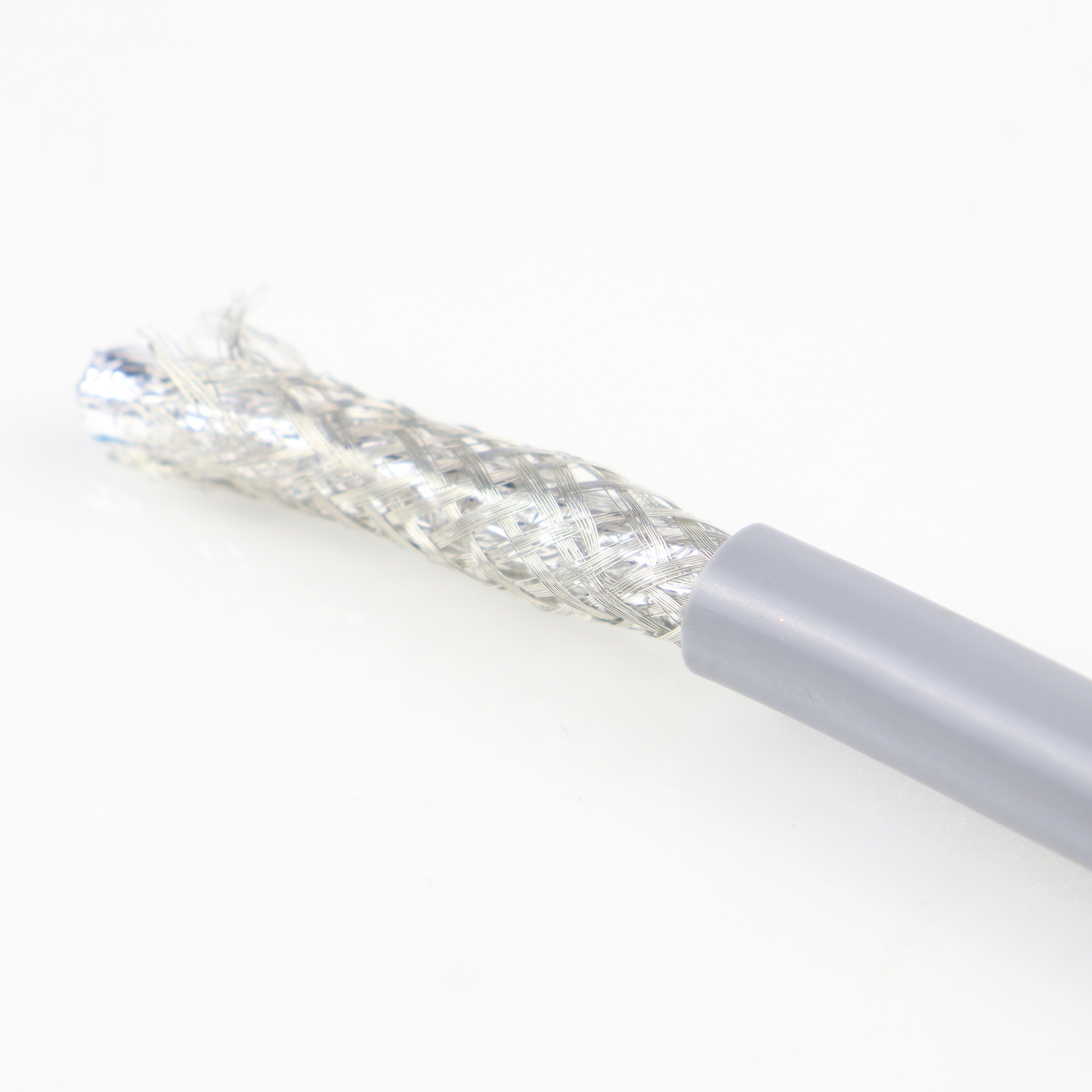
A flexible electrical cable carries electrical power or control signals while allowing easy movement, bending, and installation. Unlike rigid wiring, a flexible electrical cable can follow curved routes, fit into tight spaces, and support equipment that moves during normal operation. This makes a flexible electrical cable a practical choice for machinery, appliances, control panels, lighting systems, and portable tools. A flexible electrical cable typically contains one or more copper conductors, insulation, and an outer protective jacket. The conductor size determines how much current the cable can carry, while the insulation material helps protect against heat, moisture, abrasion, and electrical contact. A flexible electrical cable may also include shielding when equipment needs protection from electrical interference. Key technological features include finely stranded conductors, durable insulation, clear core identification, and construction designed for repeated bending. Some designs resist oil, chemicals, sunlight, flame, or low temperatures, depending on the intended environment. The correct flexible electrical cable should match the required voltage, current, temperature range, bend radius, and installation conditions. A flexible electrical cable for indoor control equipment may differ from a flexible electrical cable used outdoors or on moving machinery. Product length, conductor count, jacket material, and certification also influence selection. When properly specified, a flexible electrical cable provides dependable current flow, neat routing, and long service life. It supports safe connection between power sources, machines, sensors, motors, and operating devices. Buyers can select a flexible electrical cable for fixed sections that need easy installation or for dynamic applications where regular movement is expected.