Single Core Flexible Cable | Safe Power

application/single-core-flexible-cable, application/single-core-flexible-cable, 
Inquiry
Inquiry

single core flexible cable

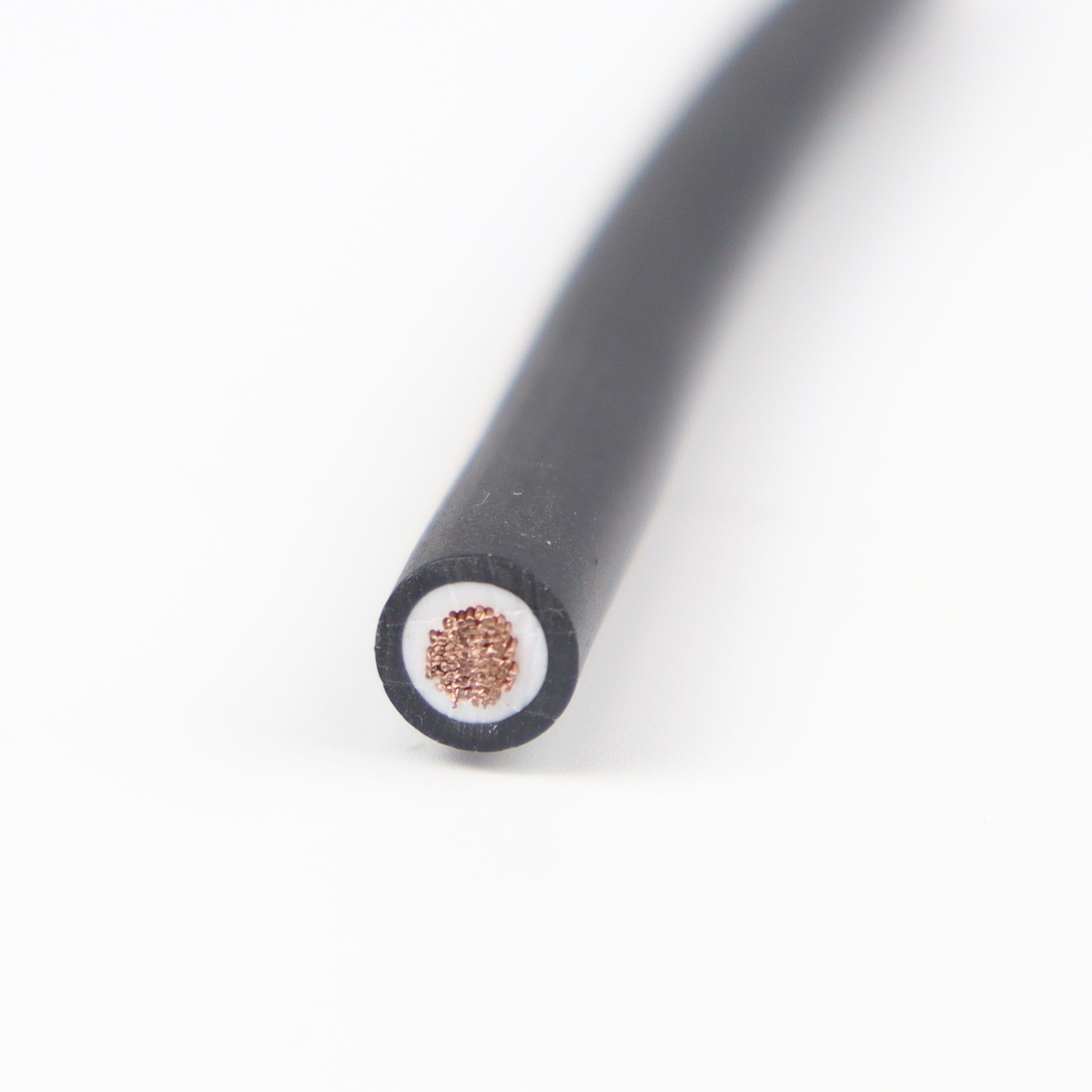
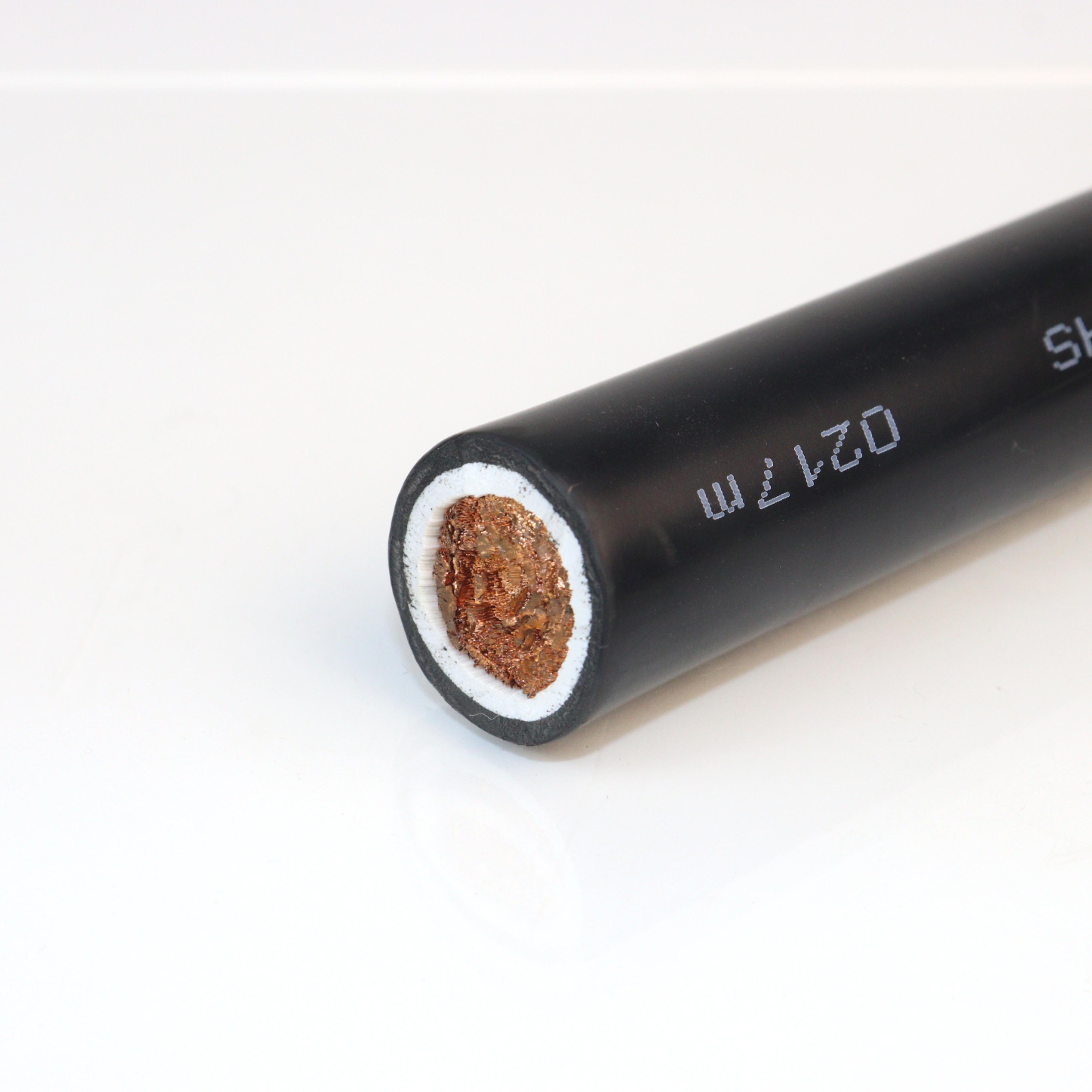
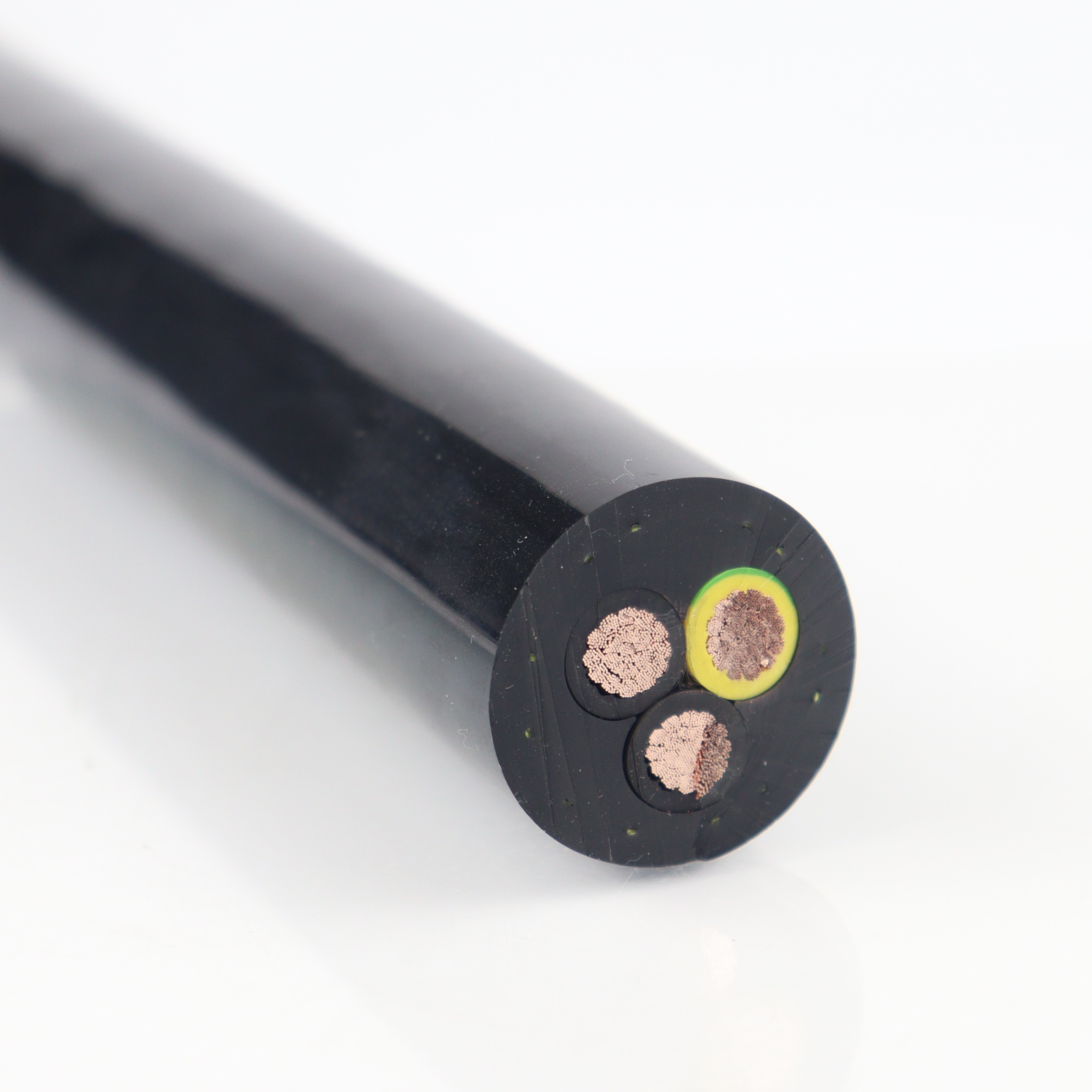
A single core flexible cable is an electrical cable built around one conductive wire, usually copper or aluminum, covered by insulation and a protective outer layer when required. Its main function is to carry electrical power or control signals safely between equipment, panels, batteries, motors, and connection points. Because the conductor can bend repeatedly, a single core flexible cable suits installations where rigid wire would be difficult to position. The single core flexible cable supports clean routing through tight spaces, moving equipment, and compact control cabinets. Its fine-stranded conductor gives the single core flexible cable a useful balance between electrical performance and bending comfort. Common insulation choices include PVC, rubber, XLPE, and other materials selected for voltage, temperature, oil, moisture, or abrasion needs. A single core flexible cable may be supplied in different cross-sectional areas, colors, voltage ratings, and temperature classes. These options help users match the single core flexible cable to current demand and installation conditions. The cable can connect internal machinery, lighting circuits, distribution equipment, renewable energy systems, and vehicle or battery assemblies. In many projects, a single core flexible cable reduces installation effort because workers can form smooth bends without forcing sharp angles. The cable also helps keep wiring organized when used with terminals, conduits, cable trays, glands, or protective sleeving. When selected correctly, a single core flexible cable delivers stable current flow, dependable insulation, and long service life. Buyers should check conductor size, rated voltage, flexibility class, insulation material, operating temperature, and applicable safety standards before ordering. This ensures the single core flexible cable performs reliably in its intended environment.
The main advantage of a single core flexible cable is simple, controlled installation. Its bendable construction lets installers guide the cable around corners, through narrow channels, and into crowded enclosures without excessive force. A single core flexible cable can save labor because it is easier to strip, route, terminate, and adjust than a stiff conductor. That benefit becomes especially valuable when a project includes many short connections or frequent equipment changes. The single core flexible cable also supports neat wiring layouts. Users can arrange separate conductors by color, function, or circuit, making inspection and fault tracing faster. A single core flexible cable is available in sizes that handle low-power control tasks as well as higher-current power connections, so buyers can select a practical option instead of overbuying. Copper versions offer strong conductivity and dependable termination, while aluminum versions can reduce weight and material cost in suitable applications. The single core flexible cable can also work with lugs, ferrules, terminal blocks, switches, breakers, and industrial connectors. Correct insulation selection gives a single core flexible cable protection against heat, moisture, oil, sunlight, or mechanical wear. This improves confidence in factories, commercial buildings, workshops, data equipment, control systems, and energy installations. For moving machinery, the single core flexible cable can accommodate regular repositioning when the product is designed for the required movement cycle. It can also simplify maintenance because technicians can identify and replace individual conductors rather than handling a complete multi-core assembly. Buyers should compare current capacity, voltage rating, bend radius, jacket needs, certification, and delivery length. The right single core flexible cable reduces installation risk, supports dependable operation, and provides better value over the full service period.

Practical Tips

Shanghai Libin Cable Showcases Robot and Automation Cable Solutions at CMES Shanghai Industrial Automation & Robotics Exhibition

16

Oct

Shanghai Libin Cable Showcases Robot and Automation Cable Solutions at CMES Shanghai Industrial Automation & Robotics Exhibition

View More
Shanghai Libin Cable Showcases Crane Cable Solutions at the 11th China (Changyuan) International Crane Equipment Expo

16

Oct

Shanghai Libin Cable Showcases Crane Cable Solutions at the 11th China (Changyuan) International Crane Equipment Expo

View More
Why Drag Chain Cables Fail: Four Common Causes and How to Select Correctly

16

Oct

Why Drag Chain Cables Fail: Four Common Causes and How to Select Correctly

View More
Industrial Robot Combination Cable: Routing Power and Signal Together in a Small-Bend-Radius Drag Chain

16

Oct

Industrial Robot Combination Cable: Routing Power and Signal Together in a Small-Bend-Radius Drag Chain

View More

Get a Free Quote

Our representative will contact you soon.
0/1000
Easy Routing in Tight and Moving Spaces

Easy Routing in Tight and Moving Spaces

A key selling point of the single core flexible cable is its ability to follow practical installation paths. Fine strands allow the conductor to bend more smoothly than solid wire, which helps installers work inside compact panels, junction boxes, machinery, and vehicle assemblies. The single core flexible cable can pass around corners and align with terminals without creating unnecessary strain at the connection. This flexibility is valuable when equipment moves, vibrates, opens, or slides during normal operation. A single core flexible cable also makes modifications easier because technicians can reposition one conductor without disturbing an entire cable bundle. The result is faster fitting, cleaner layouts, and less time spent correcting awkward routes. For contractors, the single core flexible cable can reduce manual effort and support consistent workmanship across repeated installations. For equipment manufacturers, it helps simplify internal wiring and accommodate limited space. Buyers should still follow the specified bend radius and choose a movement-rated design where continuous flexing is expected.
Reliable Power With Suitable Protection

Reliable Power With Suitable Protection

The single core flexible cable combines a conductive center with insulation selected for the working environment. This design allows the cable to transfer power or signals while helping prevent accidental contact, leakage, and short circuits. A single core flexible cable with copper conductors can provide efficient current transfer and dependable connections when the size matches the load. Insulation options can support different conditions, including heat, moisture, oil, sunlight, and general abrasion. The single core flexible cable therefore gives buyers a practical way to balance electrical performance with environmental protection. A single core flexible cable may also use clear color identification, making circuit separation and maintenance more straightforward. This feature helps technicians locate a wire quickly, confirm a connection, and reduce mistakes during servicing. For distribution panels, control cabinets, lighting systems, battery equipment, and production machinery, the single core flexible cable provides a focused wiring solution rather than unnecessary conductor capacity. Selecting the correct voltage, temperature, material, and protection level helps preserve performance throughout the product's working life.
Flexible Options for Efficient Project Planning

Flexible Options for Efficient Project Planning

Another important benefit of the single core flexible cable is the range of choices available to match different projects. Buyers can specify conductor material, cross-sectional area, insulation type, color, voltage class, temperature rating, and supplied length. This makes the single core flexible cable suitable for both straightforward building work and specialized equipment wiring. A single core flexible cable can support low-voltage controls, internal power links, lighting, renewable energy connections, battery packs, and industrial assemblies when its rating fits the task. The single core flexible cable is also easy to combine with terminals, ferrules, lugs, conduits, trays, and protective sleeves. That compatibility helps procurement teams standardize components and helps installers use familiar connection methods. A single core flexible cable can reduce waste when suppliers offer cut lengths or project-specific packaging. For maintenance teams, keeping commonly used sizes in stock can shorten repair delays and simplify replacement planning. Buyers gain better control over installation cost, inventory, and future servicing. Before purchase, confirm the required current, voltage, temperature, exposure, movement, local approvals, and termination method so the selected cable delivers reliable value.