Flexible Cable Cord for Reliable Power

application/flexible-cable-cord, application/flexible-cable-cord, 
Inquiry
Inquiry

flexible cable cord

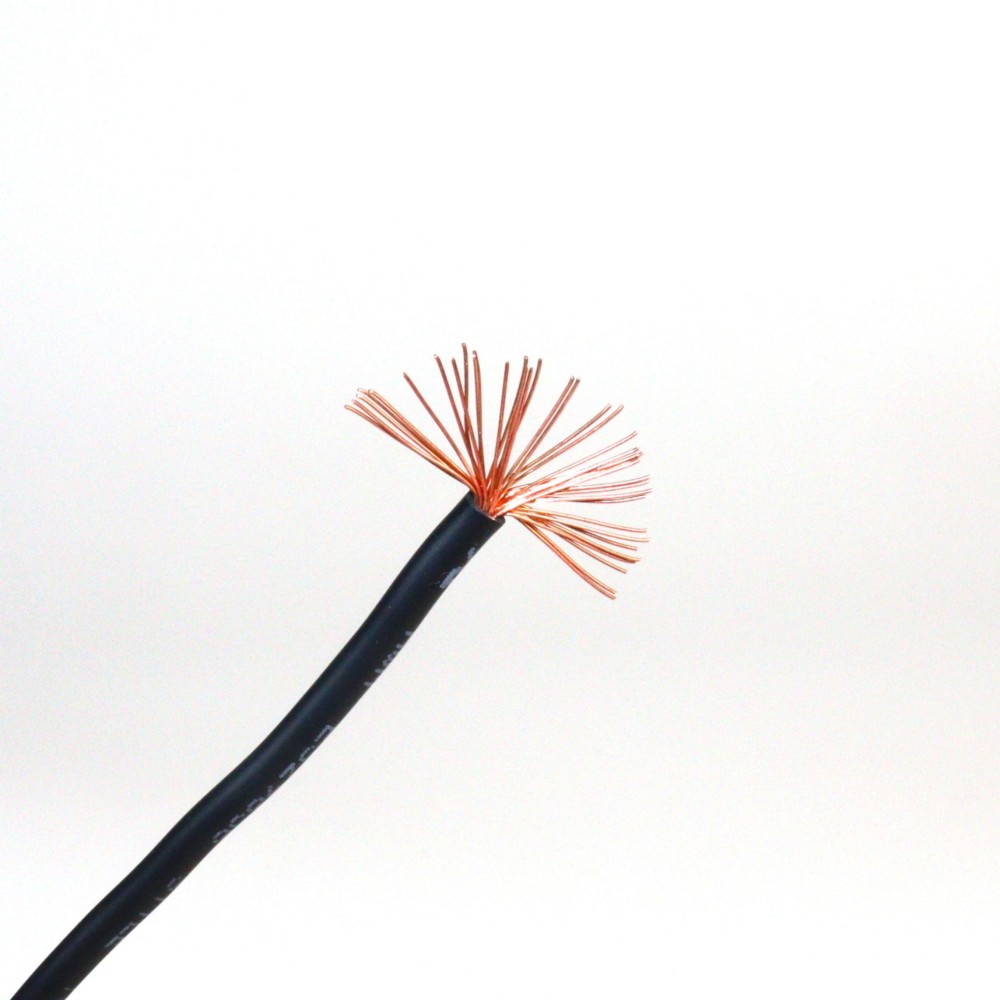
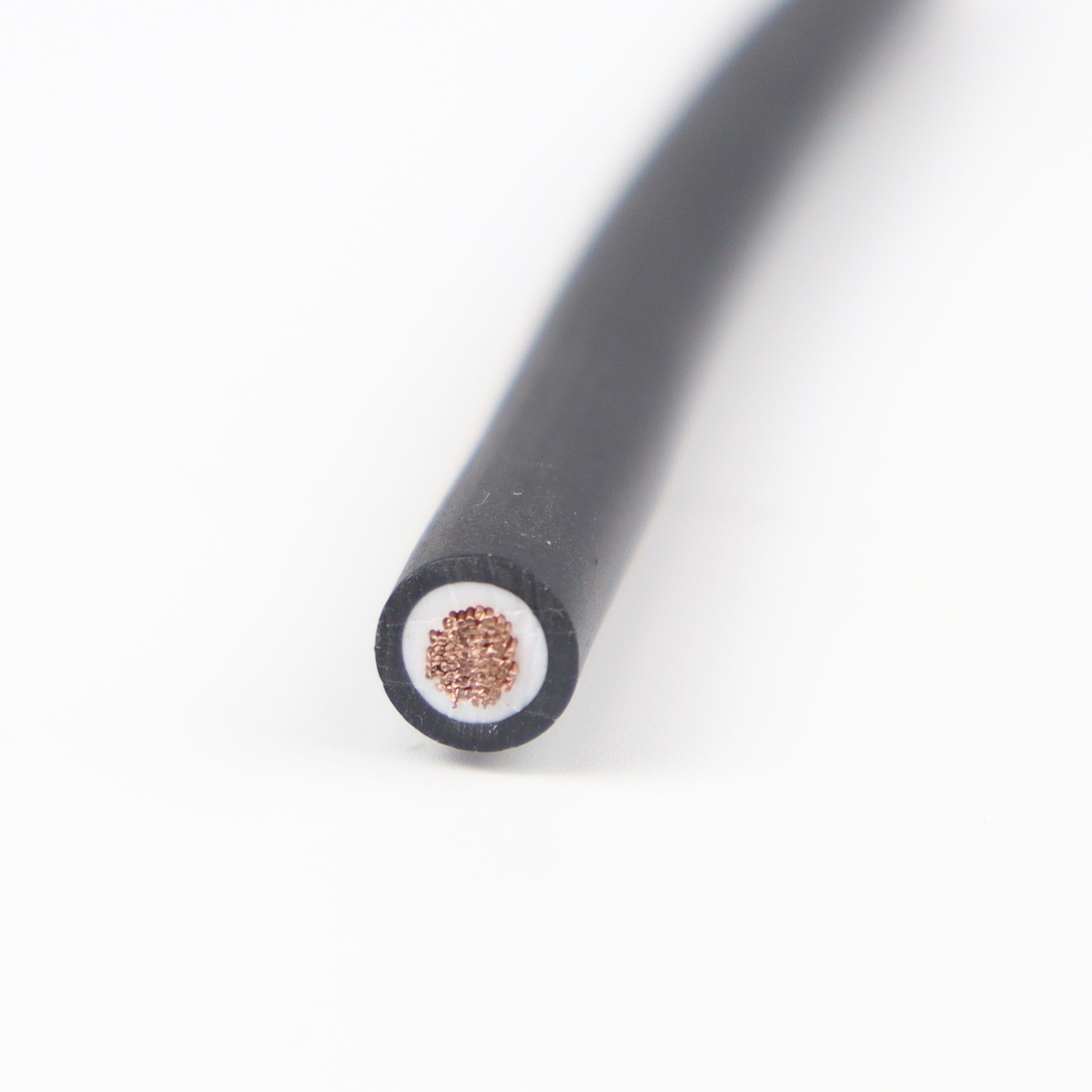
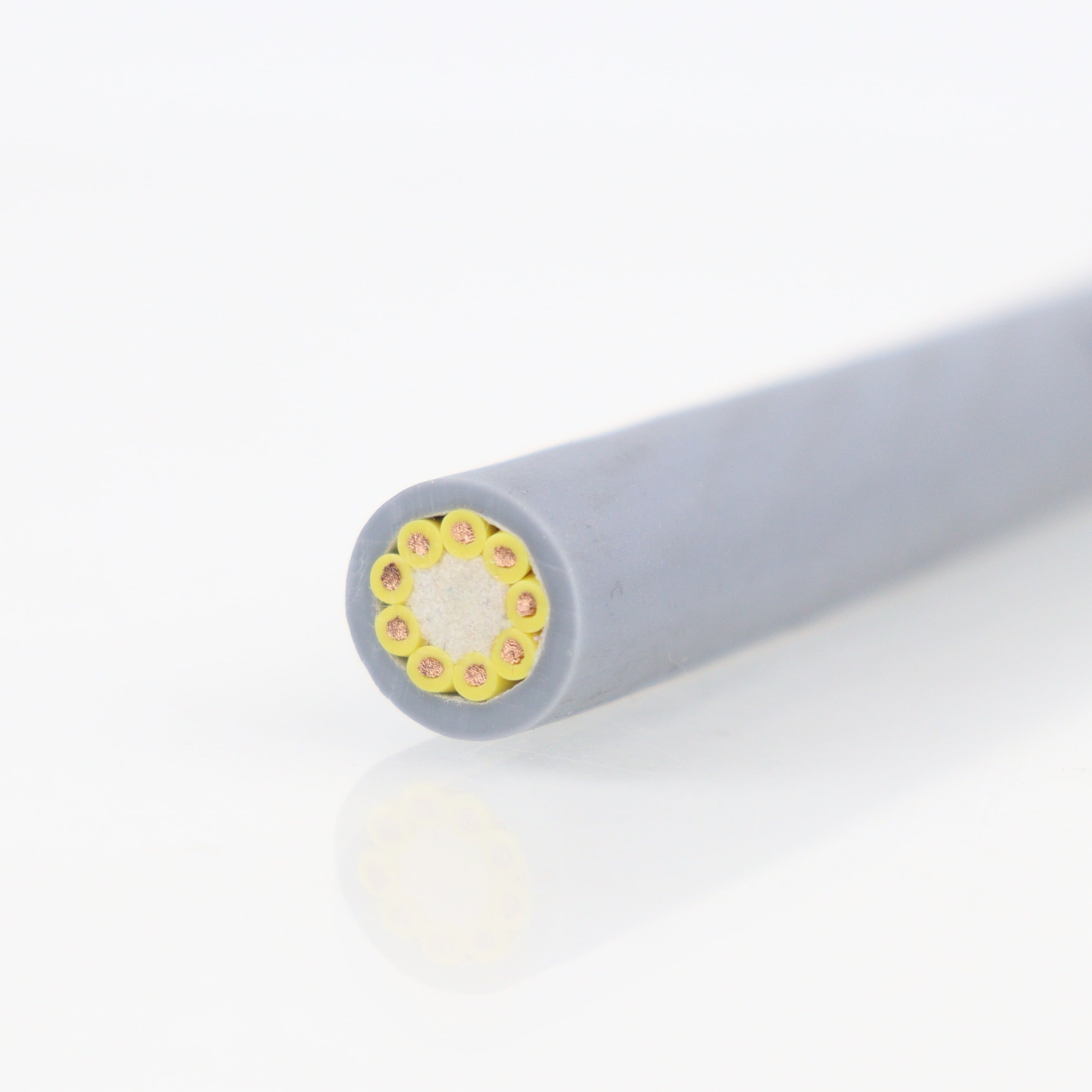
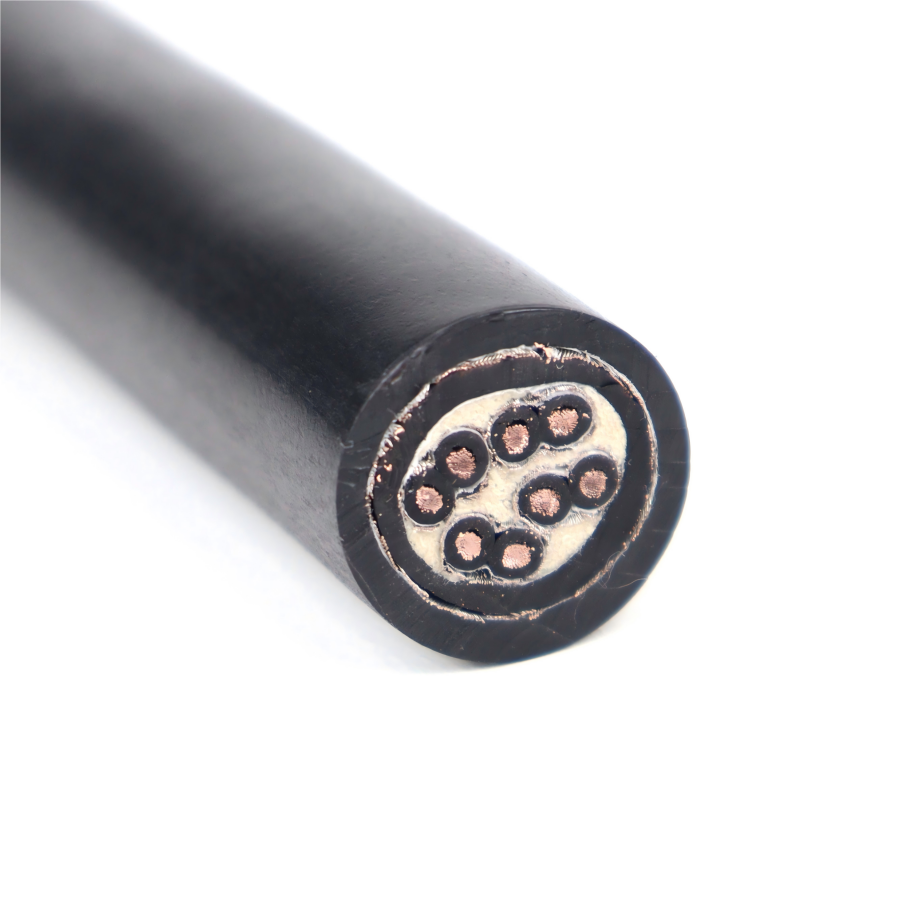
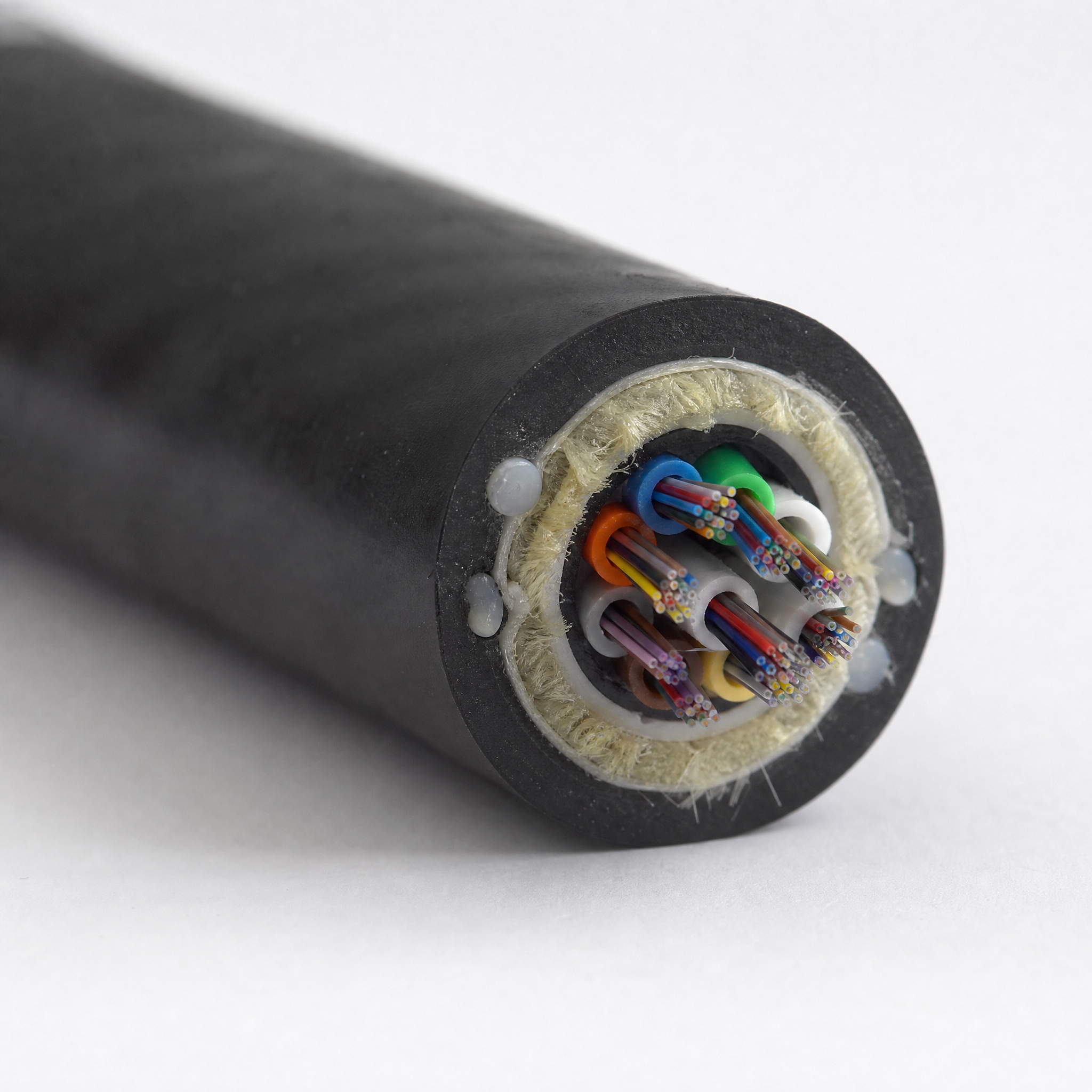
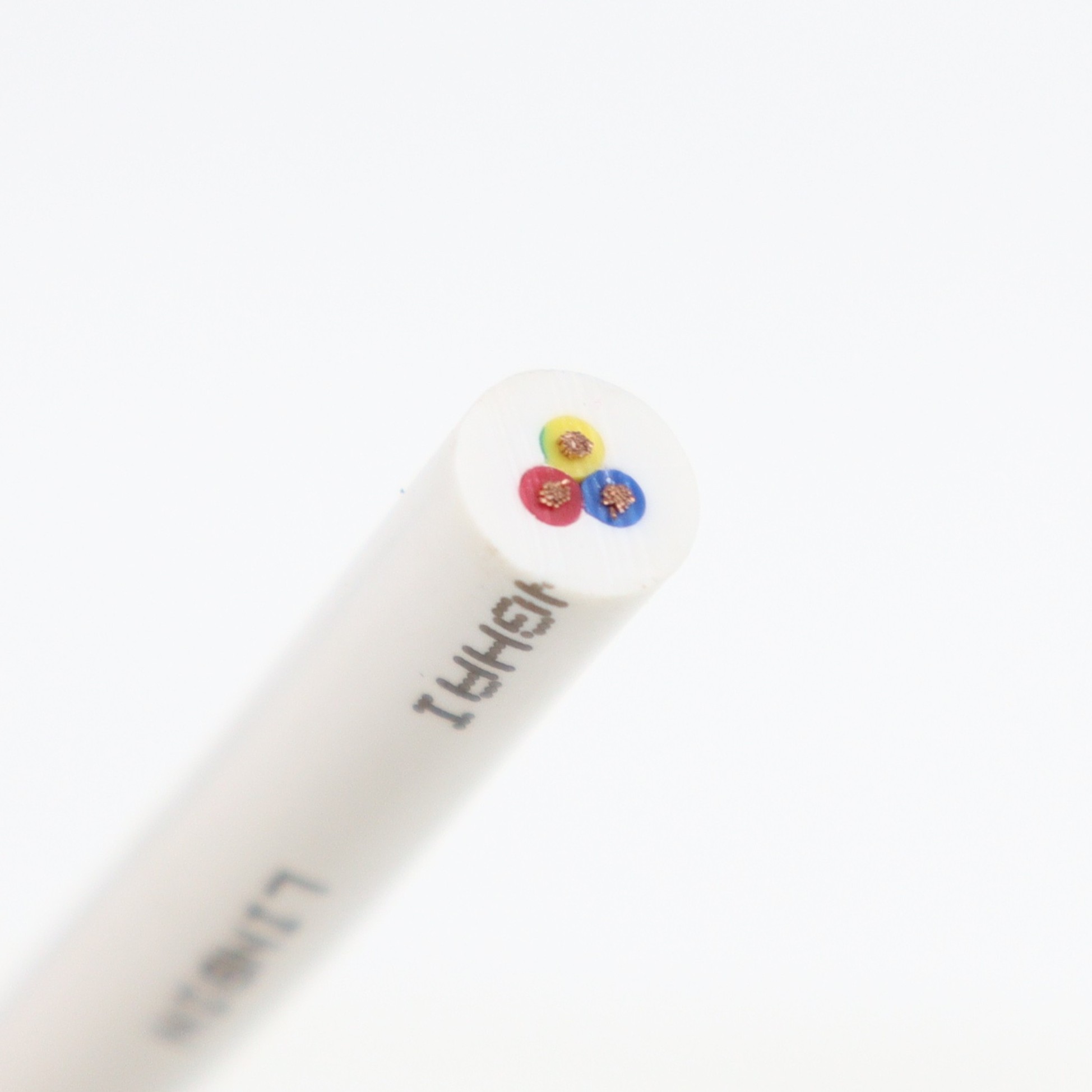
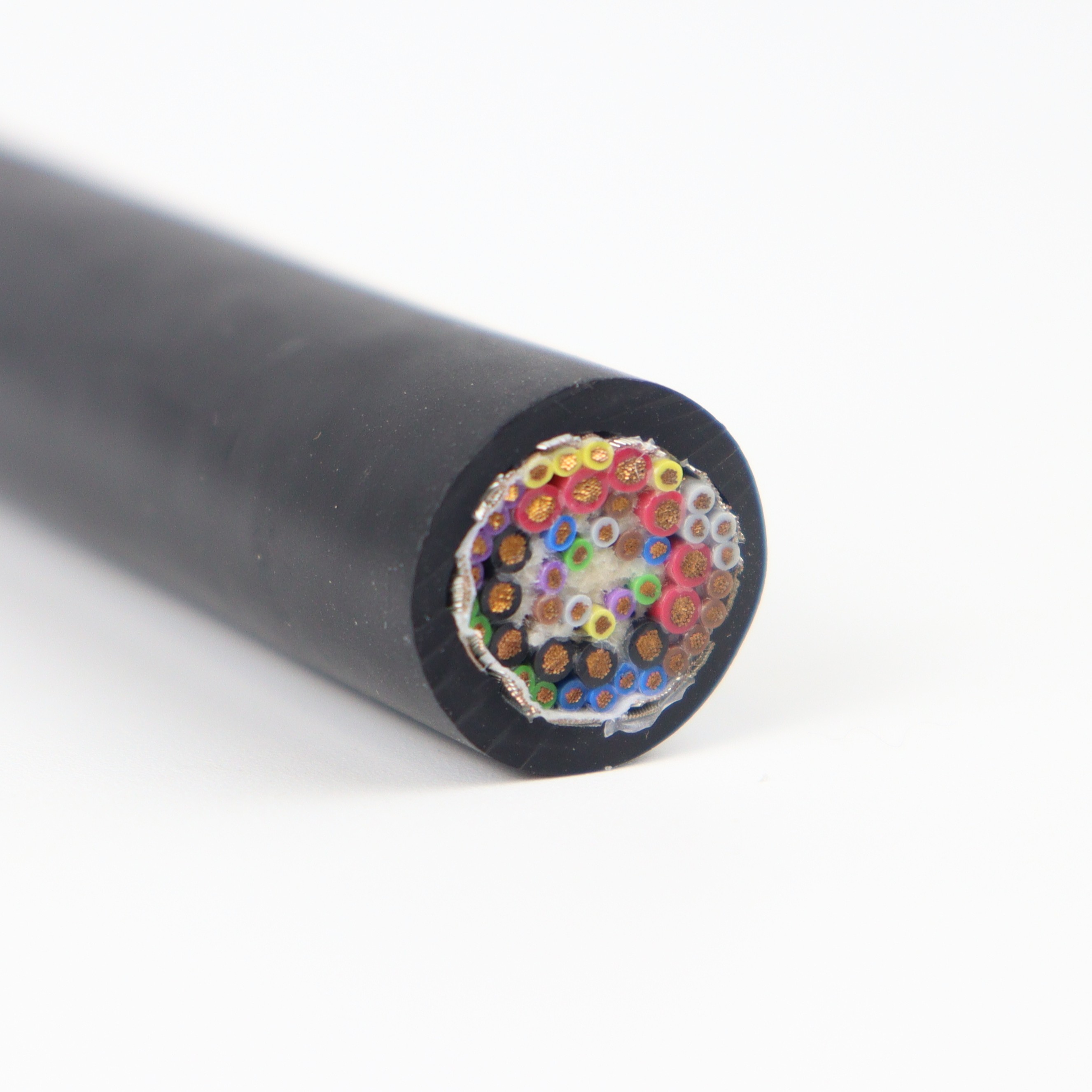
A flexible cable cord is a power or signal cable designed to bend, move, and connect equipment without losing reliable performance. Unlike rigid wiring, a flexible cable cord uses fine-stranded conductors, durable insulation, and a protective outer jacket that support repeated movement. This design makes the flexible cable cord suitable for devices that rotate, slide, fold, vibrate, or require frequent repositioning. It can carry electrical power, control signals, data, or audio, depending on its conductor design and connector type. A flexible cable cord may include copper conductors for efficient current flow, shielding to reduce electrical interference, and strain relief to protect connection points. Users can choose a flexible cable cord with PVC, rubber, silicone, or other jacket materials according to temperature, oil exposure, abrasion risk, and indoor or outdoor conditions. Length, conductor size, voltage rating, current capacity, connector style, and bend radius also affect product selection. The flexible cable cord supports printers, tools, industrial machines, lighting systems, appliances, computers, test equipment, and mobile workstations. In automation, a flexible cable cord can travel through cable carriers or move with robotic equipment. In homes and offices, it helps keep power and signal connections neat while allowing convenient equipment placement. A properly selected flexible cable cord improves connection safety, simplifies installation, and reduces stress on equipment ports. Customers should match the flexible cable cord to the required load, motion frequency, environment, and connection standard. With the right specifications, a flexible cable cord delivers dependable service while making equipment easier to use, maintain, and reposition.
The main advantage of a flexible cable cord is practical movement. Users can bend a flexible cable cord around furniture, machinery, panels, and tight installation spaces without forcing a sharp turn. This saves time during setup and helps prevent damage caused by pulling or twisting. A flexible cable cord also supports equipment that moves during normal operation. It can follow a sliding drawer, rotating arm, portable instrument, or adjustable worktable while maintaining a stable connection. This reduces interruptions and limits the need to replace fixed wiring after repeated motion. Many models use fine-stranded copper conductors, which provide a good balance of conductivity and flexibility. Strong insulation helps protect the flexible cable cord from accidental contact, moisture, and everyday wear. An outer jacket can add resistance to abrasion, oils, sunlight, heat, or cold, depending on the selected material. Strain relief at each end reduces bending pressure near plugs and sockets, protecting the points most likely to fail. Shielded versions help reduce unwanted signal noise in audio, measurement, communication, and control applications. Customers can select a flexible cable cord in different lengths, gauges, connector formats, and ratings, so they do not need to overbuy or adapt unsuitable parts. The flexible cable cord is also easier to route and organize than stiff alternatives, which creates a cleaner installation and makes inspection simpler. For maintenance teams, a flexible cable cord can shorten replacement work because it installs with less force and fits changing layouts. For manufacturers, it supports compact product designs and moving assemblies without adding unnecessary hardware. For home users, it improves convenience when devices need frequent relocation. Before buying, confirm voltage, current, temperature, bend radius, jacket material, connector fit, and certification needs. This check helps the flexible cable cord deliver safe, efficient, and lasting value.

Practical Tips

Shanghai Libin Cable Showcases Robot and Automation Cable Solutions at CMES Shanghai Industrial Automation & Robotics Exhibition

16

Oct

Shanghai Libin Cable Showcases Robot and Automation Cable Solutions at CMES Shanghai Industrial Automation & Robotics Exhibition

View More
Shanghai Libin Cable Showcases Crane Cable Solutions at the 11th China (Changyuan) International Crane Equipment Expo

16

Oct

Shanghai Libin Cable Showcases Crane Cable Solutions at the 11th China (Changyuan) International Crane Equipment Expo

View More
Why Drag Chain Cables Fail: Four Common Causes and How to Select Correctly

16

Oct

Why Drag Chain Cables Fail: Four Common Causes and How to Select Correctly

View More
Industrial Robot Combination Cable: Routing Power and Signal Together in a Small-Bend-Radius Drag Chain

16

Oct

Industrial Robot Combination Cable: Routing Power and Signal Together in a Small-Bend-Radius Drag Chain

View More

Get a Free Quote

Our representative will contact you soon.
0/1000
Built for Repeated Movement

Built for Repeated Movement

The flexible cable cord is engineered for applications where ordinary stiff wiring can crack, loosen, or become difficult to route. Fine-stranded conductors allow the flexible cable cord to bend smoothly, while carefully selected insulation protects the conductors during daily motion. In a machine, the flexible cable cord can follow a moving carriage or hinged section. In a home office, it can connect equipment that users regularly move or adjust. This movement capability reduces strain on plugs, sockets, and internal terminals. It also helps installers create a clean path around corners without forcing the cable into a damaging angle. A flexible cable cord with the correct bend rating can handle repeated cycles more confidently than a basic fixed-use lead. Buyers gain easier installation, fewer connection problems, and better support for equipment that changes position. Selecting the right length prevents excess loops, while proper routing preserves service life. The result is a dependable flexible cable cord for active work areas and movable devices.
Protection for Demanding Locations

Protection for Demanding Locations

A flexible cable cord can combine movement with protection suited to its working environment. The jacket helps shield the internal conductors from abrasion, dust, moisture, sunlight, oils, and temperature changes, depending on the material and rating. A rubber jacket may suit rough handling, while silicone can offer useful performance in applications involving heat or frequent bending. The flexible cable cord may also include shielding when electrical noise could affect signals, readings, or audio quality. This makes the flexible cable cord useful near motors, power supplies, control panels, and sensitive instruments. Reinforced ends and strain relief reduce stress where the cord enters a connector, helping prevent early separation or conductor damage. Customers should not assume that every jacket provides the same protection. They should review temperature limits, water exposure, chemical contact, outdoor suitability, and abrasion requirements before purchase. When matched correctly, a flexible cable cord provides dependable service in workshops, production areas, laboratories, vehicles, and commercial spaces. That protection lowers maintenance risk and supports safer, more predictable operation.
Versatile Connections and Easy Installation

Versatile Connections and Easy Installation

The flexible cable cord supports many connection needs because manufacturers can supply it with different conductor counts, sizes, lengths, plugs, sockets, terminals, and signal formats. A power-focused flexible cable cord may deliver energy to tools, appliances, lighting, or machinery. Another version may carry control commands, sensor information, network data, or audio. This choice allows buyers to specify only the performance they need instead of adapting a general-purpose lead. The flexible cable cord is also easier to install in narrow cabinets, crowded workstations, and portable equipment because it bends around obstacles with less force. Its manageable shape helps users create organized routes and leaves access to nearby components. Replacement work becomes simpler when the new cord matches the original connector and rating. A flexible cable cord can support temporary setups as well as long-term installations, provided its duty rating suits the application. Buyers should compare electrical load, connector compatibility, cable length, shielding, and local compliance requirements. Good selection improves convenience, reduces installation time, and delivers a connection that fits the equipment from the start.