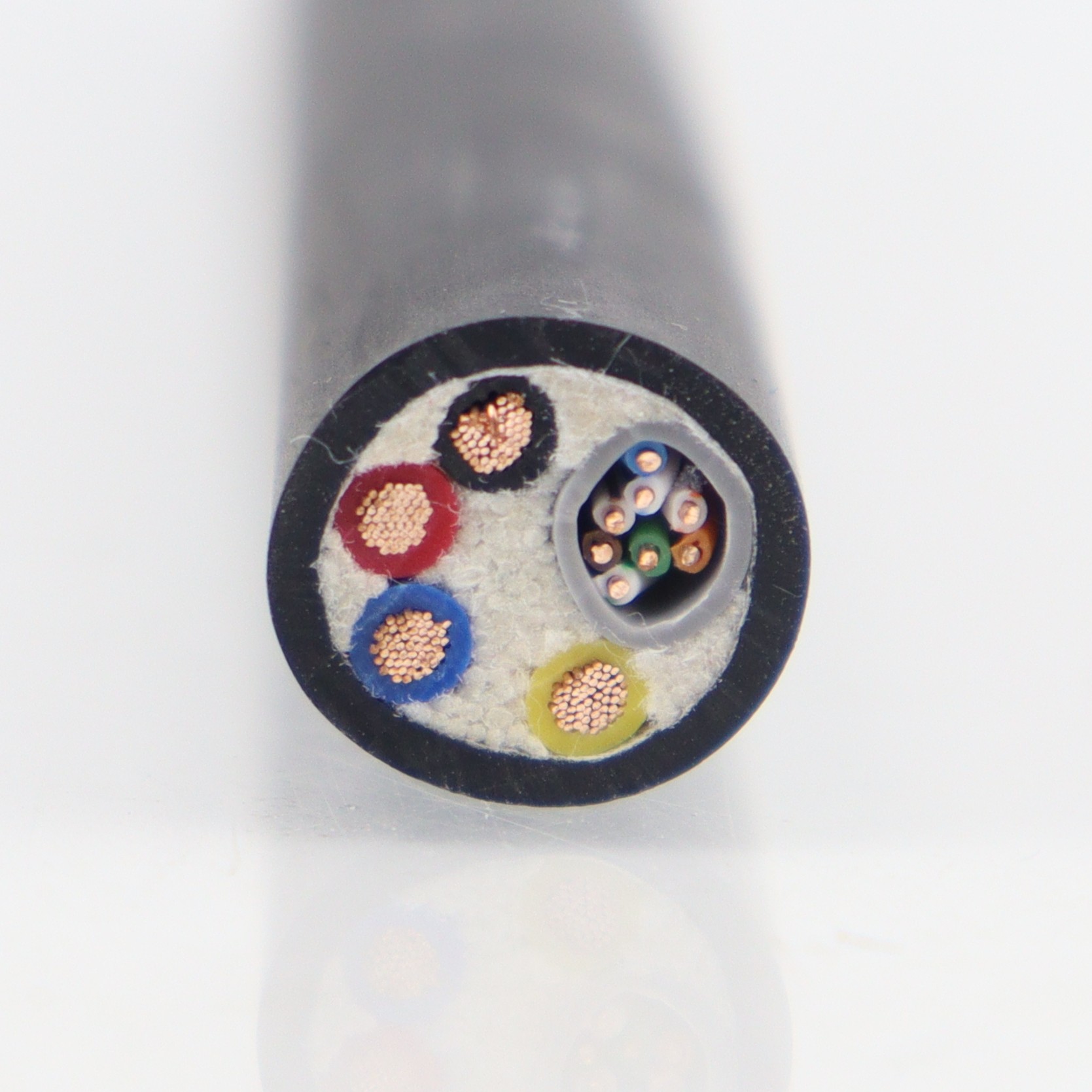
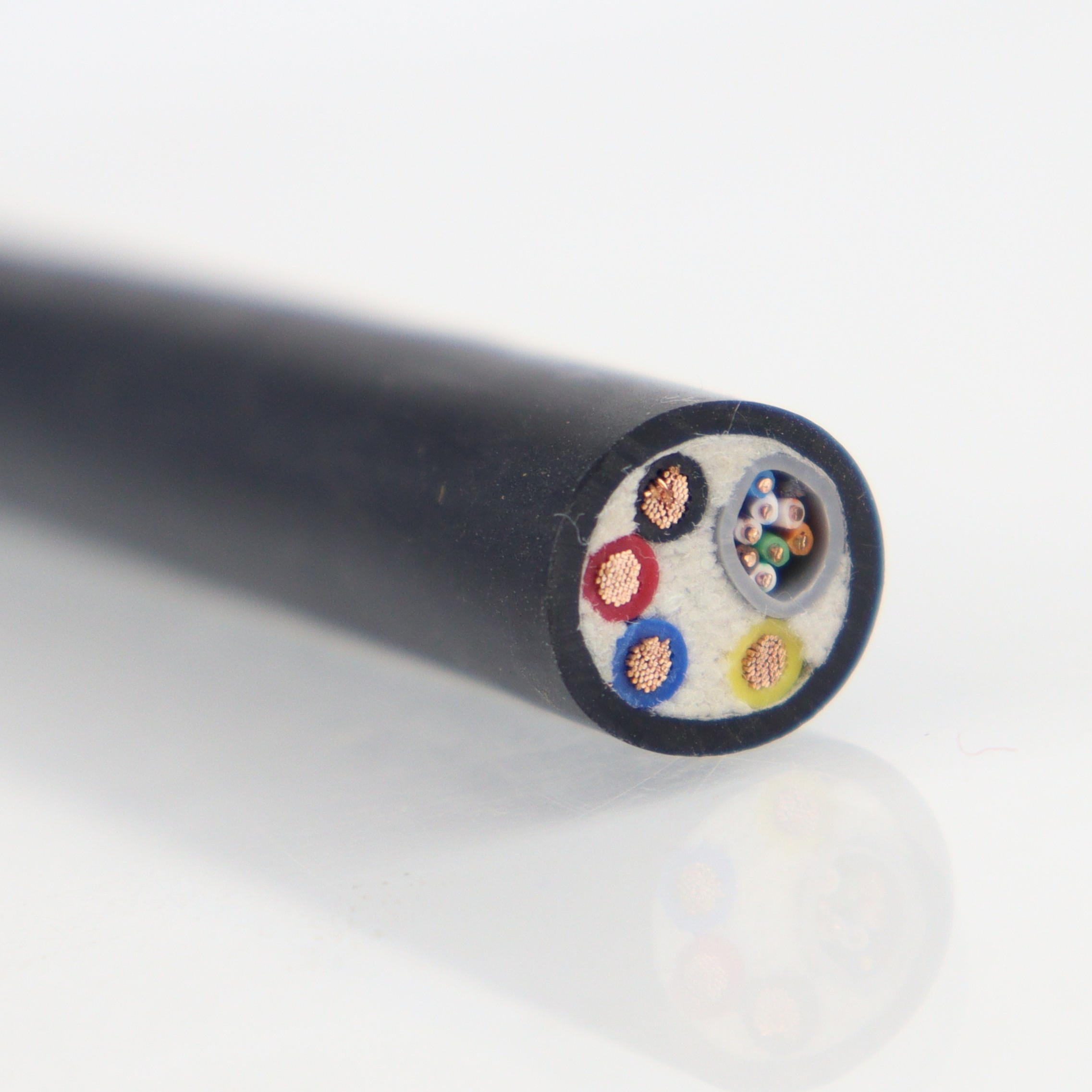
industrial can bus cable
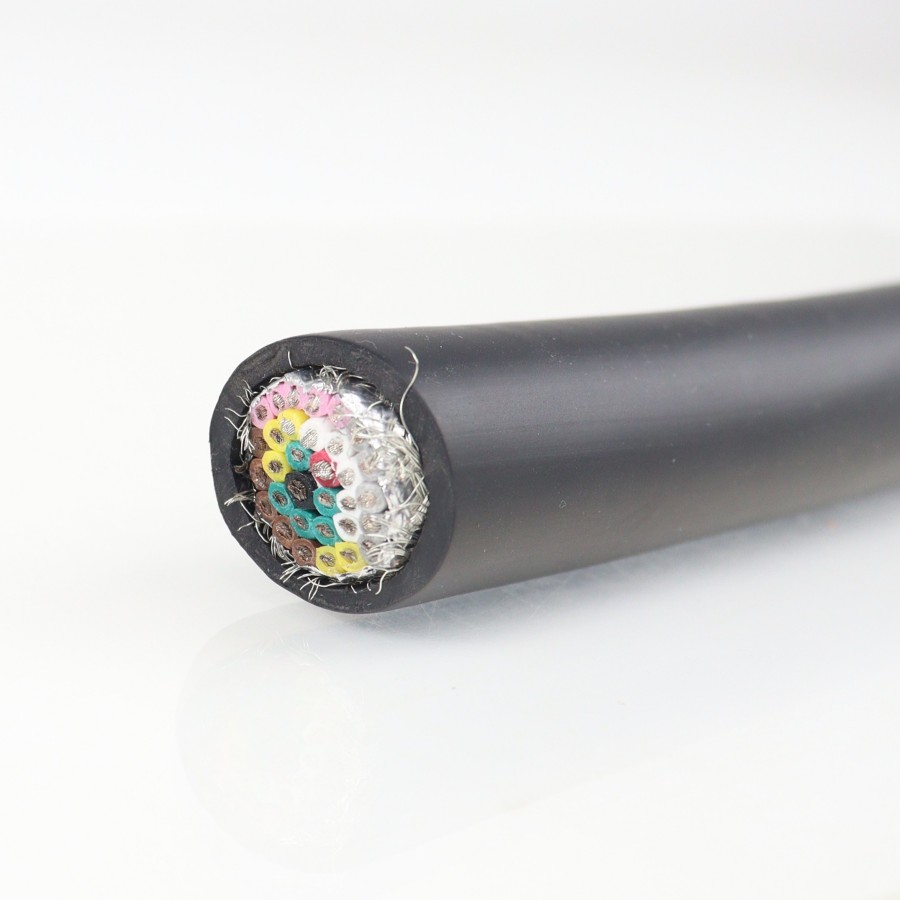
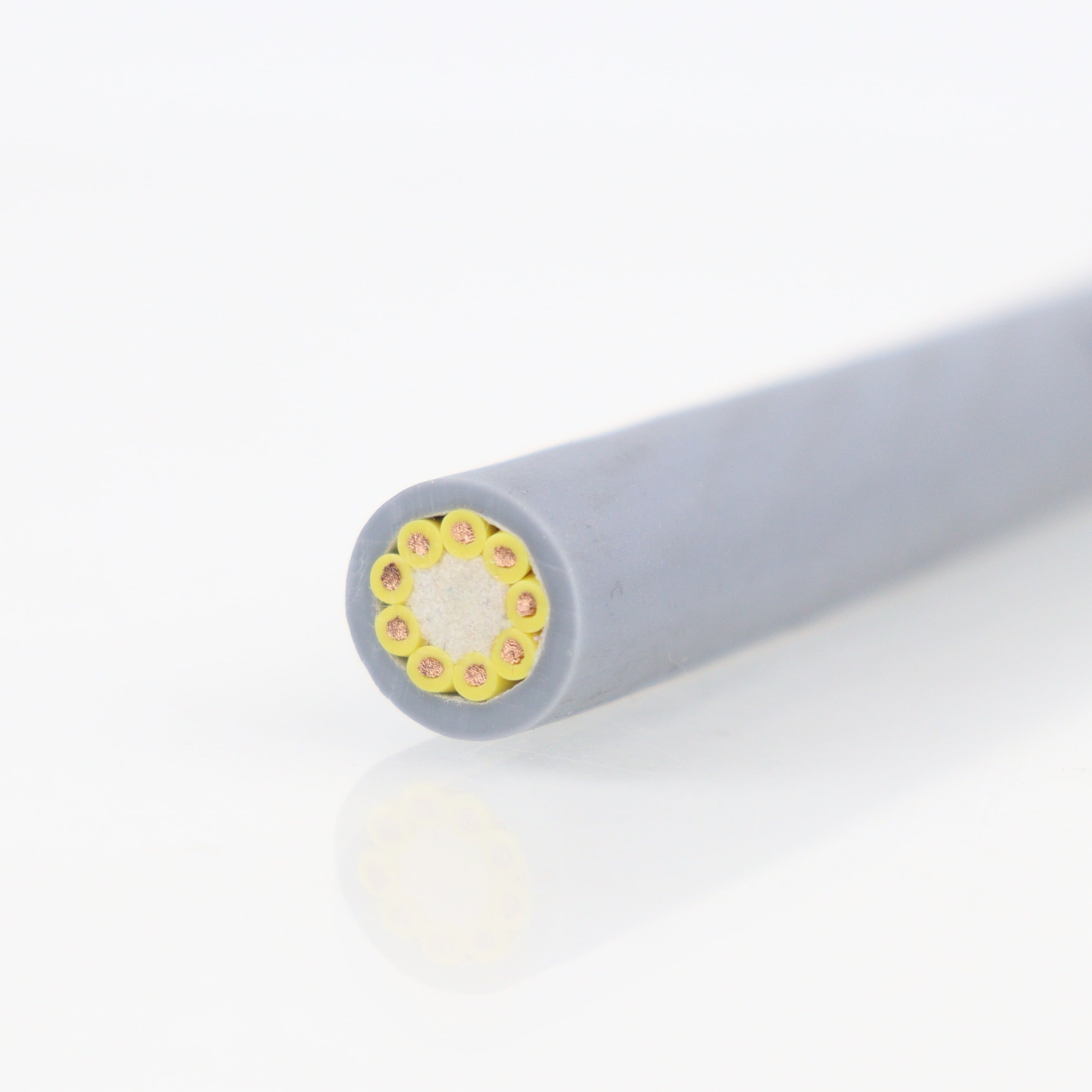
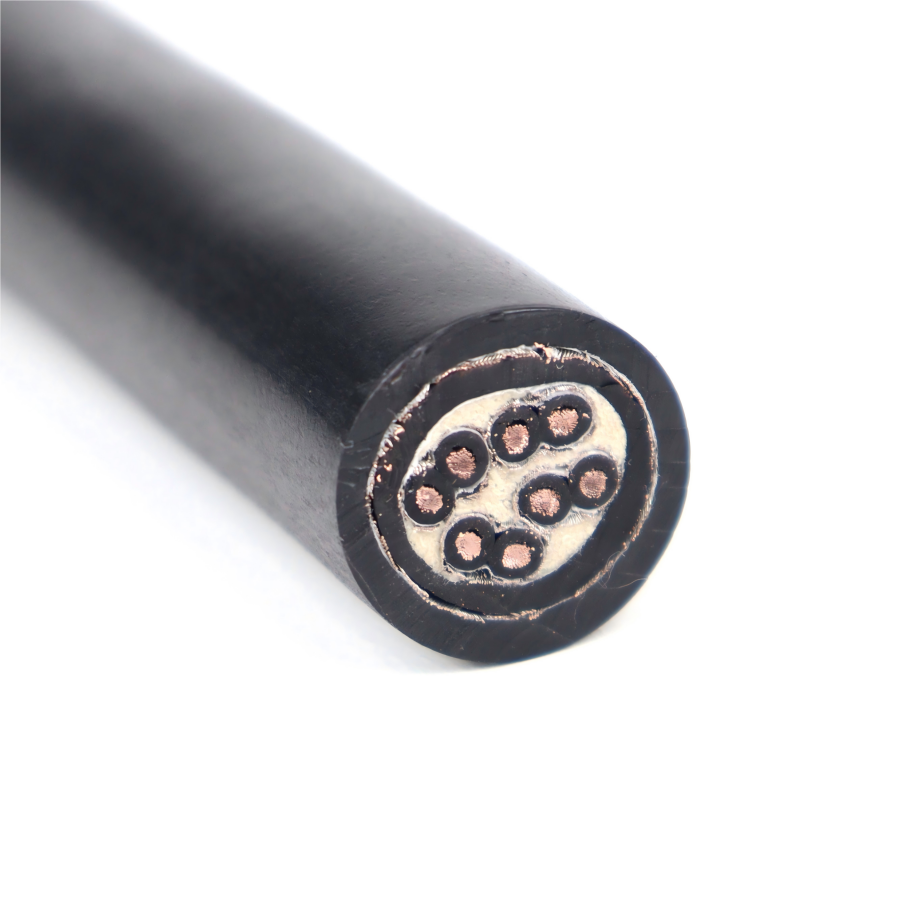
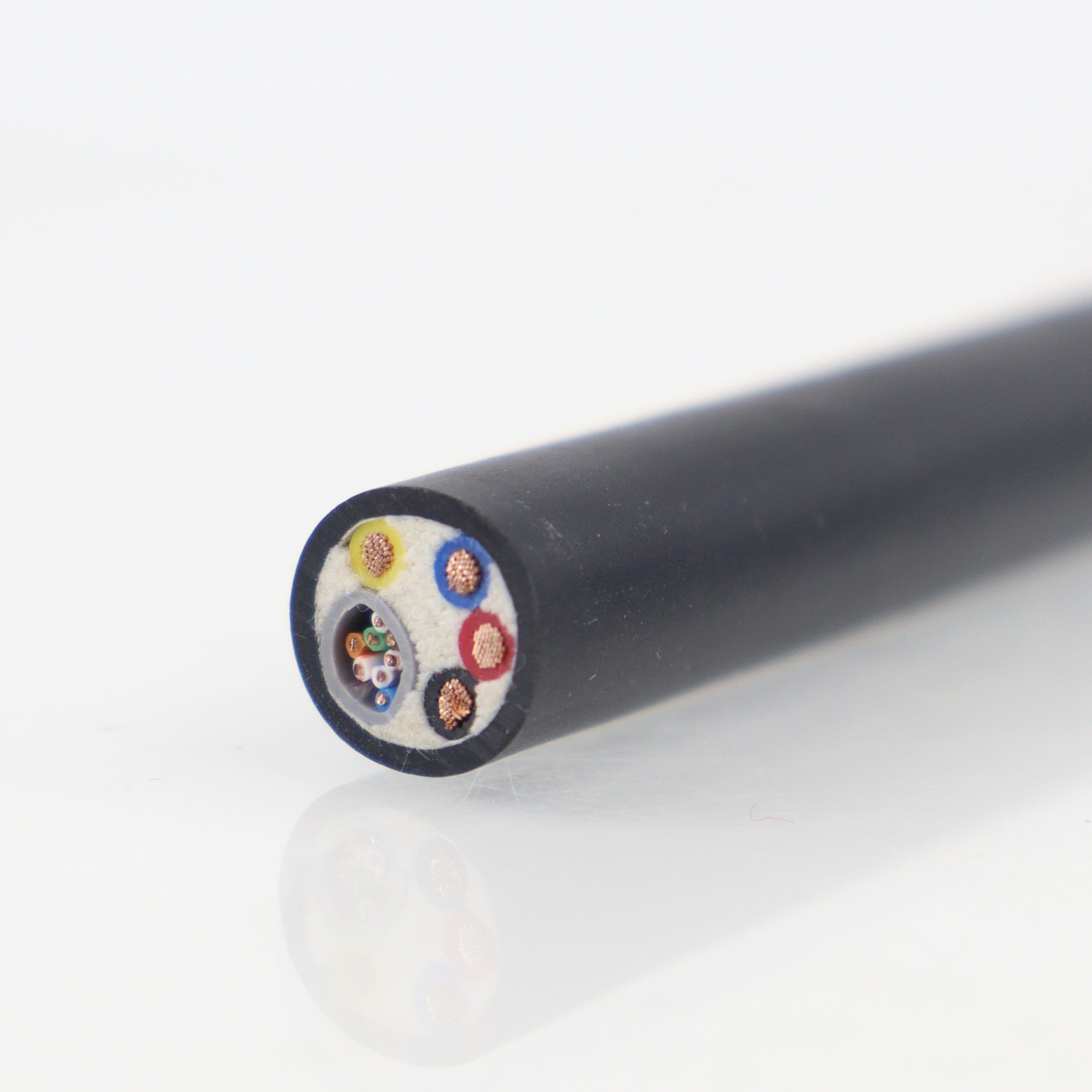
An industrial can bus cable is a communication cable designed to connect controllers, sensors, drives, and other devices on a Controller Area Network. An industrial can bus cable carries digital messages between equipment, allowing machines to share status, commands, and diagnostic information without separate wiring for every signal. An industrial can bus cable supports reliable communication in production lines, mobile equipment, vehicles, and automated systems. An industrial can bus cable normally uses twisted copper conductors to reduce electrical interference and maintain signal quality. An industrial can bus cable may include a shield that blocks noise from motors, inverters, relays, and nearby power cables. An industrial can bus cable also uses a durable outer jacket that protects the conductors from abrasion, oil, moisture, vibration, and temperature changes. An industrial can bus cable is available in designs for fixed installation, repeated movement, drag chains, and outdoor service. An industrial can bus cable can support common CAN standards and different data rates, depending on network design and equipment requirements. An industrial can bus cable often includes a controlled electrical impedance, which helps prevent signal reflections and communication errors. An industrial can bus cable can be supplied in different lengths, conductor sizes, shield formats, and connector options. An industrial can bus cable simplifies network expansion because devices can share one communication backbone. An industrial can bus cable is therefore a practical choice when customers need dependable data exchange, easier troubleshooting, and organized machine wiring. Before purchase, users should confirm voltage, temperature range, flexibility, shielding, connector type, and required CAN protocol. Correct selection helps the network perform consistently and reduces replacement work over the life of the installation.