Shielded Electric Cable for Reliable Power

application/shielded-electric-cable, application/shielded-electric-cable, 
Inquiry
Inquiry

shielded electric cable

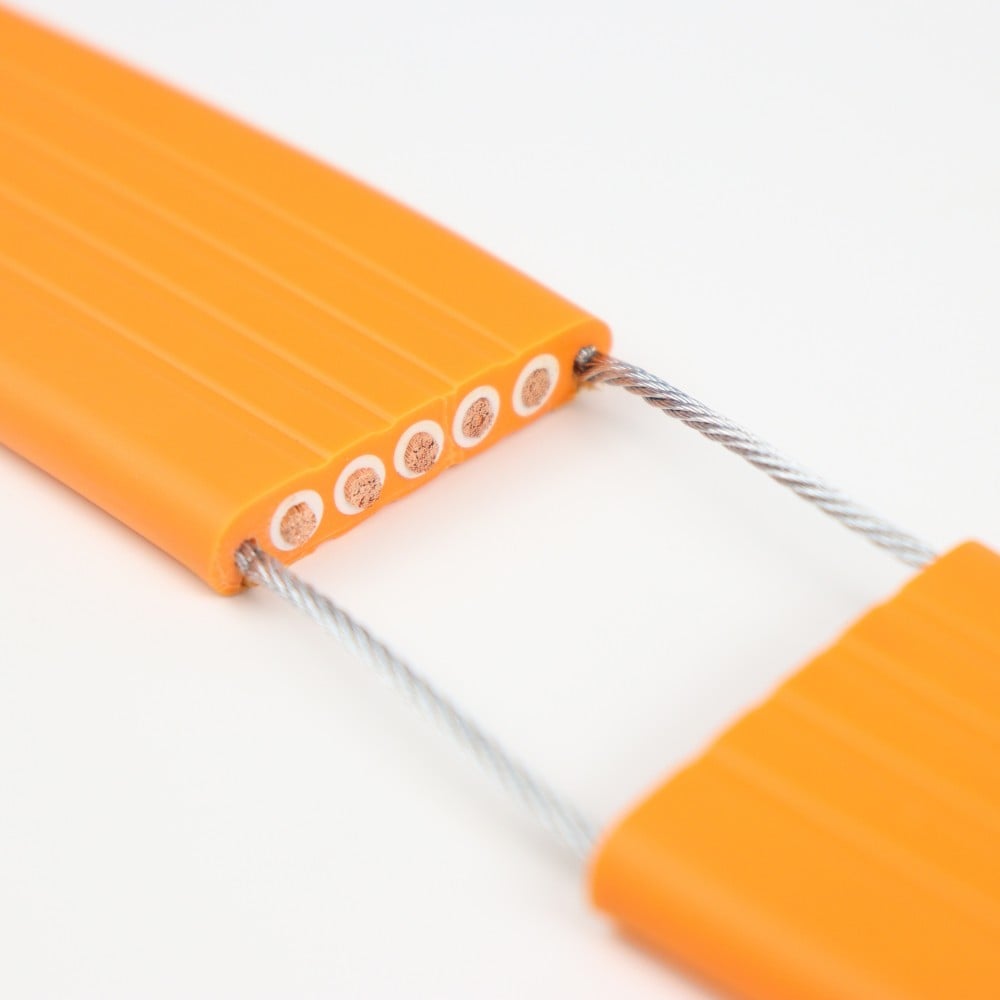
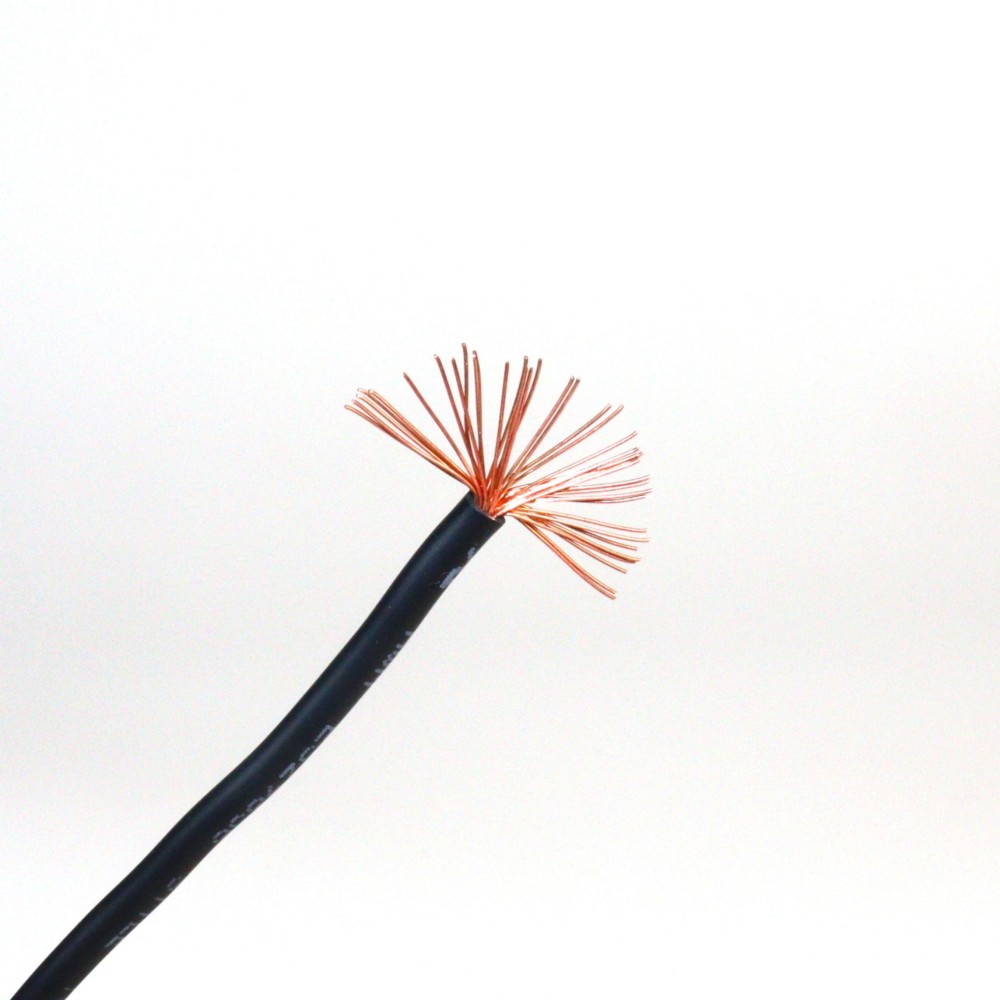
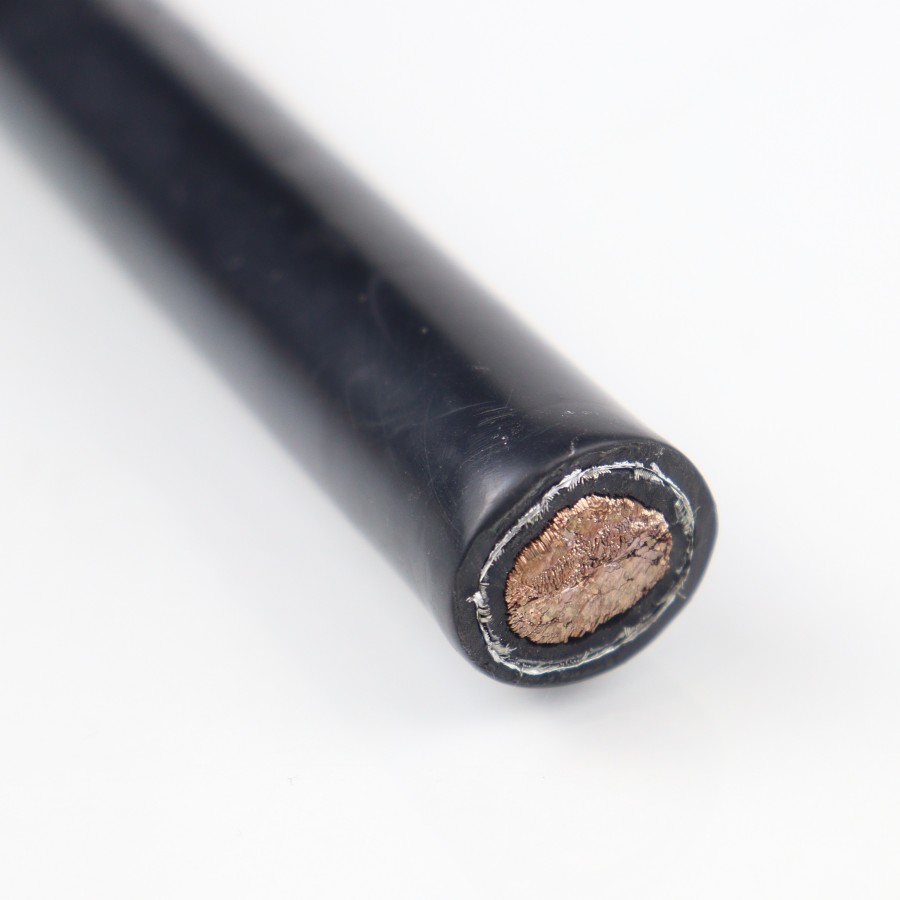
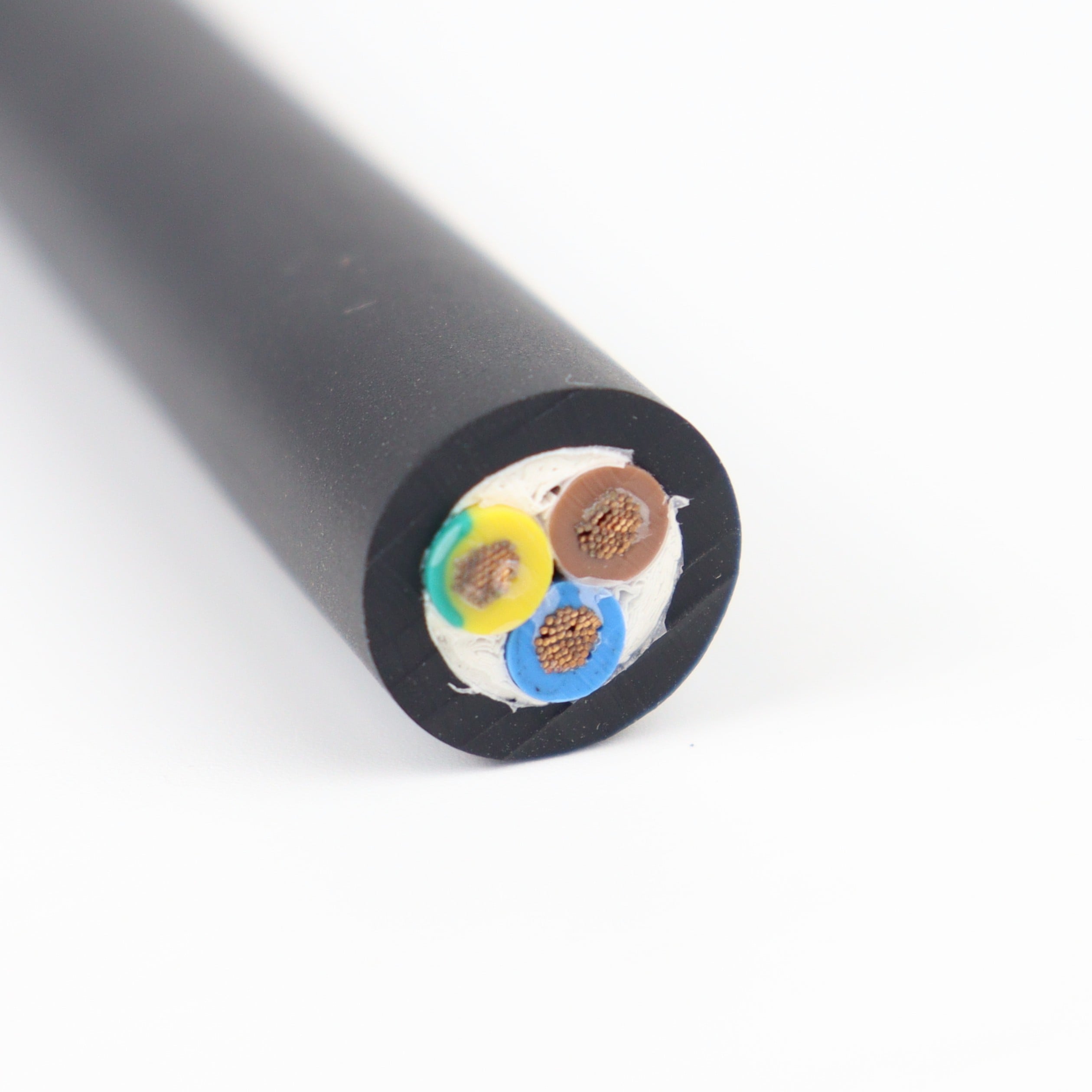
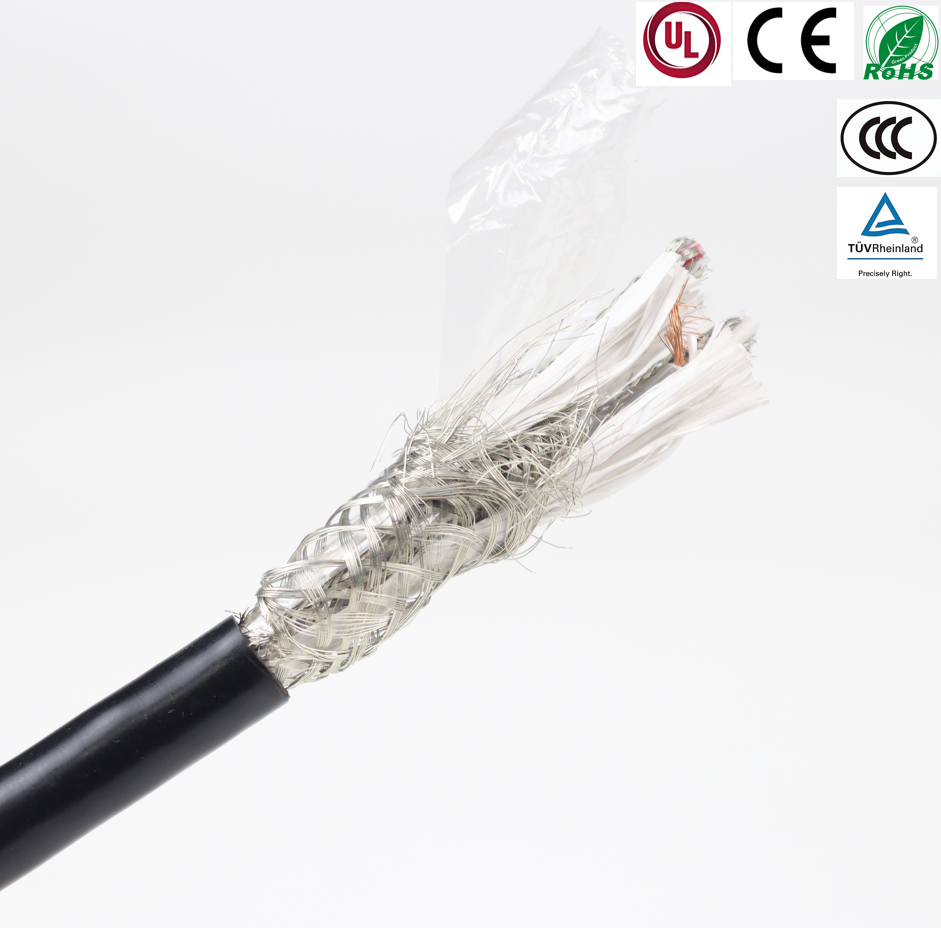
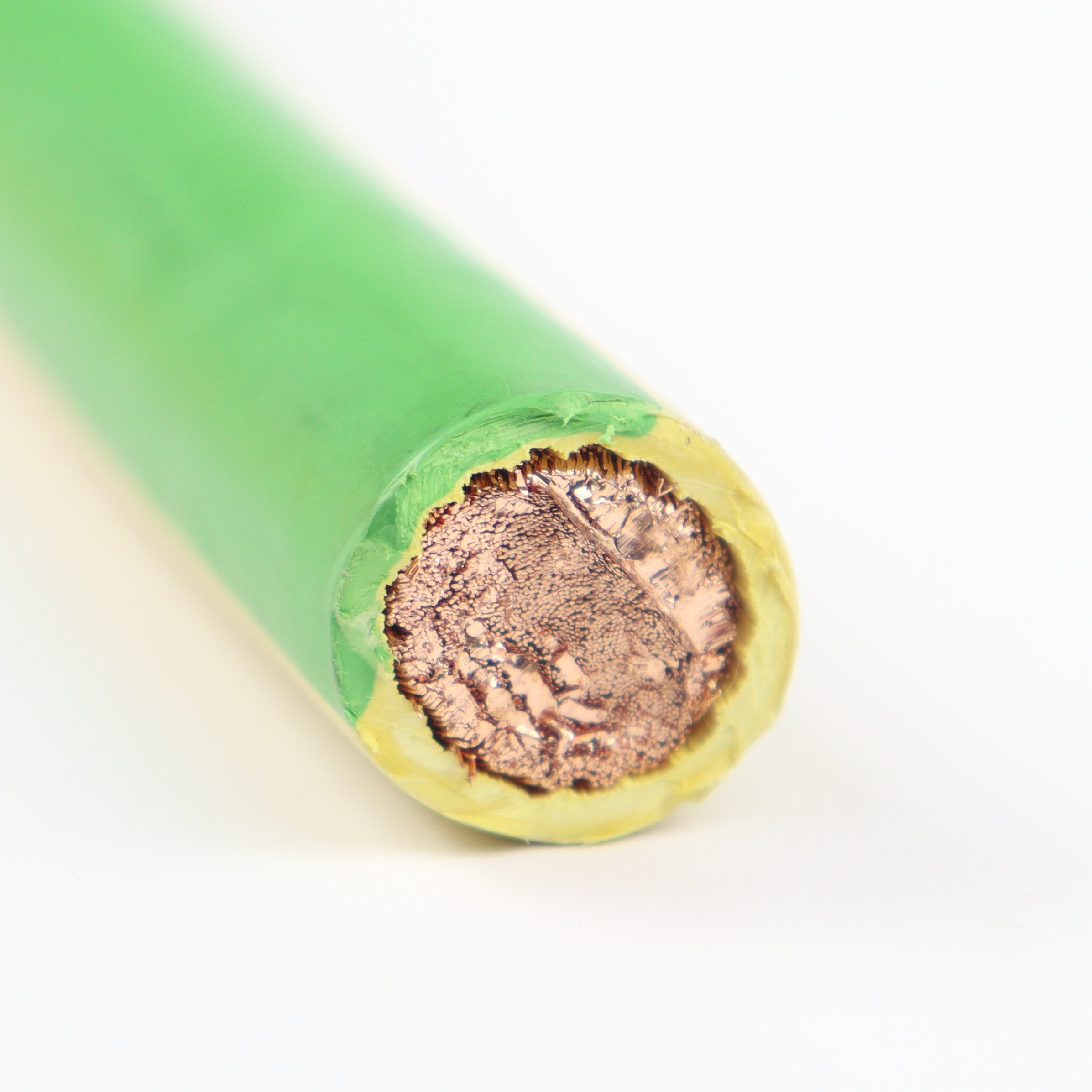
A shielded electric cable carries power or signals while protecting the conductors from unwanted electrical interference. It combines one or more copper or aluminum conductors, insulation, a conductive shield, and an outer jacket. The shielded electric cable helps reduce noise caused by motors, drives, switching equipment, radio signals, and nearby power lines. It also limits the amount of electrical energy that escapes into surrounding equipment. The shield may use copper braid, aluminum foil, a foil and braid combination, or a metal tape, depending on the design and operating environment. A drain wire often supports fast, reliable grounding. The shielded electric cable can include flexible stranded conductors for moving equipment or solid conductors for fixed installations. Manufacturers select insulation materials such as PVC, XLPE, rubber, or low-smoke compounds to match voltage, temperature, moisture, and chemical requirements. The outer jacket protects the cable from abrasion, oil, sunlight, water, and mechanical stress. A shielded electric cable supports stable communication between sensors, controllers, machines, and monitoring systems. It can also deliver dependable power in areas where electrical noise could cause trips, false readings, data loss, or equipment damage. Common designs include control cable, instrumentation cable, motor cable, data cable, and industrial power cable. Installation depends on correct sizing, bend radius, grounding method, and local electrical codes. Buyers should compare conductor size, voltage rating, shield coverage, jacket material, temperature range, flexibility, and certification before selecting a shielded electric cable. The right shielded electric cable improves signal quality, supports safer operation, and helps connected equipment perform consistently in demanding locations.
Choosing a shielded electric cable gives customers a practical way to control interference without redesigning an entire electrical system. The main benefit is cleaner power or signal transmission. A shielded electric cable can reduce errors, nuisance alarms, communication drops, and unstable readings near variable-speed drives, transformers, relays, and large motors. This improvement helps operators spend less time diagnosing faults and restarting production. The shielded electric cable also supports better equipment protection. By directing unwanted electrical energy toward ground, it reduces stress on sensitive controls, sensors, network devices, and automation components. This protection can extend service life and lower replacement costs. For installers, a shielded electric cable offers useful design flexibility. Different conductor counts, sizes, shield styles, jacket materials, and voltage ratings suit fixed panels, moving machinery, outdoor routes, factory floors, and control cabinets. Flexible versions simplify routing around robotic arms and other moving systems, while rugged jackets handle abrasion, oil, moisture, and sunlight. A shielded electric cable is also suitable for long cable runs where signal quality may weaken or interference may build. Customers can select foil shielding for broad coverage, braid shielding for strength and flexibility, or combined shielding for demanding environments. Correct grounding remains essential, so buyers should confirm termination details and installation guidance before ordering. The shielded electric cable can support reliable operation in manufacturing, building controls, renewable energy, transportation, process plants, and commercial equipment. Its value extends beyond the purchase price: fewer interruptions, easier troubleshooting, improved measurement accuracy, and more predictable maintenance can reduce total operating cost. Buyers should match the product to voltage, current, frequency, temperature, movement, exposure, and required approvals. This approach prevents over-specification while ensuring that the shielded electric cable provides the needed performance.

Tips And Tricks

Shanghai Libin Cable Showcases Robot and Automation Cable Solutions at CMES Shanghai Industrial Automation & Robotics Exhibition

16

Oct

Shanghai Libin Cable Showcases Robot and Automation Cable Solutions at CMES Shanghai Industrial Automation & Robotics Exhibition

View More
Shanghai Libin Cable Showcases Crane Cable Solutions at the 11th China (Changyuan) International Crane Equipment Expo

16

Oct

Shanghai Libin Cable Showcases Crane Cable Solutions at the 11th China (Changyuan) International Crane Equipment Expo

View More
Why Drag Chain Cables Fail: Four Common Causes and How to Select Correctly

16

Oct

Why Drag Chain Cables Fail: Four Common Causes and How to Select Correctly

View More
Industrial Robot Combination Cable: Routing Power and Signal Together in a Small-Bend-Radius Drag Chain

16

Oct

Industrial Robot Combination Cable: Routing Power and Signal Together in a Small-Bend-Radius Drag Chain

View More

Get a Free Quote

Our representative will contact you soon.
0/1000
Strong Protection Against Electrical Noise

Strong Protection Against Electrical Noise

The most important advantage of a shielded electric cable is its ability to limit interference before it reaches connected equipment. A conductive layer surrounds the insulated conductors and provides a controlled path for unwanted electrical energy. As a result, a shielded electric cable helps preserve clean signals near motors, inverters, welders, relays, and radio equipment. This matters when a small disturbance can create a false sensor value, interrupted data exchange, or unexpected machine stop. Customers gain more stable automation and fewer calls for fault investigation. The shielded electric cable also helps separate sensitive circuits from noisy power systems, allowing practical cable routing in crowded plants and equipment rooms. Depending on the application, foil offers broad coverage while braid adds strength and flexibility. Some products combine both methods for higher protection. Buyers should review shield coverage, grounding instructions, and operating frequency to choose the right design. With proper installation, a shielded electric cable supports dependable measurements and consistent communication throughout the working day.
Durable Construction for Demanding Locations

Durable Construction for Demanding Locations

A shielded electric cable can combine electrical protection with physical durability, making it suitable for harsh operating conditions. Its outer jacket can resist abrasion, oil, moisture, sunlight, chemicals, and temperature changes, while the inner insulation keeps conductors separated and protected. This construction helps a shielded electric cable remain reliable on factory floors, outdoor equipment, processing lines, and service vehicles. Flexible versions use stranded conductors and resilient materials to tolerate repeated bending, vibration, or movement. Fixed versions can provide a firm, economical solution for panels, ducts, and permanent routes. A shielded electric cable with the correct jacket and temperature rating reduces cracking, moisture entry, and premature failure. That gives buyers longer service intervals and fewer emergency replacements. Product selection still requires attention to bend radius, pulling force, voltage, current, and exposure conditions. When the design matches the location, a shielded electric cable offers dependable performance without adding unnecessary maintenance work. It supports safer, more predictable operation across both indoor and outdoor installations.
Flexible Choices for Power and Control Systems

Flexible Choices for Power and Control Systems

The shielded electric cable is available in designs that support many power, control, instrumentation, and communication needs. Customers can choose conductor sizes for low-level signals, control circuits, or higher electrical loads, along with different core counts for simple or complex systems. A shielded electric cable may use copper for strong conductivity and easy termination, while specialized insulation supports heat, moisture, or chemical resistance. This range helps engineers select one practical product instead of adapting equipment around a limited cable choice. The shielded electric cable also fits applications such as factory automation, HVAC controls, pumps, solar equipment, battery systems, audio installations, and data networks. Correct shielding and grounding can maintain performance across longer routes and electrically busy spaces. Buyers should confirm approvals, fire performance, installation method, and compatibility with connectors or glands. A shielded electric cable selected to match the system can simplify procurement, reduce installation changes, and support future maintenance. Its broad application range makes it a useful option for new projects, upgrades, and replacement work.