Single Core Electric Cable | Reliable Power

application/single-core-electric-cable, application/single-core-electric-cable, 
Inquiry
Inquiry

single core electric cable

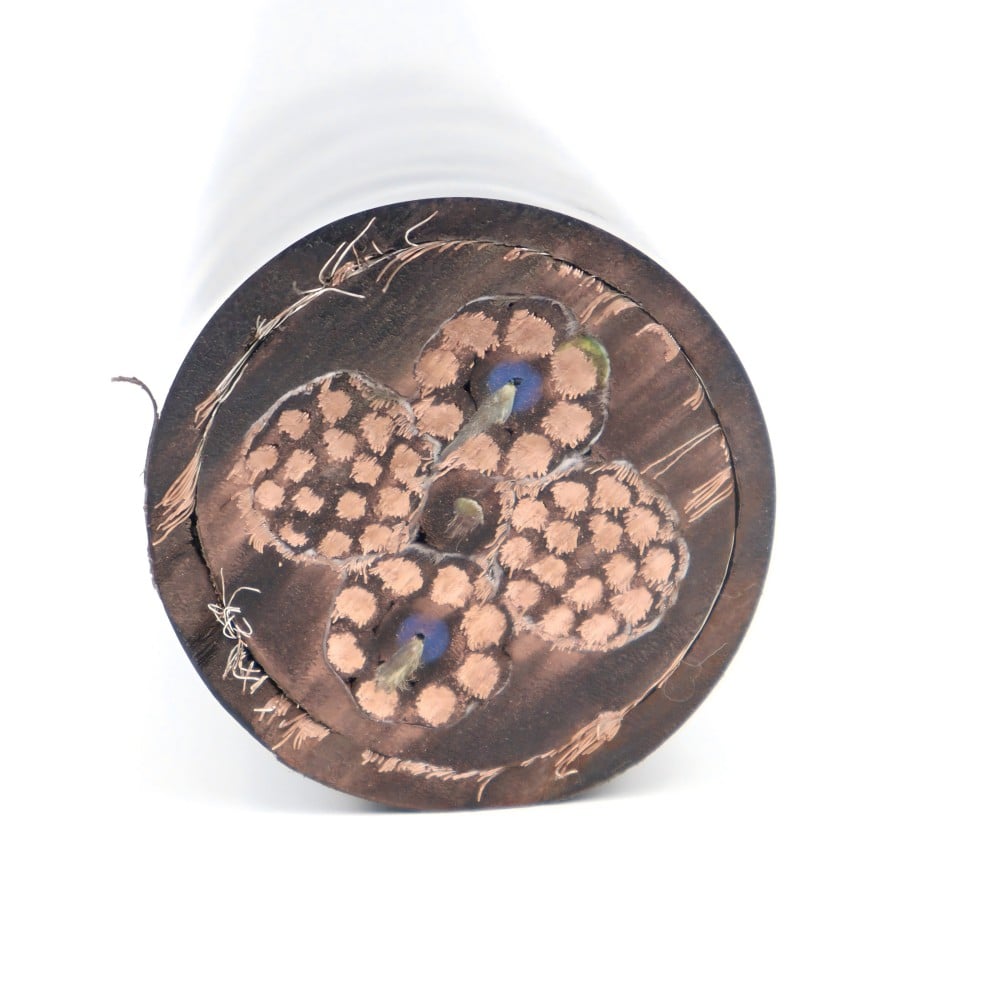
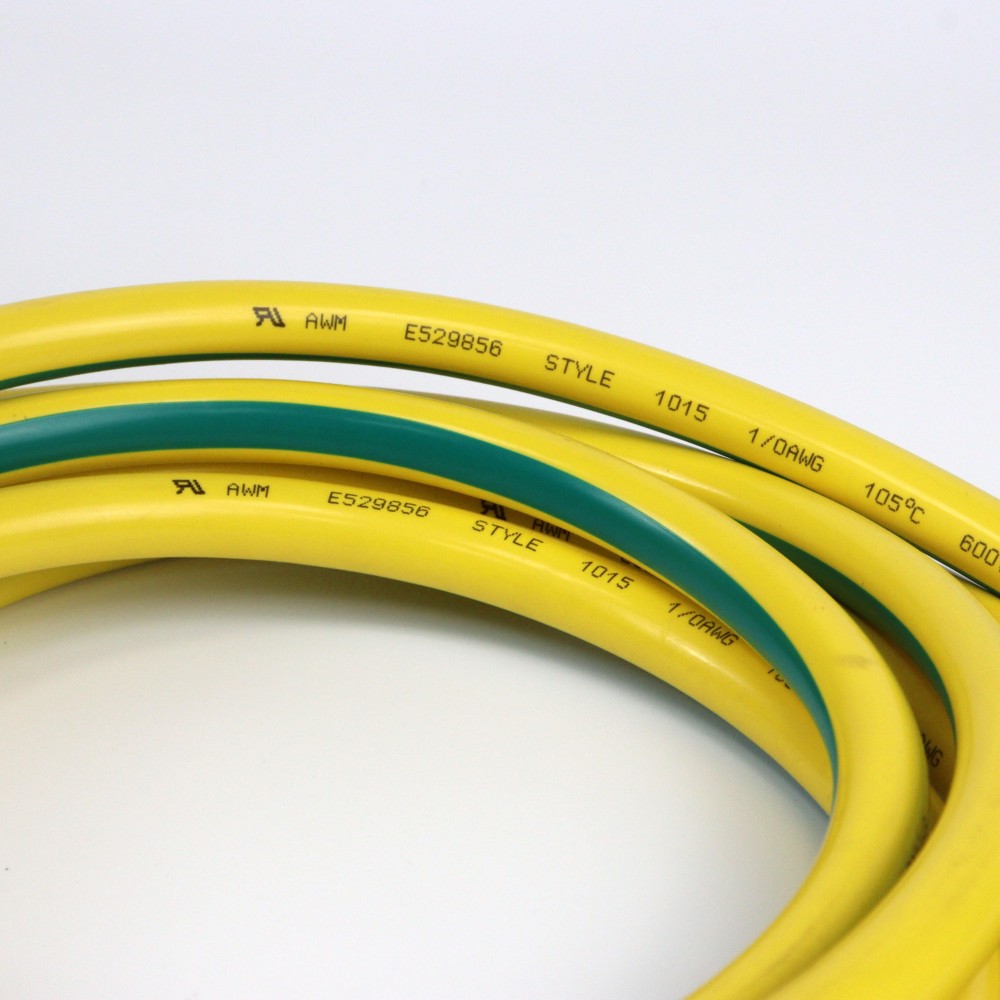
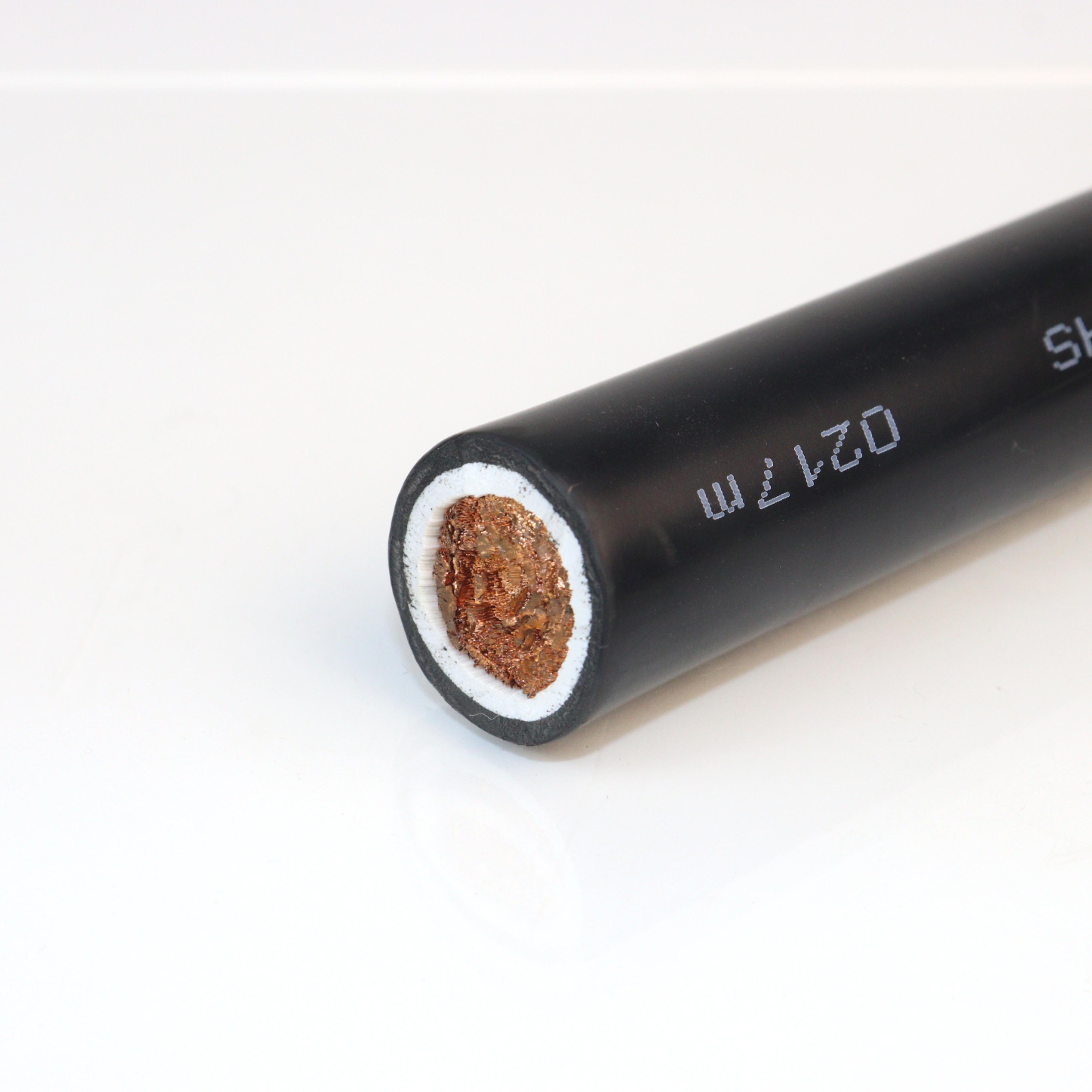
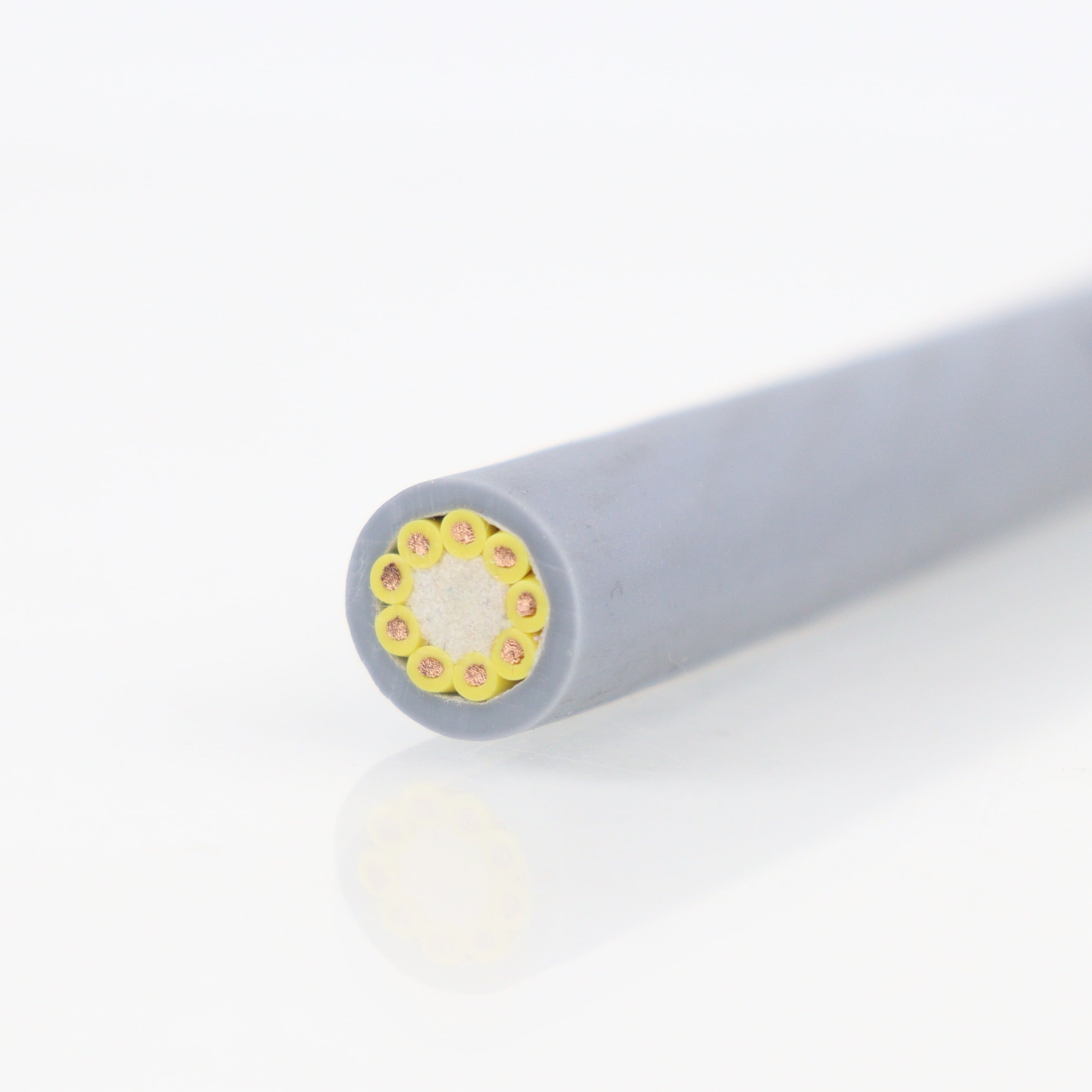
A single core electric cable is a power cable built with one conductive core inside an insulating layer. It carries electrical current between a source and a load, making it suitable for wiring, control panels, equipment connections, and power distribution. Unlike multi-core designs, a single core electric cable contains one current path, so installers normally use it alone for simple connections or in groups when a complete circuit needs several conductors. The conductor commonly uses copper or aluminum. Copper provides excellent conductivity and flexibility, while aluminum offers lower weight and cost for larger installations. The insulation may use PVC, XLPE, rubber, or another protective material selected for voltage, temperature, moisture, and mechanical conditions. A single core electric cable can support low-voltage systems, industrial equipment, renewable energy installations, building services, and selected underground or outdoor applications. Its voltage rating, conductor size, insulation type, current capacity, bending radius, and environmental rating determine where it can operate safely. Many designs also include flame-retardant, low-smoke, heat-resistant, or water-resistant features. During installation, users should match the single core electric cable to the required load, route it correctly, protect it from impact, and follow local electrical codes. The main function remains simple: deliver power reliably while limiting heat, leakage, and accidental contact. For buyers, the single core electric cable offers a clear, adaptable solution when a project needs a dedicated conductor, easy identification, and dependable long-term electrical performance.
Choosing a single core electric cable can make a wiring project easier to plan, install, inspect, and maintain. Because each cable carries one electrical path, technicians can identify live, neutral, earth, or control connections quickly when cables use clear color coding or numbered markers. This reduces confusion during installation and helps speed up fault finding later. A single core electric cable also allows installers to select the conductor size for each circuit instead of using one fixed multi-core arrangement for every function. That flexibility can improve material planning and help buyers avoid paying for unused cores. Copper options provide efficient current flow and good flexibility for tight routes, while aluminum versions can reduce weight and cost on larger runs. The right single core electric cable can support stable equipment operation by managing current without excessive heating when users choose the correct cross-section and installation method. Its separate construction also makes replacement or extension practical: a damaged line may be changed without removing an entire bundled cable assembly. Buyers can select insulation for indoor rooms, hot machinery, damp locations, exposed areas, or buried routes, depending on the product rating. This makes the single core electric cable suitable for homes, commercial buildings, factories, solar arrays, battery systems, control cabinets, and distribution networks. The design is especially useful where cables must run through conduits, trays, ducts, or large electrical panels. Before purchasing, compare voltage rating, ampacity, conductor material, insulation, sheath protection, temperature range, flexibility, fire performance, and certification. A well-matched single core electric cable improves installation efficiency, supports safer operation, and gives maintenance teams a straightforward path to future testing and repairs.

Practical Tips

Shanghai Libin Cable Showcases Robot and Automation Cable Solutions at CMES Shanghai Industrial Automation & Robotics Exhibition

16

Oct

Shanghai Libin Cable Showcases Robot and Automation Cable Solutions at CMES Shanghai Industrial Automation & Robotics Exhibition

View More
Shanghai Libin Cable Showcases Crane Cable Solutions at the 11th China (Changyuan) International Crane Equipment Expo

16

Oct

Shanghai Libin Cable Showcases Crane Cable Solutions at the 11th China (Changyuan) International Crane Equipment Expo

View More
Why Drag Chain Cables Fail: Four Common Causes and How to Select Correctly

16

Oct

Why Drag Chain Cables Fail: Four Common Causes and How to Select Correctly

View More
Industrial Robot Combination Cable: Routing Power and Signal Together in a Small-Bend-Radius Drag Chain

16

Oct

Industrial Robot Combination Cable: Routing Power and Signal Together in a Small-Bend-Radius Drag Chain

View More

Get a Free Quote

Our representative will contact you soon.
0/1000
Flexible Design for Clear, Efficient Wiring

Flexible Design for Clear, Efficient Wiring

The main strength of a single core electric cable is its simple, dedicated structure. Each length contains one conductor, which gives installers direct control over how they build a circuit. They can arrange separate lines for power, return, grounding, or control functions and label each route clearly. This approach is valuable in distribution boards, machine panels, solar systems, and long cable runs where quick identification matters. A single core electric cable can also fit different conductor materials and sizes, allowing the buyer to balance conductivity, weight, flexibility, and price. Copper works well where low resistance and easy bending are priorities. Aluminum can reduce overall weight for larger power routes when the installation method supports it. The separate format makes it easier to replace one line, expand a circuit, or adapt a layout during equipment changes. For project managers, this means a single core electric cable can support practical design choices without forcing every circuit to use the same configuration.
Reliable Protection Across Demanding Environments

Reliable Protection Across Demanding Environments

A single core electric cable protects its conductor with insulation selected for the conditions around the installation. PVC can provide a cost-effective choice for many building and general-purpose systems, while XLPE can offer stronger heat performance and stable operation under higher electrical loads. Rubber and other flexible compounds may suit equipment that moves or vibrates. Depending on the model, a single core electric cable can also provide resistance to moisture, sunlight, oil, abrasion, flames, and temperature changes. These features help preserve electrical separation and reduce the chance of premature failure. Buyers should match the product rating with the actual route rather than choosing only by price. An indoor lighting circuit, an industrial motor, and an outdoor renewable energy system may need different insulation and protection. With the correct selection, a single core electric cable can maintain dependable service through daily heating and cooling cycles, routine handling, and demanding operating conditions. That protection supports safer equipment performance and lowers the likelihood of unplanned replacement.
Practical Value for Installation and Maintenance

Practical Value for Installation and Maintenance

The single core electric cable delivers practical value throughout the product life cycle, not only during initial installation. Its individual conductors are easy to measure, test, trace, and terminate, which can help electricians complete commissioning with fewer delays. If a fault occurs, technicians can isolate and examine the affected line without disturbing every circuit in a larger cable assembly. This can reduce downtime for factories, commercial facilities, data rooms, and power equipment. The design also works well in conduit, cable trays, switchboards, and controlled panel layouts, provided the installer follows spacing, heat, and bending requirements. A single core electric cable can be ordered in different lengths, sizes, colors, and insulation types, helping buyers match stock to a specific project. Clear specifications make it easier to compare offers and confirm compliance before purchase. When the conductor size and voltage rating fit the load, the single core electric cable supports efficient current delivery, controlled operating temperature, and dependable service. That combination helps customers protect equipment, simplify maintenance, and plan future upgrades with confidence.