flexible electric cable
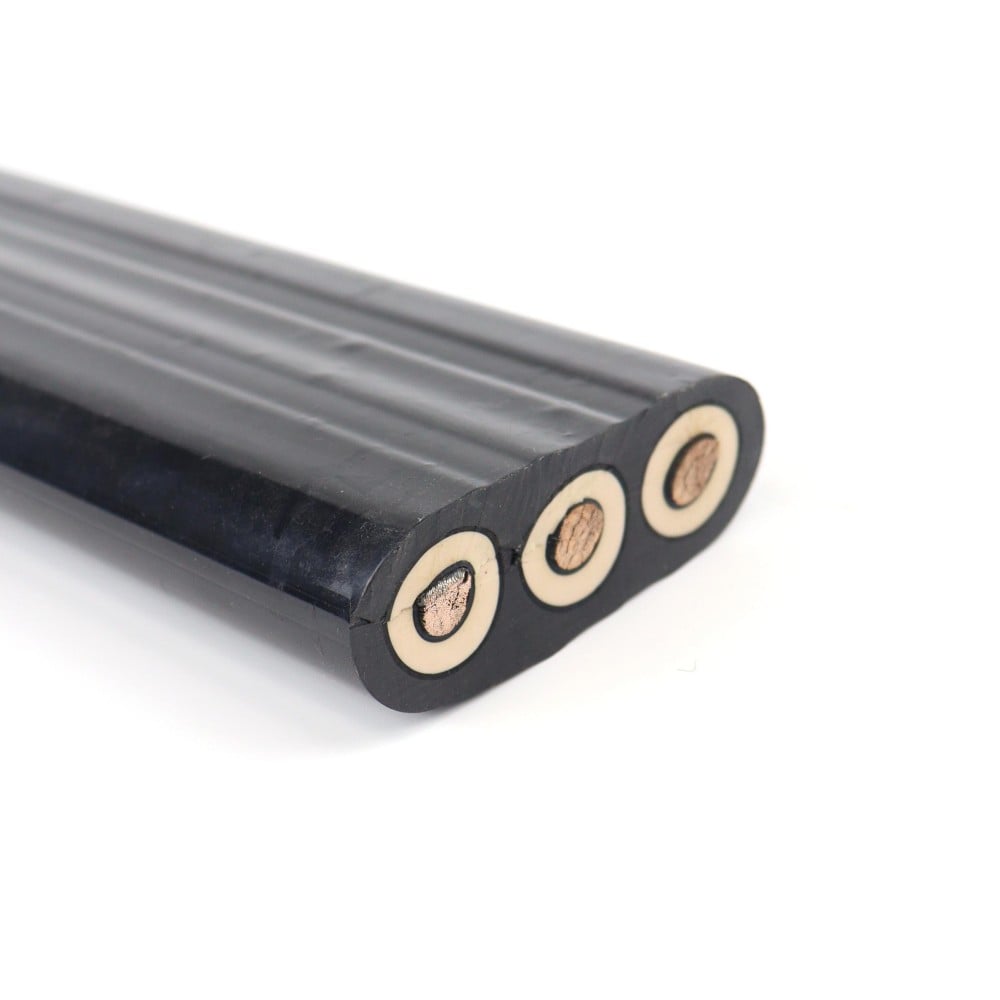
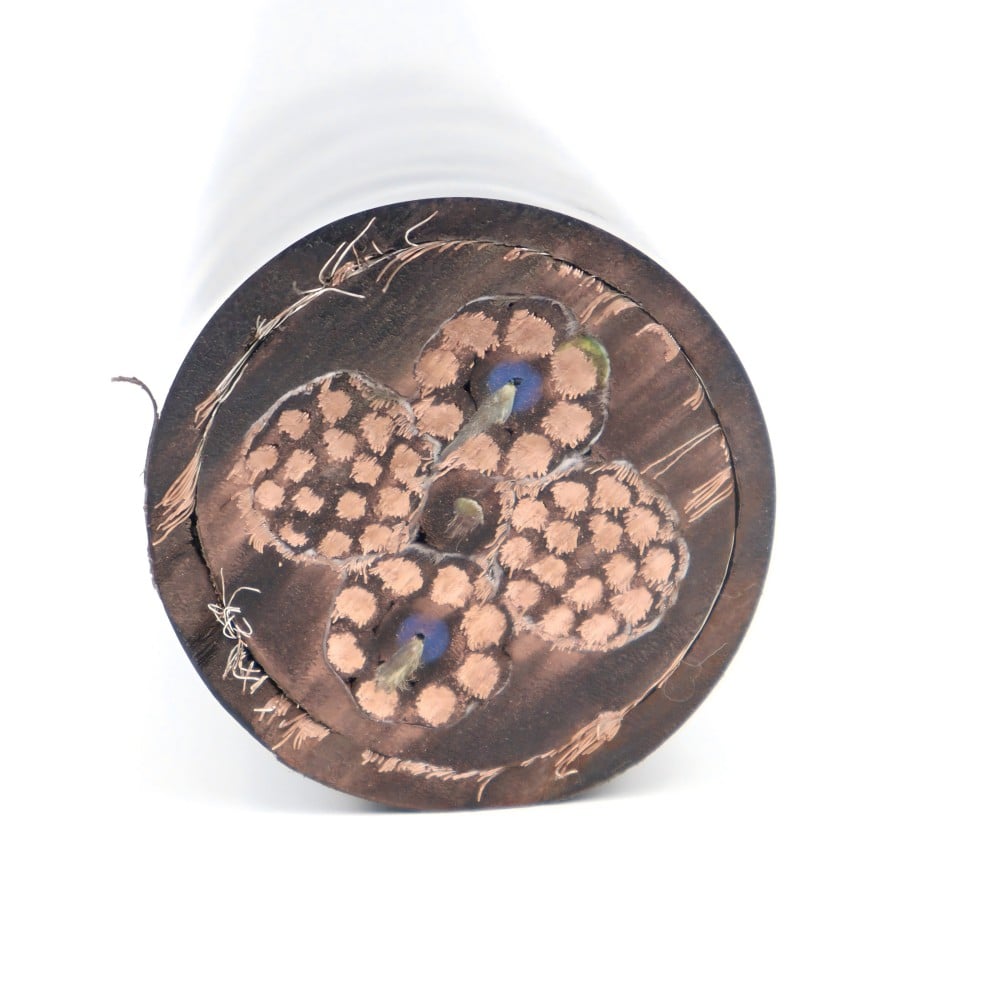
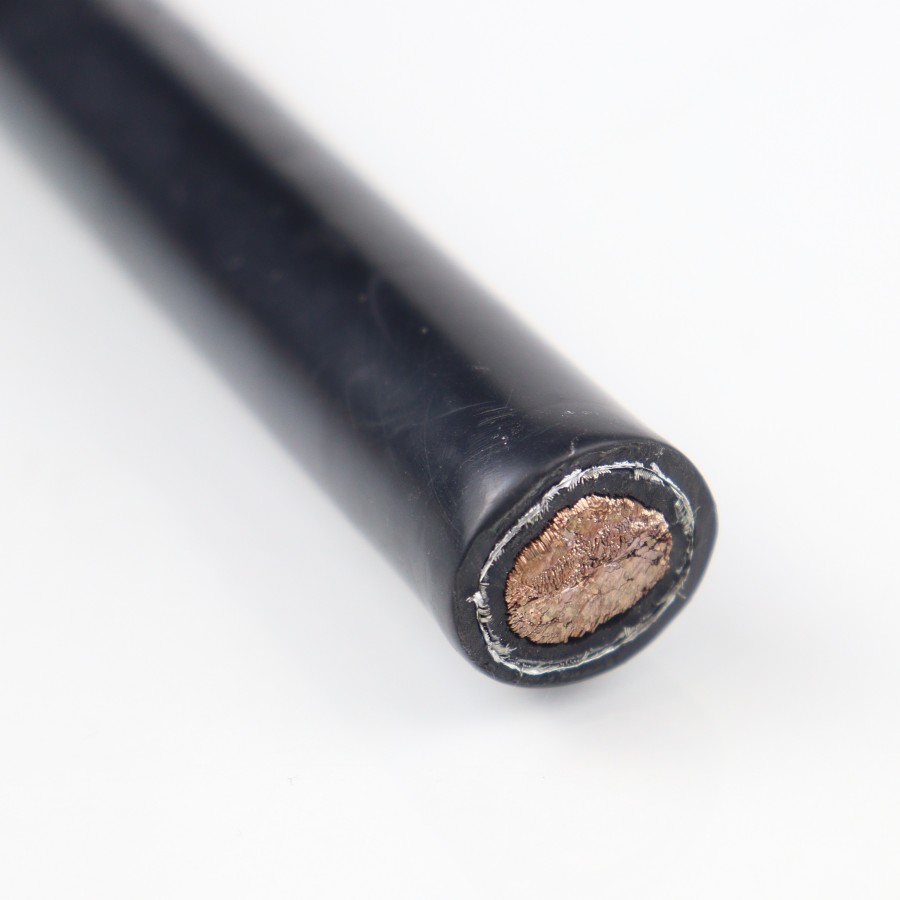
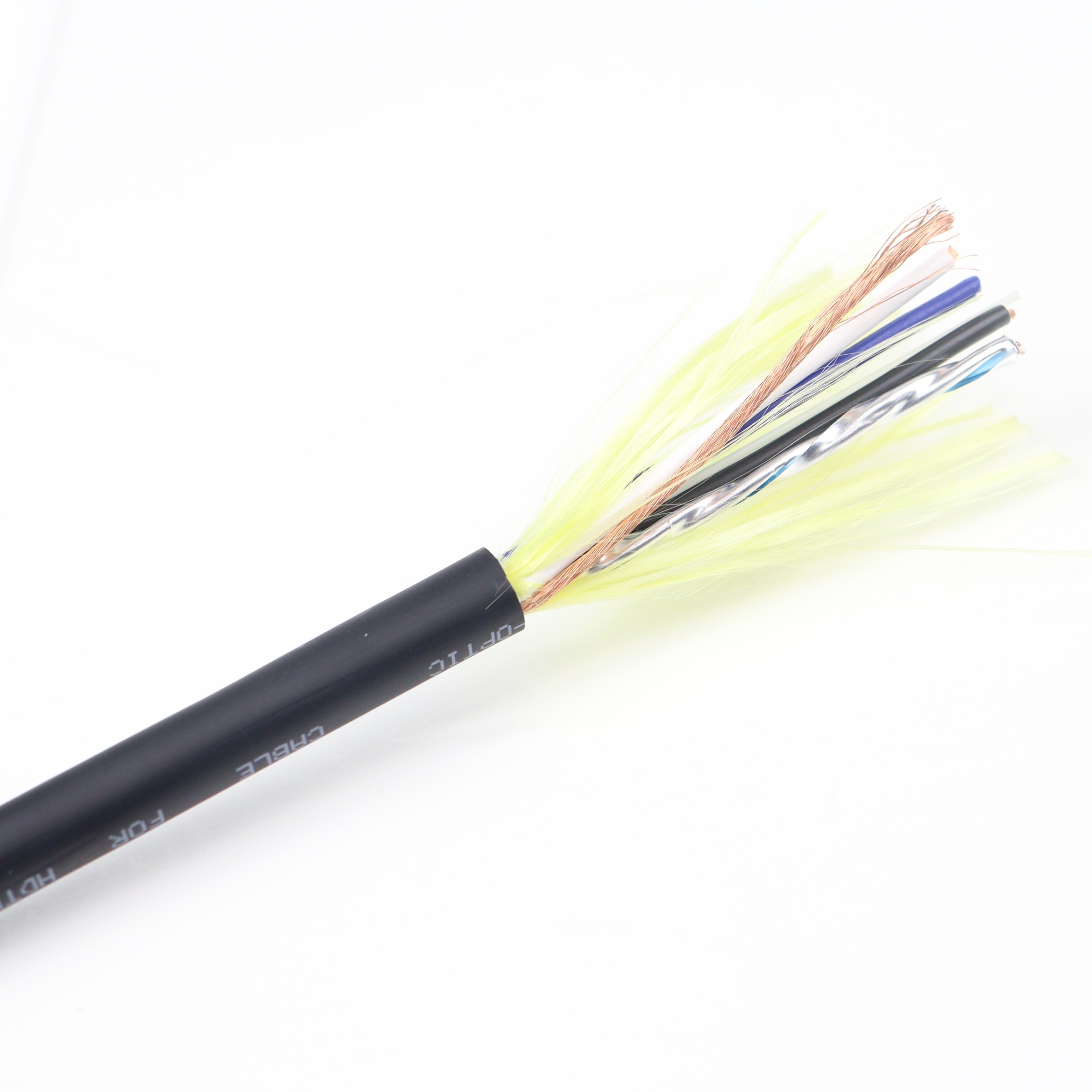
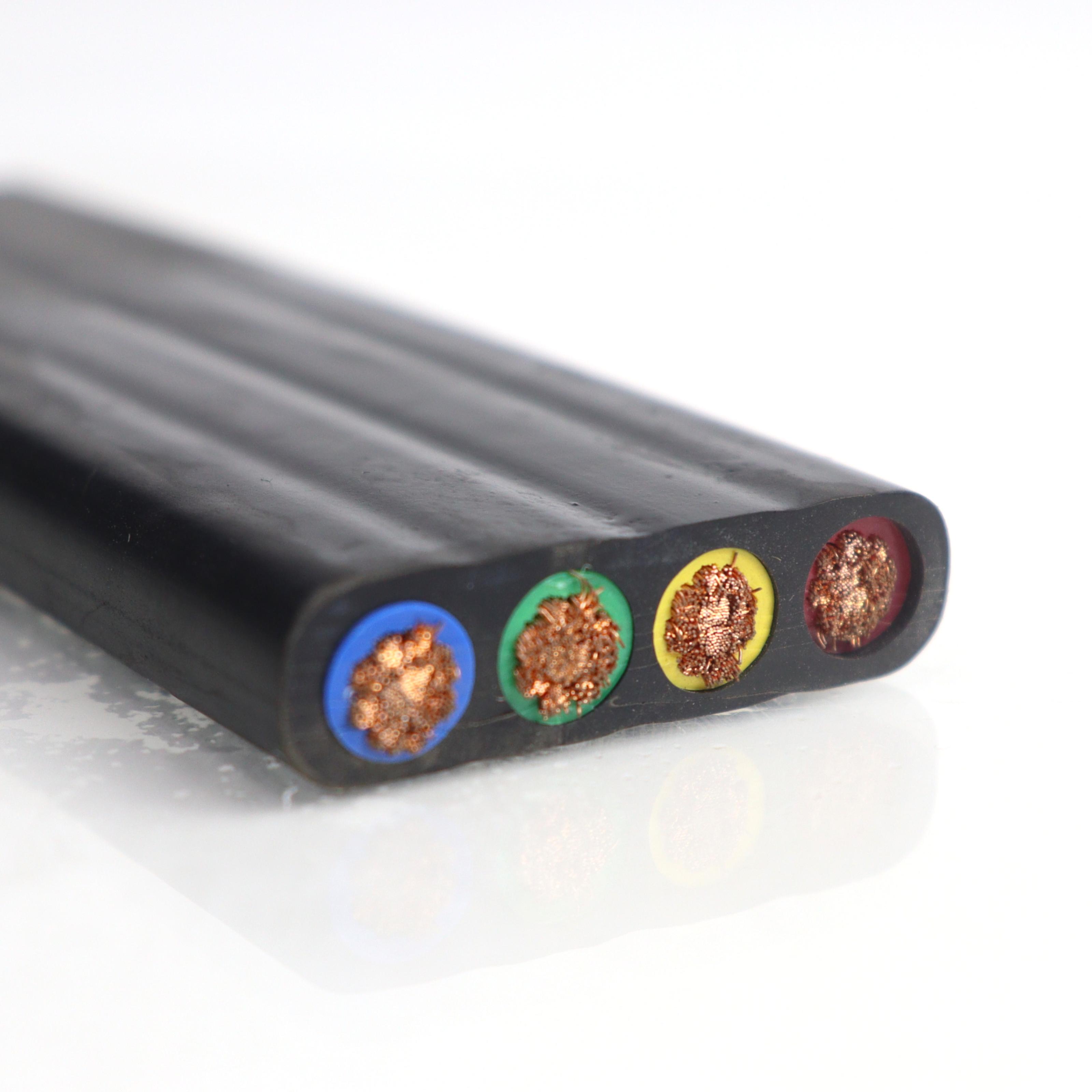
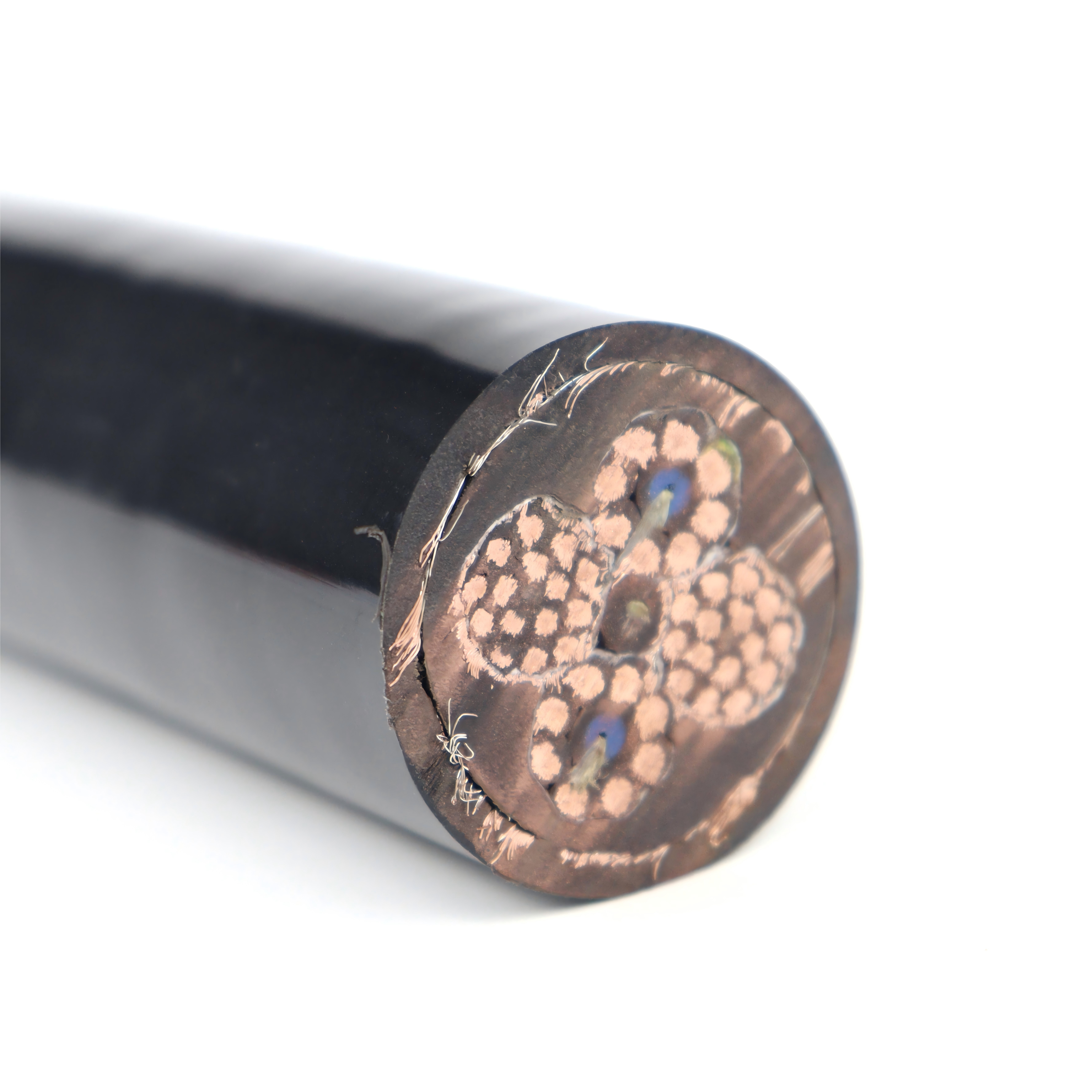
A flexible electric cable is designed to carry power or control signals while bending, twisting, or moving repeatedly. Unlike rigid wiring, a flexible electric cable supports equipment that changes position during operation. It uses stranded copper conductors, which bend more easily than solid wire and maintain dependable electrical contact. A flexible electric cable usually includes insulation around each conductor, an outer jacket, and sometimes shielding to reduce electrical interference. These layers protect the cable from abrasion, moisture, oil, heat, and everyday handling. A flexible electric cable can serve low-voltage controls, industrial power systems, appliances, tools, lighting equipment, and mobile machinery. Its construction lets a flexible electric cable pass through tight spaces, cable tracks, hinges, reels, and moving joints without quickly cracking. Manufacturers offer different conductor counts, sizes, voltage ratings, jacket materials, and temperature ranges. The right flexible electric cable depends on current demand, movement frequency, installation conditions, bend radius, and required service life. Some versions resist flame, chemicals, sunlight, water, or welding sparks, while shielded designs help protect sensitive data and control signals. A flexible electric cable also simplifies routing because installers can guide it around corners without using many rigid fittings. In automation, a flexible electric cable connects motors, sensors, robotic arms, and control cabinets. In commercial settings, a flexible electric cable supports portable equipment and movable displays. Overall, the product combines electrical performance with mechanical freedom, making it a practical choice wherever fixed wiring cannot meet operating needs.