Industrial Electric Cable for Reliable Power

application/industrial-electric-cable, application/industrial-electric-cable, 
Inquiry
Inquiry

industrial electric cable

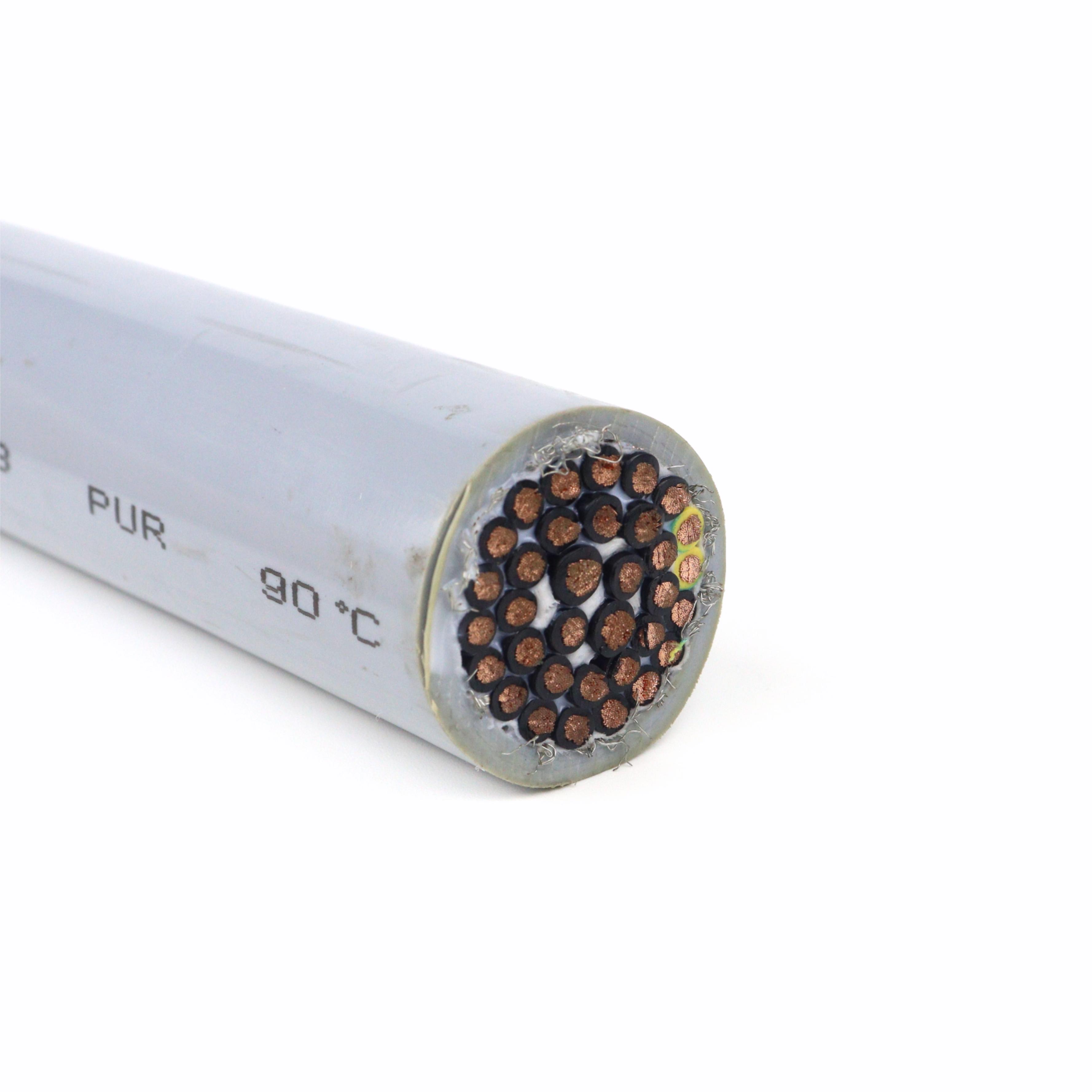
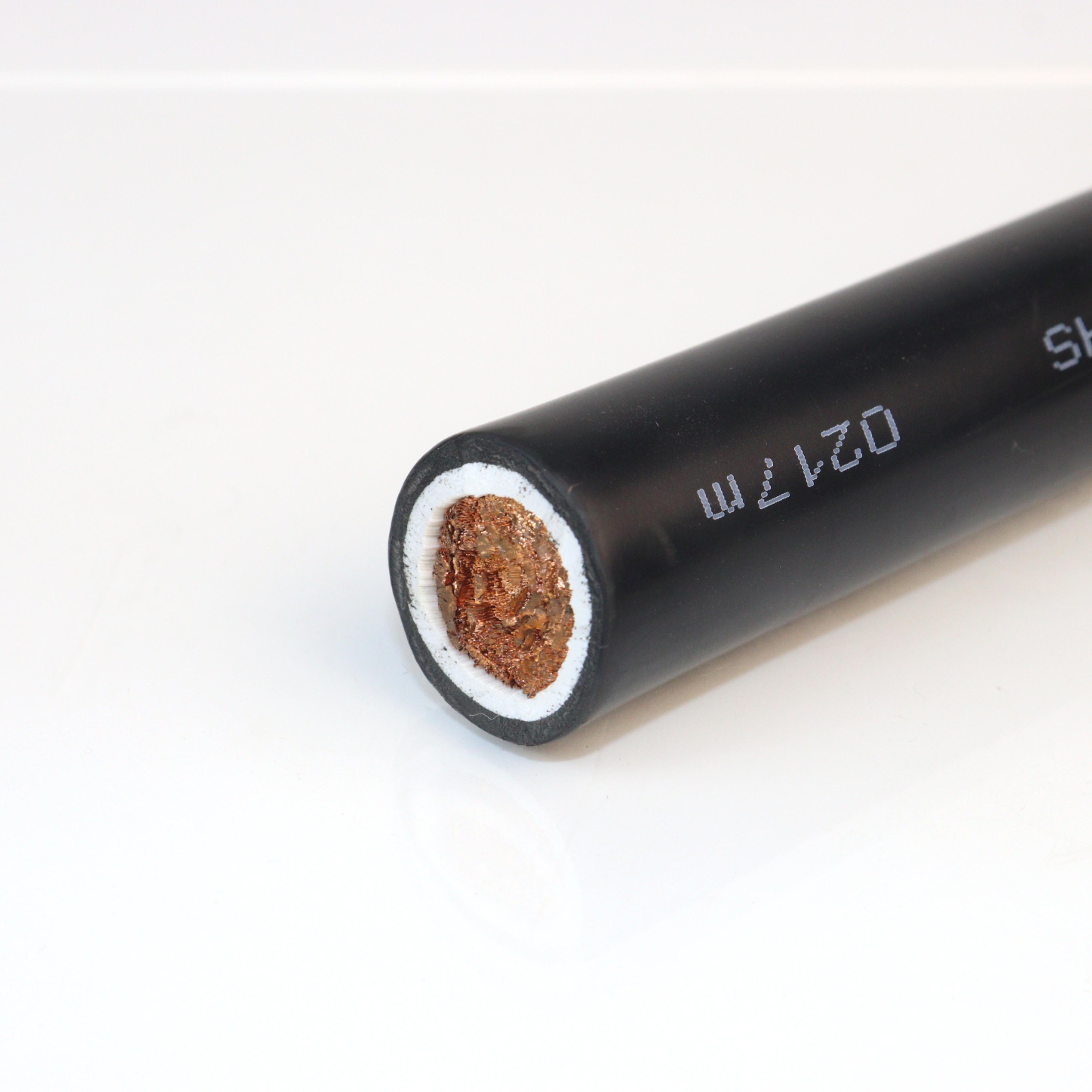
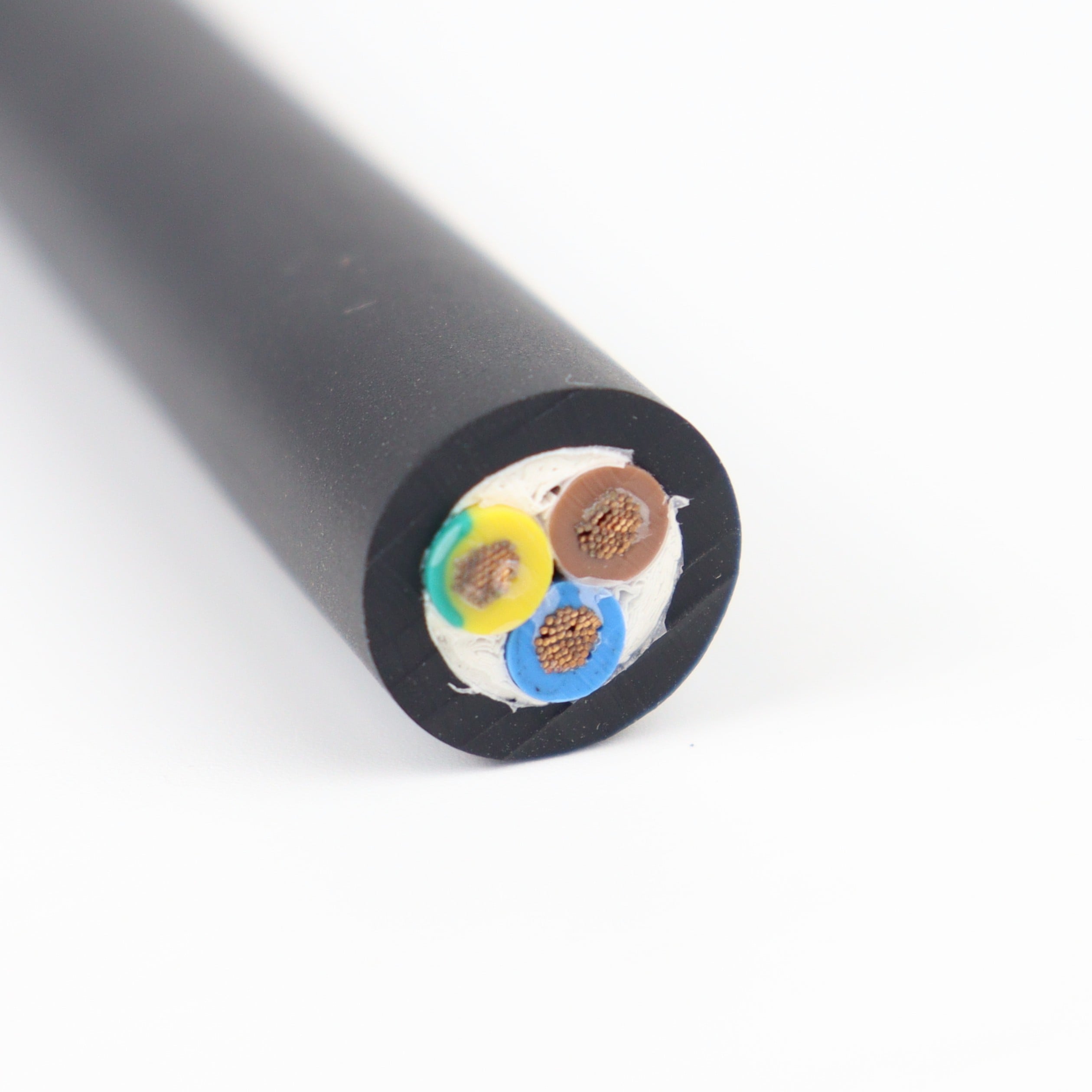
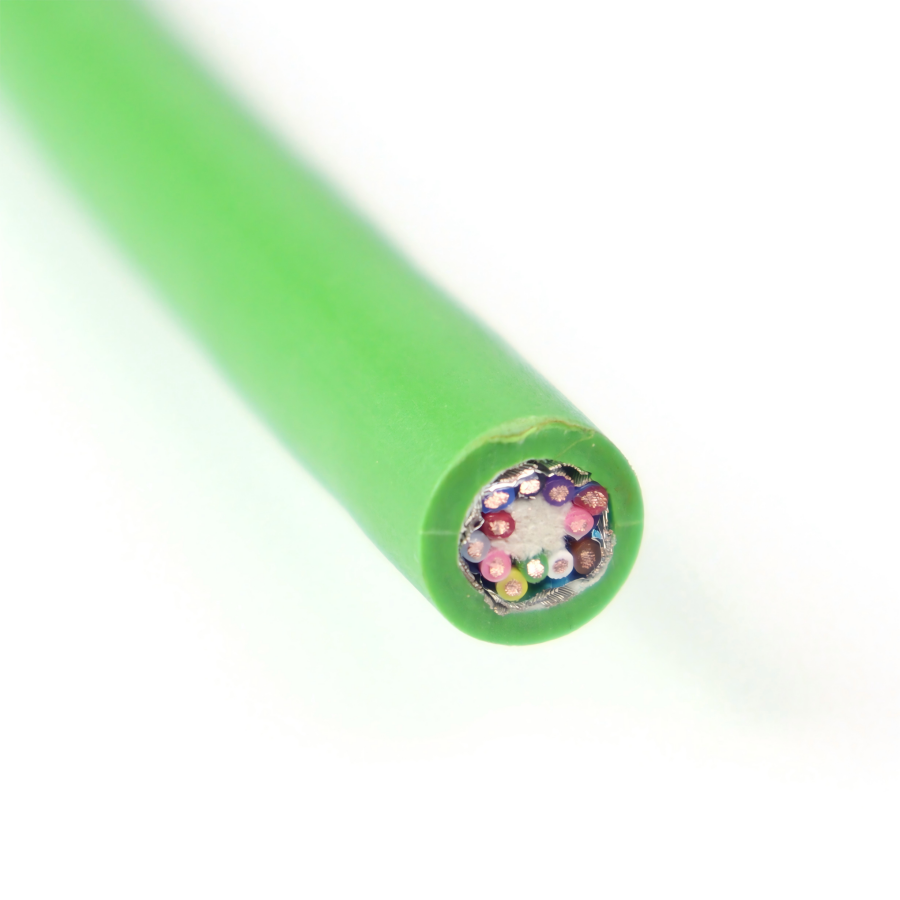
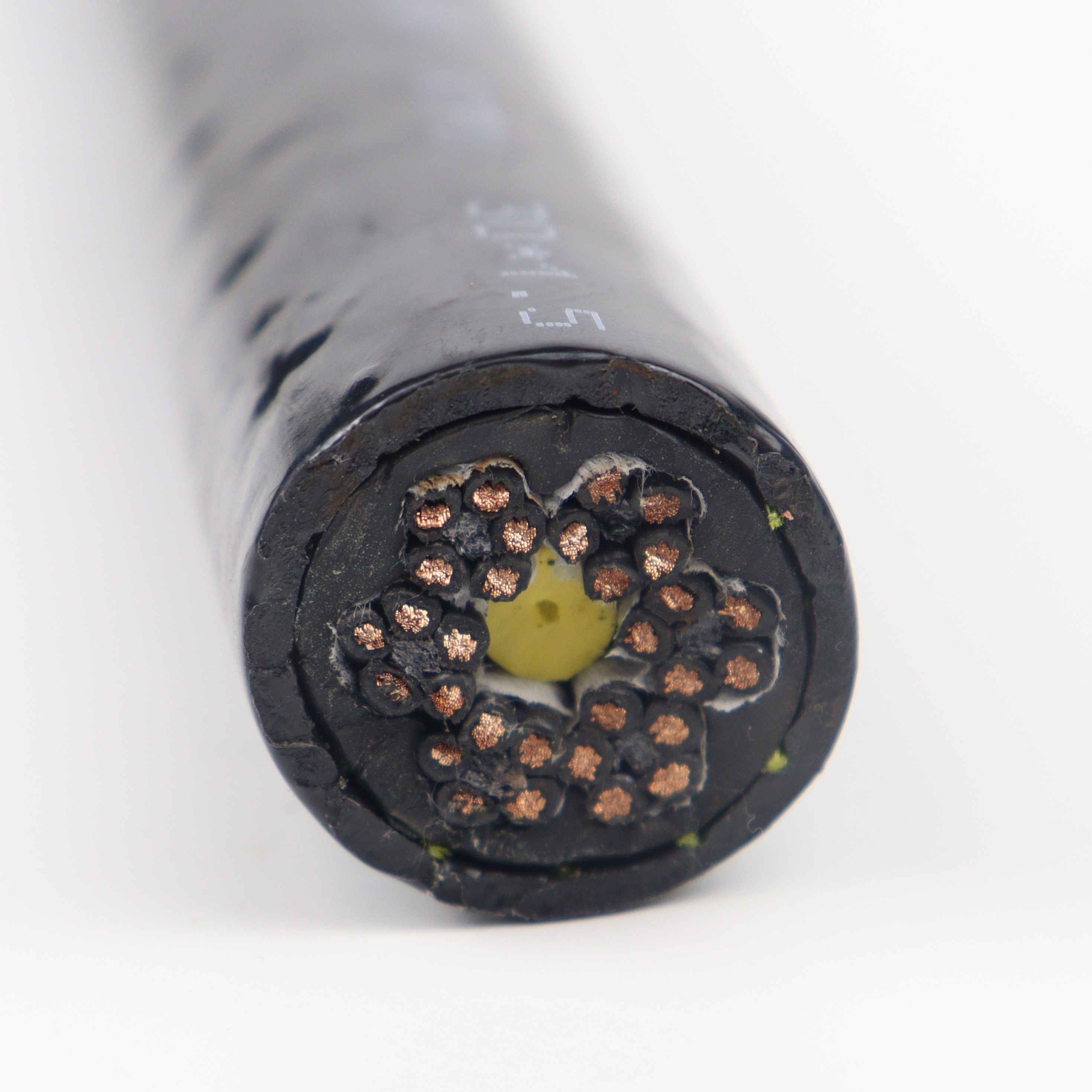
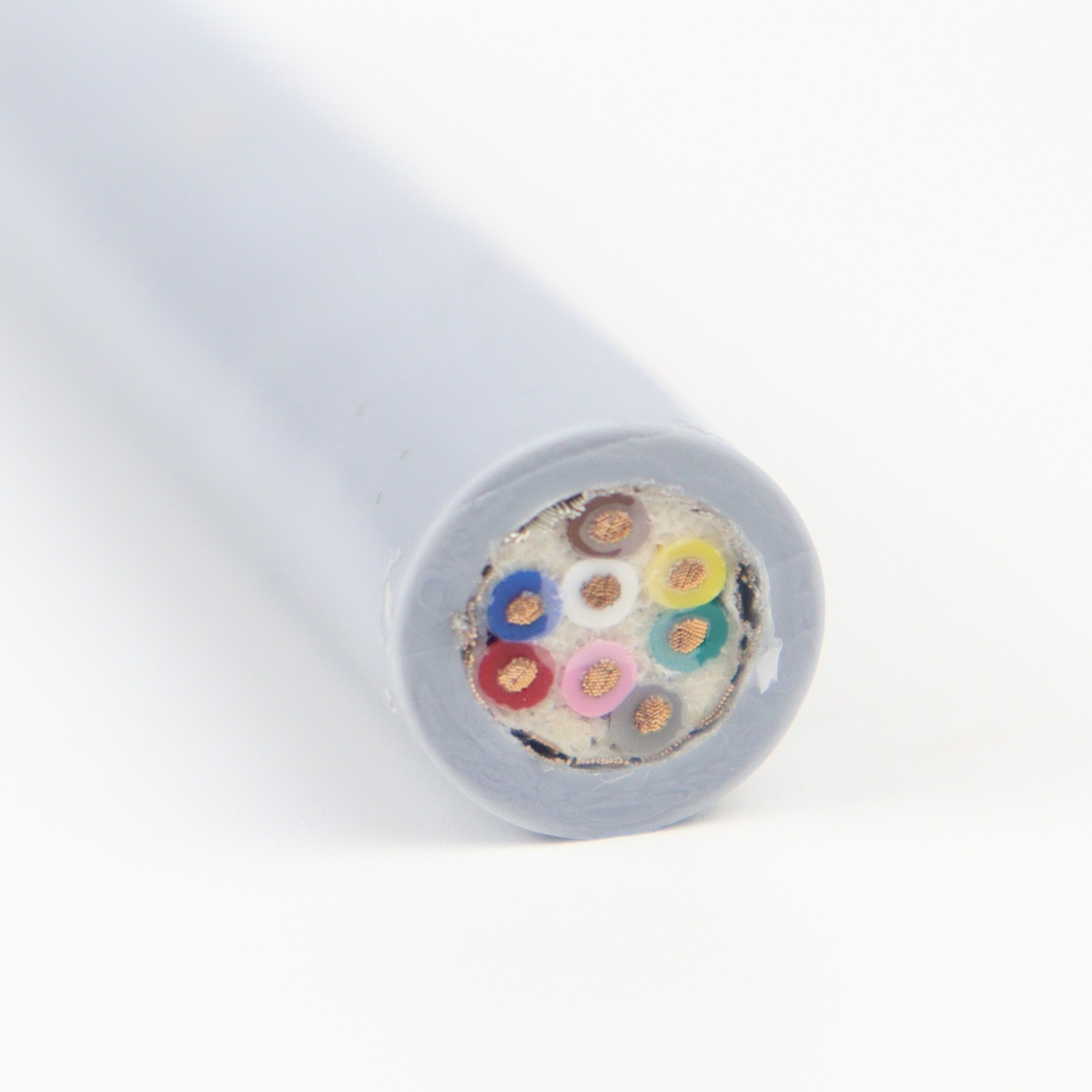
An industrial electric cable is a purpose-built power and control solution for factories, warehouses, construction sites, transport facilities, and other demanding workplaces. Unlike basic household wiring, an industrial electric cable is designed to carry electricity safely through areas exposed to vibration, moisture, heat, chemicals, movement, or heavy use. It connects equipment to power sources and supports stable energy delivery for motors, machines, panels, lighting, automation systems, and production lines. An industrial electric cable can also transmit control signals, data, or communication services when manufacturers combine power and signal conductors in one assembly. The main parts normally include copper or aluminum conductors, insulation, protective fillers, shielding, and an outer jacket. These layers give the industrial electric cable the required electrical performance and physical protection. Depending on the project, an industrial electric cable may use flexible strands for repeated movement, armored layers for impact resistance, or special jacket materials for oil, sunlight, flame, and abrasion protection. An industrial electric cable supports fixed installation, cable trays, conduits, robotic equipment, cranes, elevators, and portable tools. Size, voltage rating, conductor material, bending radius, temperature range, and environmental resistance all affect product selection. A correctly specified industrial electric cable remains reliable over long operating periods and helps reduce unwanted downtime. For buyers, an industrial electric cable gives a practical way to distribute power safely while matching the conditions, layout, and performance needs of a specific application.
Choosing an industrial electric cable helps businesses create a safer, more dependable power network. The right industrial electric cable carries the required load without excessive heating, voltage loss, or premature wear. This supports steady machine operation and helps protect production schedules. An industrial electric cable with strong insulation lowers the risk of short circuits, electrical leakage, and accidental contact. Protective jackets also help the product withstand water, oil, dust, sunlight, abrasion, and mechanical impact. These qualities make an industrial electric cable suitable for workshops, processing plants, outdoor equipment, and areas where ordinary wiring may fail. Flexible versions simplify installation around moving machinery, while reinforced versions add protection in busy work zones. A well-selected industrial electric cable can reduce maintenance visits because it resists cracking, stretching, and surface damage. It also gives installers useful options for routing power through trays, conduits, panels, and equipment chains. Buyers can choose copper for high conductivity and easy termination, or aluminum where lower weight and material cost matter. Different conductor sizes allow the industrial electric cable to match current demand instead of forcing a costly oversized solution. Clear ratings help teams select a product for the correct voltage, temperature, bend movement, and environment. An industrial electric cable may also combine power, control, and signal paths, reducing the number of separate runs and simplifying cabinet design. This can save installation time and create a cleaner layout. For operations managers, an industrial electric cable offers dependable service, easier planning, and better protection for valuable equipment. For contractors, it provides a practical balance of performance, installation flexibility, service life, and project cost. The best choice depends on load, route, movement, exposure, local standards, and future expansion, so buyers should confirm specifications before ordering.

Tips And Tricks

Shanghai Libin Cable Showcases Robot and Automation Cable Solutions at CMES Shanghai Industrial Automation & Robotics Exhibition

16

Oct

Shanghai Libin Cable Showcases Robot and Automation Cable Solutions at CMES Shanghai Industrial Automation & Robotics Exhibition

View More
Shanghai Libin Cable Showcases Crane Cable Solutions at the 11th China (Changyuan) International Crane Equipment Expo

16

Oct

Shanghai Libin Cable Showcases Crane Cable Solutions at the 11th China (Changyuan) International Crane Equipment Expo

View More
Why Drag Chain Cables Fail: Four Common Causes and How to Select Correctly

16

Oct

Why Drag Chain Cables Fail: Four Common Causes and How to Select Correctly

View More
Industrial Robot Combination Cable: Routing Power and Signal Together in a Small-Bend-Radius Drag Chain

16

Oct

Industrial Robot Combination Cable: Routing Power and Signal Together in a Small-Bend-Radius Drag Chain

View More

Get a Free Quote

Our representative will contact you soon.
0/1000
Built for Harsh Working Conditions

Built for Harsh Working Conditions

An industrial electric cable uses layered protection to keep electrical performance stable in difficult locations. Its conductor carries power, while insulation separates the live path from surrounding materials. A tough outer jacket protects the industrial electric cable from rubbing, water, oil, sunlight, dust, and common workplace impacts. Some designs add armor or a strengthened screen for locations that face crushing, cutting, or electromagnetic interference. This construction helps the industrial electric cable work reliably in factories, outdoor installations, processing areas, and utility spaces. Buyers gain more than basic protection: they gain a product that matches real site conditions and reduces the chance of early replacement. Selecting suitable jacket and insulation materials can prevent cracking during temperature changes and maintain flexibility during installation. The result is fewer unexpected faults, less disruption, and greater confidence that the industrial electric cable will continue supporting equipment throughout its planned service life.
Reliable Power for Moving Equipment

Reliable Power for Moving Equipment

Machinery that bends, travels, winds, or vibrates needs a cable that can move without losing electrical integrity. A flexible industrial electric cable uses finely stranded conductors and carefully selected insulation to manage repeated motion. Its design helps the industrial electric cable follow cable chains, robotic arms, cranes, hoists, elevators, and automated production equipment. Controlled flexibility reduces stress at connection points, where stiff wiring can split or loosen over time. The industrial electric cable can also support faster installation because workers can route it around compact equipment and changing paths without excessive force. For buyers, this feature protects uptime and limits maintenance caused by fatigue, kinks, and conductor damage. Correct bend-radius guidance remains important, but a purpose-designed product gives the installation a stronger operating margin. By selecting an industrial electric cable made for continuous or occasional movement, customers can improve machine availability, simplify replacement planning, and keep automated systems running with fewer interruptions.
Clear Choices for Efficient Installation

Clear Choices for Efficient Installation

An industrial electric cable can be specified in different conductor sizes, voltage ratings, jacket materials, colors, and configurations. This range lets buyers match the product to actual load, route length, environment, and connection method instead of paying for unsuitable capacity. A properly sized industrial electric cable can limit energy loss and reduce unnecessary material use. Options with shielding help manage electrical noise around sensitive controls, while combined designs can carry power and signals in one organized route. That makes the industrial electric cable useful for control cabinets, sensors, drives, production lines, and building services. Clear technical information also helps contractors calculate installation space, select compatible glands, and plan termination work before delivery. The practical value is faster project execution with fewer changes on site. When customers choose an industrial electric cable according to current demand and future expansion, they can improve layout quality, control purchase costs, and create a more maintainable electrical system.