solar cable price
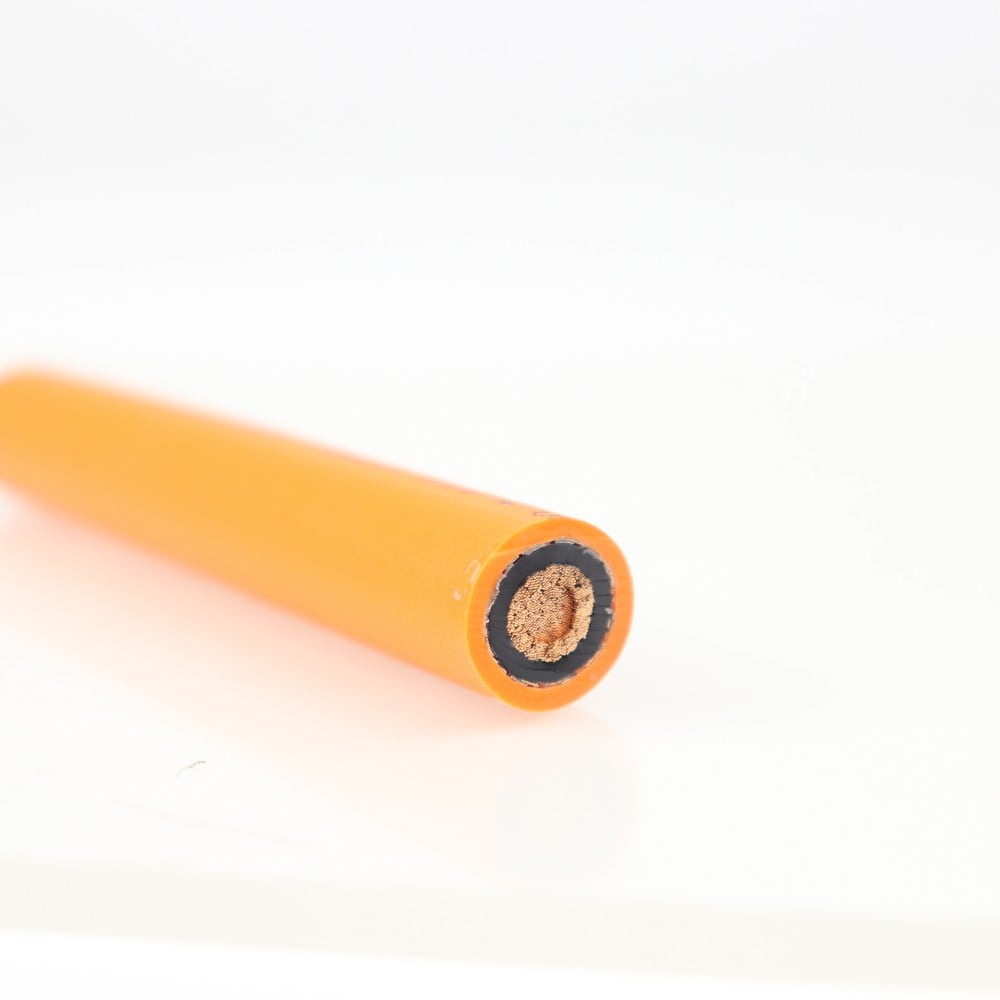
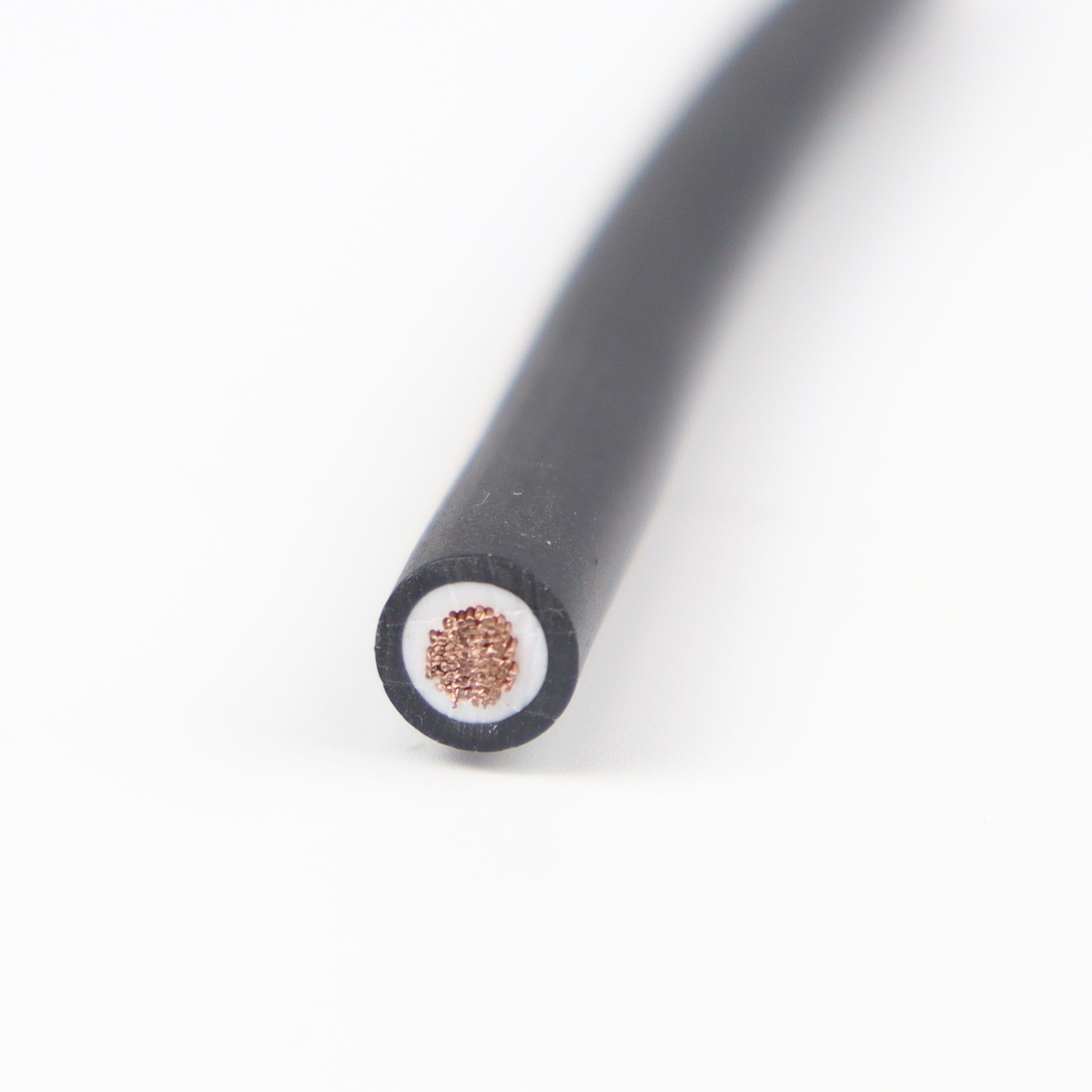
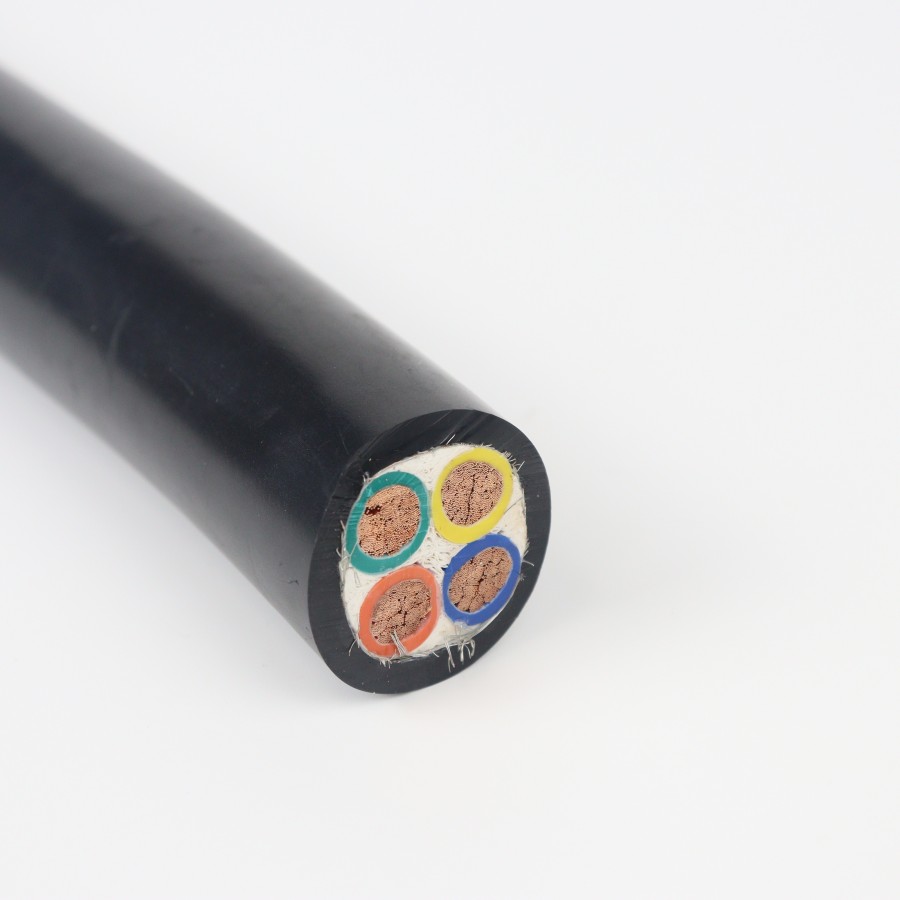
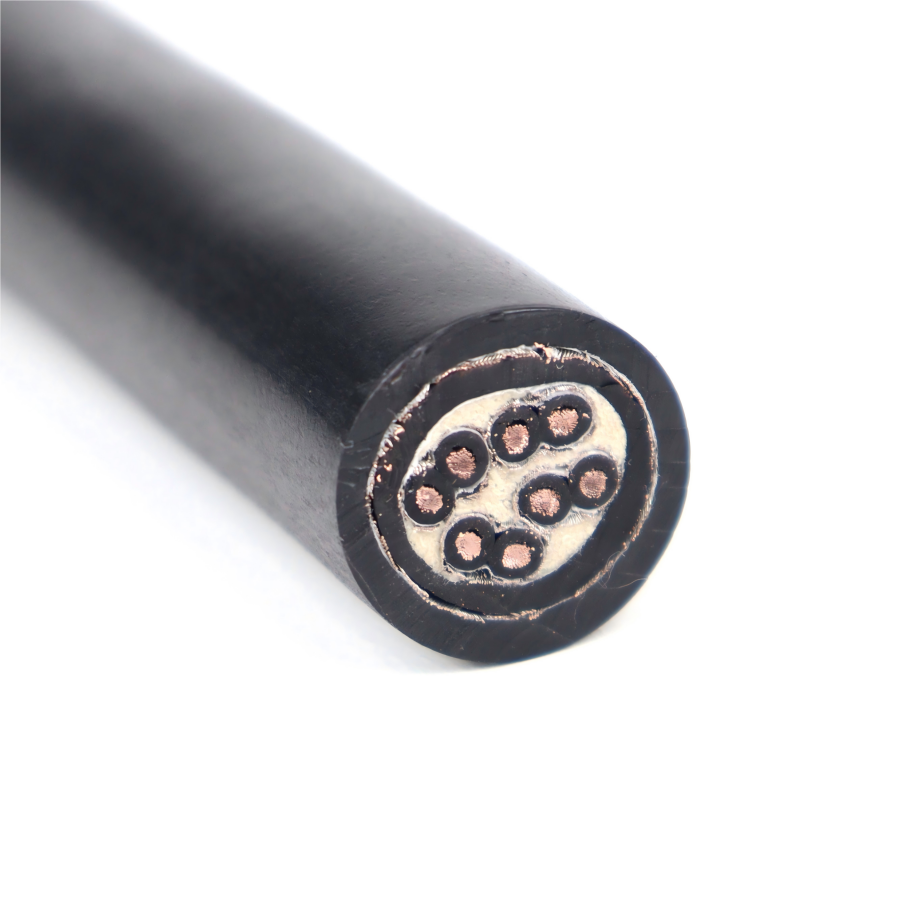
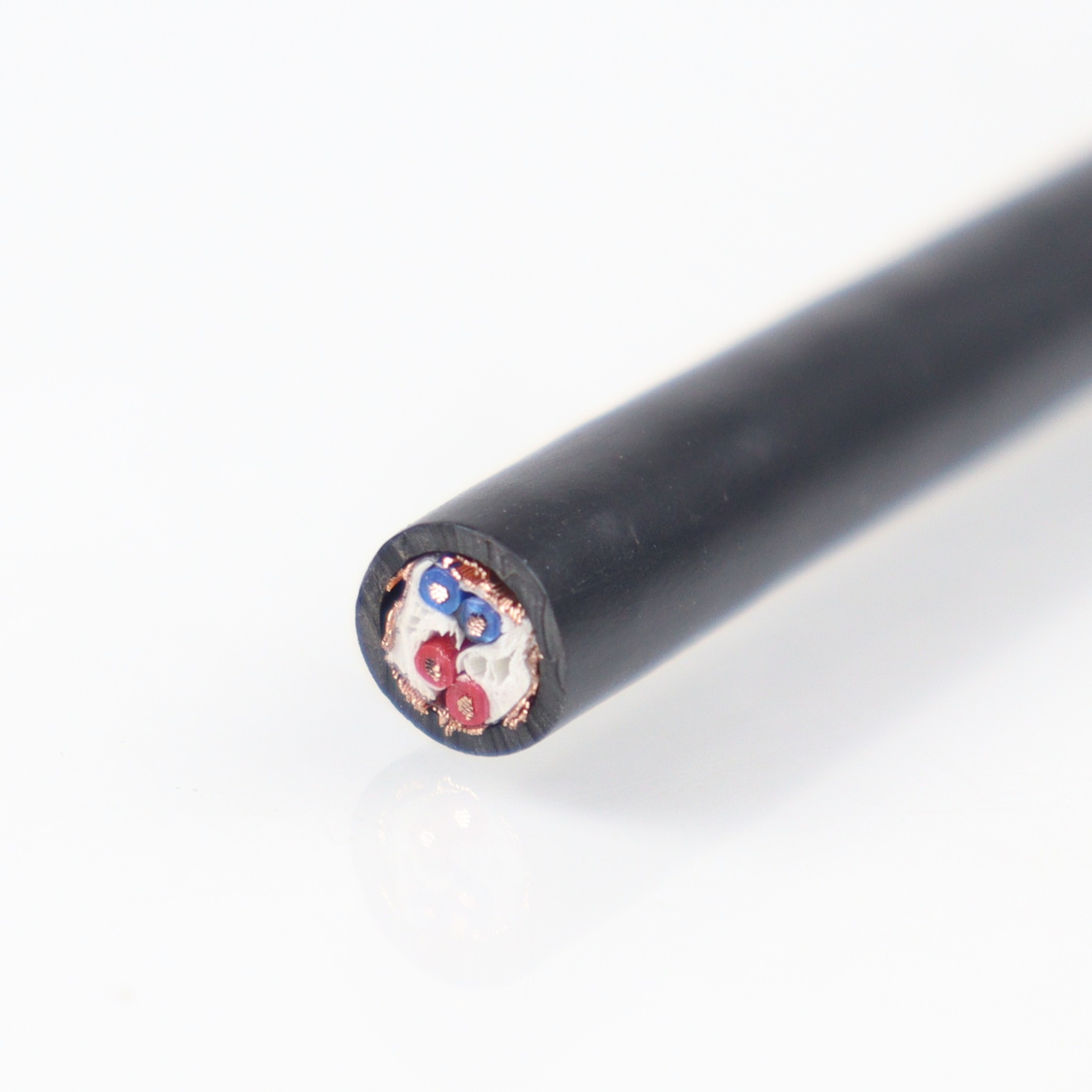
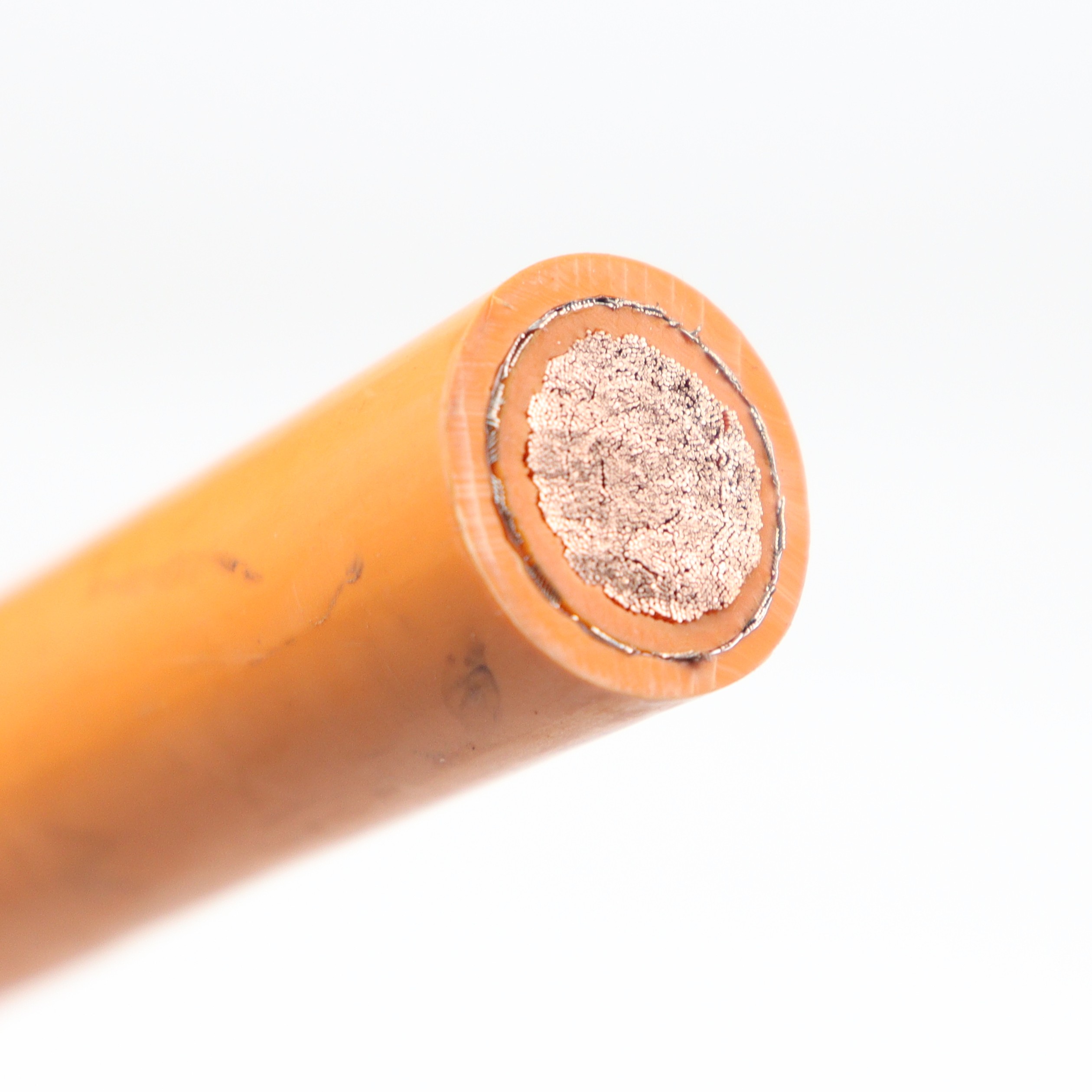
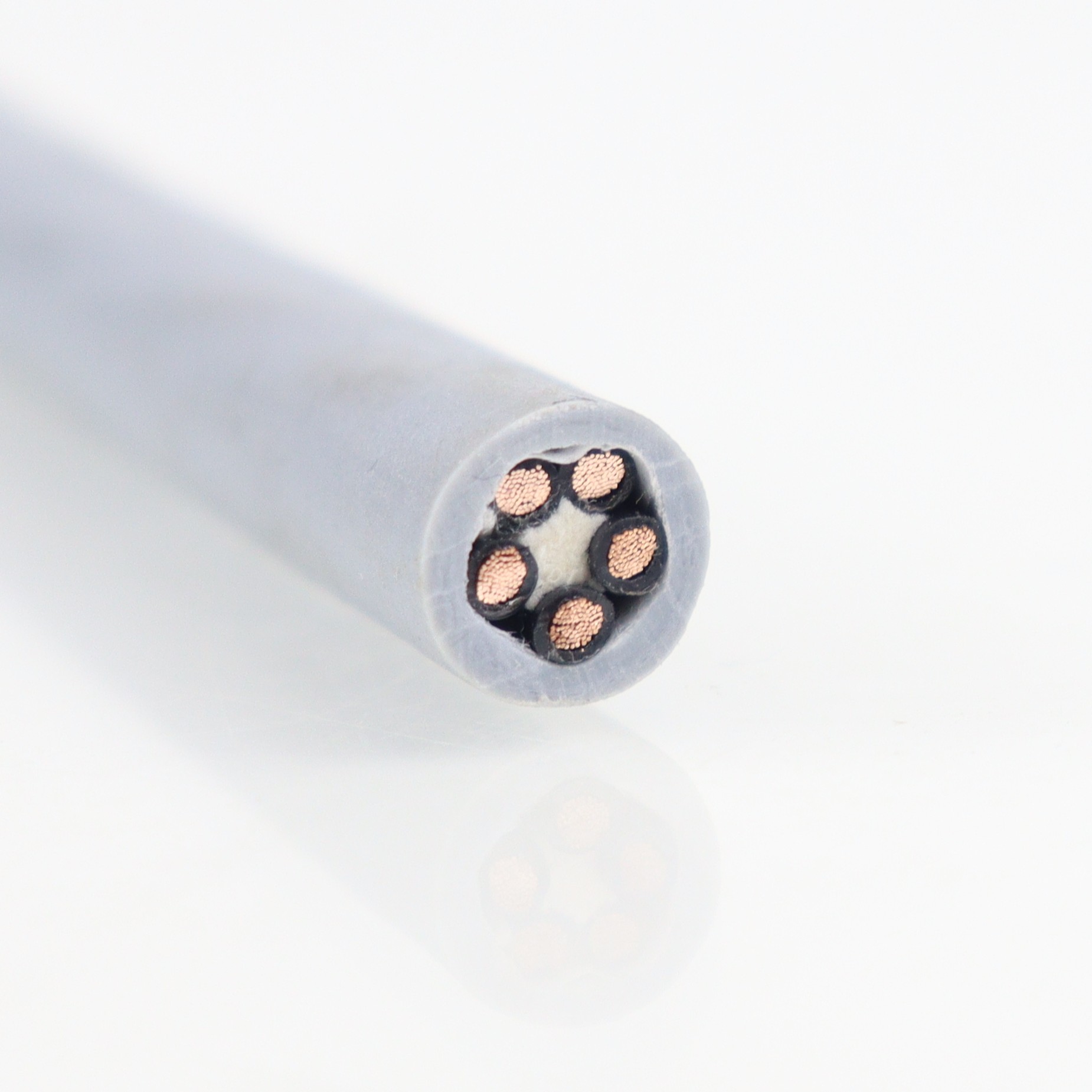
The solar cable price reflects the cable's role in safely connecting photovoltaic panels, inverters, batteries, and other equipment. Unlike ordinary electrical wire, a solar cable is designed for outdoor power systems that face sunlight, rain, heat, cold, and constant voltage changes. When reviewing the solar cable price, buyers should check conductor material, cross-section, insulation quality, length, certification, and installation conditions. The solar cable price usually rises with larger copper content, stronger insulation, higher voltage ratings, and better resistance to weather and fire. A low solar cable price may suit a small private installation, while a higher solar cable price can offer better long-term protection for commercial arrays. The solar cable price also varies between single-core and twin-core designs, flexible cables, and pre-assembled leads with connectors. Most products use fine copper strands for easy routing and durable polymer insulation to prevent cracking. Some options include UV protection, water resistance, low smoke production, and improved flame performance. These features help maintain stable energy transfer and reduce the risk of faults. Buyers comparing the solar cable price should match the cable size to system current and cable distance rather than choosing only by the lowest quote. Correct sizing limits energy loss and heat buildup. For rooftop, ground-mounted, mobile, and battery-based systems, the right solar cable price represents a balance between purchase cost, safety, service life, and installation convenience. A clear comparison makes it easier to select a dependable cable without paying for features the project does not need.