Solar AC Cable for Safe Power Transfer

application/solar-ac-cable, application/solar-ac-cable, 
Inquiry
Inquiry

solar ac cable

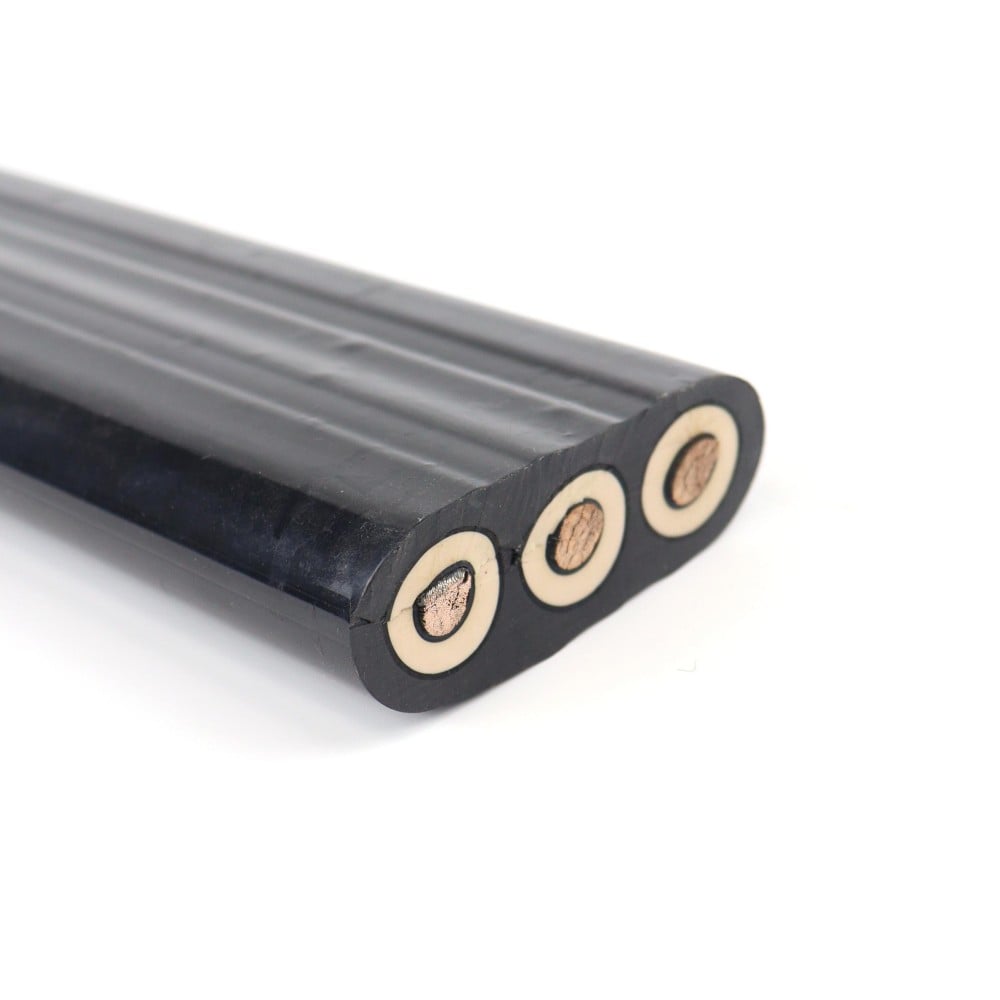
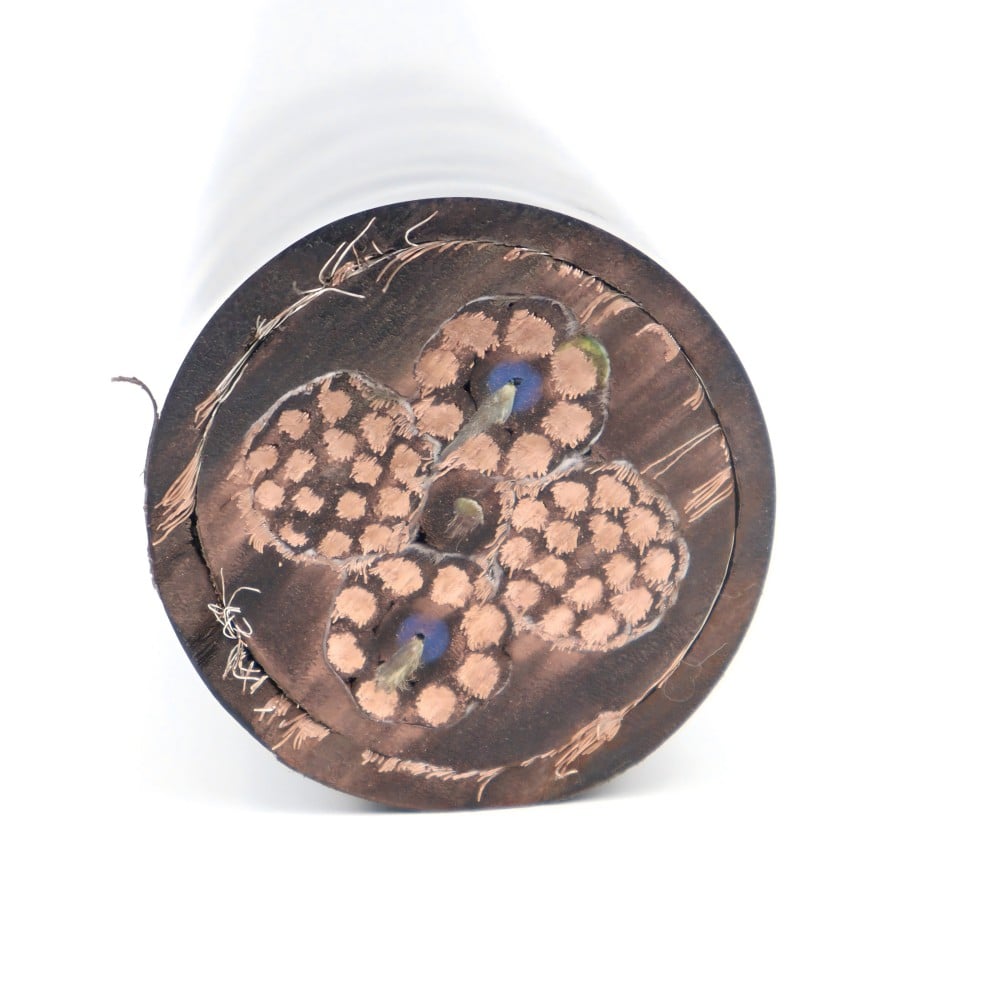
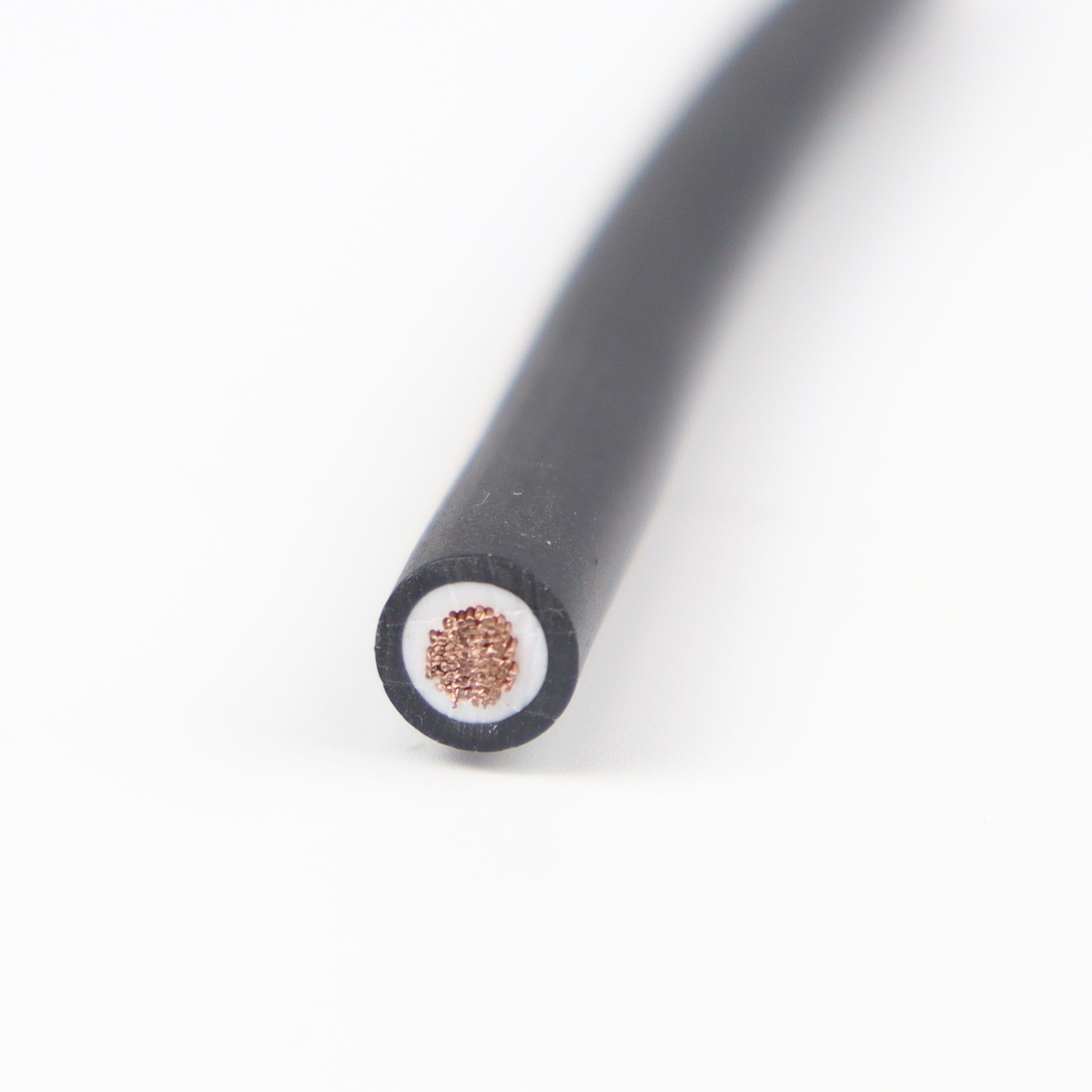
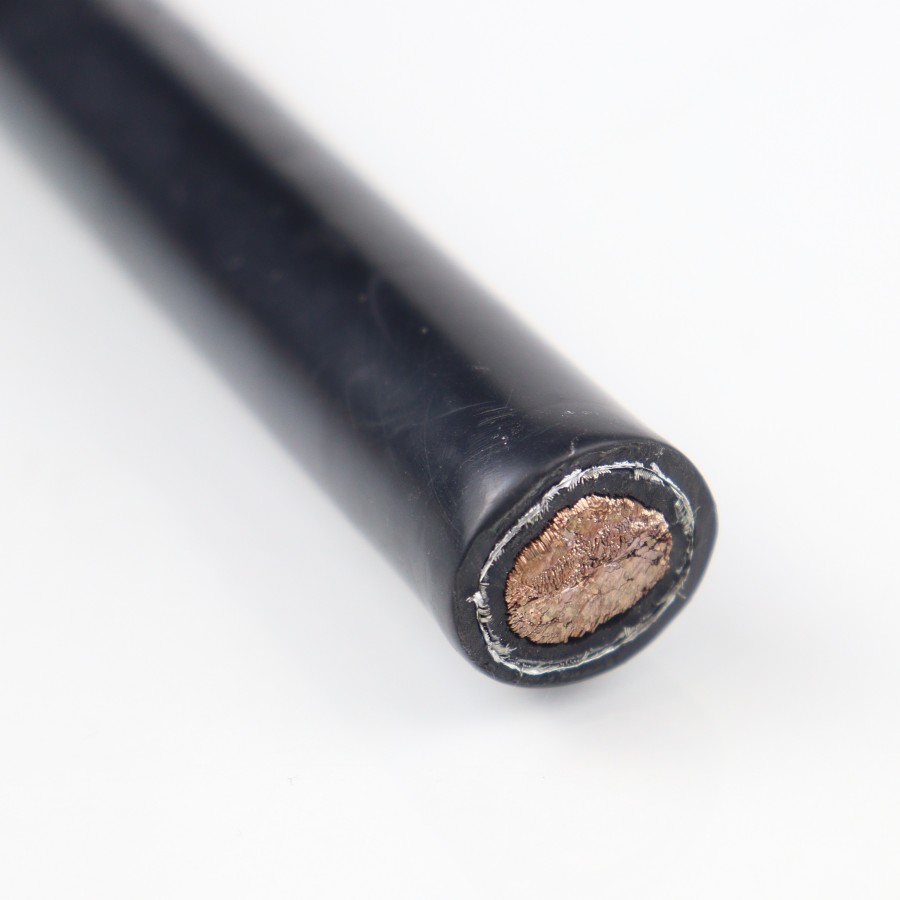
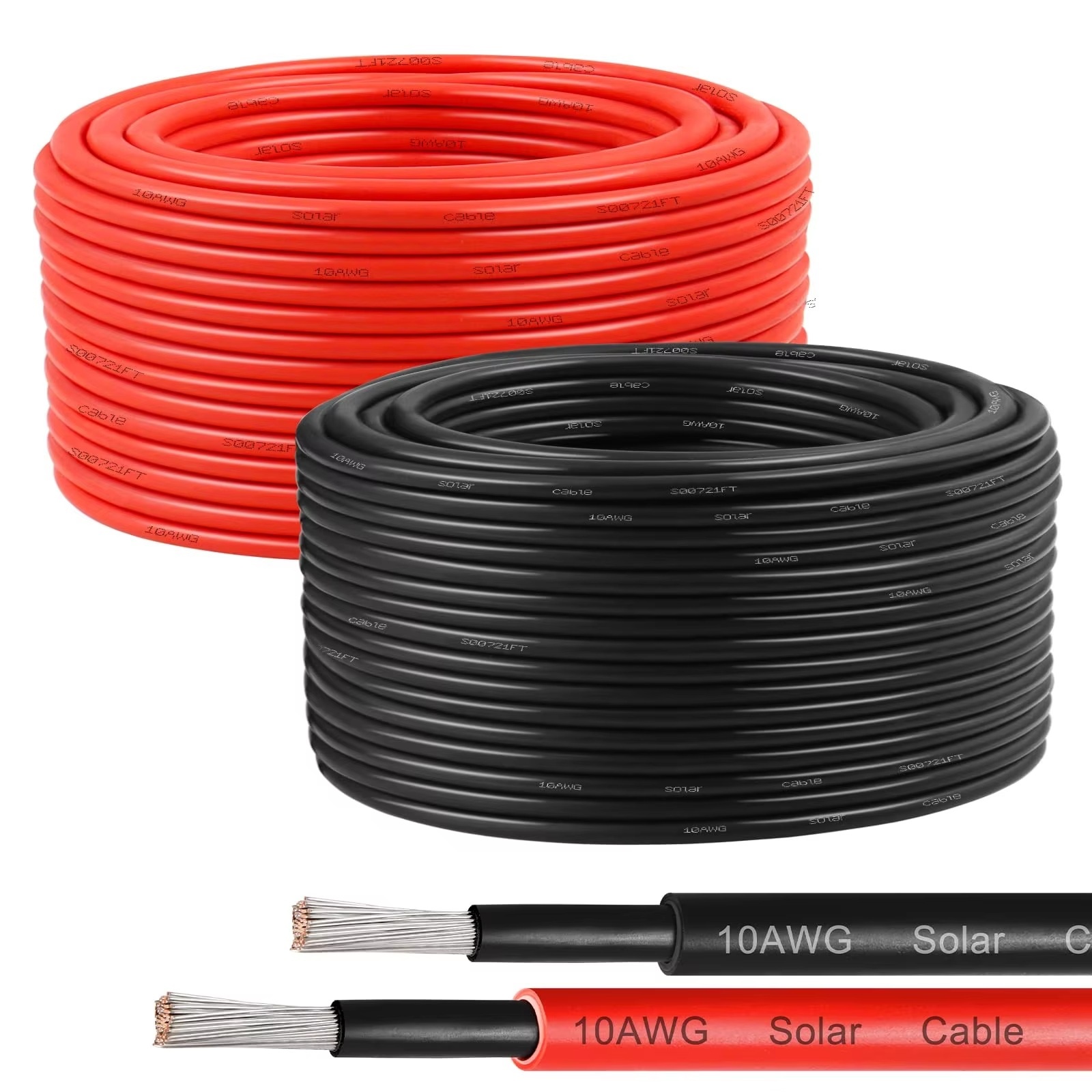
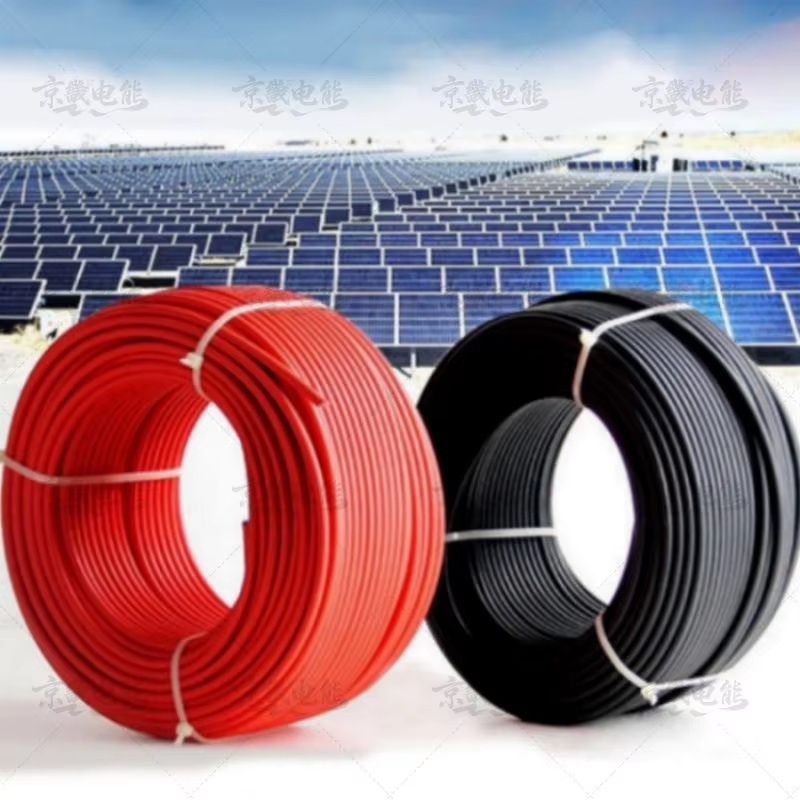
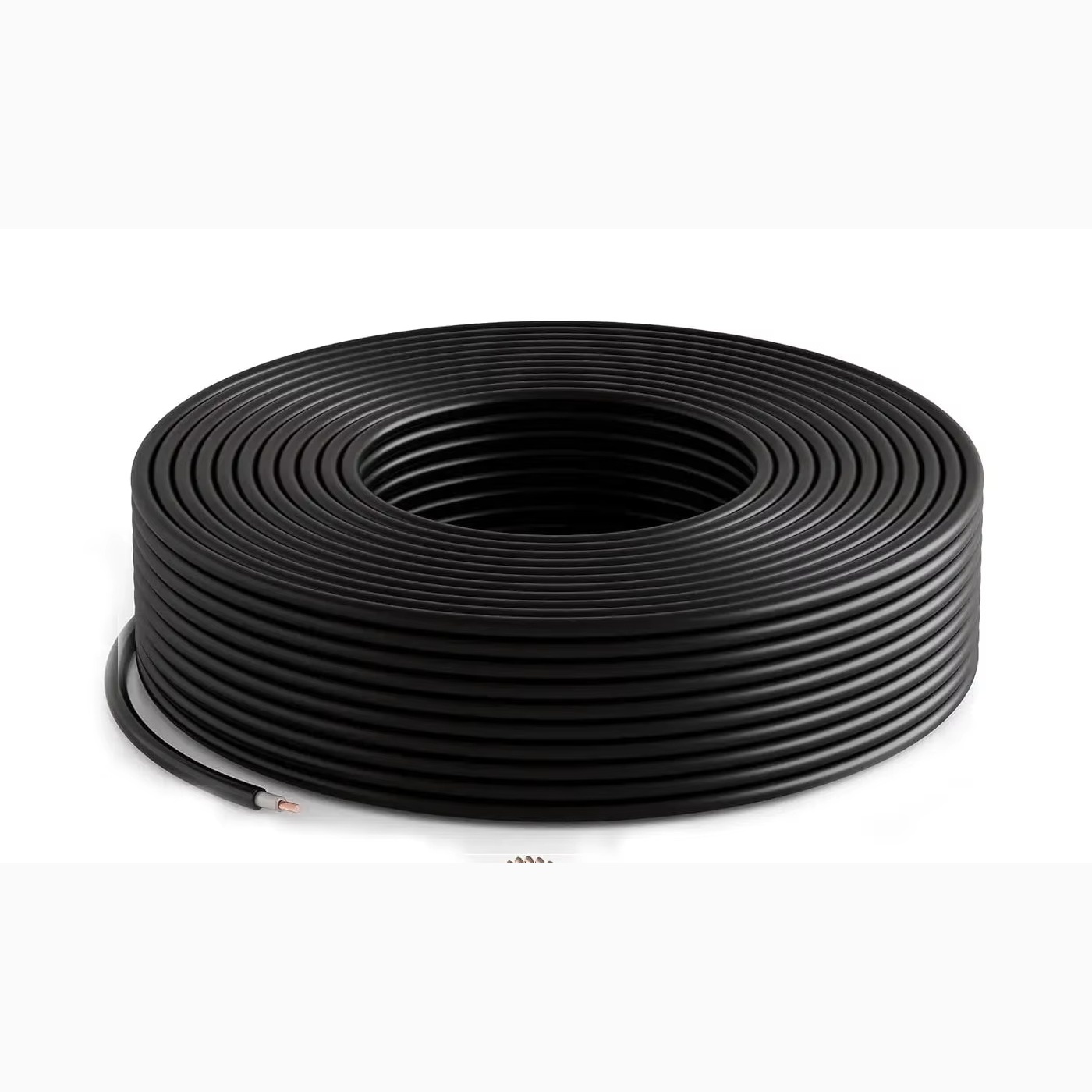
A solar ac cable is a purpose-built electrical cable that carries alternating-current power from a solar inverter to a distribution board, grid connection, battery system, or other load. After solar panels produce direct current, the inverter converts it into usable AC electricity. The solar ac cable then transfers that power safely and efficiently through the next stage of the system. Unlike a standard indoor power cable, a solar ac cable is designed for changing outdoor conditions, electrical stress, and long service periods. A solar ac cable commonly uses copper or aluminum conductors, durable insulation, and an outer jacket that resists sunlight, moisture, heat, abrasion, and temperature changes. The solar ac cable may also include flexible construction, clear conductor identification, and flame-resistant materials to simplify installation and improve safety. Correct sizing helps a solar ac cable manage the expected voltage, current, distance, and installation method without excessive energy loss. Installers can select a solar ac cable for rooftop arrays, ground-mounted projects, commercial buildings, agricultural facilities, and utility-scale solar sites. This solar ac cable supports stable power delivery while protecting connected equipment from avoidable cable-related faults. Depending on project needs, a solar ac cable can run inside conduit, along cable trays, underground, or through protected outdoor routes. Product selection should consider conductor size, rated voltage, temperature range, jacket material, certifications, and local electrical rules. A reliable solar ac cable gives system owners a practical connection between the inverter and the electrical network, helping the complete installation operate safely, consistently, and for many years.
Choosing a solar ac cable gives buyers a dependable way to move inverter power without relying on general-purpose wiring that may not suit outdoor solar conditions. The solar ac cable uses materials selected for sunlight, rain, heat, and repeated temperature changes, so it can maintain protection when installed in exposed locations. This reduces the risk of cracked insulation, moisture entry, and unplanned electrical interruptions. A properly sized solar ac cable also limits voltage drop. That means more of the electricity produced by the system reaches the building, battery, or grid connection instead of turning into wasted heat. For owners, this can support better energy output and more predictable long-term performance. The solar ac cable is available in different conductor sizes and construction styles, allowing installers to match the product to system capacity, cable length, voltage, and route. Flexible versions make bends and termination easier, while stronger jackets suit cable trays, conduits, buried paths, or demanding commercial sites. This flexibility can shorten installation time and reduce labor effort. A quality solar ac cable also supports orderly system design. Clear markings and compatible insulation help technicians identify circuits, complete connections, and perform maintenance with less confusion. When the cable carries the correct rating and meets relevant safety standards, it helps protect inverters, switchgear, protection devices, and downstream equipment. The solar ac cable works well in homes, offices, factories, farms, charging facilities, and large solar plants. Buyers should compare conductor material, cross-sectional area, voltage rating, temperature rating, jacket durability, certifications, and supplier support before ordering. Selecting the right solar ac cable at the planning stage can prevent replacement costs, installation delays, and performance problems later. In practical terms, the product combines safe power transfer, weather resistance, easier handling, and application flexibility in one important system component. For projects that require reliable operation over many years, the solar ac cable provides useful protection and a clear return on careful product selection.

Latest News

Shanghai Libin Cable Showcases Robot and Automation Cable Solutions at CMES Shanghai Industrial Automation & Robotics Exhibition

16

Oct

Shanghai Libin Cable Showcases Robot and Automation Cable Solutions at CMES Shanghai Industrial Automation & Robotics Exhibition

View More
Shanghai Libin Cable Showcases Crane Cable Solutions at the 11th China (Changyuan) International Crane Equipment Expo

16

Oct

Shanghai Libin Cable Showcases Crane Cable Solutions at the 11th China (Changyuan) International Crane Equipment Expo

View More
Why Drag Chain Cables Fail: Four Common Causes and How to Select Correctly

16

Oct

Why Drag Chain Cables Fail: Four Common Causes and How to Select Correctly

View More
Industrial Robot Combination Cable: Routing Power and Signal Together in a Small-Bend-Radius Drag Chain

16

Oct

Industrial Robot Combination Cable: Routing Power and Signal Together in a Small-Bend-Radius Drag Chain

View More

Get a Free Quote

Our representative will contact you soon.
0/1000
Outdoor Durability for Long-Term Reliability

Outdoor Durability for Long-Term Reliability

A key advantage of the solar ac cable is its ability to handle demanding outdoor conditions. The solar ac cable uses insulation and jacket materials that resist ultraviolet exposure, rain, humidity, dust, abrasion, and repeated heating and cooling. This protection matters because rooftop and ground-mounted equipment can face strong sunlight, storms, wind movement, and wide temperature swings throughout the year. By maintaining its protective outer layer, the solar ac cable helps reduce the chance of cracks, water entry, short circuits, and early replacement. Buyers gain greater confidence that the cable will continue supporting power transfer after years of exposure. A durable solar ac cable also suits routes inside outdoor conduit, cable trays, and protected underground sections when the selected product matches the installation requirements. Strong construction supports safer maintenance and fewer interruptions, especially where access is difficult or equipment operates continuously. For residential, commercial, agricultural, and utility projects, this feature creates practical value through longer service life and lower upkeep demands.
Efficient Power Transfer from Inverter to Load

Efficient Power Transfer from Inverter to Load

The solar ac cable plays an important role after the inverter converts panel output into alternating current. A correctly selected solar ac cable carries that electricity to a building panel, battery, grid connection, or operating equipment while controlling avoidable energy loss. Conductor size, material, route length, and system current all affect performance, so project-specific selection remains essential. When these factors match, the solar ac cable can help limit voltage drop and unwanted heat, allowing more generated energy to reach its intended destination. This supports stable operation and helps owners receive better value from the solar installation. Copper options may offer excellent conductivity and easy termination, while aluminum versions can provide a lighter or more cost-conscious choice for suitable applications. The solar ac cable should always match the inverter output, protective devices, and local electrical requirements. With the right specification, it supports consistent power delivery, reduces stress on connected equipment, and helps installers create an efficient, maintainable electrical path.
Flexible Installation for Many Solar Projects

Flexible Installation for Many Solar Projects

A useful selling point of the solar ac cable is its suitability for different project layouts. The solar ac cable can be selected in several sizes, conductor materials, jacket types, and construction styles, helping installers adapt the wiring to available space and installation method. Flexible cable can simplify bends, routing, and termination around inverters or distribution equipment. More robust versions can support exposed trays, industrial areas, agricultural sites, or protected buried routes when their ratings allow those uses. This versatility helps reduce design compromises and makes the solar ac cable suitable for homes, offices, factories, farms, carport systems, and large solar parks. Clear markings and compatible outer materials can also make identification and maintenance easier for technicians. Buyers should confirm voltage, current, temperature, environmental, flame, and certification requirements before purchase. Selecting a matching solar ac cable can improve installation efficiency, support safer commissioning, and reduce the risk of costly rework. The result is a practical cable choice that fits both small systems and complex renewable energy projects.