Solar Battery Cables for Safe Energy Storage

application/solar-battery-cables, application/solar-battery-cables, 
Inquiry
Inquiry

solar battery cables

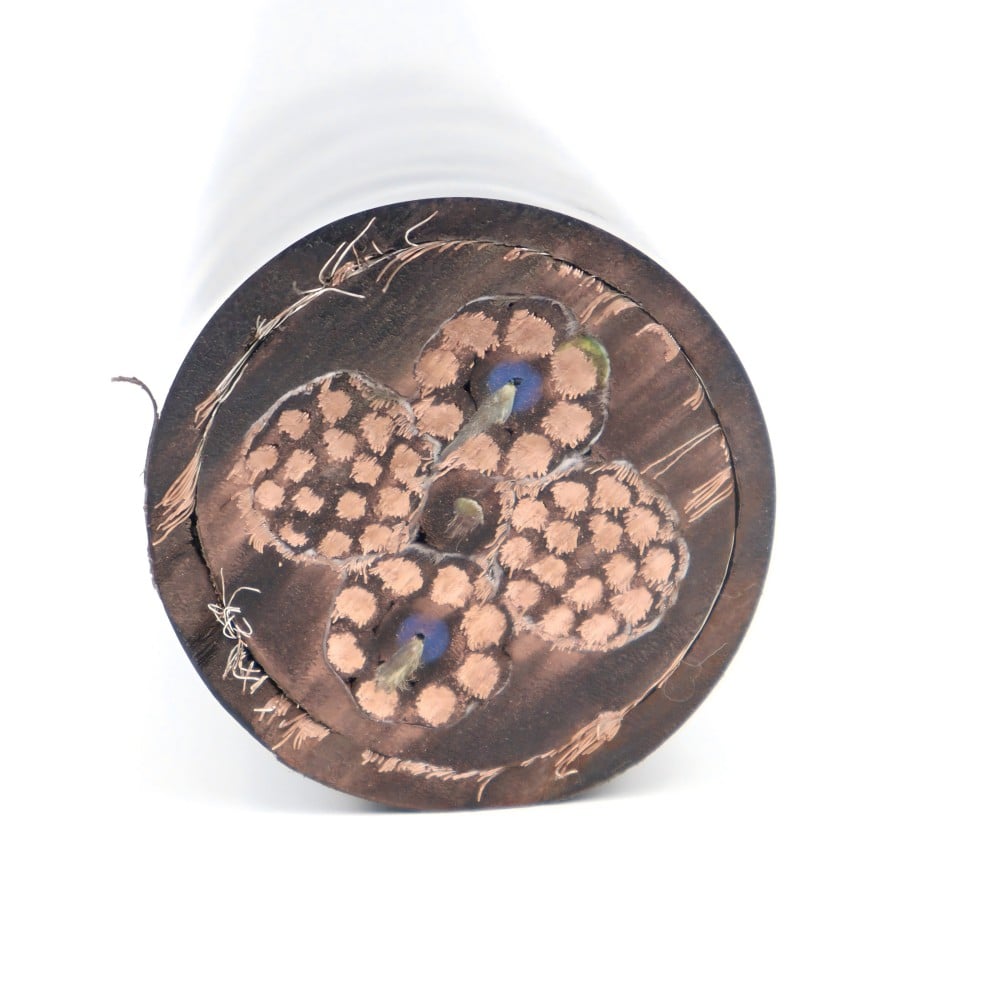
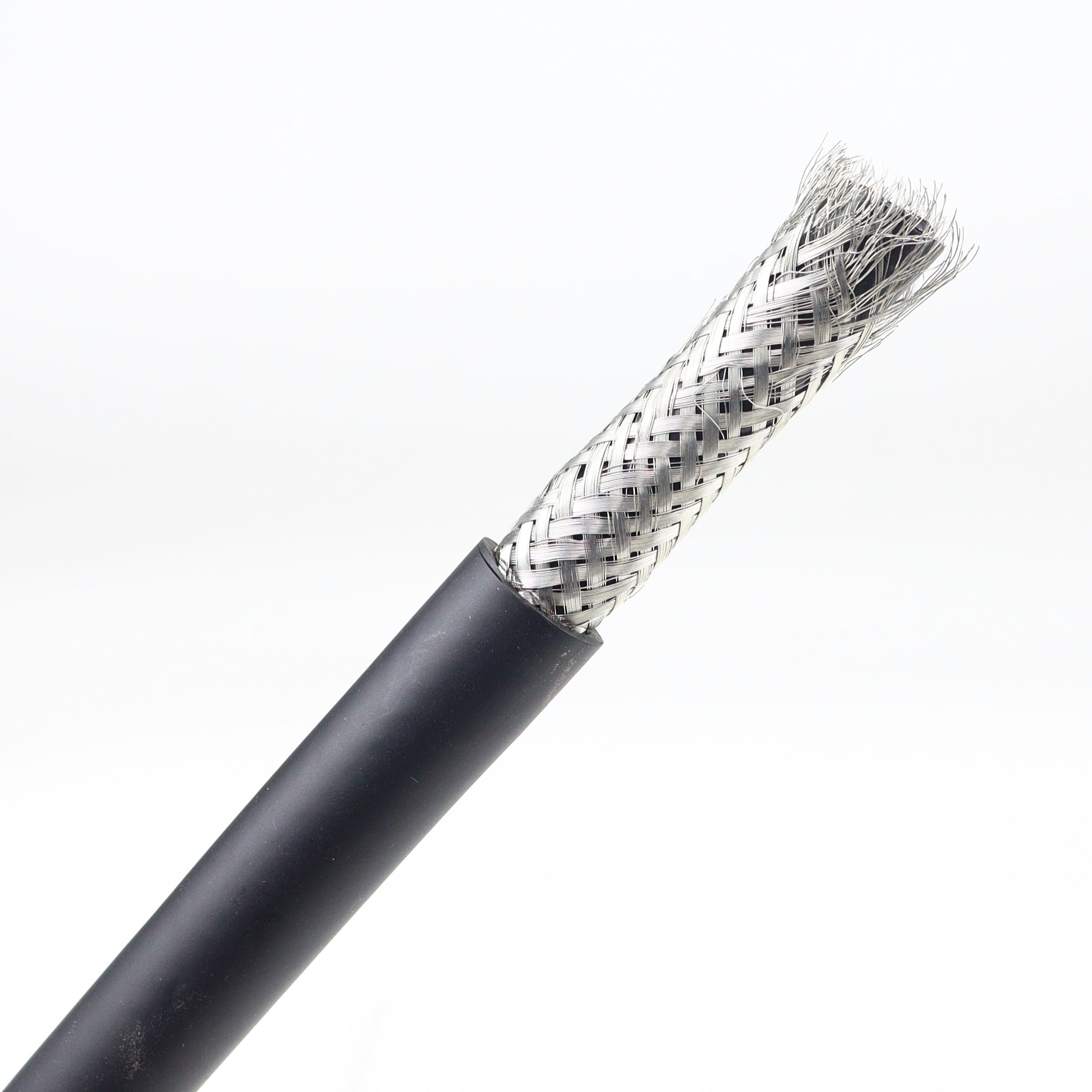
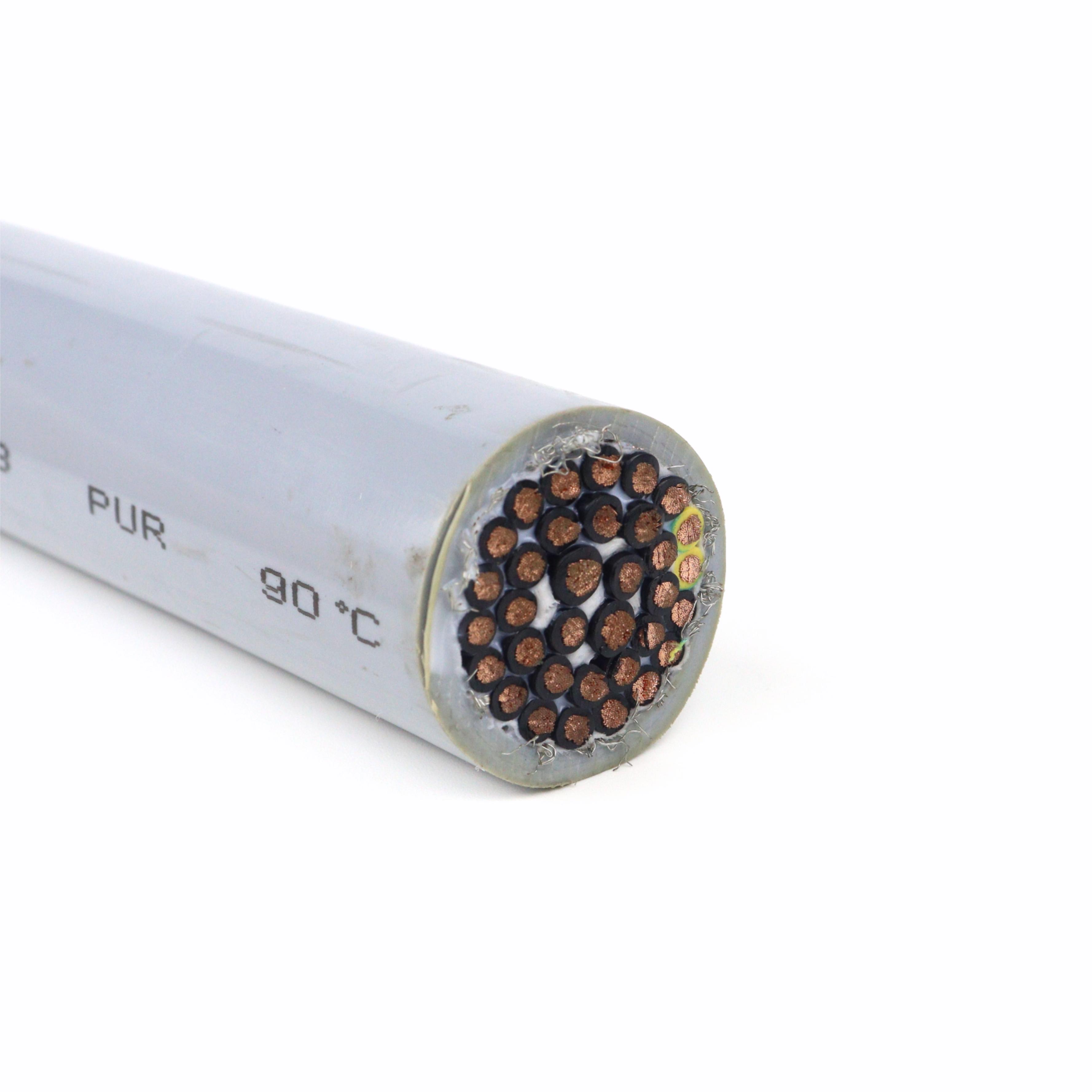
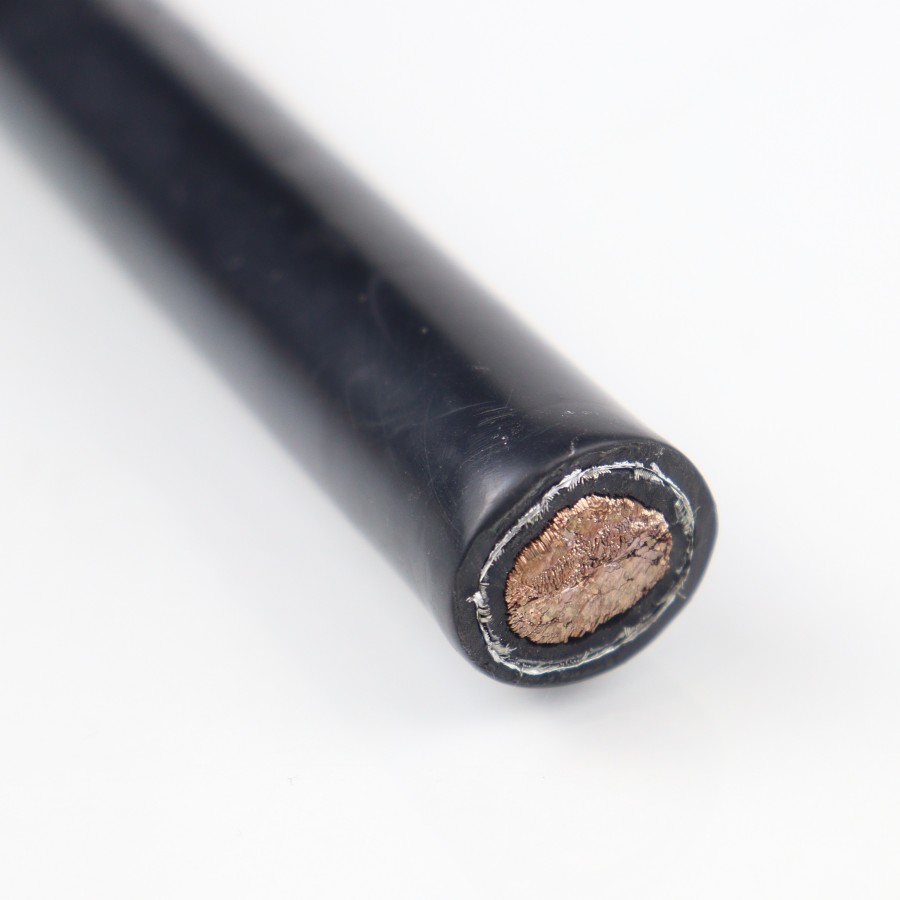
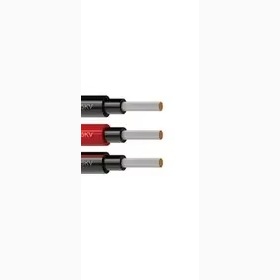
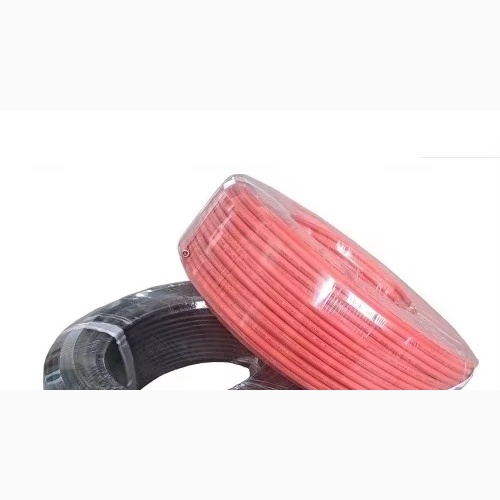
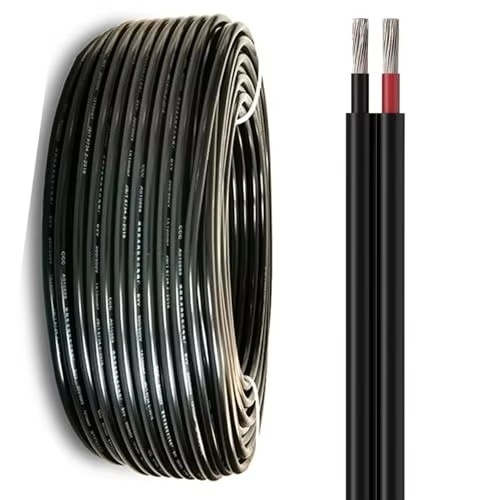
Solar battery cables connect solar panels, charge controllers, inverters, and battery banks so stored electricity can move safely through an energy system. Unlike ordinary power leads, solar battery cables are built for steady current flow, outdoor exposure, and the demanding conditions found around renewable energy equipment. Their main function is to carry direct current between batteries and connected devices while limiting energy loss, heat buildup, and connection problems. High-quality solar battery cables use flexible copper conductors, durable insulation, and secure terminals that support dependable daily operation. Solar battery cables are available in several lengths, conductor sizes, and terminal styles, allowing users to match the cable to system voltage, current, and installation distance. Many products include red and black insulation or clear polarity markings, which make positive and negative connections easier to identify. Solar battery cables may also feature UV-resistant jackets, flame-retardant materials, and protection against moisture, abrasion, and temperature changes. These features help solar battery cables remain reliable in rooftop, garage, cabin, marine, and utility areas. Correct sizing matters because undersized wiring can reduce performance and create excess heat. Solar battery cables with suitable gauge ratings help maintain stable output from the battery to the inverter or load. Common applications include off-grid solar kits, backup power systems, recreational vehicles, boats, telecommunications equipment, and residential energy storage. Whether a customer is expanding a small battery bank or installing a complete renewable power solution, solar battery cables provide the essential link between generation, storage, and usable electricity. Their practical role is simple but critical: solar battery cables support safe, efficient, and organized power transfer.
Choosing dependable solar battery cables gives buyers more than a basic connection. Solar battery cables help transfer stored energy with less resistance, so the inverter, lighting, appliances, or backup equipment can receive steadier power. This can improve system efficiency and reduce avoidable energy waste over time. Properly selected solar battery cables also help control heat at high-current points. Lower heat supports safer operation and can protect nearby components from unnecessary stress. For homeowners, this means greater confidence during outages; for installers, it means fewer concerns about premature cable failure. Solar battery cables simplify installation because flexible jackets bend around batteries, cabinets, and mounting hardware without demanding excessive space. Pre-fitted lugs or compatible connectors can shorten assembly time and help create firm contact at each terminal. Clear color coding also makes polarity easier to check, reducing the risk of a damaging reverse connection. Another benefit is application flexibility. Solar battery cables suit compact portable systems, larger off-grid arrays, emergency power units, mobile workstations, and recreational equipment. Customers can select a suitable length and conductor size rather than forcing one cable type into every project. When solar battery cables include weather-resistant insulation, they can handle sunlight, humidity, vibration, and changing temperatures in outdoor locations. This improves service life and reduces replacement work. Buyers should compare current rating, cable gauge, length, terminal size, insulation quality, and operating environment before purchase. Solar battery cables that match these conditions offer better value because they balance price with safety and long-term reliability. In practical terms, solar battery cables support easier maintenance, cleaner wiring, consistent performance, and a more dependable energy investment.

Latest News

Shanghai Libin Cable Showcases Robot and Automation Cable Solutions at CMES Shanghai Industrial Automation & Robotics Exhibition

16

Oct

Shanghai Libin Cable Showcases Robot and Automation Cable Solutions at CMES Shanghai Industrial Automation & Robotics Exhibition

View More
Shanghai Libin Cable Showcases Crane Cable Solutions at the 11th China (Changyuan) International Crane Equipment Expo

16

Oct

Shanghai Libin Cable Showcases Crane Cable Solutions at the 11th China (Changyuan) International Crane Equipment Expo

View More
Why Drag Chain Cables Fail: Four Common Causes and How to Select Correctly

16

Oct

Why Drag Chain Cables Fail: Four Common Causes and How to Select Correctly

View More
Industrial Robot Combination Cable: Routing Power and Signal Together in a Small-Bend-Radius Drag Chain

16

Oct

Industrial Robot Combination Cable: Routing Power and Signal Together in a Small-Bend-Radius Drag Chain

View More

Get a Free Quote

Our representative will contact you soon.
0/1000
Low-Loss Power Transfer

Low-Loss Power Transfer

A key strength of solar battery cables is their ability to move high-current DC power with controlled resistance. Copper conductors provide an efficient path between the battery, inverter, controller, and connected load, while the correct gauge helps prevent unnecessary voltage drop. In real use, solar battery cables can help equipment receive more of the energy stored in the battery instead of losing a portion as heat along the route. This matters especially in low-voltage systems, where even a small drop can affect inverter performance or cause lights and appliances to operate inconsistently. Choosing solar battery cables with a current rating suited to the system gives customers a practical way to protect output quality. It can also reduce stress on terminals and connected devices. For installers, reliable conductors make system testing easier and help support repeatable results. For end users, the value appears as steadier operation, improved usable capacity, and less concern about wasted power during daily charging and discharge cycles.
Weather-Ready Construction

Weather-Ready Construction

Solar battery cables often operate in places exposed to sun, dust, moisture, vibration, and changing temperatures. Their protective jackets are designed to give the conductor a durable barrier against these common conditions. Quality solar battery cables use flexible insulation that resists cracking, abrasion, and everyday handling, allowing the wire to remain dependable when routed through cabinets, roofs, vehicles, or outdoor enclosures. UV-resistant material is especially valuable for exposed runs because direct sunlight can weaken ordinary plastic over time. Moisture protection helps reduce the chance of corrosion and insulation damage near batteries or equipment installed outdoors. With solar battery cables built for these environments, customers can plan installations with fewer restrictions and less frequent replacement work. This construction also supports safer maintenance because the insulation remains intact during repositioning or inspection. Whether the project serves a remote cabin, a boat, a backup system, or a mobile unit, weather-ready solar battery cables provide useful durability and help preserve connection quality throughout changing seasons.
Flexible Installation and Broad Compatibility

Flexible Installation and Broad Compatibility

Solar battery cables add value by fitting many system layouts and equipment combinations. Available lengths, conductor gauges, terminal types, and polarity colors allow users to select a practical match instead of cutting or adapting unsuitable wire. Flexible solar battery cables can follow tight bends around battery posts, charge controllers, inverter terminals, and protective panels, which helps create a cleaner installation with fewer sharp bends. Red and black jackets make polarity checks faster, while properly sized lugs support a firm connection and reduce movement caused by vibration. These details are important for installers who need efficient assembly and for homeowners who may inspect the system later. Solar battery cables work well in residential storage, off-grid power, RVs, marine systems, portable stations, and emergency backup equipment. Their broad compatibility makes upgrades easier when a customer adds batteries or changes an inverter. By choosing solar battery cables according to voltage, current, length, and terminal design, buyers gain a safer fit, simpler maintenance, and greater confidence in future expansion.