Solar Cable Wire for Reliable PV Systems

application/solar-cable-wire, application/solar-cable-wire, 
Inquiry
Inquiry

solar cable wire

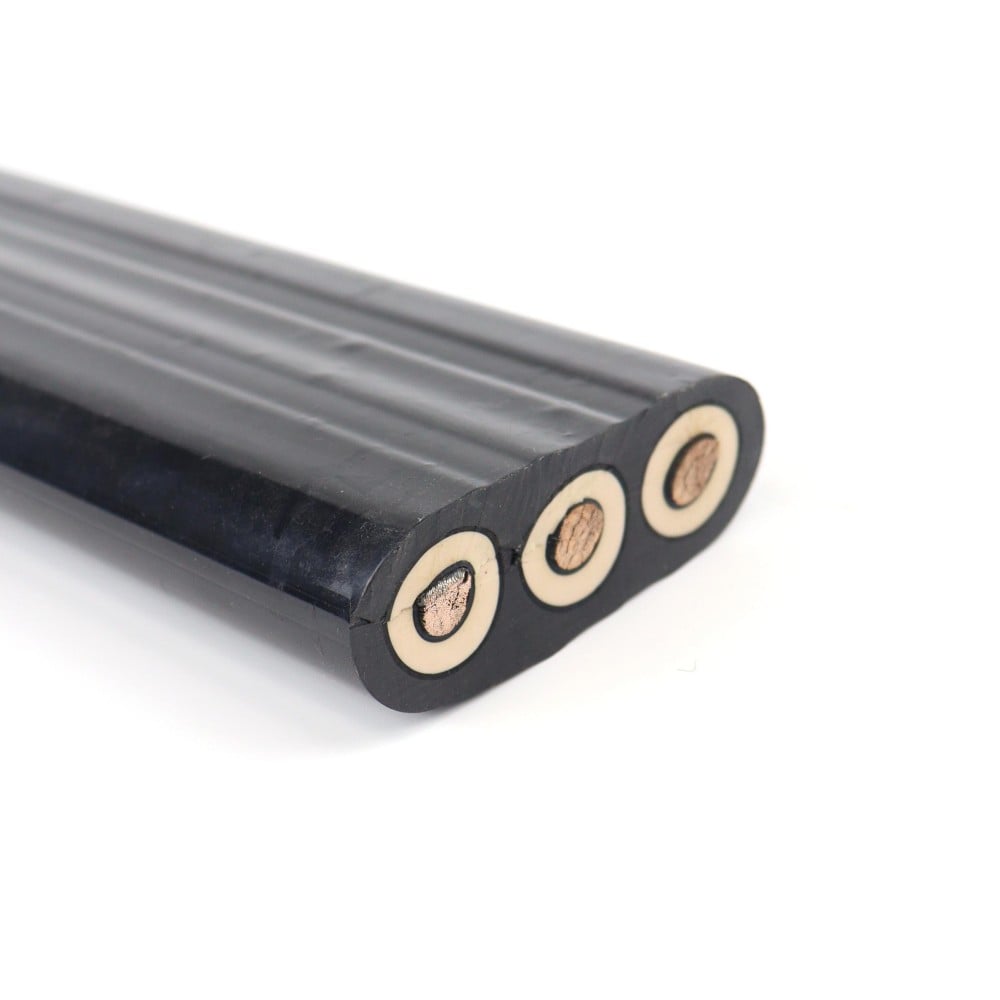
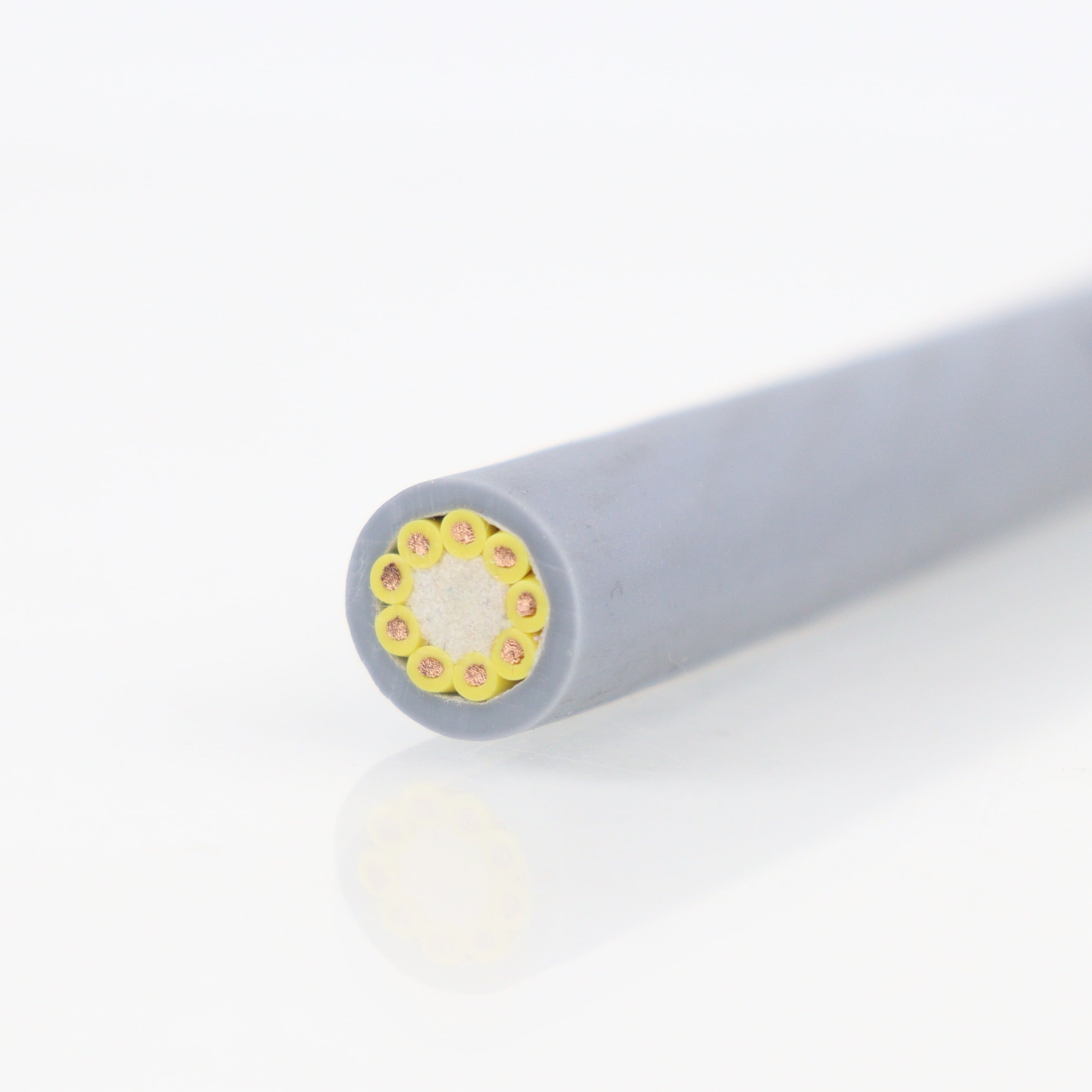
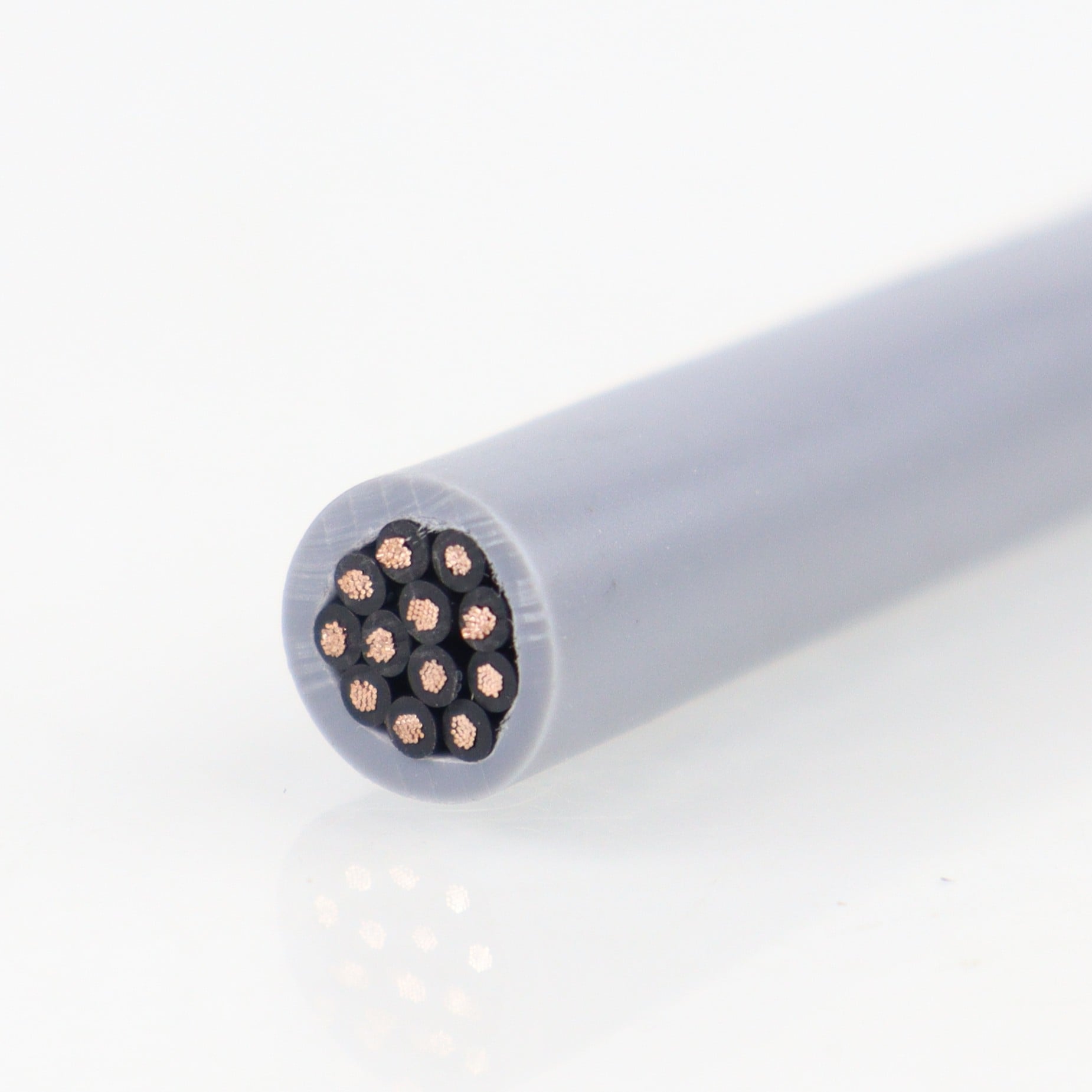
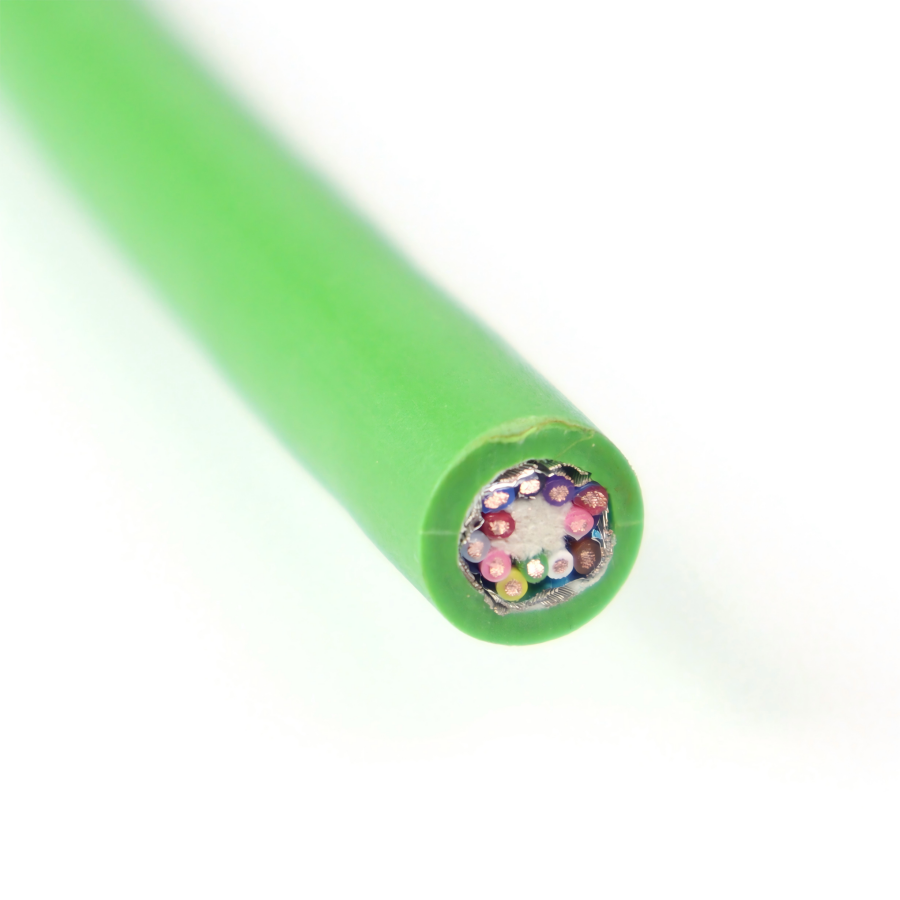
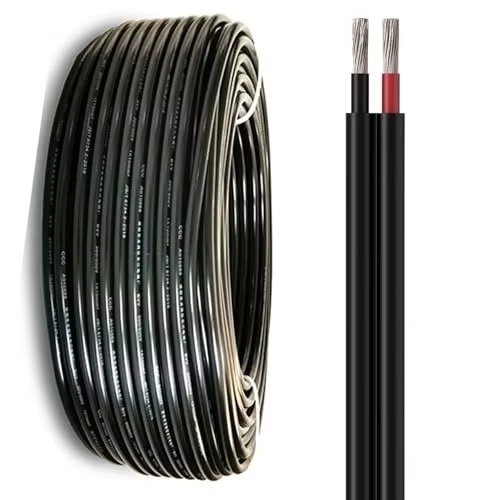
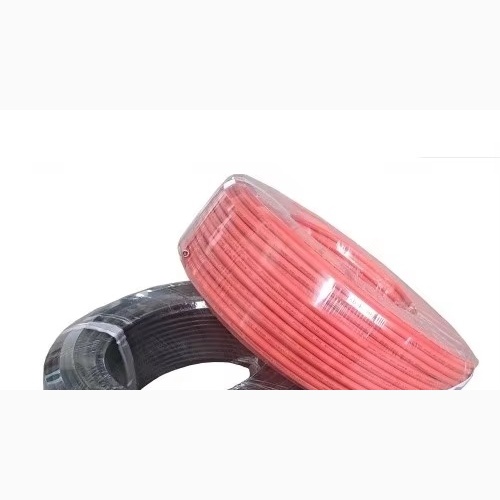
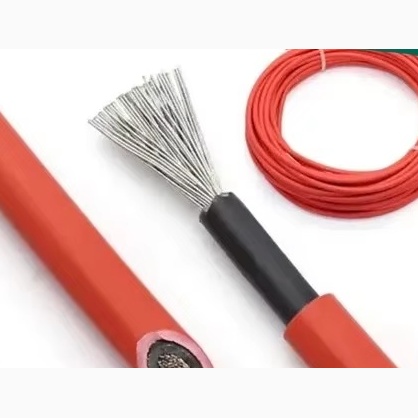
Solar cable wire is the dedicated electrical connection used in photovoltaic systems to move power between solar panels, charge controllers, inverters, batteries, and distribution equipment. Unlike ordinary building wire, solar cable wire is designed for continuous outdoor exposure and the changing electrical conditions created by solar generation. It carries direct current from panels and helps maintain a stable connection across a complete solar array. A suitable solar cable wire also supports safe grounding and reliable links between separate system components. Most solar cable wire products use stranded copper conductors because copper carries current efficiently while remaining flexible during installation. Tinned copper may be used to improve resistance to moisture and corrosion. The insulation commonly uses cross-linked, sunlight-resistant materials that withstand ultraviolet radiation, heat, cold, water, and mechanical stress. Solar cable wire may also resist ozone, oil, chemicals, and flame, depending on its specification. The jacket protects the inner conductor when the solar cable wire runs across rooftops, mounting rails, cable trays, or underground routes. Common sizes range from small conductors for compact residential arrays to larger conductors for commercial and utility projects. Correct size selection reduces voltage loss and limits unwanted heating. Connectors should match the cable rating and system design so the solar cable wire remains secure under vibration and weather changes. Solar cable wire is used in residential rooftops, ground-mounted farms, portable solar equipment, backup power systems, and off-grid installations. In each setting, the solar cable wire provides a durable path for energy, supports system safety, and helps the array deliver dependable power over many years.
Choosing solar cable wire gives buyers a practical way to protect energy production and reduce long-term maintenance. Its outdoor-rated insulation handles strong sunlight, rain, snow, temperature swings, and everyday movement, so the solar cable wire remains dependable where standard electrical cable may age quickly. This durability lowers the chance of cracked jackets, exposed conductors, and unexpected shutdowns. Solar cable wire also helps limit electrical loss when the installer selects the correct conductor size for the distance and current. Better power transfer means more of the electricity produced by the panels reaches the inverter or battery. That can improve daily output and support faster return on the system investment. Flexible stranding makes solar cable wire easier to route around panels, rails, junction boxes, and roof edges. Installers can create neat runs with fewer sharp bends, which saves labor and reduces stress on terminals. Clear polarity markings and compatible connector options also make inspection and connection work simpler. For homeowners, the solar cable wire offers confidence that a roof array can operate safely through changing seasons. For commercial owners, it supports organized installation across larger distances and helps maintenance teams identify cable runs quickly. For mobile, marine, agricultural, and off-grid applications, weather resistance and vibration tolerance provide useful protection in demanding locations. Buyers should still check voltage rating, current capacity, conductor area, temperature range, connector compatibility, fire performance, and certification before ordering. A low-cost cable can create hidden losses or replacement work if it does not match the system. The right solar cable wire balances price, performance, installation time, and service life. This makes it a sound choice for both new projects and upgrades where dependable power delivery matters.

Latest News

Shanghai Libin Cable Showcases Robot and Automation Cable Solutions at CMES Shanghai Industrial Automation & Robotics Exhibition

16

Oct

Shanghai Libin Cable Showcases Robot and Automation Cable Solutions at CMES Shanghai Industrial Automation & Robotics Exhibition

View More
Shanghai Libin Cable Showcases Crane Cable Solutions at the 11th China (Changyuan) International Crane Equipment Expo

16

Oct

Shanghai Libin Cable Showcases Crane Cable Solutions at the 11th China (Changyuan) International Crane Equipment Expo

View More
Why Drag Chain Cables Fail: Four Common Causes and How to Select Correctly

16

Oct

Why Drag Chain Cables Fail: Four Common Causes and How to Select Correctly

View More
Industrial Robot Combination Cable: Routing Power and Signal Together in a Small-Bend-Radius Drag Chain

16

Oct

Industrial Robot Combination Cable: Routing Power and Signal Together in a Small-Bend-Radius Drag Chain

View More

Get a Free Quote

Our representative will contact you soon.
0/1000
Outdoor Protection for Long Service Life

Outdoor Protection for Long Service Life

The solar cable wire uses a tough outer layer to protect the conductor from sunlight, water, heat, cold, and physical contact. This matters because photovoltaic cables often remain exposed on roofs or in open fields for decades. Ordinary cable can become brittle when ultraviolet light repeatedly dries and heats its surface, while a purpose-built solar cable wire is selected to keep its flexibility and insulation strength in harsh conditions. Moisture resistance helps prevent damage around connectors and junction points, especially where rain or condensation is common. Resistance to ozone, chemicals, and oil can add protection in industrial, farm, or parking canopy environments. For the buyer, this design reduces inspection concerns and the risk of early cable replacement. It also lets installers plan clean outdoor routes without adding unnecessary protective conduit in every location, subject to local code. A durable solar cable wire helps keep the power path secure, protects people from exposed conductors, and supports consistent system operation through changing weather.
Efficient Power Transfer and Flexible Installation

Efficient Power Transfer and Flexible Installation

A well-made solar cable wire combines a conductive metal core with fine strands that balance electrical performance and handling comfort. Copper carries current with low resistance, while the stranded construction lets technicians guide the cable around mounting hardware and through compact equipment areas. This flexibility is valuable when panel layouts are irregular or when a system needs neat, short cable routes. The correct solar cable wire size also helps control voltage drop between the array, inverter, battery, and other equipment. Less wasted energy means the system can deliver more of its available solar power to the intended load. During installation, flexible cable can reduce pulling force, sharp bends, and strain at connection points. That may lower labor time and improve the appearance of rooftop and ground-mounted arrays. Buyers should match the conductor area to current, route length, ambient temperature, and installation method. With that selection, solar cable wire supports efficient operation while making installation and future service more manageable.
Broad Compatibility for Modern Solar Projects

Broad Compatibility for Modern Solar Projects

The solar cable wire fits a wide range of photovoltaic designs, from a small home array to a large commercial power field. It can connect panel strings to combiner boxes, inverters, batteries, charge controllers, and grounding equipment when its ratings and connectors match the project. This broad use helps buyers standardize cable types across different sections of an installation and simplify purchasing. A reliable solar cable wire is also suitable for backup systems, remote cabins, farms, portable power units, carports, and marine equipment. Its resistance to vibration and changing temperatures supports applications where equipment moves or operates away from a protected building. Clear polarity identification and compatible connector systems can reduce connection mistakes during commissioning and maintenance. Buyers gain more than a basic conductor: they receive a component designed for the electrical, environmental, and installation demands of solar power. Before purchase, confirm system voltage, current, cable length, local approvals, connector design, and fire requirements. Matching these details ensures the solar cable wire delivers safe, dependable service in its intended setting.