Photovoltaic Solar Cable for Reliable Energy

application/photovoltaic-solar-cable, application/photovoltaic-solar-cable, 
Inquiry
Inquiry

photovoltaic solar cable

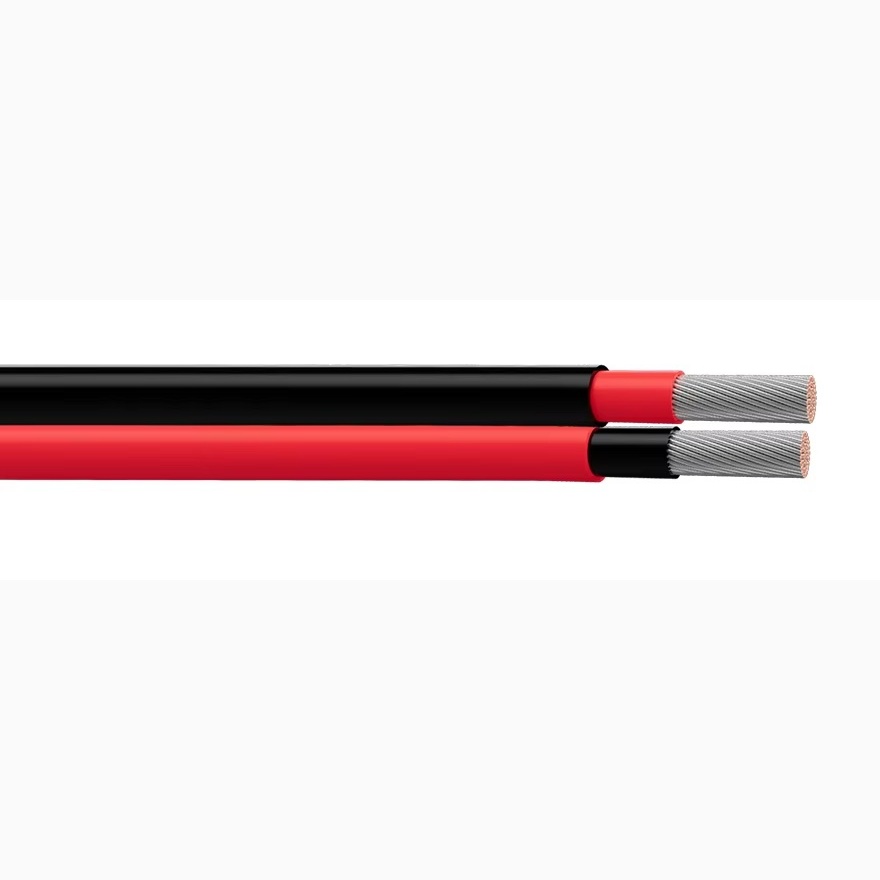
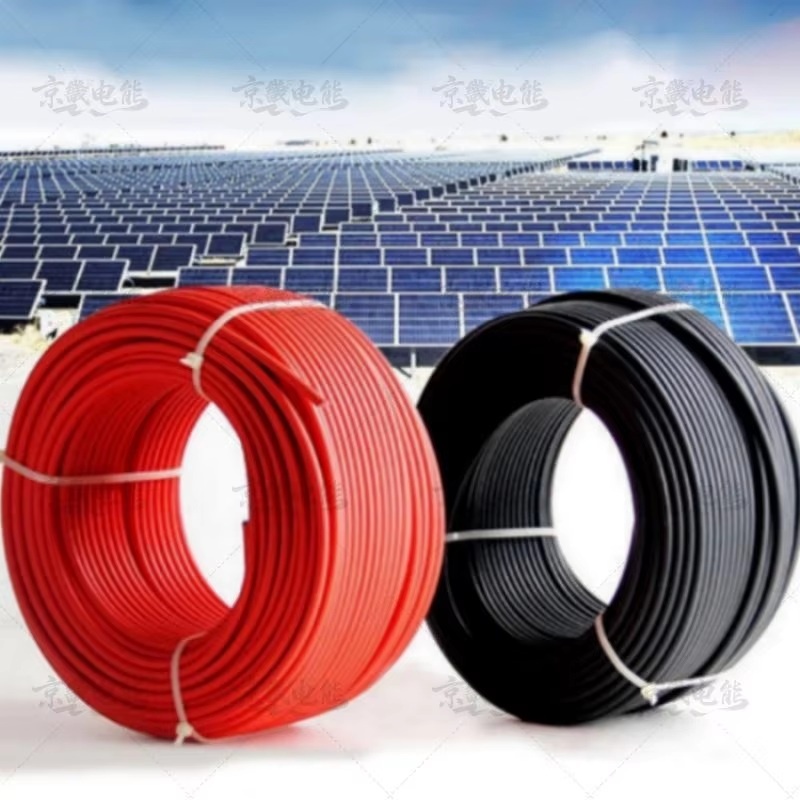
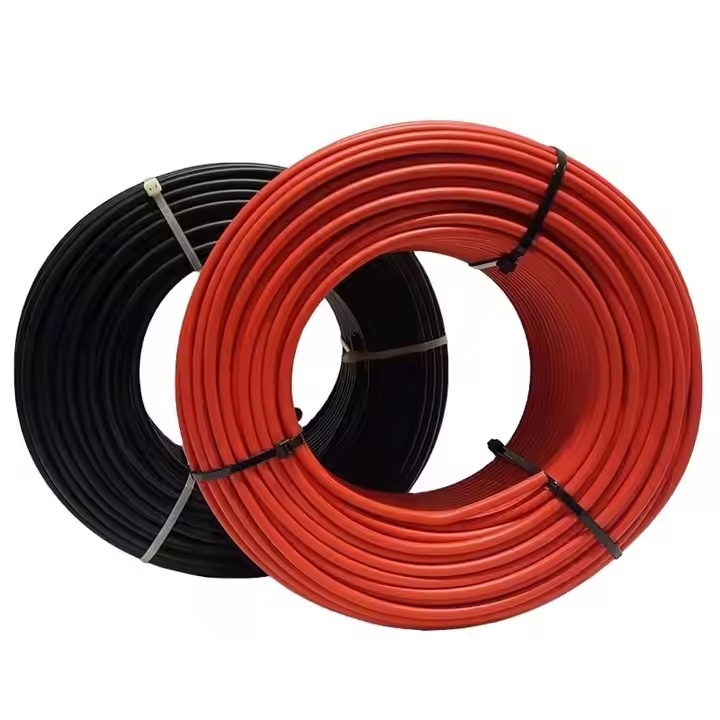
A photovoltaic solar cable is a purpose-built power cable that connects solar panels, inverters, batteries, combiner boxes, and other equipment in a photovoltaic system. It carries direct current generated by panels and helps deliver that power safely to conversion or storage equipment. Unlike ordinary electrical wire, a photovoltaic solar cable is designed for long-term outdoor service, frequent temperature changes, sunlight, moisture, and mechanical stress. A photovoltaic solar cable normally uses tinned copper or another conductive metal for dependable current flow, while its insulation protects against heat, abrasion, water, and ultraviolet exposure. Double-insulated designs add another layer of protection for demanding installations. The cable often includes flexible construction, making routing around panels, rails, roofs, and equipment easier. A photovoltaic solar cable can support fixed installation, mobile solar equipment, rooftop arrays, ground-mounted plants, and battery-connected systems. Correct size selection remains important because conductor area affects current capacity, voltage loss, and system efficiency. Installers should also confirm voltage rating, temperature range, connector compatibility, flame performance, and certification requirements before purchase. A quality photovoltaic solar cable reduces connection risks and supports consistent energy transfer across the array. It works with common solar connectors and can be cut, routed, and secured according to the project design. For residential, commercial, agricultural, and utility users, the photovoltaic solar cable provides a practical link between generation and usable electricity. Choosing the right photovoltaic solar cable helps protect system performance from installation through years of operation. It also gives buyers a dependable foundation for safe, organized, and serviceable solar wiring.
The main advantage of a photovoltaic solar cable is dependable outdoor performance. A photovoltaic solar cable withstands sunlight, rain, frost, heat, and daily temperature changes better than general-purpose cable. This durability helps reduce premature cracking, insulation failure, and unexpected service work. Buyers can therefore protect the value of panels and related equipment while keeping maintenance demands manageable. A photovoltaic solar cable also supports efficient energy transfer. A properly sized conductor limits voltage drop, so more of the electricity produced by the array reaches the inverter or battery. That benefit can improve system output and make cable selection a practical part of energy planning. Flexible construction makes a photovoltaic solar cable easier to install around panel frames, rooftop obstacles, mounting rails, and control equipment. Faster routing can reduce labor time, while clear polarity marking helps installers make correct connections. Many photovoltaic solar cable products work with widely used solar connectors, which simplifies replacement, expansion, and spare-parts planning. Strong insulation provides an added safety margin against abrasion, moisture, and accidental contact. Double-insulated options suit exposed runs and installations where dependable protection matters. A photovoltaic solar cable also fits many project types, including homes, offices, farms, charging stations, remote power systems, and large solar parks. Buyers can select different conductor sizes, lengths, insulation colors, and connector arrangements to match the design. For projects exposed to harsh weather or limited access, a photovoltaic solar cable can lower the chance of faults and reduce the need for frequent inspection. The result is a cleaner installation, steadier operation, and better long-term ownership value. Selecting a certified photovoltaic solar cable from a reliable supplier further supports compliance, warranty expectations, and confident system commissioning.

Latest News

Shanghai Libin Cable Showcases Robot and Automation Cable Solutions at CMES Shanghai Industrial Automation & Robotics Exhibition

16

Oct

Shanghai Libin Cable Showcases Robot and Automation Cable Solutions at CMES Shanghai Industrial Automation & Robotics Exhibition

View More
Shanghai Libin Cable Showcases Crane Cable Solutions at the 11th China (Changyuan) International Crane Equipment Expo

16

Oct

Shanghai Libin Cable Showcases Crane Cable Solutions at the 11th China (Changyuan) International Crane Equipment Expo

View More
Why Drag Chain Cables Fail: Four Common Causes and How to Select Correctly

16

Oct

Why Drag Chain Cables Fail: Four Common Causes and How to Select Correctly

View More
Industrial Robot Combination Cable: Routing Power and Signal Together in a Small-Bend-Radius Drag Chain

16

Oct

Industrial Robot Combination Cable: Routing Power and Signal Together in a Small-Bend-Radius Drag Chain

View More

Get a Free Quote

Our representative will contact you soon.
0/1000
Built for Long-Term Outdoor Exposure

Built for Long-Term Outdoor Exposure

A photovoltaic solar cable is made for conditions that quickly damage ordinary wire. Its outer insulation resists ultraviolet light, rain, humidity, heat, cold, and surface wear, allowing the cable to remain useful on exposed roofs and open solar fields. A photovoltaic solar cable with strong insulation helps prevent hardening, cracking, and moisture entry as seasons change. That protection matters because a hidden cable fault can reduce output or stop part of an array. Buyers gain a product suited to long service intervals rather than temporary indoor use. The photovoltaic solar cable also handles movement caused by installation work, wind, and normal equipment vibration. Flexible construction supports neat routing without placing excessive strain on connectors. For installers, this means easier placement and fewer damaged sections during assembly. For system owners, a photovoltaic solar cable provides greater confidence that wiring will continue to support safe power transfer after years of outdoor exposure. Selecting a photovoltaic solar cable with recognized environmental and safety ratings adds useful assurance for demanding projects.
Efficient Power Transfer and Safer Connections

Efficient Power Transfer and Safer Connections

A photovoltaic solar cable helps move panel-generated electricity from the array to an inverter, battery, or combiner unit with controlled energy loss. When buyers choose the correct conductor size, a photovoltaic solar cable can limit voltage drop and support stronger system efficiency. This is especially useful on long runs, where small losses can accumulate across a large installation. Copper conductors provide reliable current flow, while tinned surfaces can improve resistance to corrosion in humid or coastal locations. A photovoltaic solar cable also uses protective insulation to reduce the risk of abrasion, short circuits, and accidental contact. Clear color identification or polarity marking helps installers connect positive and negative lines correctly. Compatible connectors create firm, weather-resistant joints and make inspection more straightforward. The photovoltaic solar cable supports organized wiring, which can simplify troubleshooting and reduce confusion during future upgrades. For buyers, these features combine electrical performance with practical safety. A photovoltaic solar cable selected for the project voltage, current, temperature, and connector type can help create a stable system that delivers predictable energy over its working life.
Flexible Fit for Many Solar Projects

Flexible Fit for Many Solar Projects

A photovoltaic solar cable suits more than one type of installation. A photovoltaic solar cable can connect modules on residential roofs, link rows in commercial arrays, support ground-mounted utility plants, or serve batteries in off-grid systems. Its flexibility allows installers to route wiring around rails, frames, junction boxes, walls, and inverters without forcing sharp bends. This makes the photovoltaic solar cable useful when project layouts differ or available space is limited. Buyers can often select multiple sizes, lengths, colors, and connector options, helping them match the product to current and future system needs. A photovoltaic solar cable also works well for agricultural buildings, remote monitoring stations, portable solar units, and charging applications. Consistent cable design can simplify inventory because one trusted product family may serve several projects. Easy cutting, stripping, and connection can support faster field work when installers follow the supplier's instructions. For owners planning expansion, a photovoltaic solar cable offers practical compatibility with common solar equipment. Choosing the right photovoltaic solar cable gives each application suitable reach, capacity, protection, and serviceability without adding unnecessary complexity.