Solar Earth Cable for Safe PV Grounding

application/solar-earth-cable, application/solar-earth-cable, 
Inquiry
Inquiry

solar earth cable

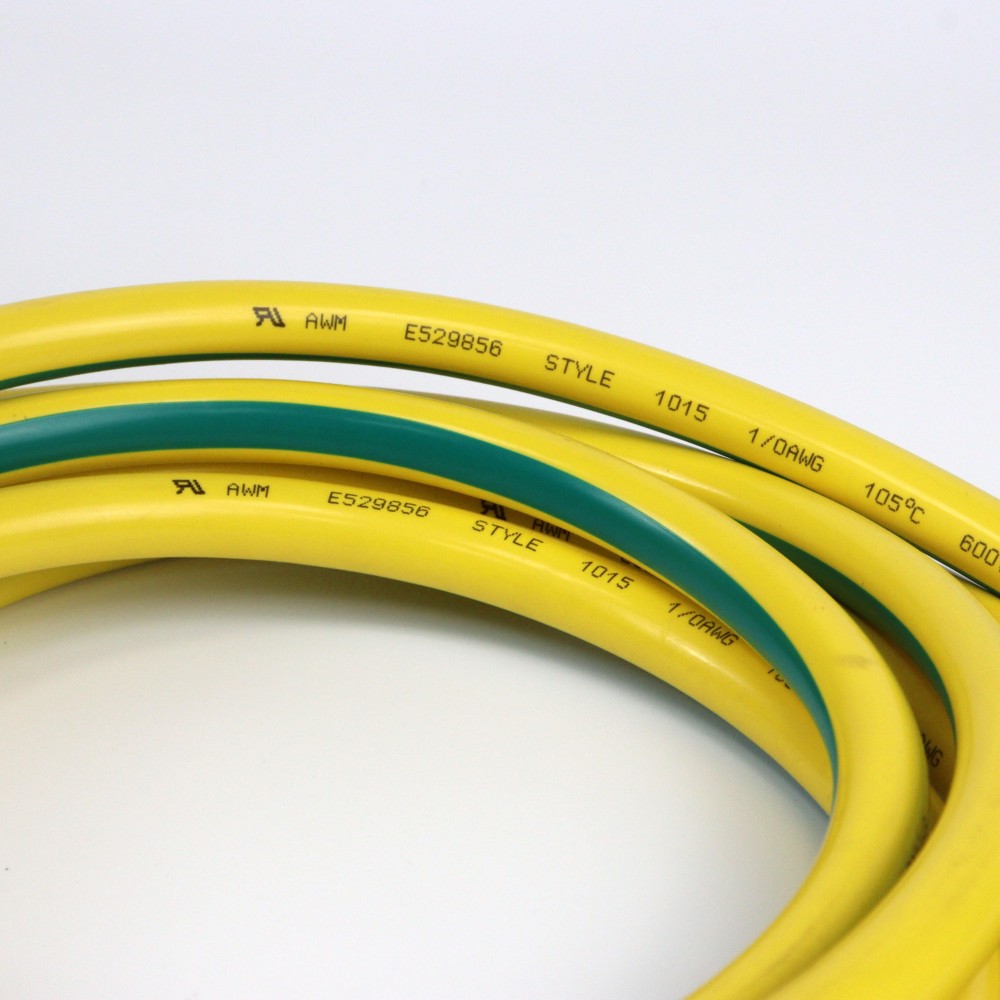
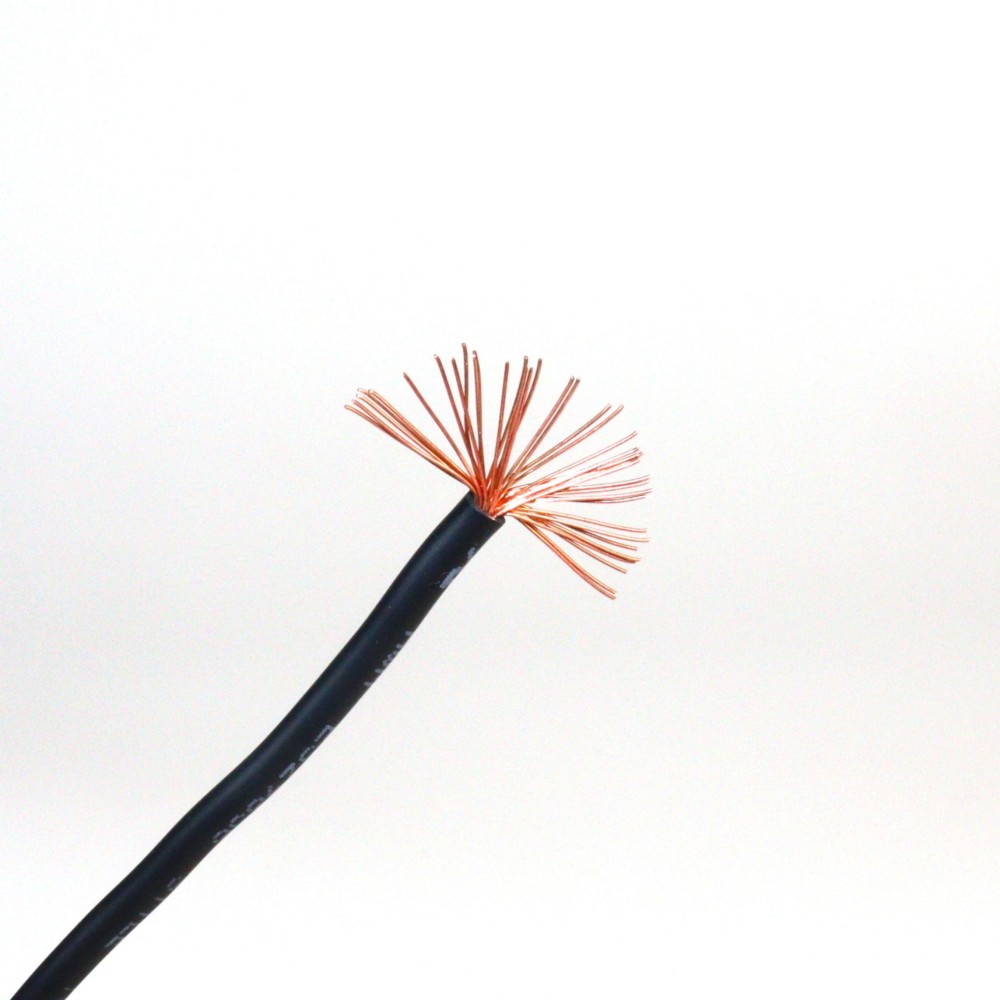
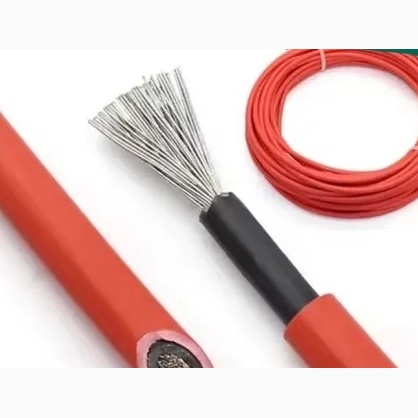
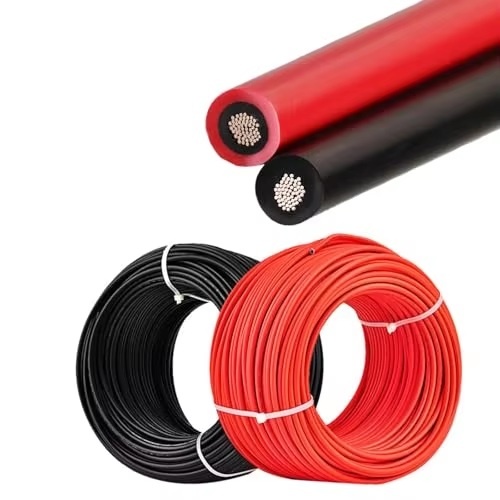
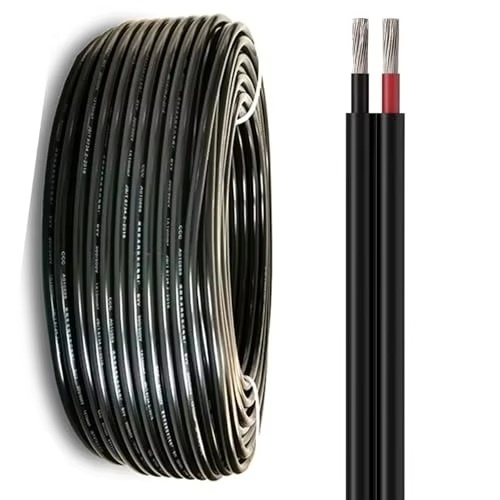
A solar earth cable is a protective conductor used to connect exposed metal parts of a photovoltaic system to ground. It gives unwanted electrical current a safe path away from people, equipment, and building structures. In a typical installation, the solar earth cable links module frames, mounting rails, inverter housings, combiner boxes, and other conductive parts with an earthing point. This connection supports fault protection and helps protective devices respond quickly when insulation fails or a surge occurs. The solar earth cable also helps reduce the risk of electric shock, equipment damage, and fire caused by fault current or lightning activity. Most versions use a copper conductor because copper carries current efficiently and remains reliable over long service periods. The conductor may have a green and yellow protective jacket for quick identification during installation and maintenance. Strong insulation protects the solar earth cable from sunlight, moisture, temperature changes, abrasion, and common outdoor chemicals. Depending on the design, the cable may use flexible stranded wire, tinned copper, flame-resistant insulation, and a construction suited to fixed or moving connections. A correctly selected solar earth cable should match the system voltage, conductor size, installation method, local electrical rules, and expected environment. It can serve residential rooftops, commercial arrays, ground-mounted plants, carports, battery systems, and solar street lighting. By creating a dependable grounding network, the solar earth cable supports safer operation, easier inspection, and longer-lasting photovoltaic performance.
Choosing a solar earth cable gives buyers a practical way to improve safety without complicating the rest of a photovoltaic installation. By directing fault current into the ground, the solar earth cable helps lower touch voltage on metal frames and housings. This protection supports safer work for installers, maintenance teams, and building occupants. It also helps breakers, fuses, residual-current devices, and other protection equipment act as intended when a fault occurs. A suitable solar earth cable can reduce the chance that a small insulation problem becomes equipment damage or a costly shutdown. Outdoor durability creates another clear benefit. Quality insulation resists ultraviolet exposure, rain, condensation, heat, cold, and surface wear, so the solar earth cable can remain dependable across changing seasons. Flexible stranded designs make routing around rails, junctions, and inverter terminals easier, while clear color coding speeds up checking and reduces connection mistakes. Copper conductors provide low-resistance performance, helping fault energy travel efficiently to the grounding point. Tinned options can offer added resistance to corrosion in humid, coastal, or polluted locations. The solar earth cable also supports faster project work when it is available in practical lengths and works with standard terminals, lugs, clamps, and bonding hardware. For system owners, this can mean lower maintenance effort and fewer avoidable service visits. For contractors, consistent construction simplifies cutting, termination, labeling, and inspection. Application suitability matters when comparing products. A rooftop array may need a compact, flexible solar earth cable, while a utility plant may require longer runs, stronger mechanical protection, or a larger cross-section. Buyers should check conductor area, insulation rating, temperature range, bending needs, fire behavior, certification, and compatibility with the selected bonding method. The right solar earth cable delivers useful protection, efficient installation, and dependable value over the working life of the system.

Practical Tips

Shanghai Libin Cable Showcases Robot and Automation Cable Solutions at CMES Shanghai Industrial Automation & Robotics Exhibition

16

Oct

Shanghai Libin Cable Showcases Robot and Automation Cable Solutions at CMES Shanghai Industrial Automation & Robotics Exhibition

View More
Shanghai Libin Cable Showcases Crane Cable Solutions at the 11th China (Changyuan) International Crane Equipment Expo

16

Oct

Shanghai Libin Cable Showcases Crane Cable Solutions at the 11th China (Changyuan) International Crane Equipment Expo

View More
Why Drag Chain Cables Fail: Four Common Causes and How to Select Correctly

16

Oct

Why Drag Chain Cables Fail: Four Common Causes and How to Select Correctly

View More
Industrial Robot Combination Cable: Routing Power and Signal Together in a Small-Bend-Radius Drag Chain

16

Oct

Industrial Robot Combination Cable: Routing Power and Signal Together in a Small-Bend-Radius Drag Chain

View More

Get a Free Quote

Our representative will contact you soon.
0/1000
Reliable Fault-Current Protection

Reliable Fault-Current Protection

The primary value of a solar earth cable is its ability to create a controlled route for unwanted electrical current. When a damaged wire, loose component, or failed insulation energizes a metal frame, the solar earth cable carries that fault toward the grounding system instead of leaving the frame at a dangerous voltage. This gives protective equipment a better chance to disconnect the affected circuit quickly. For property owners, that means stronger protection for people, modules, inverters, and surrounding structures. For installers, it provides a clear and inspectable bonding path across the array. A well-made solar earth cable maintains low electrical resistance and stable performance through repeated temperature changes. Copper conductors, accurate sizing, and secure terminations all support dependable current flow. Selecting the correct cable for the system design helps the grounding network perform consistently during ordinary faults as well as severe electrical events. This feature turns grounding from a basic connection into an active safety measure.
Built for Outdoor Solar Conditions

Built for Outdoor Solar Conditions

Solar equipment stays outside for years, so a solar earth cable must handle more than normal indoor wiring. Its insulation protects the conductor from intense sunlight, rain, moisture, frost, heat, and daily expansion and contraction. A durable solar earth cable also resists scuffing during installation and helps withstand contact with mounting channels, cable clips, and nearby hardware. This outdoor strength reduces the likelihood of cracking, hardening, or exposed conductor damage as the array ages. Buyers benefit from fewer inspections caused by environmental wear and a lower risk of replacing cable before the panels reach their expected service life. In coastal or humid areas, tinned copper can add useful corrosion resistance, while flame-resistant jackets can support broader project safety goals. Flexible construction makes it easier to follow frame edges and reach bonding points without sharp bends. With the right material and rating, a solar earth cable remains a dependable part of rooftop, carport, ground, and utility-scale systems.
Simple Installation and Broad Compatibility

Simple Installation and Broad Compatibility

A solar earth cable can help teams complete grounding work quickly when its construction suits common photovoltaic hardware. Flexible stranded conductors route neatly through rails and around module supports, while recognizable green and yellow insulation makes the protective connection easy to identify. The solar earth cable can be cut, stripped, and terminated with suitable lugs, clamps, and bonding accessories, reducing unnecessary installation steps. This practical design helps contractors keep wiring organized and makes later testing or fault finding more efficient. Product choice can also cover a wide range of project sizes. Smaller systems may use compact conductors for short rooftop links, while larger plants may need longer lengths, larger cross-sections, or extra mechanical protection. The solar earth cable is useful for panel frames, inverter cabinets, combiner equipment, battery enclosures, solar pumps, and lighting systems. Buyers should confirm local requirements and product ratings before ordering. Matching size, insulation, temperature range, and terminal type helps ensure a secure connection, smooth installation, and reliable long-term performance.