white electrical wire
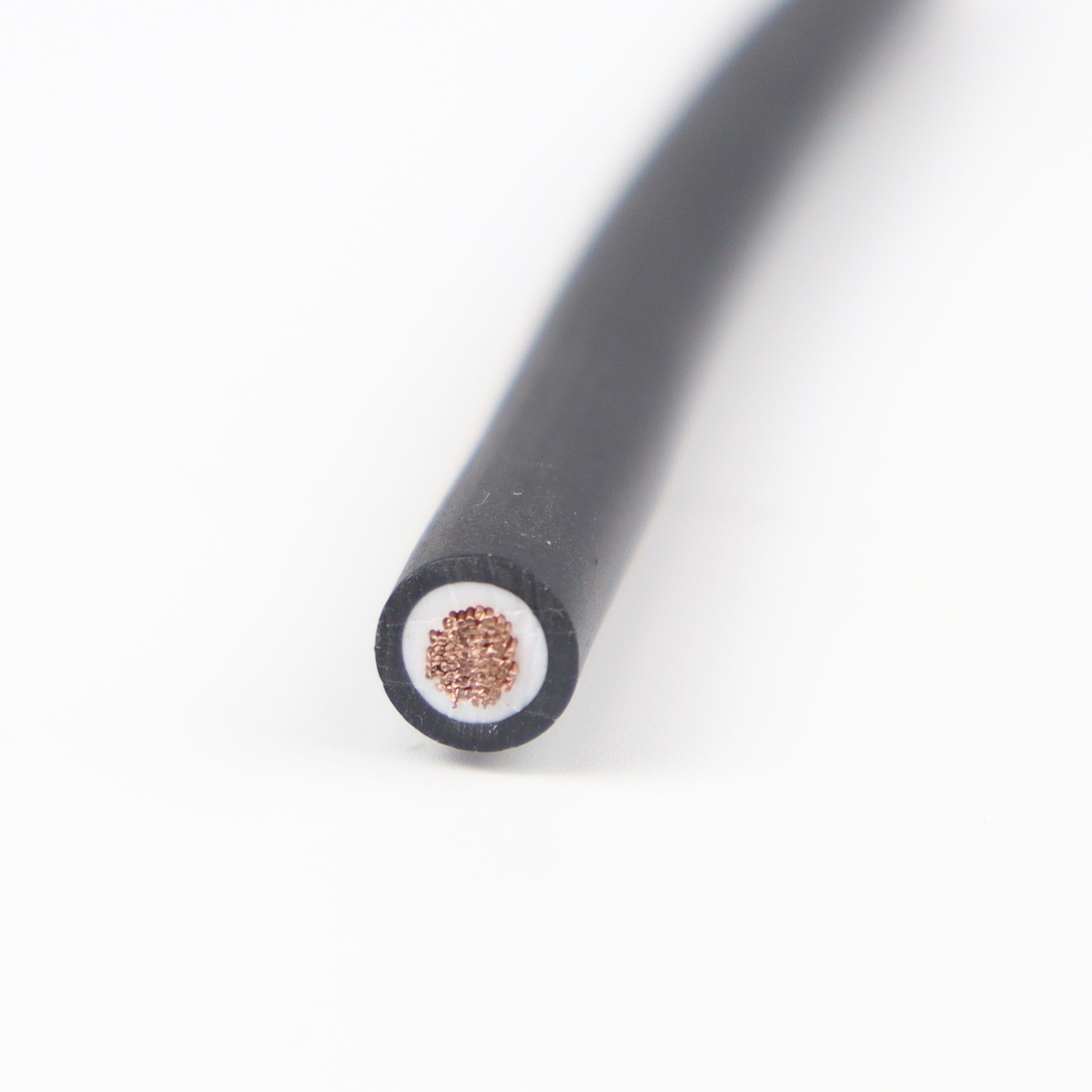
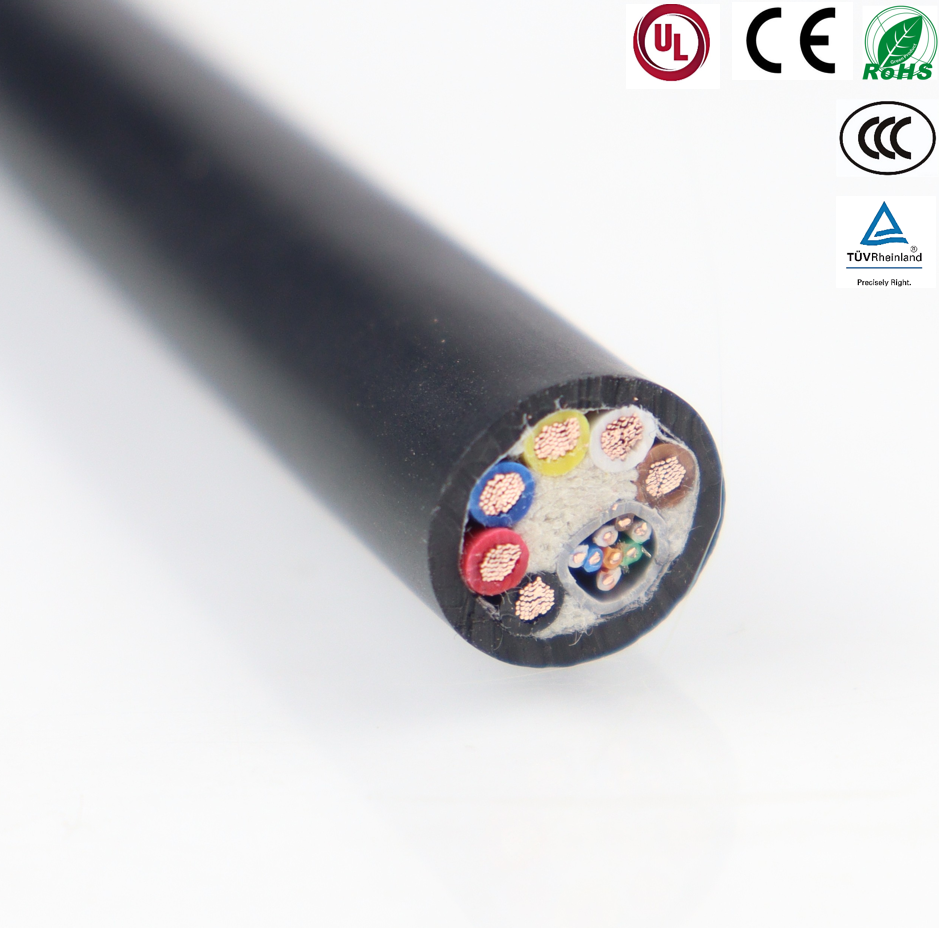
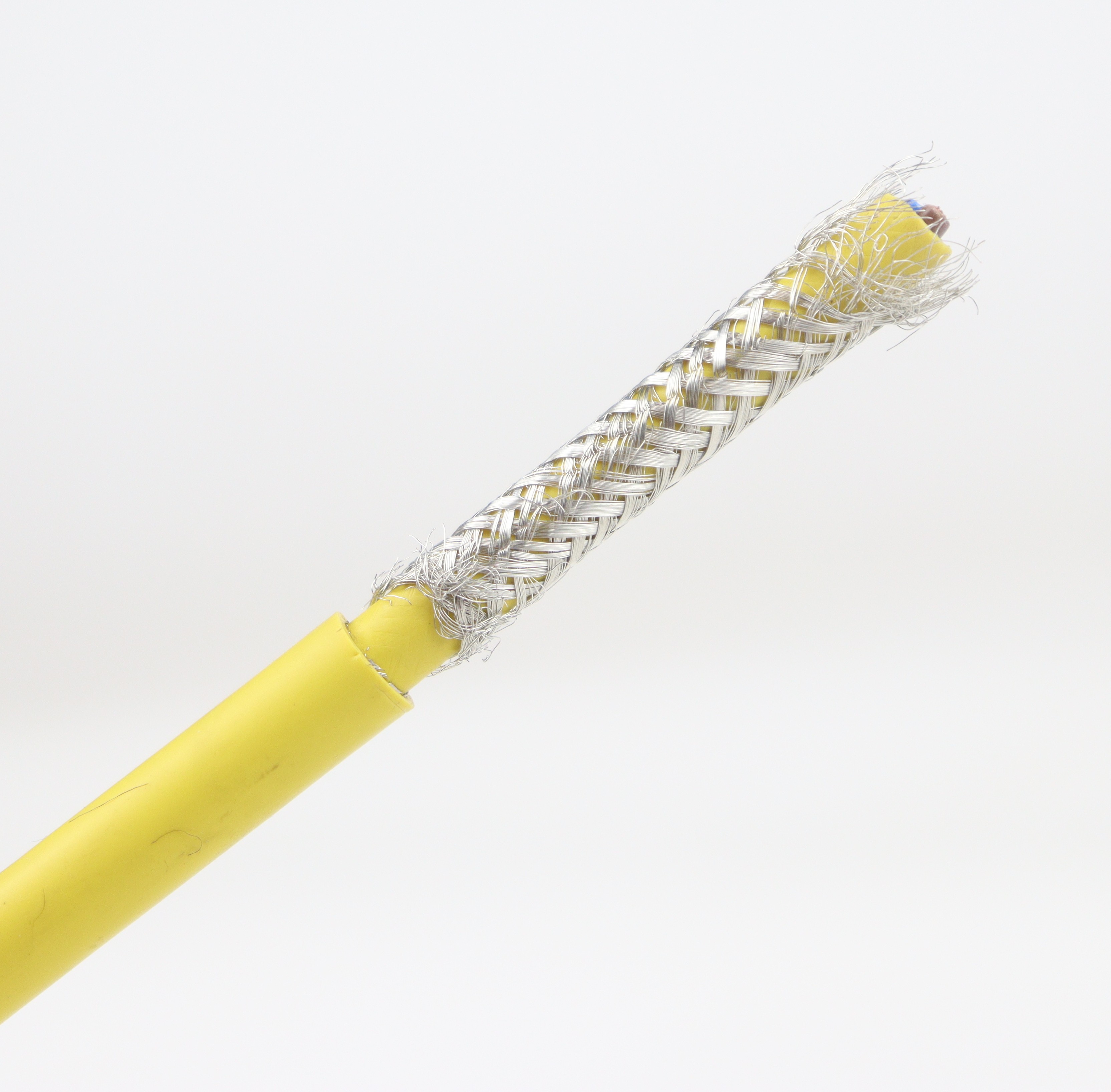
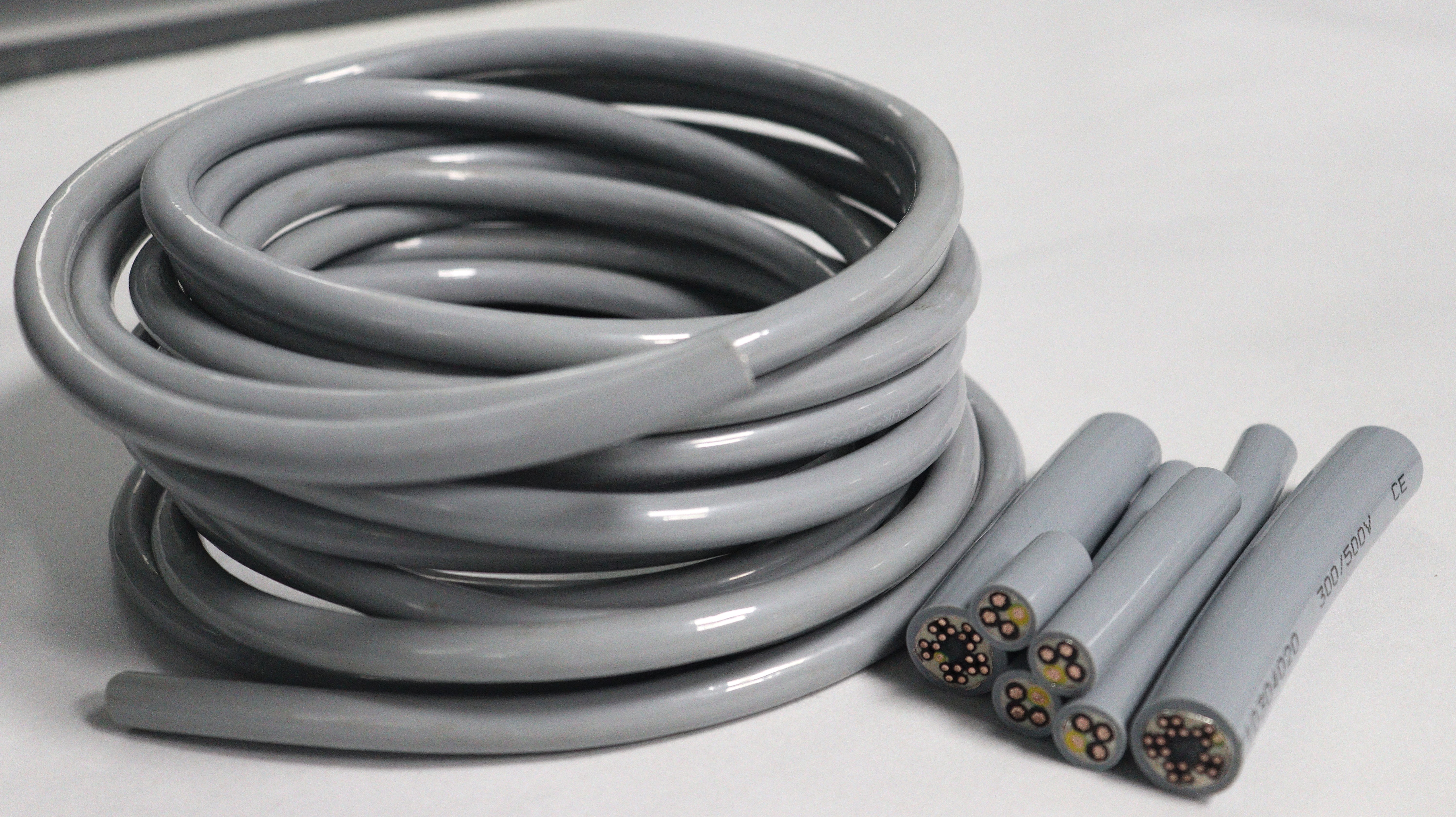
White electrical wire is an insulated conductor designed to carry electrical power or control signals safely between devices, outlets, switches, and distribution points. In most building circuits, the white color identifies a neutral conductor, although local electrical codes and installation practices must always guide use. The white electrical wire supports the return path that completes a circuit, helping lights, appliances, and equipment operate correctly. It may also serve other approved functions in specific systems when properly marked by a qualified installer. A typical white electrical wire uses a copper core because copper carries current efficiently and connects easily to terminals. Some products use solid copper for fixed residential wiring, while stranded copper provides greater flexibility for panels, equipment, and tight installation spaces. A durable PVC or similar polymer jacket surrounds the conductor and helps resist moisture, abrasion, heat, and everyday handling. Depending on the model, the white electrical wire may include flame-resistant insulation, sunlight resistance, low-smoke properties, or ratings for wet and dry locations. Available sizes support different current demands, from lighting circuits to larger equipment connections. The white electrical wire can be supplied in rolls, coils, or cut lengths, making it suitable for new construction, repairs, renovations, control cabinets, and prefabricated assemblies. Clear color identification simplifies circuit organization and helps technicians distinguish neutral paths from other conductors. Buyers should confirm gauge, voltage rating, temperature rating, insulation type, approval marks, and local code compliance before selecting a white electrical wire for any project.