pvc electrical wire
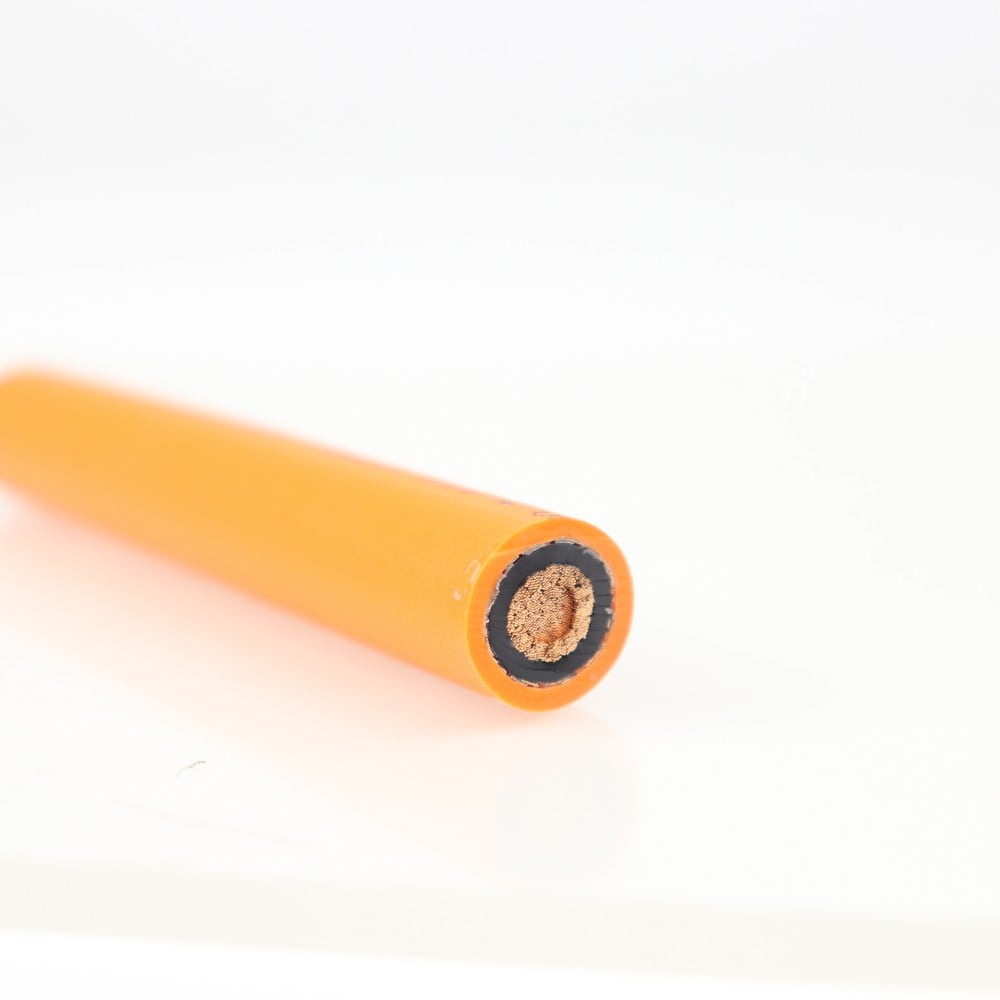
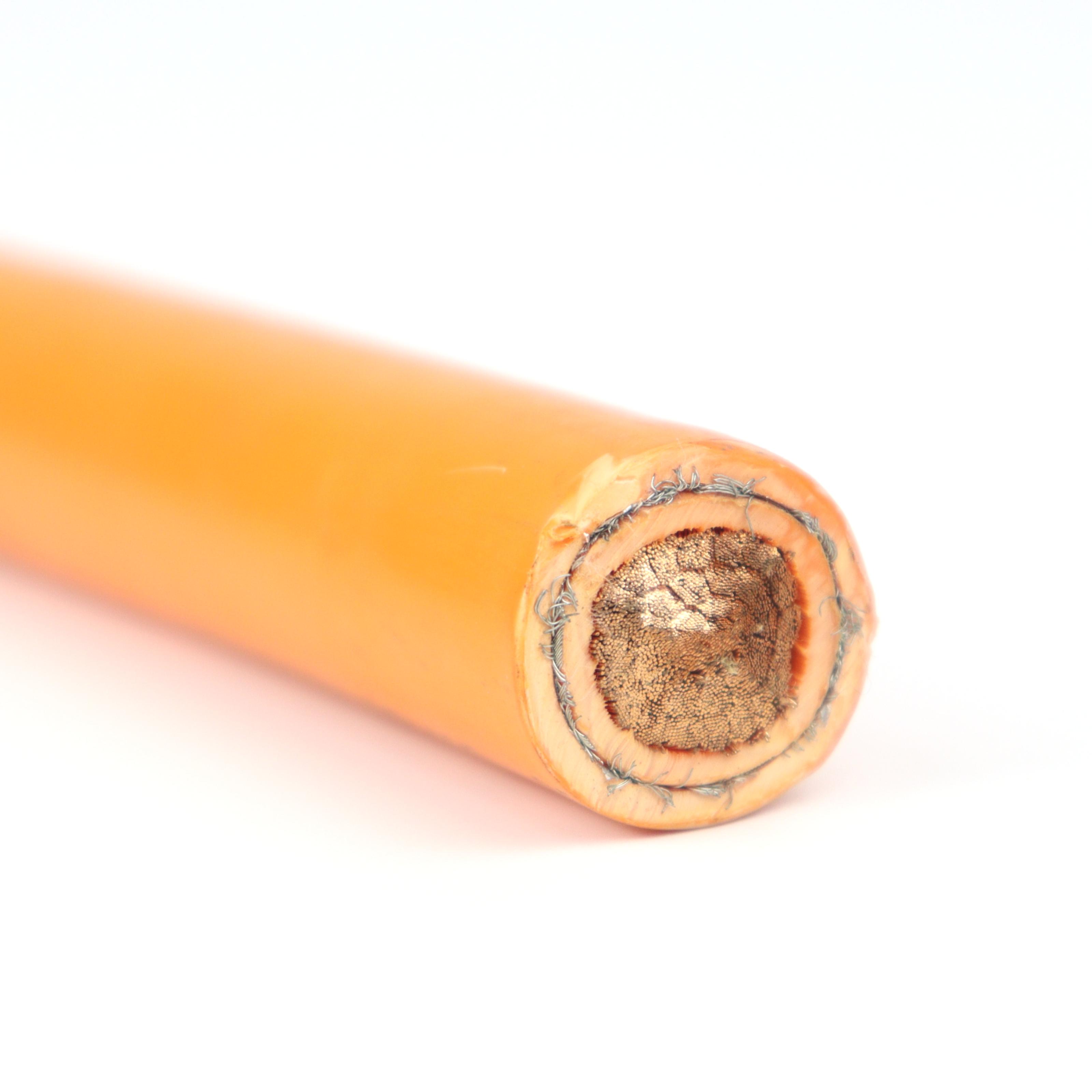
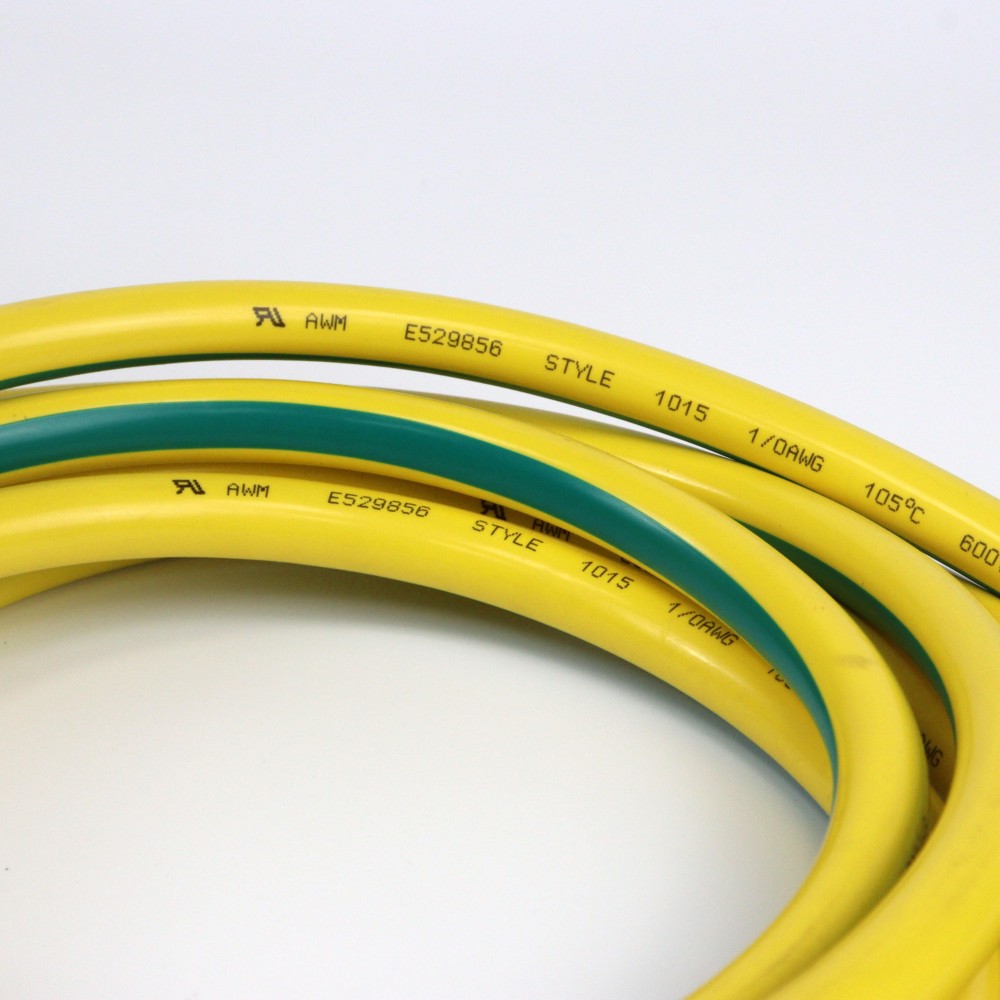
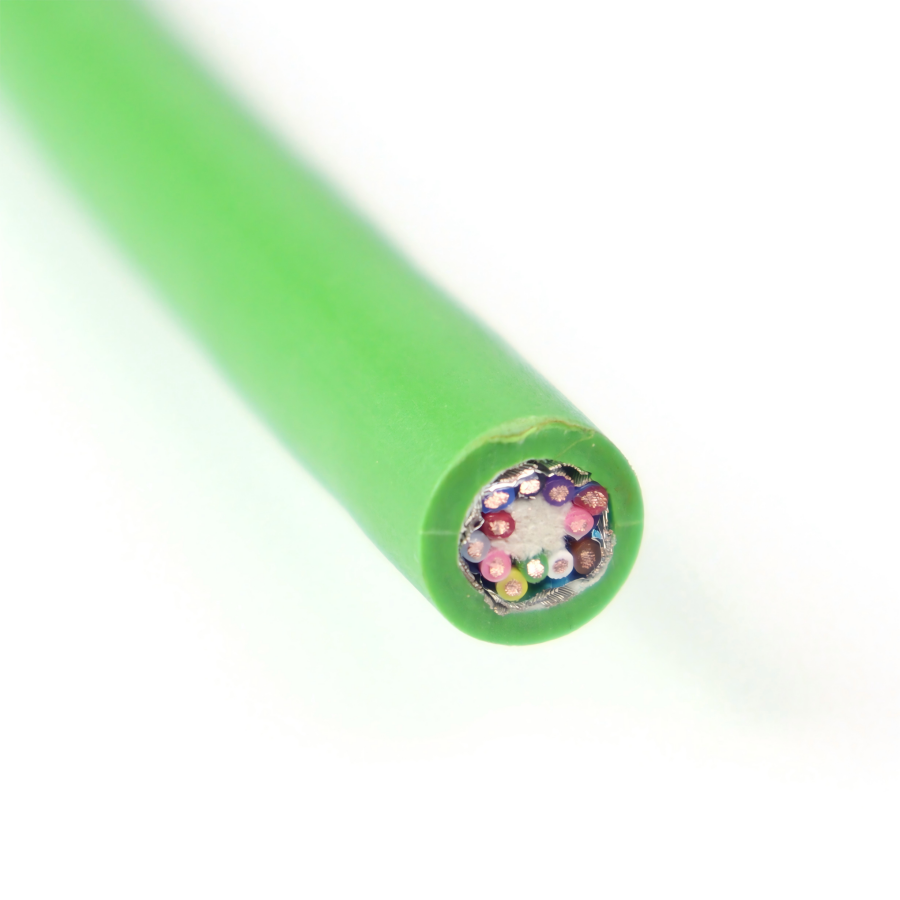
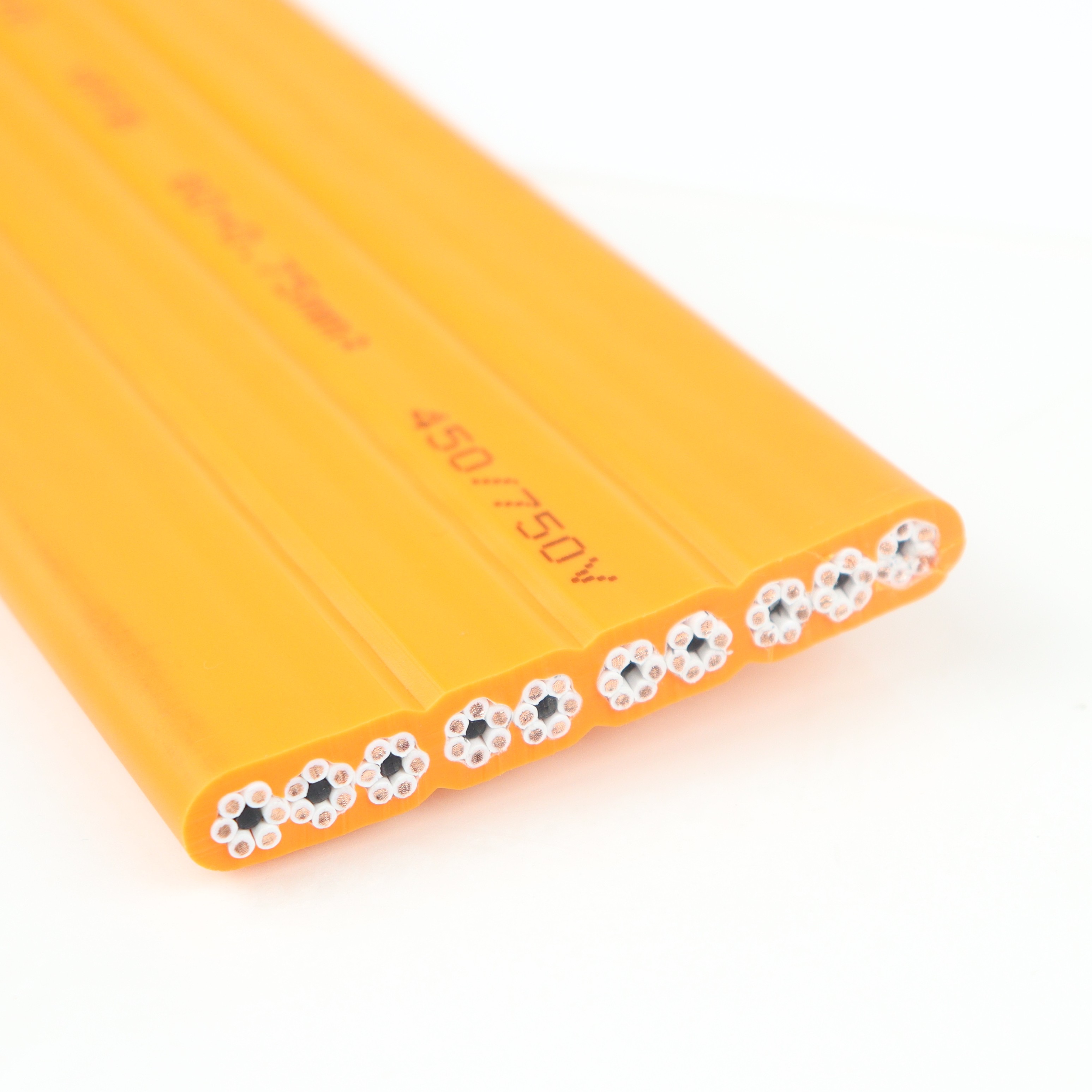
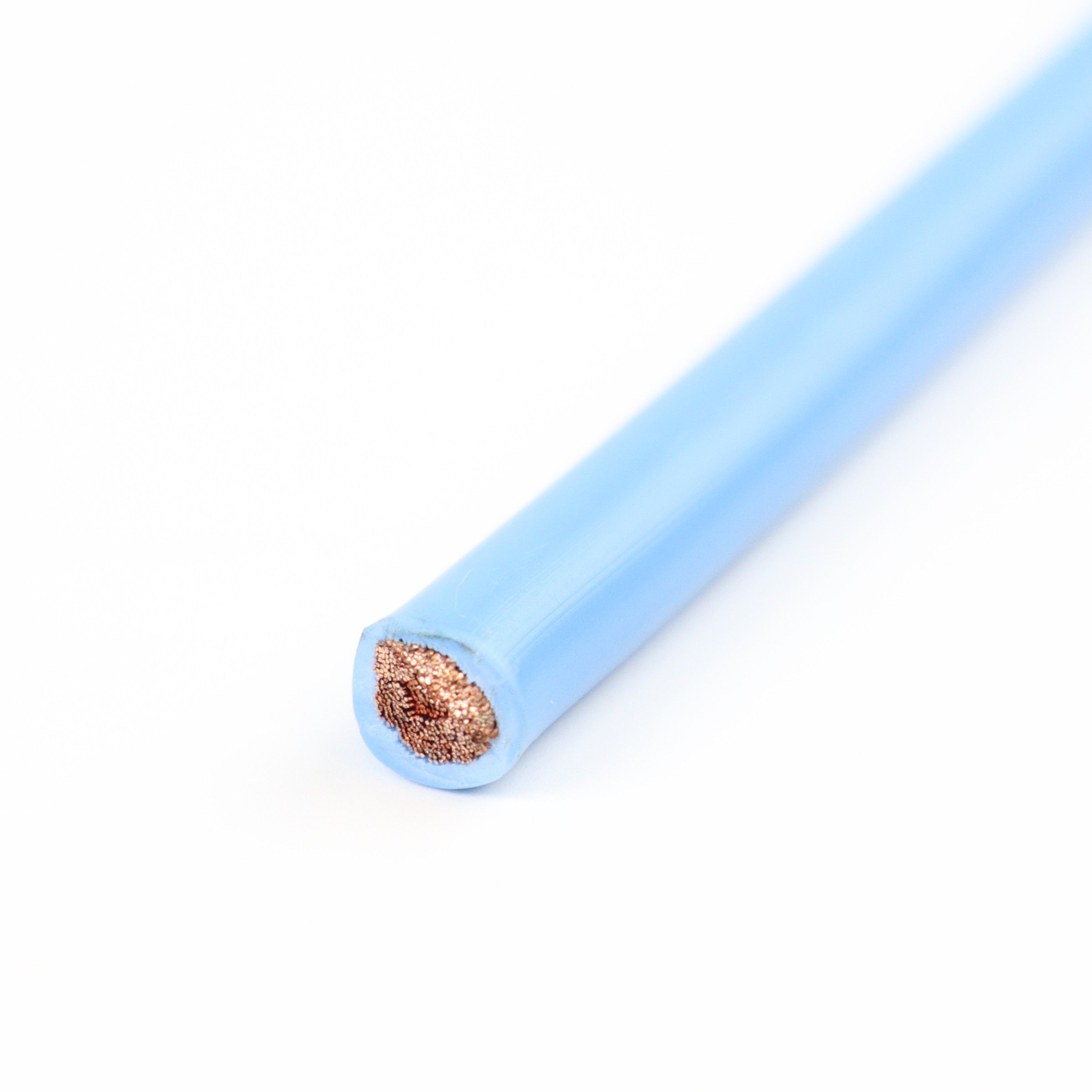
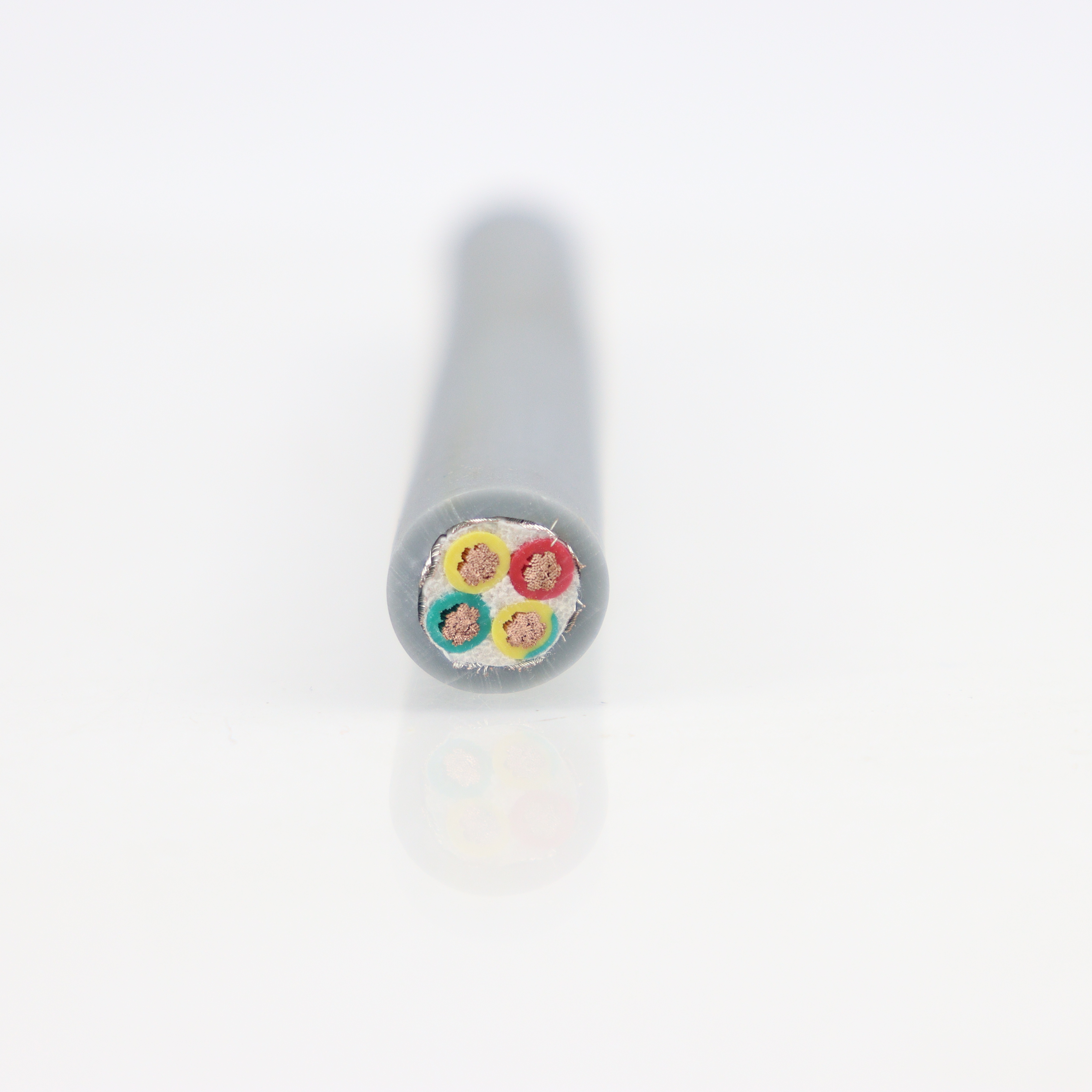
PVC electrical wire is an insulated conductor designed to carry electrical power and signals safely between equipment, circuits, and supply points. A PVC electrical wire usually contains a copper or aluminum core surrounded by polyvinyl chloride insulation. The metal core carries current, while the outer layer helps prevent shocks, short circuits, moisture damage, and contact with nearby materials. In residential work, PVC electrical wire connects lighting, sockets, switches, appliances, and distribution boards. In commercial buildings, PVC electrical wire supports office systems, retail fixtures, security devices, and control panels. Industrial users select PVC electrical wire for machinery, automation cabinets, pumps, motors, and general internal wiring. Product designs vary by conductor size, core count, flexibility, voltage rating, color, and insulation thickness. A solid version suits fixed routes and permanent installation, while a stranded version bends more easily around corners and inside equipment. PVC electrical wire also offers a smooth surface that simplifies pulling through conduit, trunking, or cable channels. The insulation resists common abrasion, oil exposure, and everyday handling, although the correct product should always match the surrounding conditions. Many options support flame-retardant performance, low-temperature flexibility, or enhanced protection for demanding locations. Buyers should check conductor material, cross-sectional area, voltage rating, temperature range, certification, and installation method before ordering. With the right specification, PVC electrical wire provides a practical balance of safety, durability, installation convenience, and cost for many low and medium voltage applications. It remains a widely chosen solution because it performs consistently without requiring complex maintenance or specialized handling.