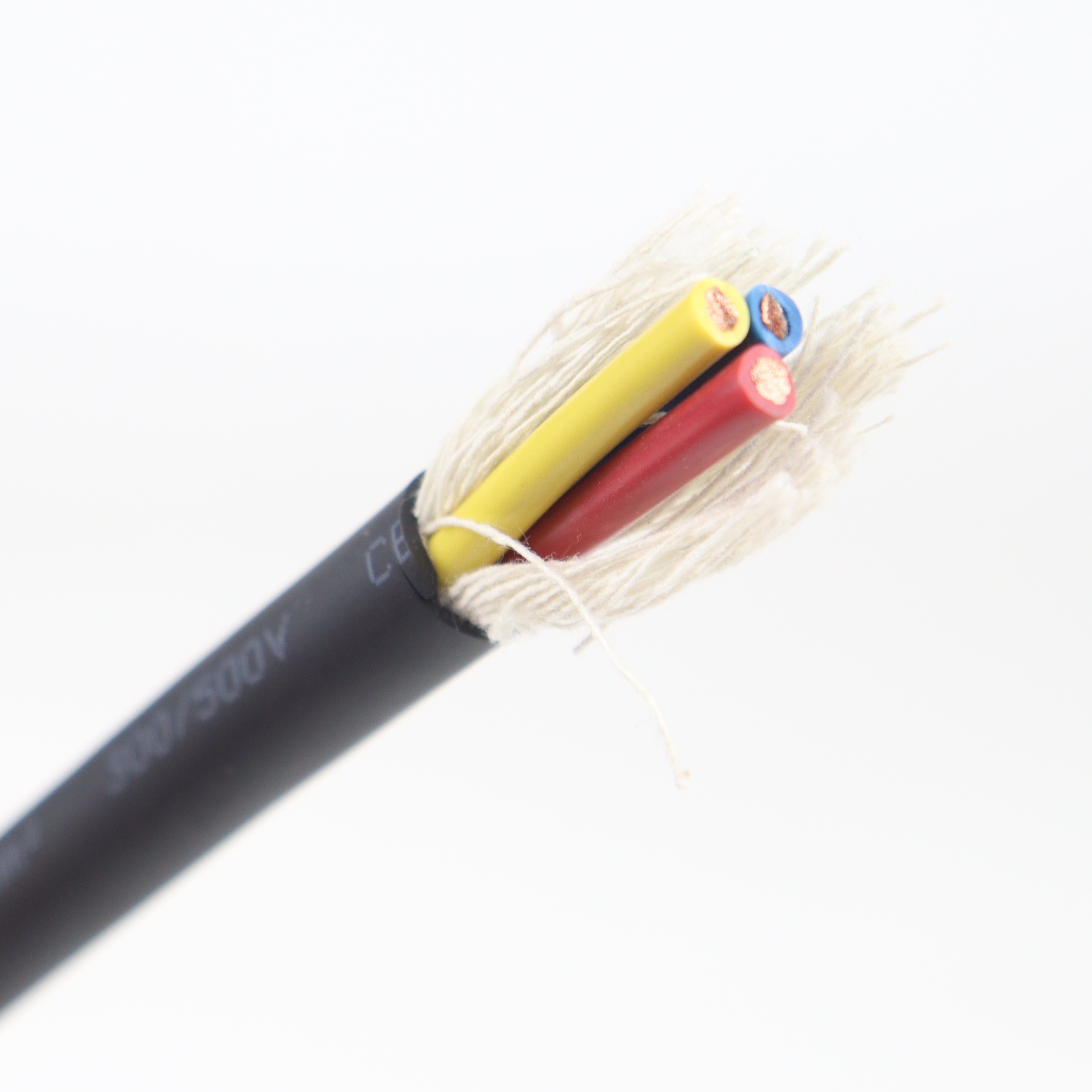
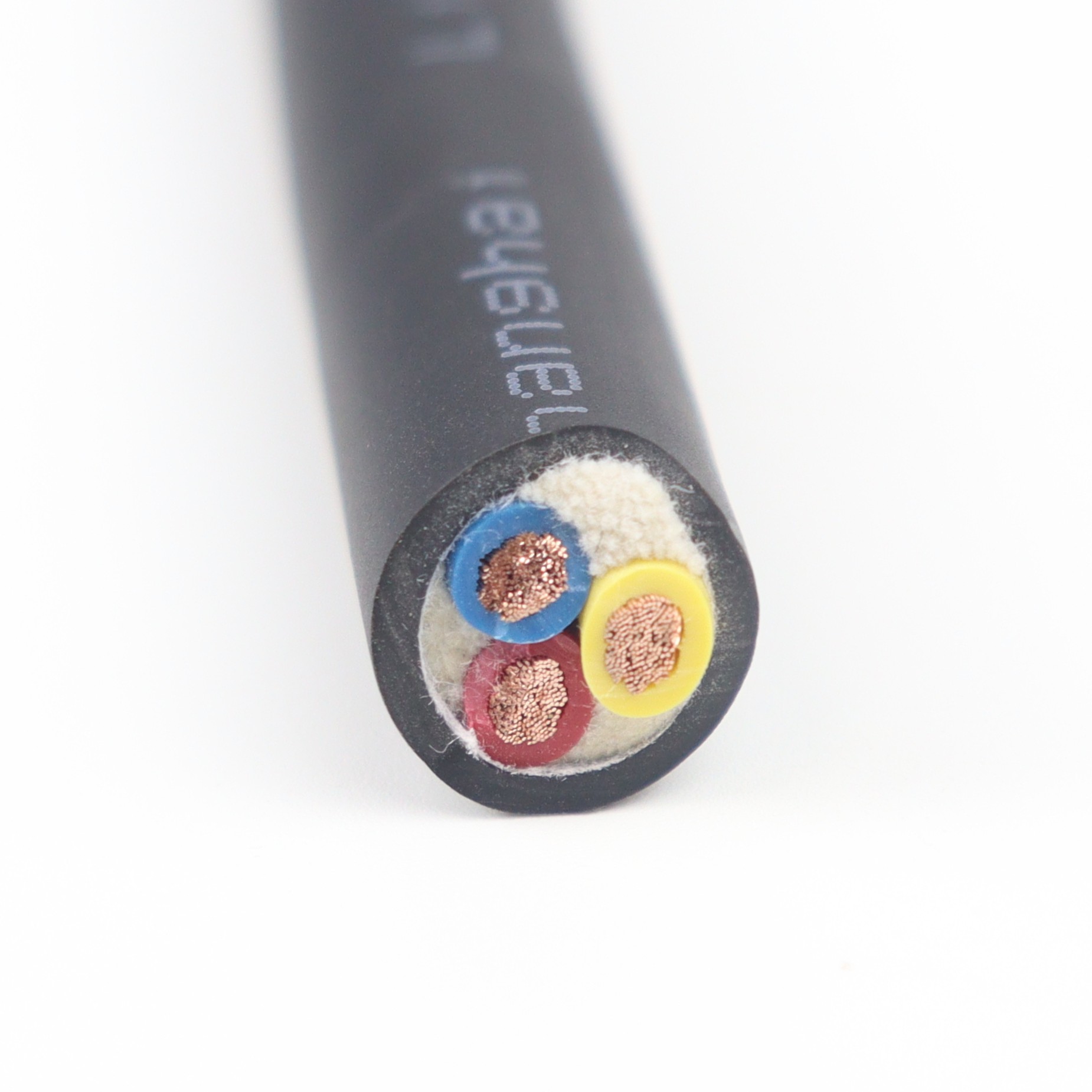
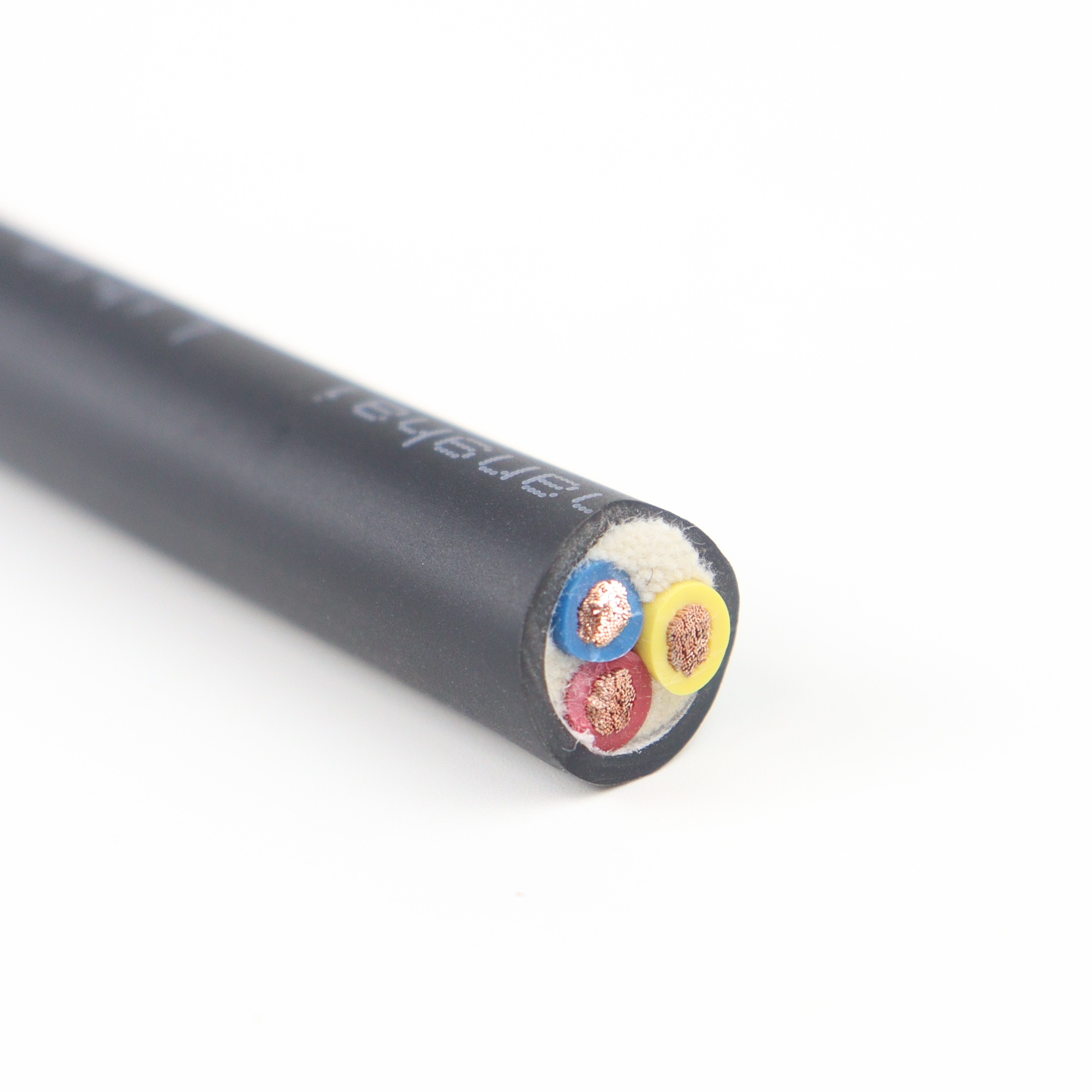
black electrical wire
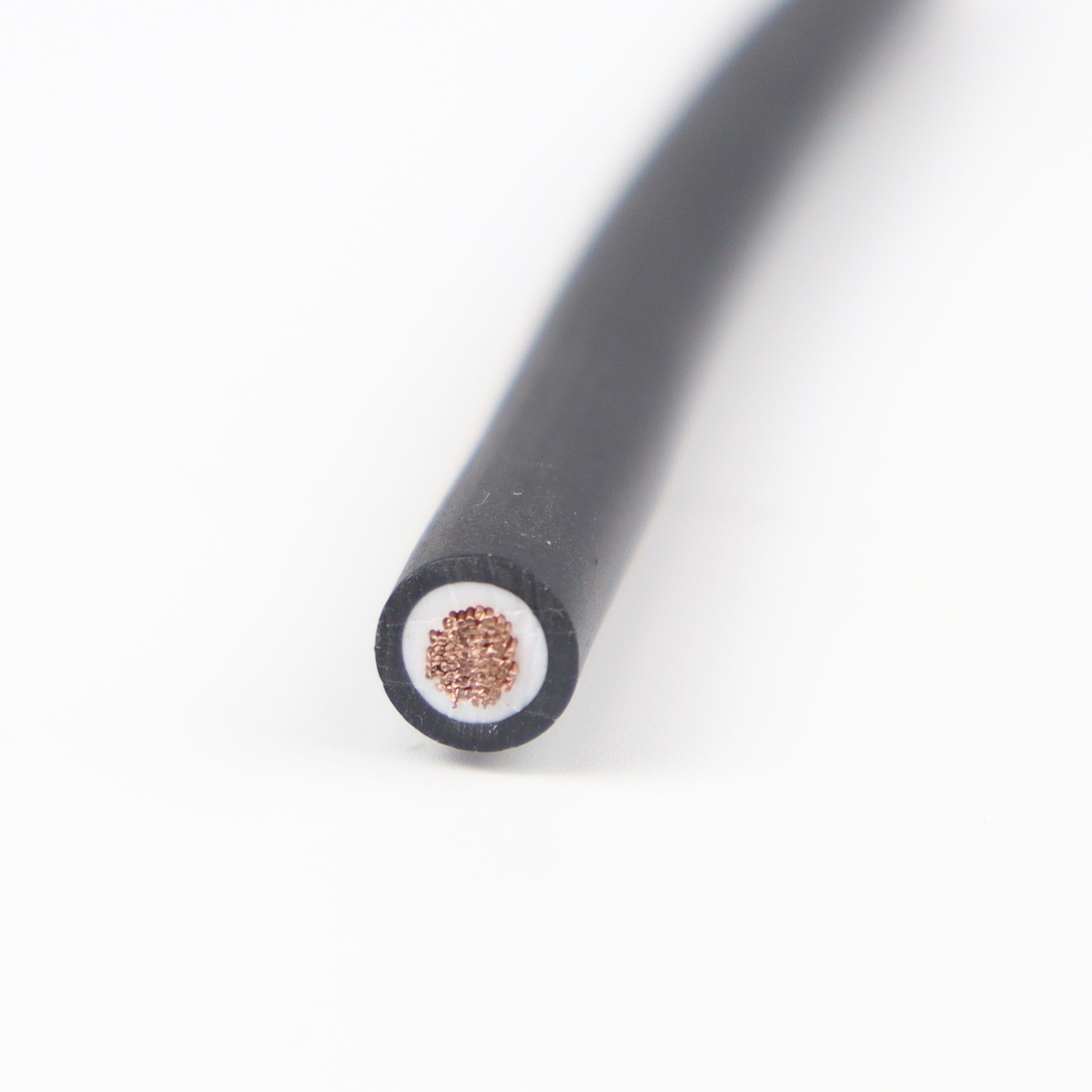
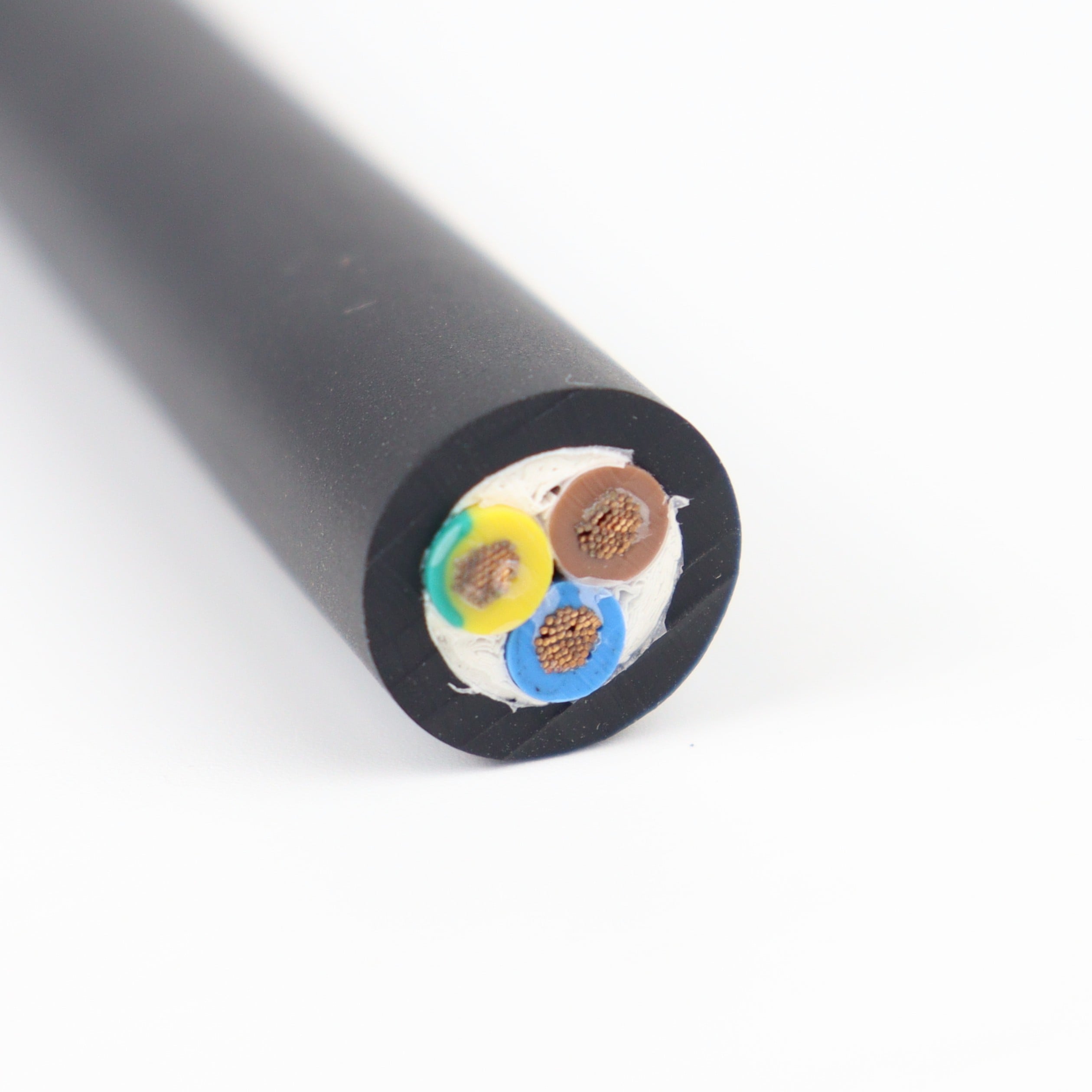
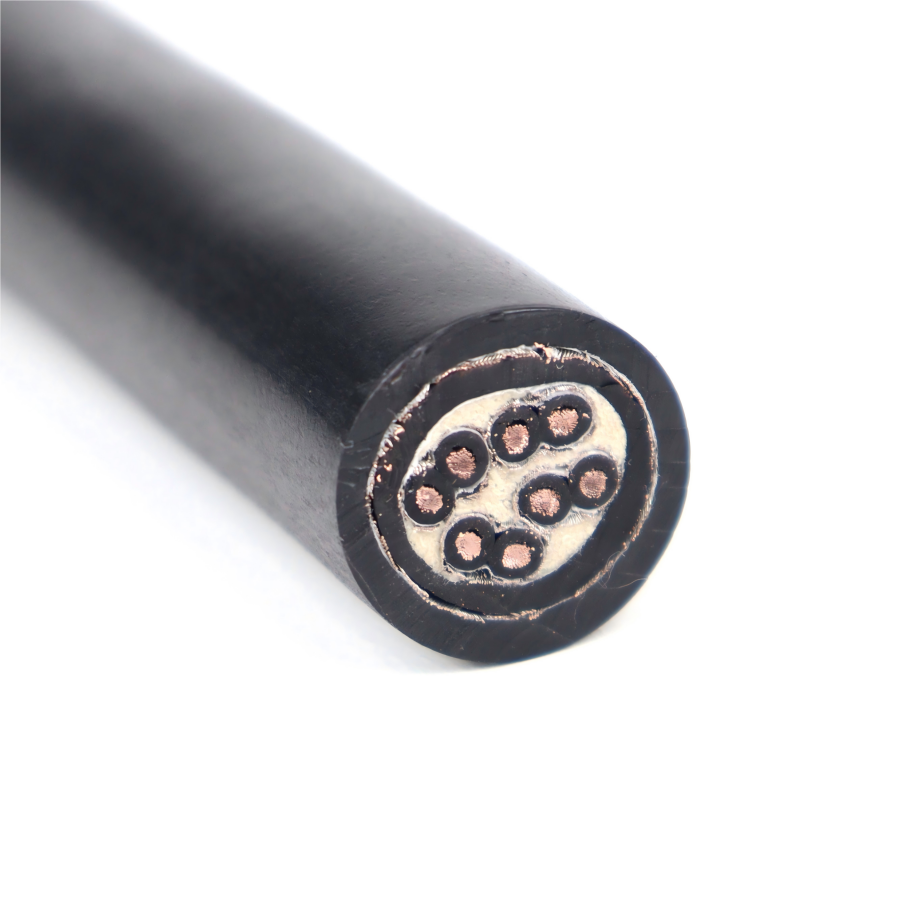
Black electrical wire is an insulated conductor used to carry electrical power between a source, control point, and connected device. In many installations, black electrical wire serves as a live or hot conductor, although the exact role depends on local electrical codes and the wiring system. Always confirm identification before installation, testing, or repair. A black electrical wire normally contains a copper or aluminum core surrounded by a protective insulation layer. Copper offers strong conductivity and easy termination, while aluminum can provide a lighter, cost-conscious option for selected applications. The insulation may use PVC, thermoplastic, cross-linked material, or another rated compound chosen for voltage, temperature, moisture, and mechanical conditions. Modern black electrical wire can include solid or stranded construction. Solid conductors suit fixed connections, while stranded conductors bend more easily around equipment and control panels. Product markings typically show conductor size, voltage rating, temperature limit, certification, and permitted installation method. These details help buyers select black electrical wire for the correct load and environment. Common uses include residential branch circuits, lighting, switches, outlets, appliances, machinery, vehicles, control cabinets, and low-voltage equipment. The black jacket provides quick visual identification and can help organize multi-conductor installations, but color alone should never replace testing or code compliance. When correctly matched to the circuit, black electrical wire supports stable power delivery, neat routing, and dependable long-term service. Buyers should check gauge, material, insulation rating, flexibility, length, and certification before ordering black electrical wire for a specific project.