flexible electrical wire
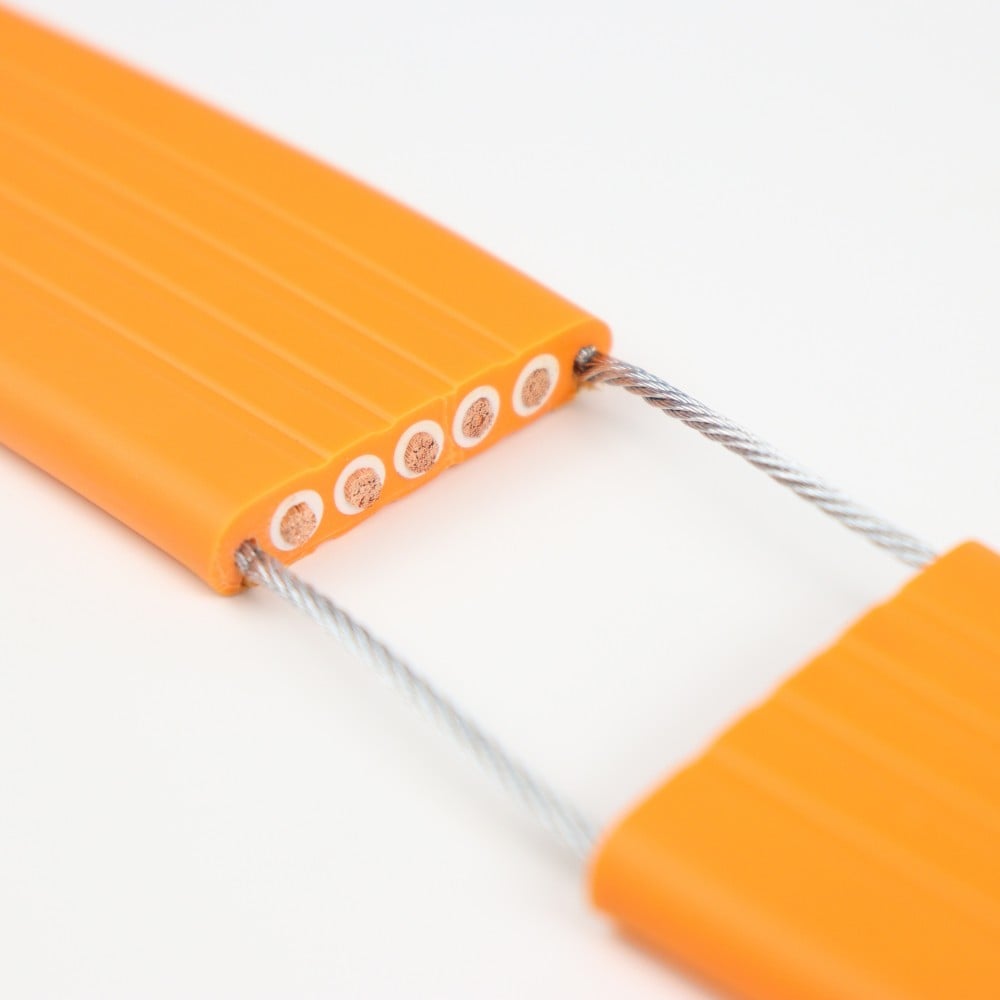
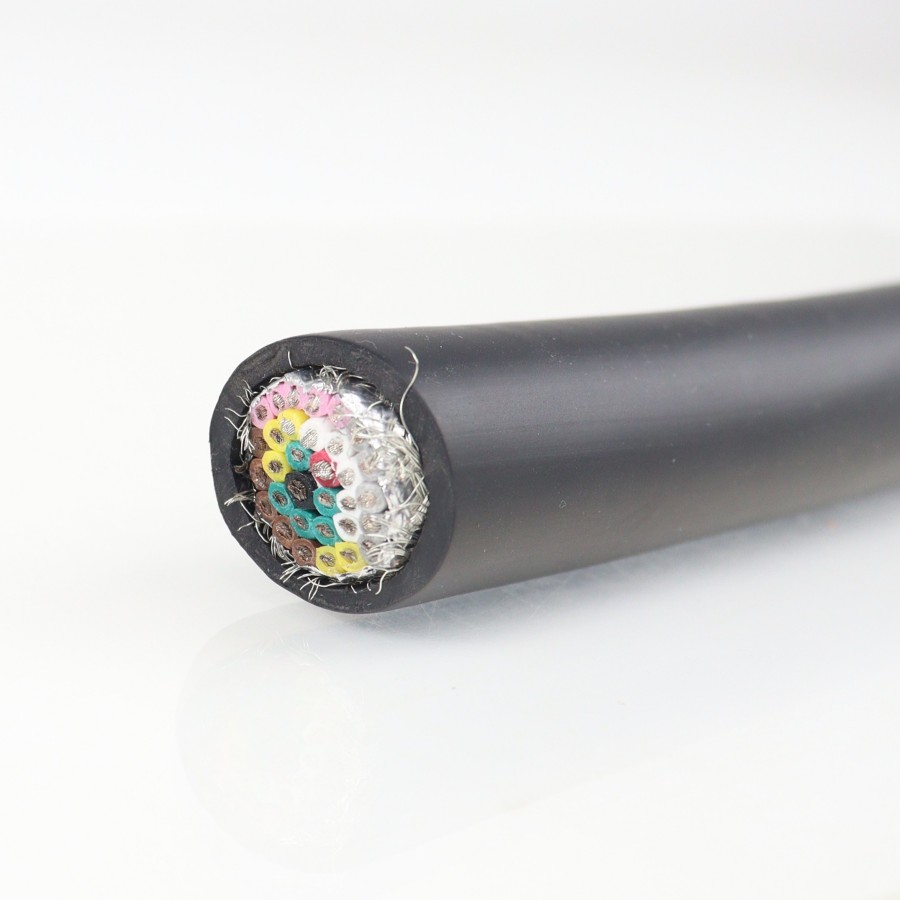
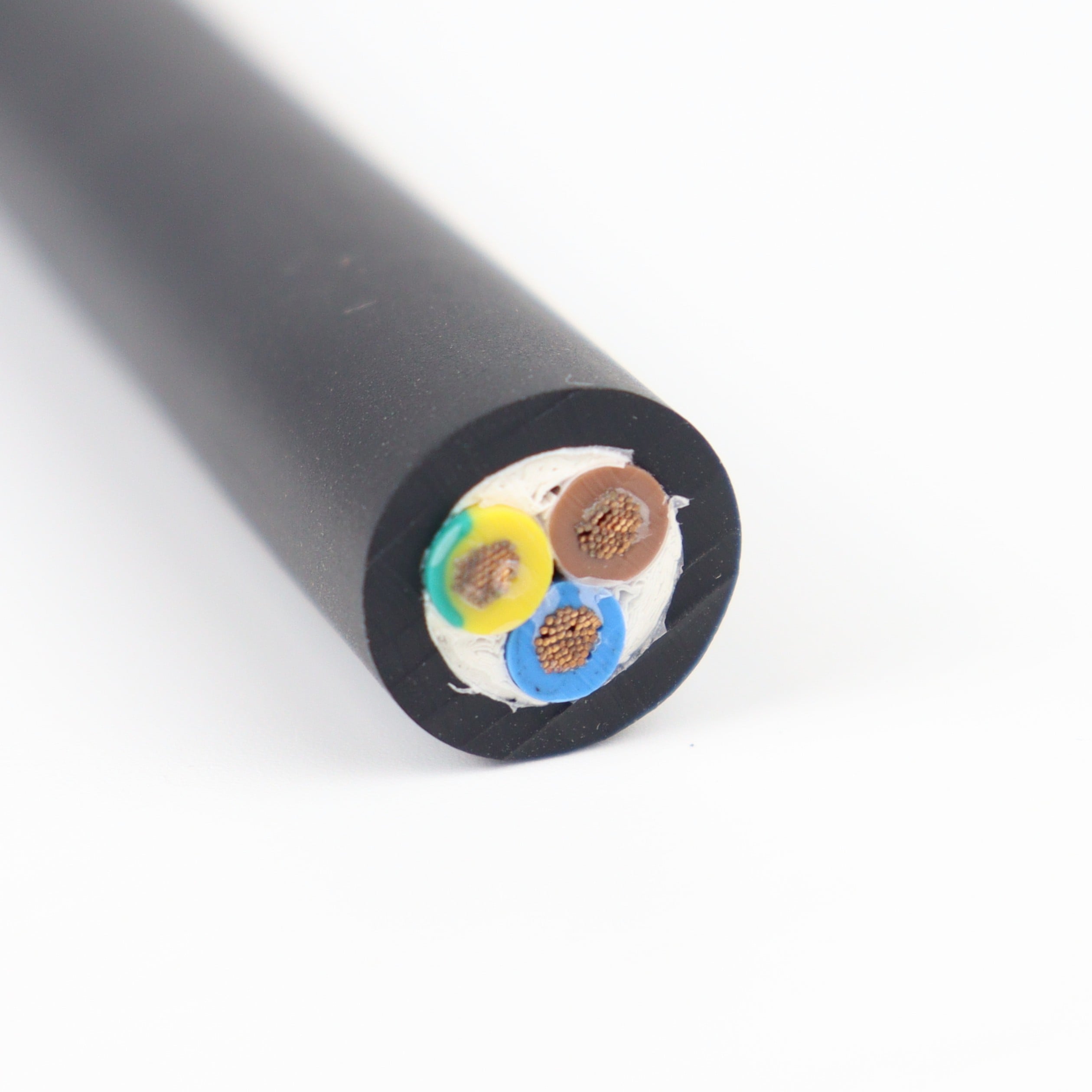
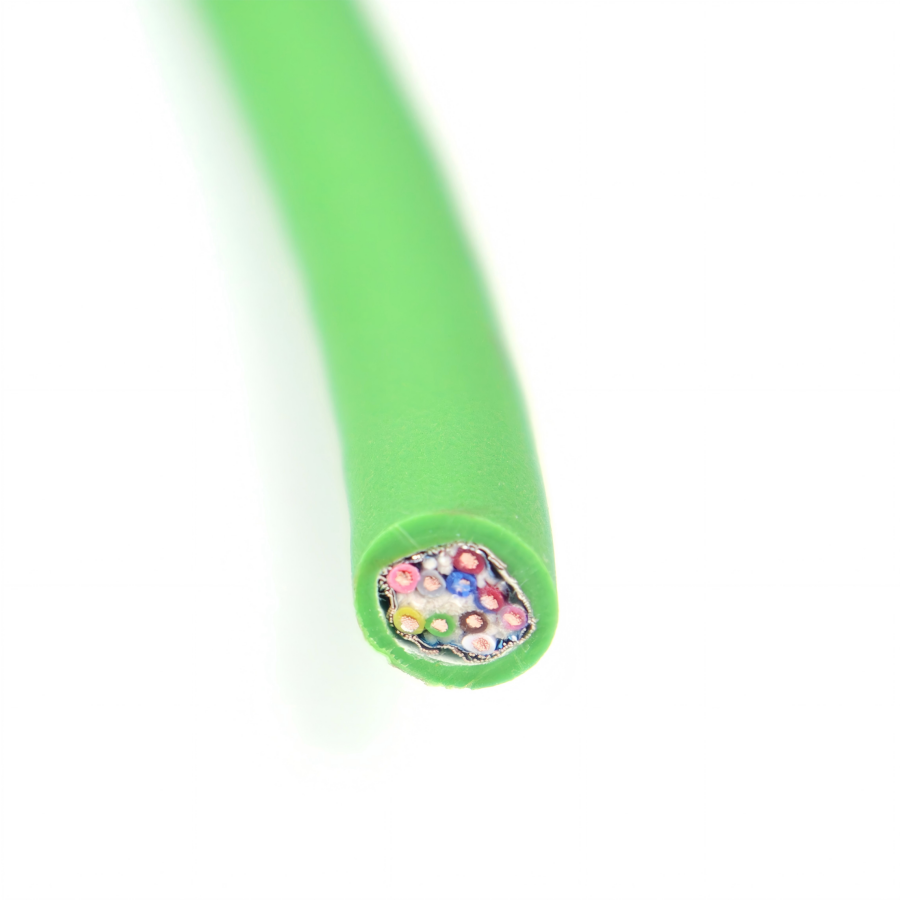
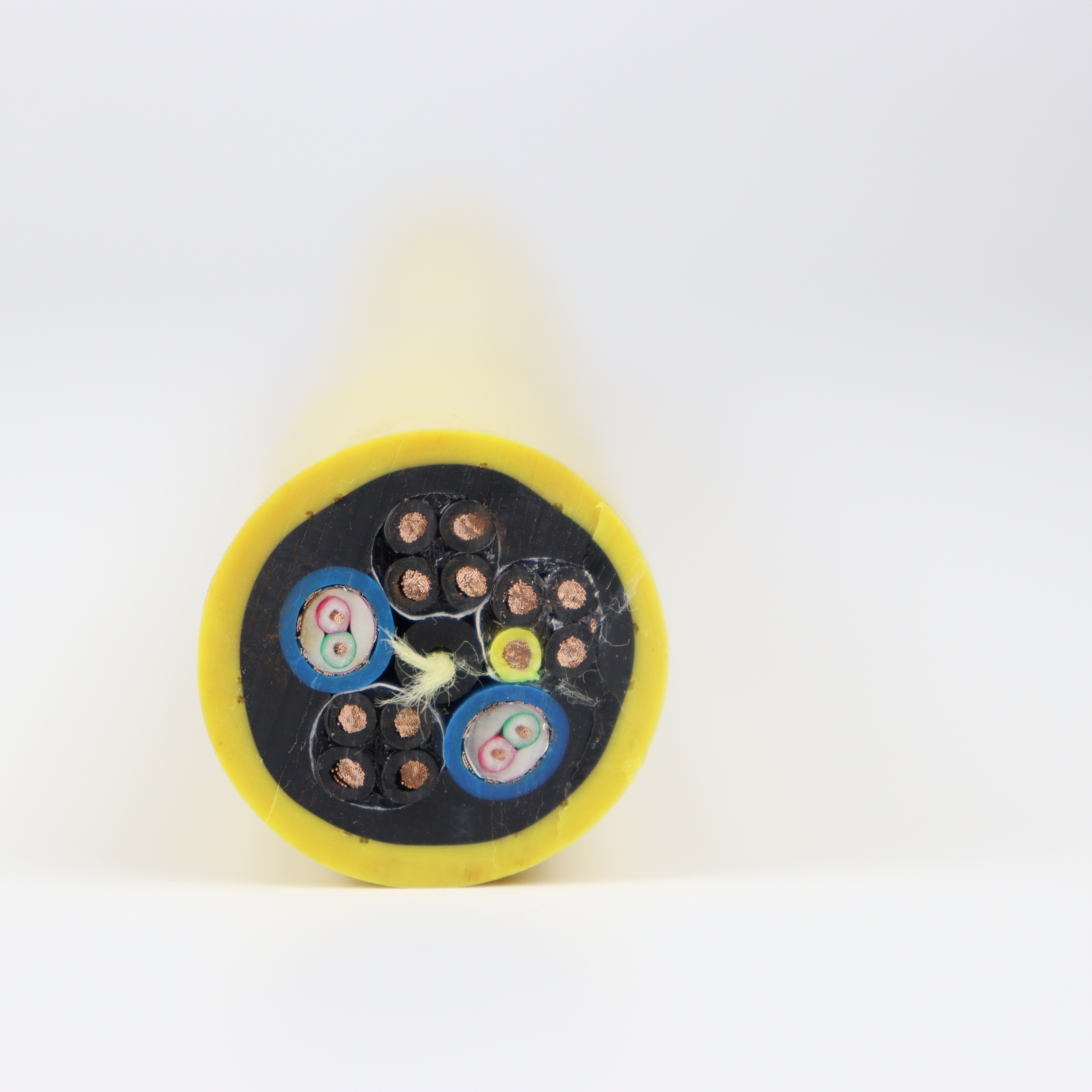
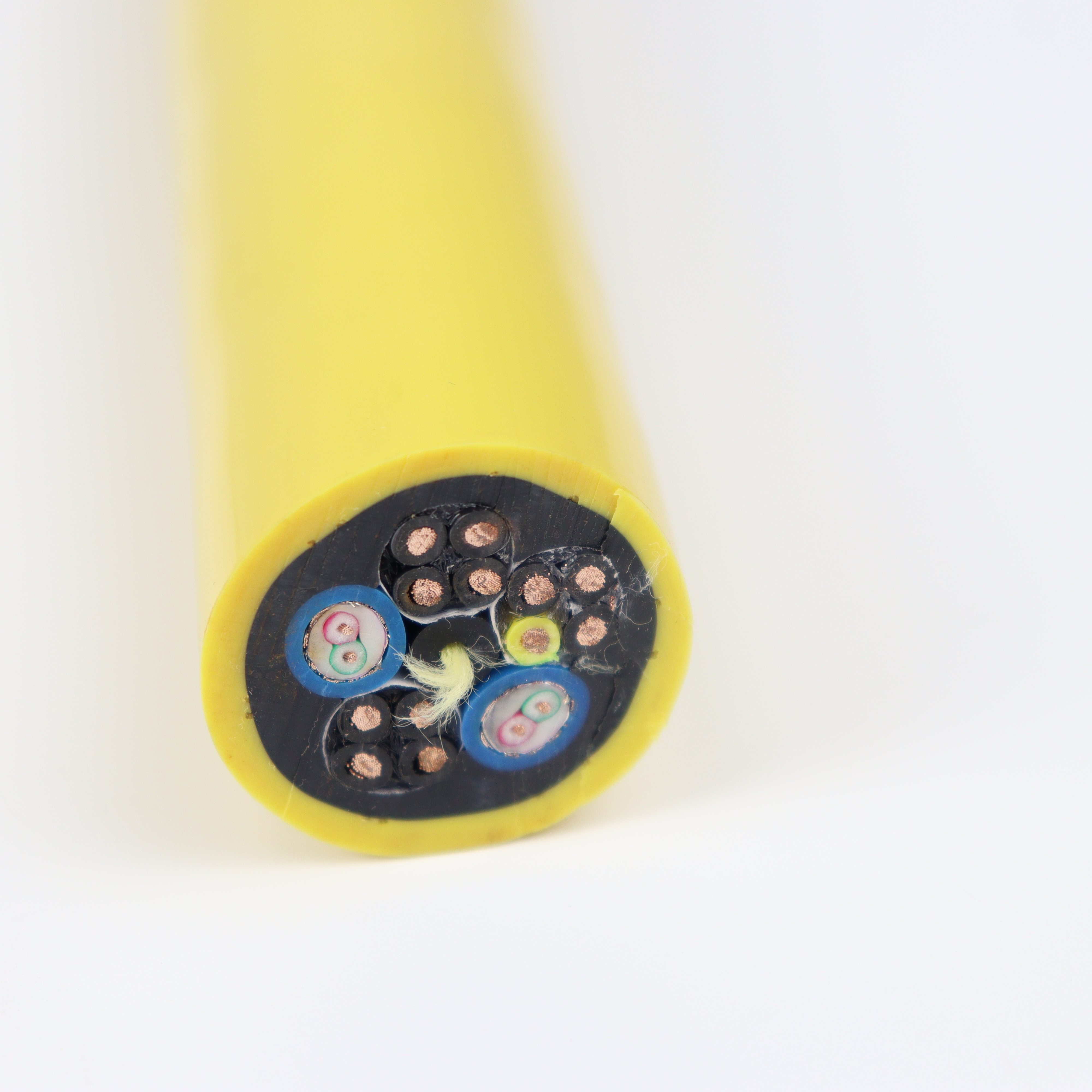
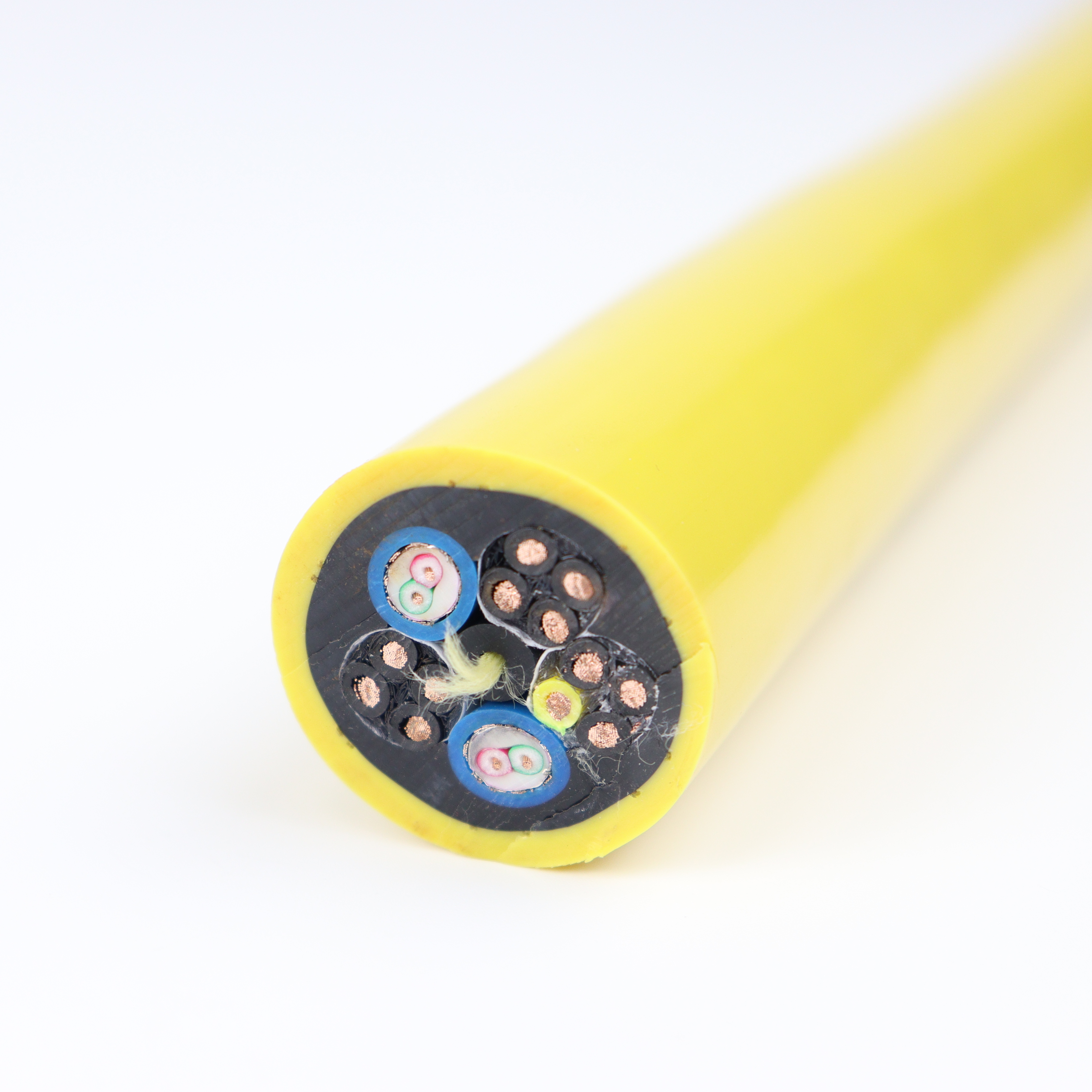
Flexible electrical wire is a conductive cable designed to carry power or signals while bending, twisting, and moving without breaking. Unlike rigid cable, flexible electrical wire uses fine-stranded copper or aluminum conductors that tolerate repeated movement. A flexible electrical wire product may include PVC, rubber, silicone, or another protective jacket, depending on the working environment. The conductor carries current, while the insulation helps prevent shocks, short circuits, moisture damage, and contact with nearby components. Flexible electrical wire is available in different gauges, voltage ratings, colors, lengths, and conductor counts to match specific installation needs. A flexible electrical wire assembly can contain one core for simple power delivery or several cores for control, lighting, and data-related functions. Many flexible electrical wire designs support low-voltage electronics, household equipment, industrial machines, vehicles, and temporary connections. The right flexible electrical wire combines electrical performance with a bend radius suited to the application. A flexible electrical wire with flame-resistant insulation can improve safety in enclosed spaces or commercial equipment. A flexible electrical wire with oil, water, or abrasion resistance offers better service life in demanding locations. Customers can choose a flexible electrical wire with stranded construction when equipment moves often or when installers need easy routing around corners. A flexible electrical wire also simplifies connection work because it is easier to strip, position, and terminate than stiff alternatives. Before purchase, users should check current capacity, operating temperature, insulation type, voltage rating, length, and certification requirements. Flexible electrical wire is therefore a practical solution for reliable power delivery wherever space, movement, or installation access makes rigid cable unsuitable.