industrial electrical wire
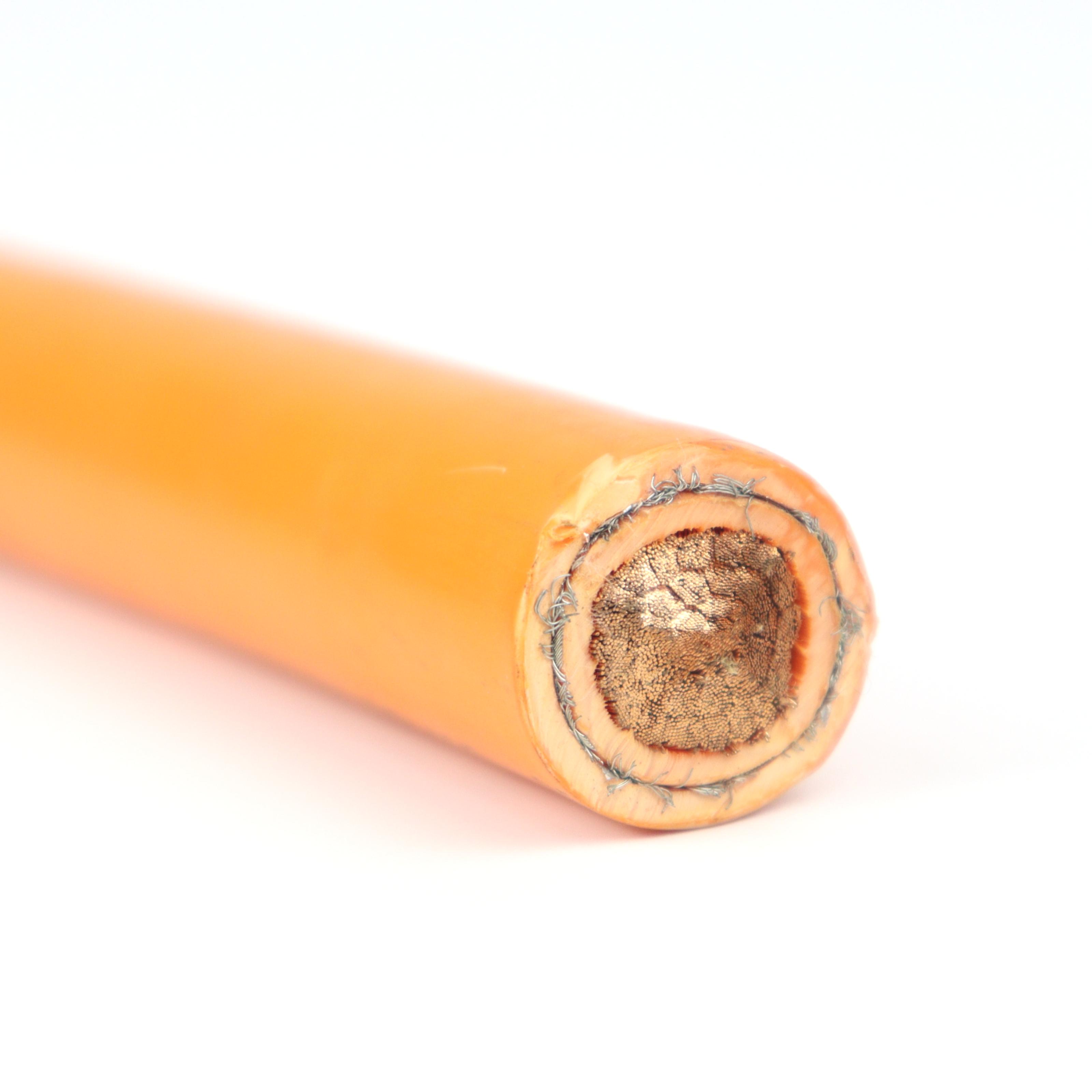
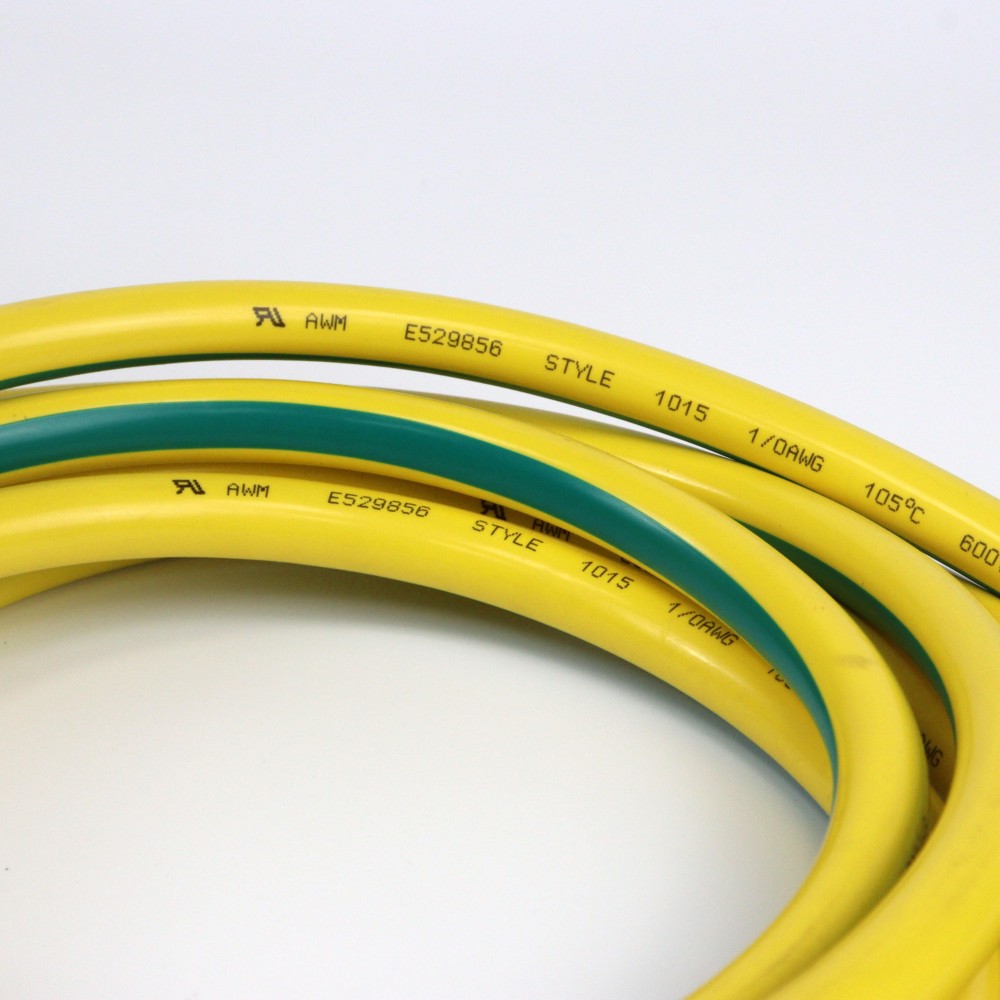
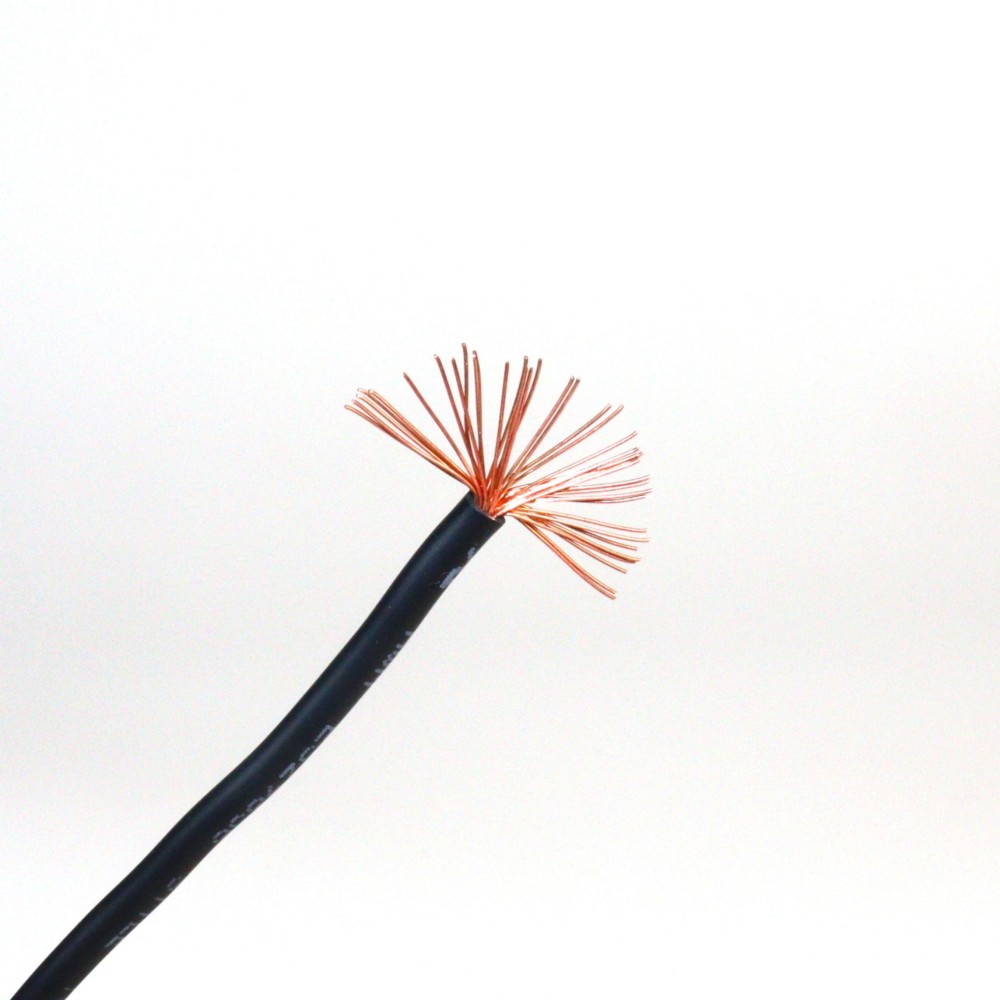
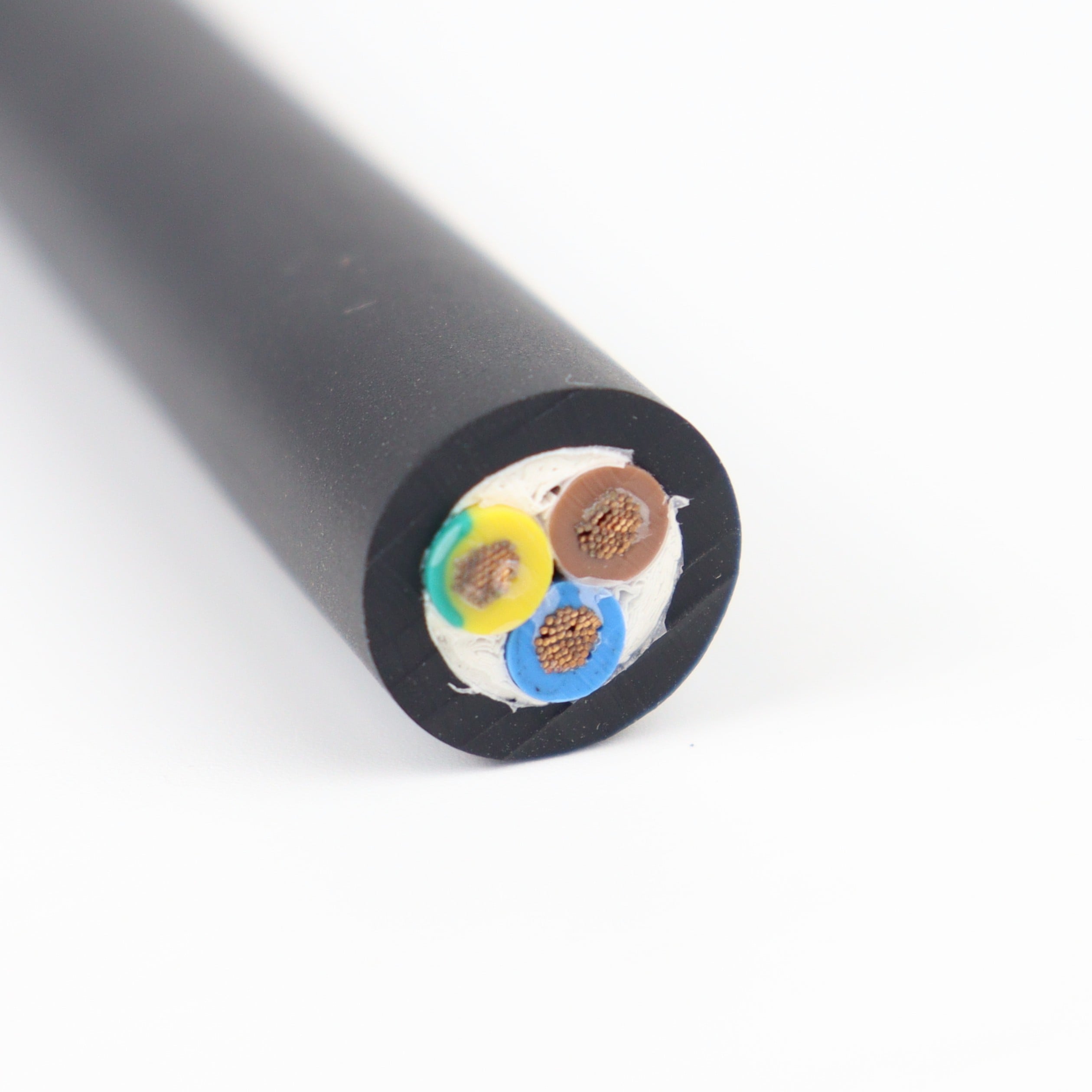
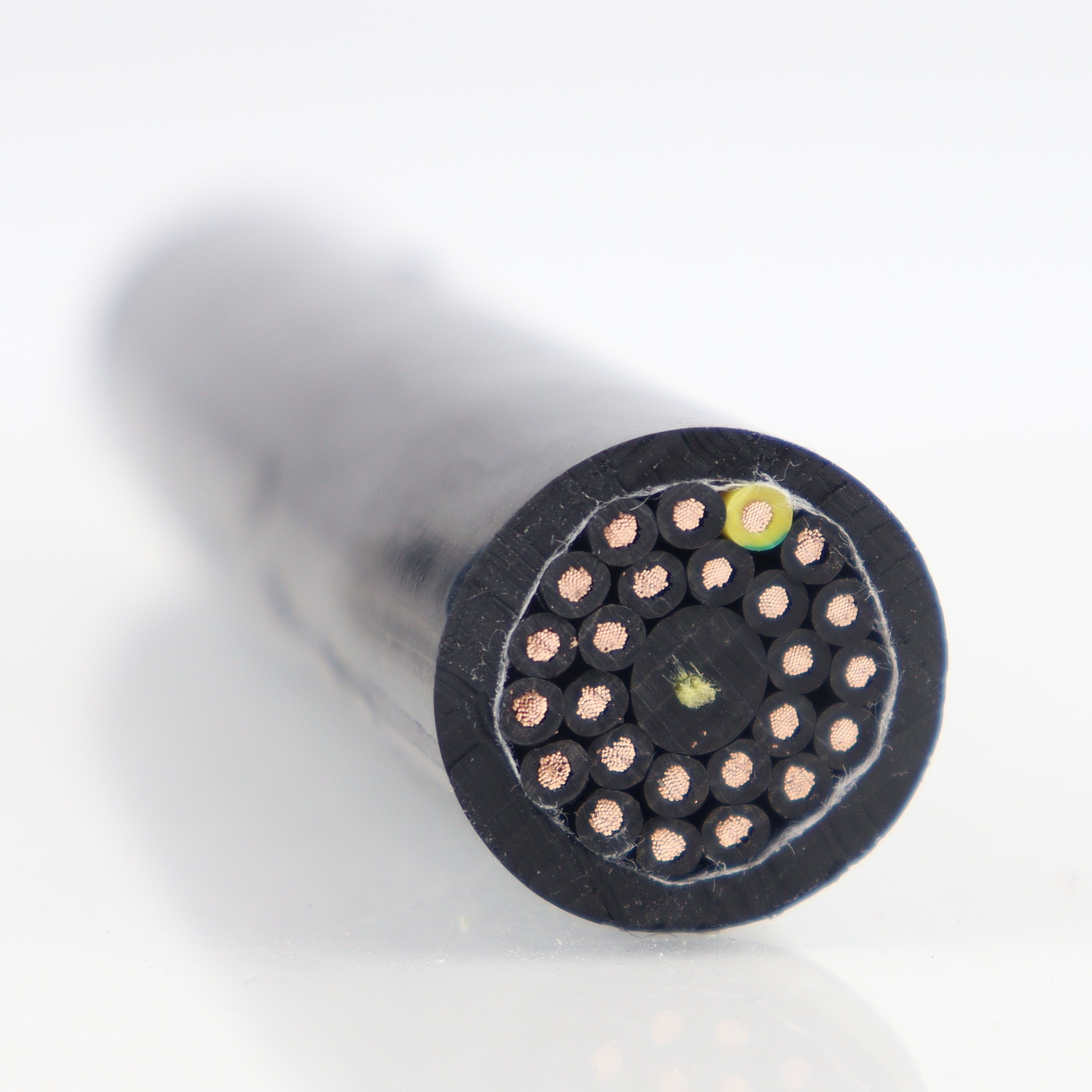
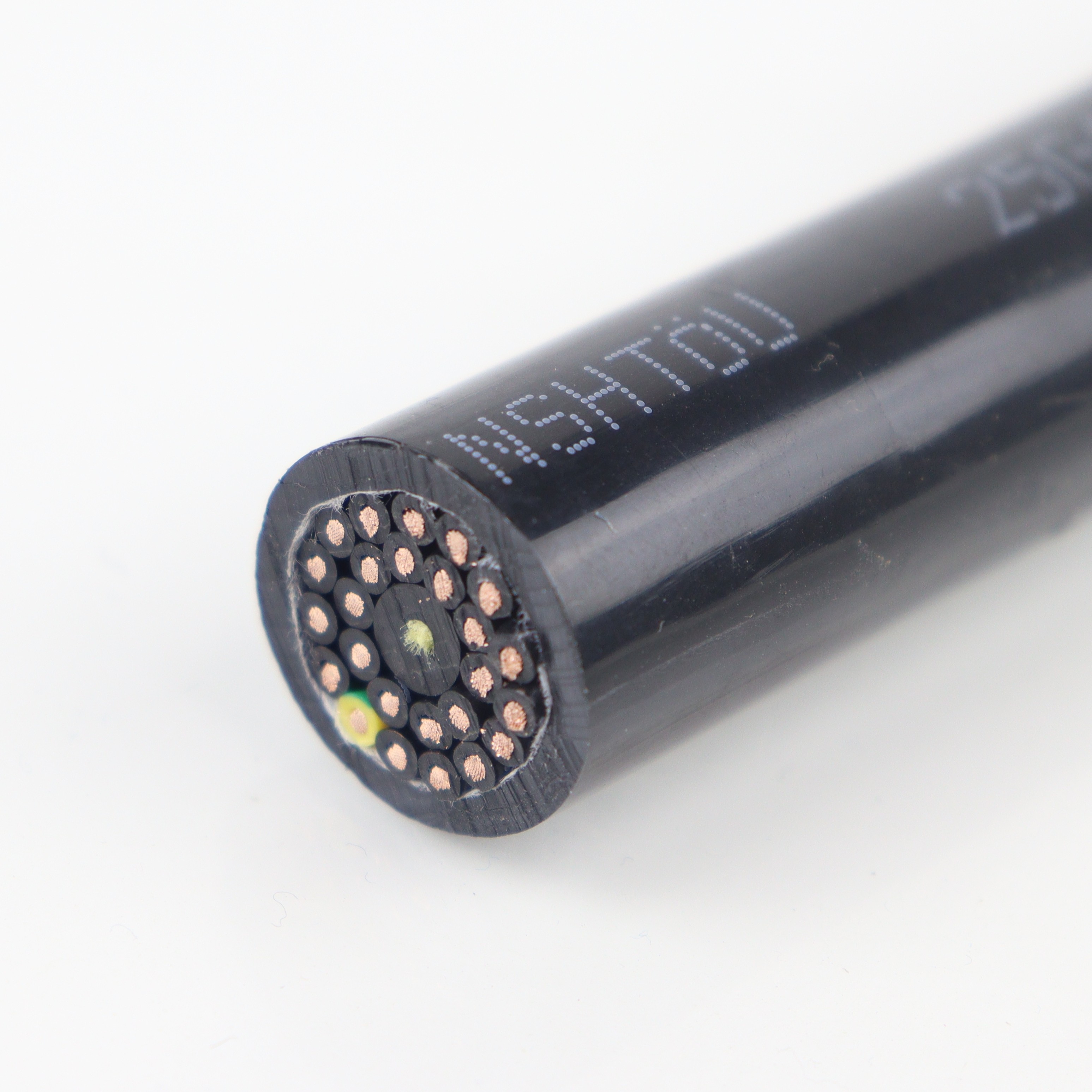
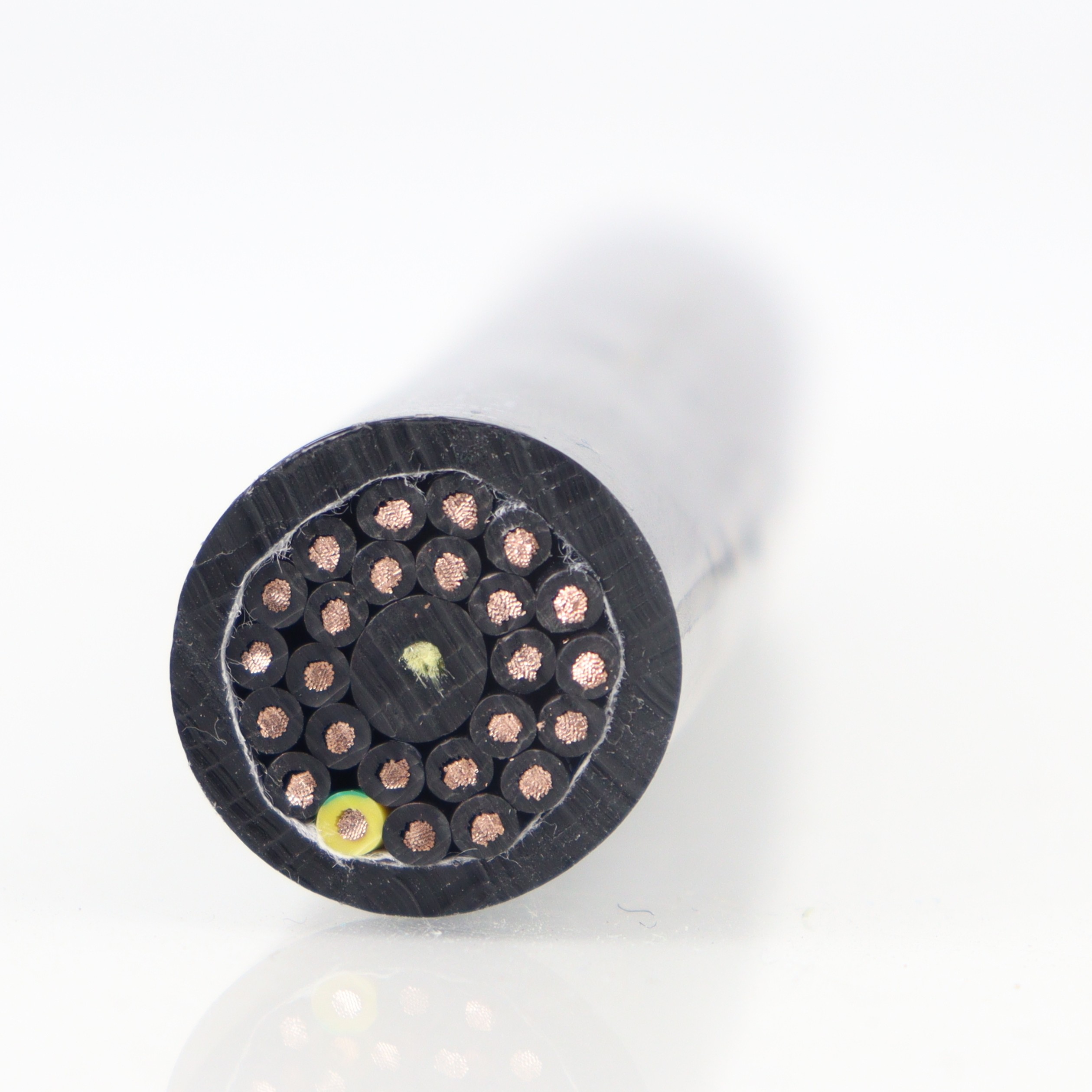
Industrial electrical wire is a purpose-built conductor that carries electrical power and control signals through factories, plants, commercial buildings, and heavy equipment. An industrial electrical wire connects power sources with motors, panels, machines, lighting systems, sensors, and automation controls. Its main function is to deliver electricity safely and consistently while resisting heat, movement, moisture, chemicals, abrasion, and electrical stress. Unlike basic household cable, industrial electrical wire supports demanding operating conditions and frequent use. Industrial electrical wire usually contains copper or aluminum conductors, insulation, and, when needed, a protective jacket or shield. Copper offers strong conductivity and flexibility, while aluminum can reduce weight and material cost in suitable installations. Insulation materials such as PVC, XLPE, rubber, or thermoplastic compounds help prevent short circuits and protect users from contact with live conductors. A well-selected industrial electrical wire may also include color coding, flame resistance, oil resistance, sunlight protection, or low-smoke performance. Industrial electrical wire comes in solid and stranded designs. Solid conductors suit fixed runs, while stranded conductors bend more easily around machinery and control cabinets. Sizes range from small control conductors to large power cables, so buyers can match capacity to voltage, current, distance, and installation space. Industrial electrical wire supports fixed wiring, flexible connections, distribution systems, robotics, conveyors, pumps, generators, and production lines. Its technology focuses on dependable current flow, mechanical protection, easy identification, and long service life. Choosing the right industrial electrical wire helps maintain stable operation, reduce safety risks, simplify maintenance, and support compliance with applicable electrical standards.