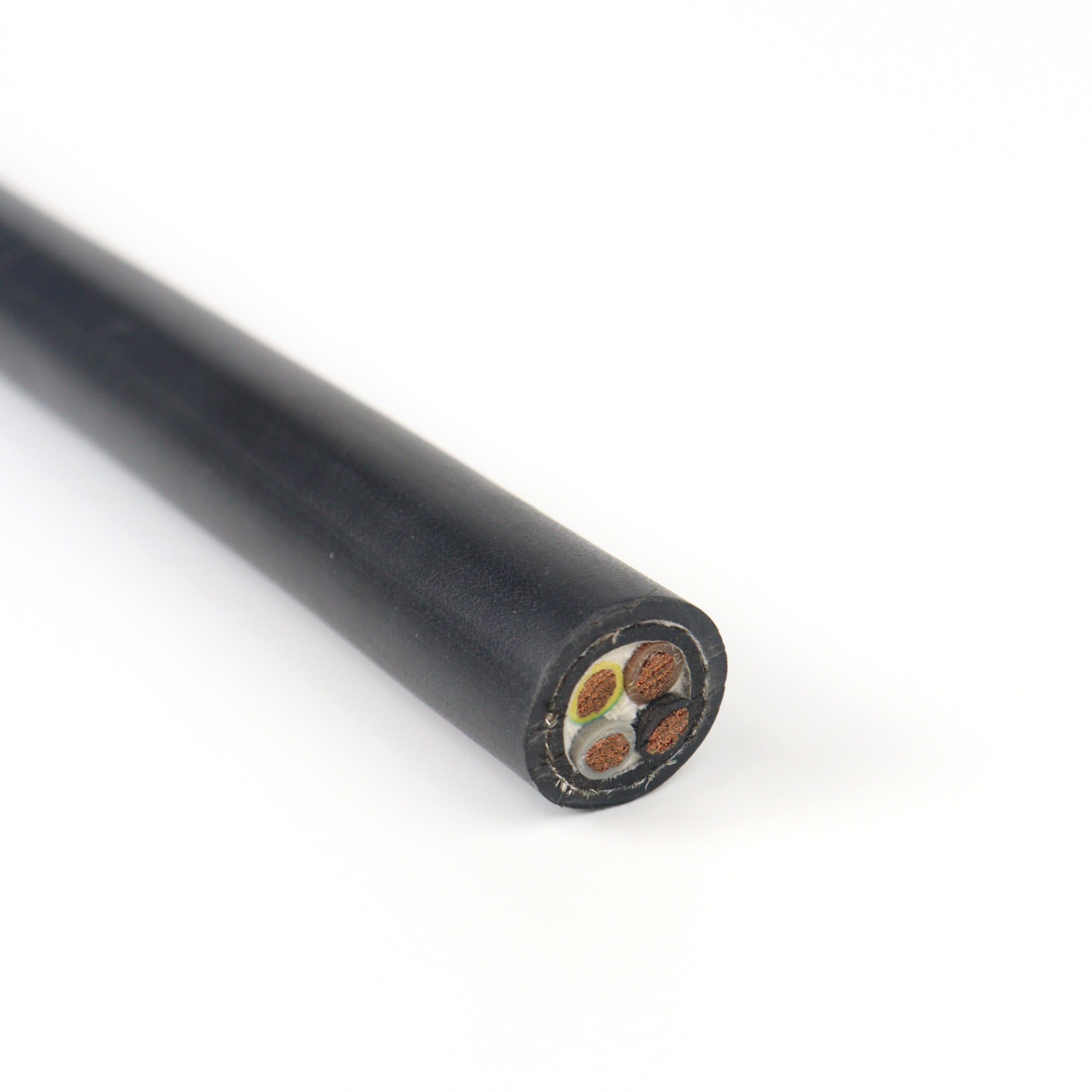
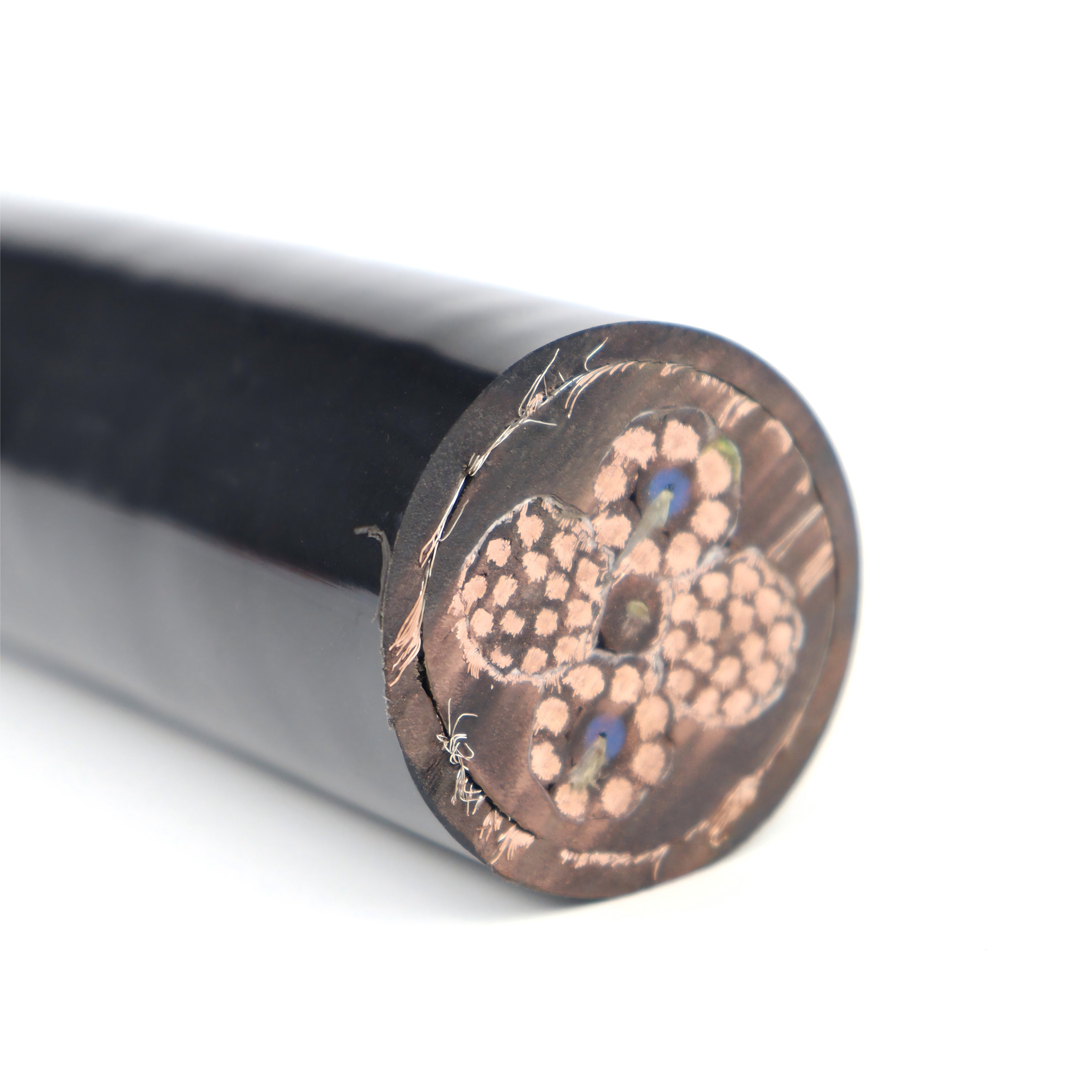
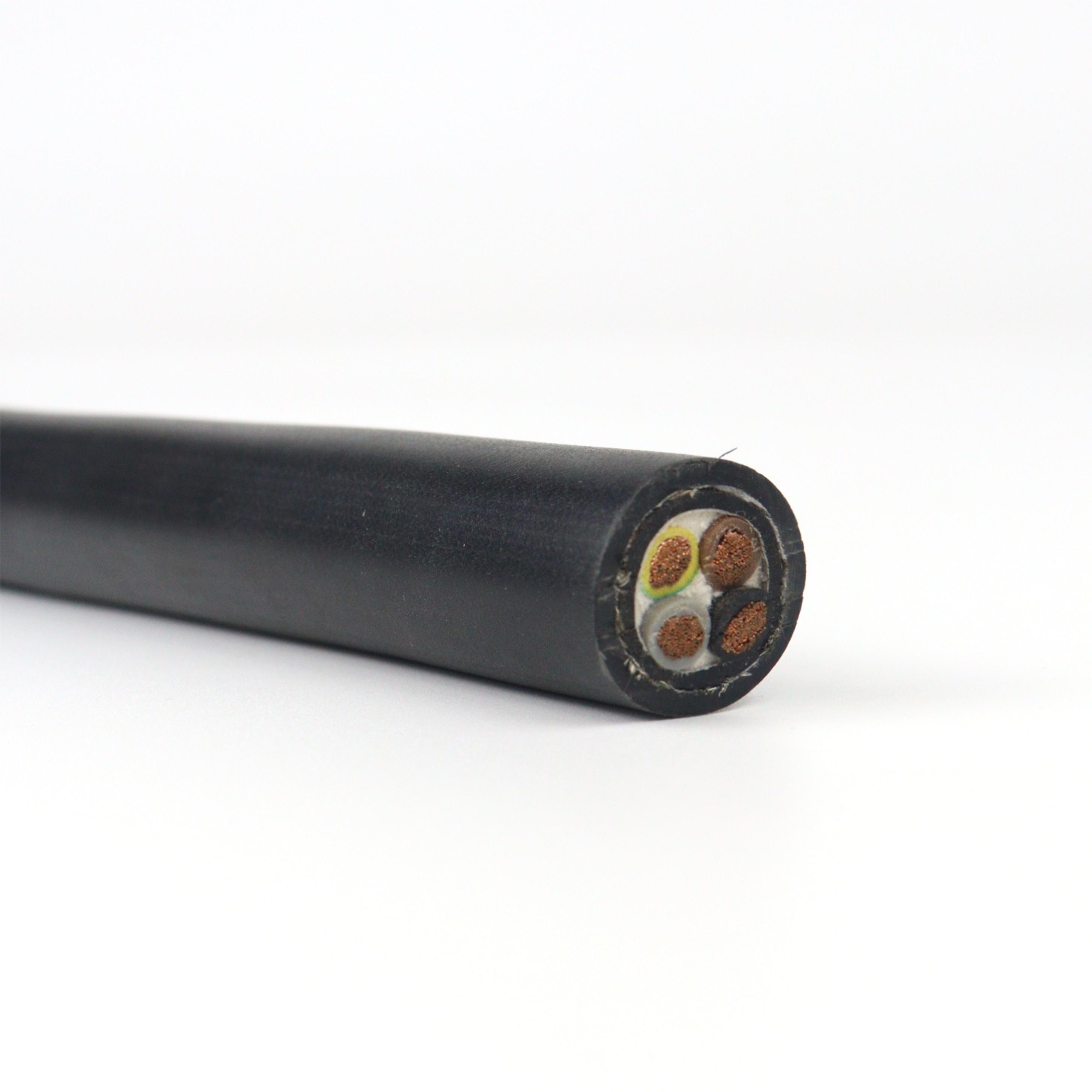
Oil Resistant Electrical Wire for Industry

application/oil-resistant-electrical-wire, application/oil-resistant-electrical-wire, 
Inquiry
Inquiry

oil resistant electrical wire

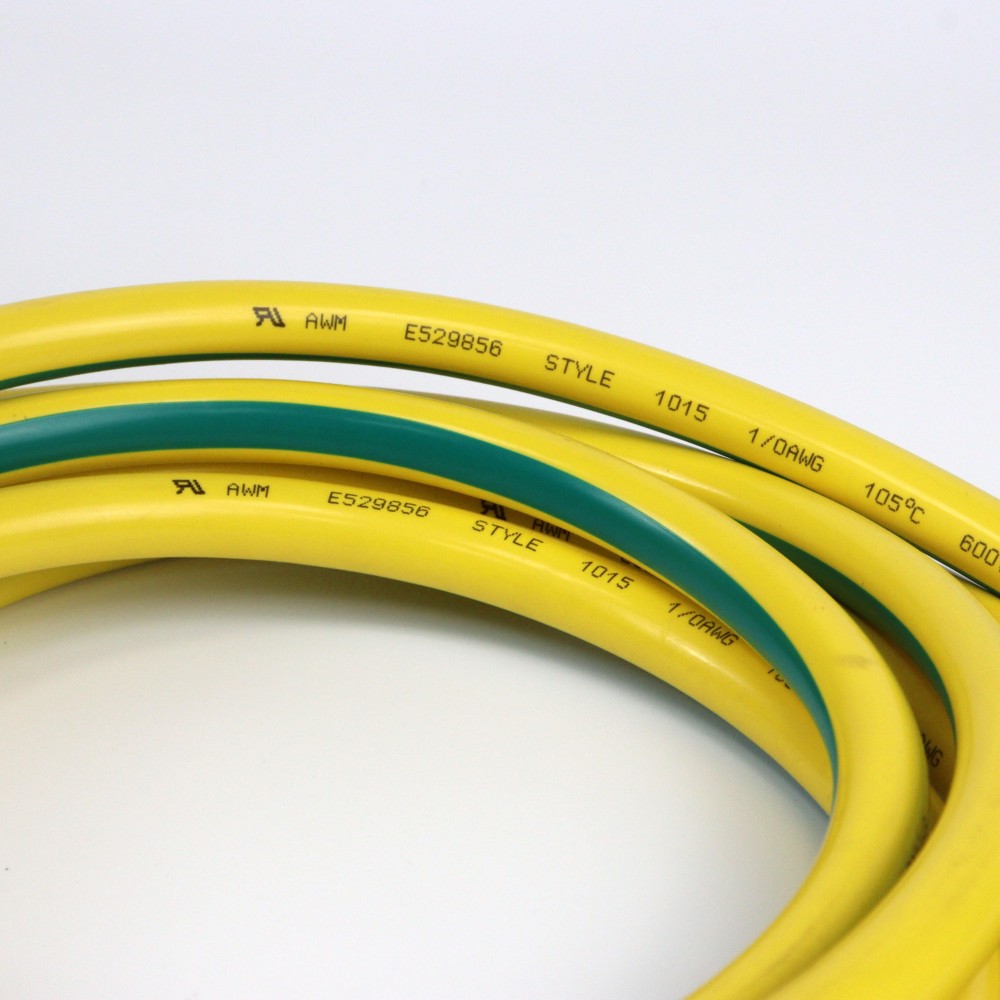
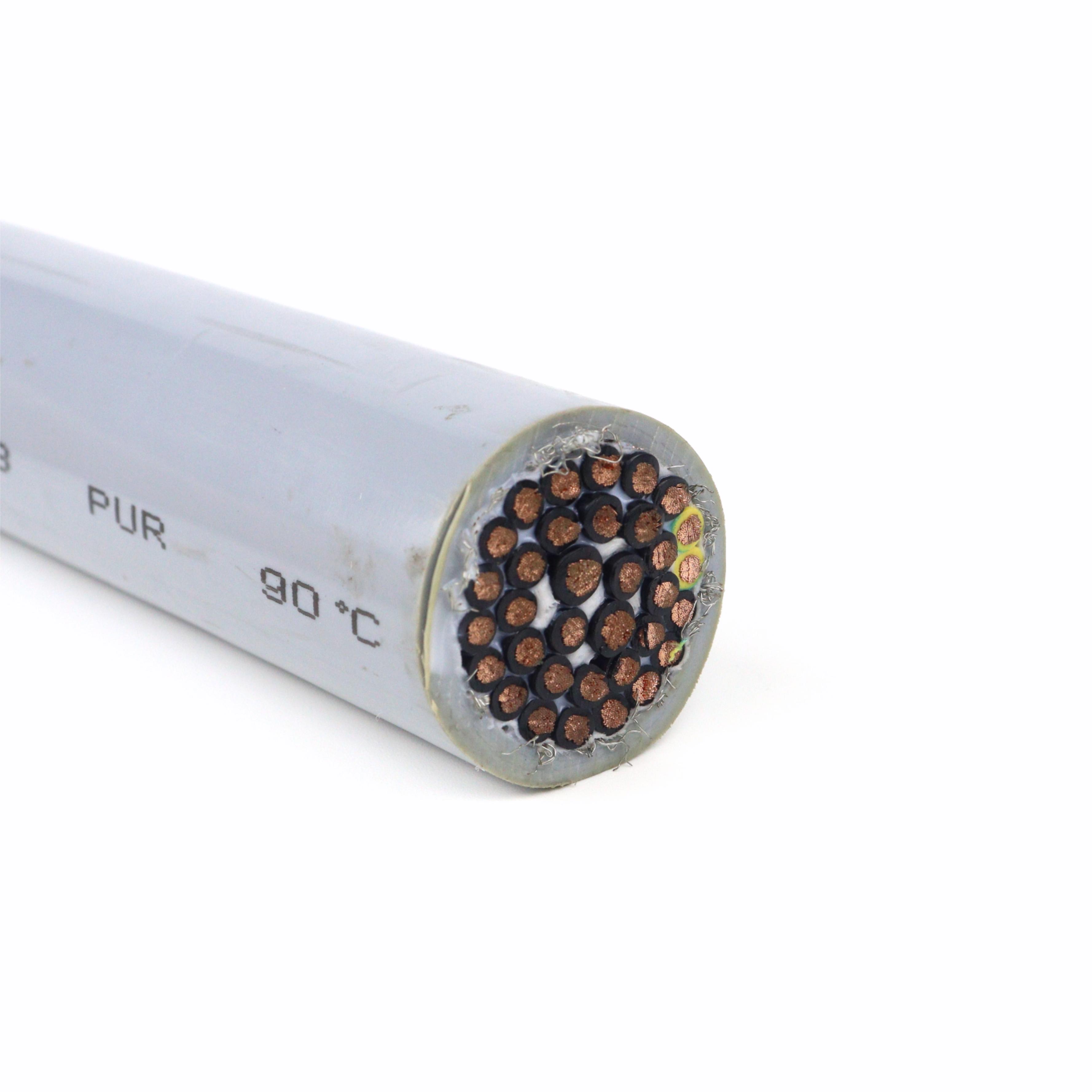
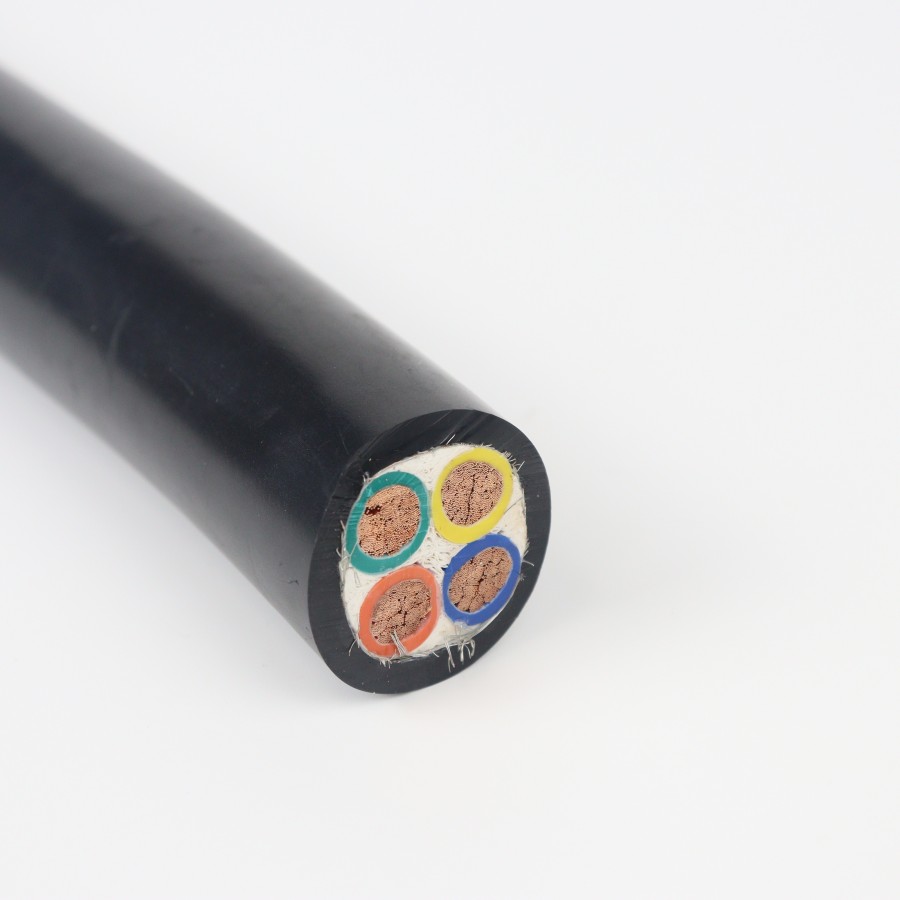
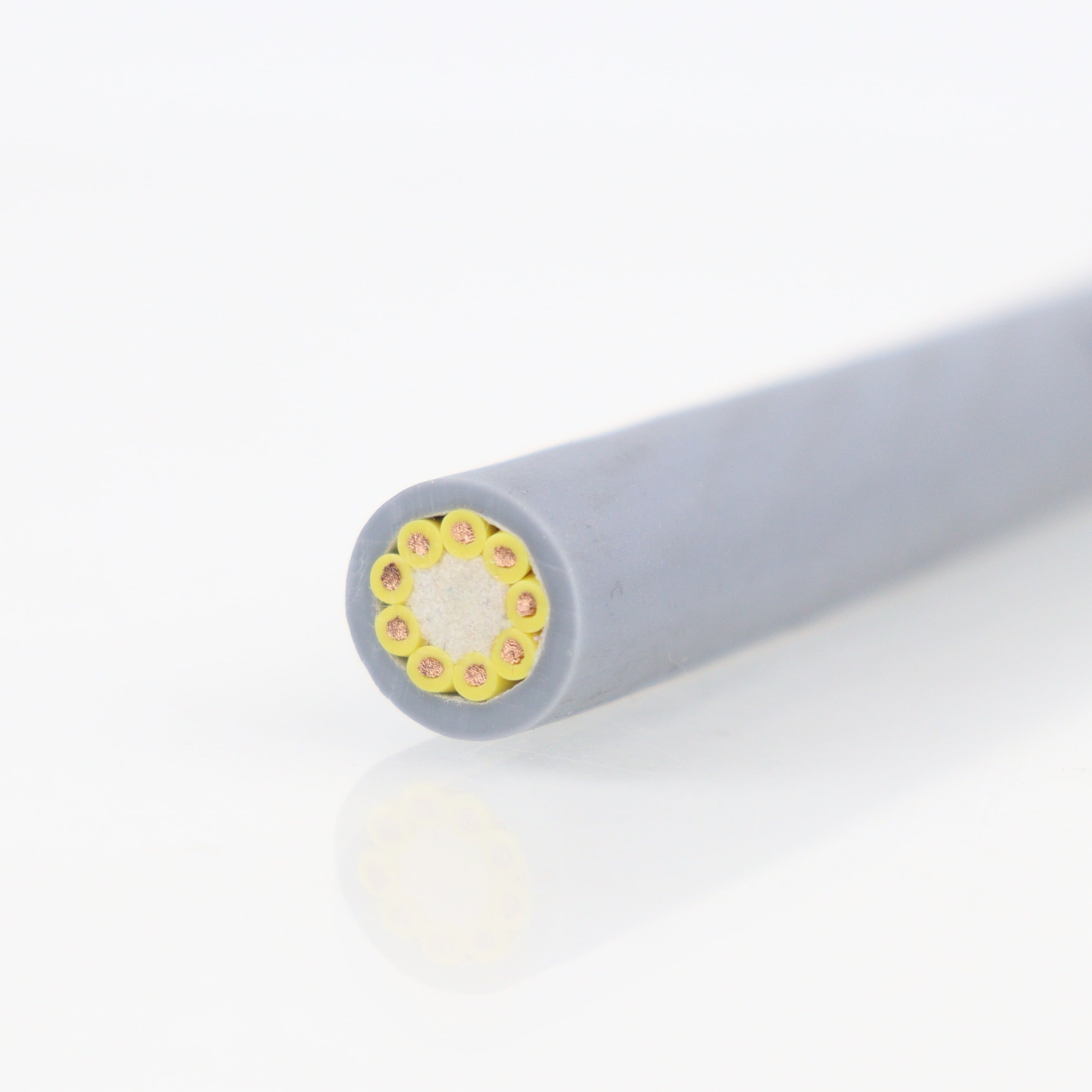
An oil resistant electrical wire is a power and control cable designed to keep working when exposed to lubricants, hydraulic fluid, diesel, grease, and other petroleum-based substances. Unlike standard cable, an oil resistant electrical wire uses a specially formulated jacket and insulation that resist swelling, cracking, softening, and loss of flexibility. This design helps an oil resistant electrical wire protect conductors in demanding work areas. The main function of an oil resistant electrical wire is to deliver stable electrical power or signals while reducing damage caused by oil contact, movement, heat, and abrasion. Depending on the model, an oil resistant electrical wire may use copper conductors for efficient current flow, flexible stranding for easier routing, and color-coded insulation for faster identification. Some versions also include a durable outer sheath that resists sunlight, moisture, chemicals, and mechanical wear. An oil resistant electrical wire can support motors, sensors, control panels, pumps, machine tools, and mobile equipment. Its temperature rating, voltage rating, conductor size, bend radius, and flame performance should match the installation. Selecting the right oil resistant electrical wire helps prevent premature cable replacement and unexpected electrical faults. For factories, workshops, vehicle systems, and processing lines, an oil resistant electrical wire provides a practical way to maintain safe, reliable connections. Buyers should check fluid exposure, operating temperature, movement level, installation space, and required certification before ordering. With suitable specifications, an oil resistant electrical wire offers dependable service in areas where ordinary wiring may deteriorate quickly.
The main advantage of an oil resistant electrical wire is longer service life in places where cables regularly contact lubricants and fuel. An oil resistant electrical wire keeps its jacket more stable, so it is less likely to become sticky, brittle, swollen, or cracked. This protects the conductors and lowers the risk of short circuits, signal loss, and unplanned shutdowns. For maintenance teams, an oil resistant electrical wire can reduce replacement work because the cable remains usable after repeated exposure. It also helps control operating costs by limiting downtime, labor, and spare-part consumption. A second benefit is dependable performance during daily equipment movement. Many oil resistant electrical wire products use flexible stranded copper, allowing technicians to route them around moving machinery, control cabinets, pumps, and production tools. This flexibility simplifies installation and reduces stress at connection points. Buyers can choose an oil resistant electrical wire in different conductor sizes, voltage ratings, temperature ranges, and jacket colors, making it easier to match a specific system. The right oil resistant electrical wire also supports cleaner maintenance because its clear markings and stable outer covering make inspection easier. For factories, repair shops, agricultural machines, transport equipment, and fluid-handling systems, an oil resistant electrical wire provides better application suitability than general-purpose cable. It can help equipment remain available in harsh working conditions without requiring complex protection methods. Before purchase, compare fluid type, contact frequency, bending, heat, abrasion, flame requirements, and certification. An oil resistant electrical wire is not automatically suitable for every chemical or environment, so checking the technical data prevents costly mismatch. Overall, this cable gives buyers a practical balance of protection, flexibility, reliability, and long-term value.

Tips And Tricks

Shanghai Libin Cable Showcases Robot and Automation Cable Solutions at CMES Shanghai Industrial Automation & Robotics Exhibition

16

Oct

Shanghai Libin Cable Showcases Robot and Automation Cable Solutions at CMES Shanghai Industrial Automation & Robotics Exhibition

View More
Shanghai Libin Cable Showcases Crane Cable Solutions at the 11th China (Changyuan) International Crane Equipment Expo

16

Oct

Shanghai Libin Cable Showcases Crane Cable Solutions at the 11th China (Changyuan) International Crane Equipment Expo

View More
Why Drag Chain Cables Fail: Four Common Causes and How to Select Correctly

16

Oct

Why Drag Chain Cables Fail: Four Common Causes and How to Select Correctly

View More
Industrial Robot Combination Cable: Routing Power and Signal Together in a Small-Bend-Radius Drag Chain

16

Oct

Industrial Robot Combination Cable: Routing Power and Signal Together in a Small-Bend-Radius Drag Chain

View More

Get a Free Quote

Our representative will contact you soon.
0/1000
Protection Against Oil, Fuel, and Grease

Protection Against Oil, Fuel, and Grease

The strongest selling point of an oil resistant electrical wire is its ability to withstand contact with common industrial fluids. Its insulation and outer jacket use compounds selected to resist swelling, softening, surface damage, and cracking. As a result, an oil resistant electrical wire can continue carrying power or control signals after exposure that could quickly weaken ordinary cable. This protection matters on machine tools, hydraulic systems, compressors, generators, and vehicle equipment where spills and spray are part of normal work. An oil resistant electrical wire also helps keep the conductor sealed from moisture and contamination, supporting safer electrical operation. Customers gain more than a tougher surface: they gain fewer emergency repairs and a lower chance of replacing cable before the equipment reaches its expected life. When an installation faces regular contact with mineral oil, diesel, grease, or hydraulic fluid, an oil resistant electrical wire provides a sensible first choice. Buyers should still confirm chemical compatibility, because fluid formulas and exposure levels vary. Choosing an oil resistant electrical wire with the correct rating creates practical protection without adding unnecessary cable covers or complicated maintenance steps.
Flexible Construction for Moving Equipment

Flexible Construction for Moving Equipment

A well-designed oil resistant electrical wire combines fluid protection with movement capability. Flexible copper strands allow the cable to bend repeatedly without placing excessive force on terminals or internal conductors. This makes an oil resistant electrical wire useful for robotic arms, conveyor systems, machine doors, portable tools, lifting equipment, and vehicle assemblies. Its flexible jacket can also make routing easier in narrow spaces, helping installers complete work faster and produce cleaner cable runs. In moving applications, the oil resistant electrical wire must match the bend radius, travel distance, speed, and bending frequency of the equipment. Selecting the correct construction helps prevent kinks, fatigue, and premature conductor failure. The benefit for buyers is dependable operation without sacrificing installation convenience. An oil resistant electrical wire that remains flexible can reduce the need for frequent adjustment and protect connection points from repeated pulling. It may also simplify repairs because technicians can replace or reposition a section without redesigning the entire system. For equipment that combines motion with oil exposure, an oil resistant electrical wire offers a balanced solution for reliable power and control.
Reliable Performance With Lower Maintenance Costs

Reliable Performance With Lower Maintenance Costs

An oil resistant electrical wire supports predictable equipment performance by protecting the electrical path from common workplace damage. Stable insulation helps maintain separation between conductors, while a tough sheath resists scuffing, moisture, and routine handling. This means an oil resistant electrical wire can reduce faults that interrupt motors, sensors, valves, lighting, and control circuits. For plant operators, the value appears in fewer stoppages and more planned maintenance. For installers, an oil resistant electrical wire offers clear options for conductor size, voltage, temperature, color, and certification, allowing the cable to fit the system rather than forcing an unsafe compromise. A durable oil resistant electrical wire can also reduce the frequency of inspections caused by early surface deterioration. Over time, this lowers labor use and spare-cable demand. The product remains a practical choice for factories, garages, agricultural equipment, transport systems, and processing facilities. Buyers should review the complete specification instead of choosing only by price. A properly rated oil resistant electrical wire delivers reliable service, easier upkeep, and stronger lifecycle value when oil, movement, and mechanical wear occur together.