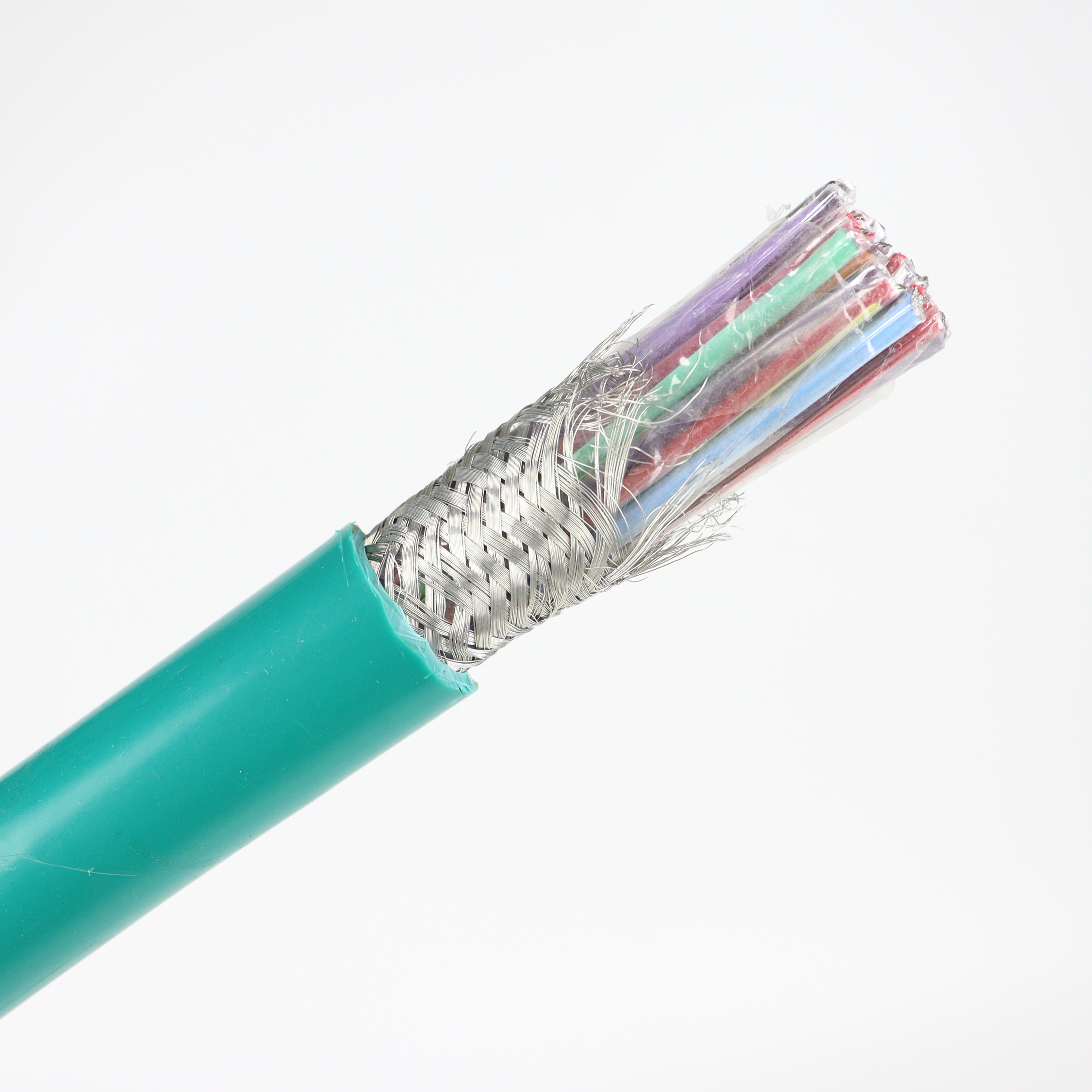
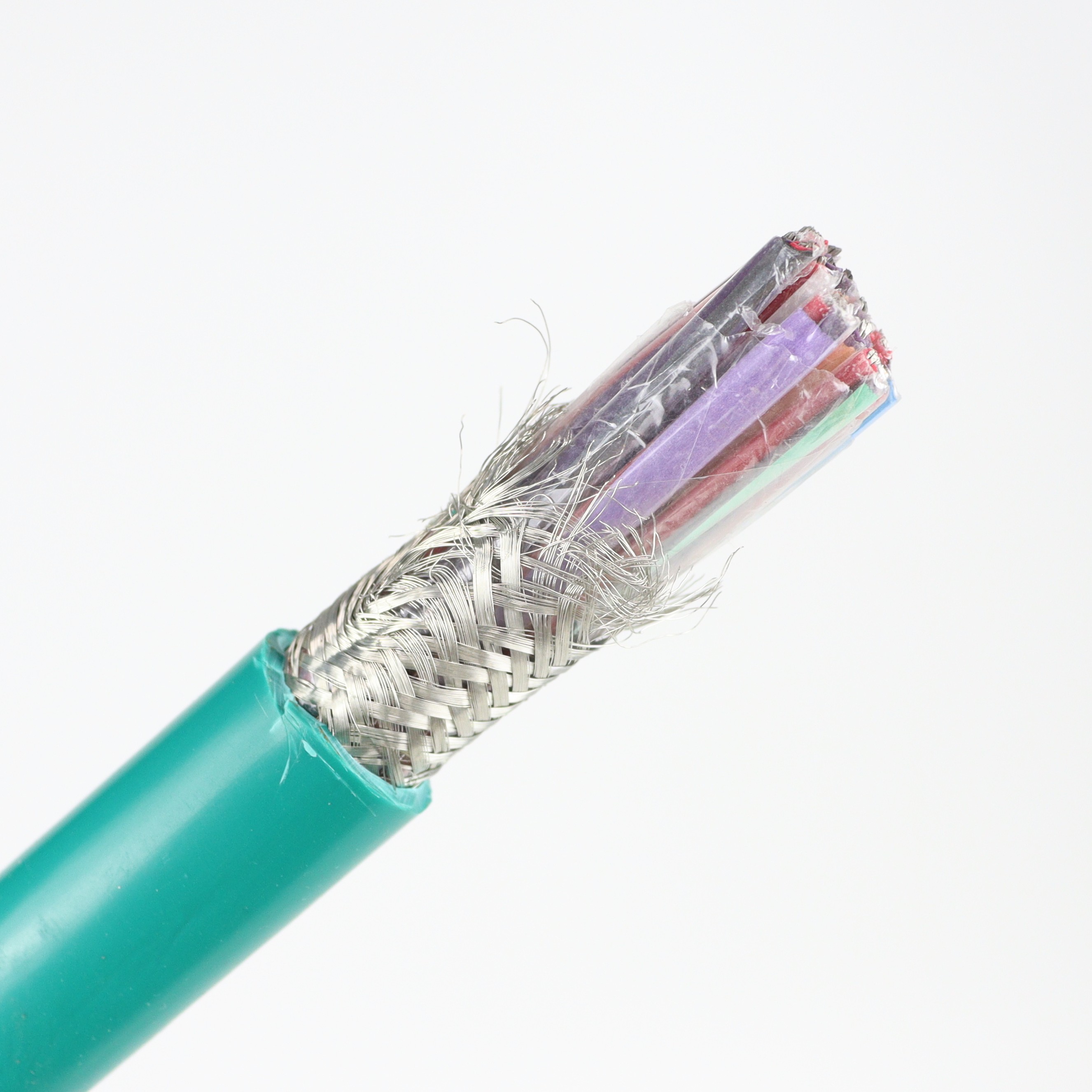
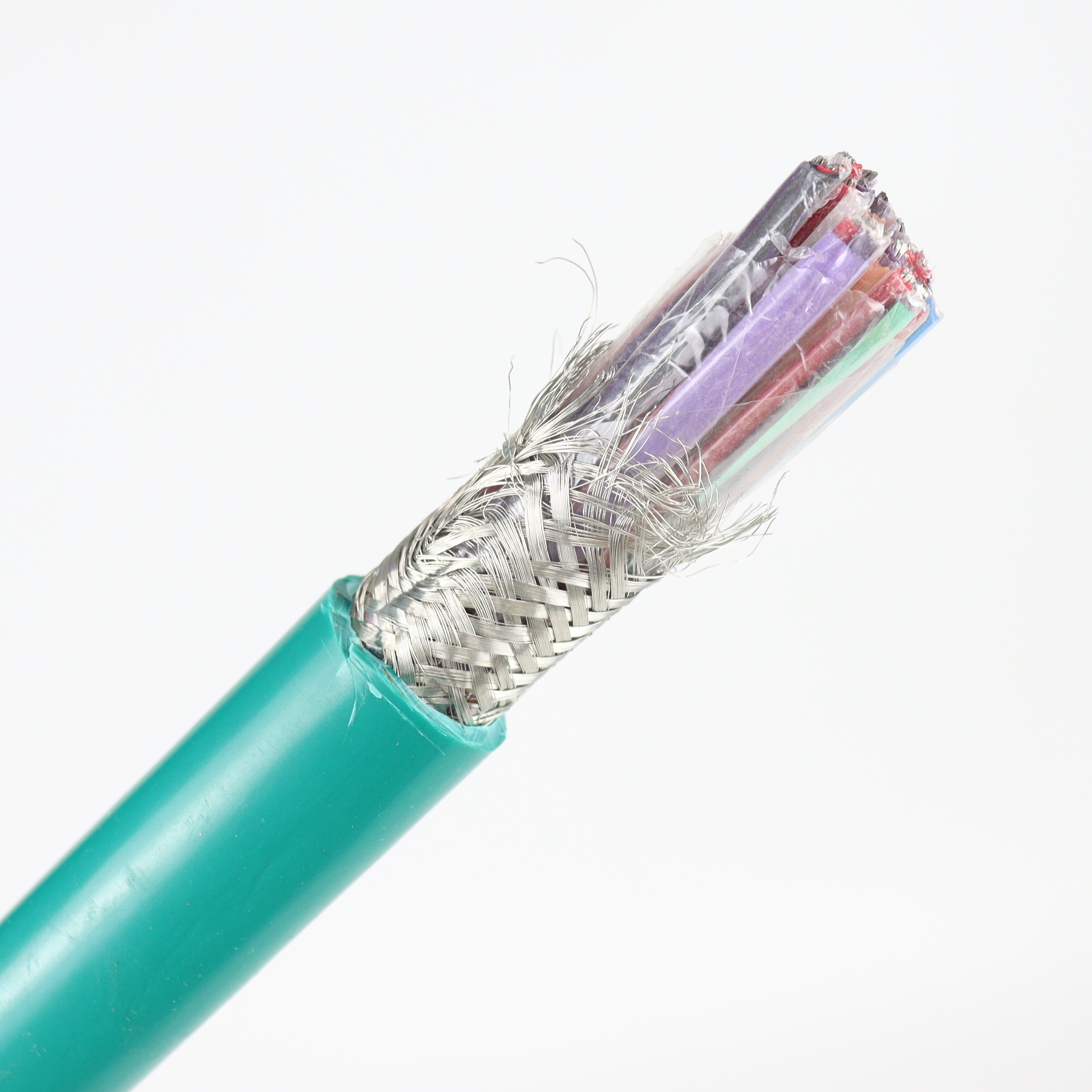
aluminum electrical wire
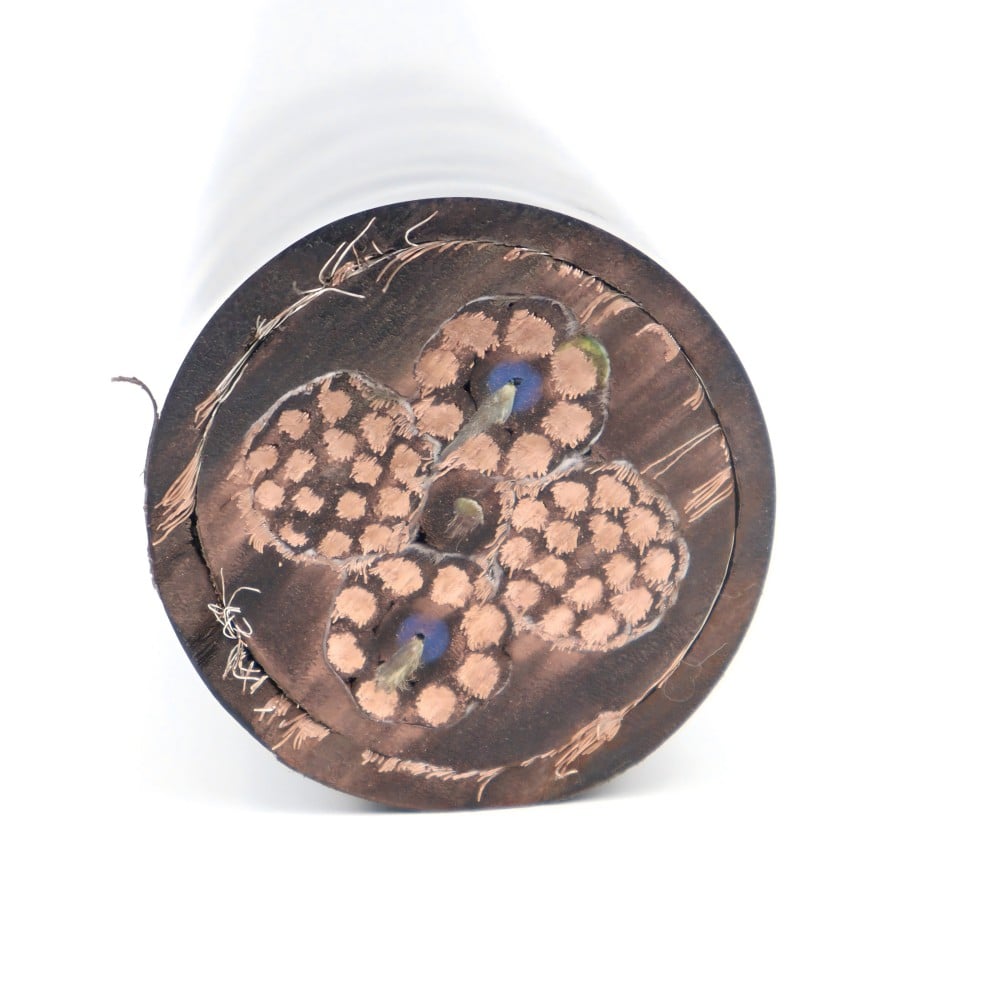
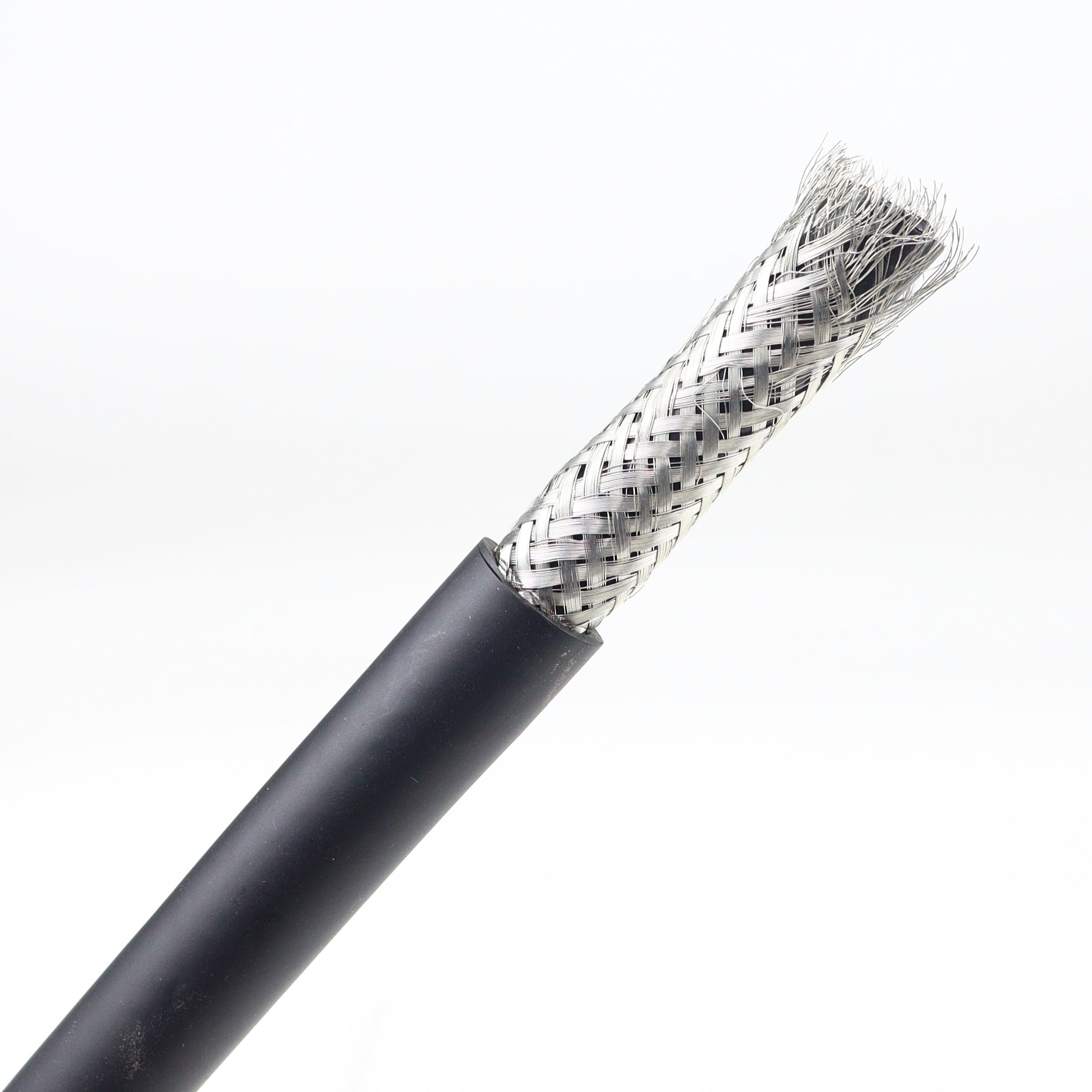
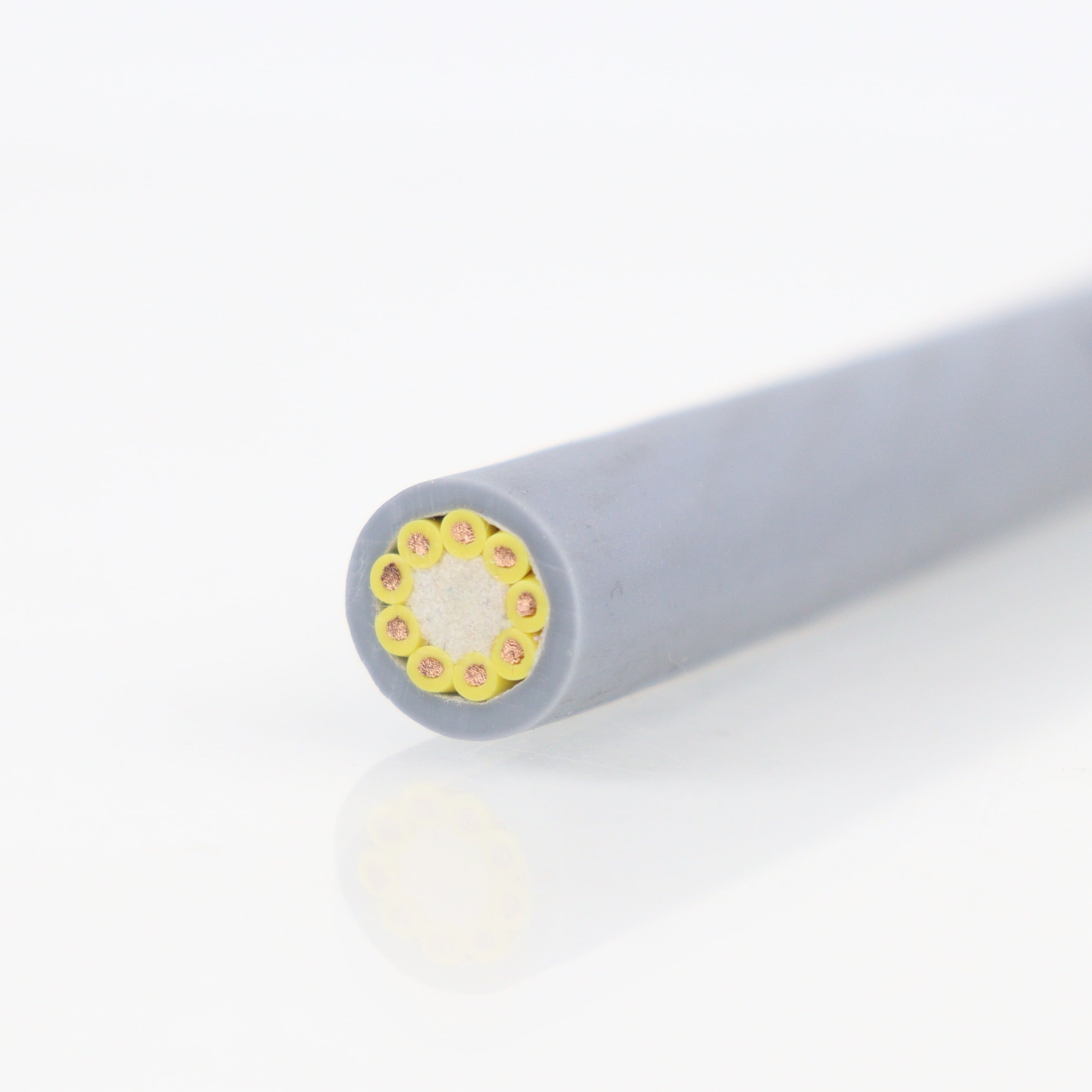
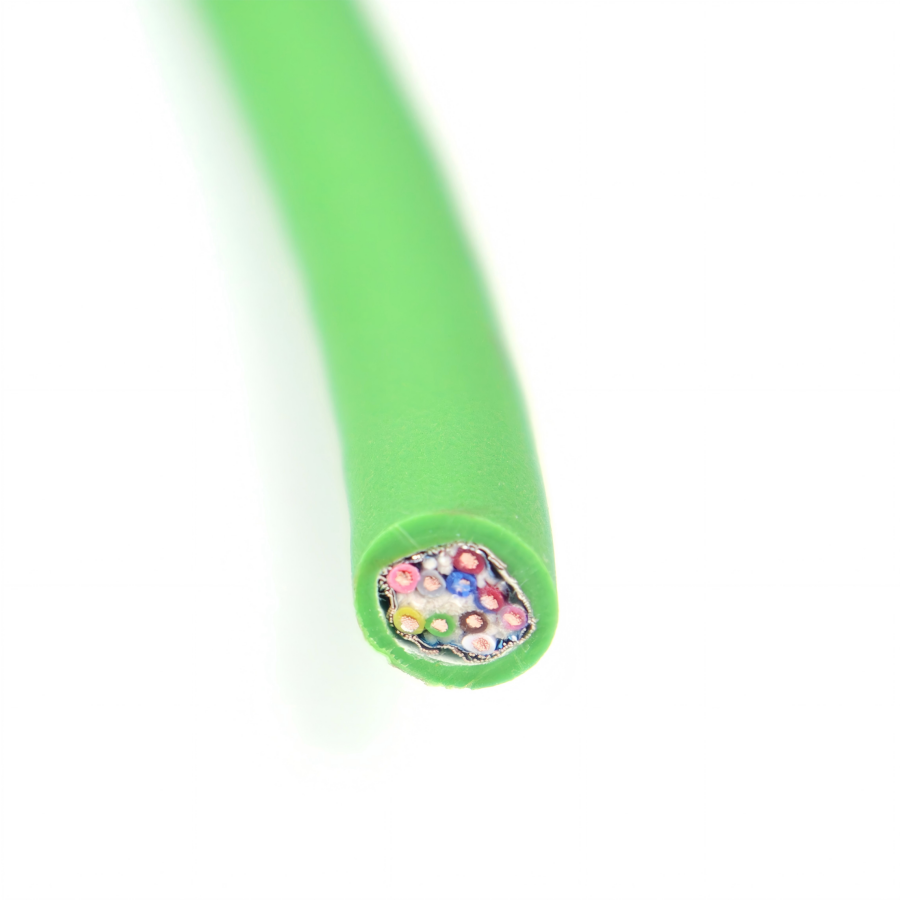
Aluminum electrical wire is a conductive cable designed to carry electric power between sources, control equipment, and loads. This aluminum electrical wire uses aluminum as the main conductor, usually covered by insulation that protects against moisture, abrasion, heat, and accidental contact. Its core function is to deliver dependable current for residential, commercial, industrial, utility, and renewable energy systems. An aluminum electrical wire can support power distribution, feeder circuits, grounding arrangements, service entrances, and equipment connections when engineers select the correct size and insulation rating. Because aluminum electrical wire weighs less than copper of a comparable electrical capacity, installers can handle long runs more easily and reduce the load on supports, trays, and structures. A well-made aluminum electrical wire combines a carefully formed conductor with consistent insulation thickness and a smooth surface that helps simplify pulling through conduit. Modern aluminum electrical wire may use compact stranded construction, which improves flexibility while maintaining useful strength. In buildings, aluminum electrical wire often serves large feeders and branch systems, while utility projects use it for overhead lines and distribution networks. For safety, aluminum electrical wire requires compatible terminals, proper preparation, and correctly tightened connections because the conductor expands and contracts as temperature changes. When specified correctly, aluminum electrical wire offers a practical balance of conductivity, weight, material cost, and installation efficiency. Overall, aluminum electrical wire gives project owners a scalable method for moving electricity across short or long distances. Its performance depends on conductor size, insulation type, voltage rating, installation environment, and compliance with applicable electrical standards.