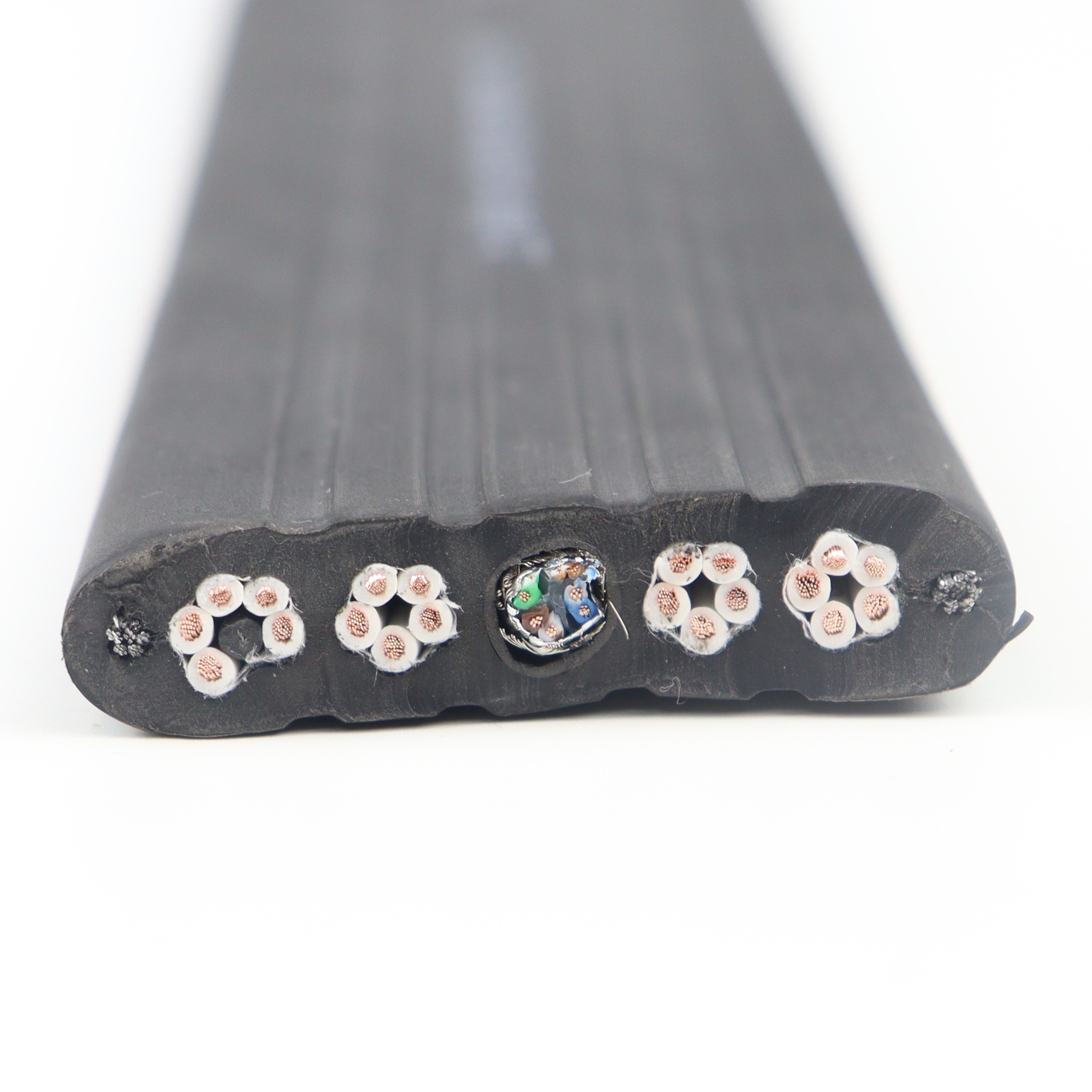
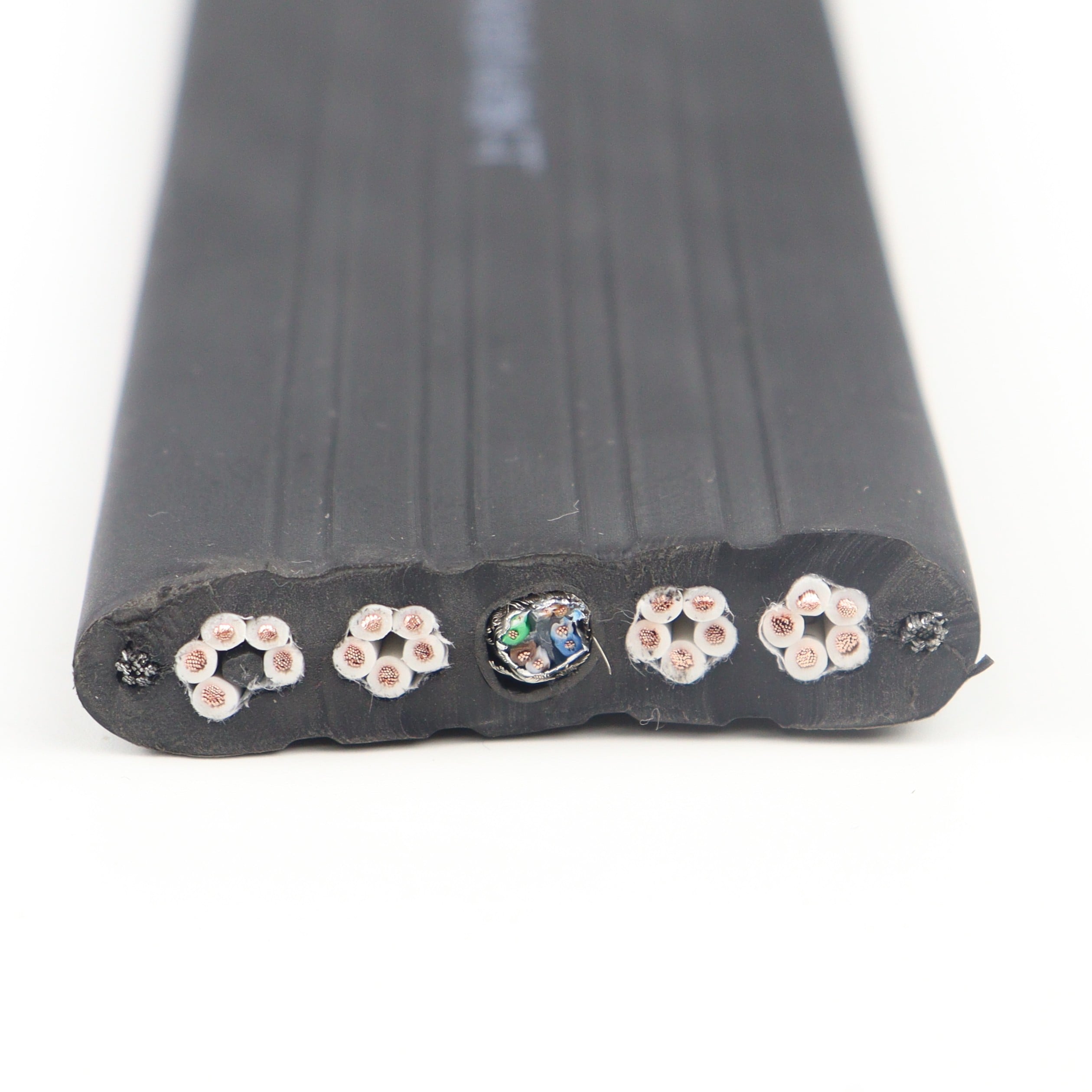
Flat Electrical Wire for Compact Wiring

application/flat-electrical-wire, application/flat-electrical-wire, 
Inquiry
Inquiry

flat electrical wire

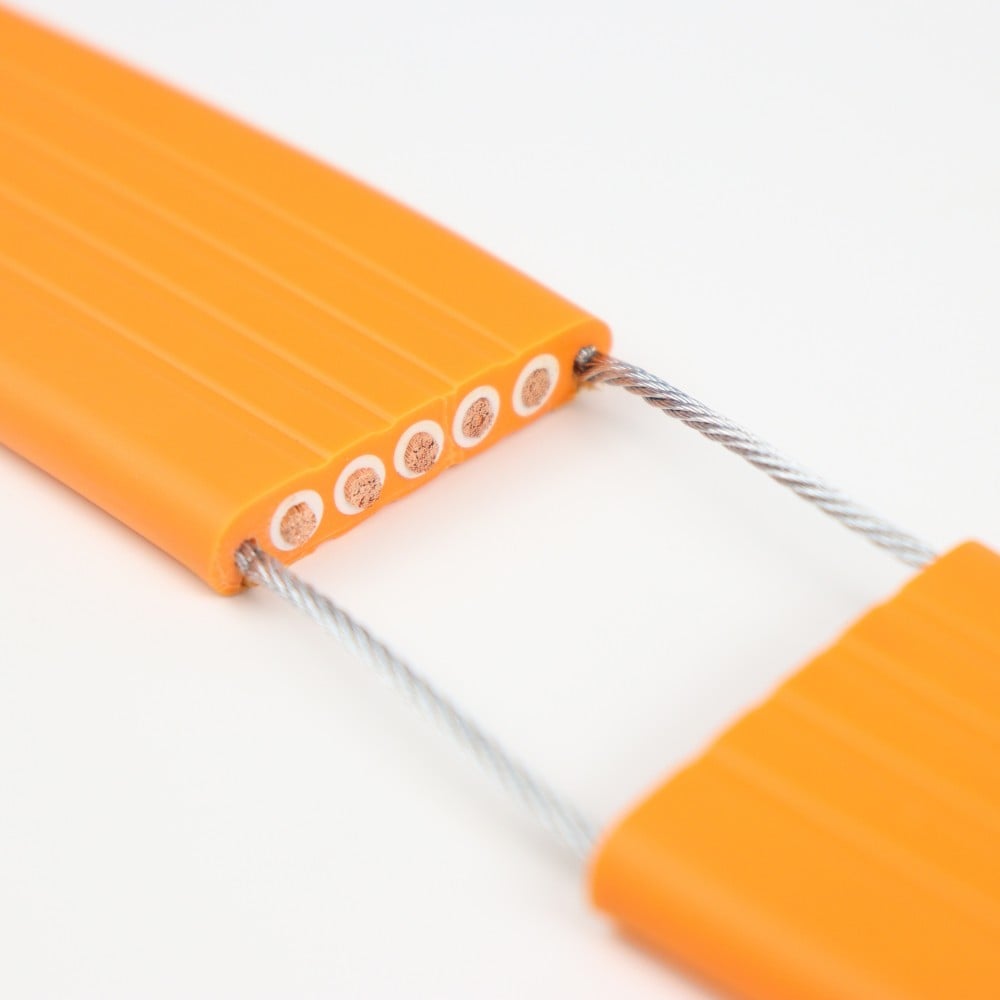
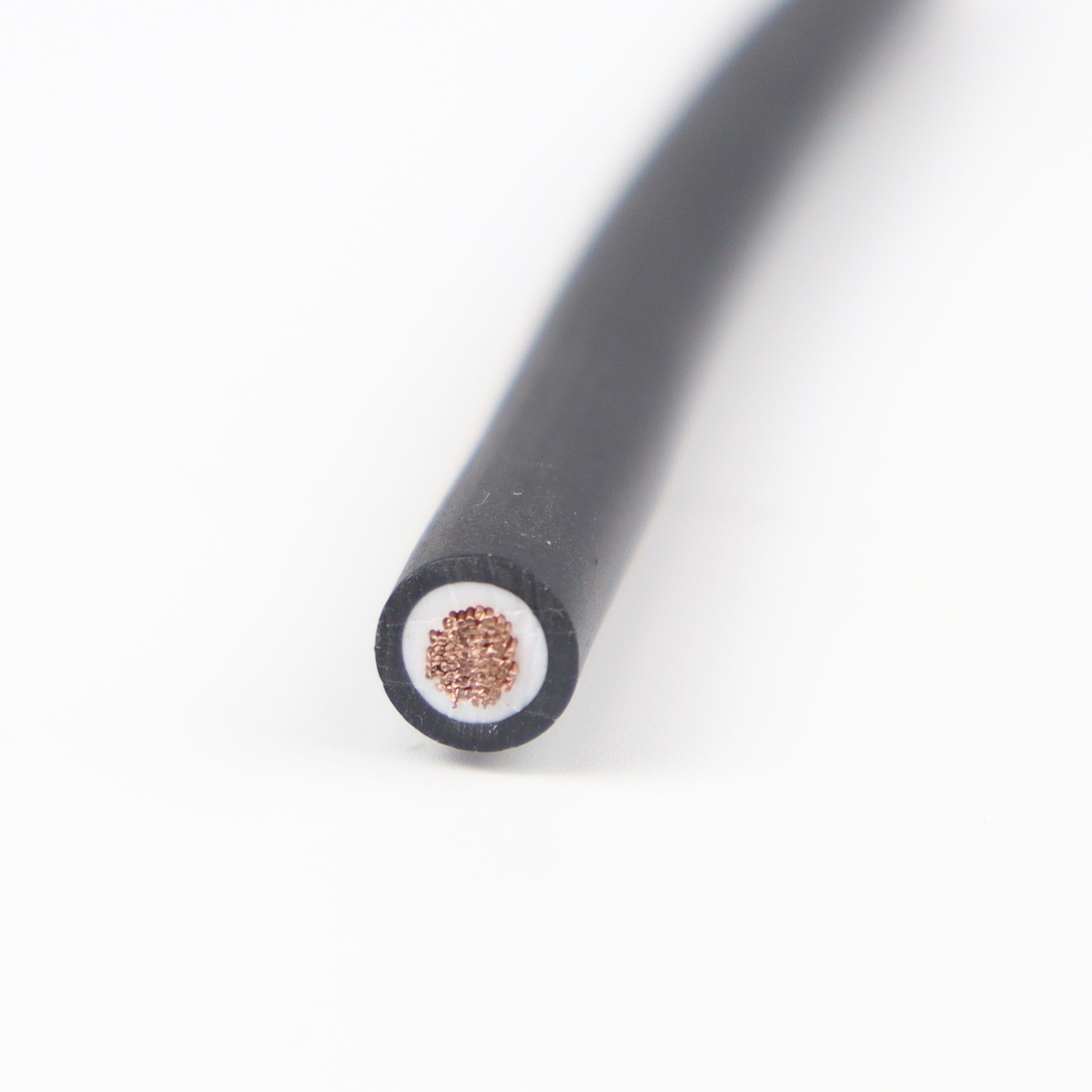
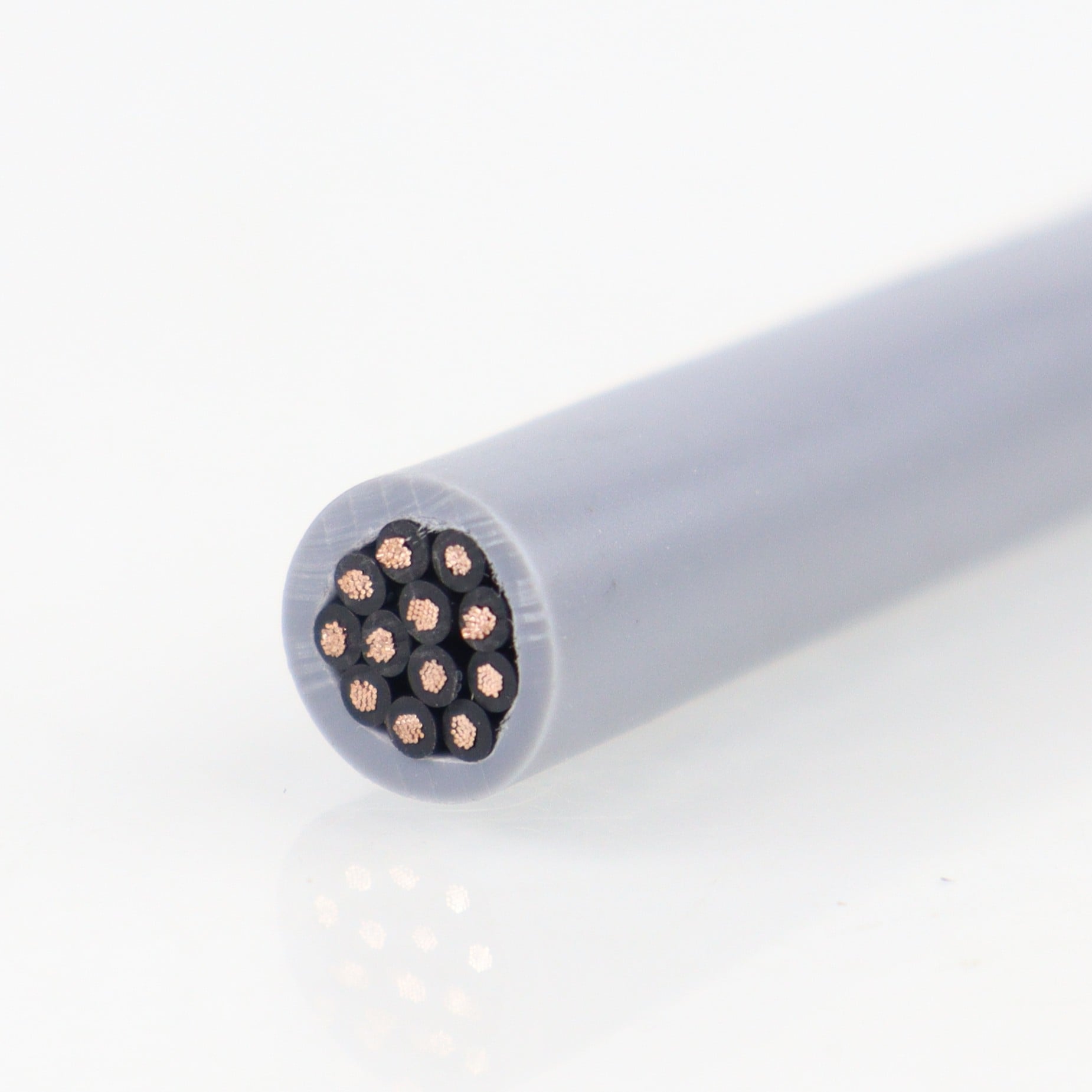
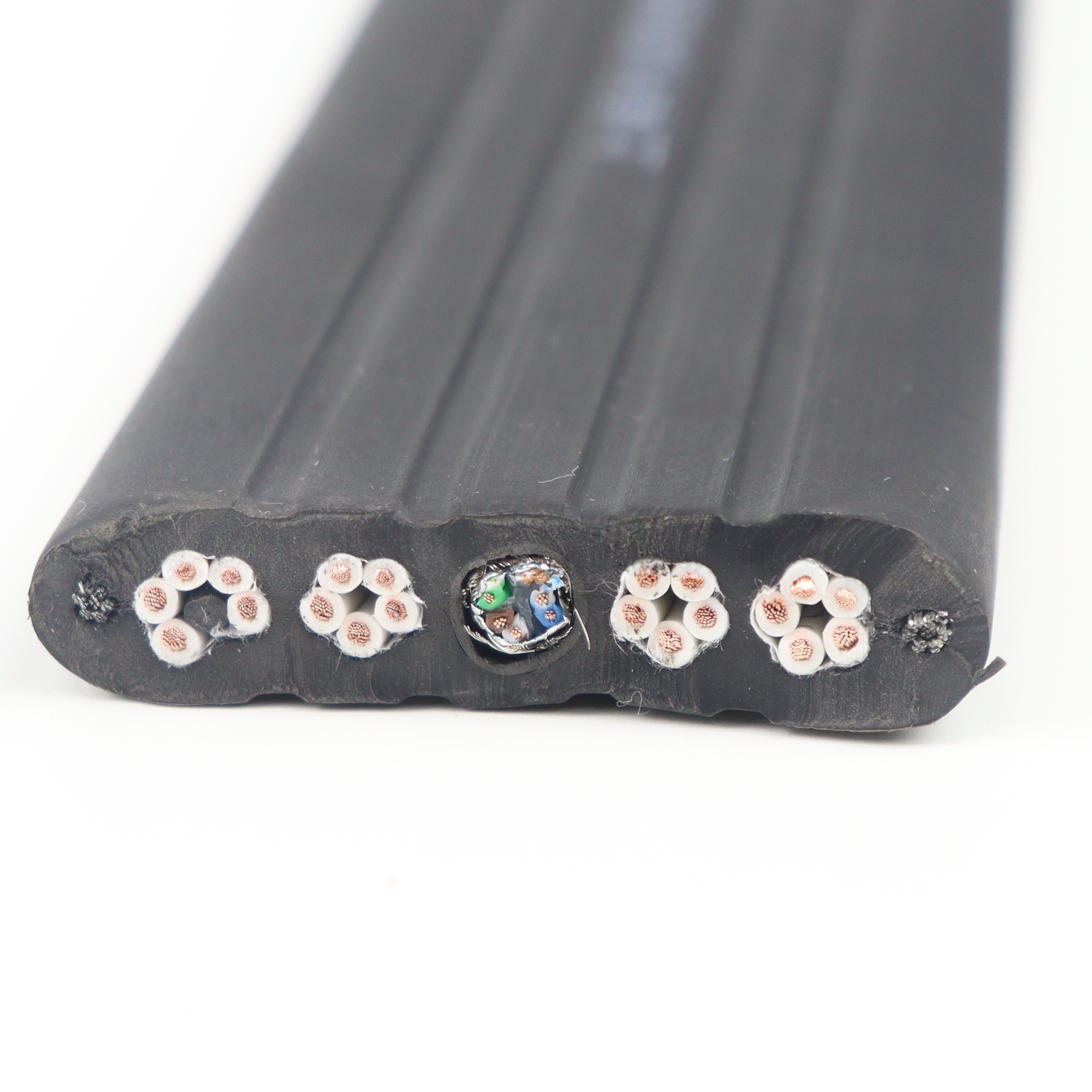
Flat electrical wire is a low-profile cable designed to carry electrical power or signals where space, weight, and organized routing matter. Unlike round cable, flat electrical wire uses parallel conductors arranged in a thin, wide format. This structure allows the flat electrical wire to sit closely against panels, fold around corners, and pass through narrow gaps without creating a large cable bundle. Manufacturers usually make the conductors from copper or tinned copper, then cover them with flexible PVC, silicone, or another protective insulating material. The flat electrical wire may contain two or more cores, depending on the required voltage, current, signal type, and connection layout. The flat electrical wire can support power distribution, control circuits, sensor links, lighting, and data connections. Its clear conductor spacing also simplifies assembly and reduces the risk of incorrect termination. In equipment that moves, the flat electrical wire can bend repeatedly when the selected model has a suitable flex rating and bend radius. For fixed installations, the flat electrical wire provides a neat route inside cabinets, appliances, vehicles, and machine frames. Product specifications commonly include conductor size, rated voltage, temperature range, insulation material, current capacity, length, and connector style. These details help buyers match the flat electrical wire to the operating environment. A flat electrical wire may also resist moisture, oil, abrasion, flame, or chemicals when built for demanding service. Before purchasing, confirm circuit load, spacing, flexibility, insulation performance, and termination requirements. The right flat electrical wire combines dependable conductivity with efficient installation and a clean finished appearance.
The main advantage of flat electrical wire is efficient use of space. Because the flat electrical wire has a slim profile, installers can place it behind covers, under trim, along rails, or between closely fitted components. This helps designers create smaller products without sacrificing dependable connections. The flat electrical wire also keeps conductors in a predictable order, which makes cutting, stripping, labeling, and termination faster. Assembly teams can route the flat electrical wire in a straight line instead of managing several loose round cables. That saves labor and improves consistency during production or maintenance. A flat electrical wire can reduce clutter inside control boxes and equipment, making inspection easier. Its organized shape helps technicians trace circuits, identify conductors, and replace a damaged section with less disruption. The flat electrical wire often weighs less than a group of individual insulated leads, so it can support lighter moving assemblies and reduce strain on mounting points. When the cable needs to flex, a suitable flat electrical wire can follow repeated movement in doors, printers, robotics, medical devices, and automated machinery. Buyers should still check the stated flex life rather than assume every model suits motion. For power use, select a flat electrical wire with enough conductor area and voltage capacity for the load. For signal use, consider shielding, spacing, noise control, and connector compatibility. Outdoor or harsh locations may require a flat electrical wire with weather, oil, heat, or flame resistance. The product can also simplify inventory because one prearranged cable may replace several separate wires. This reduces routing time, connection errors, and the number of clips or ties needed. Overall, the flat electrical wire offers practical value through cleaner design, faster assembly, easier service, and reliable performance when its ratings match the application.

Latest News

Shanghai Libin Cable Showcases Robot and Automation Cable Solutions at CMES Shanghai Industrial Automation & Robotics Exhibition

16

Oct

Shanghai Libin Cable Showcases Robot and Automation Cable Solutions at CMES Shanghai Industrial Automation & Robotics Exhibition

View More
Shanghai Libin Cable Showcases Crane Cable Solutions at the 11th China (Changyuan) International Crane Equipment Expo

16

Oct

Shanghai Libin Cable Showcases Crane Cable Solutions at the 11th China (Changyuan) International Crane Equipment Expo

View More
Why Drag Chain Cables Fail: Four Common Causes and How to Select Correctly

16

Oct

Why Drag Chain Cables Fail: Four Common Causes and How to Select Correctly

View More
Industrial Robot Combination Cable: Routing Power and Signal Together in a Small-Bend-Radius Drag Chain

16

Oct

Industrial Robot Combination Cable: Routing Power and Signal Together in a Small-Bend-Radius Drag Chain

View More

Get a Free Quote

Our representative will contact you soon.
0/1000
Space-Saving Flat Electrical Wire Design

Space-Saving Flat Electrical Wire Design

The strongest selling point of flat electrical wire is its compact profile. The flat electrical wire spreads conductors across a narrow, thin strip, allowing it to occupy less depth than a round cable bundle. This makes the flat electrical wire useful inside appliances, dashboards, control panels, lighting products, and compact electronic equipment. Installers can place the flat electrical wire against a wall or channel, leaving more room for switches, boards, cooling paths, and moving parts. The flat electrical wire also creates a tidy appearance because the conductors remain aligned rather than crossing randomly. That organization can shorten routing paths and reduce the need for extra clips, wraps, and supports. For product designers, the flat electrical wire can help reduce enclosure size and simplify assembly drawings. For buyers, this means easier installation, lower material use, and a finished product that looks professional. The result is a practical cable choice whenever available space has a direct effect on design cost and service access.
Reliable Conductivity and Clear Connections

Reliable Conductivity and Clear Connections

Flat electrical wire combines stable electrical performance with an easy-to-follow conductor layout. In a flat electrical wire, each core stays in a defined position, often with color coding, markings, or a visible edge stripe. This helps workers connect the flat electrical wire correctly during production, repair, or field installation. Copper conductors provide efficient current flow, while the surrounding insulation separates circuits and protects against accidental contact. A properly rated flat electrical wire can serve low-voltage controls, lighting, power links, sensors, or equipment interfaces. The flat electrical wire may also accept crimp contacts, soldered joints, plug connectors, or custom terminals, depending on its construction. Clear spacing supports repeatable termination and makes testing more straightforward. Buyers gain dependable operation and fewer wiring mistakes when the cable matches the required current, voltage, temperature, and connector specifications. Choosing the correct flat electrical wire also supports easier troubleshooting because technicians can identify circuit order without opening a tangled cable group. This saves time across installation and maintenance.
Flexible Routing for Moving Equipment

Flexible Routing for Moving Equipment

A flexible flat electrical wire can deliver power or signals through equipment that opens, slides, folds, or moves. Its broad, thin construction lets the flat electrical wire bend in a controlled direction, which can suit hinges, carriage systems, printer heads, medical devices, and automated machinery. When the manufacturer rates the flat electrical wire for repeated flexing, it can help maintain dependable connections through many operating cycles. The flat electrical wire also distributes bending across its width, reducing the sharp twists that can damage individual loose leads. This supports cleaner mechanical design and can reduce strain on connectors. Buyers should review bend radius, cycle rating, temperature range, and movement direction before selecting a model. A properly matched flat electrical wire can lower maintenance needs and prevent interruptions caused by broken conductors. Even in fixed equipment, the flat electrical wire remains valuable because it can follow corners and narrow channels with minimal installation effort. This gives engineers and installers more routing choices while keeping the system orderly and accessible.