servo encoder cable
A servo encoder cable connects a motor encoder with its drive or control system, carrying the feedback signals that keep motion accurate and stable. Unlike a basic power lead, a servo encoder cable supports position, speed, direction, and sometimes temperature data. The servo encoder cable helps the controller compare the motor's actual movement with the commanded movement, then correct errors in real time. This closed feedback process improves repeatability and protects production quality.
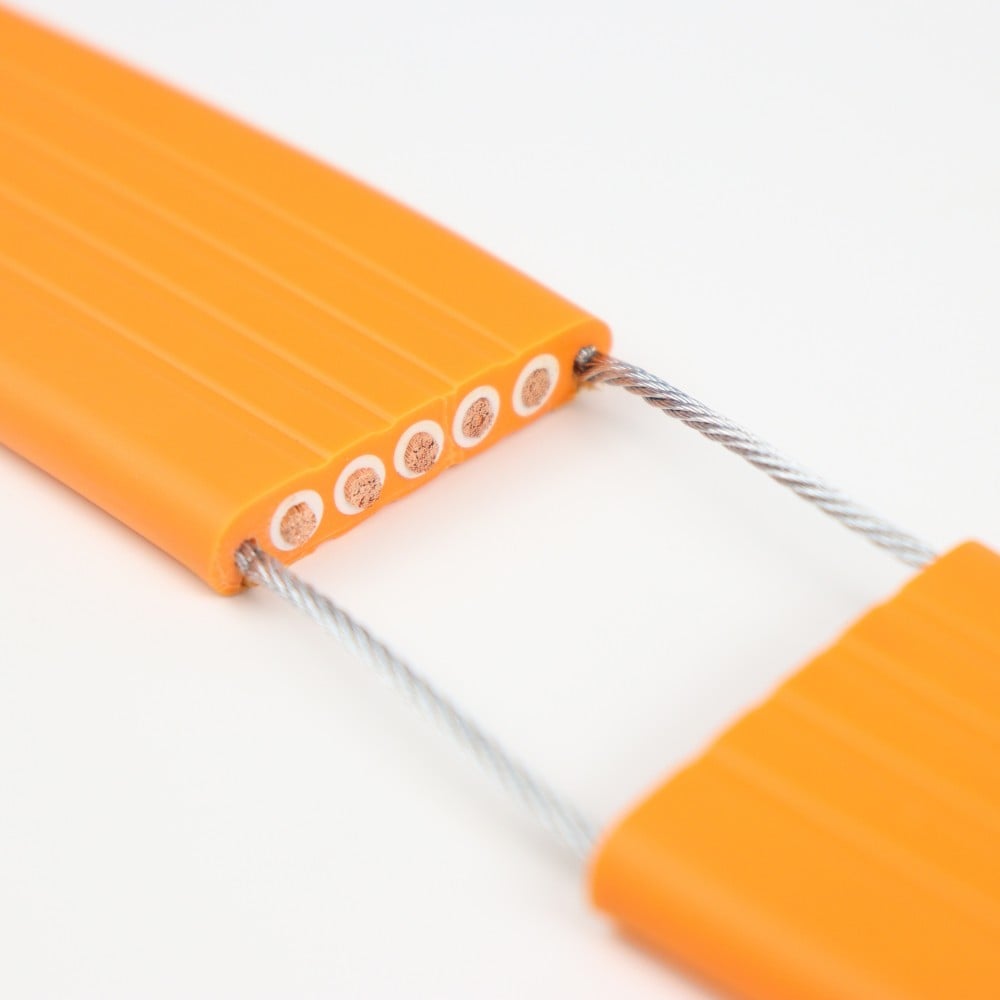
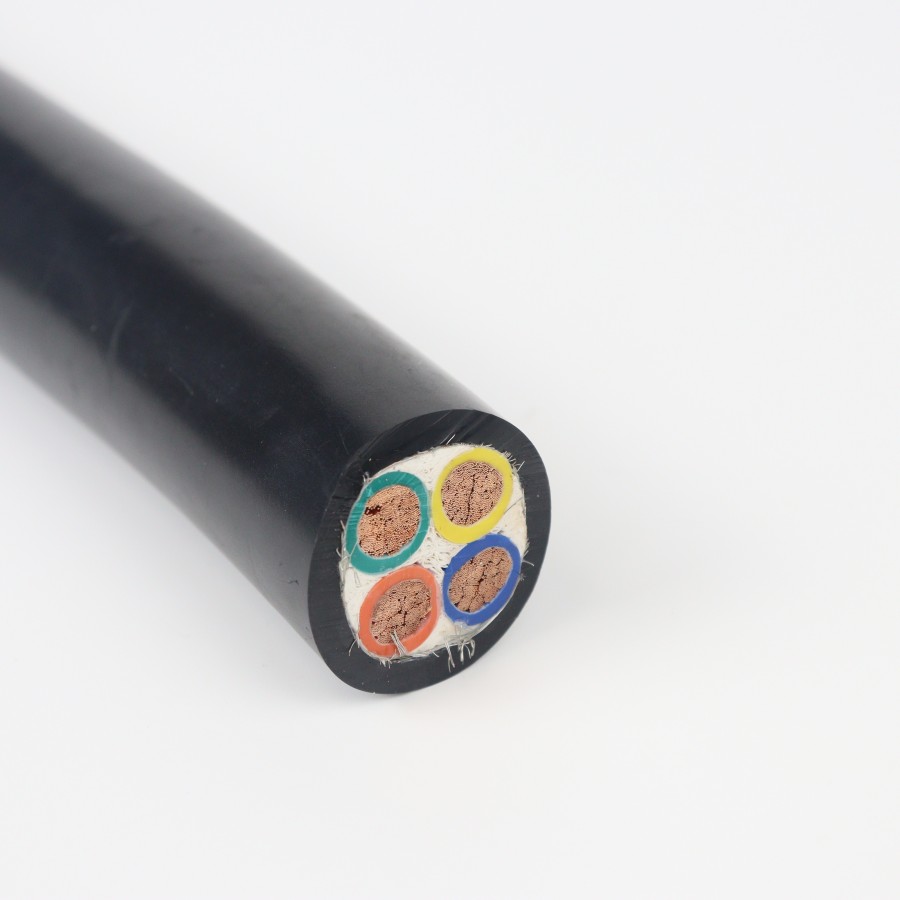
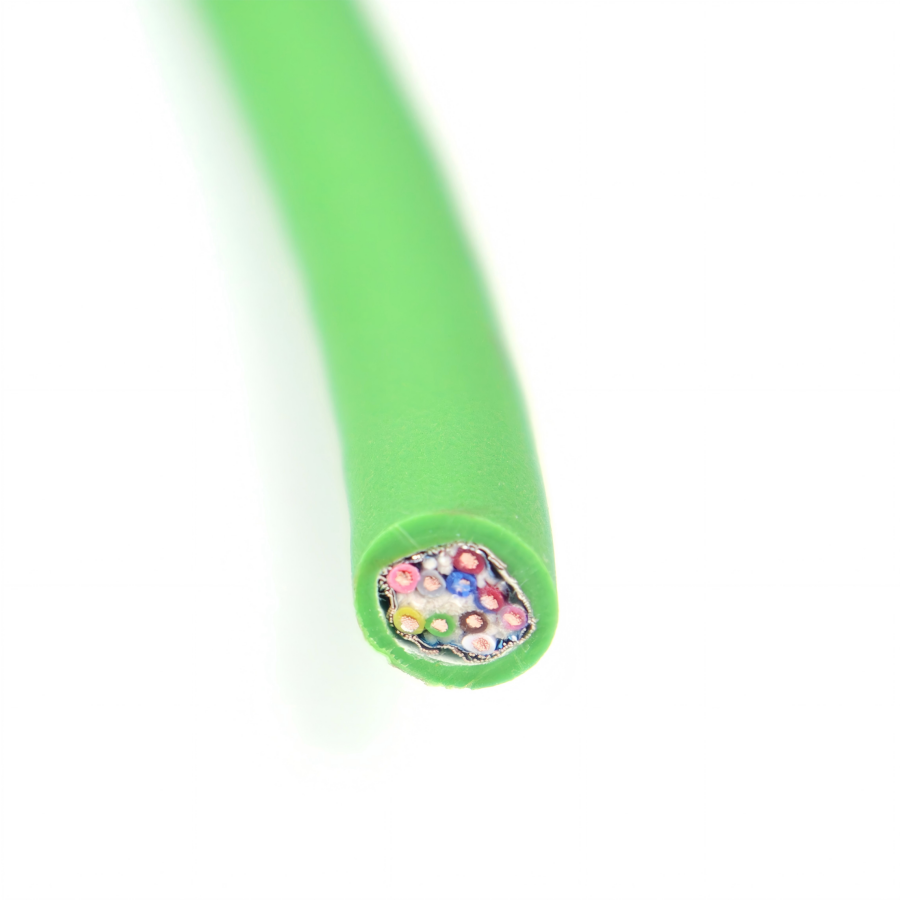
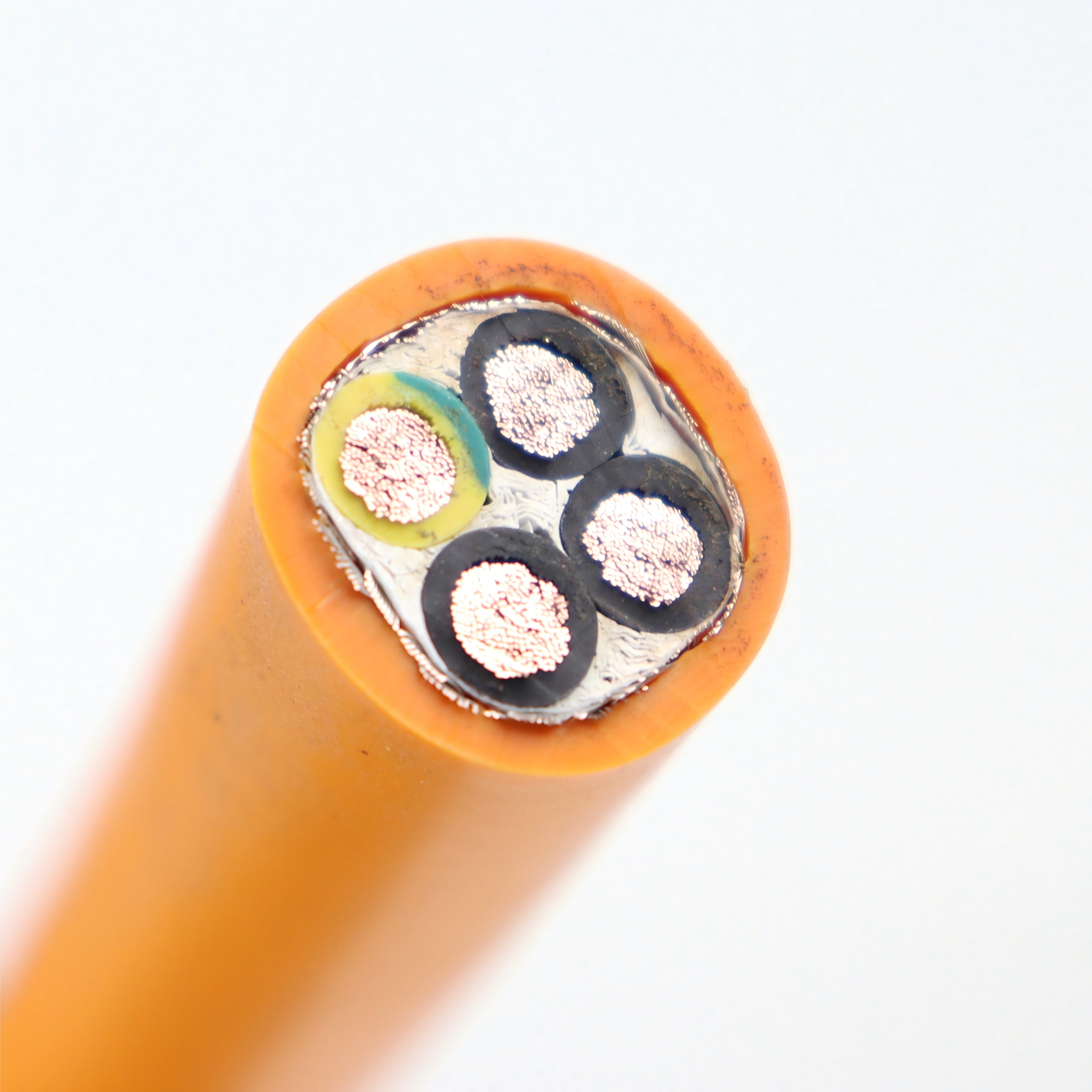
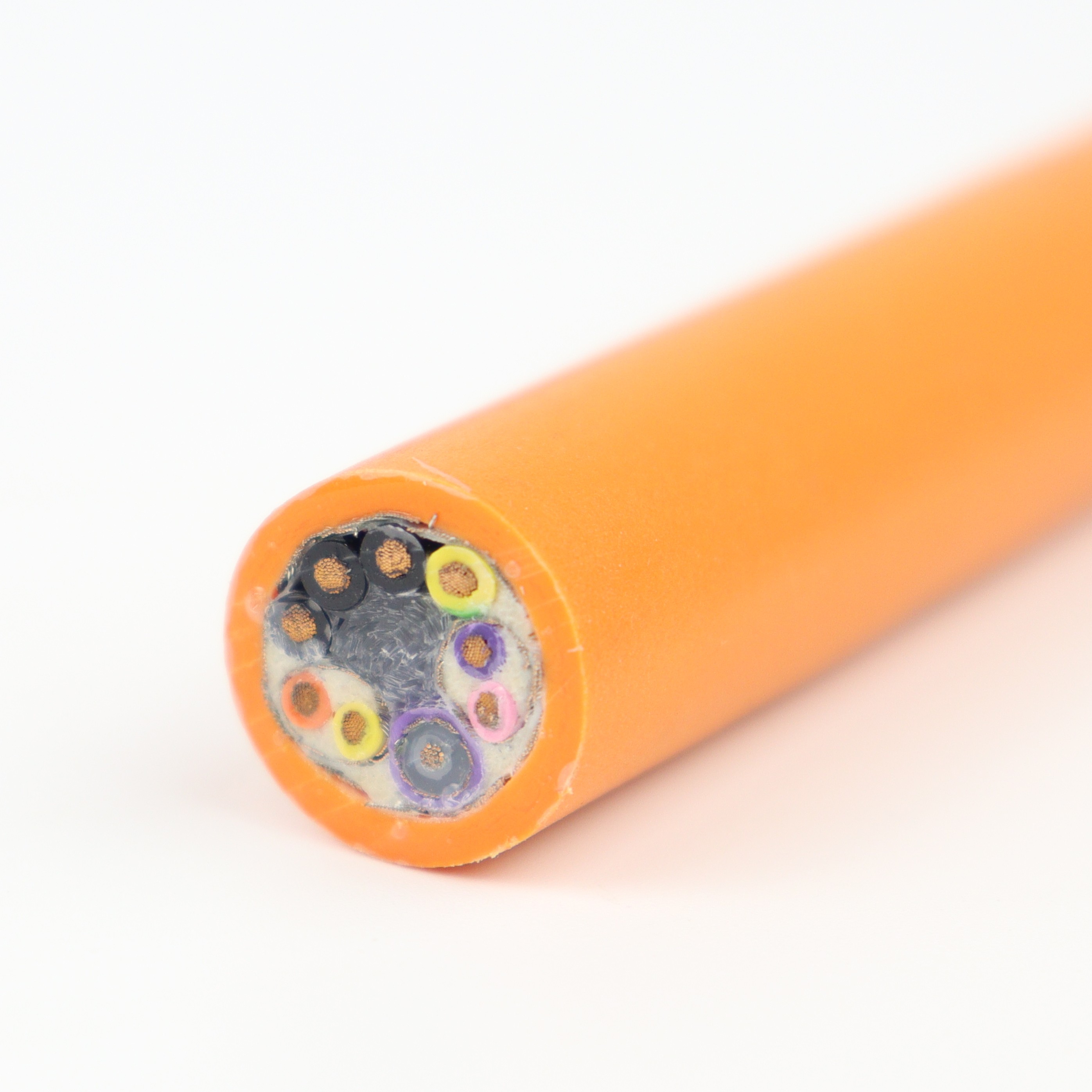
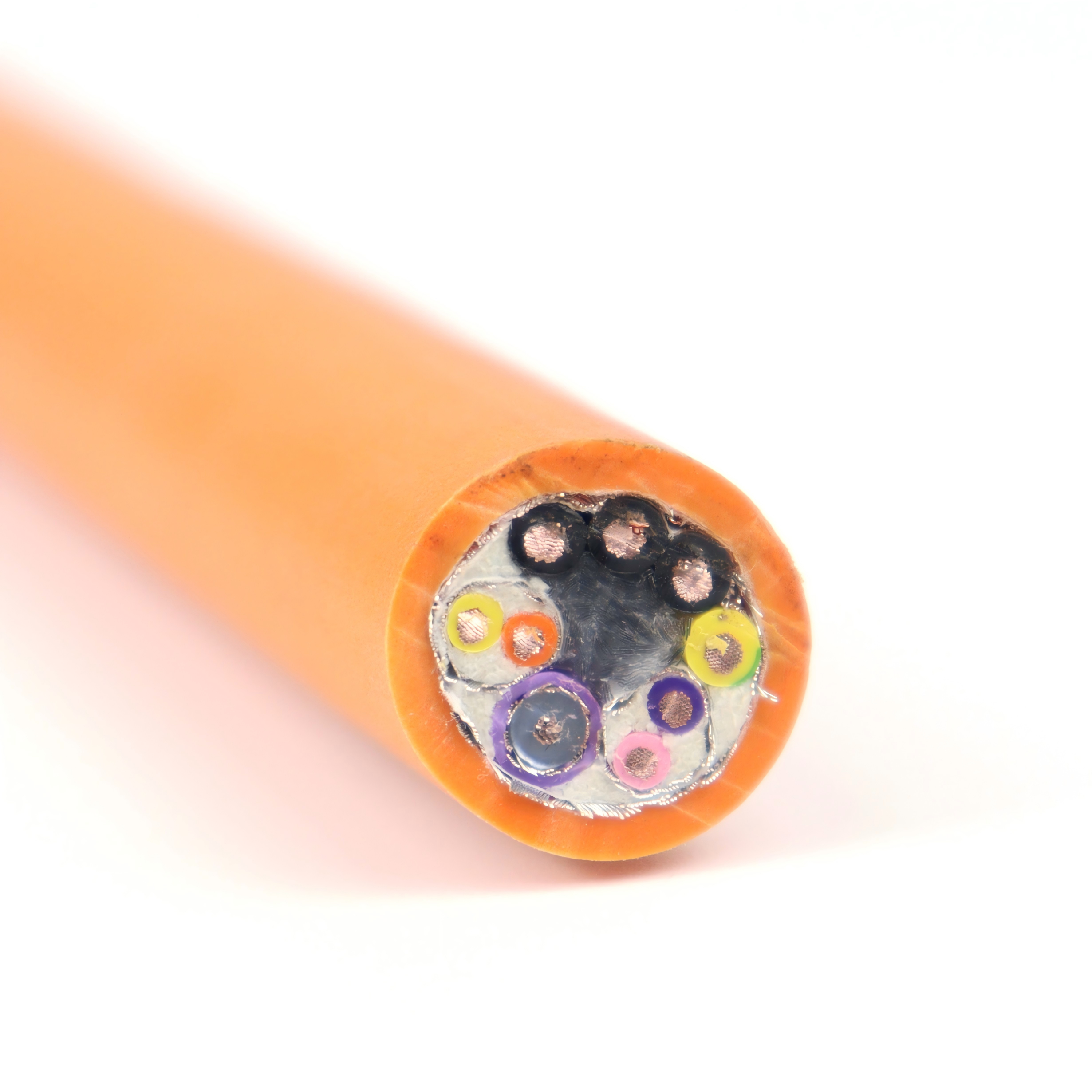
A typical servo encoder cable combines signal conductors, shielding, insulation, and a flexible outer jacket. The signal cores carry low-voltage data, while the shield reduces interference from nearby motors, inverters, and power cables. A servo encoder cable may use twisted pairs, foil or braid shielding, molded connectors, and high-flex materials for demanding machine movement. Depending on the equipment, it can support incremental or absolute encoders and digital communication systems.
The servo encoder cable is built for reliable operation in automation environments where vibration, bending, oil, dust, and electrical noise can affect performance. Many designs support drag-chain movement, repeated flexing, and industrial temperature ranges. Correct connector selection also ensures a secure fit and faster installation.
Applications include robotic arms, CNC machines, packaging lines, conveyors, printing equipment, semiconductor tools, and automated assembly systems. A well-built servo encoder cable preserves signal quality over the full operating distance and helps reduce unexpected stops. The servo encoder cable also simplifies replacement because it provides a direct connection between compatible components. With the right servo encoder cable, equipment builders and maintenance teams can achieve precise motion, dependable feedback, and consistent machine output. For buyers, a servo encoder cable offers an important link between motor performance and control accuracy. Selecting a servo encoder cable that matches the encoder type, connector, length, and motion profile helps prevent compatibility problems.