Automation Servo Cable for Motion Control

application/automation-servo-cable, application/automation-servo-cable, 
Inquiry
Inquiry

automation servo cable

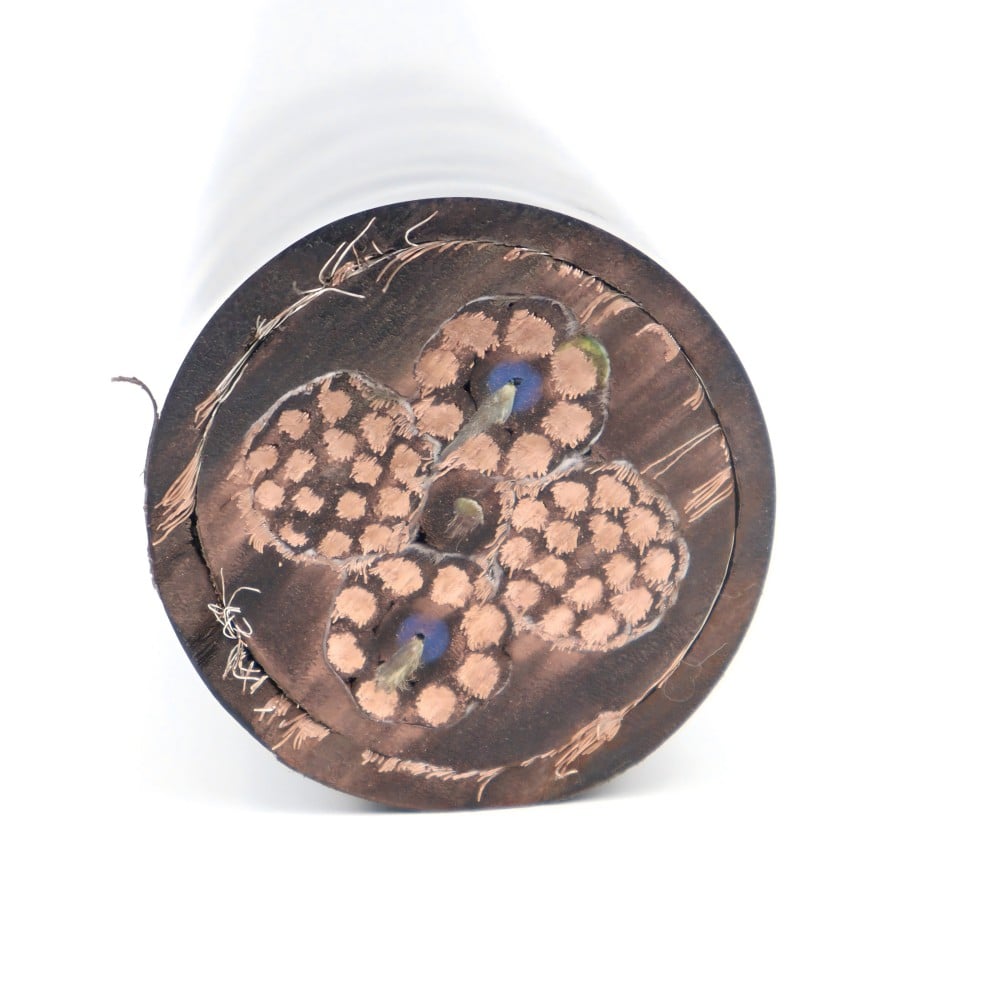
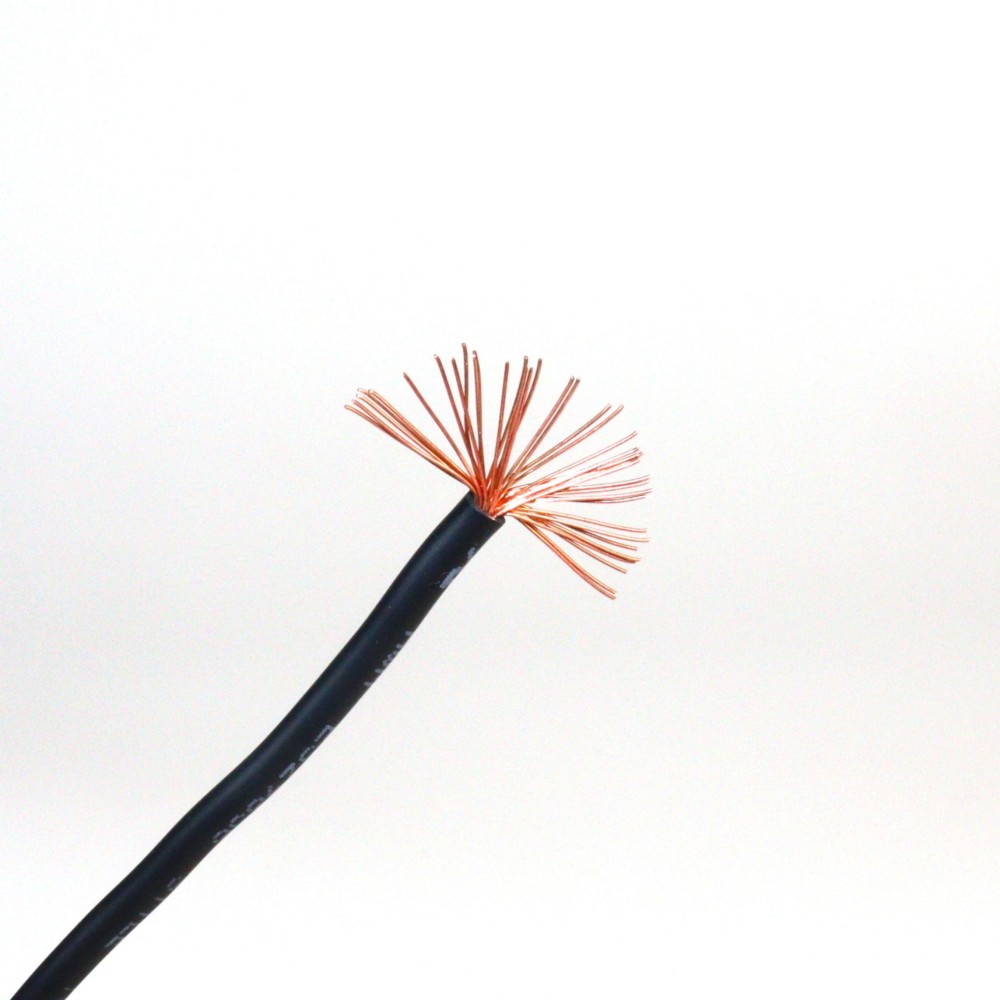
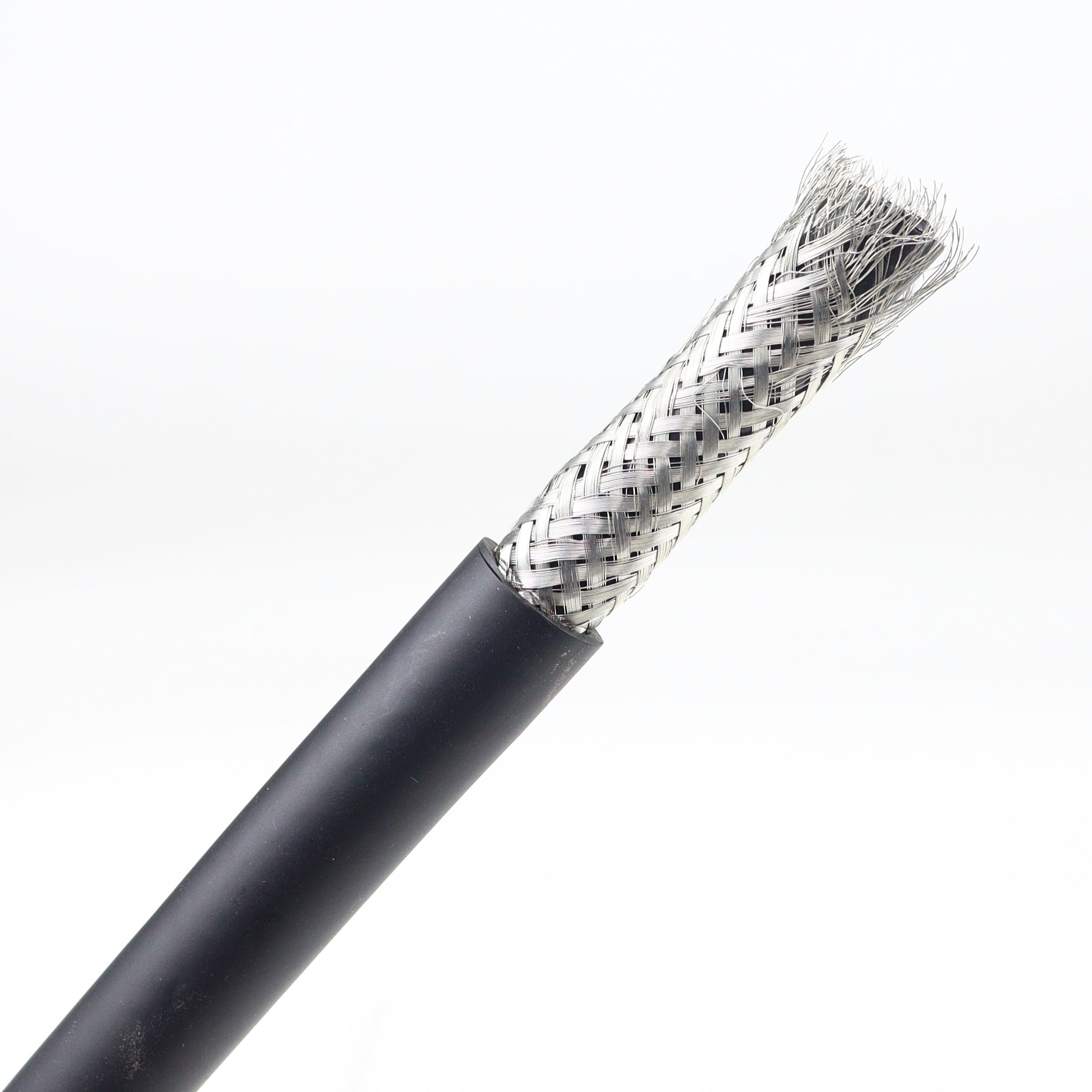
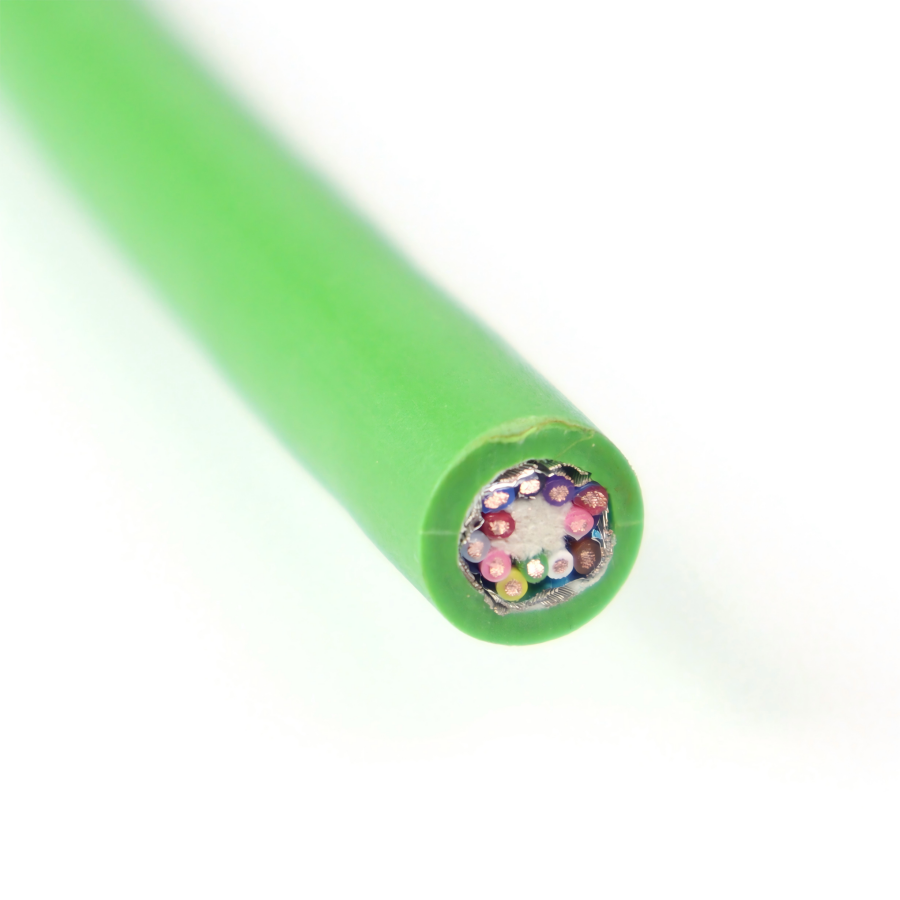
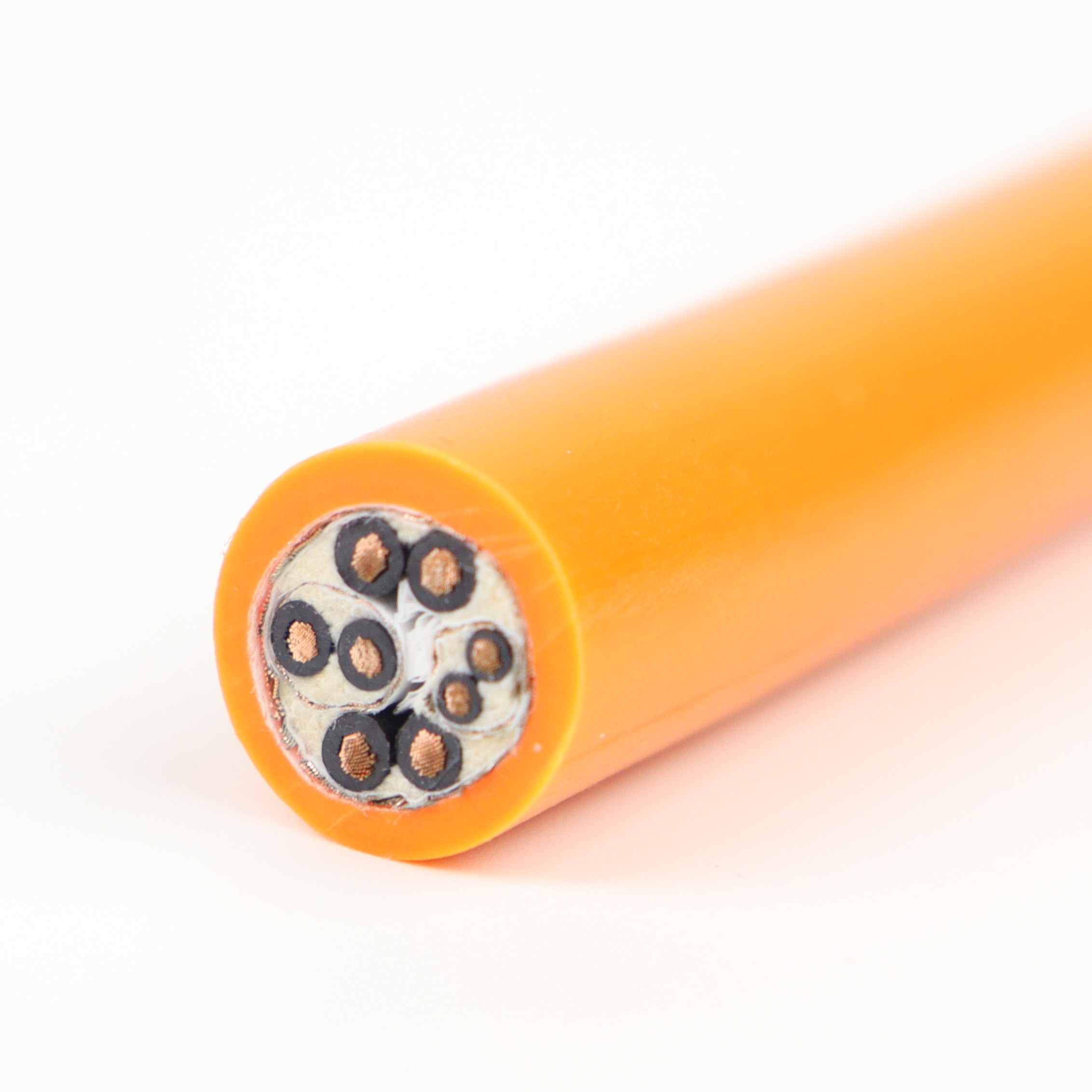
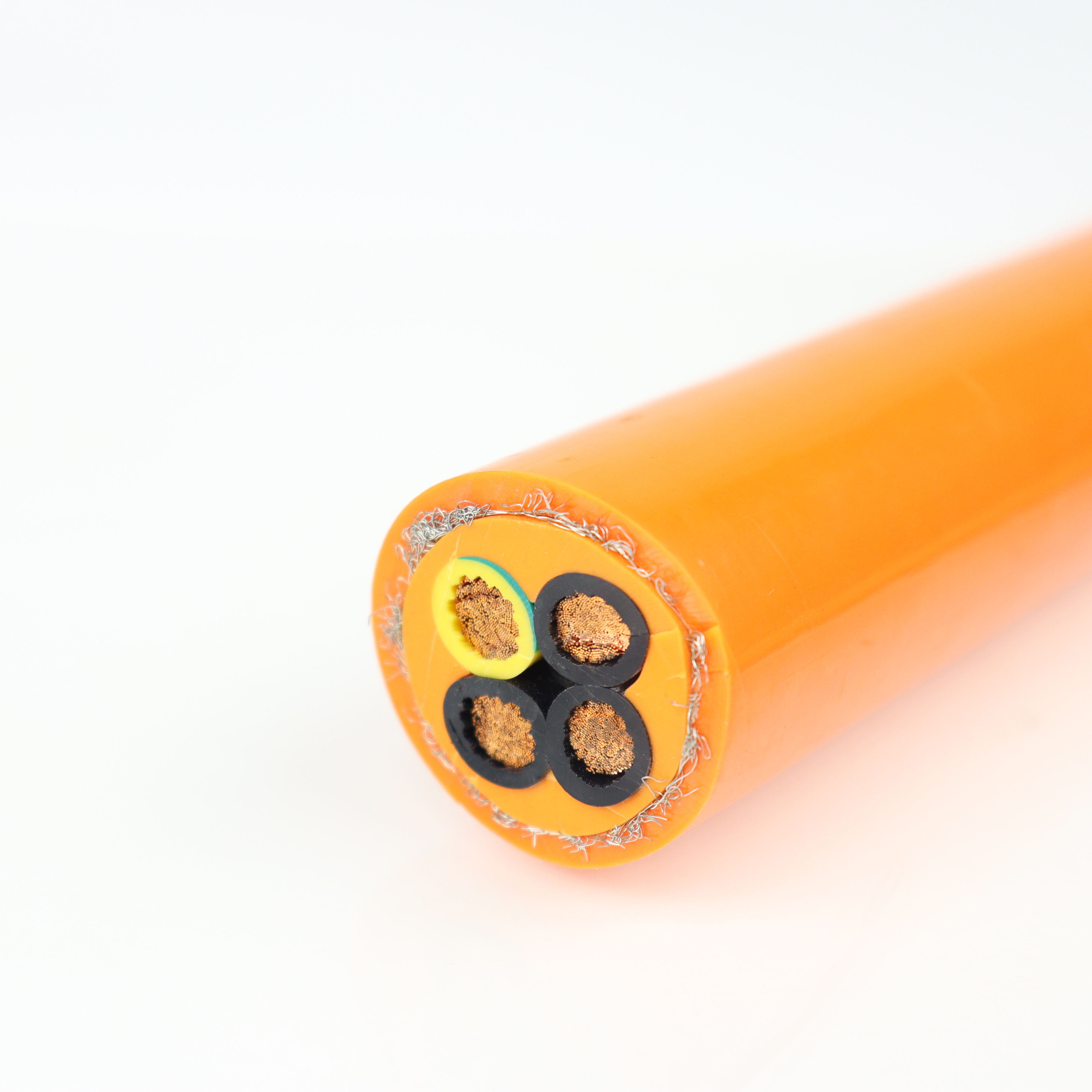
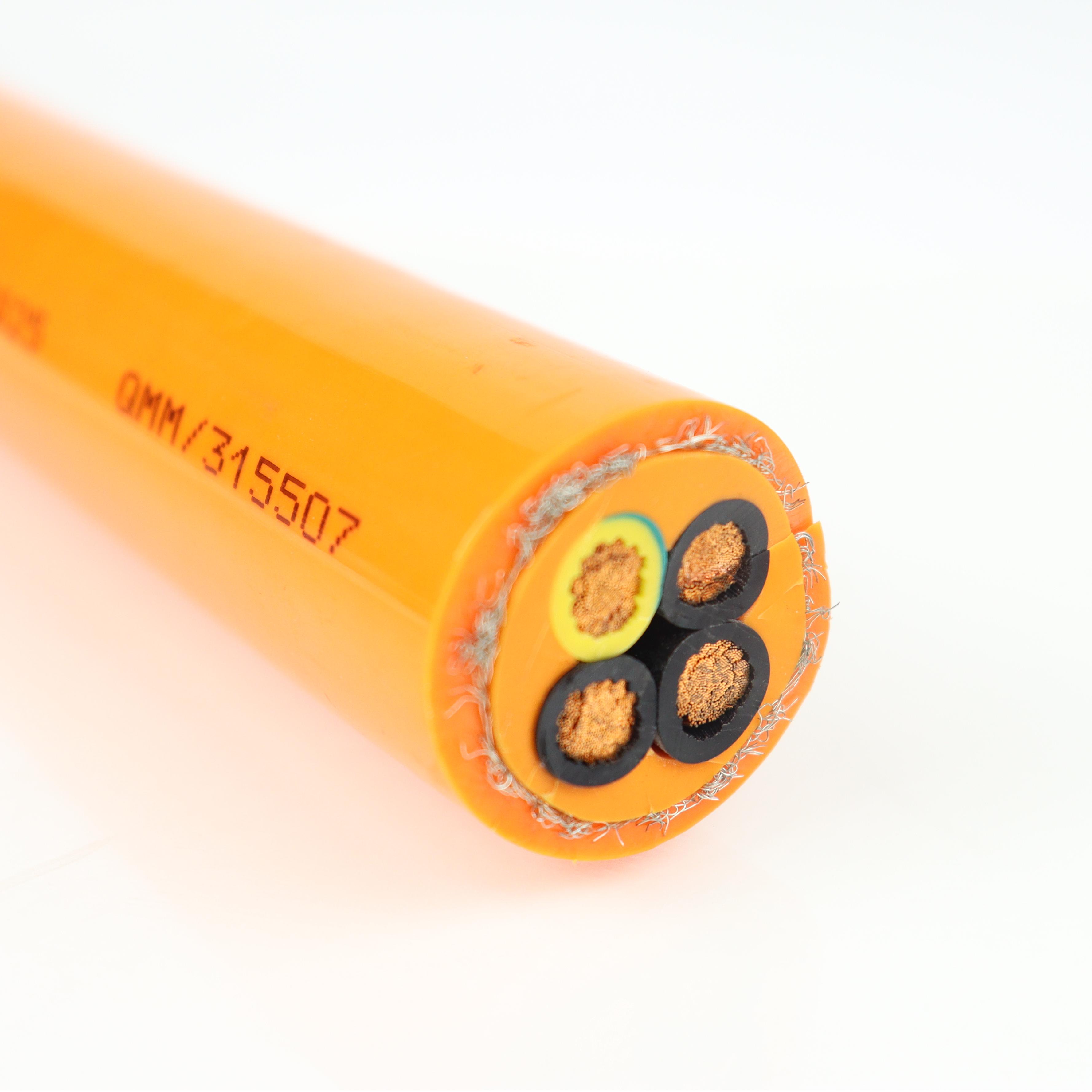
An automation servo cable is a purpose-built connection cable that transfers electrical power, control signals, and feedback data between a servo motor, drive, and controller. Unlike a standard power lead, an automation servo cable supports the precise, repeated movement found in robots, machine tools, packaging lines, and other automated equipment. The automation servo cable helps a motor start, stop, reverse, and adjust speed accurately while maintaining stable communication with the control system. Most designs combine power cores with signal, brake, or encoder conductors in one organized assembly. This arrangement simplifies installation and reduces the number of separate cables required inside a machine. Key technology includes high-strand copper conductors, flexible insulation, shielding against electrical interference, and jackets designed to resist oil, abrasion, heat, and coolants. A well-made automation servo cable also manages repeated bending and twisting through carefully selected materials and internal construction. Depending on the machine, buyers can choose fixed-installation versions, continuous-flex versions, drag-chain models, or torsion-rated cables for robotic arms. Connector options may include preassembled plugs, molded ends, or cut-to-length leads, helping users match the cable to an existing drive and motor. The automation servo cable is available in different voltage, current, temperature, length, and conductor configurations. Correct selection supports dependable motion, cleaner wiring, easier maintenance, and longer equipment life. For manufacturers and maintenance teams, the automation servo cable provides a direct connection between motion accuracy and practical machine reliability.
The main advantage of an automation servo cable is dependable motion performance. It carries motor power and control information with less risk of interruption, helping equipment maintain accurate positioning, smooth acceleration, and repeatable cycles. For a production manager, this can mean fewer rejected parts and more consistent output. The automation servo cable also reduces wiring complexity when power, feedback, braking, and auxiliary conductors share one organized assembly. Installers spend less time routing separate lines, while maintenance staff can identify and replace a known cable set more quickly. A suitable automation servo cable can also reduce unplanned downtime. Strong insulation and a protective outer jacket help the cable withstand oil, dust, vibration, abrasion, and temperature changes common in factories. Flexible versions tolerate repeated movement in cable tracks and robotic joints, so they are less likely to crack or fail early. That durability protects the cost of the motor, drive, and connected machine. Buyers should match the automation servo cable to the required voltage, current, bending pattern, travel distance, connector type, and environmental conditions. A fixed cable may suit a stationary cabinet, while a continuous-flex model is a better choice for moving axes. Shielding can help limit signal disturbance near inverters and other electrical equipment. Preassembled lengths can shorten installation time and reduce termination errors. The automation servo cable is suitable for CNC systems, robots, conveyors, filling equipment, pick-and-place machines, printing lines, and automated assembly cells. In practical terms, the right product supports safer operation, simpler servicing, predictable performance, and a stronger return on the equipment investment.

Tips And Tricks

Shanghai Libin Cable Showcases Robot and Automation Cable Solutions at CMES Shanghai Industrial Automation & Robotics Exhibition

16

Oct

Shanghai Libin Cable Showcases Robot and Automation Cable Solutions at CMES Shanghai Industrial Automation & Robotics Exhibition

View More
Shanghai Libin Cable Showcases Crane Cable Solutions at the 11th China (Changyuan) International Crane Equipment Expo

16

Oct

Shanghai Libin Cable Showcases Crane Cable Solutions at the 11th China (Changyuan) International Crane Equipment Expo

View More
Why Drag Chain Cables Fail: Four Common Causes and How to Select Correctly

16

Oct

Why Drag Chain Cables Fail: Four Common Causes and How to Select Correctly

View More
Industrial Robot Combination Cable: Routing Power and Signal Together in a Small-Bend-Radius Drag Chain

16

Oct

Industrial Robot Combination Cable: Routing Power and Signal Together in a Small-Bend-Radius Drag Chain

View More

Get a Free Quote

Our representative will contact you soon.
0/1000
Reliable Power and Signal Transfer

Reliable Power and Signal Transfer

A major strength of the automation servo cable is its ability to carry several essential connections in a coordinated design. Motor power reaches the drive system, while feedback signals return position and speed information to the controller. Brake or auxiliary conductors can also be included when the application requires them. This arrangement helps the automation servo cable maintain clean, predictable communication during rapid starts, stops, and direction changes. High-quality copper strands support efficient current flow, and careful insulation separates conductors to lower the chance of faults. Shielding can further reduce interference from nearby drives, motors, and switching equipment. For the customer, this means more stable movement and fewer troubleshooting events caused by loose, tangled, or poorly matched wiring. A correctly specified automation servo cable can help machines hold position, repeat programmed paths, and protect product quality. It also gives installers one organized connection instead of several unrelated leads, creating a neater cabinet and a clearer maintenance path.
Built for Continuous Movement

Built for Continuous Movement

Many automated machines move an axis thousands of times each day, so ordinary cable construction may not provide enough flexibility. A movement-rated automation servo cable uses fine-stranded conductors and flexible insulation to handle repeated bending without quickly becoming stiff or damaged. Special designs support cable tracks, rotating joints, and robotic arms where the cable must follow a controlled path. The automation servo cable can also be selected for torsion, allowing it to cope with twisting motion in articulated equipment. This feature matters because premature cable failure can stop an entire production cell, even when the motor and controller remain fully functional. A durable jacket adds protection against abrasion, oil, coolant, moisture, and workshop contact. As a result, buyers can plan maintenance around production needs rather than unexpected breaks. The automation servo cable helps preserve machine availability, reduce replacement frequency, and protect the labor spent on installation. Choosing the correct bend radius and travel rating is essential, but the right product offers a strong practical balance of flexibility, durability, and dependable service.
Application-Matched Protection and Installation

Application-Matched Protection and Installation

A useful automation servo cable is not a one-size-fits-all product. Suppliers can provide different conductor sizes, voltage ratings, shielding styles, jacket materials, lengths, and connector arrangements. This choice allows the cable to match the motor drive, machine layout, and working environment instead of forcing costly modifications. The automation servo cable may be supplied with molded connectors for quick installation or as a cut length for custom routing. Some versions suit dry indoor cabinets, while others resist oil, coolant, heat, moisture, or outdoor exposure. Selecting the appropriate automation servo cable helps prevent overheating, signal loss, connector stress, and premature jacket wear. It also improves commissioning because installers receive a connection designed for the actual equipment. For OEMs, a consistent cable specification can simplify machine production and spare-parts management across multiple builds. For maintenance teams, clear ratings and available replacement lengths make purchasing faster and reduce the risk of ordering an incompatible part. This application-focused approach delivers better value than choosing only by price or appearance.