industrial servo cable
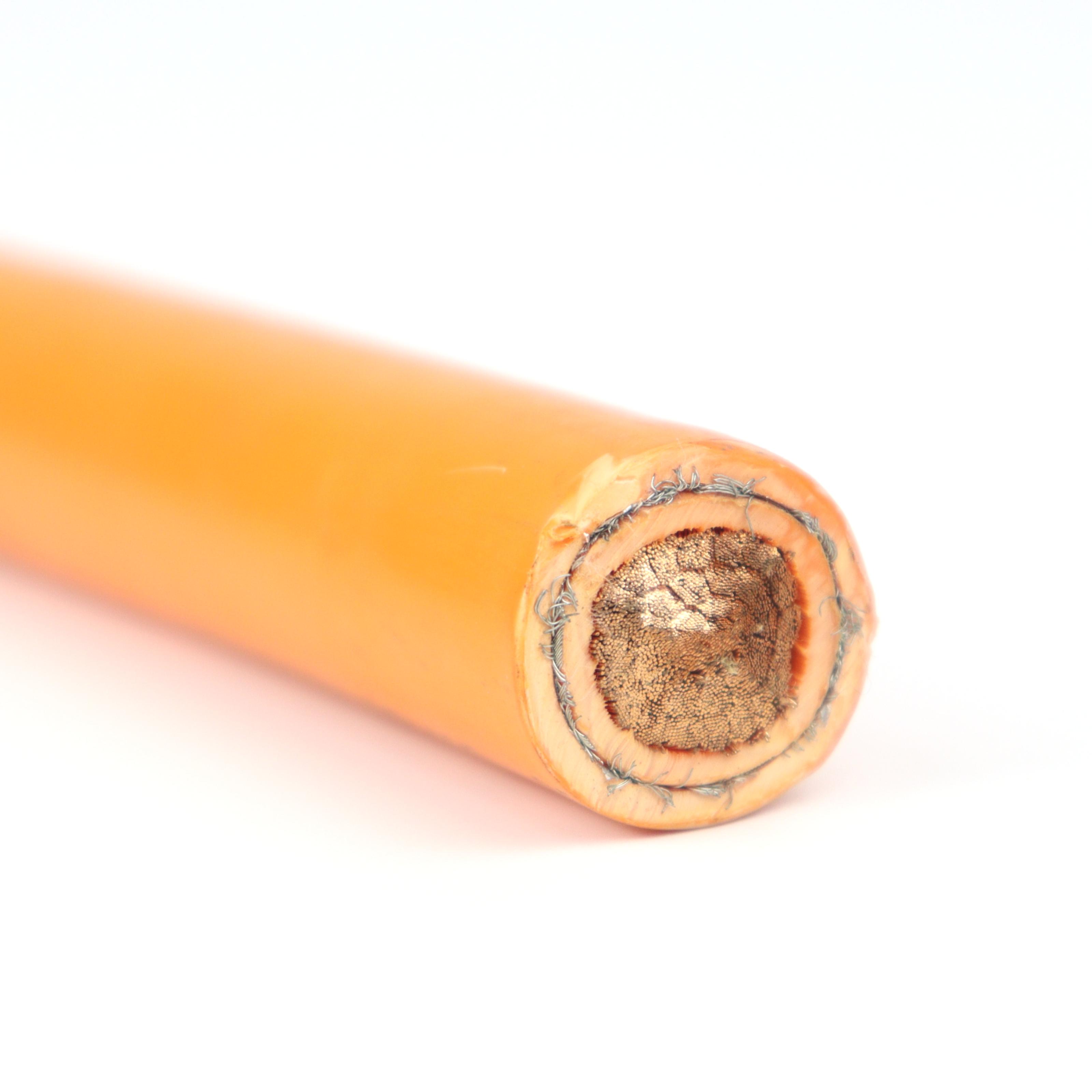
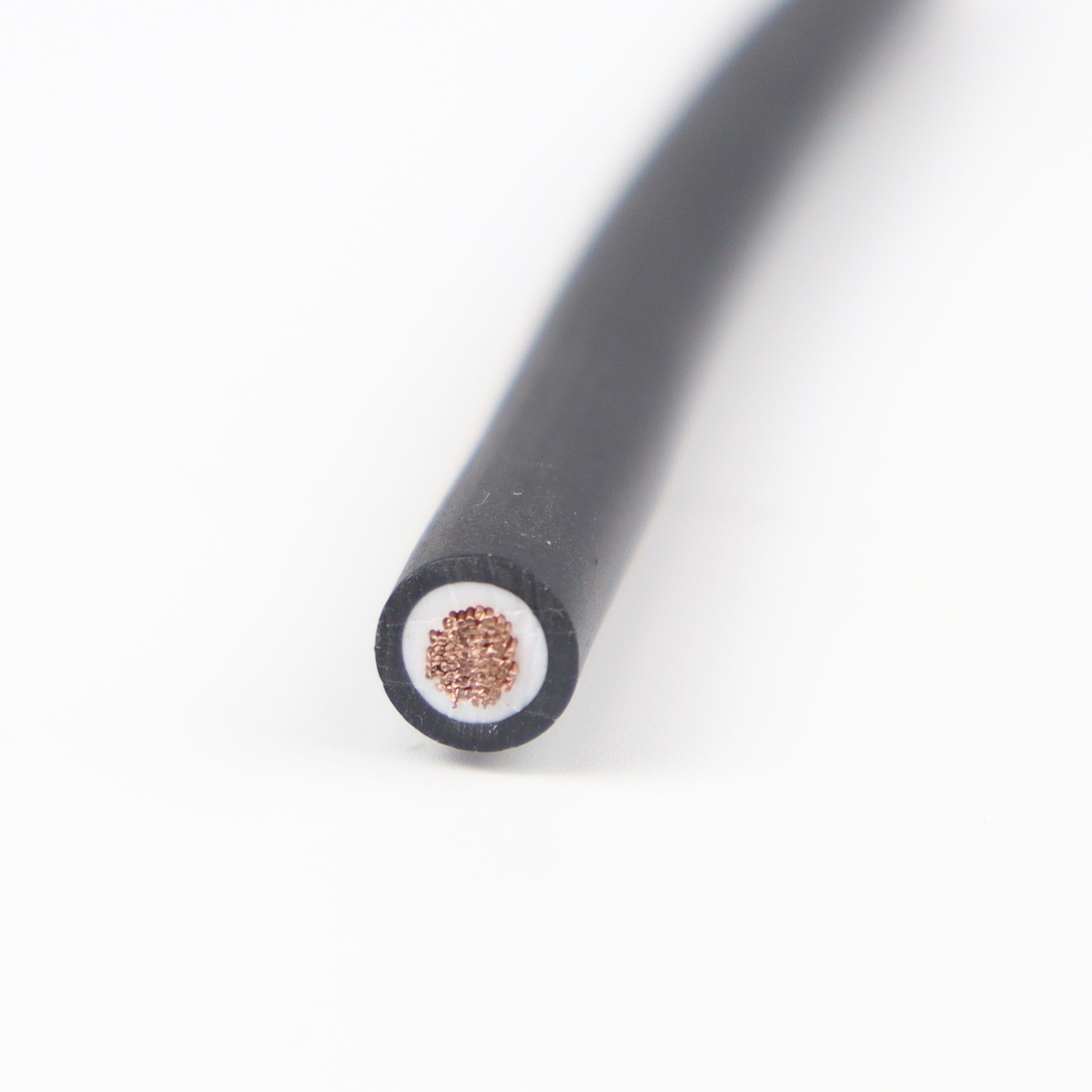
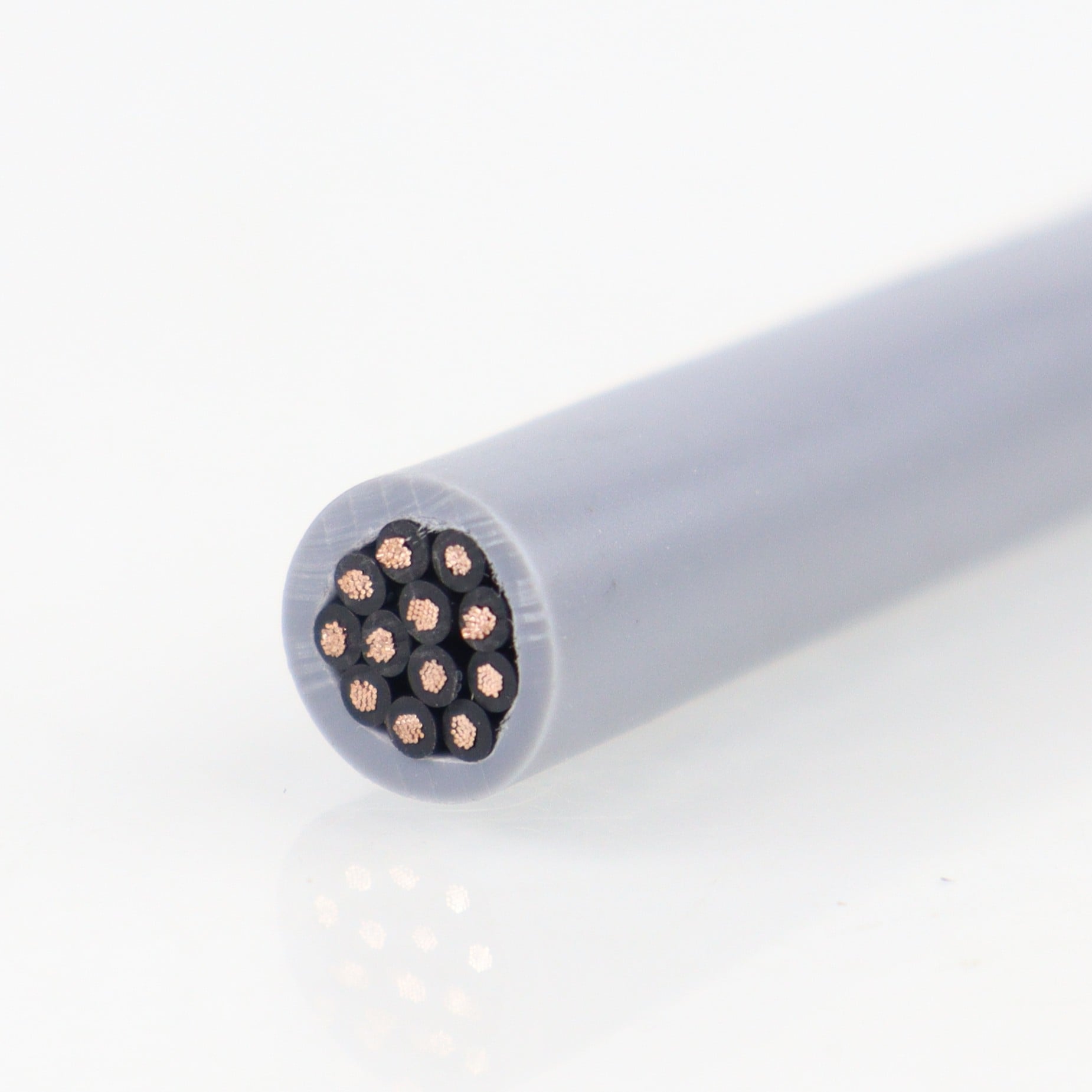
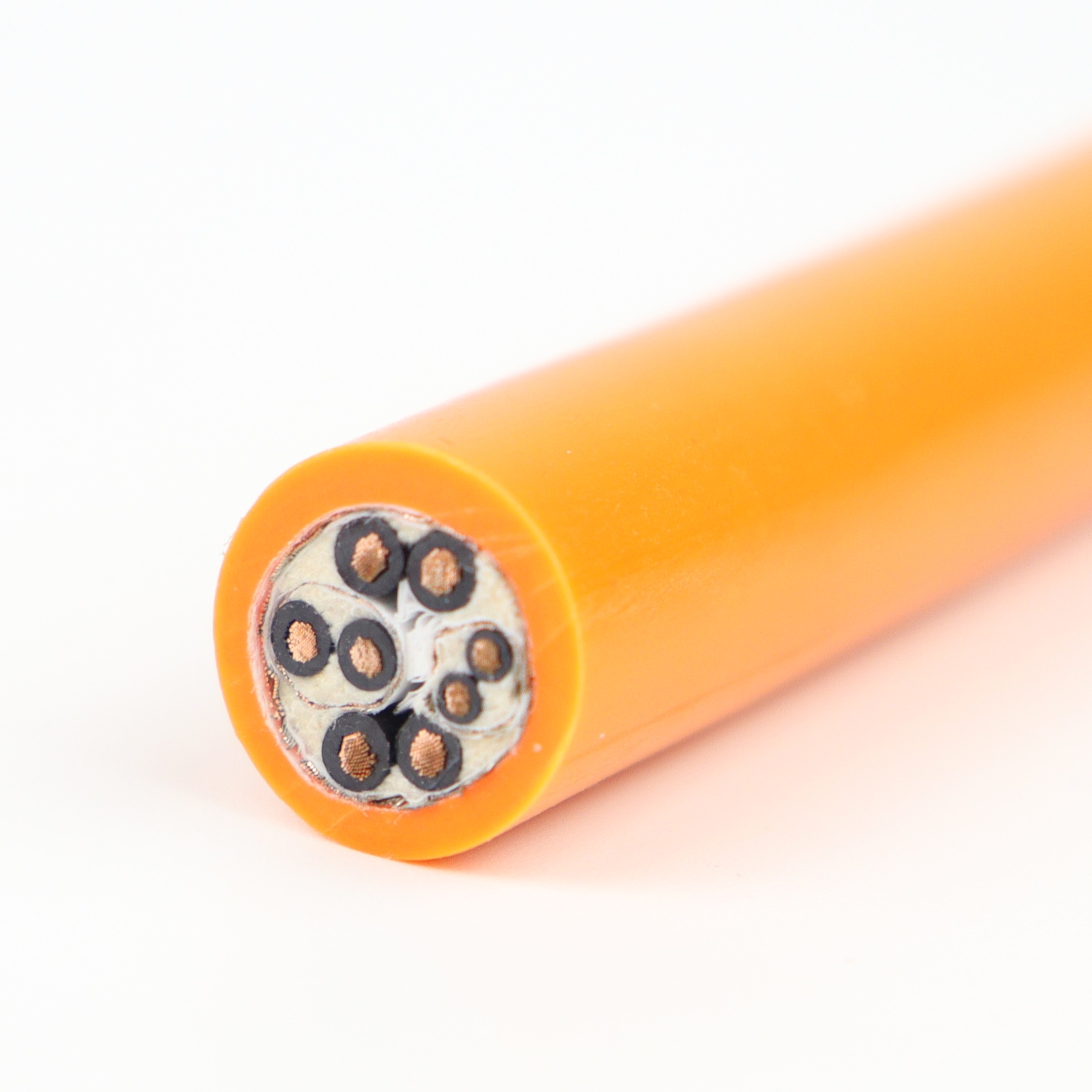
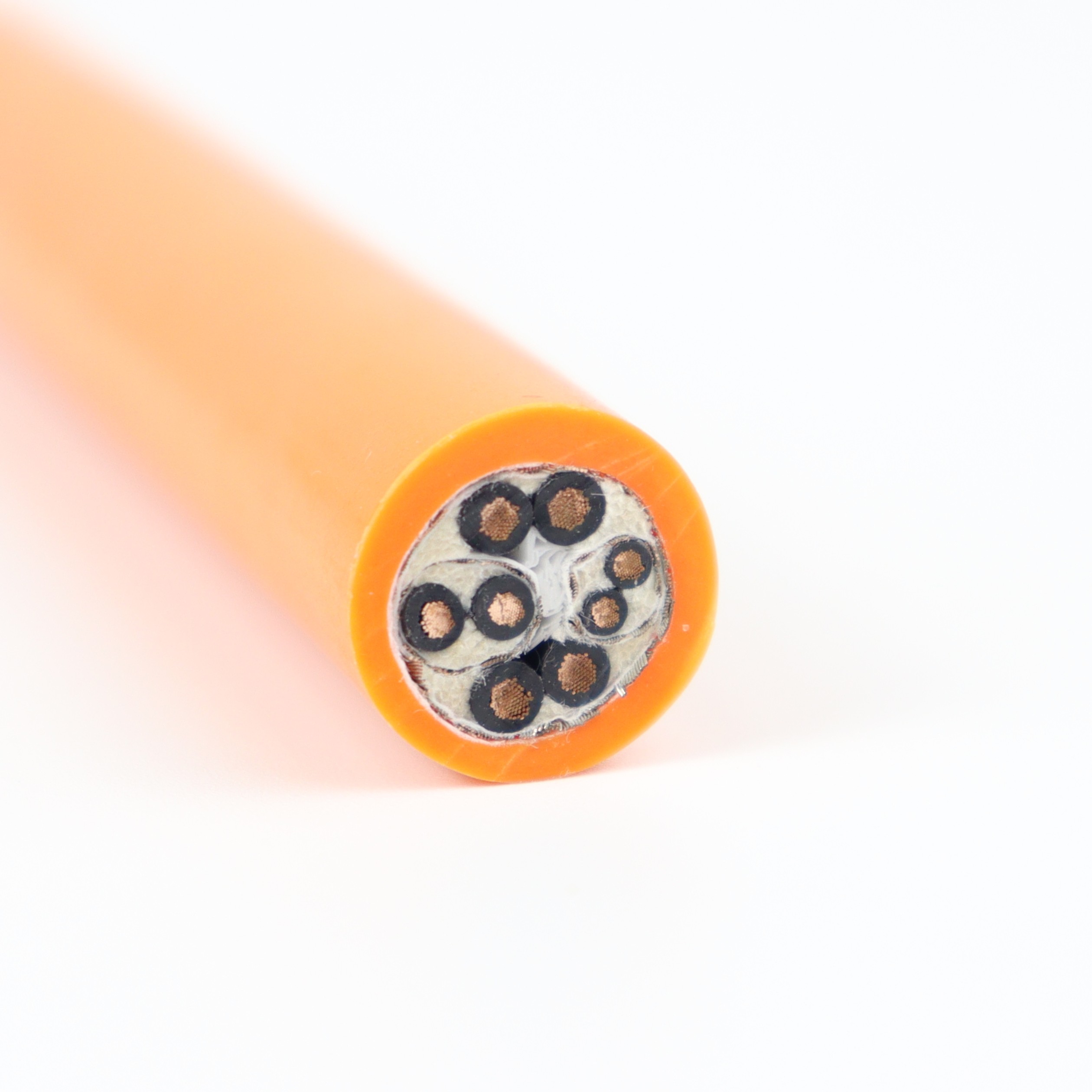
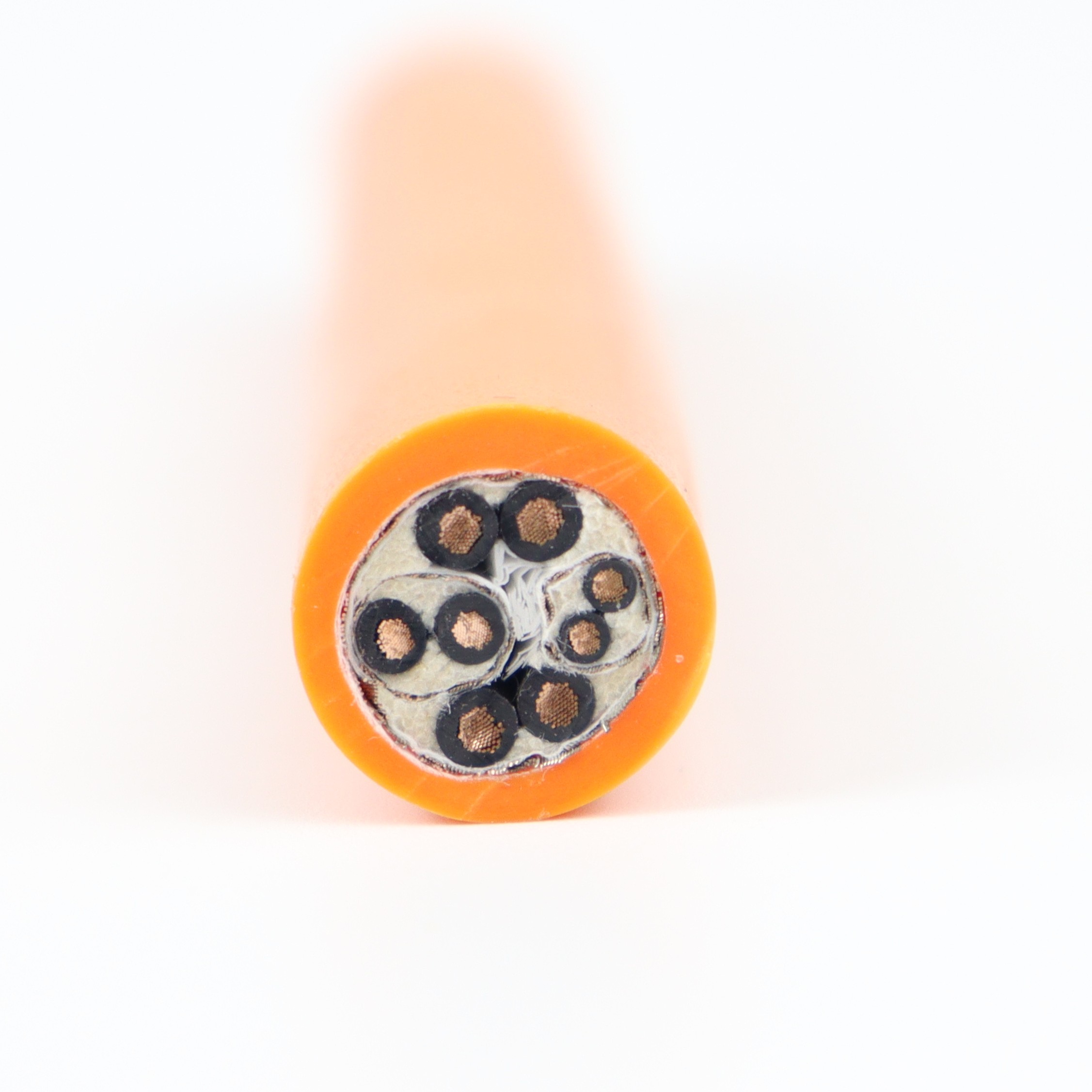
An industrial servo cable is a purpose-built connection cable that transfers electrical power, control signals, and feedback data between a servo drive and a servo motor. An industrial servo cable helps automated equipment deliver accurate, fast, and repeatable movement. Unlike a standard power lead, an industrial servo cable must handle continuous motion, vibration, bending, electrical interference, and demanding factory conditions. The industrial servo cable usually combines power cores with shielding, grounding, and, where required, signal or encoder cores in one coordinated design. This arrangement reduces wiring complexity and supports dependable communication between motion components. A suitable industrial servo cable can include flexible copper conductors, durable insulation, oil-resistant jackets, abrasion protection, and high-quality connectors. Some designs support drag-chain travel, while others suit fixed installation or robotic movement. The industrial servo cable also controls heat, limits signal disturbance, and maintains stable performance during repeated starts and stops. Main functions include supplying motor power, carrying brake circuits, transmitting encoder feedback, and supporting precise speed and position control. These functions make the industrial servo cable important in CNC equipment, robots, packaging systems, conveyors, assembly lines, printing machines, and automated storage systems. Selection depends on voltage, current, cable length, bending radius, travel speed, environmental exposure, connector style, and compatibility with the drive and motor. When correctly matched, an industrial servo cable supports smooth motion, accurate feedback, lower maintenance risk, and longer system life. It gives machine builders a practical link between control hardware and moving equipment while helping production systems operate safely and consistently.