Servo Cable Guide for Reliable Motion Control

application/servo-cable, application/servo-cable, 
Inquiry
Inquiry

servo cable

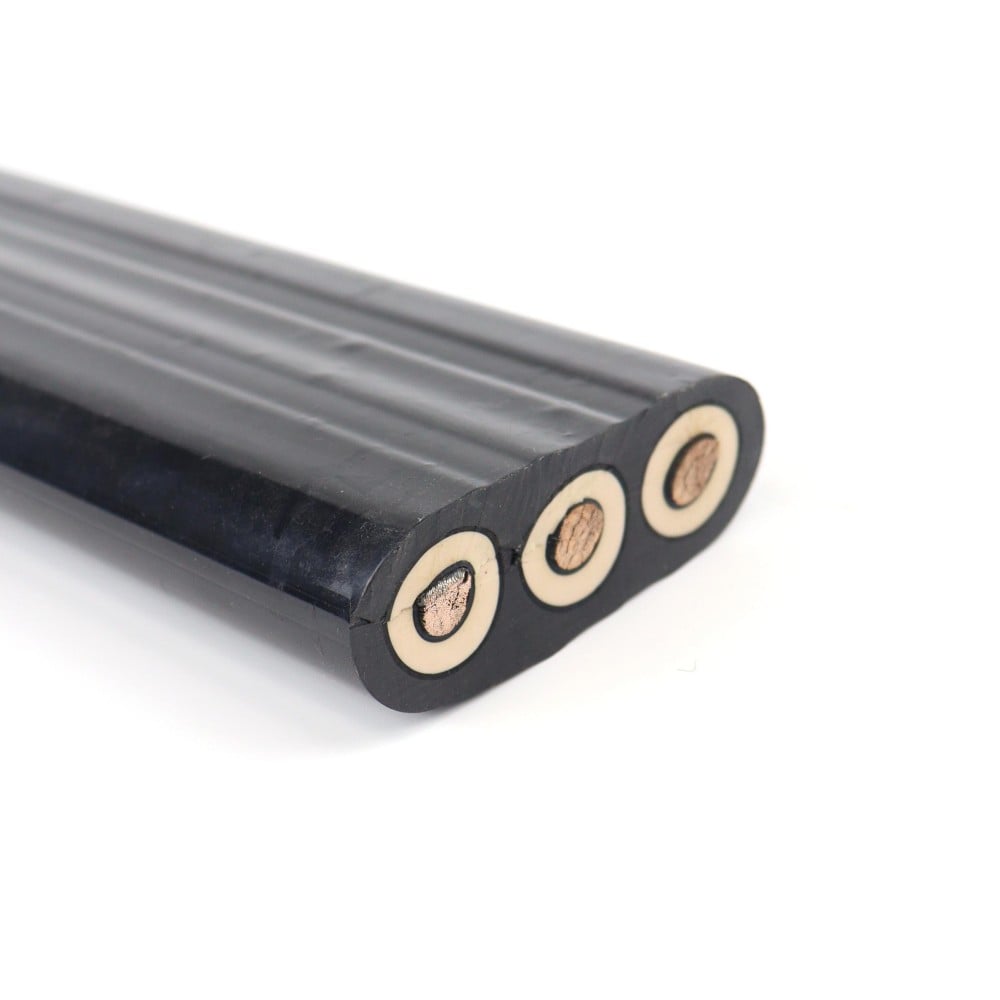
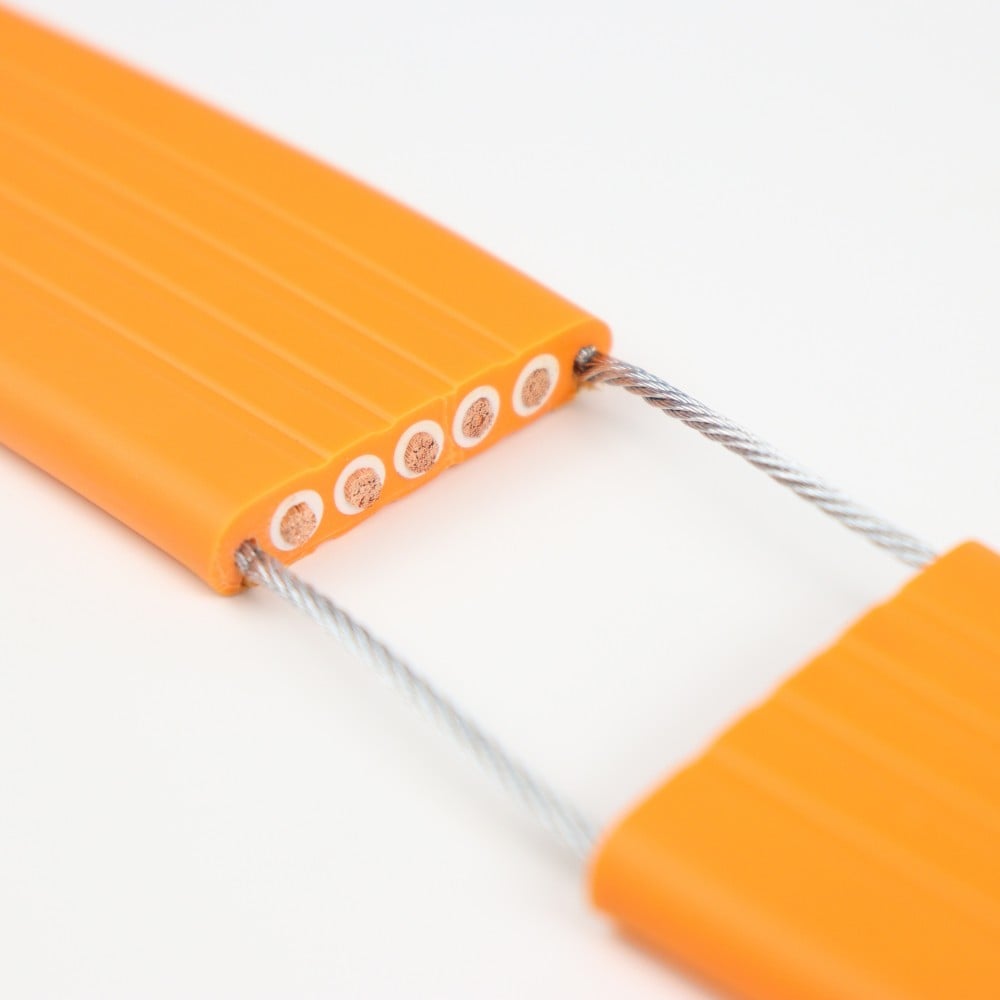
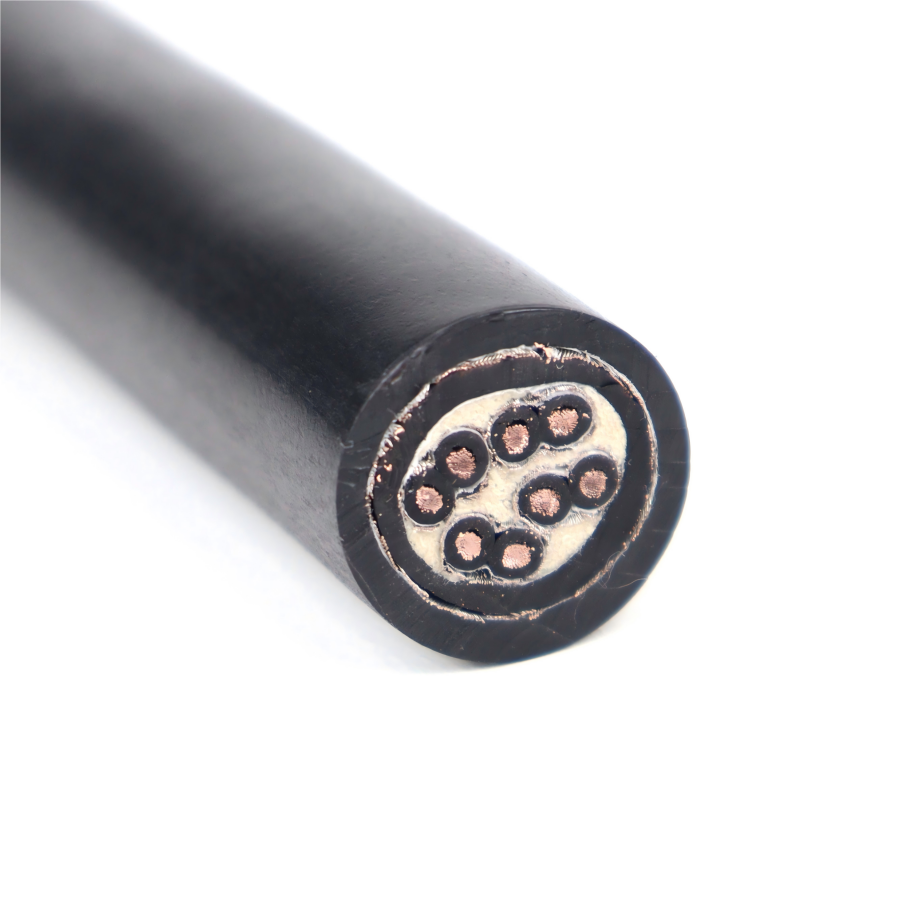
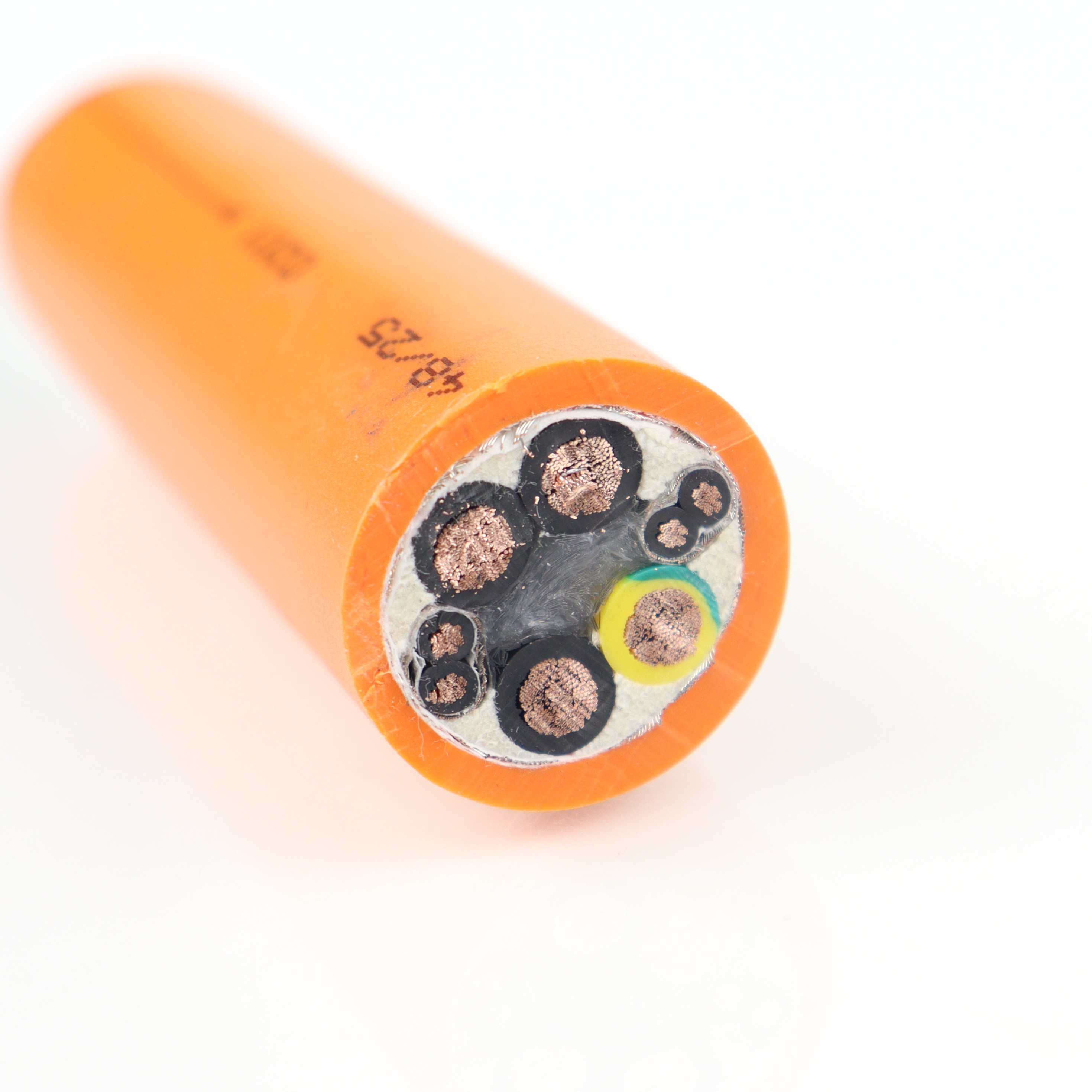
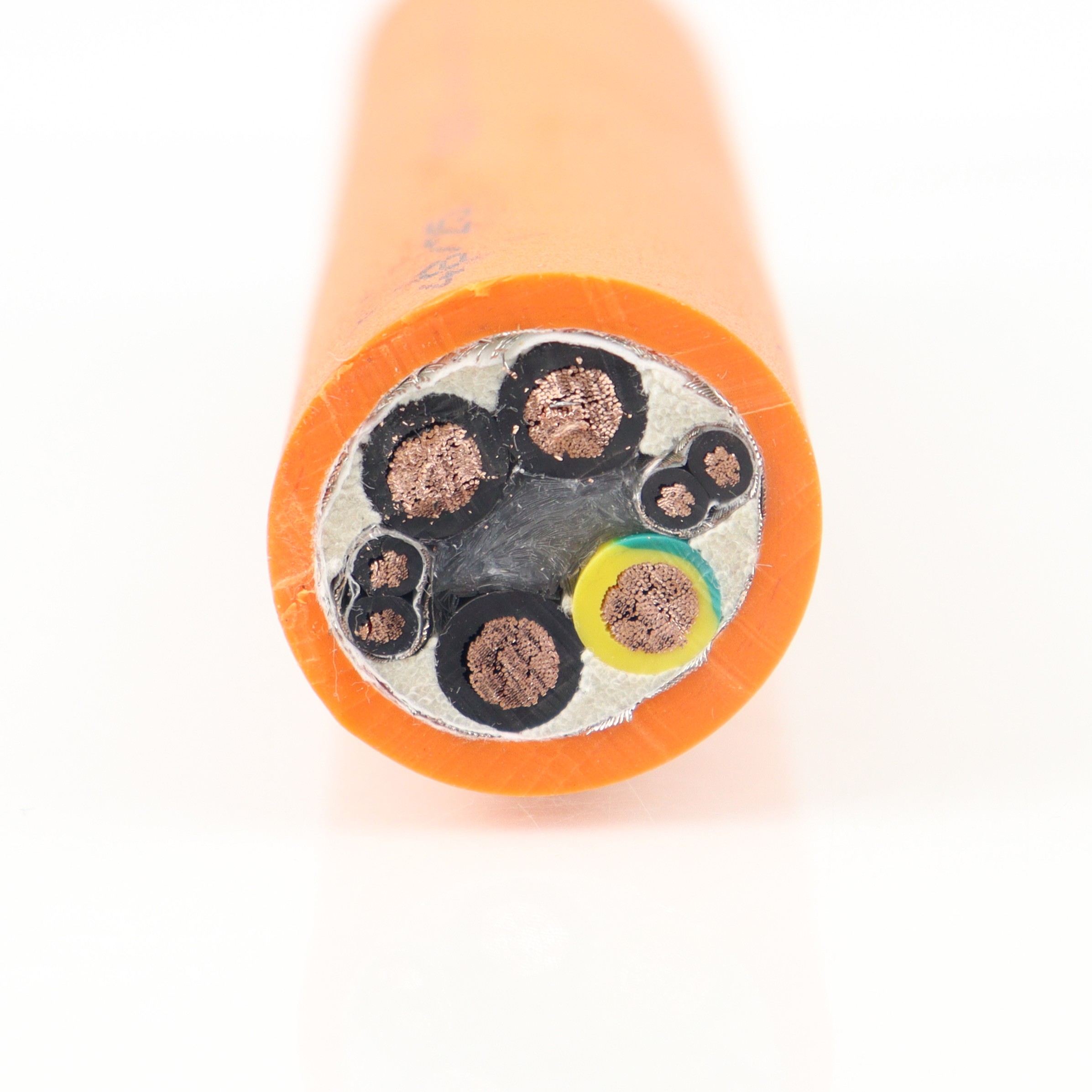
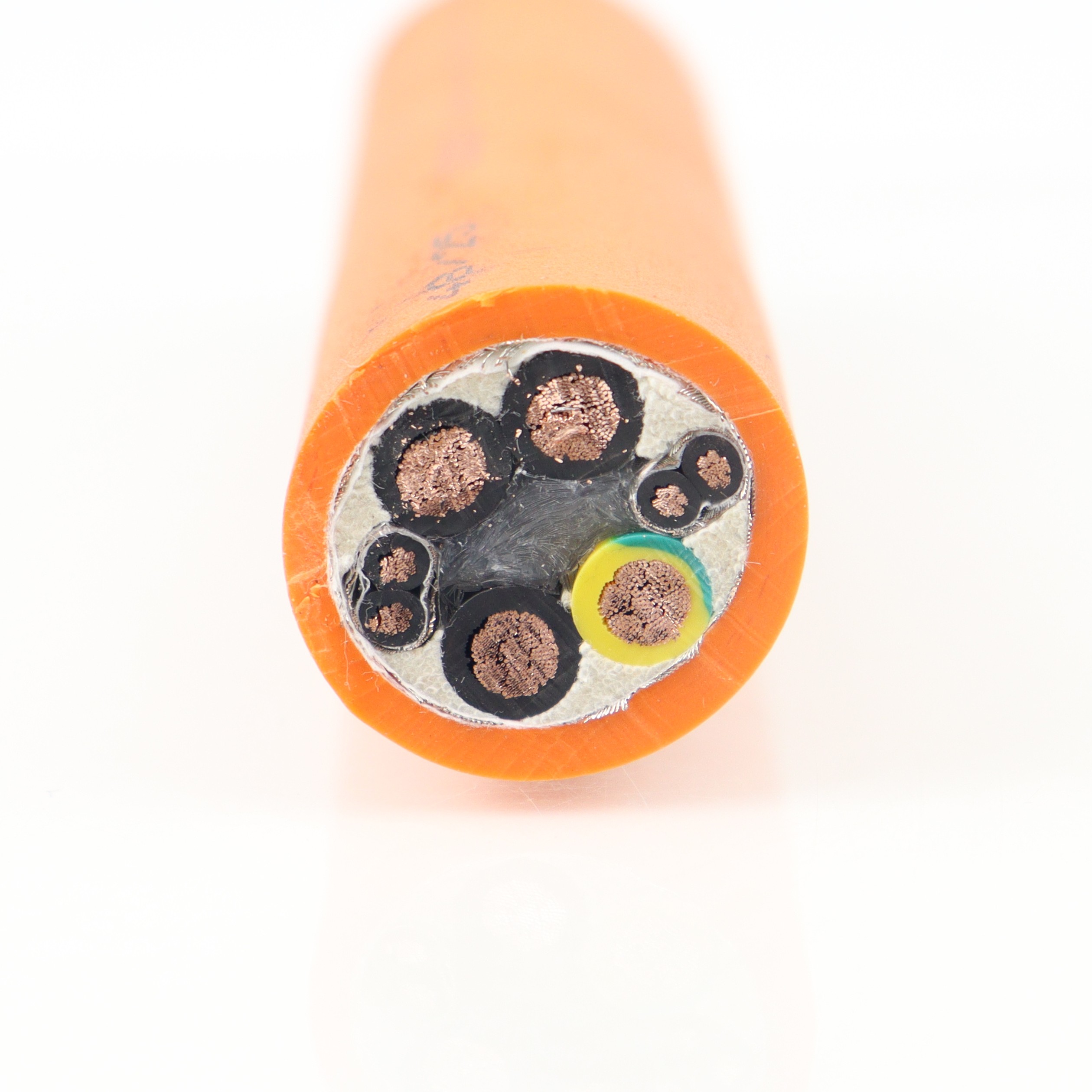
A servo cable is a purpose-built power and feedback connection used between a servo drive, motor, and control system. Unlike a basic power lead, a servo cable supports accurate motion, fast response, and stable operation in machines that start, stop, reverse, and position loads repeatedly. The servo cable carries motor power while separate cores or integrated pairs transmit encoder, resolver, brake, or temperature signals. This combined design helps the controller understand motor position and adjust speed and torque in real time. A servo cable commonly uses flexible copper conductors, durable insulation, shielding, and a protective outer jacket. The servo cable may also include twisted signal pairs that reduce electrical interference near inverters and other equipment. Depending on the machine, builders can choose fixed-installation, continuous-flex, torsion-rated, oil-resistant, flame-retardant, or drag-chain versions. A correctly selected servo cable maintains signal quality during movement and helps prevent unexpected stops caused by noise, heat, bending, or abrasion. The servo cable is available in different conductor sizes, voltage ratings, lengths, connector styles, and jacket materials, making it suitable for both standard and demanding installations. Pre-assembled options can shorten wiring time, while raw cable versions give equipment makers more control over routing and termination. In practical terms, a servo cable forms a dependable link between motion hardware and the control cabinet. It helps automated systems deliver repeatable movement, smooth acceleration, and accurate positioning. Applications include CNC machines, robotic arms, packaging lines, printing equipment, assembly systems, conveyors, and other industrial machines that rely on controlled electric motion.
The main advantage of a servo cable is dependable motion control. By carrying clean power and stable feedback signals, the servo cable helps a motor follow commands accurately. Operators can achieve consistent speed, position, and torque instead of correcting errors caused by poor connections or electrical interference. This accuracy supports better product quality and reduces material waste. A durable servo cable also improves machine availability. Strong insulation, shielding, and jacket materials protect the servo cable from heat, oil, vibration, moisture, and repeated bending. When the cable remains reliable, maintenance teams face fewer unplanned stops and spend less time tracing intermittent faults. The servo cable can therefore lower service costs over the working life of the equipment. Flexibility creates another practical benefit. A continuous-flex servo cable suits robot joints, moving tables, and drag chains, while a fixed-installation servo cable fits cabinets, motors, and stationary routes. Selecting the right design prevents premature fatigue and gives buyers a better match for the machine layout. A servo cable with molded connectors can reduce installation time and wiring mistakes. Ready-to-use assemblies also make replacement simpler because technicians can exchange a tested cable without rebuilding every termination. Where custom lengths or connector positions matter, cut-to-length servo cable options can limit excess material and keep cable routes tidy. Shielded construction helps the servo cable resist interference from drives, relays, and nearby power equipment. This feature supports cleaner feedback and more stable operation in compact production areas. Buyers should compare voltage, current, bend radius, flex cycles, shielding, temperature range, connector type, and certification before ordering. The right servo cable provides a practical balance of reliability, installation speed, safety, and total ownership cost for the intended application.

Practical Tips

Shanghai Libin Cable Showcases Robot and Automation Cable Solutions at CMES Shanghai Industrial Automation & Robotics Exhibition

16

Oct

Shanghai Libin Cable Showcases Robot and Automation Cable Solutions at CMES Shanghai Industrial Automation & Robotics Exhibition

View More
Shanghai Libin Cable Showcases Crane Cable Solutions at the 11th China (Changyuan) International Crane Equipment Expo

16

Oct

Shanghai Libin Cable Showcases Crane Cable Solutions at the 11th China (Changyuan) International Crane Equipment Expo

View More
Why Drag Chain Cables Fail: Four Common Causes and How to Select Correctly

16

Oct

Why Drag Chain Cables Fail: Four Common Causes and How to Select Correctly

View More
Industrial Robot Combination Cable: Routing Power and Signal Together in a Small-Bend-Radius Drag Chain

16

Oct

Industrial Robot Combination Cable: Routing Power and Signal Together in a Small-Bend-Radius Drag Chain

View More

Get a Free Quote

Our representative will contact you soon.
0/1000
Reliable Power and Feedback in One Connection

Reliable Power and Feedback in One Connection

A key strength of the servo cable is its ability to combine motor power with sensitive feedback communication in one organized connection. The power cores deliver energy to the motor, while dedicated pairs carry encoder, resolver, brake, or temperature information back to the drive. This arrangement reduces loose wiring and helps engineers build cleaner control panels and machine routes. With the correct shielding and twisting, the servo cable limits interference that could distort position data or cause unstable movement. The result is more predictable acceleration, stopping, and positioning. For buyers, this design can simplify installation because fewer separate cables need to be routed, supported, and inspected. It also makes troubleshooting easier: technicians can identify one controlled connection between the drive and motor instead of searching through scattered leads. A quality servo cable supports accurate motion without adding unnecessary complexity. It is especially valuable in CNC equipment, robotic cells, packaging machinery, and assembly stations where small movement errors can affect output quality, cycle time, and customer satisfaction.
Built for Continuous Machine Movement

Built for Continuous Machine Movement

Many machines move their cables thousands or millions of times during normal production. A flexible servo cable uses fine-stranded conductors, suitable insulation, and a carefully designed jacket to handle that repeated motion. The cable can travel through a drag chain, follow a robot axis, or bend around a moving table without quickly cracking or losing electrical performance. This capability protects the machine from failures caused by incorrect cable selection. A continuous-flex servo cable is useful when the route changes position during every cycle, while a torsion-rated version suits robotic twisting and rotating joints. Buyers gain longer service life, fewer replacement tasks, and more stable production when the cable matches the actual movement pattern. The servo cable also helps keep moving assemblies organized, reducing the chance of snagging or contact with sharp edges. Choosing the correct bend radius and motion rating remains important, because even a strong servo cable can fail if forced into a tighter route than its design allows. Proper selection turns flexibility into measurable operating value.
Protection Against Industrial Conditions

Protection Against Industrial Conditions

Industrial environments expose wiring to oil, coolant, dust, moisture, vibration, heat, and accidental rubbing. A well-specified servo cable uses a protective jacket and insulation system designed for the conditions around the machine. Shielding helps reduce electrical disturbance from variable-speed drives and other high-power equipment, while abrasion-resistant materials protect routes that pass through crowded production areas. Some versions add flame-retardant performance, chemical resistance, or enhanced temperature capability for specialized installations. This protection helps the servo cable preserve both power delivery and feedback accuracy over time. It also supports safer, more predictable maintenance because technicians can inspect a robust outer surface rather than dealing with early cracking or exposed conductors. For a buyer, environmental protection means fewer emergency replacements and greater confidence that the machine will continue operating during demanding shifts. A suitable servo cable is not simply a connection accessory; it is part of the equipment protection strategy. Matching jacket material, shielding, temperature range, and certification to the site conditions gives the installation durable performance and better long-term value.