Electric Vehicle Cable for Safe EV Charging

application/electric-vehicle-cable, application/electric-vehicle-cable, 
Inquiry
Inquiry

electric vehicle cable

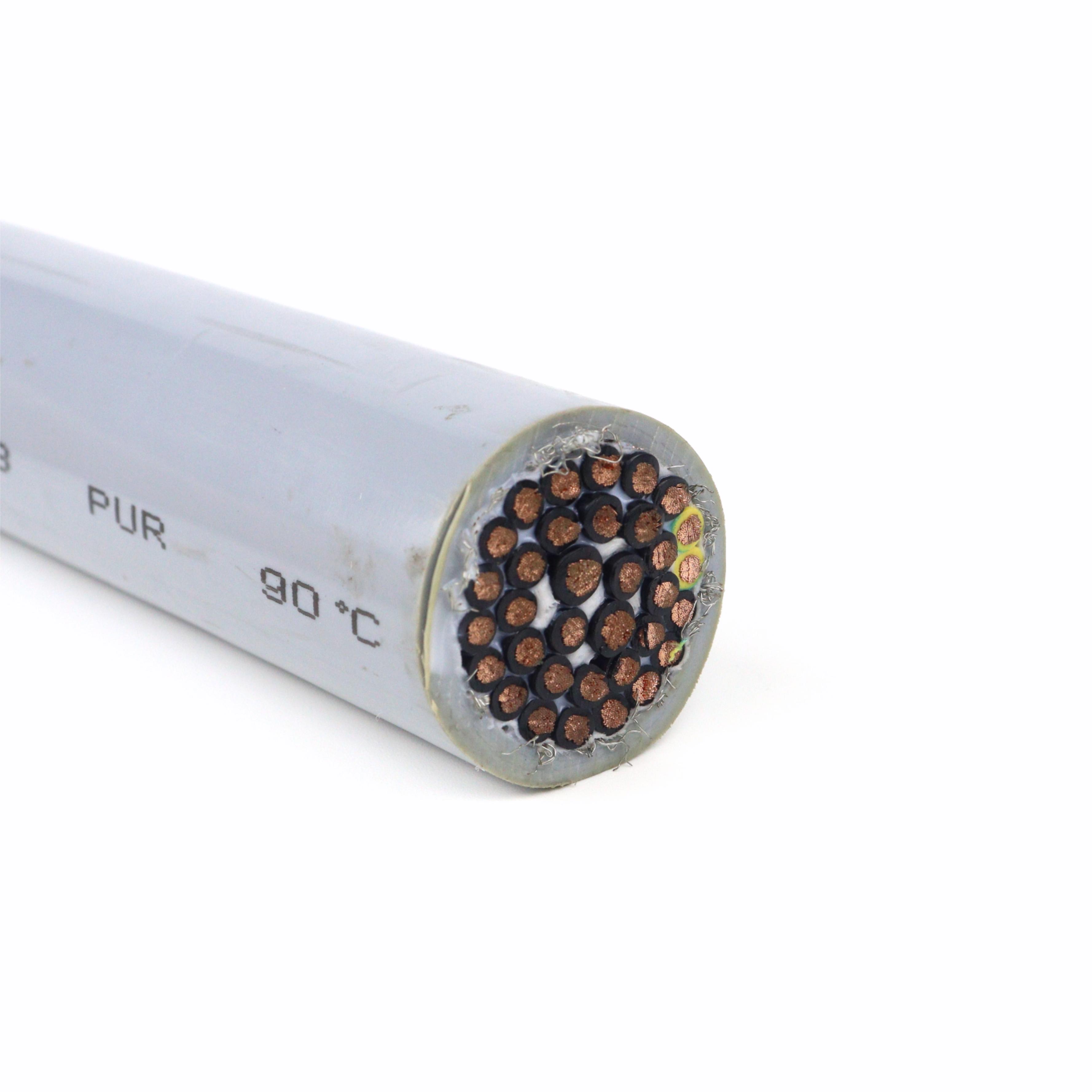
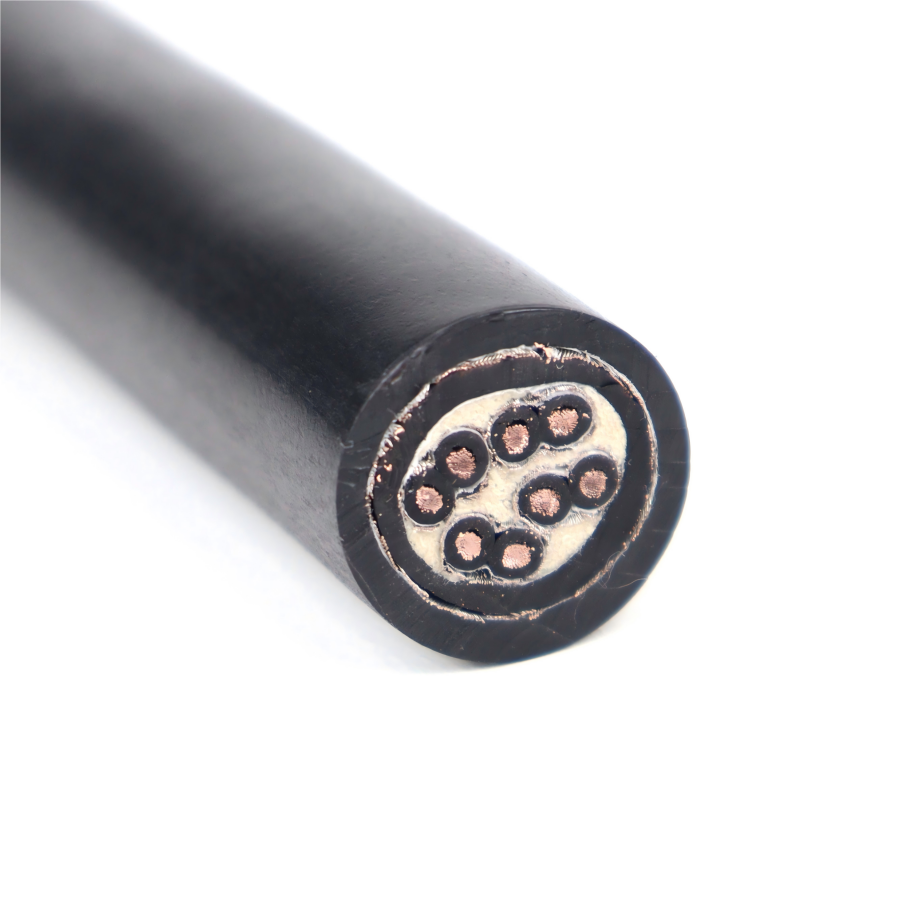
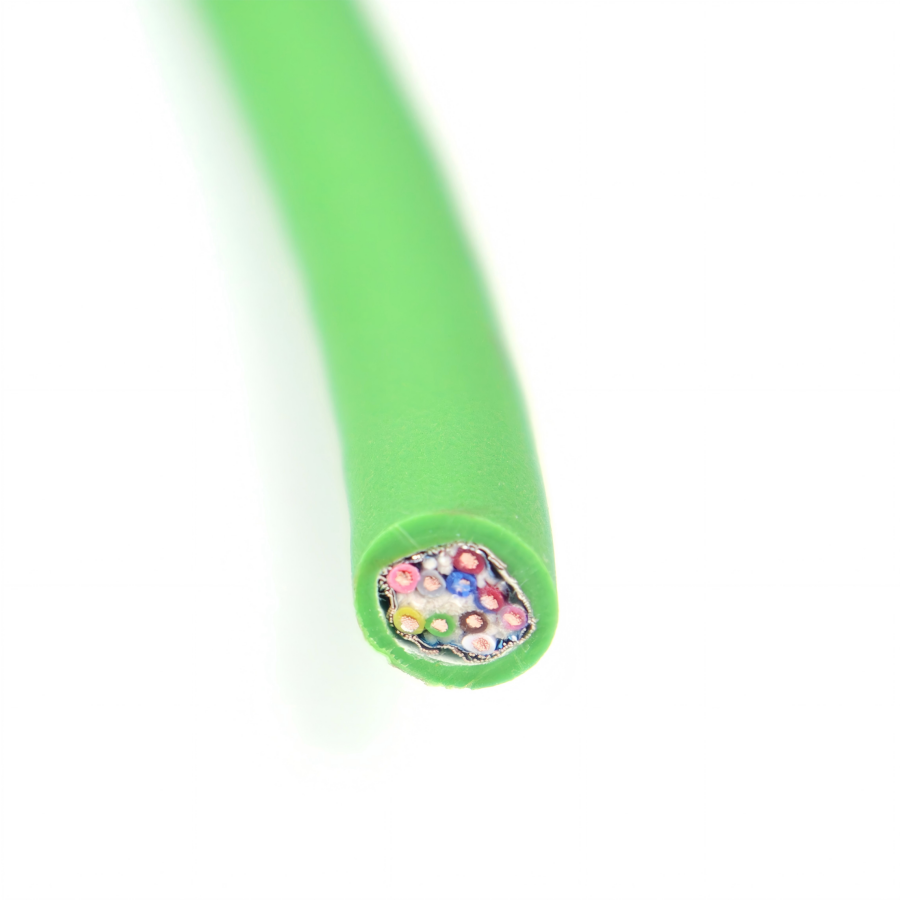
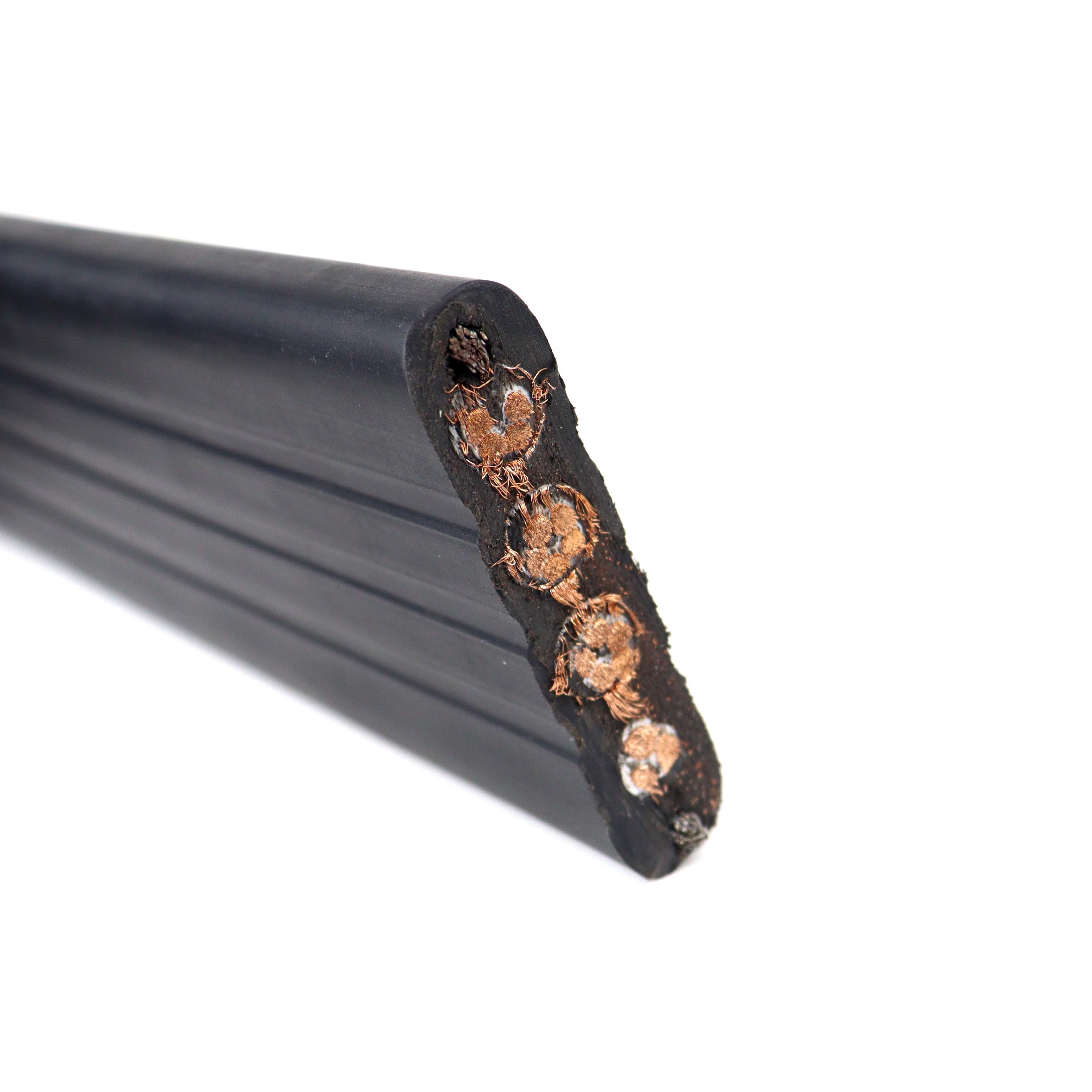
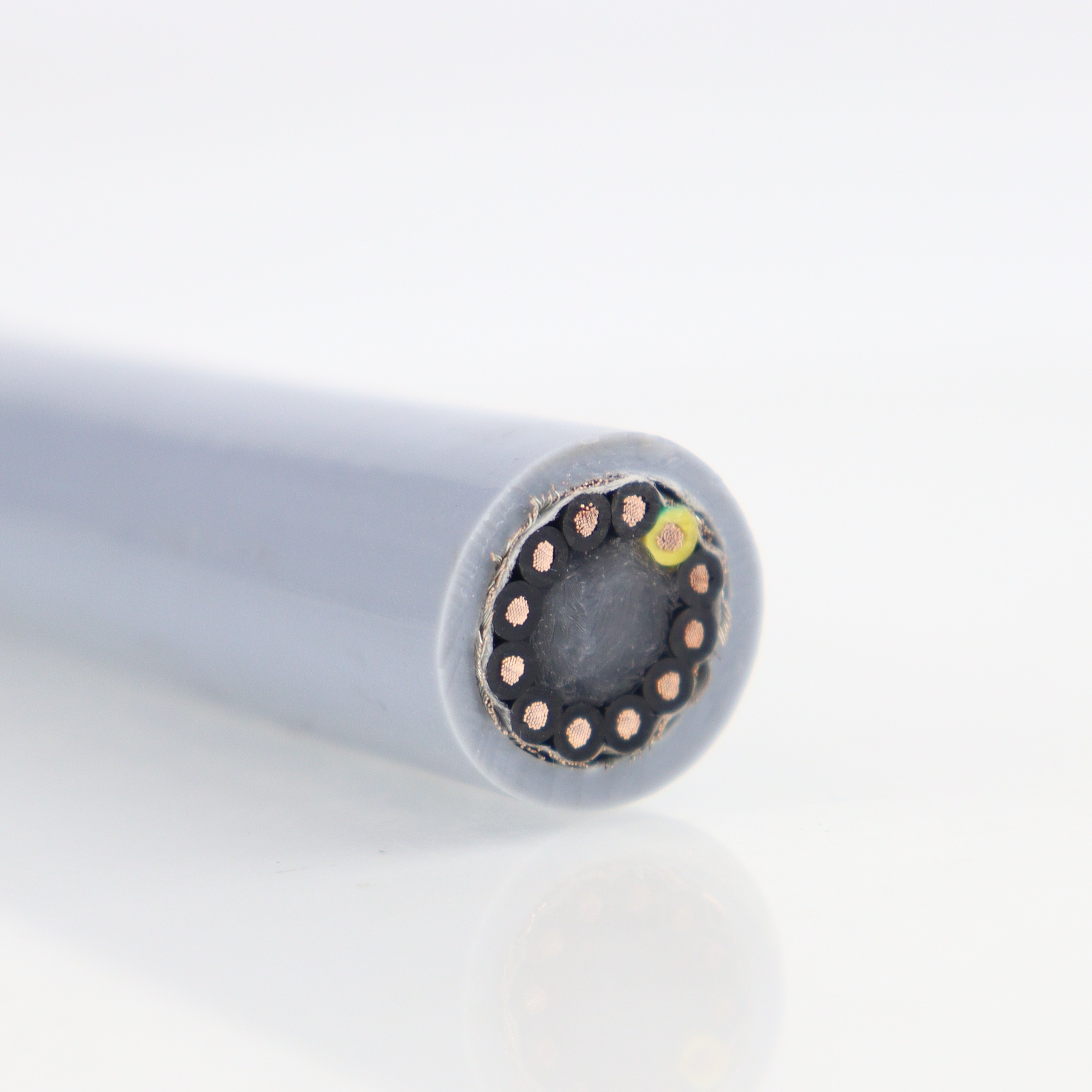
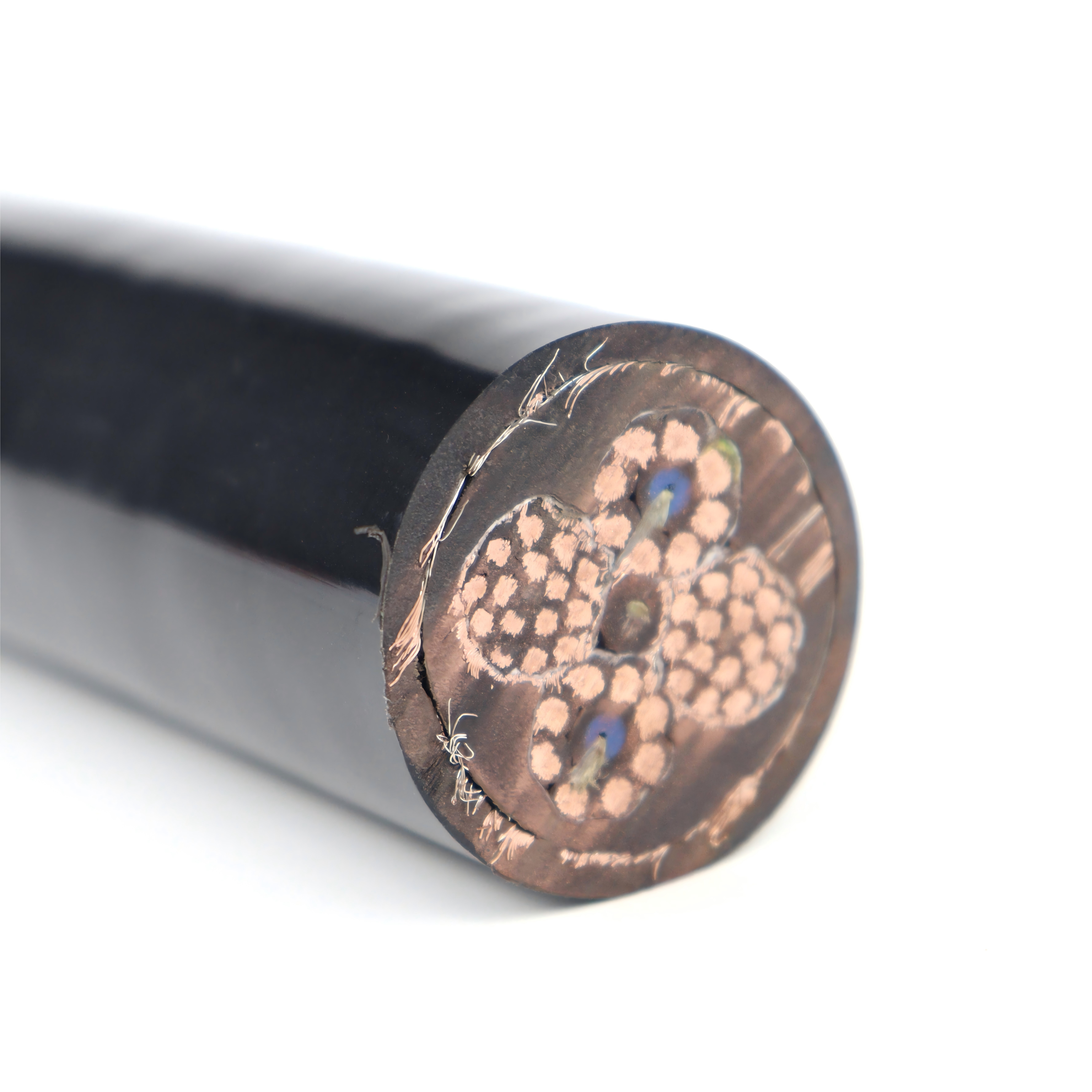
An electric vehicle cable is the essential link between a power source and an electric car, van, bus, or other battery-powered vehicle. It transfers electricity safely while supporting reliable charging at home, workplaces, parking areas, dealerships, and public stations. This electric vehicle cable can connect a wall outlet, portable charger, or charging station to the vehicle inlet, depending on the connector type and charging system. When the electric vehicle cable is correctly matched to the vehicle and charger, it helps deliver steady power without unnecessary interruptions. A well-made electric vehicle cable uses strong copper conductors, protective insulation, sealed connectors, and strain relief to manage daily bending, plugging, and unplugging. The electric vehicle cable may also include temperature sensing, communication contacts, and control functions that allow the charger and vehicle to confirm safe charging conditions. For home use, the electric vehicle cable should offer a suitable length, simple handling, and dependable weather protection. In public settings, an electric vehicle cable needs greater resistance to impact, dirt, moisture, and frequent use. Because an electric vehicle cable carries high electrical loads, safety design matters as much as charging speed. Many electric vehicle cable models support either alternating current charging or direct current charging, although their connectors and power ratings differ. Choosing the right electric vehicle cable means checking the connector, current rating, voltage rating, length, flexibility, and vehicle compatibility. With the correct specification, this product supports convenient charging and helps drivers use electric transport with confidence.
The main advantage of an electric vehicle cable is simple, dependable access to power. Instead of relying on one fixed charging location, drivers can select a cable that suits a home charger, workplace point, public station, or portable charging unit. This electric vehicle cable gives buyers more flexibility because the correct length can reach a socket or vehicle inlet without excessive slack. A shorter version is easier to store in a car, while a longer version can serve a driveway, shared parking bay, or commercial yard. A quality electric vehicle cable also helps reduce charging delays. Secure connectors maintain a stable connection, and suitable conductors support efficient energy transfer with less unwanted heat. For fleet owners, this can make routine charging more predictable and help vehicles return to service on schedule. Another practical benefit is easier handling. Flexible insulation, a manageable weight, and a well-designed grip make the electric vehicle cable quicker to connect, coil, and store. Strong outer protection helps the cable withstand dragging, bending, sunlight, rain, dust, and repeated daily use. Buyers should still choose a product with the correct power rating, plug style, and safety certification for their vehicle and charger. An electric vehicle cable with temperature monitoring or communication support can add another layer of protection by helping equipment respond to abnormal conditions. Home users may value compact storage and weather resistance, while commercial users may prioritize high duty cycles, long reach, and impact resistance. The electric vehicle cable can therefore suit private cars, delivery fleets, rental vehicles, buses, service vehicles, and workplace charging programs. Selecting the proper specification avoids poor fit, limits avoidable wear, and protects the long-term value of the charging setup. It also gives users a practical replacement or spare when a built-in station cable is unavailable.

Tips And Tricks

Shanghai Libin Cable Showcases Robot and Automation Cable Solutions at CMES Shanghai Industrial Automation & Robotics Exhibition

16

Oct

Shanghai Libin Cable Showcases Robot and Automation Cable Solutions at CMES Shanghai Industrial Automation & Robotics Exhibition

View More
Shanghai Libin Cable Showcases Crane Cable Solutions at the 11th China (Changyuan) International Crane Equipment Expo

16

Oct

Shanghai Libin Cable Showcases Crane Cable Solutions at the 11th China (Changyuan) International Crane Equipment Expo

View More
Why Drag Chain Cables Fail: Four Common Causes and How to Select Correctly

16

Oct

Why Drag Chain Cables Fail: Four Common Causes and How to Select Correctly

View More
Industrial Robot Combination Cable: Routing Power and Signal Together in a Small-Bend-Radius Drag Chain

16

Oct

Industrial Robot Combination Cable: Routing Power and Signal Together in a Small-Bend-Radius Drag Chain

View More

Get a Free Quote

Our representative will contact you soon.
0/1000
Safe Power Transfer and Built-In Protection

Safe Power Transfer and Built-In Protection

A key strength of an electric vehicle cable is its focus on controlled power transfer. Inside the electric vehicle cable, copper conductors carry energy while layered insulation separates live parts from the surrounding environment. Protective jackets help resist abrasion, moisture, sunlight, and temperature changes, which matters when the product works outdoors. Depending on the model, the electric vehicle cable can include temperature sensors or control contacts that help the charger and vehicle detect unusual heat, poor connection, or an unsafe charging condition. This active protection can reduce operating risk and support more consistent charging. For customers, the value is straightforward: a reliable cable protects an expensive vehicle and charger while making everyday charging less stressful. Buyers should compare rated current, voltage, connector design, and required safety approvals rather than choosing by appearance alone. A properly matched electric vehicle cable helps prevent overheating, supports stable operation, and gives households and businesses greater confidence during repeated charging cycles.
Flexible Design for Daily Convenience

Flexible Design for Daily Convenience

Daily usability separates a helpful electric vehicle cable from a difficult one. A flexible jacket allows the electric vehicle cable to bend around a vehicle, wall box, or parking space without fighting the user. A suitable length gives drivers room to park in different positions, while a compact design makes storage in a trunk, workshop, or service cabinet easier. The electric vehicle cable should also have a comfortable connector grip and strain relief at both ends. These details reduce pulling stress and make connection faster, especially for drivers who charge every day. In a busy workplace or fleet depot, simple handling can save time across many charging sessions. The electric vehicle cable can also reduce clutter when it coils neatly and stays manageable after use. Buyers should select length according to real installation distance, not simply the longest option available. A well-chosen model avoids unnecessary weight, limits trip hazards, and improves the overall charging experience for private owners, technicians, and commercial drivers.
Broad Application and Long Service Life

Broad Application and Long Service Life

An electric vehicle cable can serve many charging environments when its design matches the application. A home user may need a compact electric vehicle cable for overnight charging, while a fleet operator may need a tougher model for repeated use by different drivers. Public parking sites, dealerships, rental depots, workshops, and business campuses can also use suitable cables to connect vehicles with compatible charging equipment. Durable outer materials help the electric vehicle cable handle frequent coiling, vehicle movement, outdoor exposure, and occasional contact with rough surfaces. Sealed connectors can provide added resistance to water and dust, but users should still follow the product care instructions and avoid unsafe storage. Long service life brings clear buyer value: fewer replacements, less downtime, and more predictable maintenance costs. Choosing an electric vehicle cable with the correct connector, power capacity, flexibility, and environmental rating helps the product perform reliably in its intended setting. This makes it a practical investment for both individual drivers and growing electric transport operations.