Reliable Electric Vehicle Power Cable Guide

application/electric-vehicle-power-cable, application/electric-vehicle-power-cable, 
Inquiry
Inquiry

electric vehicle power cable

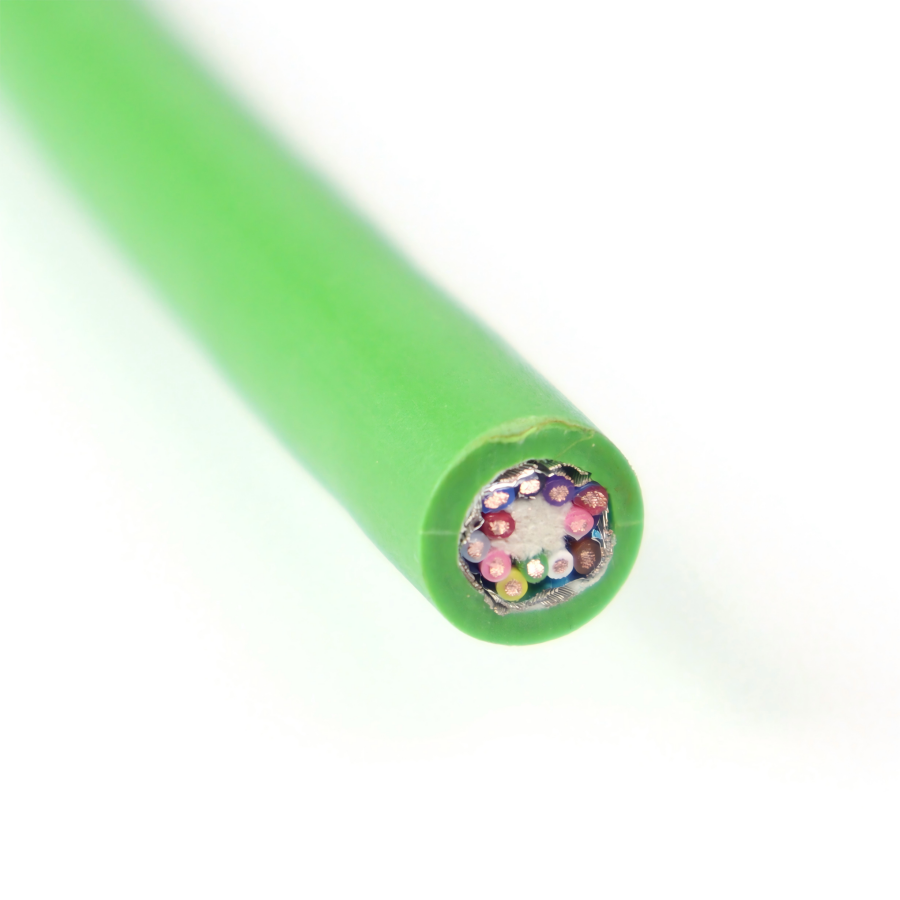
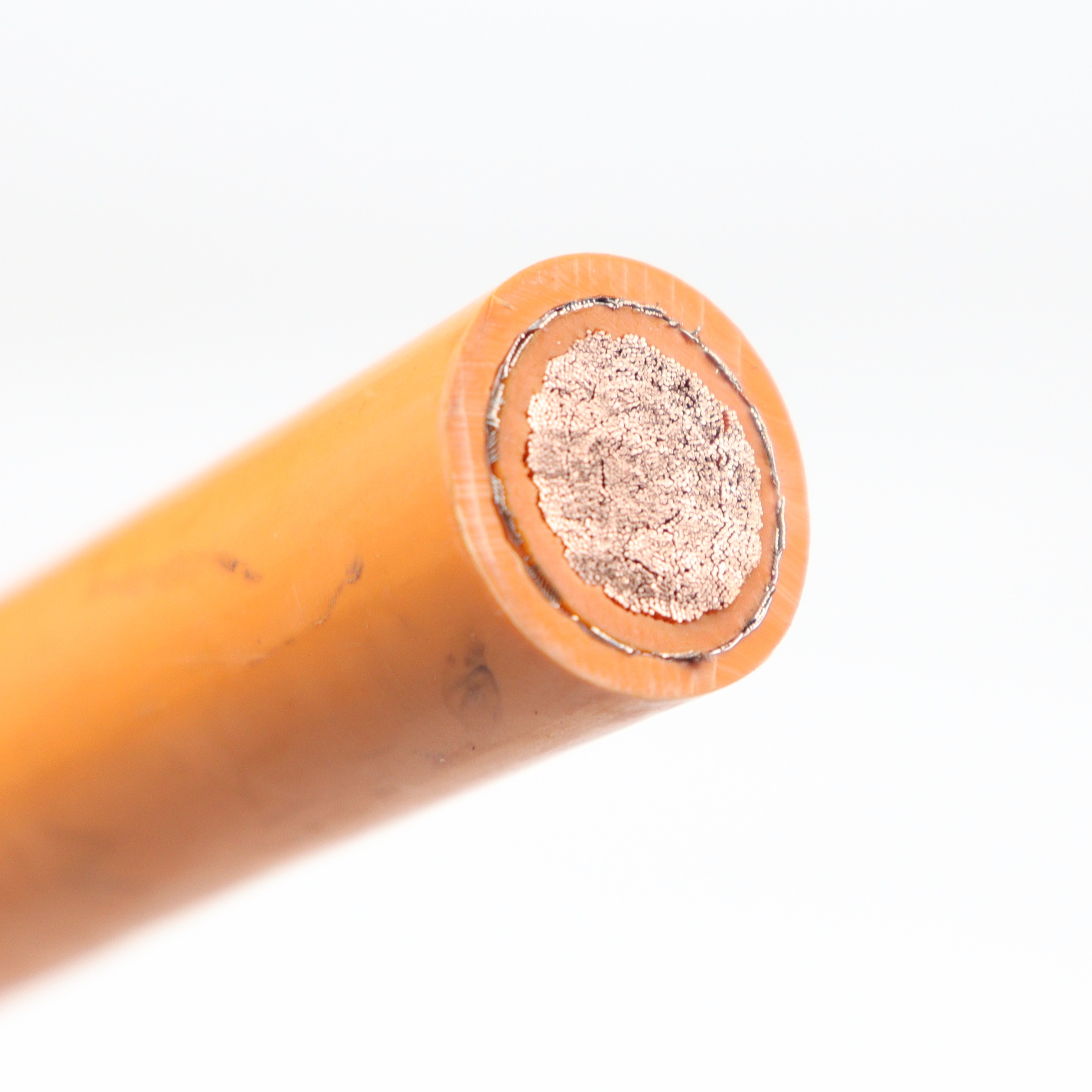
An electric vehicle power cable transfers electrical energy from a charging source to an electric car, van, bus, or fleet vehicle. It forms the essential link between a wall charger, charging station, or portable supply and the vehicle battery. A reliable electric vehicle power cable supports safe, stable, and efficient charging for daily transport. The electric vehicle power cable may be designed for home charging, workplace use, public charging, or high-demand commercial operations. This electric vehicle power cable typically includes power conductors, insulation, protective shielding, connectors, and strain relief parts. Together, these elements control current flow and protect users from heat, moisture, impact, and electrical faults. For home use, an electric vehicle power cable can connect a domestic charging unit with a vehicle during overnight charging. In public stations, the electric vehicle power cable must handle frequent connection, outdoor exposure, and varied vehicle models. A modern electric vehicle power cable may support alternating-current or direct-current charging, depending on the system and required charging speed. When selected correctly, the electric vehicle power cable matches voltage, current rating, connector type, cable length, and installation conditions. For manufacturers, the electric vehicle power cable also supports dependable vehicle performance and consistent charging access. Overall, an electric vehicle power cable is a practical component that helps turn available electricity into usable driving range. Buyers should check certification, temperature rating, flexibility, durability, and compatibility before purchase. The right cable can reduce charging interruptions, simplify installation, and provide dependable service over many charging cycles.
The main advantage of an electric vehicle power cable is dependable energy transfer. A well-built electric vehicle power cable delivers current with limited energy loss, helping drivers charge efficiently and make better use of available power. Correct cable sizing also helps manage heat and reduces stress on the charging system. This can support safer operation and lower the chance of avoidable service problems. An electric vehicle power cable gives buyers flexibility because different versions suit garages, office car parks, public stations, workshops, and fleet depots. A longer electric vehicle power cable can reach a vehicle parked farther from the charger, while a compact option is easier to store and carry. Flexible insulation makes an electric vehicle power cable simpler to handle in cold or tight spaces. Strong outer protection helps the cable resist water, dust, sunlight, abrasion, and repeated bending. For commercial users, the electric vehicle power cable can support frequent daily charging without becoming difficult to manage. A suitable electric vehicle power cable also helps operators serve different vehicle types when its connector and electrical rating match the charging equipment. This reduces compatibility concerns when expanding a fleet or adding charging points. Clear markings and tested connectors make the electric vehicle power cable easier to identify and use correctly. Buyers should consider charging speed, cable length, connector standard, weather exposure, storage needs, and expected usage frequency. Choosing an electric vehicle power cable based on these practical factors can prevent wasted spending on an unsuitable product. It can also improve driver confidence, reduce downtime, and make routine charging more convenient. For installers, the electric vehicle power cable supports a cleaner project when it is available in the right length and construction. Overall, its value comes from safe operation, useful flexibility, lasting performance, and a closer fit with real charging conditions.

Latest News

Shanghai Libin Cable Showcases Robot and Automation Cable Solutions at CMES Shanghai Industrial Automation & Robotics Exhibition

16

Oct

Shanghai Libin Cable Showcases Robot and Automation Cable Solutions at CMES Shanghai Industrial Automation & Robotics Exhibition

View More
Shanghai Libin Cable Showcases Crane Cable Solutions at the 11th China (Changyuan) International Crane Equipment Expo

16

Oct

Shanghai Libin Cable Showcases Crane Cable Solutions at the 11th China (Changyuan) International Crane Equipment Expo

View More
Why Drag Chain Cables Fail: Four Common Causes and How to Select Correctly

16

Oct

Why Drag Chain Cables Fail: Four Common Causes and How to Select Correctly

View More
Industrial Robot Combination Cable: Routing Power and Signal Together in a Small-Bend-Radius Drag Chain

16

Oct

Industrial Robot Combination Cable: Routing Power and Signal Together in a Small-Bend-Radius Drag Chain

View More

Get a Free Quote

Our representative will contact you soon.
0/1000
Built for Safe, Stable Charging

Built for Safe, Stable Charging

A dependable electric vehicle power cable helps move electricity steadily from the charging equipment to the vehicle battery. Its conductor design supports consistent current flow, while carefully selected insulation helps contain heat and protect users from contact with live parts. The electric vehicle power cable can also include shielding and reinforced construction to reduce damage caused by bending, pulling, or accidental contact. This matters because charging often takes place in busy garages, public areas, and commercial sites where equipment receives regular handling. A properly rated electric vehicle power cable works with the charger output and vehicle requirements instead of forcing the system to operate beyond its intended limits. Buyers gain greater confidence during routine charging and can reduce the risk of interruptions linked to poor connections or unsuitable materials. For installers and fleet managers, the electric vehicle power cable offers a practical safety layer that supports orderly, repeatable charging across many vehicles.
Flexible Options for Every Location

Flexible Options for Every Location

The electric vehicle power cable adapts to different charging environments through varied lengths, connector designs, and protective jackets. A home user may need a manageable cable for a garage, while a fleet operator may require a longer electric vehicle power cable for several parking positions. Flexible construction makes routing easier around walls, posts, and vehicle spaces, helping reduce sharp bends and trip hazards. Outdoor versions of the electric vehicle power cable can use weather-resistant materials that handle rain, sunlight, dust, and changing temperatures. Portable designs also allow drivers to keep a charging solution in the vehicle for travel or backup use. By matching cable design to the location, buyers avoid paying for unnecessary features while still receiving the reach and protection they need. This application flexibility makes the electric vehicle power cable suitable for passenger cars, delivery vans, buses, service vehicles, and workplace charging programs. The result is simpler installation and more convenient everyday use.
Durable Performance and Lower Disruption

Durable Performance and Lower Disruption

A quality electric vehicle power cable is built for repeated connection, movement, and charging cycles. Reinforced connector areas help limit stress where the cable joins the plug, while a tough outer jacket protects internal parts from scuffs, moisture, and everyday handling. This durable electric vehicle power cable can maintain reliable performance in demanding homes, public stations, workshops, and fleet depots. Long service life gives buyers better value because they may replace cables less often and spend less time dealing with charging interruptions. The electric vehicle power cable also supports easier maintenance when its surface is simple to clean and its markings remain clear. Operators can quickly identify the correct cable rating and connector, reducing selection errors during busy periods. For businesses, that reliability can improve vehicle availability and help keep scheduled routes moving. Choosing an electric vehicle power cable with suitable temperature, current, and environmental ratings creates useful protection against premature wear and supports predictable operating costs.