Electric Vehicle Charging Cable Buying Guide

application/electric-vehicle-charging-cable, application/electric-vehicle-charging-cable, 
Inquiry
Inquiry

electric vehicle charging cable

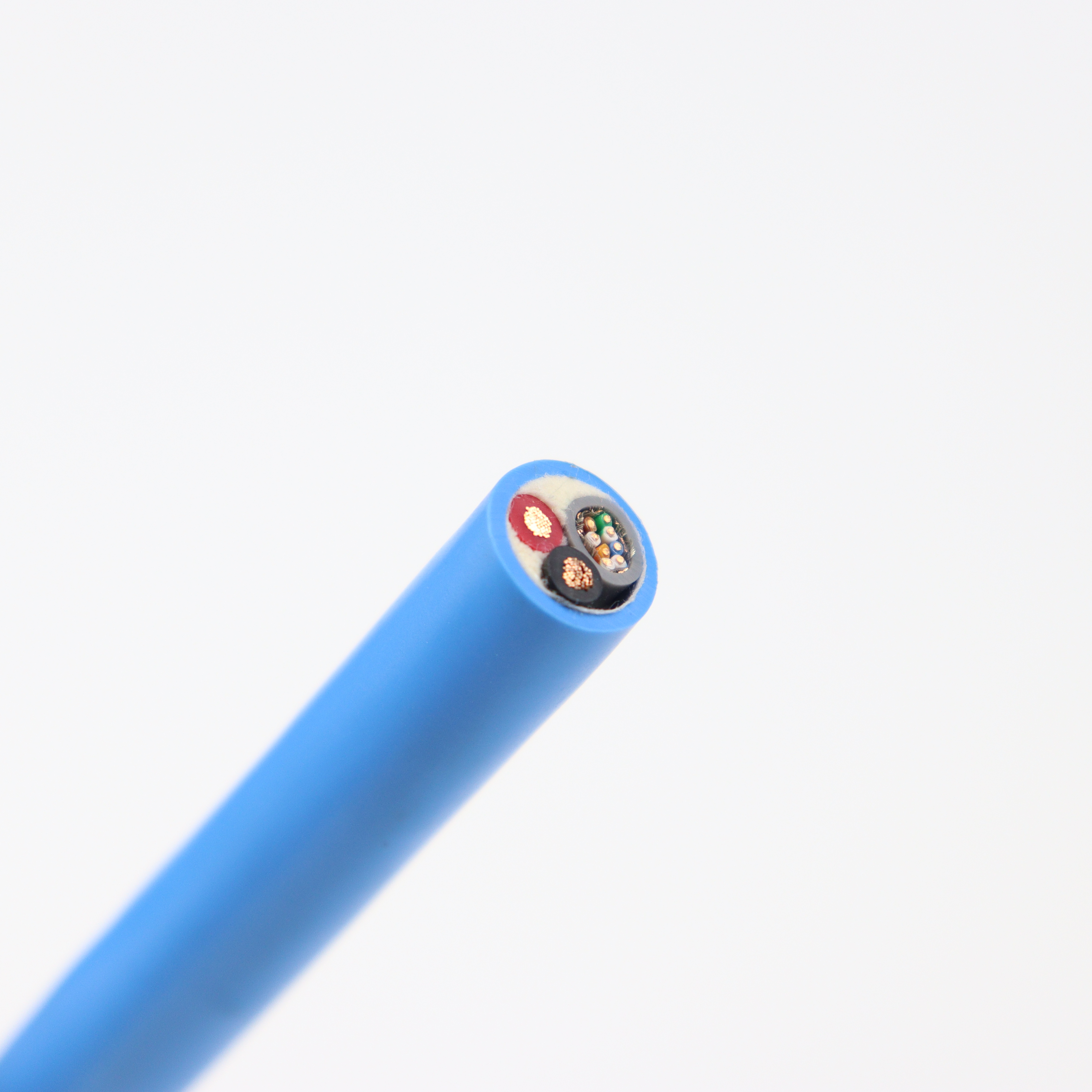
An electric vehicle charging cable connects an electric car to a power source so its battery can recharge safely and efficiently. It carries electricity from a wall outlet, home charger, workplace unit, or public charging station to the vehicle inlet. An electric vehicle charging cable may support slow overnight charging, faster daily charging, or high-power public charging, depending on its design, current rating, and connector type. Most models use Type 1, Type 2, CCS, or other regional connections, so buyers must match the plug to both the vehicle and charging equipment. A quality electric vehicle charging cable includes insulated conductors, durable connectors, protective strain relief, and a flexible outer jacket that resists heat, moisture, abrasion, and sunlight. For home users, an electric vehicle charging cable makes routine charging simple and convenient. At public stations, an electric vehicle charging cable provides a reliable link between the car and the charger, helping drivers return to the road with less waiting. Portable versions can stay in the trunk for travel, while fixed versions suit regular charging points. The electric vehicle charging cable can also include temperature monitoring, over-current protection, grounding checks, and communication between the car and charger. These features help control charging and reduce avoidable risks. Different cable lengths improve parking flexibility, while ergonomic handles make connection easier. A modern electric vehicle charging cable supports dependable energy transfer without requiring specialist skills. Its performance depends on correct connector fit, suitable power capacity, proper storage, and regular inspection. When selecting an electric vehicle charging cable, consider vehicle compatibility, charging speed, length, weather protection, safety certification, and intended location. The right option supports dependable charging at home, work, public sites, and on the road.
The main advantage of an electric vehicle charging cable is convenient access to power wherever a compatible charger is available. Instead of relying on one location, drivers can keep a cable in the car and charge at home, at work, during a visit, or while traveling. An electric vehicle charging cable also helps users choose a charging setup that matches their routine. A longer cable can reach a vehicle parked farther from the wall box, while a compact model takes less storage space. For buyers, an electric vehicle charging cable offers a practical way to control charging costs. Home charging often supports lower daily energy expenses than frequent use of public fast chargers, and a dependable connection helps make that routine predictable. The electric vehicle charging cable can also improve operating efficiency by delivering stable power with less interruption from loose plugs or poor cable construction. Safety is another important benefit. A suitable electric vehicle charging cable uses strong insulation, secure contacts, strain relief, and protective features that help manage heat and electrical load. Weather-resistant materials make selected models suitable for driveways, parking areas, fleet yards, and outdoor stations. The electric vehicle charging cable is useful for private cars, company vehicles, rental fleets, apartment parking, dealerships, and service centers. Businesses can select higher-rated cables for regular use, while occasional drivers may prefer a lighter portable option. Buyers should compare connector type, amperage, cable length, flexibility, protection rating, and certification before purchase. Choosing the electric vehicle charging cable for the vehicle and charger reduces compatibility problems and supports safer daily use. A well-made electric vehicle charging cable can also last longer, reducing replacement effort and helping maintain consistent charging performance. In practical terms, it saves time, improves flexibility, supports different locations, and makes electric vehicle ownership easier to manage.

Tips And Tricks

Shanghai Libin Cable Showcases Robot and Automation Cable Solutions at CMES Shanghai Industrial Automation & Robotics Exhibition

16

Oct

Shanghai Libin Cable Showcases Robot and Automation Cable Solutions at CMES Shanghai Industrial Automation & Robotics Exhibition

View More
Shanghai Libin Cable Showcases Crane Cable Solutions at the 11th China (Changyuan) International Crane Equipment Expo

16

Oct

Shanghai Libin Cable Showcases Crane Cable Solutions at the 11th China (Changyuan) International Crane Equipment Expo

View More
Why Drag Chain Cables Fail: Four Common Causes and How to Select Correctly

16

Oct

Why Drag Chain Cables Fail: Four Common Causes and How to Select Correctly

View More
Industrial Robot Combination Cable: Routing Power and Signal Together in a Small-Bend-Radius Drag Chain

16

Oct

Industrial Robot Combination Cable: Routing Power and Signal Together in a Small-Bend-Radius Drag Chain

View More

Get a Free Quote

Our representative will contact you soon.
0/1000
Reliable Power Transfer for Everyday Charging

Reliable Power Transfer for Everyday Charging

A dependable electric vehicle charging cable creates a stable path between the charger and the battery, helping drivers receive consistent energy during each session. Strong copper conductors and carefully sealed connectors reduce connection losses and support efficient power delivery. For users, this means fewer interruptions and more confidence when charging overnight or before a busy trip. The electric vehicle charging cable can support different power levels, allowing buyers to choose a model for a standard home outlet, a wall box, or a public charger. Proper load handling also helps limit unnecessary heat during operation. The electric vehicle charging cable is especially valuable for drivers who charge every day because reliable construction can reduce wear on both the plug and vehicle inlet. Clear connector markings and an ergonomic grip make setup quick, even in low light or cold weather. By combining stable performance with simple handling, this charging solution helps turn battery charging into a predictable part of the daily routine.
Built for Safe Indoor and Outdoor Use

Built for Safe Indoor and Outdoor Use

Safety-focused construction gives an electric vehicle charging cable value beyond basic power delivery. A durable outer jacket helps protect internal wires from moisture, abrasion, sunlight, and repeated bending. Reinforced ends reduce stress where the cable meets the plug, which can help prevent early damage caused by frequent handling. An electric vehicle charging cable with temperature monitoring and load protection can respond to unusual heat or excessive current, supporting safer charging conditions. Grounding checks and secure contact design add another layer of protection when the equipment is correctly installed and used. The electric vehicle charging cable can suit garages, driveways, commercial parking areas, fleet depots, and public charging locations when its protection rating matches the environment. Buyers benefit from a product that works across changing conditions rather than only in a clean indoor space. Easy-to-see markings also help users confirm the correct connection. With regular inspection and proper storage, this cable provides a practical balance of safety, durability, and everyday convenience.
Flexible Compatibility for More Charging Locations

Flexible Compatibility for More Charging Locations

A versatile electric vehicle charging cable helps one vehicle work with more charging opportunities. Correct connector options allow drivers to use compatible home chargers, workplace units, public stations, and travel equipment without carrying several different products. Before purchase, users should check the vehicle inlet, charger socket, current rating, and local charging standard. The electric vehicle charging cable should also match the required charging speed; a higher-rated cable does not automatically make a vehicle charge faster than its onboard system allows. Suitable length adds practical value. A short model is easy to store, while a longer electric vehicle charging cable can reach a socket without forcing the car into an awkward parking position. Flexible material makes coiling and unpacking easier, especially in colder conditions. For families, fleets, and frequent travelers, this adaptability reduces planning effort and supports charging in more locations. The electric vehicle charging cable therefore helps protect mobility, improve daily convenience, and make an electric car more useful across changing travel needs.