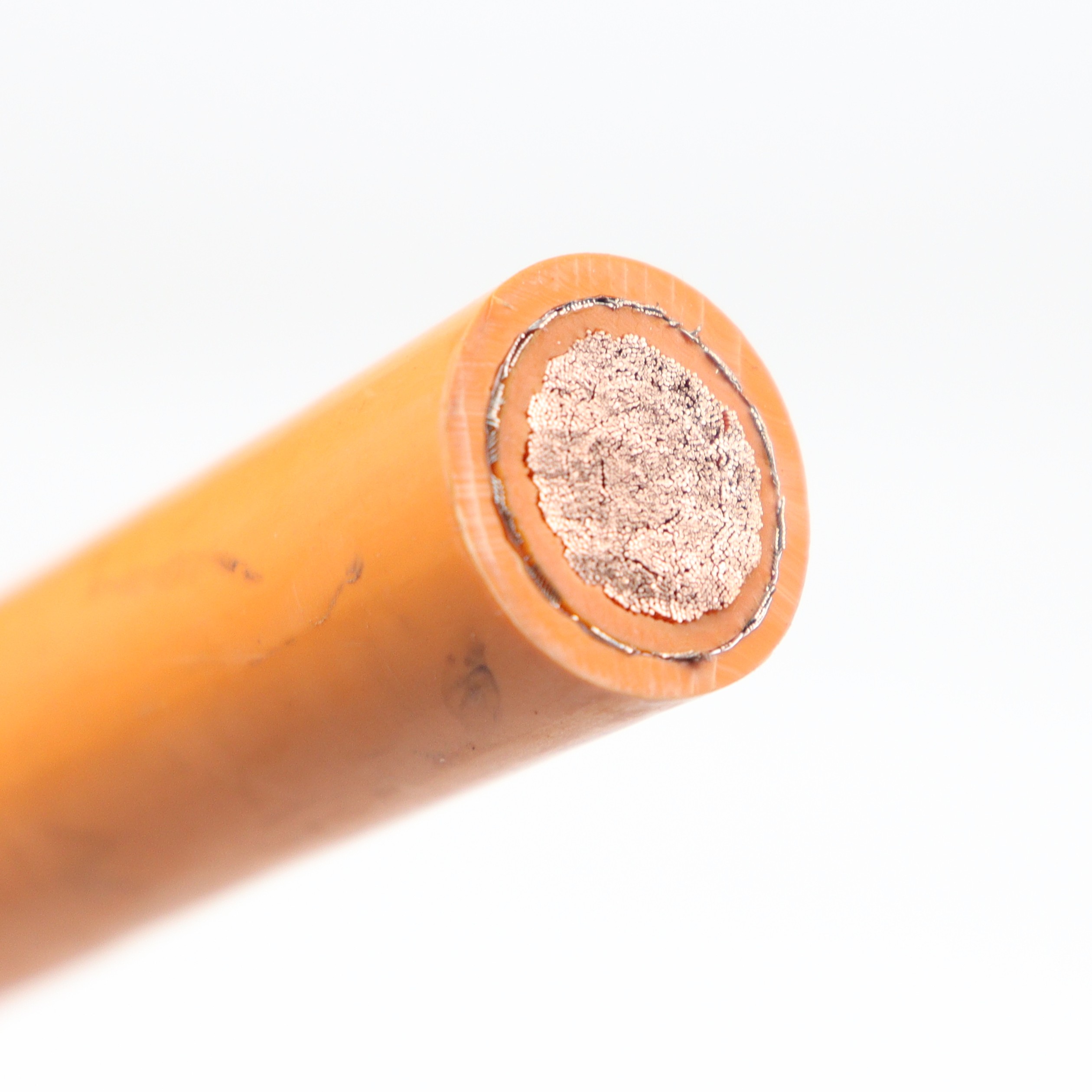
industrial ev cable
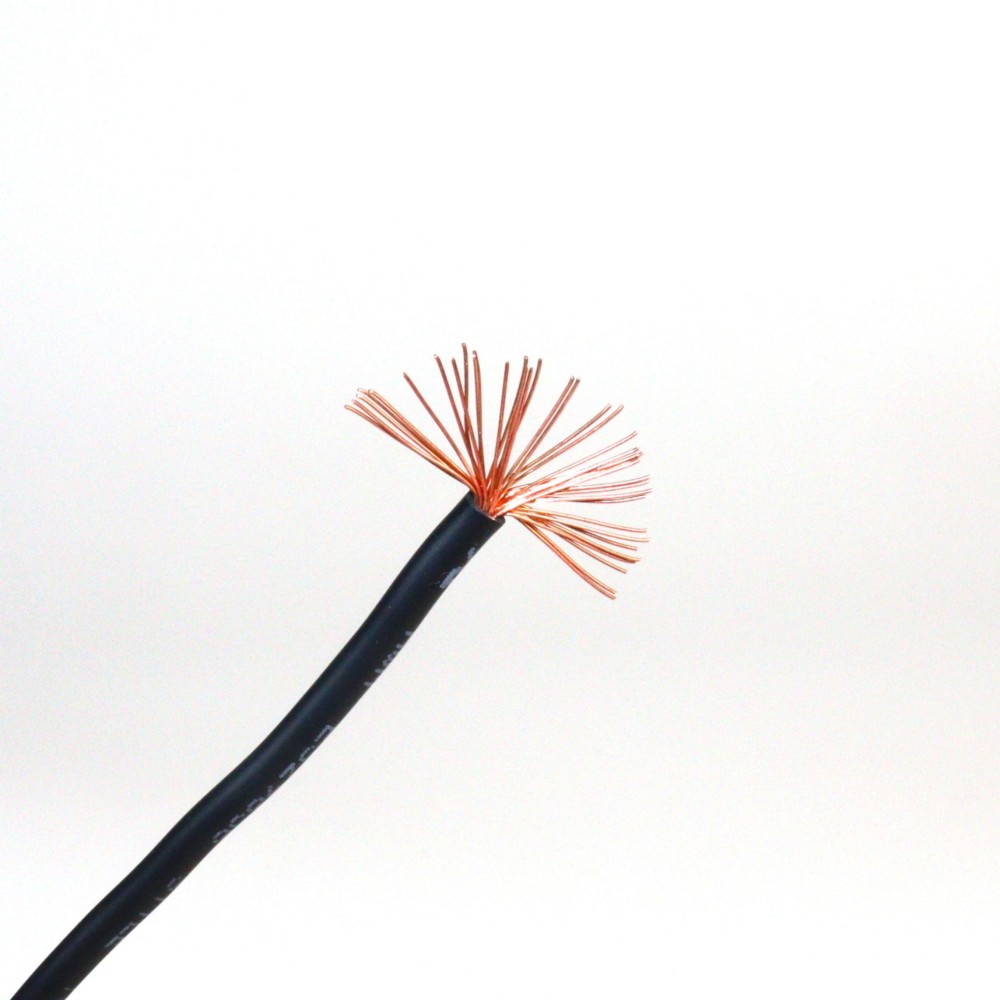
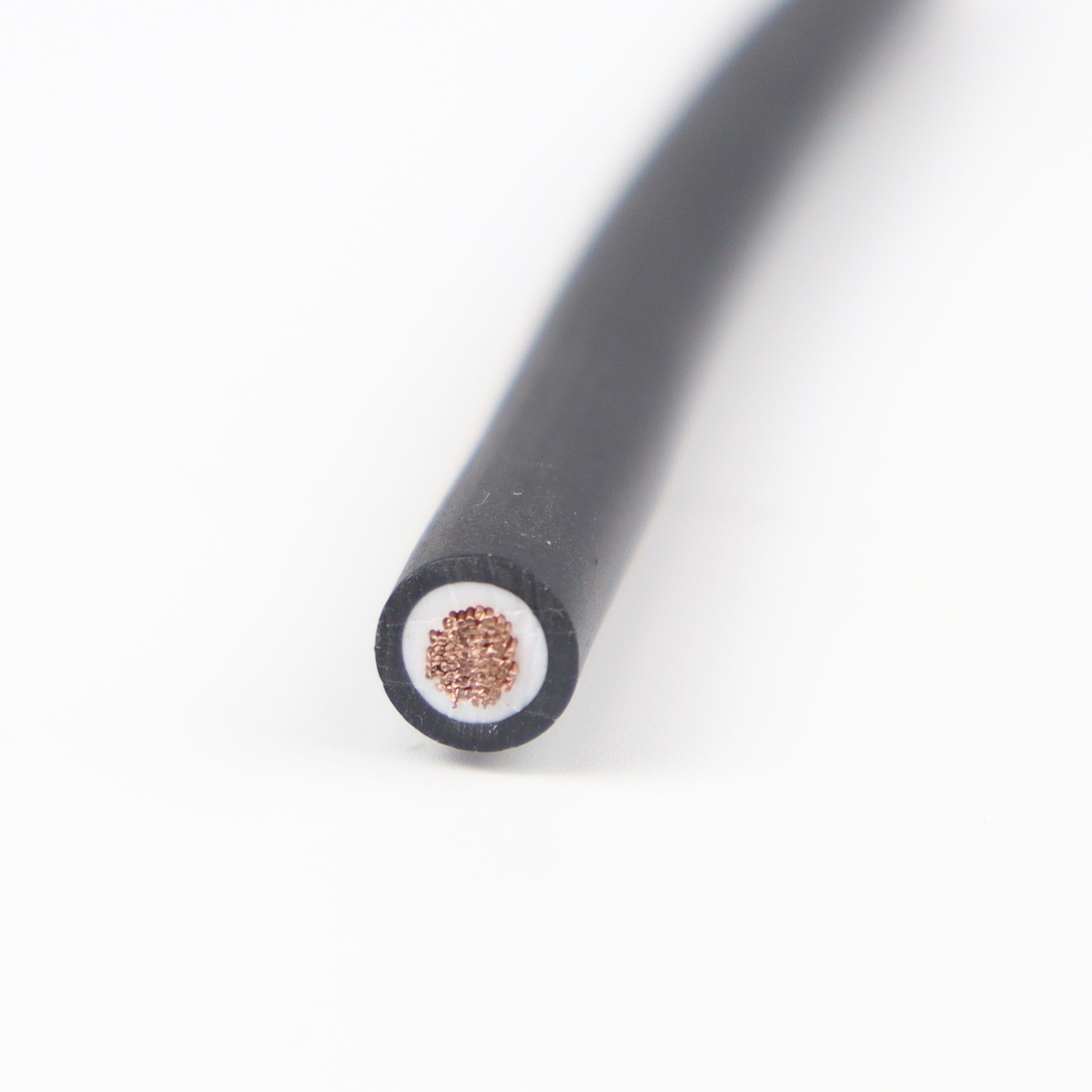
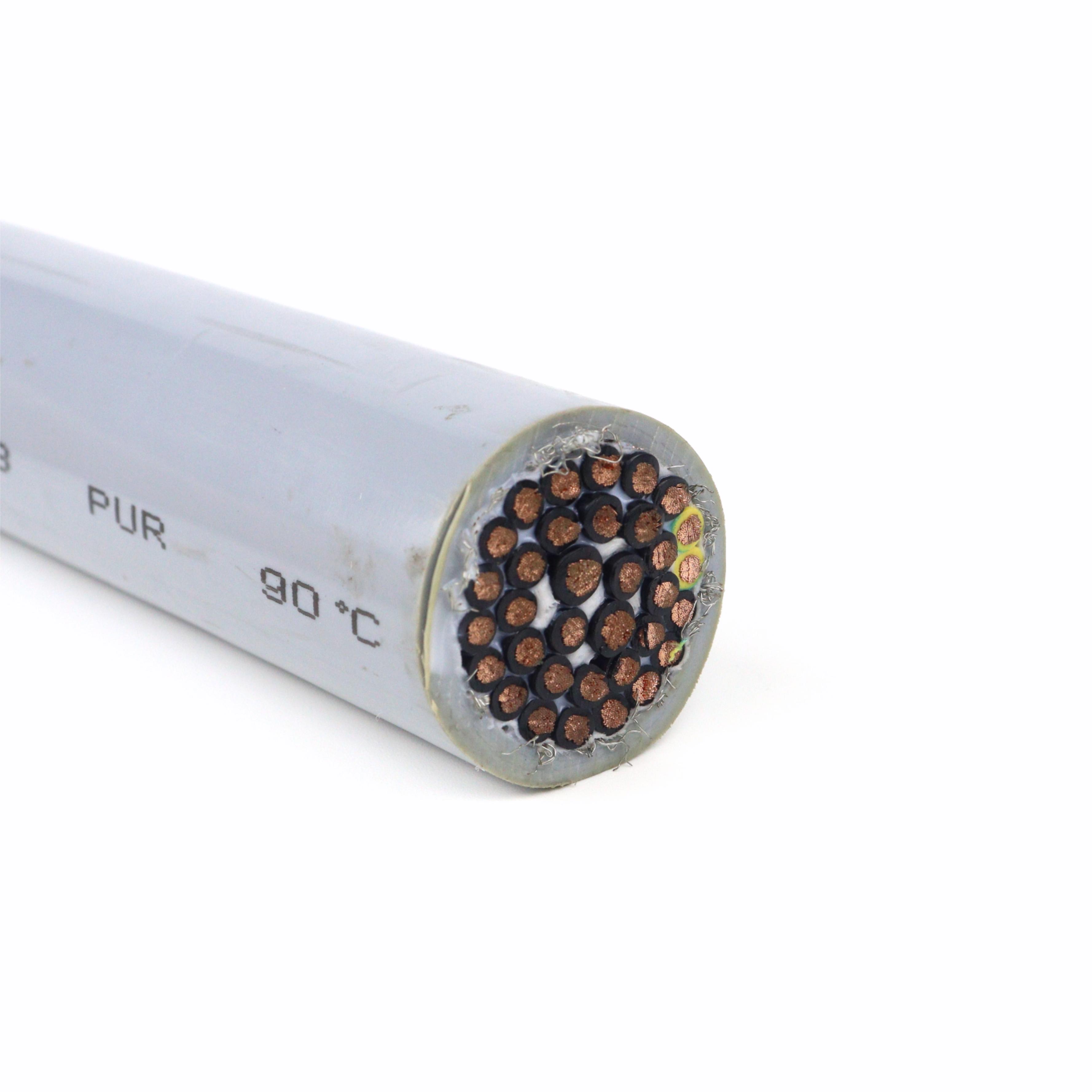
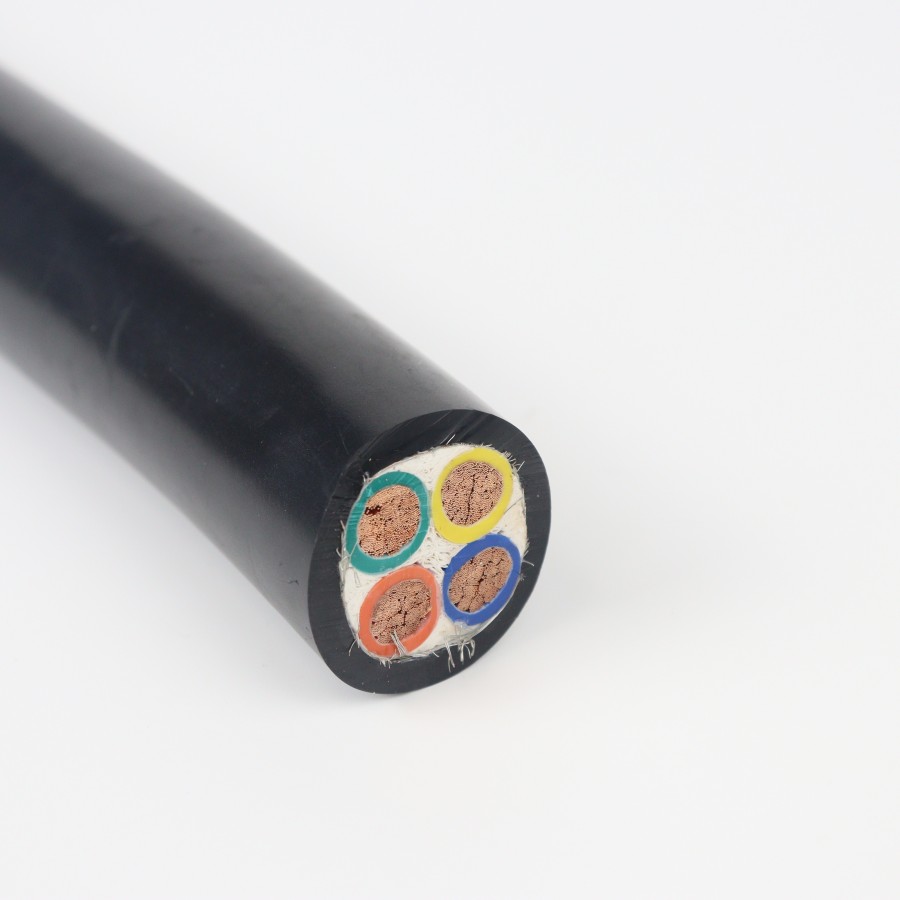
The industrial ev cable is a purpose-built power and communication connection for electric vehicles, charging equipment, battery systems, and factory energy networks. Unlike a general-purpose wire, the industrial ev cable is designed to carry high current safely while handling movement, heat, vibration, moisture, and repeated use. Its main function is to transfer electricity between a charger, vehicle inlet, battery pack, motor controller, or power distribution unit with low energy loss. An industrial ev cable can also include control and data conductors that support charging signals, temperature monitoring, and equipment coordination. This industrial ev cable typically uses finely stranded copper or aluminum conductors, durable insulation, protective jackets, shielding, and molded connectors. The industrial ev cable may use flame-resistant, oil-resistant, abrasion-resistant, or low-smoke materials according to the installation environment. The industrial ev cable supports fixed connections in charging stations as well as flexible links on automated equipment, electric buses, forklifts, utility vehicles, and mobile machinery. For production lines, an industrial ev cable can be routed through cable carriers, robots, reels, or moving joints without quickly cracking or losing contact quality. A properly selected industrial ev cable also helps maintain stable voltage during fast charging and reduces the risk of overheating. In production settings, the industrial ev cable provides a dependable link between power electronics and vehicle systems. When integrated with suitable connectors and protection devices, the industrial ev cable supports efficient charging, easier maintenance, and safer operation. Overall, industrial ev cable selection should consider current rating, voltage, bend radius, length, connector type, temperature range, shielding, and environmental exposure.