Charging EV Cable Guide for Faster Charging

application/charging-ev-cable, application/charging-ev-cable, 
Inquiry
Inquiry

charging ev cable

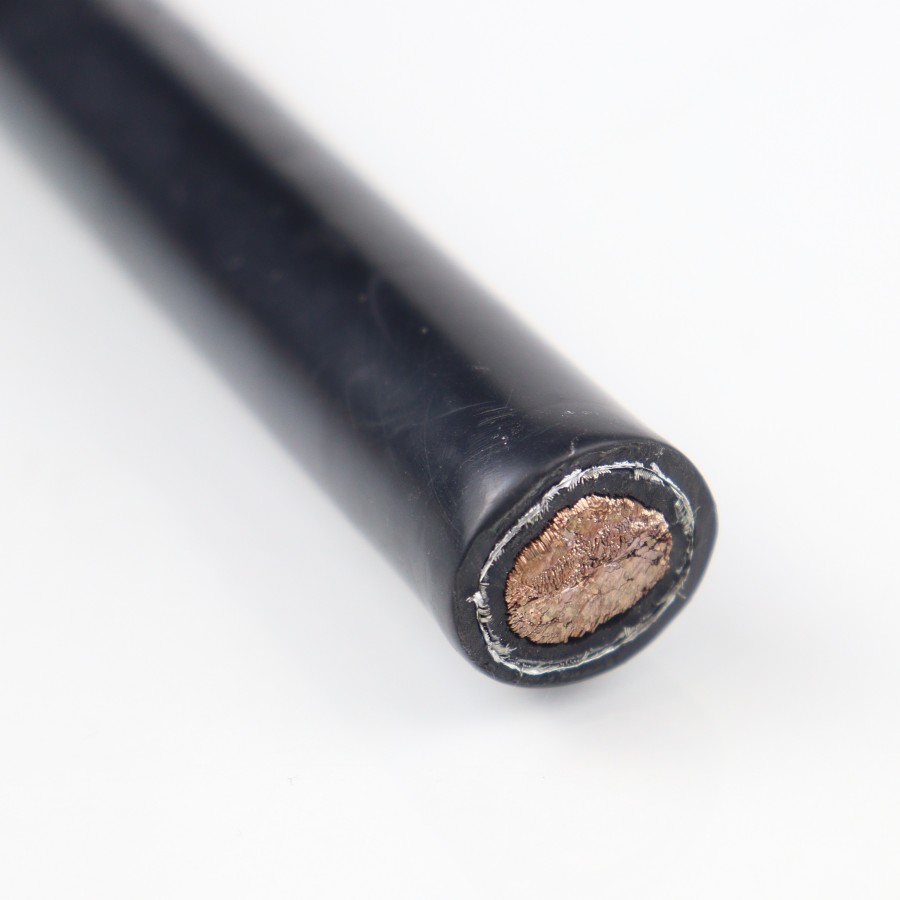
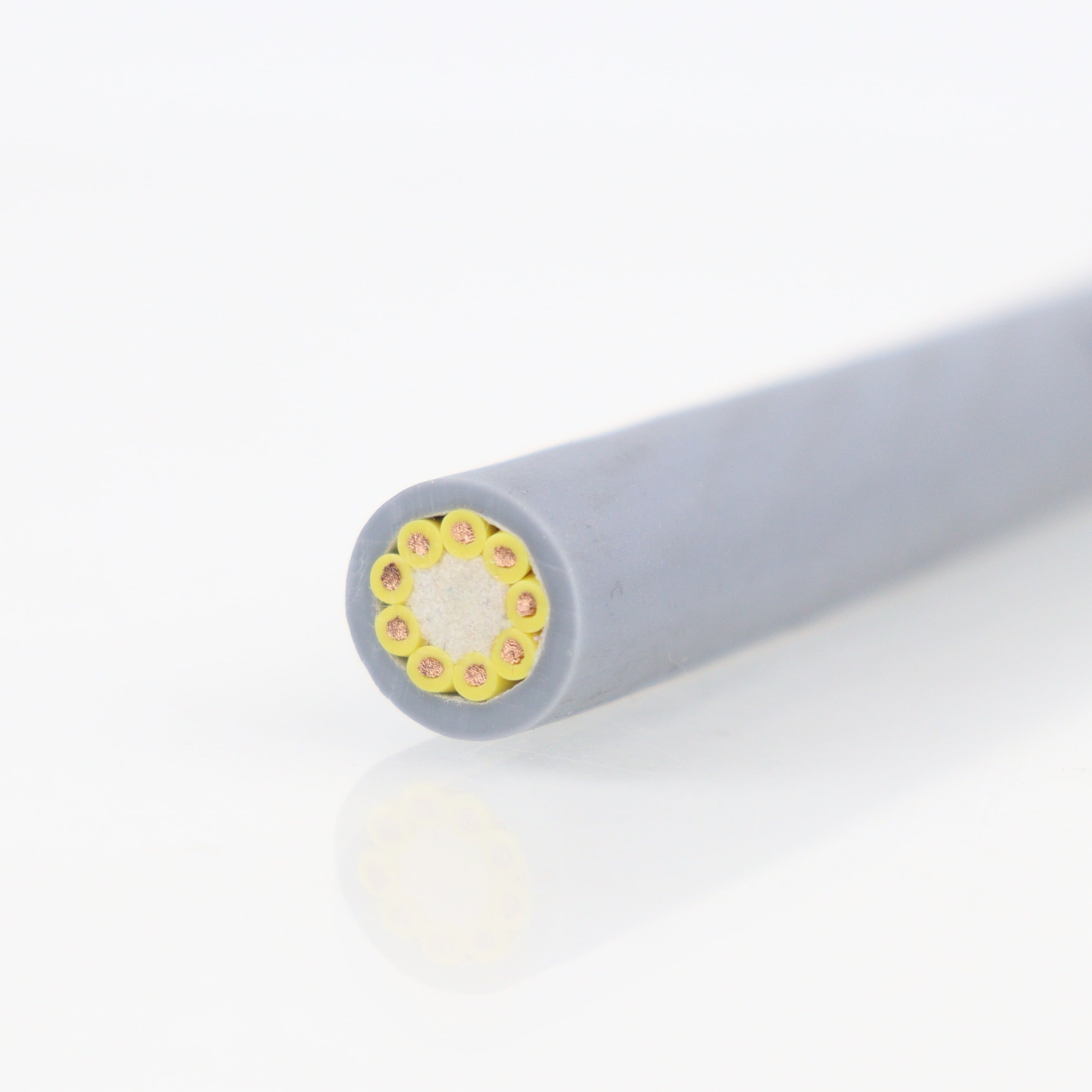
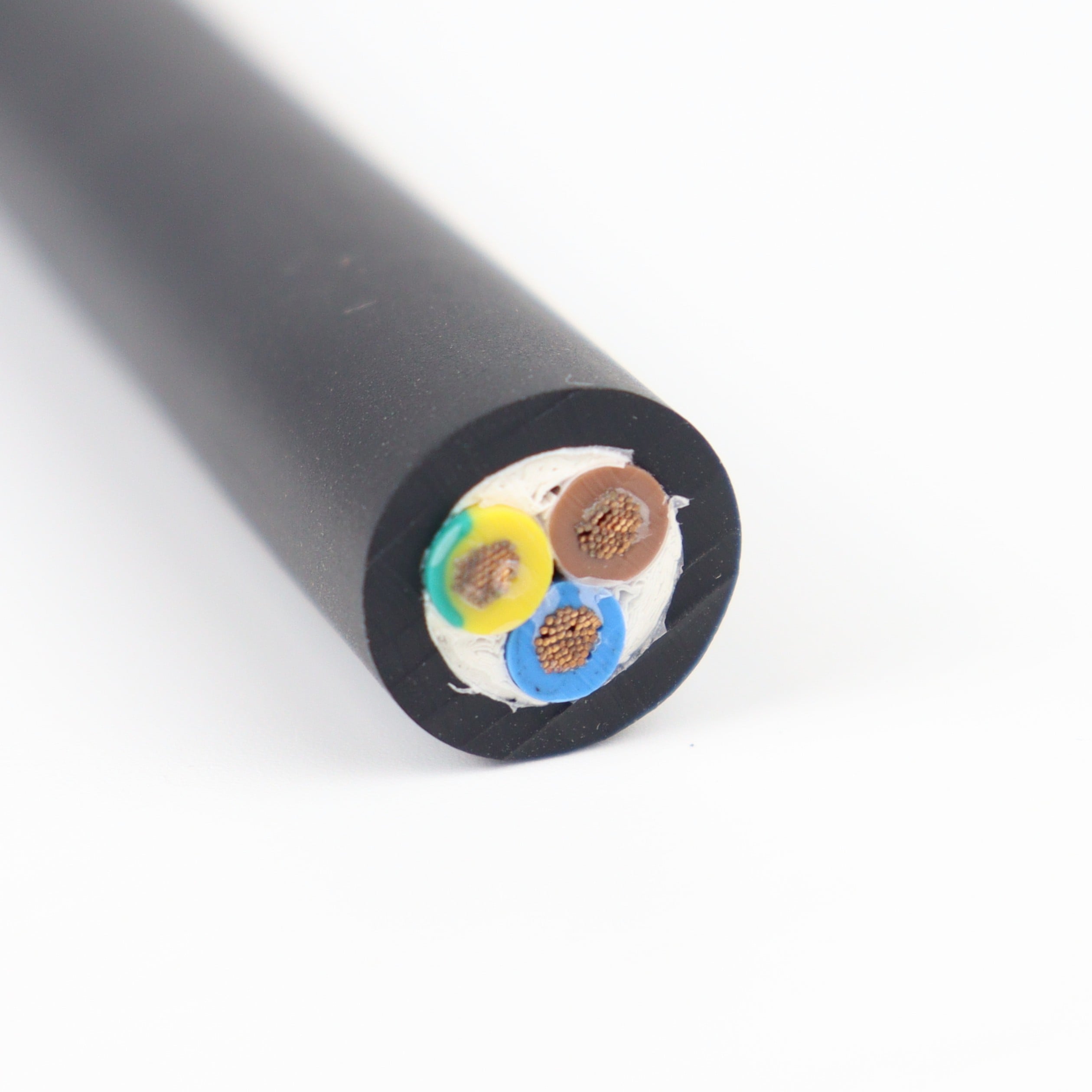
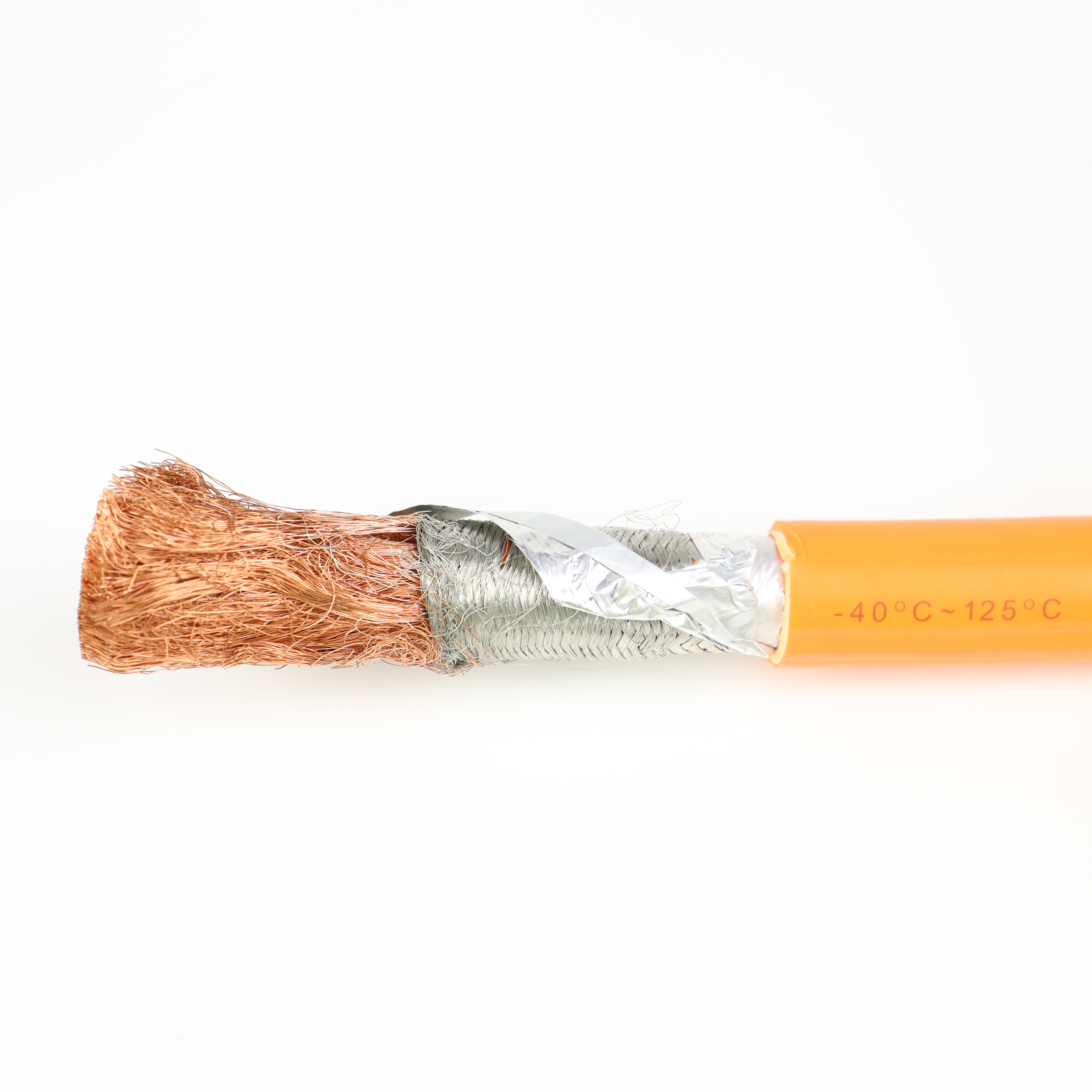
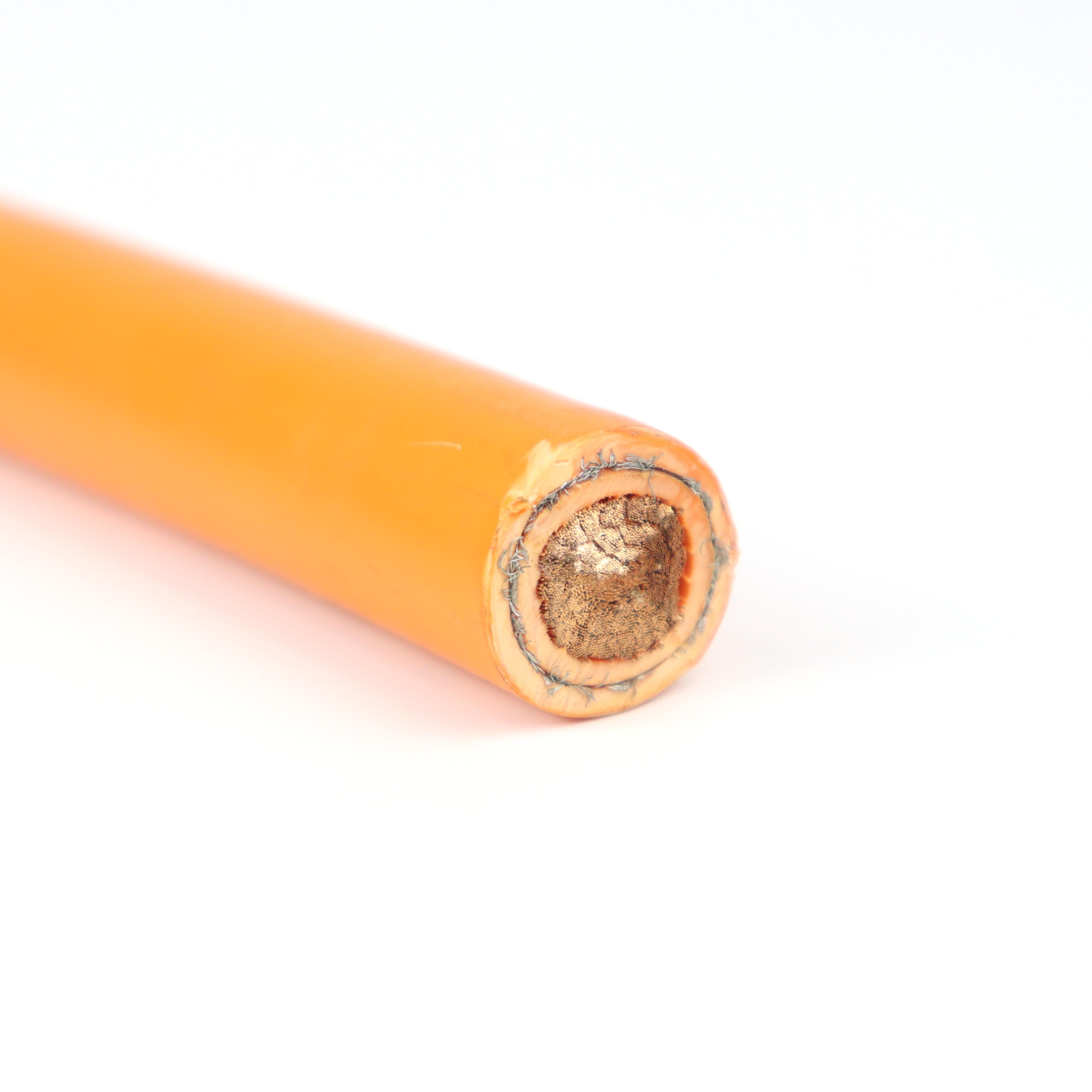
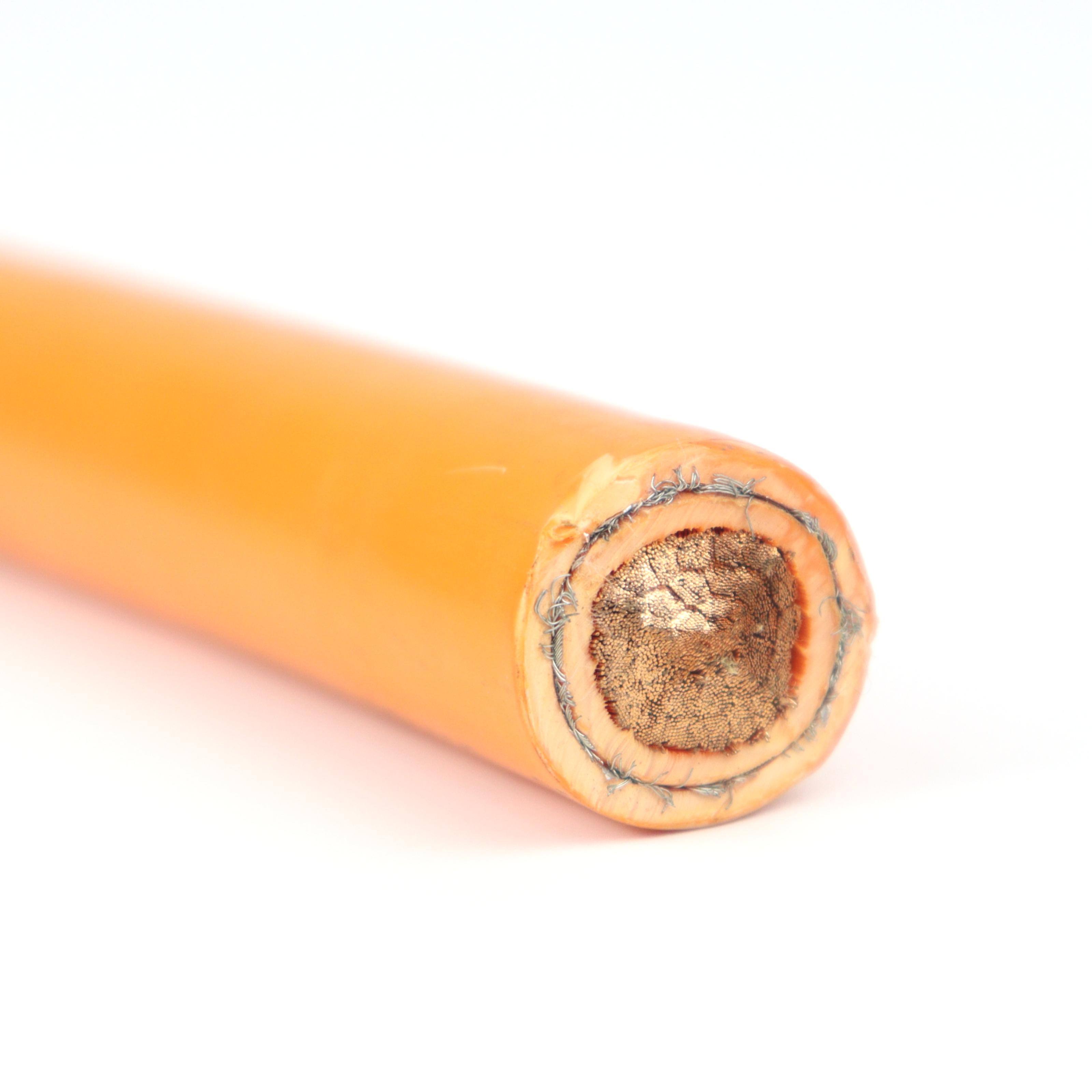
A charging ev cable connects an electric vehicle to a compatible power source and transfers electricity to the battery safely. It supports everyday charging at home, at work, and at public stations. A quality charging ev cable gives drivers a dependable link between the vehicle inlet and wall box, portable charger, or charging post. The charging ev cable comes in different connector types, lengths, and power ratings, so buyers can match the cable to their vehicle and charger. Many models support Level 2 charging, allowing faster charging than a standard household outlet. The charging ev cable may also include temperature monitoring, overcurrent protection, and weather-resistant insulation. These features help control heat, reduce electrical risk, and support use in changing outdoor conditions. A flexible charging ev cable is easier to store and position around a driveway or parking space. A robust charging ev cable can handle regular bending, vehicle movement, and repeated connection cycles without losing reliable performance. Some cables include ergonomic handles, protective caps, and clear markings that make setup simple. The correct charging ev cable should match the vehicle connector, charger socket, voltage, current, and required charging speed. Choosing a suitable charging ev cable prevents compatibility problems and helps the vehicle charge efficiently. For households, fleets, offices, and public facilities, the charging ev cable is an essential part of practical electric vehicle ownership. It does not create power by itself, but it delivers available power from the charging equipment to the vehicle battery. This makes the charging ev cable a simple yet important investment for convenient, safe, and consistent charging.
The main advantage of a charging ev cable is convenience. Drivers can connect an electric vehicle whenever power is available instead of relying on one fixed station. A charging ev cable kept in the vehicle provides useful backup coverage during work trips, holidays, and unexpected schedule changes. A second charging ev cable at home or work can reduce daily carrying and make routine charging quicker to organize. The charging ev cable also helps buyers choose a charging setup that fits their budget. A basic cable may suit occasional use, while a higher-rated charging ev cable can support faster equipment and future vehicle upgrades. Checking the connector and electrical rating before purchase helps avoid wasted money and poor charging performance. A well-made charging ev cable improves daily operation through dependable power transfer. Its insulation protects internal conductors, while strain relief reduces stress where the cable meets the plug. The charging ev cable can therefore support repeated use in garages, parking areas, workplaces, dealerships, and service locations. Flexible construction makes the cable easier to place around a vehicle, while a suitable length prevents unnecessary tension or trip hazards. For outdoor applications, a weather-resistant charging ev cable offers better protection against rain, dust, sunlight, and temperature changes. For fleet managers, a durable charging ev cable can support frequent charging cycles and reduce replacement interruptions. For private owners, it can provide confidence that charging equipment will work when needed. Buyers should compare power capacity, connector type, cable length, safety features, warranty support, and storage needs. A certified charging ev cable from a reliable supplier adds useful assurance. Selecting the right charging ev cable means balancing speed, portability, durability, and price rather than choosing the most powerful option automatically. This practical approach helps every charging ev cable deliver value in its intended application.

Latest News

Shanghai Libin Cable Showcases Robot and Automation Cable Solutions at CMES Shanghai Industrial Automation & Robotics Exhibition

16

Oct

Shanghai Libin Cable Showcases Robot and Automation Cable Solutions at CMES Shanghai Industrial Automation & Robotics Exhibition

View More
Shanghai Libin Cable Showcases Crane Cable Solutions at the 11th China (Changyuan) International Crane Equipment Expo

16

Oct

Shanghai Libin Cable Showcases Crane Cable Solutions at the 11th China (Changyuan) International Crane Equipment Expo

View More
Why Drag Chain Cables Fail: Four Common Causes and How to Select Correctly

16

Oct

Why Drag Chain Cables Fail: Four Common Causes and How to Select Correctly

View More
Industrial Robot Combination Cable: Routing Power and Signal Together in a Small-Bend-Radius Drag Chain

16

Oct

Industrial Robot Combination Cable: Routing Power and Signal Together in a Small-Bend-Radius Drag Chain

View More

Get a Free Quote

Our representative will contact you soon.
0/1000
Reliable Power Transfer for Daily Charging

Reliable Power Transfer for Daily Charging

A charging ev cable delivers a stable path between the power source and the vehicle battery. This basic function matters because inconsistent connections can slow charging or cause interruptions. A properly rated charging ev cable carries the required current without forcing the system beyond its intended limits. Buyers can select a charging ev cable for home use, workplace charging, or public equipment according to the vehicle and charger specifications. Clear connector design helps users attach the cable correctly, while strong contacts support dependable electrical flow. The charging ev cable also reduces the need to move a heavy wall charger between locations. Drivers can leave one cable at home and carry another for travel. For businesses, a dependable charging ev cable helps keep employee, customer, or fleet vehicles ready for use. This feature brings practical value through predictable charging sessions, fewer connection concerns, and better use of available charging time. It is a simple solution that supports regular electric vehicle routines.
Protection for Safer Indoor and Outdoor Use

Protection for Safer Indoor and Outdoor Use

Safety-focused construction makes a charging ev cable suitable for more than occasional indoor charging. Many models use durable insulation, reinforced plug ends, and strain relief to protect the cable during handling and storage. A charging ev cable with temperature sensing can identify excessive heat and help the charging system reduce or stop power when necessary. Overcurrent protection also supports safer operation when the electrical supply changes. For outdoor parking, a weather-resistant charging ev cable helps shield internal parts from moisture, dust, sunlight, and cold conditions. Users should still keep connectors clean, avoid standing water, and follow the product instructions. The charging ev cable should never be stretched across sharp edges or driven over. These simple precautions extend service life and maintain safe performance. For homeowners, this protection supports peace of mind. For commercial operators, a robust charging ev cable can reduce handling damage and support safer use across busy parking areas, workshops, and fleet facilities.
Flexible Compatibility and Easier Installation

Flexible Compatibility and Easier Installation

A charging ev cable adds value when it matches the vehicle inlet and the charger socket without adapters or uncertain connections. Buyers can choose connector options, current ratings, and lengths that suit their existing equipment. A flexible charging ev cable is easier to route around a parked vehicle, while a longer charging ev cable can reach a wall box positioned away from the parking bay. The right length avoids excessive coils, tension, and clutter. Many cables include molded handles that improve grip for users wearing gloves or working in cold weather. Protective caps help keep contacts clean when the charging ev cable is stored. This combination makes installation and daily handling straightforward for first-time electric vehicle owners. A compatible charging ev cable can also support different locations, including homes, offices, hotels, dealerships, and public parking areas. By checking vehicle specifications and power requirements first, buyers can select a charging ev cable that delivers useful flexibility today and remains suitable as charging habits develop.