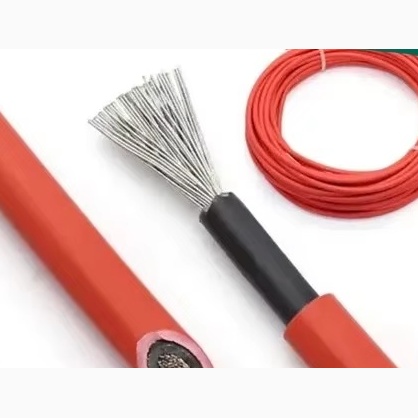
single core power cable
A single core power cable is an electrical cable with one central conductor that carries current from a source to equipment, a panel, or another connection point. The single core power cable usually combines a copper or aluminum conductor, insulation, protective layers, and an outer covering selected for the installation environment. Its main job is to deliver electricity safely, steadily, and with limited energy loss. Because the single core power cable has one current-carrying core, installers can choose the conductor size, insulation type, and routing method according to the load and site conditions. The single core power cable supports low, medium, and high voltage systems when the correct construction is specified. Common insulation options include PVC, XLPE, and rubber, each offering different levels of heat resistance, flexibility, and moisture protection. A single core power cable may also include shielding or armor for protection against electrical interference, impact, soil pressure, and mechanical damage. The single core power cable is available in many sizes, allowing users to match current capacity with distance, voltage, and installation space. Its simple structure helps technicians identify, handle, terminate, and replace the product efficiently. In fixed installations, the single core power cable can run through ducts, trays, conduits, panels, and underground routes. It also works in renewable energy projects, industrial machinery, buildings, transport systems, and utility networks. By selecting the right conductor material, insulation rating, jacket, and fire performance, buyers can use a single core power cable that meets both electrical demands and local safety requirements.