Marine Power Cable for Reliable Vessel Power

application/marine-power-cable, application/marine-power-cable, 
Inquiry
Inquiry

marine power cable

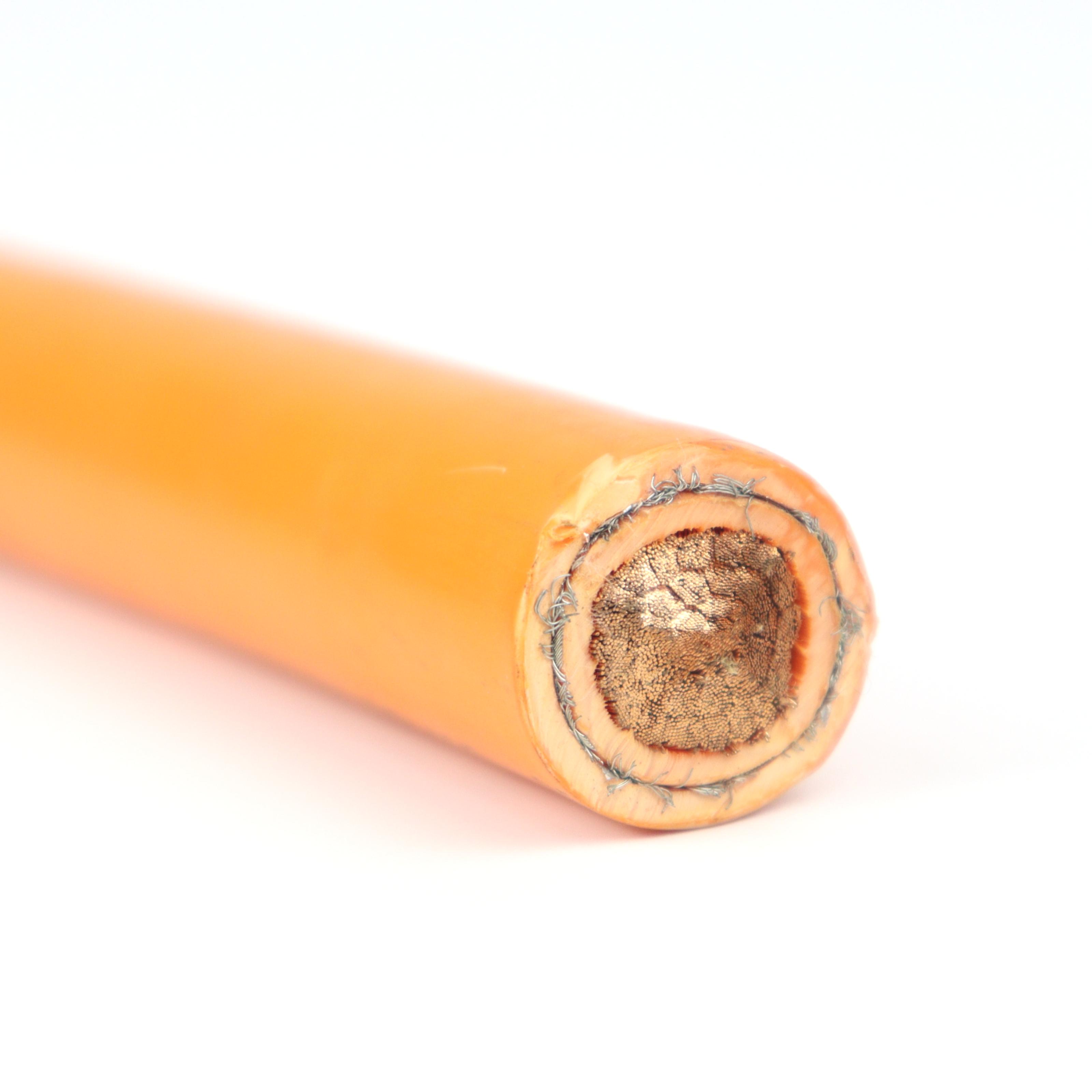
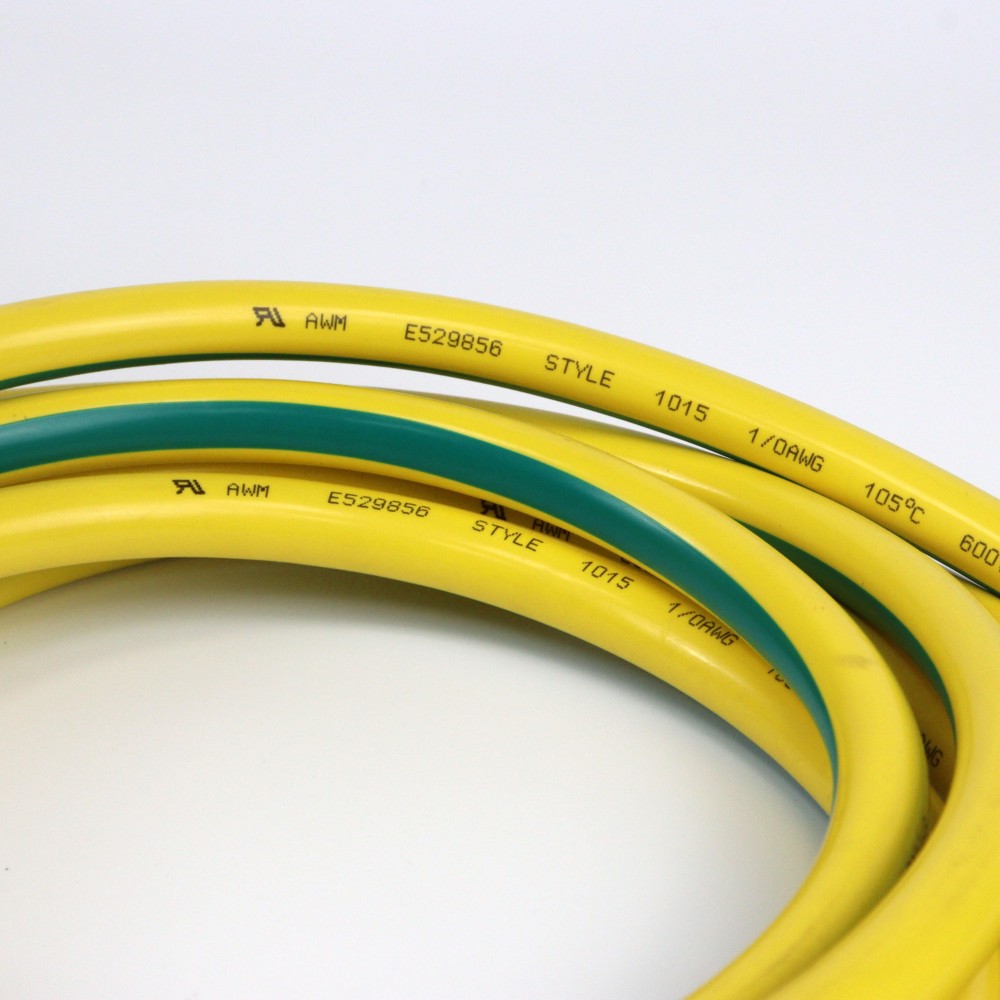
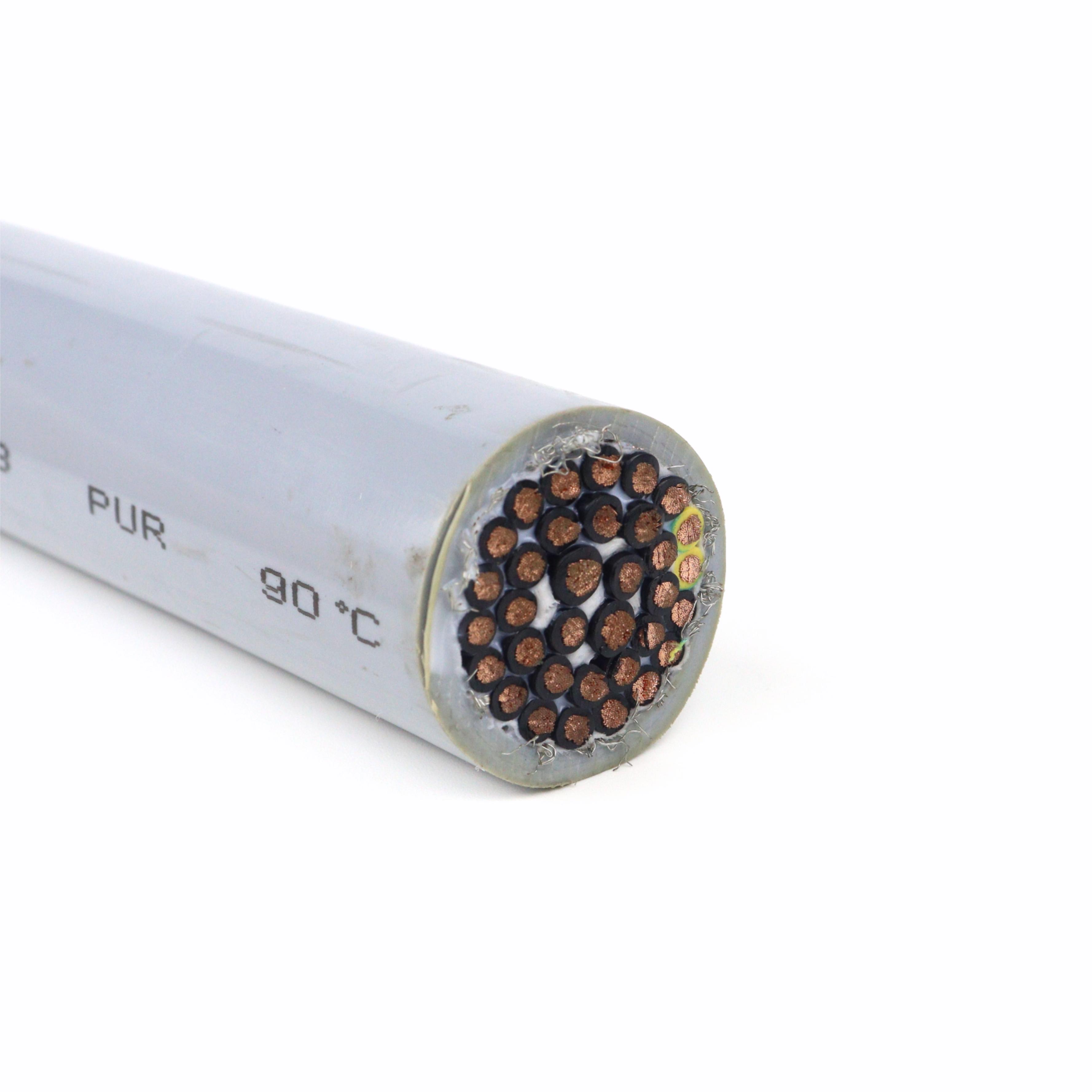
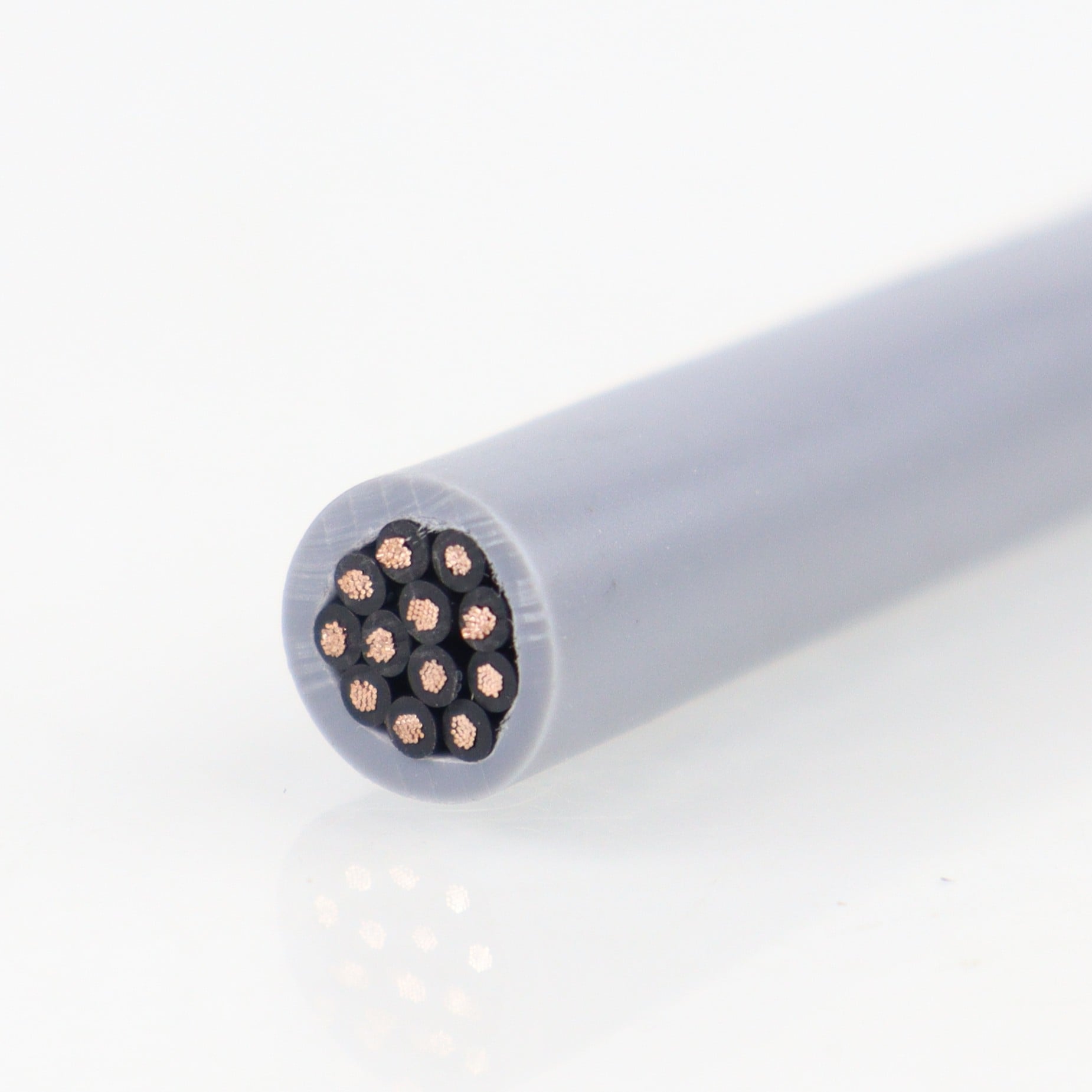
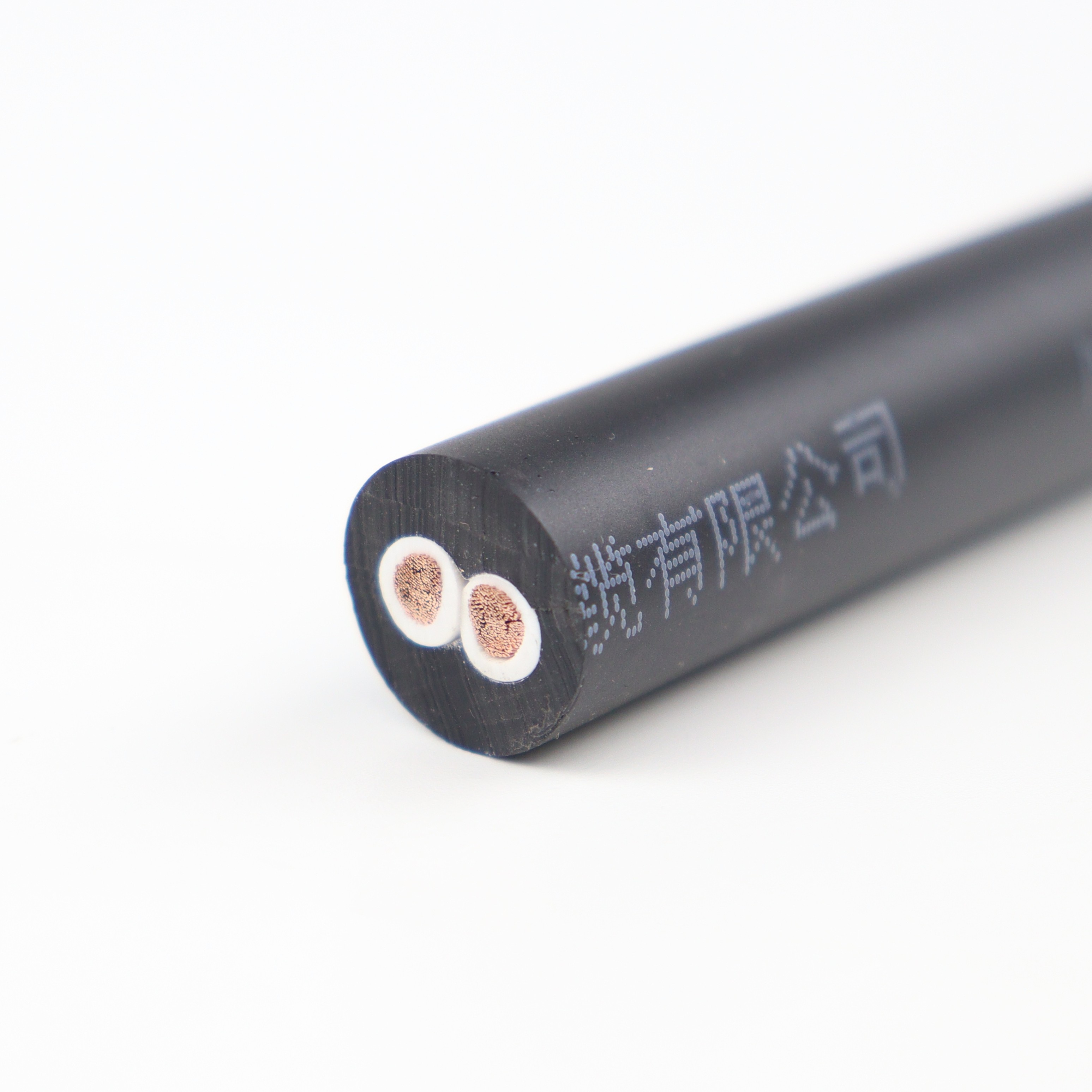
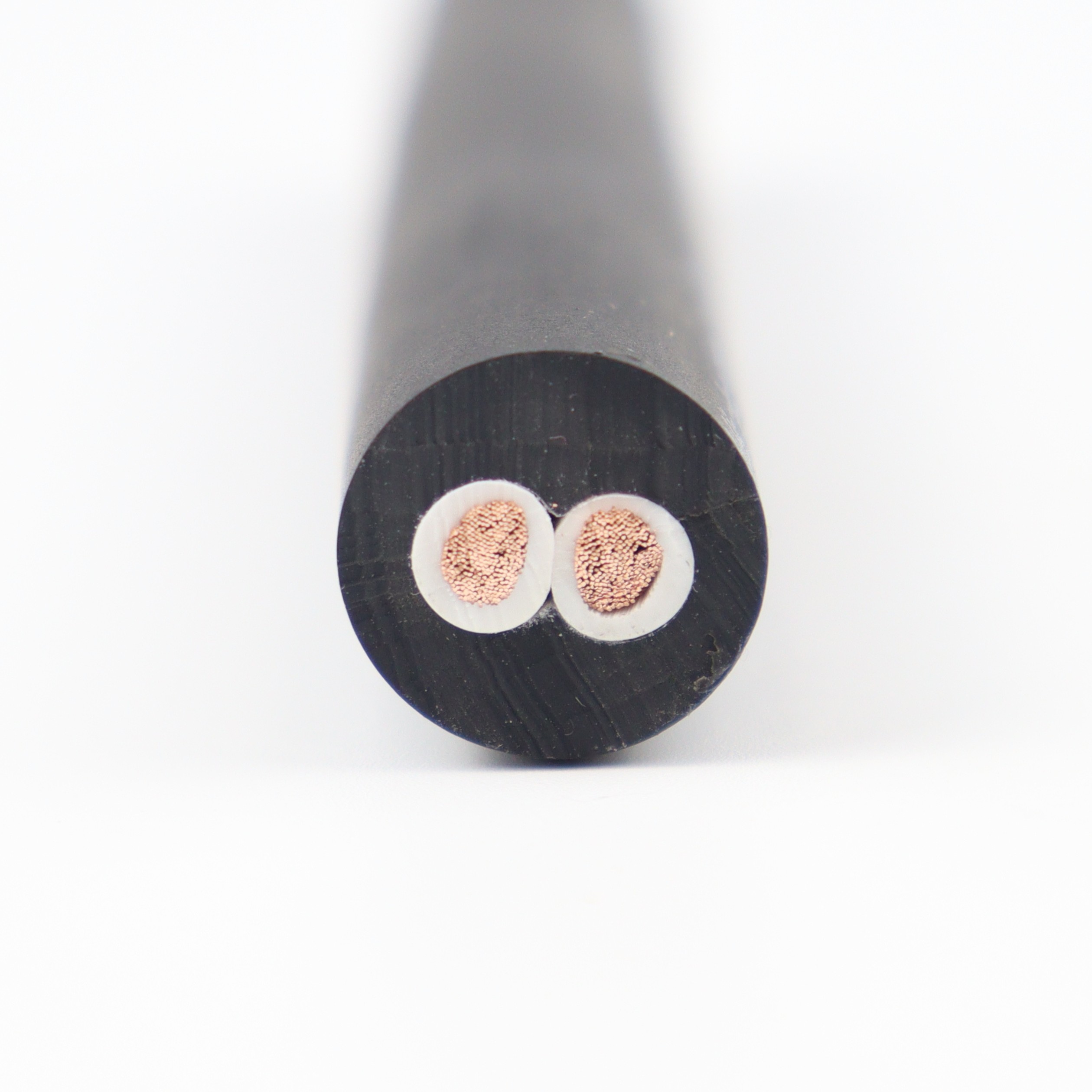
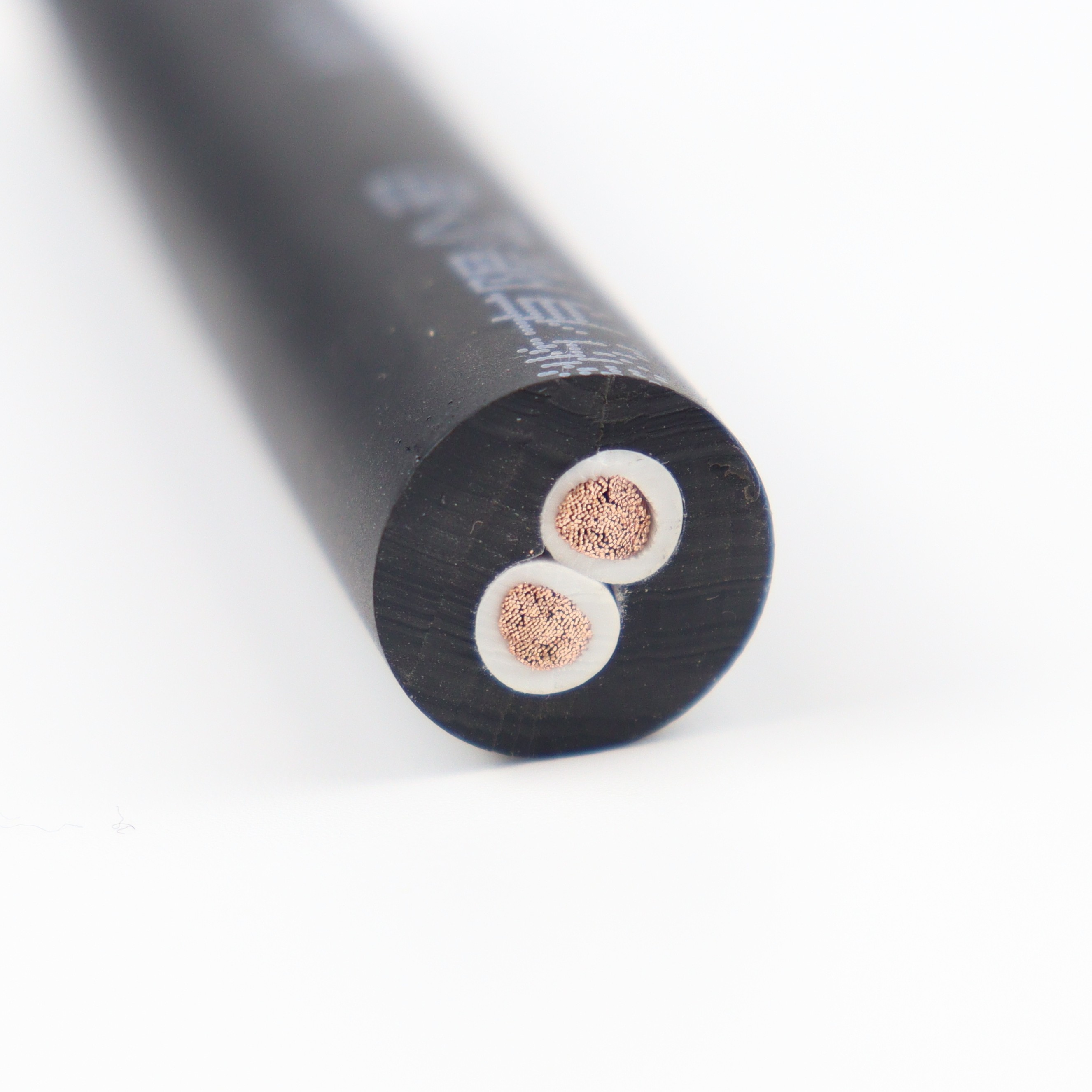
A marine power cable is a purpose-built electrical cable that delivers dependable power throughout vessels, offshore platforms, subsea equipment, and marine energy systems. Unlike ordinary land cables, a marine power cable must operate safely in wet, salty, vibrating, and space-limited environments. Its main function is to carry electricity from generators, batteries, switchboards, or shore connections to motors, lighting, navigation systems, pumps, communication equipment, and other onboard loads. A marine power cable supports both low-voltage and medium-voltage distribution, depending on the vessel design and power demand. Many designs use copper conductors for efficient current flow, insulation that resists heat and moisture, and an outer jacket that protects against oil, abrasion, sunlight, and seawater. Some versions include metal armor or shielding to improve mechanical protection and reduce electrical interference. Flexible construction allows a marine power cable to follow tight routes and tolerate repeated movement without early failure. Fire-resistant and low-smoke materials can help limit flame spread and maintain essential circuits during an emergency. The right marine power cable also offers clear markings, stable dimensions, and compatibility with approved marine glands, terminals, and connectors, making installation easier. Common applications include cargo ships, passenger ferries, naval vessels, fishing boats, yachts, offshore service vessels, drilling units, and floating renewable-energy projects. Buyers can select a marine power cable by voltage rating, conductor size, insulation type, flexibility, temperature range, fire performance, and installation location. In practical terms, a marine power cable creates a secure path for energy and helps marine equipment operate consistently in demanding conditions.
Choosing a marine power cable gives vessel owners a safer and more dependable way to distribute electricity. The first benefit is reliable energy delivery. A correctly sized marine power cable reduces voltage loss, supports stable equipment performance, and helps motors, pumps, and control systems receive the power they need. This can prevent nuisance shutdowns and protect schedules at sea. A marine power cable built for wet environments also resists moisture, salt, oil, vibration, and temperature changes better than general-purpose electrical cable. That protection can extend service life and reduce the frequency of repairs or replacement. Strong jackets and flexible conductors make a marine power cable easier to route through narrow machinery spaces, engine rooms, cable trays, and moving sections. Installers can complete work more efficiently, while maintenance teams gain simpler access to clearly marked circuits. Fire-resistant options add valuable protection by slowing flame spread and reducing smoke in occupied areas. This feature supports safer evacuation and helps critical equipment continue operating when regulations or project specifications require circuit integrity. A marine power cable can also lower total ownership cost. Durable materials reduce unplanned downtime, and dependable insulation limits faults that could damage connected equipment. Buyers should match the product to voltage, current, conductor size, bending needs, ambient temperature, and exposure conditions rather than choosing only by price. For long cable runs, low-loss conductors may improve operating efficiency. For high-motion areas, a flexible marine power cable can prevent stress at bends and connection points. For offshore or subsea use, customers should confirm water-blocking performance, pressure suitability, and approved installation methods. Selecting the right marine power cable therefore improves safety, simplifies installation, supports compliance, and protects the vessel's operating budget. It suits new construction, refit work, emergency replacement, and system upgrades across commercial, industrial, military, and recreational marine projects.

Practical Tips

Shanghai Libin Cable Showcases Robot and Automation Cable Solutions at CMES Shanghai Industrial Automation & Robotics Exhibition

16

Oct

Shanghai Libin Cable Showcases Robot and Automation Cable Solutions at CMES Shanghai Industrial Automation & Robotics Exhibition

View More
Shanghai Libin Cable Showcases Crane Cable Solutions at the 11th China (Changyuan) International Crane Equipment Expo

16

Oct

Shanghai Libin Cable Showcases Crane Cable Solutions at the 11th China (Changyuan) International Crane Equipment Expo

View More
Why Drag Chain Cables Fail: Four Common Causes and How to Select Correctly

16

Oct

Why Drag Chain Cables Fail: Four Common Causes and How to Select Correctly

View More
Industrial Robot Combination Cable: Routing Power and Signal Together in a Small-Bend-Radius Drag Chain

16

Oct

Industrial Robot Combination Cable: Routing Power and Signal Together in a Small-Bend-Radius Drag Chain

View More

Get a Free Quote

Our representative will contact you soon.
0/1000
Built for Wet and Demanding Conditions

Built for Wet and Demanding Conditions

A marine power cable protects electrical continuity where ordinary cable may deteriorate quickly. Its insulation and jacket are selected to handle saltwater, humidity, oil, sunlight, vibration, and repeated temperature changes. This makes the marine power cable suitable for engine rooms, exposed decks, offshore structures, and service compartments where moisture and mechanical contact are constant concerns. A robust outer layer helps prevent cuts, crushing, and abrasion during installation or daily vessel movement. Water-resistant construction can also reduce the chance that moisture will travel along the cable and reach equipment or connections. For customers, this means fewer faults caused by the environment and more predictable service intervals. The marine power cable helps maintain dependable power for pumps, propulsion support systems, lighting, navigation equipment, and auxiliary machinery. By choosing a design tested for marine conditions, buyers can avoid the short life and safety concerns associated with unsuitable building cable. The result is better confidence during long voyages, harsh weather, and offshore operation.
Flexible Installation and Stable Performance

Flexible Installation and Stable Performance

Marine spaces often contain tight bends, crowded trays, moving machinery, and limited access. A marine power cable addresses these challenges with flexible conductors, controlled bending performance, and clear identification for faster routing. Installers can place the marine power cable around equipment and through compact pathways without applying excessive force that could damage insulation or terminals. This flexibility is especially valuable on ferries, yachts, workboats, and retrofit projects where the original cable route may not suit new equipment. Once installed, the marine power cable maintains a stable electrical path under vibration and routine movement. Proper conductor sizing helps manage voltage drop, while quality insulation supports safe operation across the specified temperature range. Customers gain shorter installation times, cleaner cable layouts, and easier future maintenance. A flexible marine power cable can also reduce stress at glands and connection points, lowering the risk of loose terminations or early fatigue. These practical features help owners complete upgrades with less disruption and keep onboard systems available for daily service.
Safety Support and Long-Term Value

Safety Support and Long-Term Value

A marine power cable can improve both electrical safety and the long-term value of a vessel investment. Fire-resistant versions help slow flame spread, while low-smoke materials can improve visibility and breathing conditions during an emergency. Where essential circuits must remain active, a suitable marine power cable may help maintain power to alarms, emergency lighting, pumps, communications, or control equipment for the required period. Buyers should always confirm the product's test ratings and local approval requirements before specifying it. A marine power cable also supports lower ownership costs through durable insulation, strong jackets, and dependable connections. Fewer cable failures mean less unplanned downtime, fewer labor hours, and lower risk to expensive equipment. This value applies to new vessels as well as refits, offshore installations, and replacement work. Selecting a marine power cable with the correct voltage, current capacity, fire behavior, flexibility, and environmental rating prevents costly mismatches. The result is a practical balance of safety, performance, compliance, and service life.