Flat Power Cable for Safe, Flexible Power

application/flat-power-cable, application/flat-power-cable, 
Inquiry
Inquiry

flat power cable

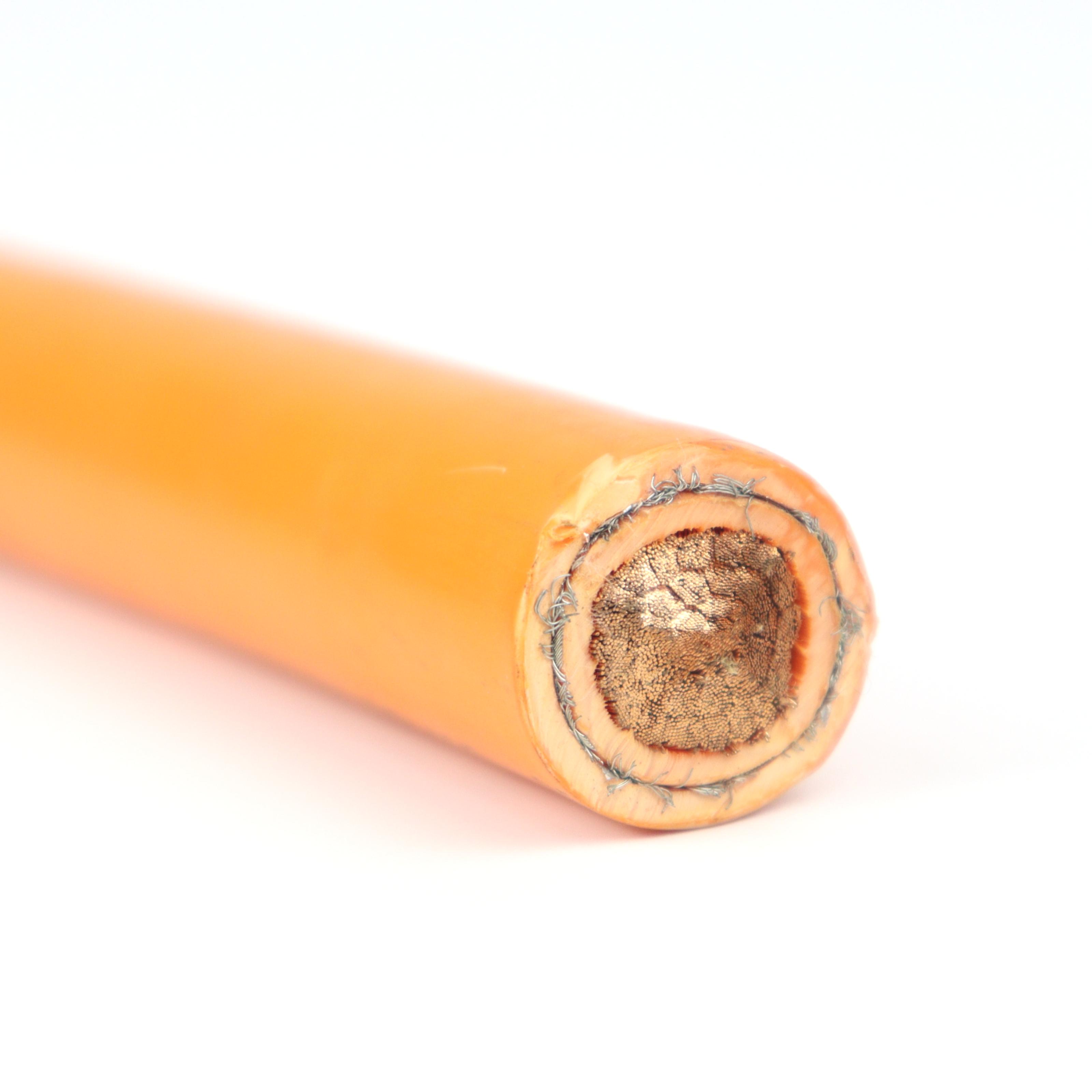
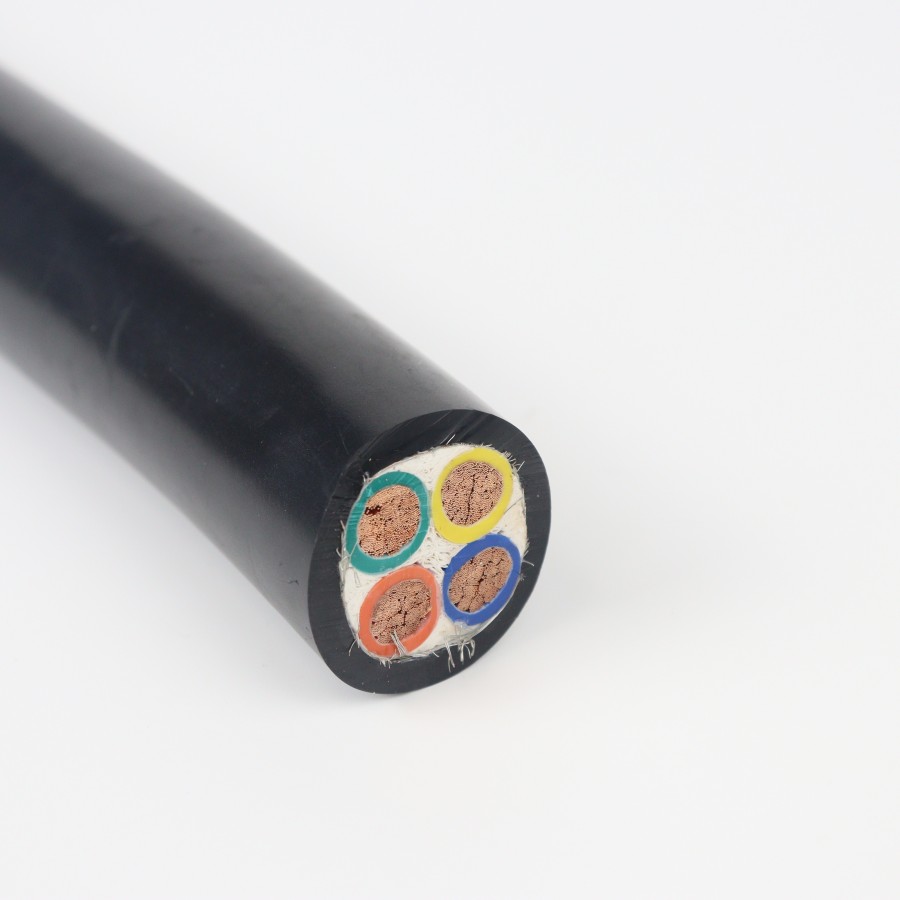
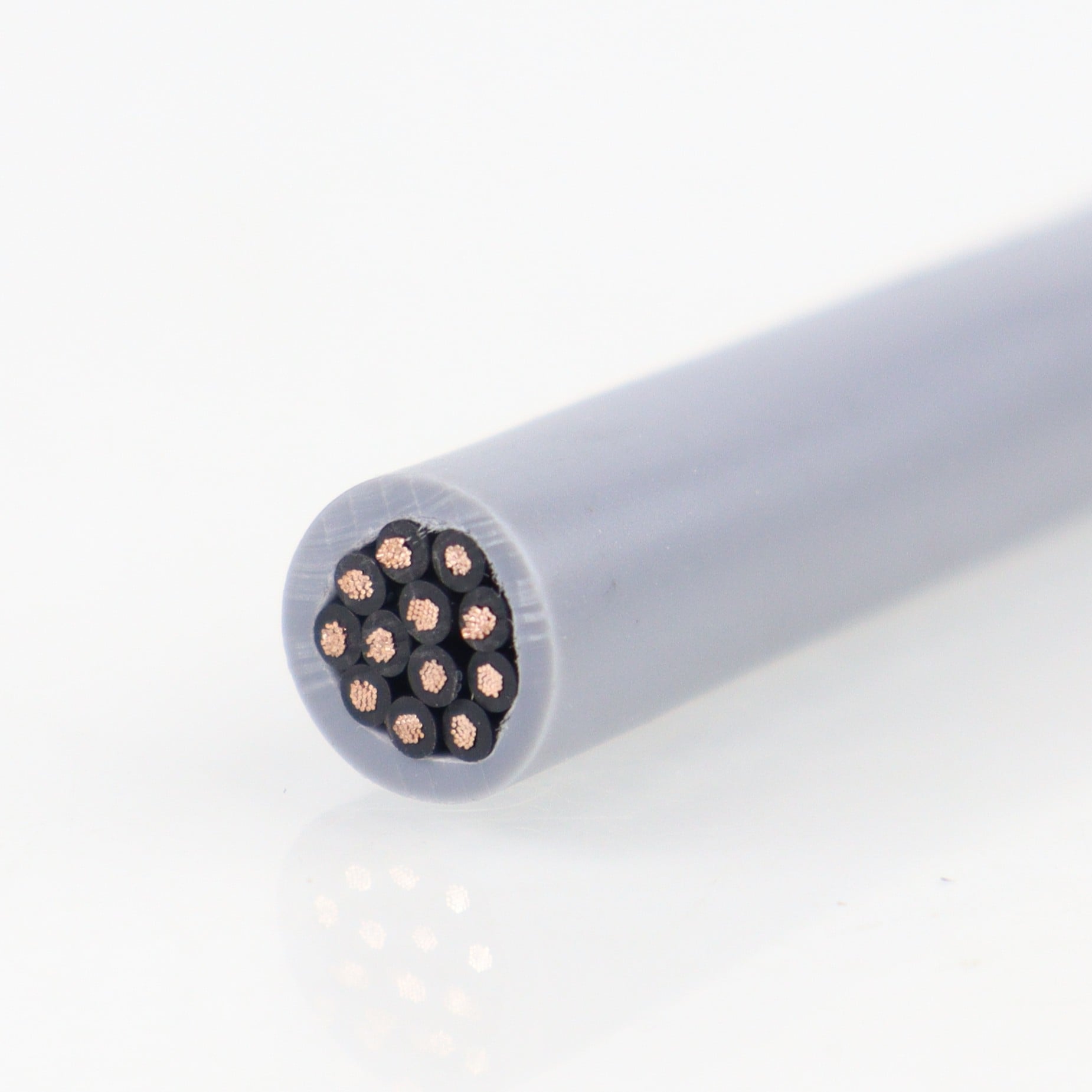
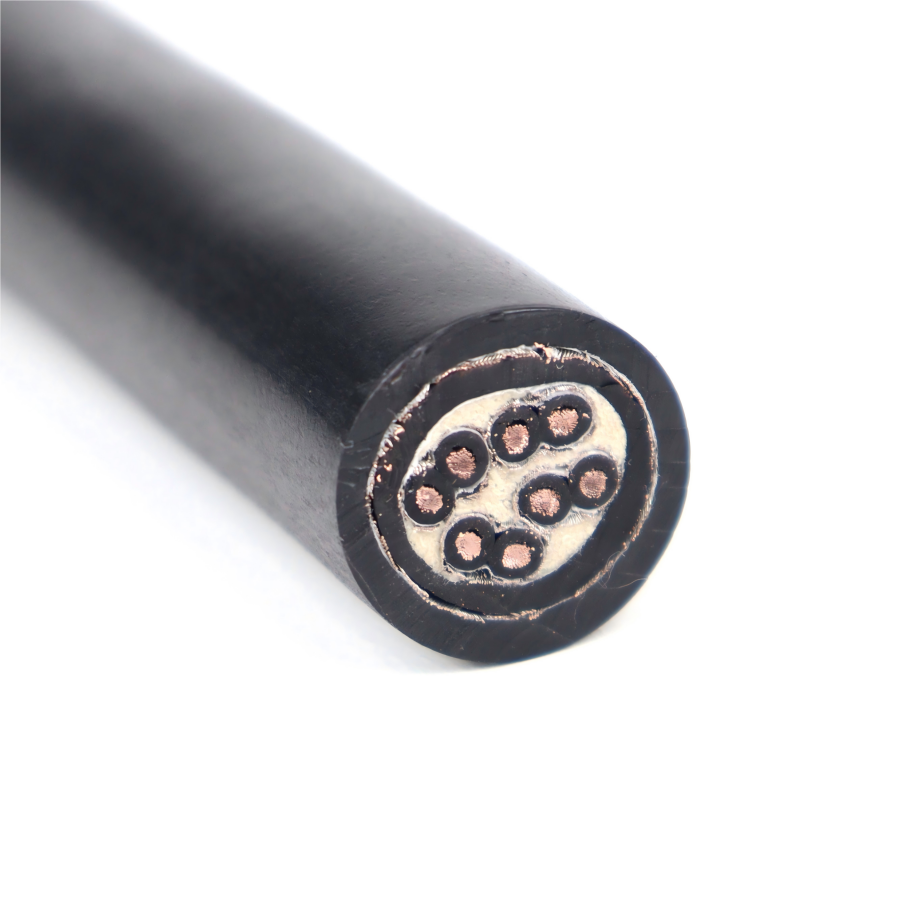
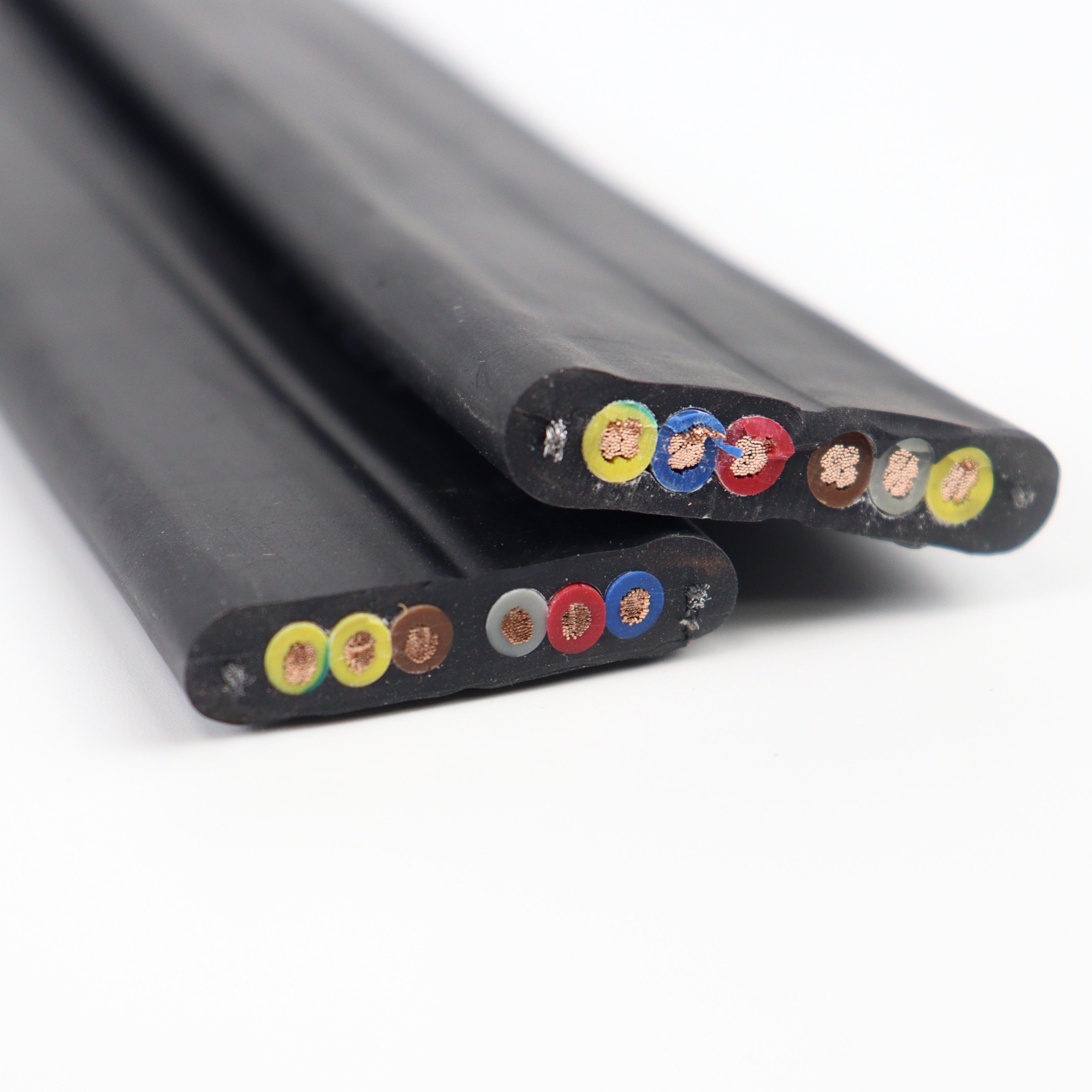
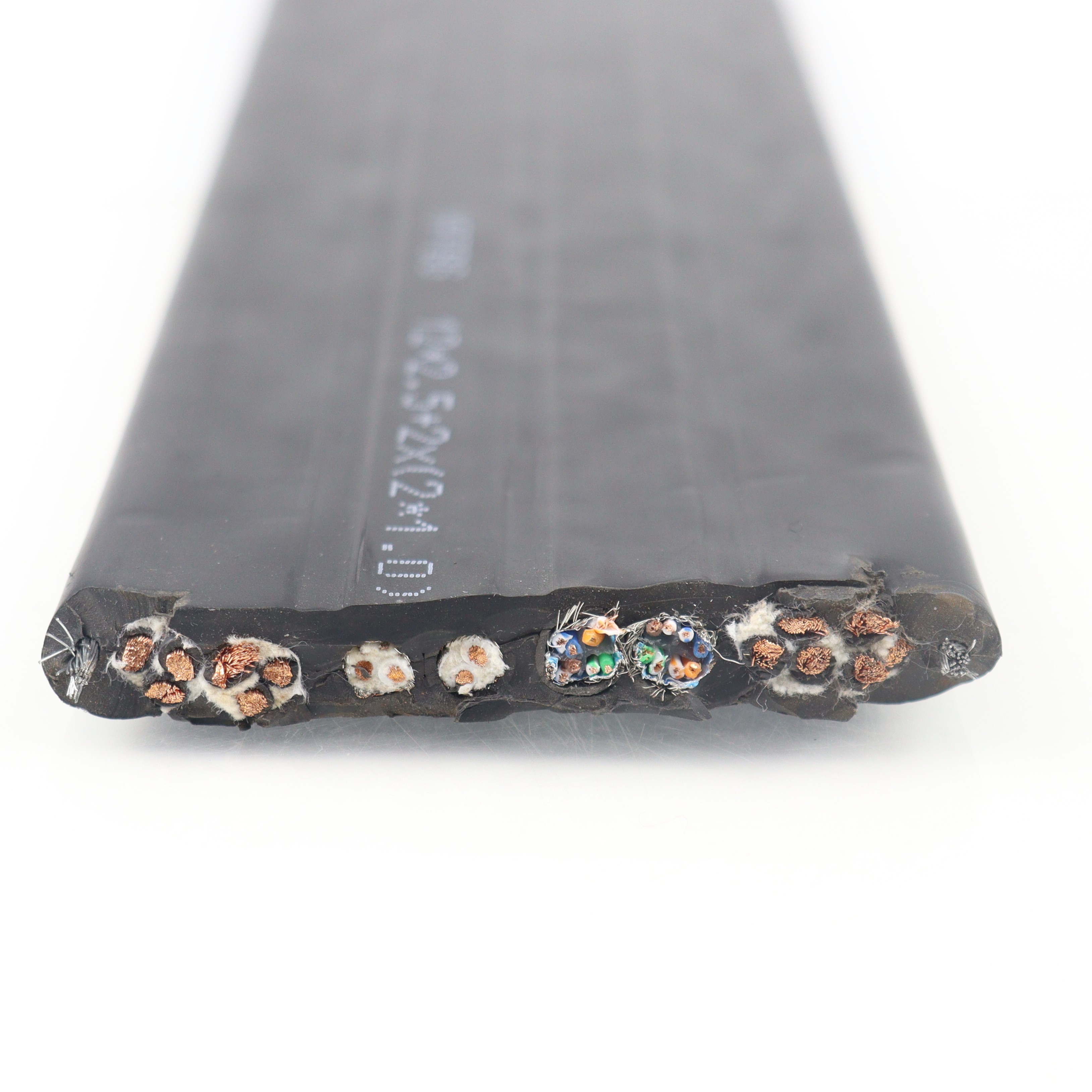
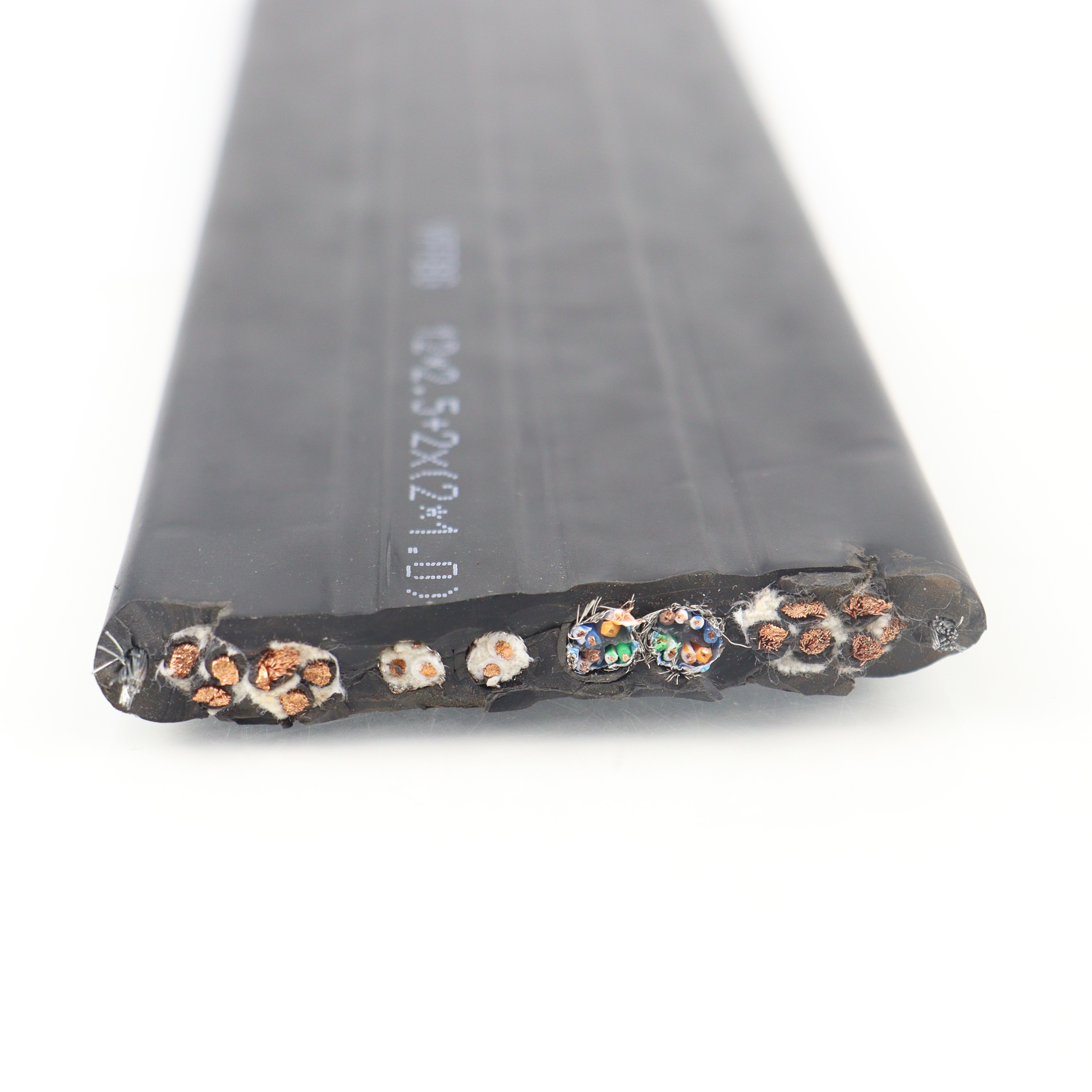
A flat power cable is a flexible electrical cable designed to deliver dependable power where space, movement, or neat installation matters. Its low-profile shape allows it to fit beneath flooring, inside cabinets, along walls, and through compact equipment without creating a bulky loop. The flat power cable carries electricity between a source and connected devices while supporting organized routing and easier maintenance. Compared with round cable, a flat power cable can sit closer to a surface and often bends more easily in one direction. This design helps installers manage limited clearance and reduce visible wiring. A typical flat power cable uses insulated copper conductors, a protective outer jacket, and carefully arranged layers that help resist heat, moisture, abrasion, and everyday handling. Depending on the model, a flat power cable may include multiple conductors for power, grounding, control, or data-related functions. Modern products may also offer flame-resistant jackets, flexible PVC or rubber insulation, shielded construction, and rated performance for indoor or outdoor environments. The flat power cable supports appliances, lighting, machinery, automation equipment, battery systems, office devices, and mobile installations. Users can select a flat power cable by checking voltage, current capacity, conductor size, length, temperature rating, jacket material, bend needs, and certification requirements. Correct selection improves safety and reduces replacement risk. For contractors, manufacturers, and facility teams, the flat power cable provides a practical balance of electrical performance, compact routing, and installation convenience.
The main advantage of a flat power cable is efficient use of space. Its slim profile can run under carpets, behind furniture, inside panels, or beside machine frames without creating a large obstruction. This makes the flat power cable useful for renovations and finished interiors where cutting walls or adding bulky conduit is not desirable. Installers can route it neatly around corners, along straight surfaces, and through narrow gaps, which can shorten installation time and reduce labor effort. A flat power cable also supports a cleaner appearance. Organized wiring improves access to equipment, helps staff identify connections, and makes future servicing less disruptive. In retail, office, residential, and hospitality settings, this visual benefit can matter as much as electrical performance. The flat power cable can also suit moving equipment because its flexible construction handles repeated positioning better than many rigid alternatives. Always confirm the product's bend direction and minimum bend radius before installation. Buyers can choose a flat power cable with the right conductor count and current rating for lighting, appliances, control cabinets, motors, or portable equipment. Protective jackets help the flat power cable withstand abrasion, moderate heat, moisture, and routine contact, depending on its specification. This can support longer service life and lower maintenance costs. A suitable flat power cable may also simplify stock management because one compact product can serve several routing situations. For demanding sites, buyers should compare insulation type, fire rating, environmental approval, shielding, and connector compatibility. These checks prevent overheating, signal problems, premature wear, and unnecessary returns. Overall, the flat power cable offers practical value through easier placement, tidy results, reliable delivery, and better access to connected systems.

Latest News

Shanghai Libin Cable Showcases Robot and Automation Cable Solutions at CMES Shanghai Industrial Automation & Robotics Exhibition

16

Oct

Shanghai Libin Cable Showcases Robot and Automation Cable Solutions at CMES Shanghai Industrial Automation & Robotics Exhibition

View More
Shanghai Libin Cable Showcases Crane Cable Solutions at the 11th China (Changyuan) International Crane Equipment Expo

16

Oct

Shanghai Libin Cable Showcases Crane Cable Solutions at the 11th China (Changyuan) International Crane Equipment Expo

View More
Why Drag Chain Cables Fail: Four Common Causes and How to Select Correctly

16

Oct

Why Drag Chain Cables Fail: Four Common Causes and How to Select Correctly

View More
Industrial Robot Combination Cable: Routing Power and Signal Together in a Small-Bend-Radius Drag Chain

16

Oct

Industrial Robot Combination Cable: Routing Power and Signal Together in a Small-Bend-Radius Drag Chain

View More

Get a Free Quote

Our representative will contact you soon.
0/1000
Space-Saving Routing

Space-Saving Routing

The most visible selling point of a flat power cable is its low-profile construction. It can follow walls, floors, ceilings, cabinet sides, and equipment frames while taking up very little depth. This makes the flat power cable a strong choice when a round cable would project too far, interfere with doors, or create a trip hazard. Installers can hide it beneath suitable floor coverings, place it behind furniture, or guide it through narrow openings without major structural changes. The flat power cable also supports a more professional finish in offices, showrooms, homes, and commercial spaces. Cleaner routing can reduce visual clutter and make later inspection easier. For manufacturers, the compact form can help simplify internal equipment layouts and protect valuable enclosure space. Buyers should still use approved clips, channels, or covers where needed, and they should avoid sharp folds. When space is limited, the flat power cable combines practical installation freedom with a neat, unobtrusive result.
Flexible, Reliable Performance

Flexible, Reliable Performance

A well-made flat power cable gives users dependable electrical delivery while handling regular movement and repositioning. Its arranged conductors and flexible insulation allow controlled bending, making it suitable for adjustable fixtures, mobile devices, machinery, and compact assemblies. The flat power cable can reduce strain on connectors when routing follows a planned path rather than forcing a sharp turn. Depending on construction, the flat power cable may use copper conductors for efficient current flow and an outer jacket that resists abrasion, oil, moisture, or heat. These features help protect the cable during daily operation and reduce the likelihood of early replacement. A flexible product can also make installation faster because workers spend less time fighting stiff sections or correcting messy loops. Buyers should match the cable to the required voltage, load, movement frequency, temperature, and environment. When those ratings align, the flat power cable supports stable operation and predictable maintenance, giving customers greater confidence in long-term equipment performance.
Broad Application Fit

Broad Application Fit

The flat power cable serves many practical environments, which helps buyers select one design for varied projects. In homes and offices, it can connect lighting, displays, appliances, desks, and entertainment equipment without dominating the room. In factories, the flat power cable can support control panels, sensors, automated assemblies, conveyors, and other powered units where organized routing improves access. Retail displays and exhibition systems can benefit from its discreet appearance, while vehicles, battery equipment, and portable systems may value its flexible construction. The flat power cable is also available in different conductor counts, lengths, jacket materials, and electrical ratings, allowing closer matching to each installation. Some versions add shielding, grounding, flame resistance, or enhanced protection for demanding surroundings. This range gives customers useful decision options instead of forcing a single general-purpose product into every job. Before purchase, confirm approvals, connector type, current demand, temperature range, and exposure conditions. Selecting the correct flat power cable improves safety, supports dependable operation, and helps control total project cost.