flexible power cable
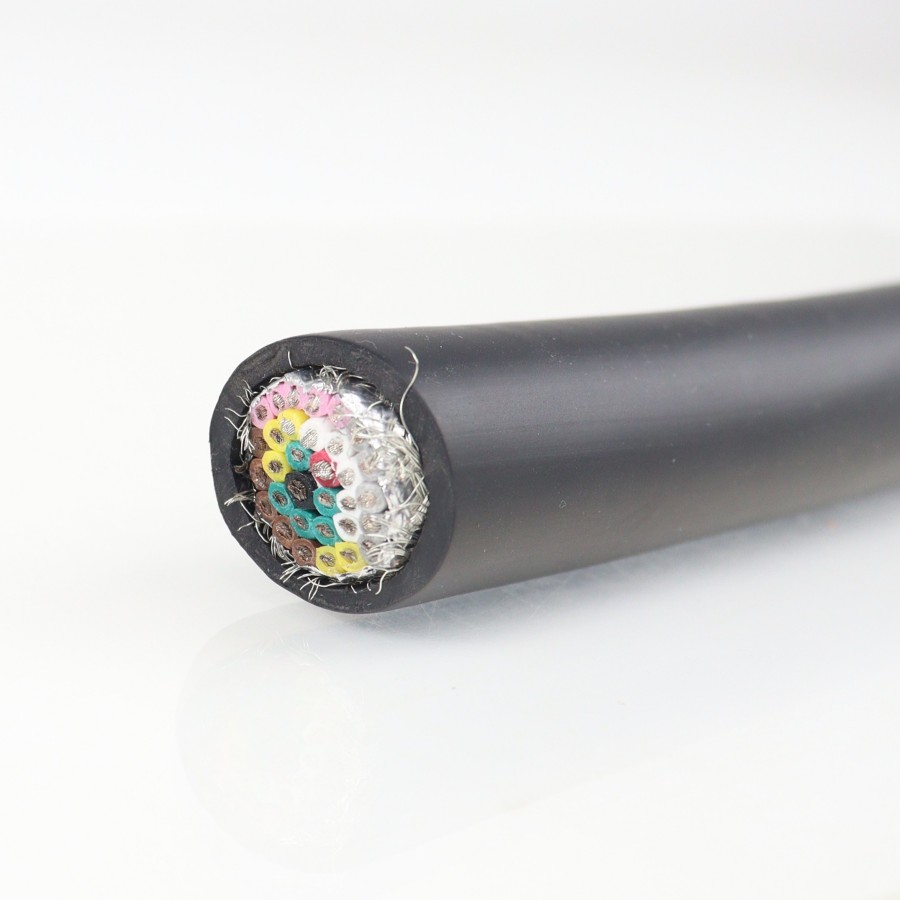
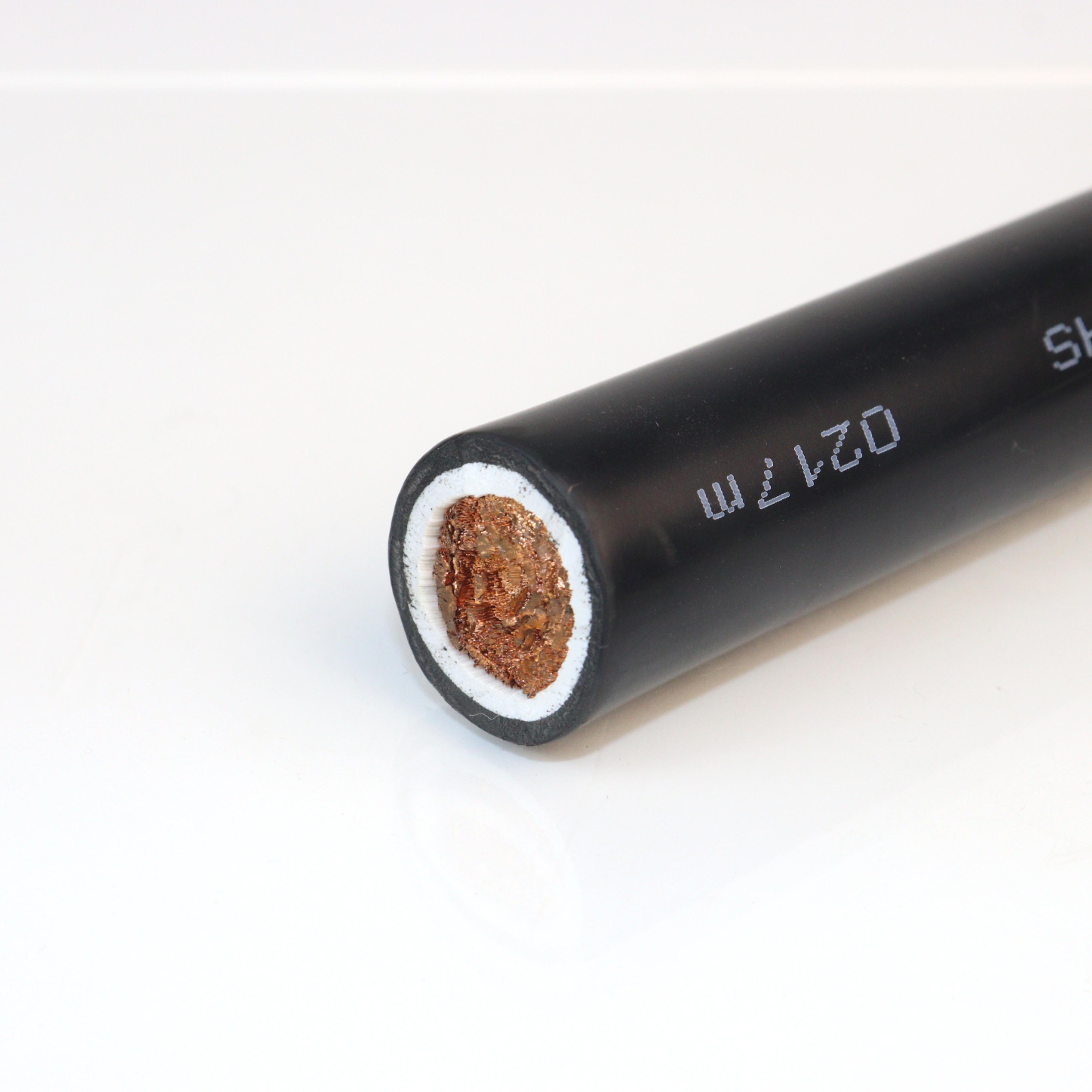
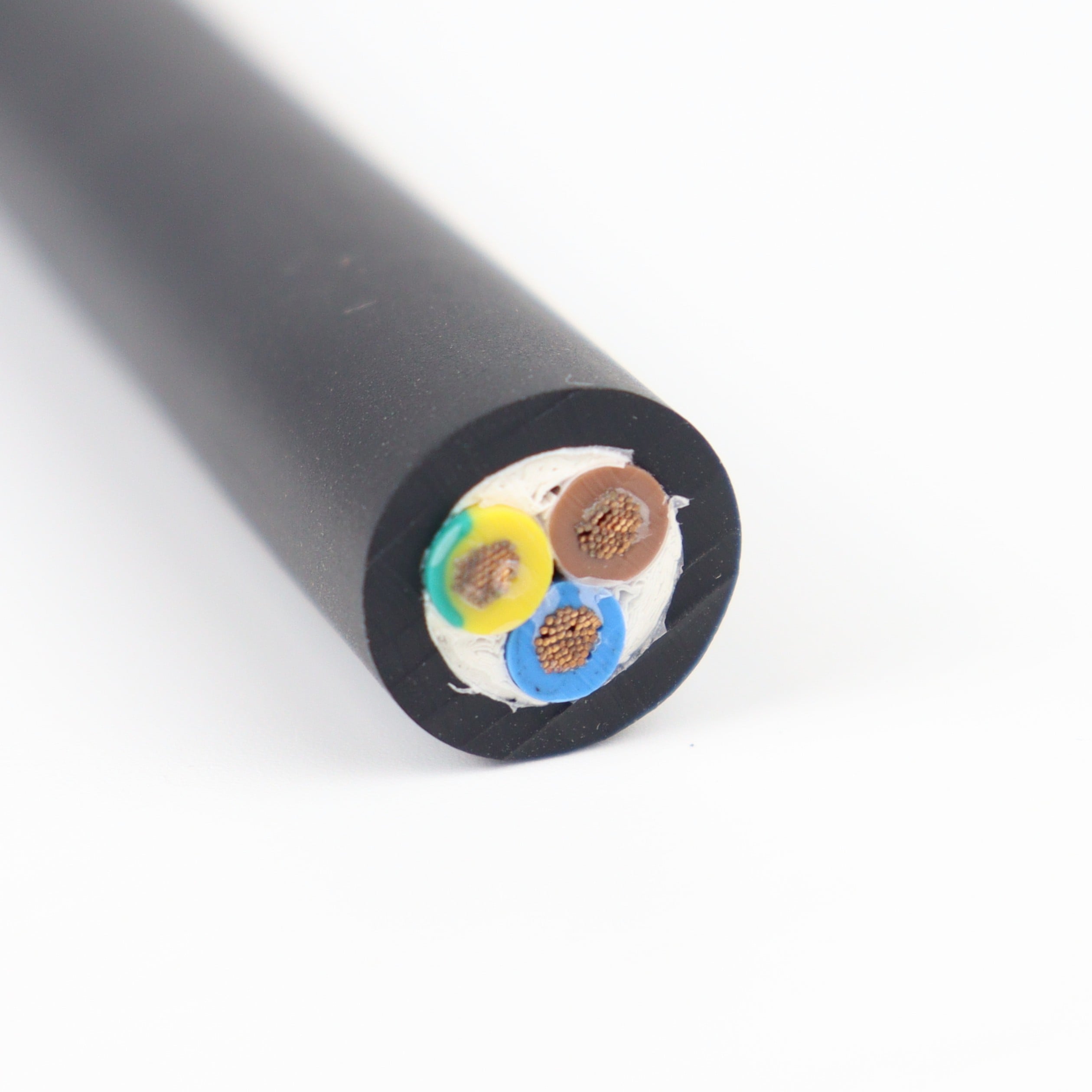
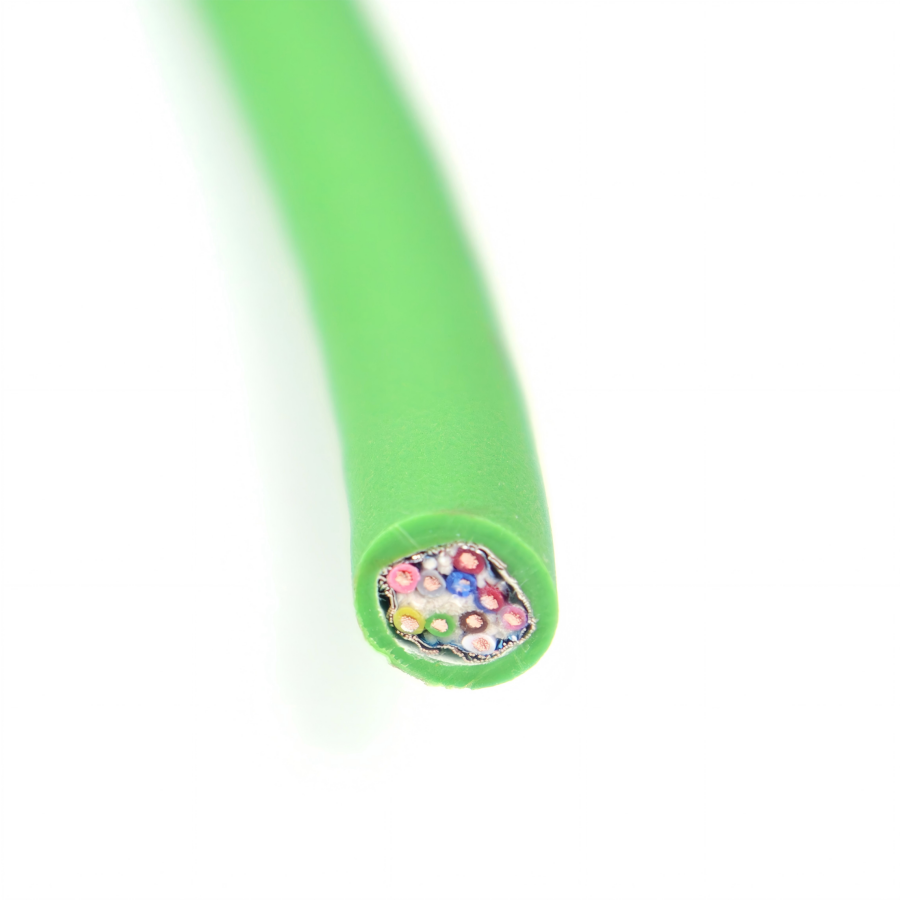
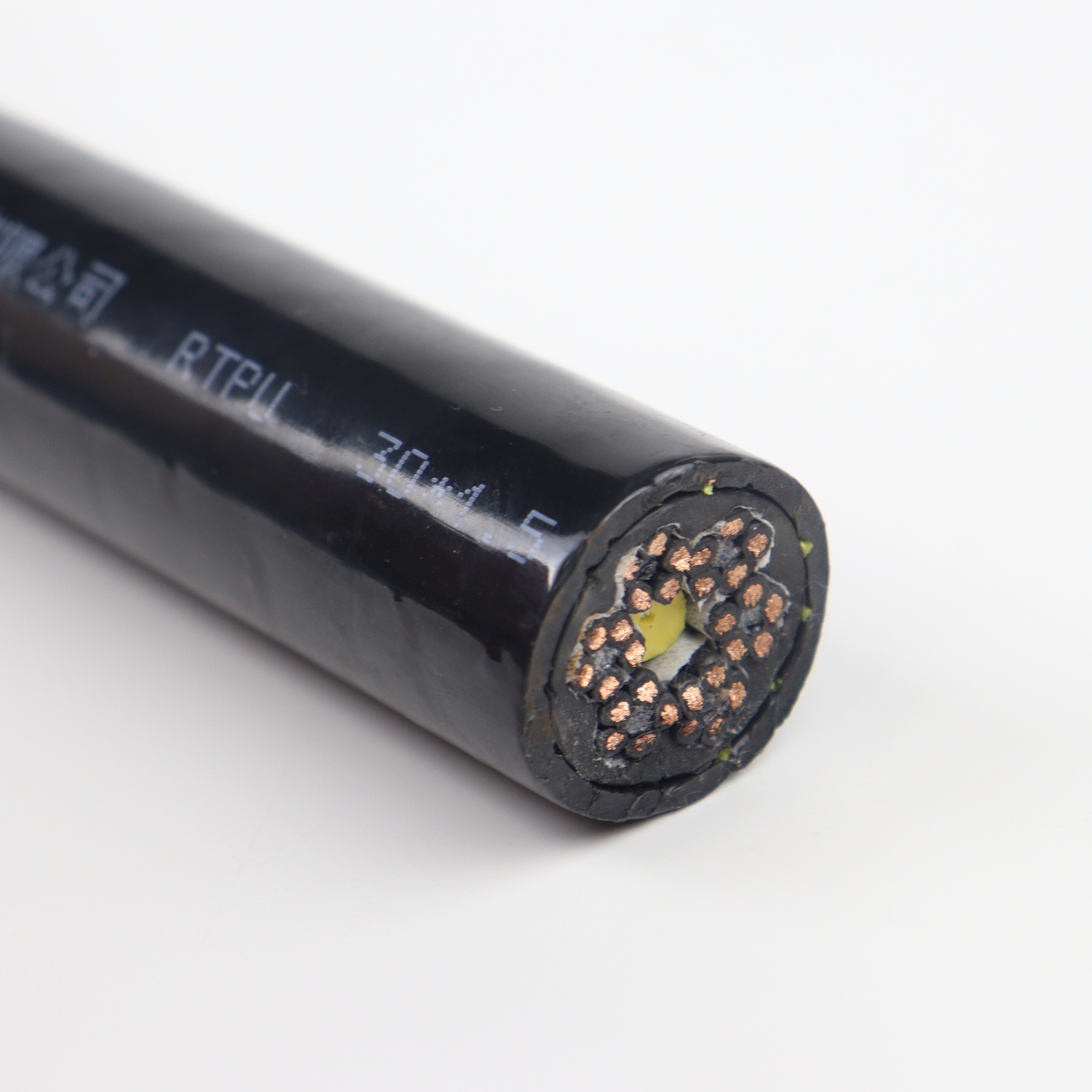
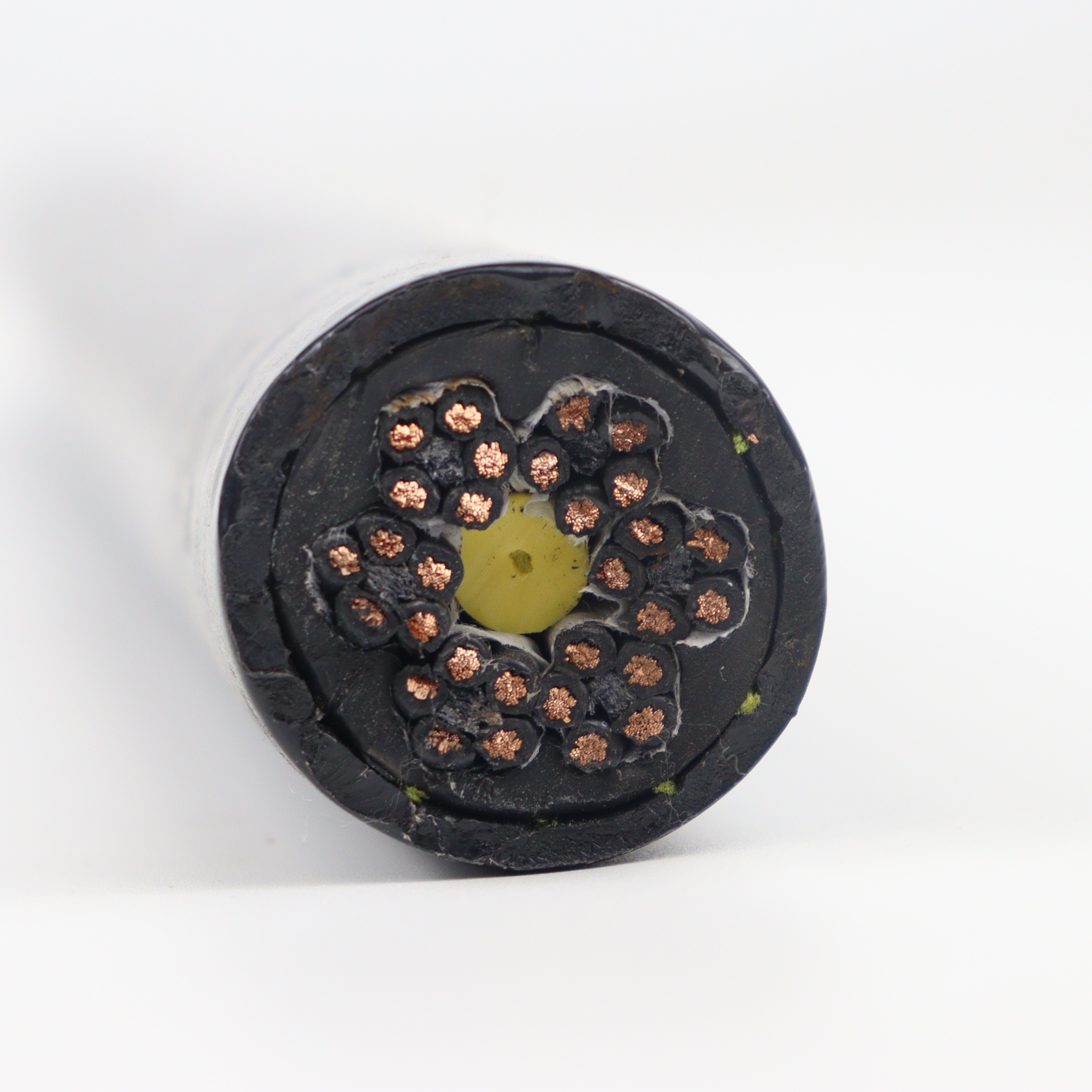
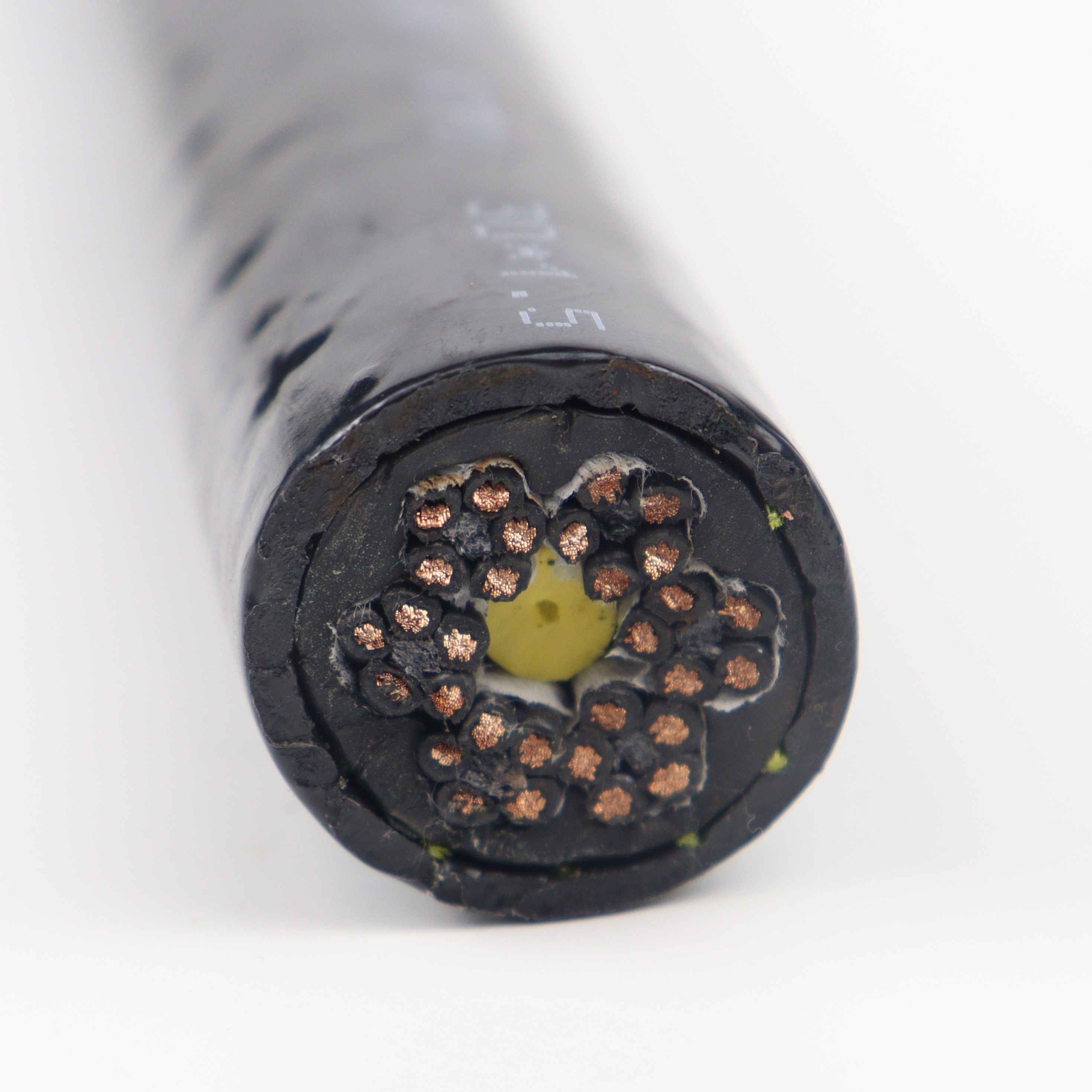
A flexible power cable is designed to transfer electrical energy while bending, twisting, or moving repeatedly. Unlike rigid wiring, a flexible power cable follows changing routes and supports equipment that shifts during normal operation. It connects motors, control panels, machines, tools, lighting systems, and portable devices to a reliable power source. The flexible power cable uses stranded copper conductors, which allow repeated movement without quickly breaking. Its outer jacket protects the inner wires from moisture, abrasion, oils, sunlight, and everyday contact. Depending on the model, the flexible power cable may include PVC, rubber, polyurethane, or other protective materials selected for the working environment. Many designs provide rated voltage options, temperature resistance, flame performance, and protection against mechanical stress. A flexible power cable can also include color-coded cores, shielding, grounding wires, and clear markings to simplify installation and maintenance. The flexible power cable is available in different conductor sizes, core counts, lengths, and jacket styles, helping buyers match the product to current, distance, movement, and site conditions. The flexible power cable supports fixed connections as well as drag-chain, robotic, construction, event, and mobile equipment use. A correctly selected flexible power cable reduces installation limits, supports stable operation, and helps protect expensive electrical equipment. Customers should review voltage, current, bending frequency, minimum bend radius, temperature range, chemical exposure, and certification needs before purchase. With the right specification, the flexible power cable provides practical, safe, and dependable energy delivery in demanding applications.