underground power cable
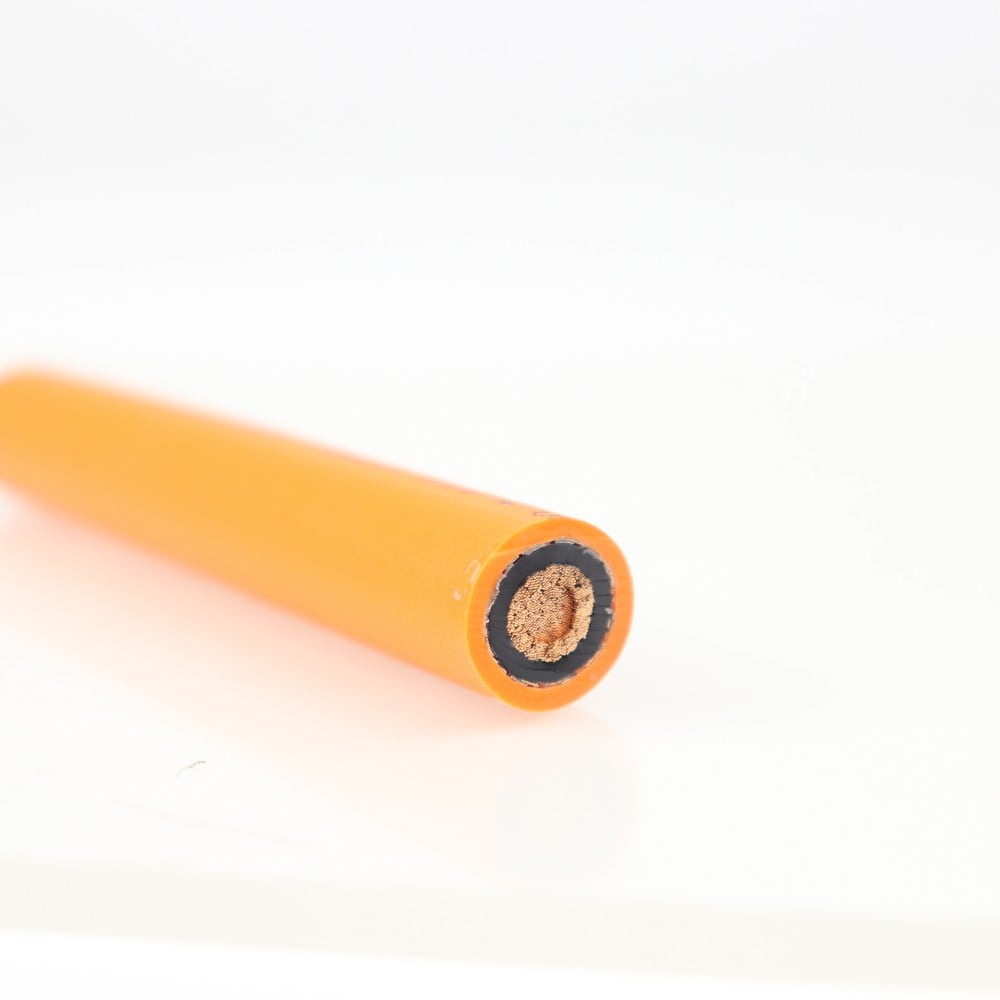
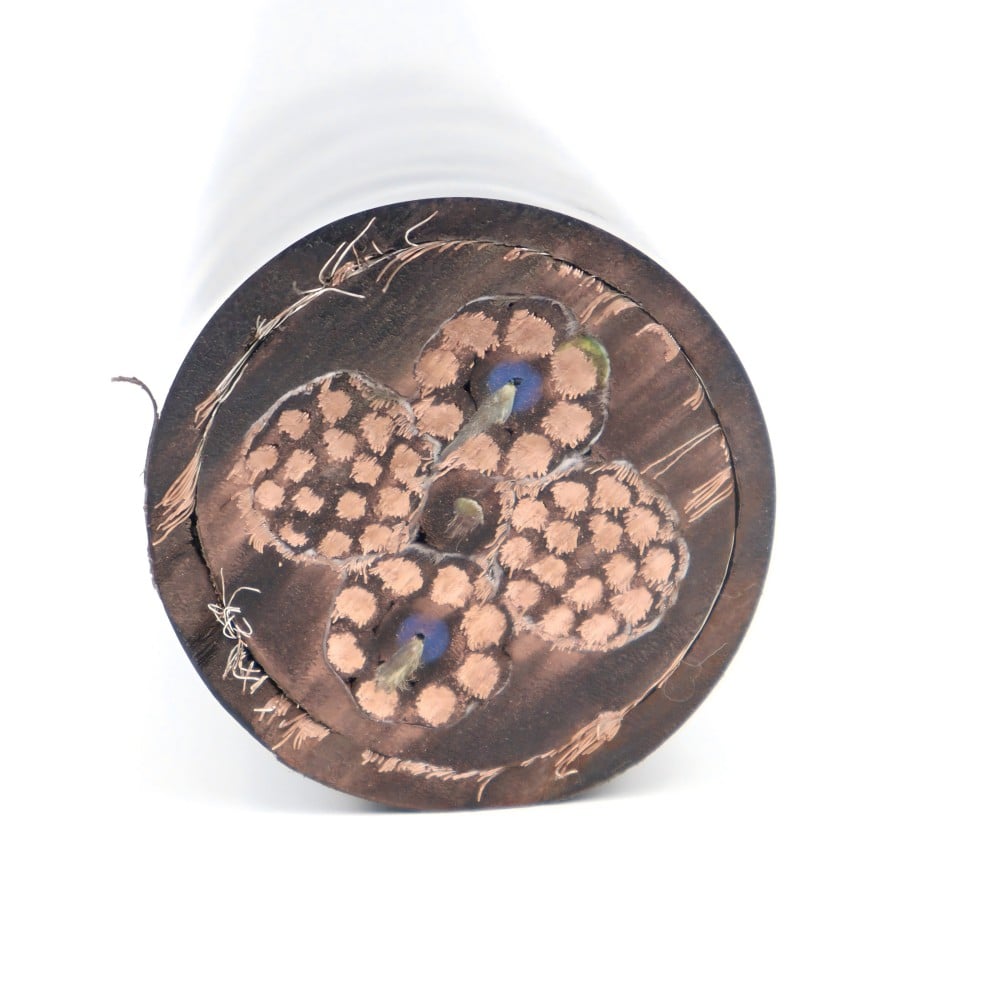
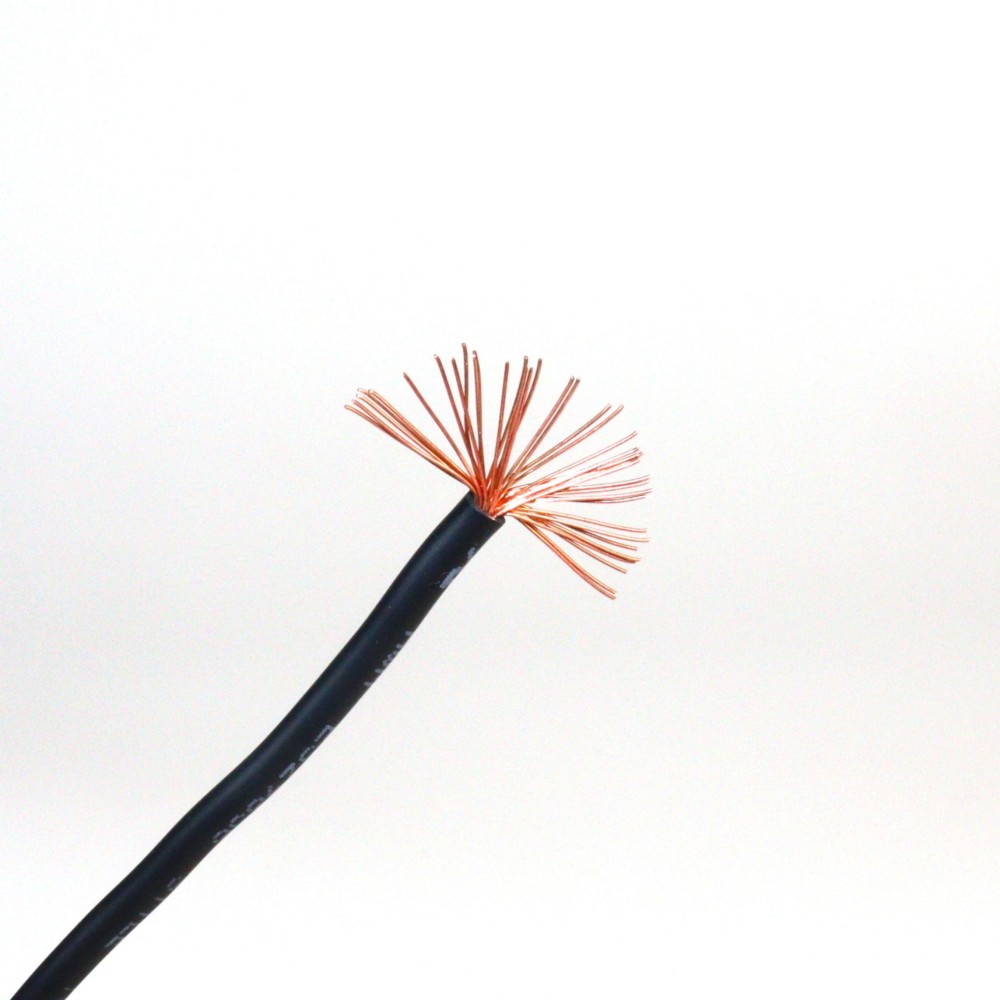
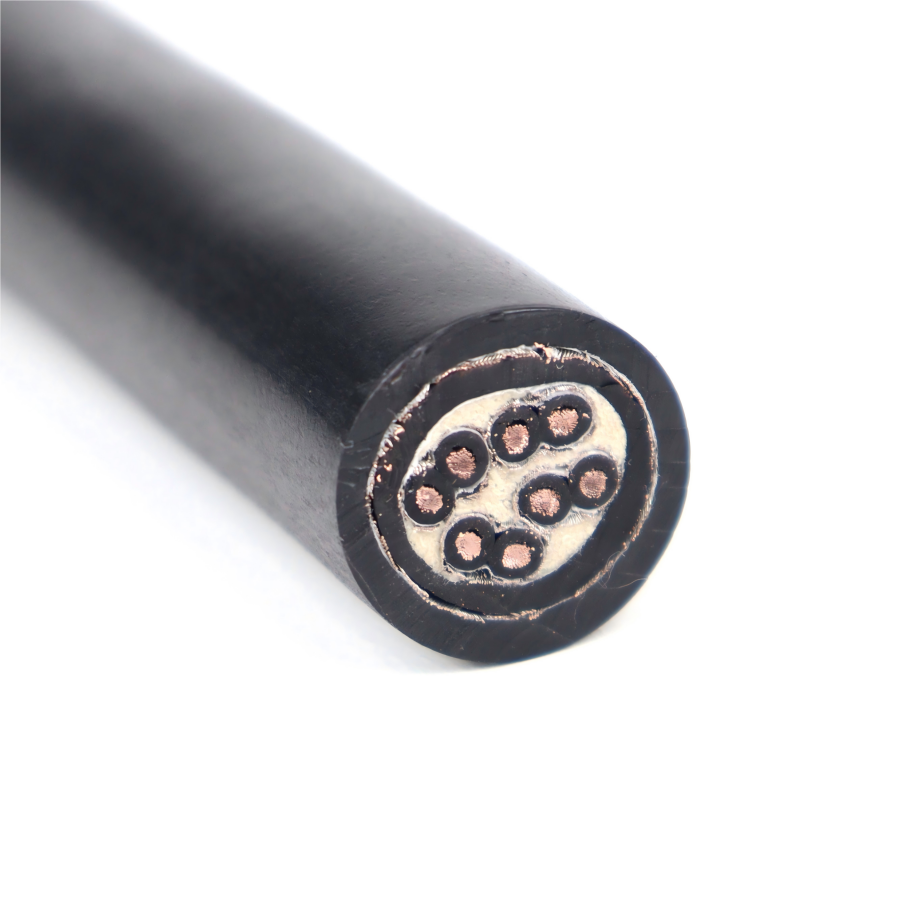
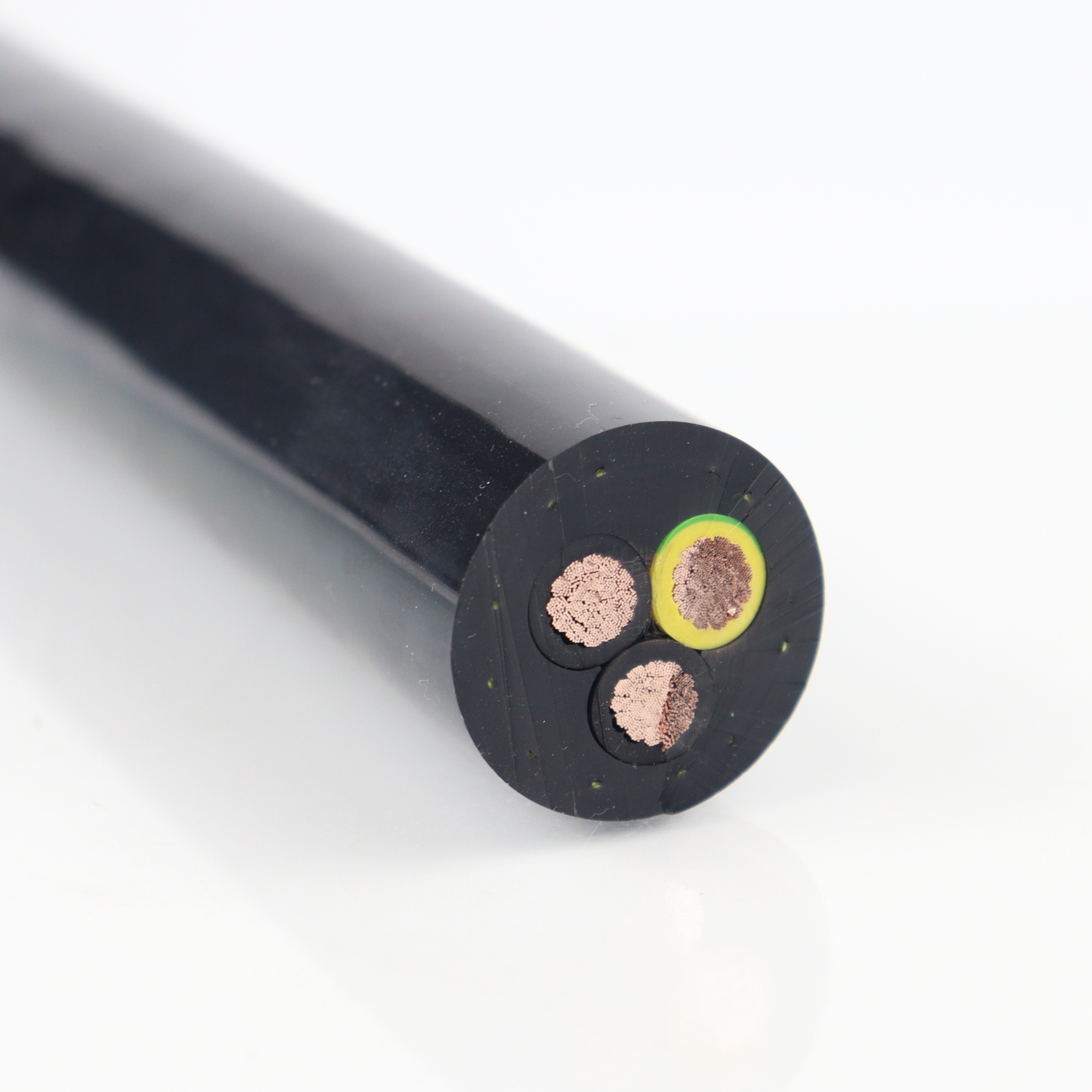
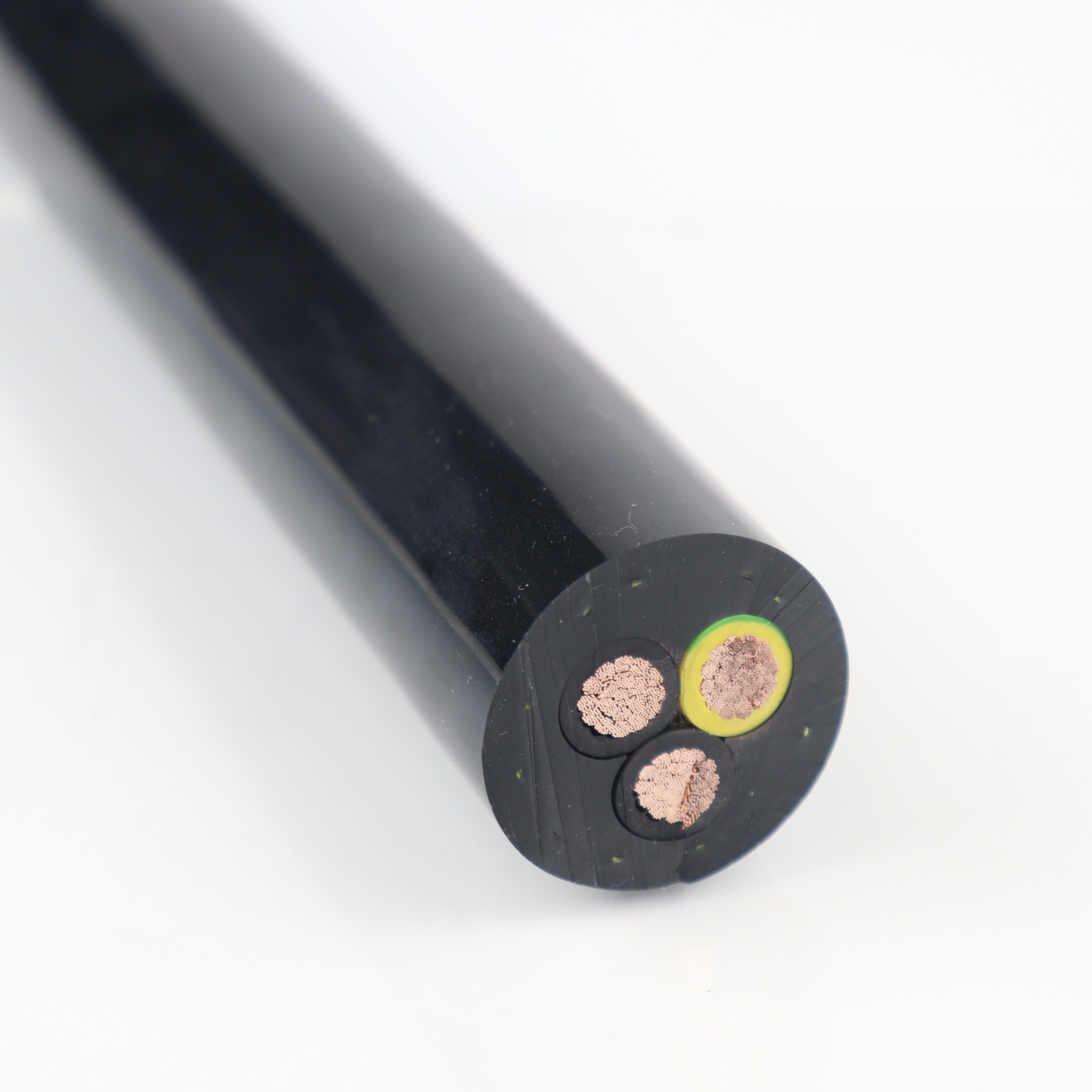
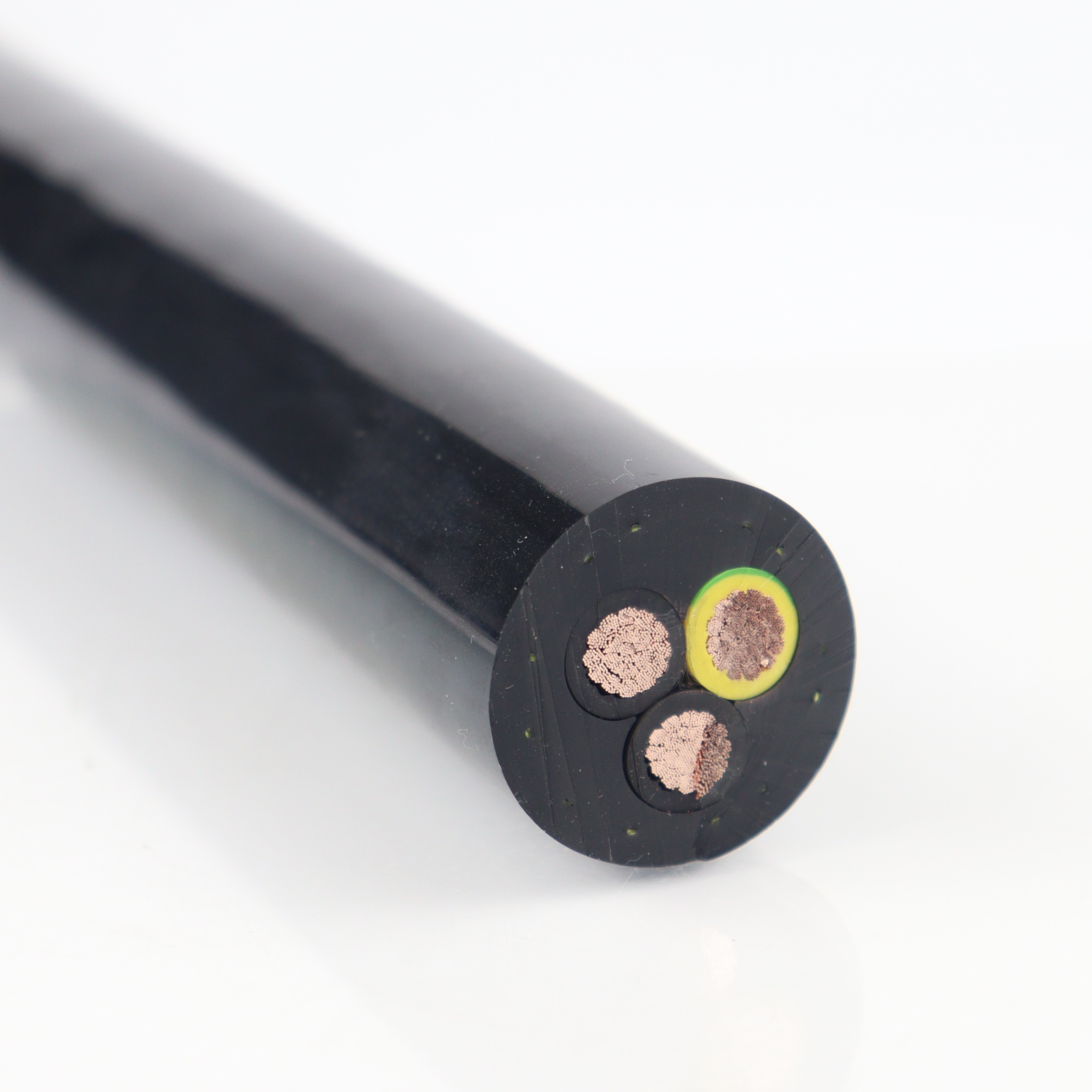
An underground power cable is an insulated electrical cable installed below ground to carry electricity safely between a source and a point of use. It can connect utility substations, distribution panels, buildings, renewable energy systems, street equipment, and industrial loads. Unlike overhead lines, an underground power cable remains protected from wind, ice, falling branches, vehicle contact, and many forms of accidental damage. The underground power cable uses one or more conductors, usually copper or aluminum, to move electrical current. Insulating layers separate the conductor from the environment, while an outer sheath protects the cable from water, soil, chemicals, abrasion, and pressure. Some designs add a metal screen, armor, or moisture barrier for demanding locations. Depending on voltage, load, soil conditions, and installation depth, customers can choose low-voltage, medium-voltage, or high-voltage versions. Modern products may use cross-linked polyethylene insulation, a durable material that handles heat and supports stable performance. Manufacturers also offer single-core and multicore formats, flexible constructions, and cables rated for direct burial, ducts, tunnels, or conduit systems. The underground power cable supports steady energy delivery with fewer visual obstructions and less exposure to weather. During planning, buyers should consider conductor size, voltage rating, insulation type, bending radius, expected load, soil conditions, water exposure, and local electrical standards. Correct selection helps prevent overheating, voltage loss, and premature replacement. The underground power cable is suitable for homes, commercial sites, factories, transport networks, data centers, farms, public infrastructure, and utility projects. It provides a practical route for dependable power where overhead lines are unsuitable or undesirable.